
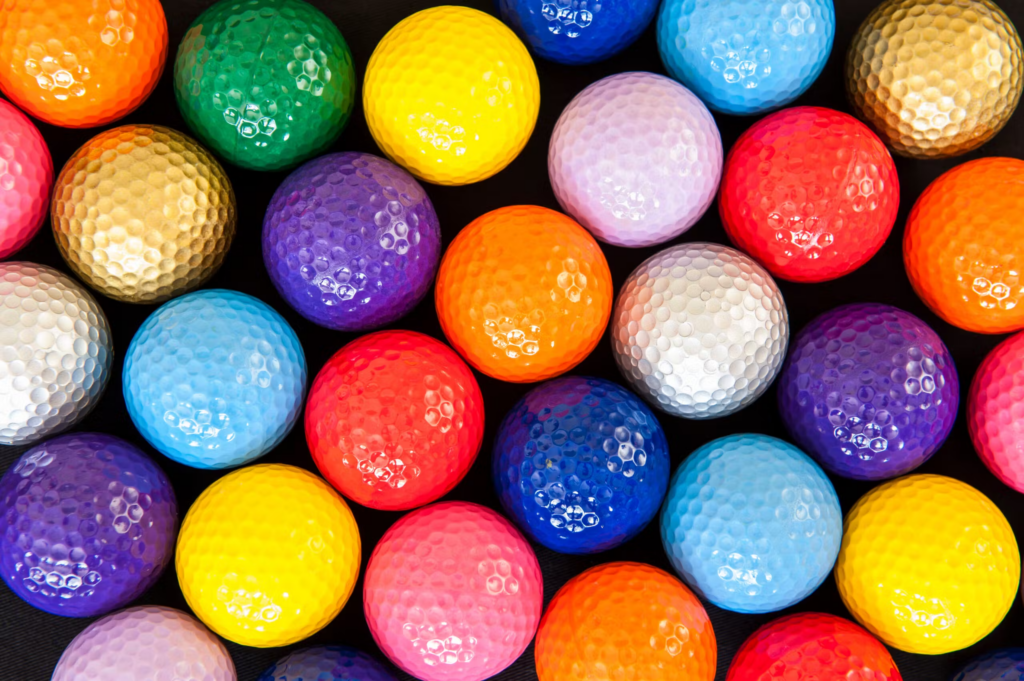
The color of a golf ball is almost as important to your game as the type of ball itself
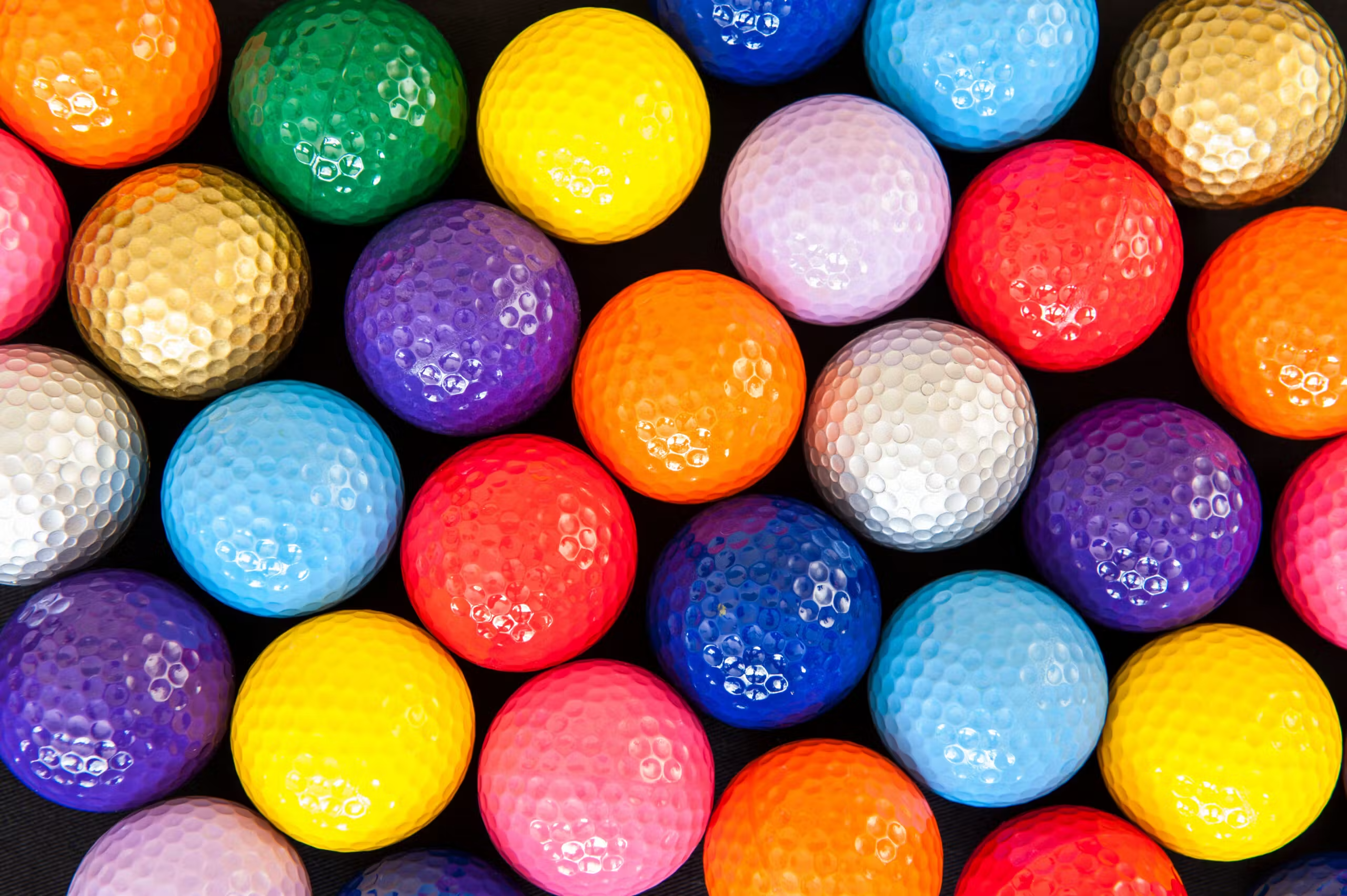
Walk into any well-stocked golf shop today and you’ll quickly notice that golf balls are no longer just white. The shelves are filled with vibrant yellows, electric greens, matte reds, oranges, and even patterned designs. While some of this variety is driven by style and brand identity, there is actually a fascinating science behind why certain golf ball colors are easier to see than others.
For golfers, visibility is more than a cosmetic preference. The ability to track a ball in the air, quickly locate it in the rough, and identify it on the green can make a meaningful difference in pace of play and overall enjoyment of the game. That’s where the concept of color hierarchy comes into play.
What is Color Hierarchy?
Color hierarchy refers to the order in which the human eye most easily detects and processes colors under typical outdoor lighting conditions. Our eyes do not perceive every color with the same level of sensitivity. Certain wavelengths of light are easier for the human eye to detect, especially against natural backgrounds like grass, trees, sand, and sky.
In golf, this hierarchy influences which ball colors stand out most during flight and when resting on the ground.
The Most Visible Colors on the Course
Generally speaking, the visibility hierarchy for golf balls tends to look something like this:
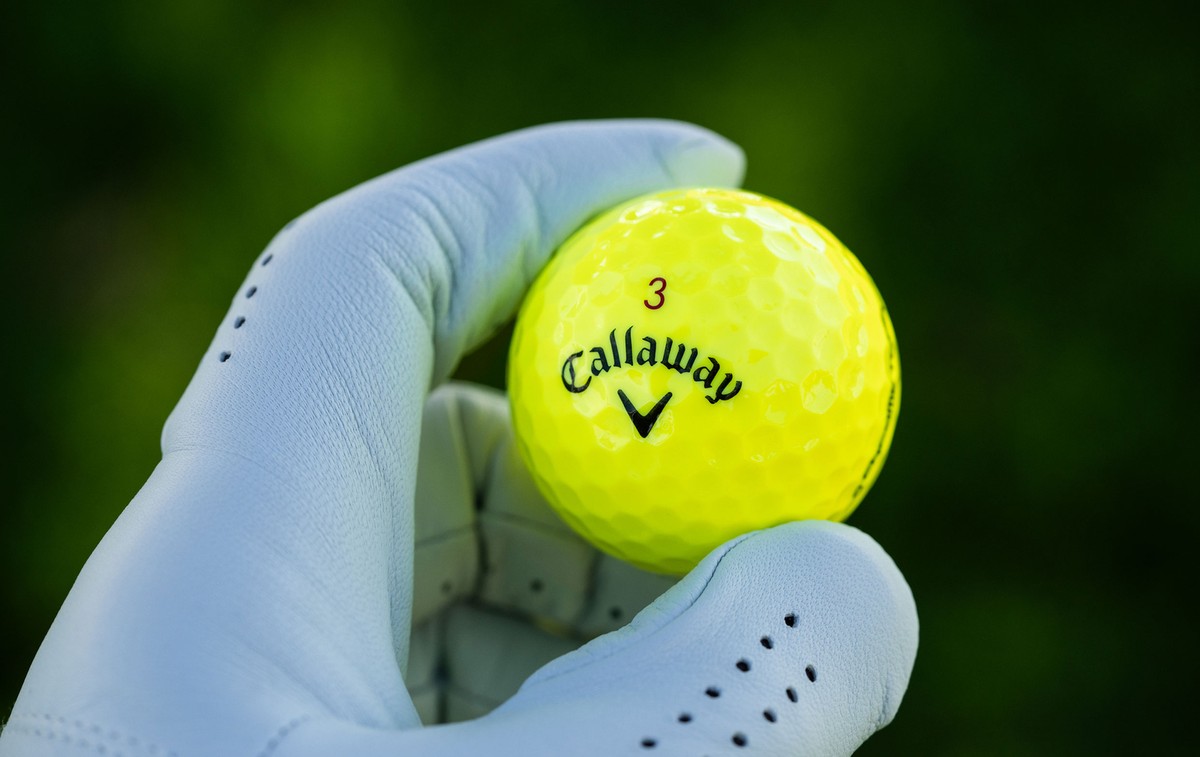
1. Neon Yellow / High-Visibility Yellow
For most golfers, neon yellow is the easiest ball color to see. The human eye is particularly sensitive to yellow-green wavelengths, which is why safety vests, tennis balls, and many construction markers use similar hues.
Against the blue sky, yellow creates a strong contrast, making it easier to track the ball during flight. On the ground, it also pops against darker grass and shaded areas.
That’s why yellow has become the most popular non-white golf ball color over the past decade.
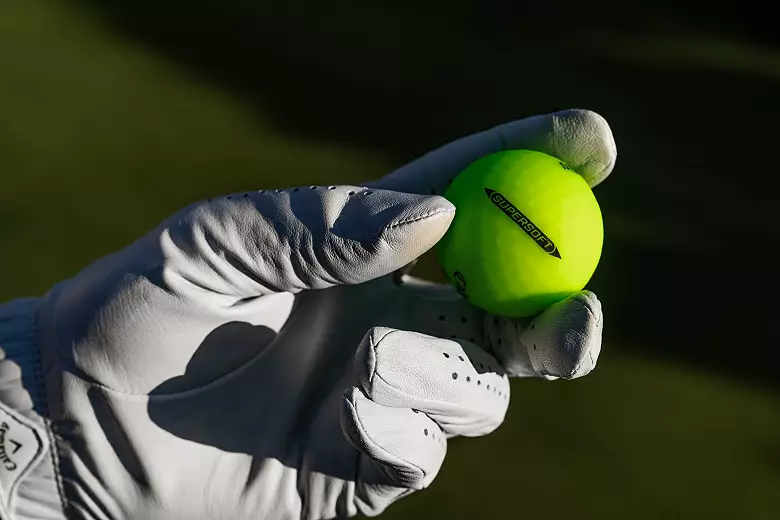
2. Neon Green
Bright greens perform similarly to yellow because they sit in the same highly visible wavelength range. In certain lighting conditions—especially overcast skies—neon green can stand out extremely well.
However, in lush green fairways or deep rough, green balls can sometimes blend into the background more than yellow.
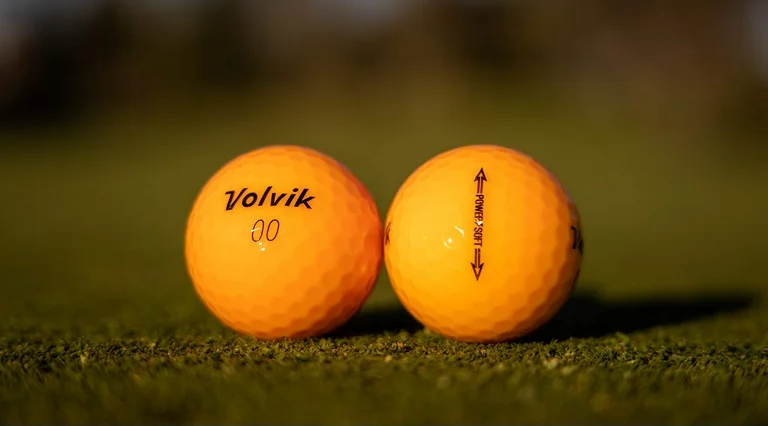
3. Orange
Orange golf balls offer excellent contrast against green grass and blue sky. Many golfers who struggle with yellow visibility prefer orange because it pops strongly against the course environment.
The drawback is that in autumn conditions, when leaves begin to fall and turf becomes more brown, orange balls can become harder to distinguish.
4. Matte Red or Pink
Red and pink golf balls can be very visible in the air, particularly against bright skies. Some golfers find these colors easier to track during the ball’s descent.
However, these colors can lose contrast once they reach the ground, especially in darker turf conditions.
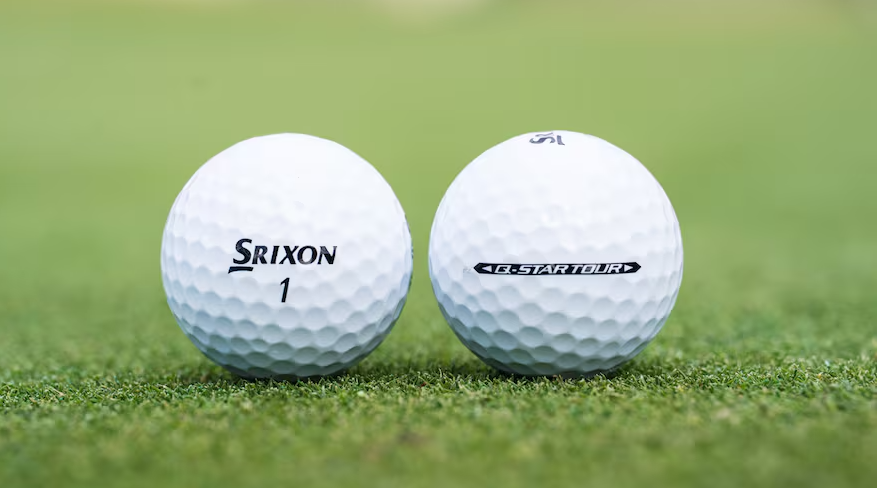
5. Traditional White
Despite the rise of colorful options, white remains the standard for a reason. White balls perform consistently across a wide variety of lighting conditions and provide strong contrast against green grass.
Where white struggles is in bright, hazy skies or cloud cover, where the ball can occasionally blend into the background during flight.
Why Different Golfers See Colors Differently
Not every golfer sees colors the same way. Several factors influence ball visibility:
Age of the golfer
As we age, the lens of the eye can yellow slightly, which changes how we perceive certain colors. Many golfers over 50 find high-visibility yellow balls easier to track than white.
Color perception differences
Some golfers have mild forms of color blindness or reduced sensitivity to certain wavelengths, making one color significantly easier to see than another.
Lighting conditions
Morning fog, afternoon sun angles, and cloud cover can all change which colors stand out most during a round.
Background contrast
A desert course, a lush parkland course, and a coastal links all present different visual backgrounds. The ideal ball color can change depending on the environment.
The Rise of High-Visibility Golf Balls
Over the past 15 years, manufacturers have invested heavily in high-visibility pigments and coatings. Early colored balls often used dull paint that faded quickly. Today’s models use advanced urethane and matte finishes that maintain brightness and durability.
Major manufacturers now offer premium tour-level balls in multiple color options. It’s no longer just an entry-level feature—it’s a performance choice.
Choosing the Right Color for Your Game
The best way to determine which golf ball color works for you is simple: test them.
Try hitting different colors on the driving range and pay attention to two things:
• How easy it is to track the ball in flight
• How quickly you can locate the ball once it lands
You might be surprised by what works best for your eyes.
Some golfers even carry two colors depending on the season—yellow for winter rounds with softer light and white for bright summer days.
Visibility Equals Confidence
Golf is hard enough without losing sight of the ball. Choosing a color that your eyes naturally track better can reduce frustration, speed up play, and even add a little confidence when you stand over a shot.
At the end of the day, the best golf ball color is the one you can see clearly from tee to green.
And if you’re curious which ball performs best for your swing—not just your eyes—stop by the Haggin Oaks Golf Super Shop and try our complimentary PING Ballnamic Golf Ball Fitting Kiosk. It’s a quick and fascinating way to discover the golf ball that’s truly optimized for your game!