
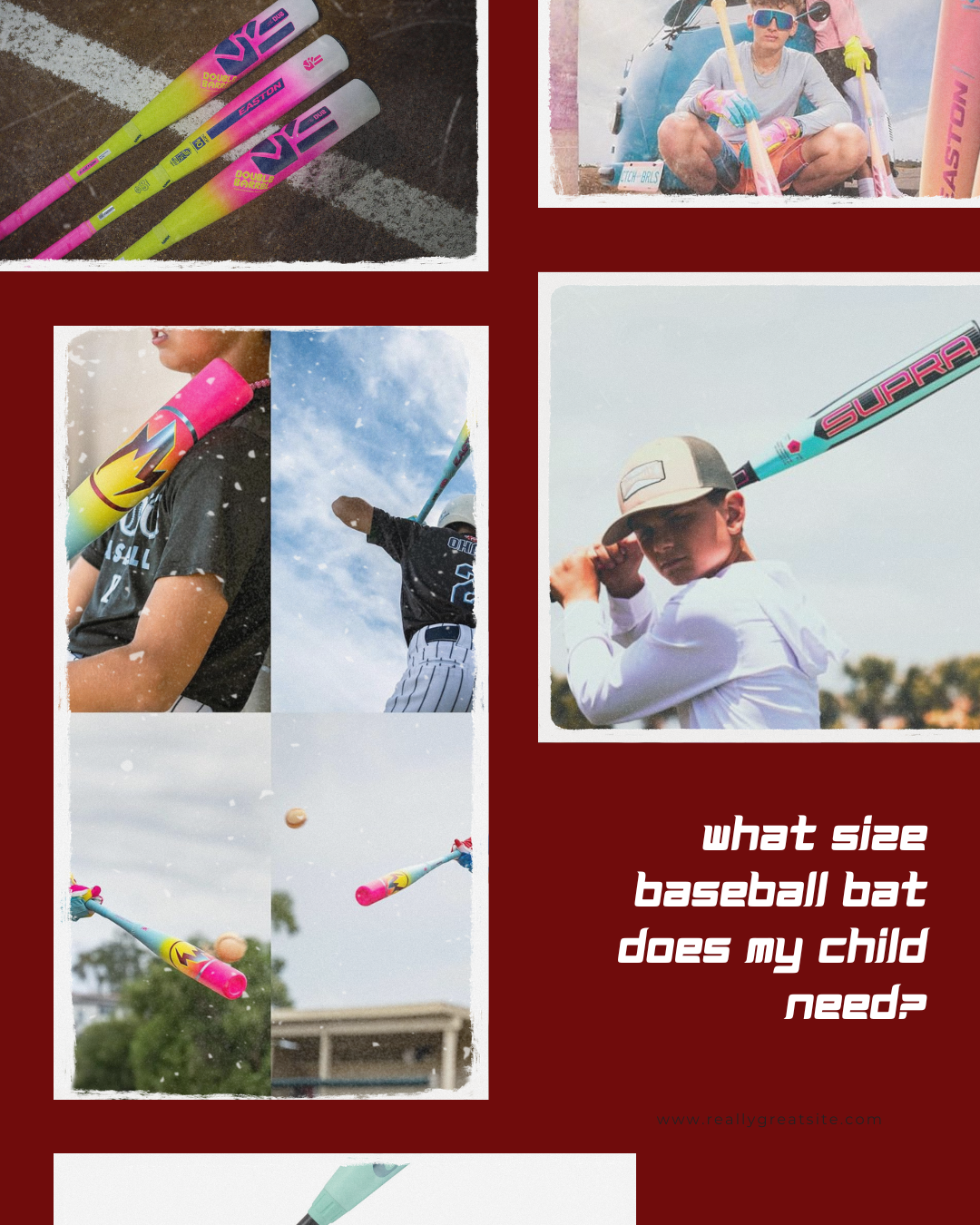
If you’re asking what size baseball bat does my child need, you’re not alone. As a former player who spent 14 years in the game — and now a baseball dad with a 12U son playing both travel and middle school ball — I can tell you this is one of the most common (and important) questions parents ask.
Choosing the right bat size affects confidence, swing mechanics, timing, and overall performance.
This guide will break down bat length, height recommendations, age guidelines, and how to make the right choice for your player.
Quick Answer: How to Choose the Right Bat Size
The right youth baseball bat size depends on:
- Your child’s height
- Your child’s weight
- Age and league rules
- Strength and swing mechanics
In general:
- Ages 7–8: 26–28 inches
- Ages 9–10: 28–30 inches
- Ages 11–12: 30–32 inches
- Ages 13+: 31–33 inches (league dependent)
But age alone isn’t enough — height and strength matter more.
Baseball Bat Size Chart by Height
Here’s a simple starting point many parents use:
- Under 4’0″: 26–27 inches
- 4’0″–4’5″: 27–29 inches
- 4’6″–5’0″: 29–31 inches
- 5’1″–5’6″: 30–32 inches
- 5’7″+: 31–33 inches
This gives you a starting range. From there, you fine-tune based on how the bat feels during live swings.
The Arm Test (Simple At-Home Check)
Here’s an easy method I’ve used with my own son:
- Have your child stand upright.
- Place the knob of the bat at the center of their chest.
- If the barrel reaches the fingertips of their outstretched arm, the length is generally appropriate.
If the bat goes well past their fingertips, it’s likely too long. If it stops short, it may be too small.
Bat Length vs. Bat Drop (Very Important)
Many parents confuse bat length with bat drop (weight difference). Once you determine the correct length, you also need to choose the correct drop weight.
We break this down fully in our guide here: What Baseball Bat Drop Should My Child Use?
Length affects reach. Drop affects swing speed. Both matter.
League Rules Matter (USA, USSSA, BBCOR)
Before buying a bat, always check league requirements. Some leagues require:
- USA Baseball certification (learn more at the official USA Baseball bat standards page)
- USSSA certification
- BBCOR (-3 drop) for middle school and high school
For example, my son can swing a USSSA Drop -8 in travel ball, but for middle school he must use a BBCOR Drop -3 bat. League rules override personal preference.
Signs the Bat Is Too Big
- Slow swing speed
- Dropping hands during swing
- Late timing on fastballs
- Difficulty controlling the barrel
Many parents buy “room to grow.” That often hurts development more than it helps.
Signs the Bat Is Too Small
- Looks cramped at the plate
- Limited plate coverage
- Outgrowing it mid-season
The right bat size should feel balanced and allow full extension without forcing mechanics.
Development Matters More Than Bat Size
Even with the perfect bat, improvement comes from reps and smart training. If you’re looking to build consistency at home, check out our Weekly Baseball Practice Plan by Age to help your player develop strength, mechanics, and confidence.
Final Thoughts
If you’re wondering what size baseball bat your child needs, start with height and age, confirm with simple at-home tests, and make sure you understand league rules. Avoid oversizing just for growth — confidence and bat speed matter far more at younger ages.
The right bat won’t make your child a superstar overnight. But the wrong bat can absolutely hold them back.
Choose wisely, focus on development, and keep it fun. That’s what youth baseball is really about.