

James Breese | Performance System Architect
All clinical standards and performance engineering frameworks provided by Cricket Matters are overseen by James Breese, Level 4 Sports & Remedial Therapist (LCSP Assoc. Member) and ECB Coach. Our system integrates clinical biomechanics, metabolic nutrition, and neural efficiency to ensure athlete safety and elite performance output.
The Technical Objective
Fast bowling is not a spinal problem to fix — it is a movement system to understand. Most approaches to back pain in cricket start at the site of symptoms. At Cricket Matters, we start with the system that produced them.
This article outlines the model we use to assess and manage fast bowlers: not by chasing pain, but by identifying how force is produced, transferred, and absorbed across the body.
The objective is simple: Stop treating the symptom. Start understanding the system.
Article Summary
This article explains why low back pain in cricket fast bowlers is often not primarily a lumbar spine issue, but a movement system problem.
It explores:
- How force is produced and transferred during fast bowling
- Why the lumbar spine becomes overloaded
- How restrictions in the hips, thoracic spine, or lower limbs can increase spinal stress
- How pain alters motor control and movement patterns
- Why treating the site of pain alone often fails
The central idea: the spine is often the site of symptoms, not the source of dysfunction.
Fast bowlers are often managed as if the back is the problem. They rest. They strengthen their core. They return to play. And then it happens again.
Not because the back wasn’t treated — but because the system that loads the back wasn’t changed.
Under match conditions:
- The load is higher
- The margins are smaller
- The body reverts to its default strategy
If that strategy is inefficient, restricted, or poorly coordinated, the lumbar spine absorbs what the rest of the system cannot manage.
This is why:
- Pain can settle, but performance doesn’t improve
- Rehabilitation can stop, but the risk remains
- Bowlers feel “fine” — until they’re not
Identify the System, Not Just the Symptom
To solve a problem, you must define it correctly. If you only assess the lumbar spine, you will only ever treat the lumbar spine.
But fast bowling is driven by:
- Lower limb force production
- Pelvic and trunk control
- Thoracic rotation
- Shoulder function
- Breathing and pressure management
The question is not: “Where does it hurt?” The question is: “Where is the system breaking down under load?”
This article explores a different way of thinking about back pain in fast bowlers — one that looks beyond the spine and examines the movement system that drives it.
Watch the Masterclass: The Joint-by-Joint Approach to Fast Bowling
Before we dive into the clinical specifics of lumbar loading and force transfer, watch this edition of Blackboard Friday. In this 17-minute guide, I break down the “Joint-by-Joint” approach and explain why treating the site of pain—without addressing the mechanics of the feet, hips, and trunk—is a recipe for injury recurrence.
The Problem: Why Back Pain Keeps Coming Back
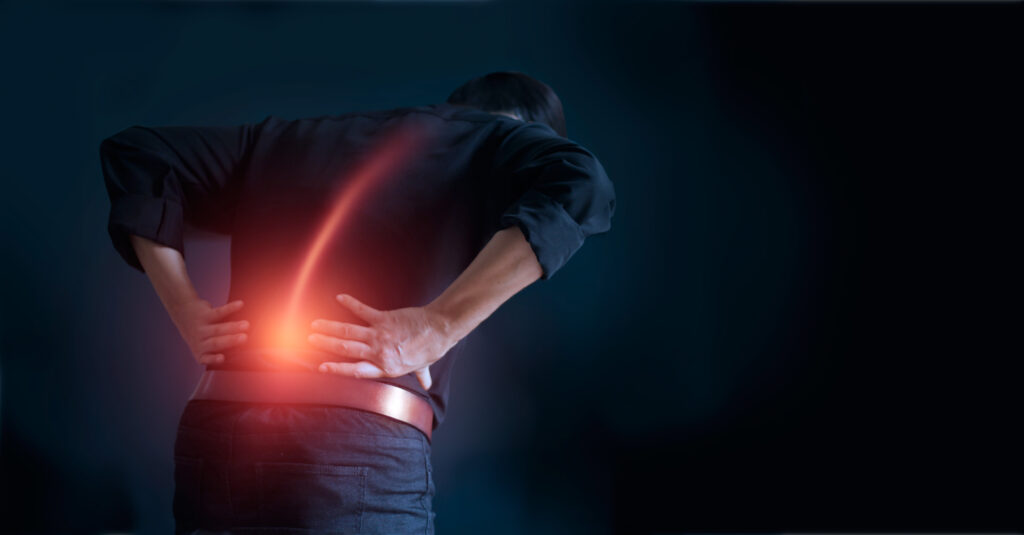
Low back pain is one of the most common issues in cricket fast bowlers. At junior, academy, and professional level, it shows up repeatedly — often at the same point in the season, and often in the same players.
MRI-based studies have shown a high prevalence of lumbar spine abnormalities in fast bowlers, even in those who continue to play through symptoms Arora et al. 2014 MRI lumbar spine fast bowlers. Some research suggests that a significant proportion of fast bowlers will sustain a lumbar stress injury at some point in their career.
What’s more concerning is not just how often it occurs, but how often it comes back.
A typical pattern looks like this:
- The bowler develops pain.
- They reduce or stop bowling.
- They receive treatment — manual therapy, rest, strengthening.
- Symptoms settle.
- They return to play.
- And within weeks or months, the pain returns.
From a clinical and performance perspective, this should raise a problem. If the issue has been treated, why does it keep recurring?
Part of the answer lies in how the problem is defined. Most approaches focus on the lumbar spine:
- Reduce pain
- Improve local strength
- Manage symptoms
This makes sense on the surface. The pain is in the back, so the back becomes the target. But this assumes that the lumbar spine is the primary problem. That assumption is not always correct.
Research into fast bowling injuries shows that multiple factors influence lumbar stress.
Technique plays a role. Bowlers using a “mixed” action — where the shoulders counter-rotate significantly relative to the hips — are exposed to higher torsional loads through the spine.
Workload is another major factor. Bowlers delivering high volumes in short timeframes are significantly more likely to develop stress injuries.
Physical characteristics also matter. Deficits in lumbo-pelvic control, reduced trunk endurance, and asymmetries in muscle function have all been associated with increased injury risk.
Even more importantly, early MRI markers such as bone marrow oedema can appear before a fracture develops, indicating that tissue stress is building long before symptoms become severe.
Taken together, this tells us something important:
- Back pain in fast bowlers is not driven by a single factor.
- It is the result of how the entire system manages load.
And yet, most rehabilitation approaches remain focused on the site of pain.
Systematic reviews of cricket-related low back pain highlight a range of contributing factors — including workload, technique, and physical characteristics — yet recurrence remains a consistent issue despite intervention Morton et al. 2014 cricket low back pain systematic review.
In injury research more broadly, one of the most consistent findings is that previous injury is the strongest predictor of future injury. This suggests something important:
Recovery is often incomplete. Not in terms of symptoms — but in terms of function.
Fast Bowling Is a Whole-Body Movement, Not a Back Exercise
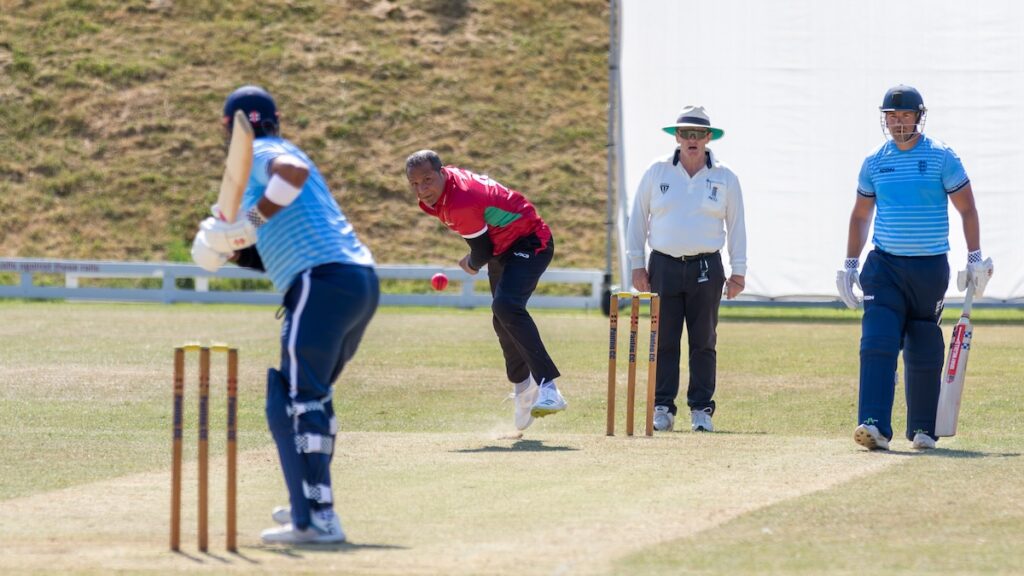
Fast bowling is often discussed in terms of the arm, the action, or the back. But biomechanically, it is none of those in isolation.
It is a whole-body, high-velocity movement that relies on the coordinated transfer of force from the ground, through the body, and into the ball.
The delivery is not a single action. It is a sequence.
Run-up → gather → delivery stride → release.
Each phase builds on the previous one. Each phase contributes to how force is produced, transferred, and expressed.
At the start of the run-up, the goal is simple: generate momentum.
As the bowler approaches the crease, that momentum must be controlled and redirected.
During the delivery stride, large ground reaction forces are generated and absorbed. The lower limbs and pelvis play a primary role here, acting as both producers and regulators of force.
From there, energy is transferred through the trunk and into the upper body, before being expressed at the shoulder, arm, and finally the hand at release.
This is not a local movement. It is a linked system.
In biomechanics, this is often described as proximal-to-distal sequencing.
Force is generated by larger, proximal segments and transferred to smaller, distal segments in a coordinated sequence. When this sequencing is efficient, velocity and accuracy improve while unnecessary stress is minimised.
This principle has been well described across rotational sports, particularly in baseball pitching, where energy transfer through the kinetic chain is a key determinant of performance (Putnam, 1993; Kibler, 1995).
While fast bowling and pitching are not identical, the underlying requirement remains the same: force must move efficiently through the body.
This has an important implication. If one part of the system cannot contribute effectively, another part must compensate.
If:
- The ankle cannot absorb load
- The hip cannot rotate
- The thoracic spine cannot move
- The pelvis cannot control position
then the system does not stop. It adapts.
And when it adapts under speed and load, that adaptation often shifts stress to regions that are not designed to handle it repeatedly.
This is where the lumbar spine becomes relevant.
Not as the primary driver of the movement, but as a transfer point within the system.
If force is not efficiently generated or transferred below, or not effectively expressed above, the spine becomes the area where that inefficiency accumulates.
This does not mean that every back injury is caused by dysfunction elsewhere.
But it does mean that focusing only on the lumbar spine ignores how the movement is actually produced.
Fast bowling is not a back exercise. It is a system-level task that depends on:
- Force production
- Force transfer
- Timing
- Coordination
When those elements are aligned, the system distributes load effectively. When they are not, the distribution changes — and the consequences are often felt in the same place.
The Lumbar Spine: Built to Transfer Force, Not Create It
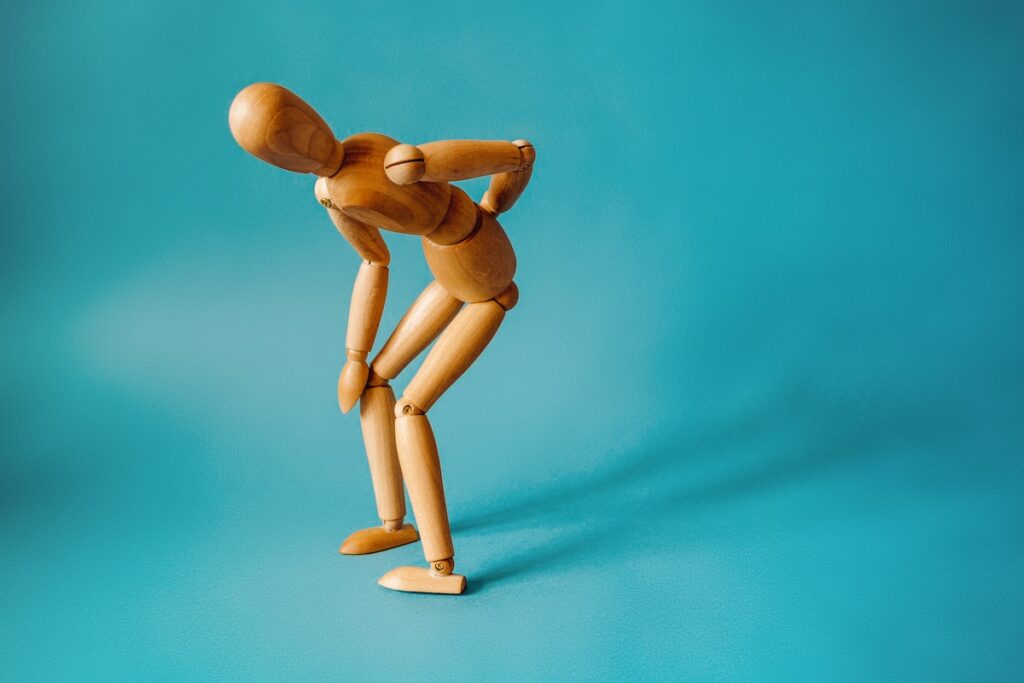
To understand why back pain is so common in fast bowlers, you first need to understand what the lumbar spine is designed to do — and what it is not designed to do.
The lumbar spine is not built for large amounts of rotation.
Anatomically, the orientation of the lumbar facet joints limits rotational movement, with only a small degree of rotation available at each segment compared to the thoracic spine. Its primary role is to provide stability and allow force to be transferred between the lower and upper body (Panjabi, 1992; McGill, 2007).
In simple terms:
- The hips and thoracic spine are designed to move.
- The lumbar spine is designed to control and transmit that movement.
In fast bowling, however, the lumbar spine is exposed to a unique combination of forces.
Biomechanical analyses of fast bowlers show that during the delivery stride and ball release, the spine undergoes significant extension, lateral flexion, and rotation — often at high speed and under repeated loading (Elliott et al., 1992; Portus et al., 2004).
These combined movements, particularly when repeated at high volumes, are associated with increased stress on the posterior elements of the spine, including the pars interarticularis.
This is not inherently a problem.
The lumbar spine is capable of tolerating load — provided that load is appropriately distributed and remains within the capacity of the tissue.
The issue arises when the lumbar spine is required to do more than its primary role.
If the system below does not generate or absorb force effectively, or the system above cannot express it efficiently, the lumbar spine may be required to contribute more to movement.
From a movement perspective, this reflects the broader concept of regional interdependence, where dysfunction in one region can alter loading patterns elsewhere in the system .
This does not mean the lumbar spine becomes the sole cause of injury. It still contributes to movement. It still participates in rotation, extension, and control.
But it is not designed to be the dominant driver of those actions, particularly under repeated high-speed loading. When it takes on that role, even subtly, the cumulative effect over time becomes significant.
From a biomechanical perspective, the question is not simply: “Is the lumbar spine under load?”
It always is. The better question is:
“Is the lumbar spine operating within a system that supports efficient load transfer — or compensating for one that does not?”
When the System Breaks Down, the Spine Pays the Price
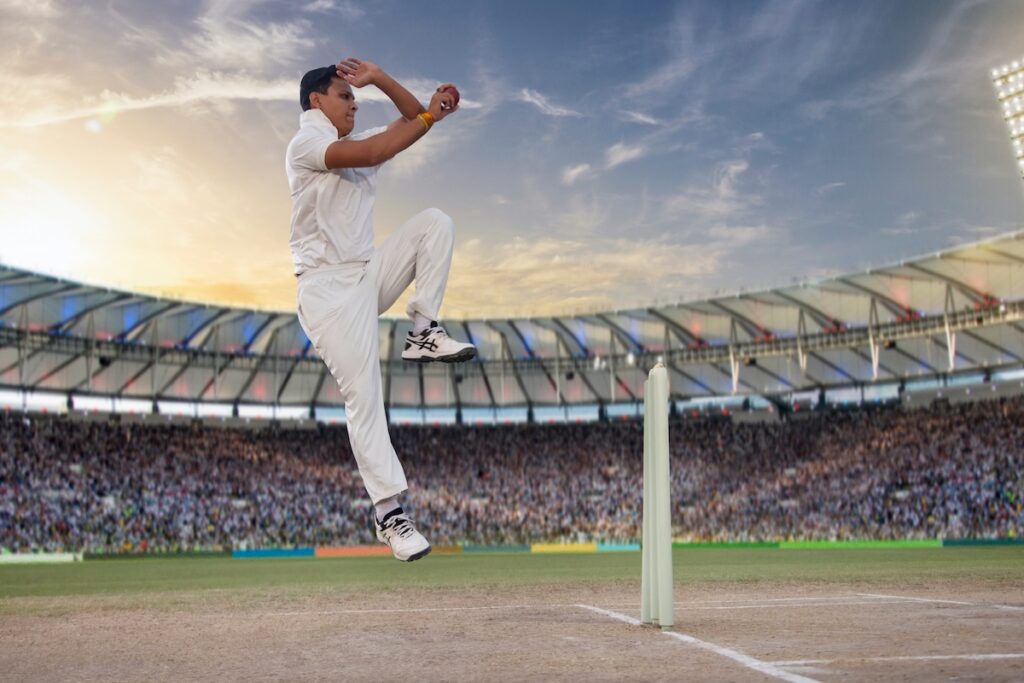
Force does not disappear.
In fast bowling, it is generated, redirected, and transferred through the body at high speed. Once that process starts, the system has one job: manage and distribute that force efficiently.
If it cannot, the force still has to go somewhere. At a basic level, fast bowling depends on contribution from multiple regions:
- The ankle absorbs and redirects ground forces
- The knee provides stability
- The hip generates and transfers rotational force
- The pelvis and trunk coordinate that transfer
- The thoracic spine allows rotation and separation
When each part contributes as expected, load is shared. When one part does not, the system adapts.
If:
- The ankle cannot absorb load effectively
- The hip cannot rotate or extend fully
- The thoracic spine cannot rotate
- The pelvis cannot control position
then the movement does not stop. It reorganises. This is a fundamental principle in biomechanics: movement solutions change when constraints are introduced.
In rotational sports, efficient performance depends on the sequential transfer of energy through the kinetic chain (Putnam, 1993; Kibler, 1995).
When that sequence is disrupted, the distribution of load changes. Energy that would normally be:
- Absorbed in the lower limb
- Transferred through the hips
- Dissipated through rotation
is instead redirected elsewhere. From a clinical perspective, this is where patterns begin to emerge.
- Restricted hip rotation may be associated with increased spinal motion.
- Limited thoracic mobility may lead to greater lumbar extension or lateral flexion.
- Reduced load absorption at the ankle may increase proximal loading demands.
These relationships are consistent with the concept of regional interdependence, where dysfunction in one region influences movement and loading in another.
The lumbar spine sits at a critical point in this system. It connects the lower and upper body. It is exposed to high forces. And it is often the region where compensations accumulate.
This does not mean the lumbar spine is always the origin of the problem. But it does mean it is frequently the location where the consequences are expressed.
Importantly, the exact way this happens will vary between individuals. One bowler may compensate through increased lumbar extension. Another through lateral flexion. Another through altered timing and sequencing.
There is no single pattern.
But the underlying principle remains consistent: when the system cannot distribute load efficiently, the distribution changes — and certain regions become exposed to more stress than they are designed to handle repeatedly.
From a practical standpoint, this shifts the question again.
Not:
“Where is the pain?”
But:
“Where is the system failing to manage load before the pain appears?”
That is the point where intervention becomes meaningful.
Regional Interdependence: Looking Beyond the Pain Site

At this point, a key distinction needs to be made. The location of pain is not always the location of the problem.
In clinical practice, this is often described as the difference between the source of symptoms and the cause of dysfunction.
The source is where pain is felt. The cause is what is driving the movement or loading pattern that led to it.
Those two are not always the same.
This idea is captured in the concept of regional interdependence.
Regional interdependence describes how impairments in one part of the body can influence movement, function, and loading in another. It is a well-recognised concept in musculoskeletal research and clinical practice, reflecting the fact that the body operates as an integrated system rather than a series of isolated structures (Wainner et al., 2007).
There is growing evidence supporting relationships between regions.
For example:
- Reduced hip mobility has been associated with low back pain
- Thoracic spine restrictions have been linked to altered upper body mechanics and shoulder dysfunction
These findings do not demonstrate direct causation. They do not mean that one region is always responsible for pain in another.
But they do highlight something important: movement and load are shared across the system.
From a fast bowling perspective, this matters. The action places high demands on multiple regions simultaneously:
- Lower limb force production
- Pelvic control
- Trunk rotation
- Upper body coordination
If one region cannot contribute effectively, the system adapts. That adaptation may change:
- How force is transferred
- How movement is coordinated
- How load is distributed
This brings us back to the lumbar spine. If the spine is under repeated stress, the question is not only: “Is the spine the problem?”
It is also: “What else in the system may be influencing how the spine is being loaded?”
This does not mean that every case of back pain originates away from the spine.
It does not mean the lumbar spine should be ignored. And it does not suggest that a single “root cause” can always be identified.
What it does mean is that focusing only on the site of pain risks missing the broader picture.
A movement-based problem requires a movement-based assessment. That assessment must consider:
- How different regions contribute
- How load is transferred
- How movement is coordinated under speed and fatigue
Regional interdependence does not offer a simple answer. It offers a more accurate way of thinking.
And in complex problems like fast bowling injuries, that shift in thinking is often where better decisions begin.
Mobility vs Stability: When the Body Compensates

To understand how compensation occurs, it helps to look at how movement is organised across the body.
A commonly used framework in rehabilitation describes the body as an alternating sequence of mobile and stable segments.
At a simplified level:
- The ankle is designed for mobility
- The knee for stability
- The hip for mobility
- The lumbar spine for stability
- The thoracic spine for mobility
This model is widely used to describe how movement is shared across joints and how dysfunction may emerge when that balance is disrupted. However, it should be understood as a clinical framework rather than a predictive model .
The principle is straightforward.
If a joint that is expected to move does not move well, another region will often move more to compensate.
If a joint that is expected to stabilise cannot control movement effectively, stability must be created elsewhere.
The system does not stop. It adapts.
There is evidence that restrictions in one region can influence movement elsewhere.
For example:
- Reduced ankle dorsiflexion and asymmetry have been associated with altered movement strategies and increased injury risk
- Limitations in hip mobility have been linked with changes in lumbopelvic movement patterns (Van Dillen et al.)
- Reduced thoracic rotation has been associated with altered trunk and upper body mechanics (Strunce et al.; Cleland et al.)
These relationships do not establish direct causation, but they highlight a consistent pattern: movement is shared, and when one part is limited, another part contributes more.
In fast bowling, this becomes particularly relevant.
The action requires:
- Efficient force production from the lower limbs
- Controlled transfer through the pelvis
- Rotation through the trunk
- Coordinated expression through the upper body
In high-speed, multi-segment movements, efficient performance depends on coordinated contributions from multiple regions, and disruption in one segment can alter how load is transferred through the chain (Putnam, 1993; Kibler, 1995).
If mobility is restricted in key regions, the system must find an alternative solution.
For example:
- If the hip cannot rotate effectively, rotation may increase through the lumbar spine.
- If the thoracic spine cannot contribute to rotation, the lumbar spine may be required to extend or laterally flex more to achieve the same outcome.
- If the ankle cannot absorb load efficiently, the demand placed on proximal segments increases.
These are not fixed rules.
They do not predict injury in isolation, and they will not apply in exactly the same way to every athlete.
But they provide a plausible explanation for how movement adaptations may occur when the system is constrained.
This is where caution is important.
The mobility–stability model does not explain every case, and it should not be applied rigidly.
What it offers is a way of thinking — one that shifts the focus from isolated joints to the interaction between regions.
In fast bowlers with back pain, this reframes the problem again.
Not simply: “Is the lumbar spine moving too much?”
But: “Why might the lumbar spine be required to move more in the first place?”
That question is where meaningful assessment begins.
What Pain Does to Movement (Even After It’s Gone)
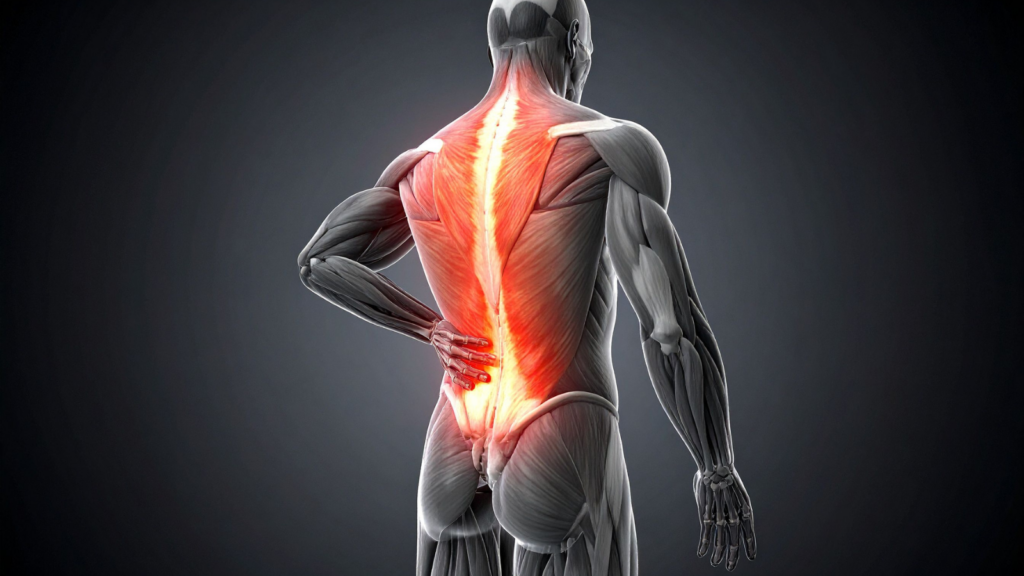
Pain is not just a symptom. It is also a signal that changes how the body moves.
When pain is present, the nervous system adapts. It alters:
- Muscle activation timing
- Coordination strategies
- How force is produced and controlled
Pain has been shown to alter motor control, affecting both the timing and coordination of muscle activation rather than simply reducing activity (Hodges & Richardson, 1996).
These changes are not always consistent or predictable. In some cases, muscle activity is reduced. In others, it is increased. The system adjusts based on the task, the load, and the perceived threat.
What is consistent, however, is that movement changes.
These changes reflect a reorganisation of movement strategy rather than a simple loss of function.
Research has shown that following injury, motor control is altered in ways that extend beyond the site of pain .
For example:
- Delayed activation of key muscles has been observed following injury, highlighting that coordination — not just strength — is affected (Hodges & Richardson, 1996)
- Altered coordination patterns can persist even after individuals have returned to activity
- Changes in movement strategy have been identified long after symptoms have resolved
Importantly, these adaptations can persist even after symptoms have resolved, meaning individuals who are pain-free may still demonstrate altered movement patterns (Hodges & Moseley, 2003).
In the context of low back pain, these adaptations can affect how the trunk is controlled.
Individuals with a history of low back pain have been shown to adopt more rigid, co-contraction strategies, increasing muscle activity but reducing movement efficiency (Cholewicki et al.).
Rather than fine, efficient control, the system often shifts towards a more protective, less efficient strategy.
This has an important implication. A bowler can be:
- Pain-free
- Cleared to return to play
- Back in full training
…but still operating with an altered movement strategy.
This is where the distinction becomes critical.
Pain-free does not mean normal movement.
And normal movement is what determines how load is managed under speed, repetition, and fatigue.
When that altered strategy is exposed to the demands of fast bowling, the system reverts to what it has learned.
If that strategy:
- Redistributes load differently
- Relies on compensation
- Reduces efficiency
then the same region may once again be exposed to stress it cannot tolerate. This helps explain why recurrence is so common.
Not because the tissue failed to heal, but because the system that loads the tissue did not return to its previous state. From a practical standpoint, this shifts the focus again.
Rehabilitation is not just about reducing pain. It is about restoring how movement is organised.
If movement strategies remain altered, the risk does not disappear. It simply becomes less visible — until the same conditions expose it again.
Breathing, Bracing, and Spinal Control
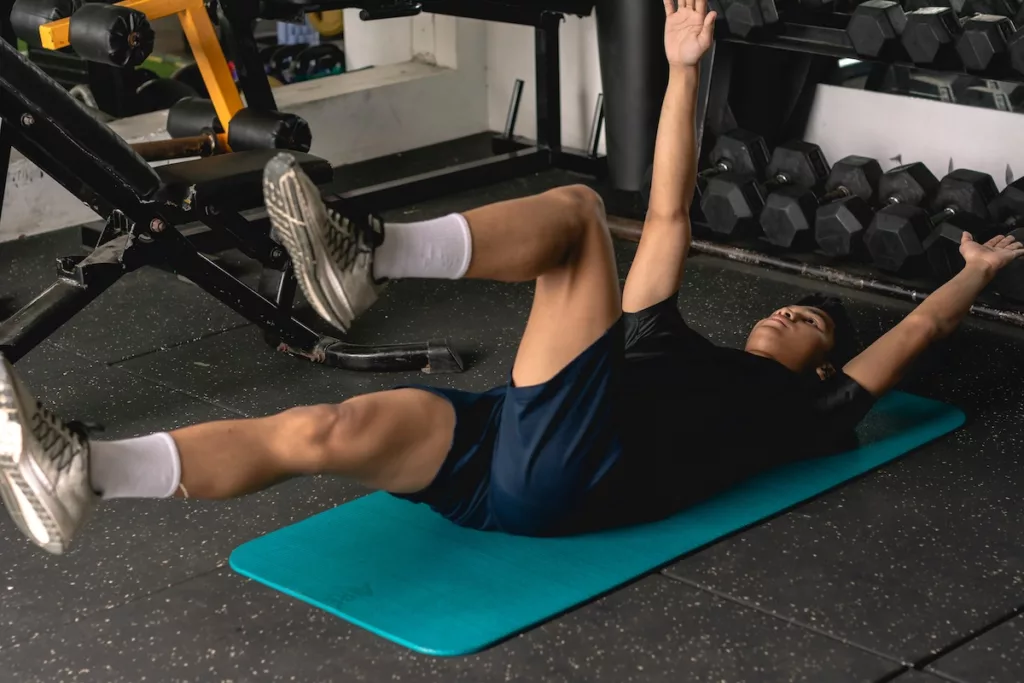
So far, the focus has been on joints, movement, and load. But there is another layer that underpins all of this: how the trunk is controlled.
At the centre of this is the diaphragm.
Commonly thought of as a respiratory muscle, the diaphragm also plays a key role in:
- Trunk stability
- Intra-abdominal pressure regulation
- Coordination with other stabilising structures
The diaphragm has been shown to contribute to postural control independently of respiration and plays a role in stabilising the spine through regulation of intra-abdominal pressure (Hodges & Gandevia, 2000; Hodges et al., 2001).
The diaphragm does not work in isolation.
It interacts with:
- The pelvic floor
- The abdominal wall
- The deep spinal stabilisers
This integrated system contributes to trunk stability as part of a coordinated neuromuscular control system, rather than isolated muscle function (Panjabi, 1992; Cholewicki et al., 1997).
When coordinated effectively, these structures regulate pressure and provide a stable platform from which force can be transferred.
In fast bowling, this becomes particularly important.
The action involves:
- Rapid force production
- High ground reaction forces
- Repeated loading through the trunk
For that force to be transferred efficiently, the trunk must be able to:
- Stabilise at the right time
- Allow movement where needed
- Manage pressure effectively
If this system is not functioning well, control is affected. From a practical perspective, this may present as:
- Excessive rigidity
- Poor timing of muscle activation
- Inefficient force transfer through the trunk
In this context, breathing is not just about oxygen exchange. It is part of how the body organises movement and manages load.
There is evidence that breathing patterns and diaphragm function are altered in individuals with low back pain, with differences observed in both postural control and movement strategies (Kolar et al., 2012).
However, it is important to be clear about the limits of this evidence.
There is currently limited sport-specific research directly linking breathing mechanics to lumbar spine injury in fast bowlers.
This means the role of breathing should not be overstated. It is one component within a broader system. Not the sole driver of performance or injury.
What it does offer is another layer of understanding.
If trunk control is compromised — whether through altered breathing patterns, poor coordination, or inefficient pressure management — the system may struggle to stabilise effectively under load.
And when that happens, the way force is transferred through the body changes. In fast bowlers with back pain, this raises another useful question. Not just:
“Is the spine strong enough?”
But: “Is the system organising and controlling the trunk effectively under load?”
That distinction adds depth to how the problem is understood — and how it can be addressed.
Control vs Capacity: The Missing Link in Rehab
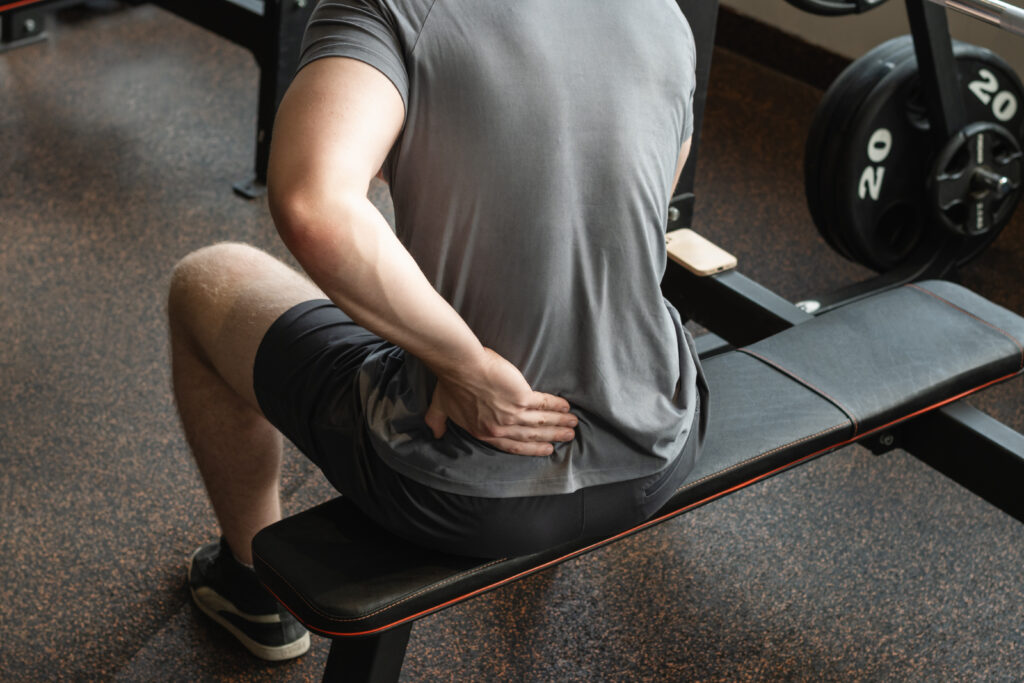
Up to this point, the focus has been on how the system moves and how load is distributed. The next step is understanding what the system is actually capable of doing under load.
This is where a useful distinction can be made: control and capacity.
Control refers to how movement is organised. It includes:
- Coordination
- Sequencing
- Timing of muscle activation
- The ability to stabilise and move at the right moment
Control is about how movement is performed.
Motor control deficits, including altered timing and coordination of muscle activation, have been consistently observed in individuals with low back pain (Hodges & Richardson, 1996; Hodges & Moseley, 2003).
Capacity refers to what the system can tolerate.
It includes:
- Strength
- Endurance
- Tissue tolerance
- The ability to repeatedly absorb and produce force
Capacity is about how much load the system can handle.
Injury risk is strongly influenced by the relationship between load and tissue capacity, with both excessive load and insufficient preparation increasing the likelihood of injury (Gabbett, 2016).
Both are required. But they are not the same thing.
Trunk stability and movement efficiency depend on the coordinated interaction of multiple systems rather than isolated strength, highlighting the importance of both control and capacity (Panjabi, 1992; Cholewicki et al., 1997).
This creates a common problem in practice. Many athletes develop one without the other.
Some have capacity without control. They are strong, but:
- Poorly coordinated
- Inefficient in how they transfer force
- Reliant on compensation under speed and fatigue
Others have control without capacity. They move well in controlled environments, but:
- Lack strength
- Fatigue quickly
- Cannot tolerate the demands of repeated high-load activity
In fast bowling, both are required at a high level. The action places demands on:
- Force production
- Force transfer
- Repeated loading
- Coordination under fatigue
If control is poor, load is not distributed efficiently. If capacity is insufficient, even well-distributed load cannot be tolerated.
This is where rehabilitation often falls short.
Programmes may focus heavily on:
- Strengthening
- Conditioning
- Increasing load tolerance
or alternatively:
- Movement quality
- Technique
- Low-load motor control work
But rarely are both developed together in a way that reflects the demands of the sport.
The result is predictable. The athlete returns to play with:
- Improved symptoms
- Partial adaptation
but without a system that can both organise movement and tolerate load at the required level.
This leads back to the central idea.
Control and capacity are not interchangeable. They are complementary.
And in high-speed, high-load movements like fast bowling, both must be developed to reduce risk and support performance.
From a practical standpoint, this reframes rehabilitation again. Not simply: “Is the athlete strong enough?”
Or:
“Does the athlete move well?”
But:
“Can the athlete organise movement effectively and tolerate the load that the sport demands?”
That is the standard that matters.
Why Treating the Back Alone Often Fails
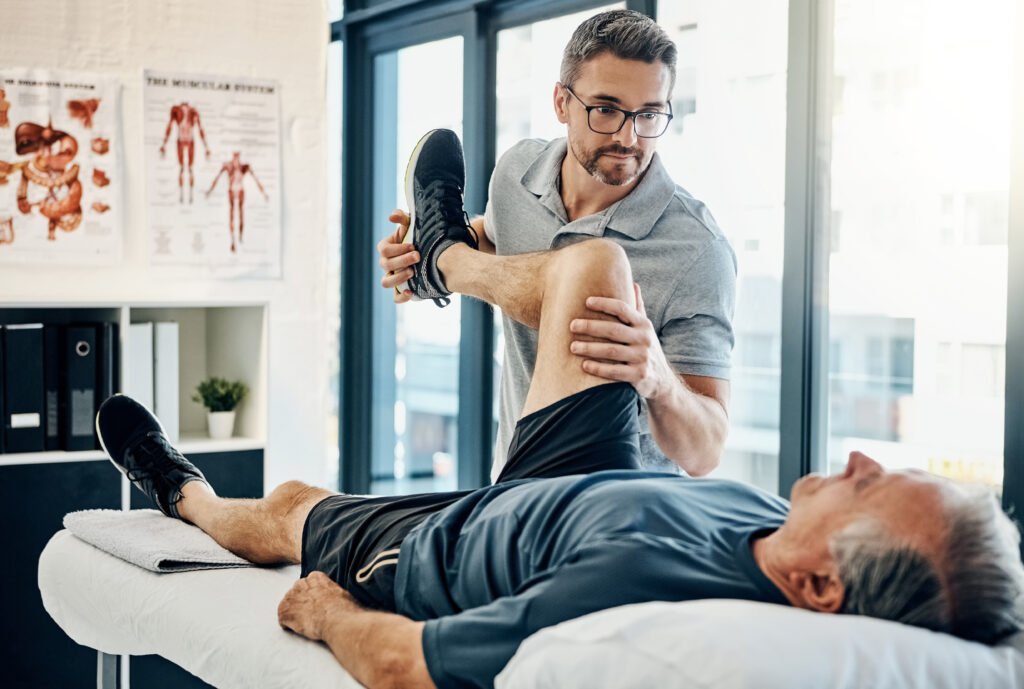
Most approaches to low back pain in fast bowlers are built around the site of symptoms.
The focus is typically on:
- Rest
- Manual therapy
- Core strengthening
Each of these has value. Rest can reduce irritation. Manual therapy can help with symptom relief and short-term movement changes. Strengthening can improve local capacity.
But despite this, recurrence remains common.
Systematic reviews of cricket-related low back pain highlight that recurrence is a consistent issue, with multiple contributing factors involved rather than a single cause (Morton et al., 2014).
This creates a disconnect.
If the problem has been treated, why does it keep coming back?
Part of the answer lies in what these approaches target — and what they do not.
Most interventions focus on the lumbar spine itself:
- Reducing pain
- Improving local muscle function
- Restoring movement at the symptomatic site
What they often do not address is how the entire system:
- Produces force
- Transfers load
- Coordinates movement under speed and fatigue
Research into injury patterns consistently shows that previous injury is one of the strongest predictors of future injury across athletic populations.
This suggests that initial recovery does not necessarily remove future risk. This reinforces a key point: symptom resolution does not equal full recovery.
Pain can reduce while:
- Movement strategies remain altered
- Load is still distributed inefficiently
- Capacity has not been fully restored
There is also evidence that while interventions such as exercise and rehabilitation programmes can reduce pain and improve function, their effects on long-term recurrence are more variable (Hayden et al., 2005; Ferreira et al., 2006).
In other words, athletes may feel better — but still be vulnerable.
This does not mean that local treatment is ineffective. It plays an important role, particularly in:
- Reducing symptoms
- Improving tolerance to movement
- Creating a window for further rehabilitation
But on its own, it is often insufficient. Because the problem is not always located solely in the back.
It is often in how the system loads the back.
If the underlying movement patterns, coordination strategies, and load management are unchanged, the same stress will be applied in the same way.
And over time, the outcome is predictable. From a practical standpoint, this shifts the role of treatment.
Not from: “fixing the back”
But towards: “changing how the system produces and manages load.”
A Better Model: Protect, Correct, Develop

Up to this point, the focus has been on understanding the problem. The next step is applying that understanding in a way that is practical, structured, and relevant to fast bowling.
A useful way to organise this is through a simple framework: Protect. Correct. Develop.
Protect
The first step is to manage load.
This involves:
- Reducing aggravating factors
- Modifying workload
- Controlling exposure to high-stress activities
In fast bowlers, this often means adjusting:
- Bowling volume
- Intensity
- Frequency
There is strong evidence that spikes in workload are associated with increased injury risk, and that managing load over time is critical for reducing that risk (Gabbett, 2016).
Protection is not about complete rest.
It is about creating an environment where the system is no longer being overloaded while maintaining enough stimulus to avoid deconditioning.
Correct
Once load is managed, the focus shifts to how the system moves.
This includes:
- Restoring mobility where it is limited
- Improving motor control and coordination
- Addressing breathing and trunk control
- Research has shown that motor control deficits can persist following injury and influence how movement is organised, even after symptoms have resolved (Hodges & Moseley, 2003).
Similarly, restrictions in mobility and coordination can alter how load is distributed across the system, reinforcing inefficient movement patterns.
The aim here is not to chase isolated deficits, but to improve how the system:
- Produces movement
- Transfers force
- Organises itself under load
Develop
The final step is to build capacity.
This includes:
- Strength
- Endurance
- Tissue tolerance
- The ability to repeat high-load actions
Tissue adaptation requires progressive exposure to load. Without this, capacity does not improve. With excessive or poorly managed load, injury risk increases.
This principle is well established in sports science, where the relationship between load and capacity is central to both performance and injury prevention (Gabbett, 2016).
Bringing It Together
These three elements are not separate phases. They are overlapping processes.
An athlete may need:
- Ongoing load management
- Continued movement correction
- Progressive capacity development
at the same time.
Many rehabilitation programmes focus on one area at the expense of the others.
- Protect without correct → symptoms settle, but movement remains unchanged
- Correct without develop → movement improves, but load cannot be tolerated
- Develop without control → capacity increases, but inefficient patterns persist
The value of this model is not that it is complex. It is that it is usable.
It provides a way to:
- Structure rehabilitation
- Guide decision-making
- Adapt to different athletes and contexts
For fast bowlers, this means:
- Managing bowling loads while symptoms are present
- Addressing mobility, coordination, and trunk control deficits
- Progressively rebuilding strength and capacity
- Integrating these changes back into the demands of bowling
This is not a rigid system. It is a framework for thinking.
One that recognises that injury is rarely the result of a single factor — and that effective rehabilitation must reflect the complexity of the system it is trying to restore.
What This Means for Fast Bowlers, Coaches, and Parents
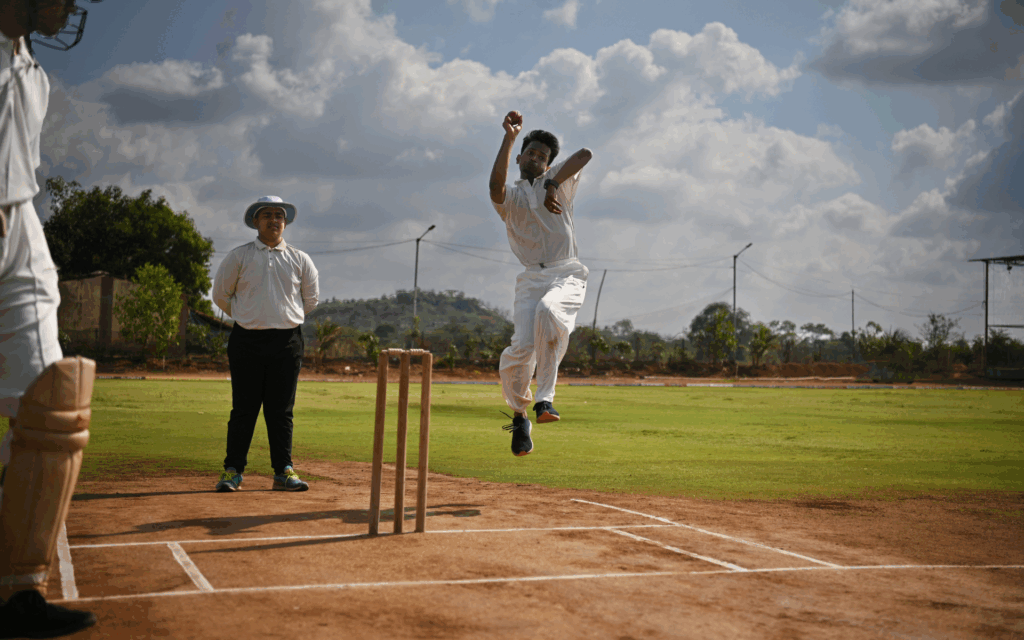
Understanding the problem is only useful if it changes decisions.
The model outlined in this article shifts the focus from treating symptoms to understanding the system that produces them. The practical question is how that translates to players, coaches, and parents.
For Fast Bowlers
The first implication is simple: Do not chase symptoms alone.
Reducing pain is important, but it is not the end point. Research shows that changes in motor control and movement strategy can persist even after symptoms resolve, meaning a player can be pain-free but still moving differently (Hodges & Moseley, 2003). At the same time, injury risk is influenced by how load is managed relative to capacity. Spikes in workload, or returning to high demand without adequate preparation, increase the likelihood of injury (Gabbett, 2016).
Taken together, this means:
- Addressing the site of pain is only part of the process
- Restoring movement quality and coordination is essential
- Building strength and load tolerance is required for return to performance
From a practical standpoint, the focus should shift from:
“Is my back better?”
to:
“Is my system better able to handle the demands of fast bowling?”
For Coaches
Fast bowling is often approached from a technical perspective. This is necessary, but incomplete.
Technique does not exist in isolation. It is influenced by:
- Mobility
- Strength
- Coordination
- Fatigue
Research in fast bowling has shown that technique-related factors, such as mixed bowling actions and excessive trunk motion, are associated with increased spinal loading (Elliott et al., 1992; Portus et al., 2004).
At the same time, physical characteristics — including strength, control, and workload tolerance — also influence injury risk (Morton et al., 2014).
This means technique and physical capacity are not separate issues. They interact.
A technical change that the body cannot support will not hold under pressure. A physical limitation will influence how technique is expressed.
For coaches, the implication is clear: technical coaching and physical development must work together.
For Parents
The earlier this is understood, the better.
Adolescent fast bowlers are particularly vulnerable to lumbar stress injuries, with higher incidence observed during late teenage years when physical development and workload often increase (Alway et al., 2019).
At the same time, early markers of stress — such as bone marrow oedema on MRI — can appear before more serious injury develops.
This highlights an important point: Problems often develop before symptoms become obvious.
For parents, this reinforces the value of:
- Early assessment
- Appropriate workload management
- Developing movement quality alongside skill
Not to prevent all injury — which is unrealistic — but to reduce unnecessary risk and support long-term development.
The Takeaway
Across all three groups, the message is consistent. Back pain in fast bowlers should not be viewed purely as a local problem.
It is often a reflection of how the system is managing load. This reframes what back pain represents.
Not just a problem to treat, but:
- A signal that something in the system is not working efficiently
- A warning that load is not being managed effectively
Addressing the symptom may reduce pain. Understanding the system is what reduces risk.
And in a movement as demanding as fast bowling, that distinction matters.
Stop Chasing Symptoms. Start Assessing the System.
A general assessment is often not enough for the demands of fast bowling.
To understand why back pain develops — or why performance plateaus — you need to identify how your movement system is behaving under load.
At Cricket Matters, every athlete starts with a clear baseline.
Injury Assessment
For cricketers in pain, returning from injury, or dealing with persistent issues. We identify the source of dysfunction and address the system driving the symptoms.
Performance Assessment
For healthy athletes looking to improve pace, efficiency, and resilience. We assess movement quality and build a structured plan for development.
Which is Right for You?
If you’re in pain, start with injury. If you’re healthy, build performance.
Available in-person at our Cwmcarn facility or via remote consultation.

Have You Downloaded Our FREE 7-Day Gym Workout Plan?
Grab your complete step-by-step 7-day gym workout plan for cricketers today. There will be no more Guesswork. Just follow the plan and get results.
Evidence Snapshot
This article presents a movement-system model of back pain in fast bowlers. While no single study proves this model in full, multiple areas of research support its key components.
Motor Control Adaptation After Pain
Pain alters coordination, timing, and movement strategy, and these changes can persist after symptoms resolve.
- Hodges & Richardson (1996) demonstrated delayed trunk muscle activation in individuals with low back pain
- Hodges & Moseley (2003) showed that altered motor control strategies can persist after symptoms improve
Load vs Capacity
Injury risk is influenced by the relationship between applied load and the system’s ability to tolerate it.
- Gabbett (2016) highlighted that spikes in workload significantly increase injury risk when capacity is exceeded
Regional Interdependence
Movement and loading in one region are influenced by function elsewhere in the system.
- Wainner et al. (2007) introduced the concept of regional interdependence
- Van Dillen et al. demonstrated relationships between hip function and lumbopelvic movement patterns
Kinetic Chain / Force Transfer
Efficient performance in rotational sports depends on coordinated energy transfer across body segments.
- Putnam (1993) and Kibler (1995) described proximal-to-distal sequencing in rotational movements
Breathing and Trunk Control
The diaphragm contributes to spinal stability and postural control, although sport-specific evidence remains limited.
- Hodges & Gandevia (2000) and Hodges et al. (2001) demonstrated the diaphragm’s role in trunk stability and intra-abdominal pressure regulation
Interpretation
These findings support a key idea: pain resolution does not guarantee restoration of movement, coordination, or load tolerance.
Position of This Article
This model integrates established concepts into a practical framework for fast bowlers. It is evidence-informed, but not fully proven as a single unified theory.
Ongoing Work and Investigation
This model is not presented as a complete or final explanation. It is a working framework, grounded in current evidence and clinical reasoning, that attempts to better explain why back pain develops and recurs in fast bowlers.
Some elements are well supported in the literature. Others are reasonable inferences based on biomechanics, motor control, and clinical observation. The integration of these elements into a single movement-system model remains an area that requires further investigation.
This is an area we will continue to explore, test, and refine through ongoing work with fast bowlers, and we will share those developments through future articles and case studies.
Navigate the System.
Performance doesn’t happen in isolation; it is the result of five interacting systems working in alignment. Use the directory below to identify the specific Standard Operating Procedure (SOP) your game requires — from restoring movement options to building the biological capacity required to sustain output across a full season.
FAQ
How Do You Fix Lower Back Pain From Fast Bowling?
Start by reducing or modifying the bowling load, then assess why the back is being overloaded rather than just treating the painful area. In many bowlers, the problem also involves hips, thorax, lower-limb control, or bowling mechanics. If pain is sharp, recurrent, one-sided, or worsening, get assessed properly to rule out more serious causes such as lumbar bone stress injury.
Why Does Bowling Make My Back Hurt?
Fast bowling puts repeated stress on the lower back through extension, rotation, side-flexion, and front-leg braking. Your back may hurt because it is taking more load than it can tolerate, especially if bowling volume is high or other parts of the system are not sharing the work well. In young fast bowlers, persistent back pain should be taken seriously.
Can Hip Stiffness Cause Lower Back Pain in Fast Bowlers?
It can contribute. If the hips cannot rotate or extend well enough, the lower back may compensate during the bowling action. Hip stiffness is unlikely to be the only cause, but it is one of several movement factors worth screening when a fast bowler has recurring back pain.
What Should Be Screened in a Fast Bowler With Back Pain?
A proper screen should look beyond the lumbar spine. It should include pain history, bowling workload, hip movement, thoracic rotation, lower-limb control, ankle function, and bowling mechanics, with further medical assessment if symptoms suggest a bone stress or nerve-related problem.
Is Rest Alone Enough to Fix Back Pain in Fast Bowlers?
Usually not. Short-term load reduction may help calm symptoms, but prolonged rest alone often does not solve the reason the pain developed and can slow recovery. Most non-serious back pain improves better with appropriate movement, gradual reloading, and a clear return-to-bowling plan.