
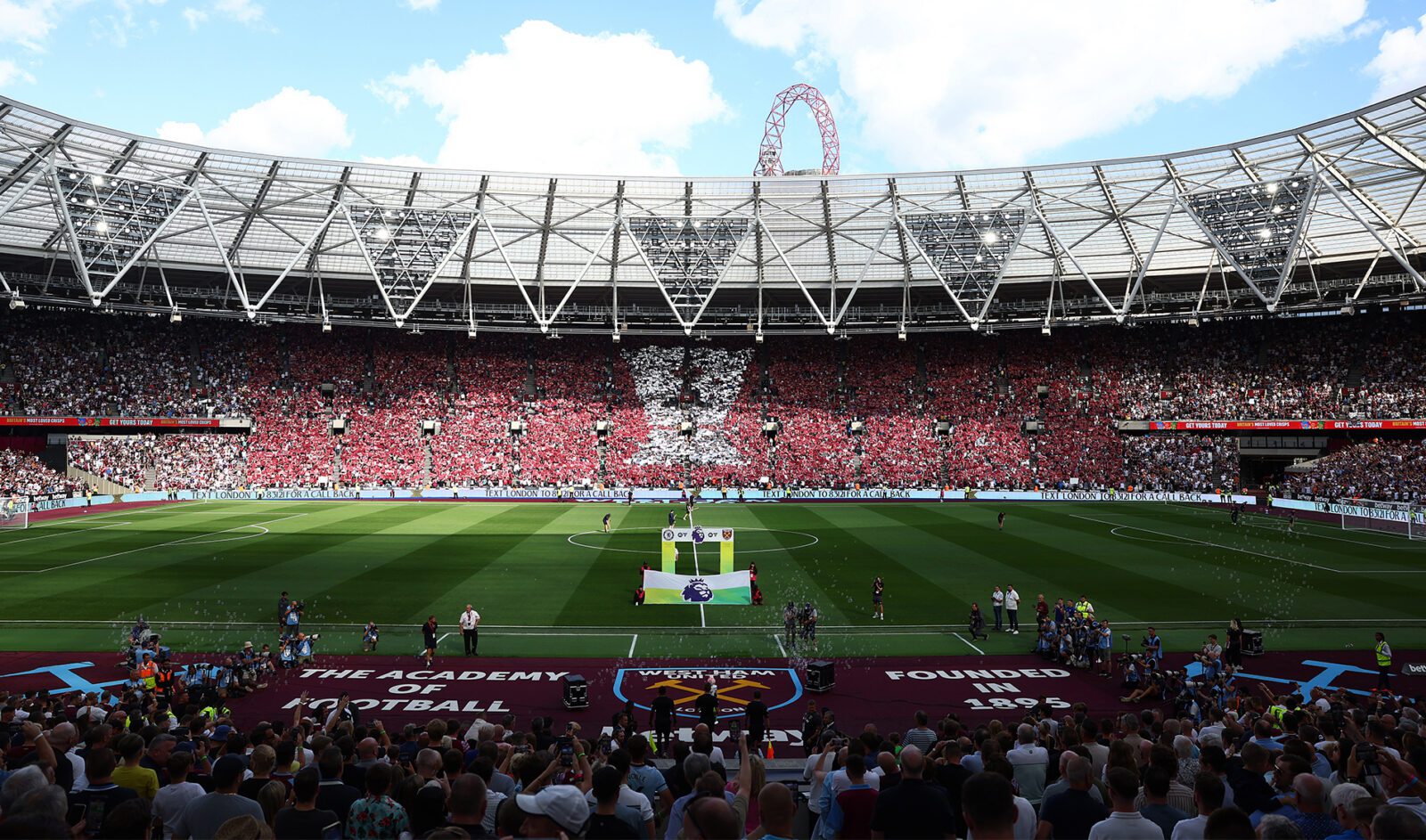
The Premier League football club has so far refused to vacate the stadium for a three-week period at the start of the 2029-2030 season.
There is a real chance that West Ham United’s sheer stubbornness and sense of superiority could scupper London’s bid for the 2029 World Athletics Championships.
Despite the backing of the UK government and London Mayor Sadiq Khan, with a sum of £45 million of public money reportedly pledged, the football club has so far refused to vacate the stadium for a three-week period in September 2029.
With World Athletics having made it clear that the end of season global championships should be in September – Tokyo 2025 and Beijing 2027 being no exceptions – there is a real risk that London could lose out to a rival bid.
This past week The Guardian revealed that Rome, Munich, Nairobi and a mooted Indian city were in the running. That should strike alarm bells for those involved in the London bid. Munich and Rome have hosted the last two respective European Athletics Championships, while Nairobi could also be an attractive prospect, given no African nation has ever hosted a major global outdoor championships in the sport.
India has not been shy in wanting to host the 2036 Olympics and, after being awarded both the 2028 World Athletics Indoor Championships and 2030 Commonwealth Games, an outdoor championships could be another chance to demonstrate their ability to host a major event.
So any hurdle to the London bid has to be taken seriously. Just because World Athletics President Seb Coe is British and headed the successful London 2012 Olympic and Paralympic bid, there is no guarantee that London will win.
“It’s really difficult for me because I have a view, but I have to be scrupulously neutral, because London is clearly not the only bid out there,” Coe told media in Toruń at the weekend.
“All I would say is that I would hope that there is a recognition that outside the Olympic Games and the World Cup, this is the third-largest sporting gathering in a four-year cycle. I do ask cities to try to accommodate us. There has to be a recognition that it’s a big global sport. This is not a gimme to anyone.”
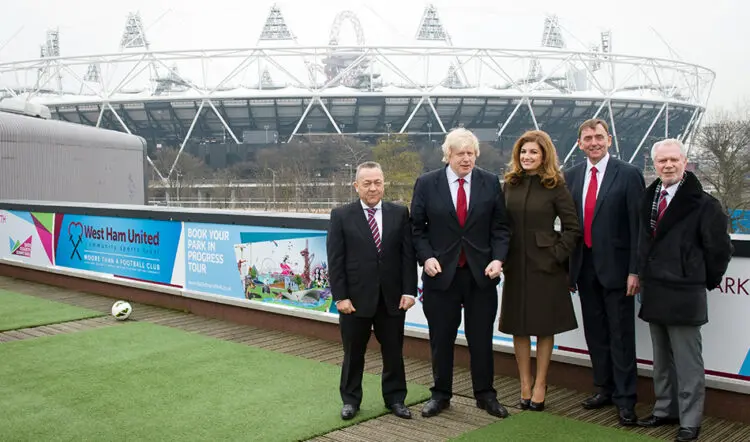
Which makes West Ham’s position even more frustrating. Earlier this month the club, who have leased the stadium from the Greater London Authority Holdings Limited since 2016, told The Daily Mail that the terms of the contract – signed off by then London Mayor Boris Johnson in 2013 – gives them “priority” during the football season, adding they could defend their position through legal avenues if necessary.
The contract gives the club a 99-year lease on the stadium and means West Ham pay just £4.4m on rent per season, although that will reduce by 50% if they are relegated. When the announcement was made a decade ago, it was dubbed ‘the deal of the century’, as it granted the club exceptionally low rent – Spurs paid £1 billion approximately for their stadium in comparison – while any operating costs on match days have largely been subsidised by the taxpayer.
When Coe was asked if West Ham should be more grateful in accommodating athletics, he replied: “I’ve sat on the board of one Premier League club, and I’m very close to another one, and I think they would have been pretty satisfied with that deal.”
Since West Ham moved into the London Stadium a decade ago, elite level athletics has taken place (except 2020-2022) at the venue every summer, courtesy of the Diamond League. London of course hosted the 2017 World Athletics and Para Athletics Championships as well.
The sticking point on this occasion is the club’s reluctance to move away during the start of the 2029-2030 football season.
The solution, to the naked eye, seems rather obvious. There’s an international break from September 24 to October 9 in 2029, which is a two-week window when West Ham won’t play at the stadium.
So why can’t the club play back-to-back home games on the weekends of September 1-2 and September 9-10, before vacating the stadium for the rest of the month? It would mean playing consecutive away games on the weekends of September 15-16 and September 22-23, but that shouldn’t be an issue at all. They’ve done that four times this season alone.
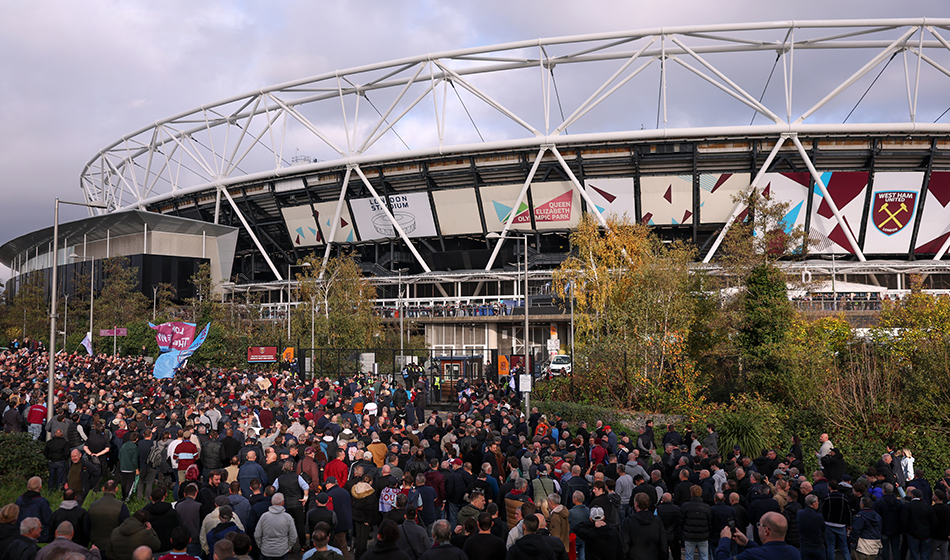
West Ham’s argument against leaving the stadium for a prolonged period is that they might have to play three consecutive away games. Maybe that would actually benefit the club, given they’ve won more away games (4) than home games (3) this season.
In all seriousness, there is precedent for this. At the beginning of last season York City played four consecutive matches away from home (from August 16 to September 6) to accommodate the 2025 Women’s Rugby World Cup. They won two and drew two of their games.
Next season’s Community Shield (August 16), which is traditionally held at Wembley, will also be moving to Cardiff’s Principality Stadium as The Weeknd is playing five dates in London between August 14 and August 19.
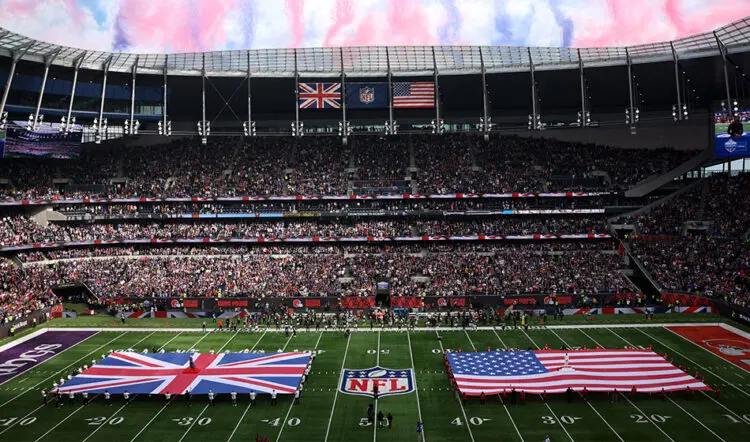
And Tottenham Hotspur have played away from their ground on multiple occasions in the past few seasons due to NFL matches, the most recent example being the Minnesota Vikings against the Cleveland Browns on October 5 last year. On that day Spurs played away to Leeds United and won 2-1.
All in all, it just makes West Ham’s obstinacy look rather childish. By essentially holding London’s bid to ransom, it gives the impression the club’s owners believe that other sports are being unreasonable in asking to use a stadium they lease.
If London cannot host the global championships in a sport that put the stadium on the map at London 2012, then what does that say about the Olympic and Paralympic legacy from those Games?
You’d like to think some kind of compromise is therefore possible. West Ham will surely not be blind to the fact that a feasibility study projected that a successful 2029 London bid would generate an economic and social impact of more than £400 million.
With the 2029 international break in late September, could the championships even be moved back a week? Tokyo hosted the year’s showpiece athletics event from September 13-21, while Beijing will hold it from September 11-19.

In recent years a grey area has emerged in exactly when the athletics season ‘ends’. Many athletes who competed in Tokyo flew to New York City for Alexis Ohanian’s Athlos meeting in New York City, with Keely Hodgkinson, Faith Kipyegon and Tara Davis-Woodhall starring on October 10.
This highlights that elite athletes might not have too much of an issue competing in London in three years, if the championships were to be slightly later than in Tokyo and Beijing respectively.
It’s not surprising that some of Great Britain’s top stars have been vocal about their views on social media. Fresh off her world indoor 800m title in Toruń, Keely Hodgkinson cheekily poked fun at West Ham, stating “The GB team will bring back more medals to that [London] stadium than West Ham have seen in their entire history.”

Dina Asher-Smith, who went from working as a kit-bag carrier at London 2012 to securing a world 4x100m silver medal in the same stadium five years later, stated that she was at the Olympic Park today to kick-start something ahead of London 2029, adding “West Ham, please don’t play with us.”
Other athletes will no doubt share the same sentiments. Given how much is at stake, you’d think it’s inconceivable that the various stakeholders involved – including the UK government, mayor’s office, West Ham, UK Sport and Athletics Ventures – cannot come up with a viable option to make this work.
The initial deadline for bids is April 3, with final submissions not required until August 5. If London 2029 is to succeed, then West Ham need to stop the grandstanding and talk to others behind the scenes. The stadium does not purely revolve around them.