
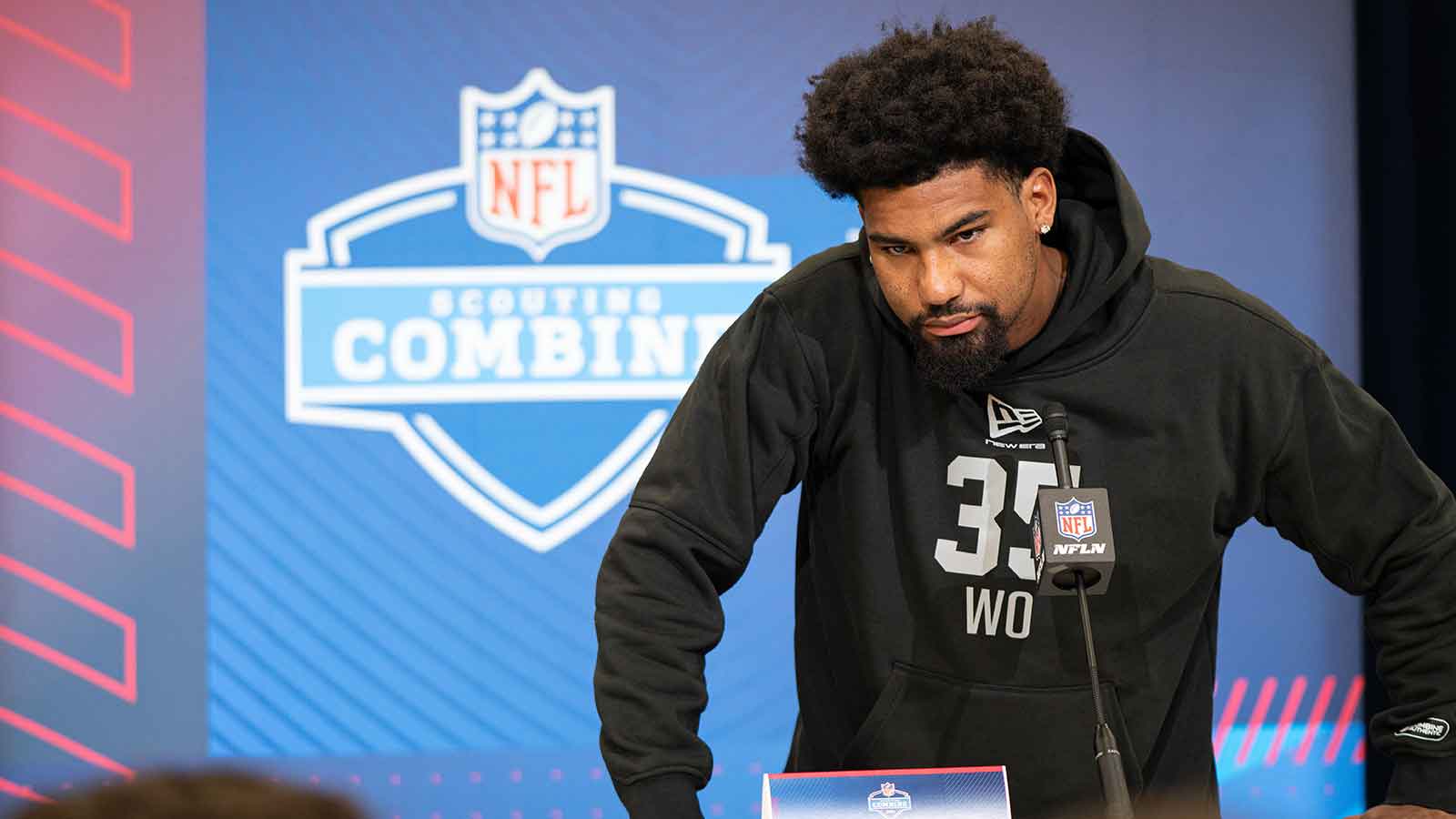
San Francisco’s rookie class arrived with a clear star after the team traded out of the first round to select Ole Miss wide receiver De’Zhaun Stribling at No. 33.
The initial expectation was that Stribling could serve as the vertical threat Kyle Shanahan’s offense needed, while the rest of the class provided support at running back, defensive line, cornerback, and offensive line. Once the rookie minicamp began, that expectation not only remained but grew.
The rookie who stood out the most during minicamp was Stribling, but he was not the only newcomer worth noting.
Running back Kaelon Black garnered attention for his physical readiness, while Romello Height intrigued with his pass-rushing capabilities.
Carver Willis and Gracen Halton fit the developmental profile that the 49ers often value. Yet, Stribling’s performance in minicamp was more significant due to being the first pick and the most obvious offensive addition, possessing a skill set that could reshape the team’s field spacing in Year 1.
The 49ers officially kicked off rookie minicamp on May 7, starting with onboarding, meetings, physicals, and equipment distribution before on-field practice commenced the following day.
This allowed the coaching staff to get their first close look at the full 2026 rookie class.
Stribling gave the 49ers the first look they needed
Stribling made a strong impression during minicamp. Sports Illustrated’s recap described him as big, fast, and built like a veteran.
He also took snaps as a gunner on punt coverage, an important detail because it offers two paths to early playing time, and he can also pursue offensive snaps as a receiver, but his special teams role could secure him a spot on the active roster while he learns the complexities of Shanahan’s offense.
This is critical for a rookie wideout in San Francisco, as Shanahan’s system is not conducive to receivers who can only run fast in a straight line.
Skills such as route timing, motion, blocking, spacing, and post-snap adjustments are essential. While Stribling’s minicamp performance doesn’t eliminate the learning curve, it demonstrated that he has multiple avenues to contribute as he develops.
The special teams aspect should not be underestimated.
A rookie receiver often needs to secure his first NFL role outside the primary offensive scheme, and Stribling’s size and speed make him a good fit for gunner duties.
If he can excel in covering punts, make the game-day roster, and gradually take on a handful of routes, his rookie season could be impactful even before he becomes a primary target.
This makes his minicamp performance more significant than simply making a few easy catches in shorts.
He appears to be a player the coaching staff can utilize in various capacities: early special-teams contributions, occasional vertical routes, and blocking assignments in heavier personnel groupings, eventually leading to deeper involvement if injuries or performance issues arise.
They have enough experienced offensive players that Stribling doesn’t need to be thrust into a starring role right away, and with veterans like Mike Evans and Christian Kirk in the mix, along with Ricky Pearsall, the current depth chart places Evans, Kirk, and Pearsall ahead of Stribling.
However, this is relevant because neither Evans nor Kirk is a long-term solution, and Pearsall has faced early-career injuries.
This situation sets the stage for a rookie like Stribling to make an impact without the pressure of being the go-to option immediately, as he isn’t expected to save the passing game, but he’s being called upon to add a dimension that the offense can develop into.
Purdy’s praise made the minicamp buzz feel real
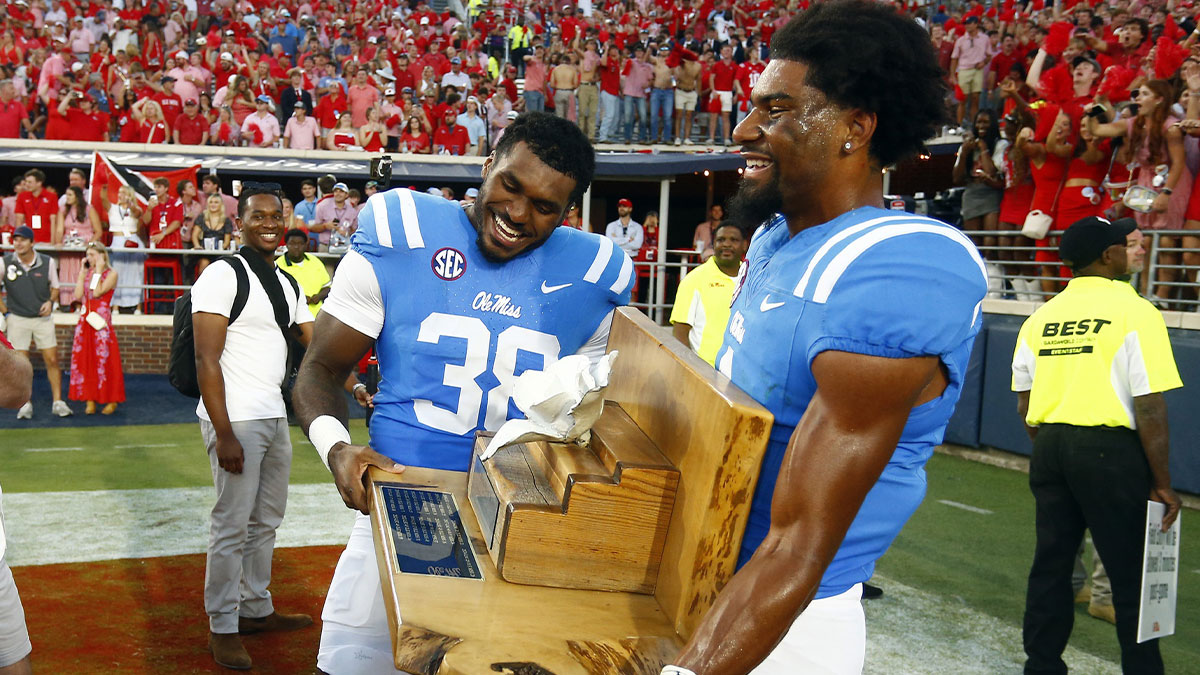
The most significant takeaway from the early offseason came from Brock Purdy.
Purdy stated that Stribling possesses “a lot of raw talent” and emphasized the need for more practice to better understand the rookie’s movements, speed, and timing with different receivers.
He believes Stribling can make an immediate impact once he spends more time learning the playbook and getting live reps with the offense.
Quarterbacks pay close attention to how receivers move because timing is crucial to their position, and a receiver who takes longer to separate requires different timing for the ball compared to one who breaks quickly.
A larger target with downfield speed alters how a quarterback reads defensive leverage, and Purdy’s comments suggest that Stribling has already provided him with enough to analyze, which is precisely what you’d expect from a standout in minicamp.
Stribling’s fit also addresses a significant need in the offense.
San Francisco has long excelled at gaining yards after the catch, using motion, and applying horizontal pressure, but they have often lacked a legitimate vertical threat that forces safeties to remain alert.
Stribling doesn’t need to be heavily targeted to contribute significantly, and if defenses believe he can win deep, they have to account for him.
The rookie’s blocking potential further strengthens his case.
Niners Nation also highlighted Purdy about Stribling’s size, speed, blocking ability, and yards-after-catch skills as reasons he fits well with the 49ers.
Such a combination is essential in this system, and receivers who do not block or struggle with physical assignments often find it difficult to earn trust.
A wideout with vertical capabilities and a willingness to block in the run game gives Shanahan greater flexibility, especially in formations where it’s hard for the defense to determine whether San Francisco will run or attack downfield.
While other rookies made good impressions, Stribling’s initial performance carried more weight, and his readiness is important because the team needs depth behind Christian McCaffrey.
His height as a potential defensive end is also significant, given that the pass-rush rotation always requires fresh talent, and these developments are valuable, but Stribling’s contributions directly impact the offense’s identity.
The 49ers traded down, remained near the top of the second round, and still secured the receiver they targeted.
This increased the stakes around his first practices. Rookie minicamp did not confirm whether he will become a Year 1 starter, nor did it determine how quickly he will master the complete playbook, but it showcased why the team selected him as their first pick in this draft.
His frame appeared ready, his speed was evident, and his pathway to special teams looked promising. Purdy noticed his raw skills, and his role aligns with both the present and future of the receiver room.
That’s all that is needed from minicamp.
For them, the first rookie weekend was not about identifying a finished product, but it was about finding out which newcomer already looked like part of the 2026 plan.
Stribling did, making him the rookie who stood out the most for the 49ers.
San Francisco’s rookie class arrived with a clear star after the team traded out of the first round to select Ole Miss wide receiver De’Zhaun Stribling at No. 33. The initial expectation was that Stribling could serve as the vertical threat Kyle Shanahan’s offense needed, while the rest of the class provided support at running back, defensive line, cornerback, and offensive line.