
The cycling industry braced for a 32-inch wheel revolution at Unbound, but the results delivered a complex technological stalemate.
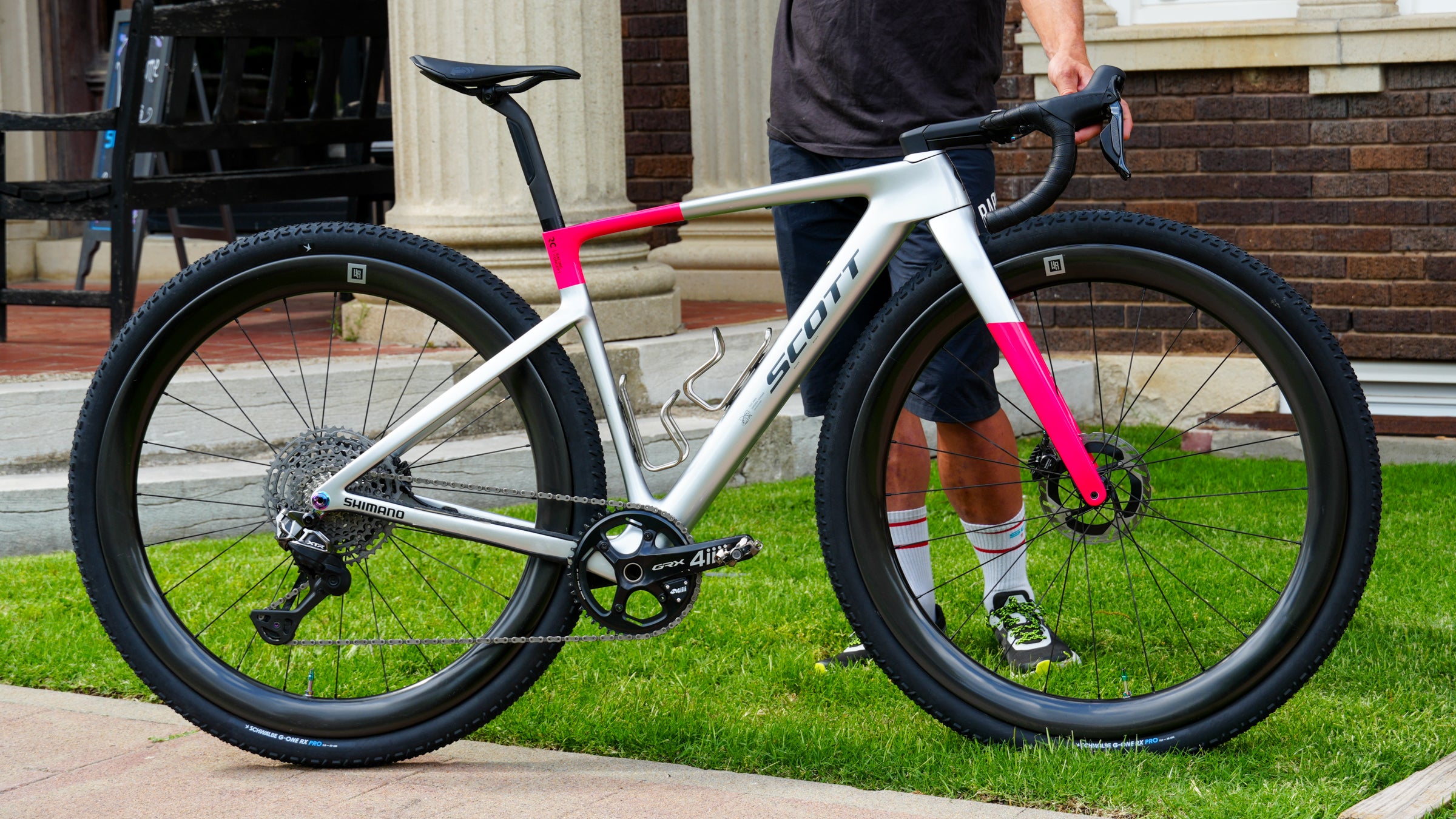
The type of bike that never fails to start an internet fight, 32-inch gravel bike. (Photo: Logan Jones-Wilkins/Velo)
Updated May 30, 2026 08:52PM
Welcome to Velo’s Unbound Gravel coverage, where we share news from the world’s biggest gravel race. If we think it’s noteworthy, you’ll see it. See the rest of our Unbound Gravel coverage.
At this year’s Unbound Grav, the cycling industry was bracing for a 32-inch wheel revolution. Instead, what we got was a technological stalemate: a historic victory for the oversized wheels in the 350-mile XL by Robin Gemperle, and a dominant showing for traditional 700c bikes in the 200.
Coming out of Sea Otter this year, this new wheel size had everyone talking. Commenters on our stories have made it clear that the vibes were not welcoming. Regular riders don’t seem at all interested in a new wheel size, but brands big and small, as well as some gravel pros, definitely see something worth chasing in the new technology.
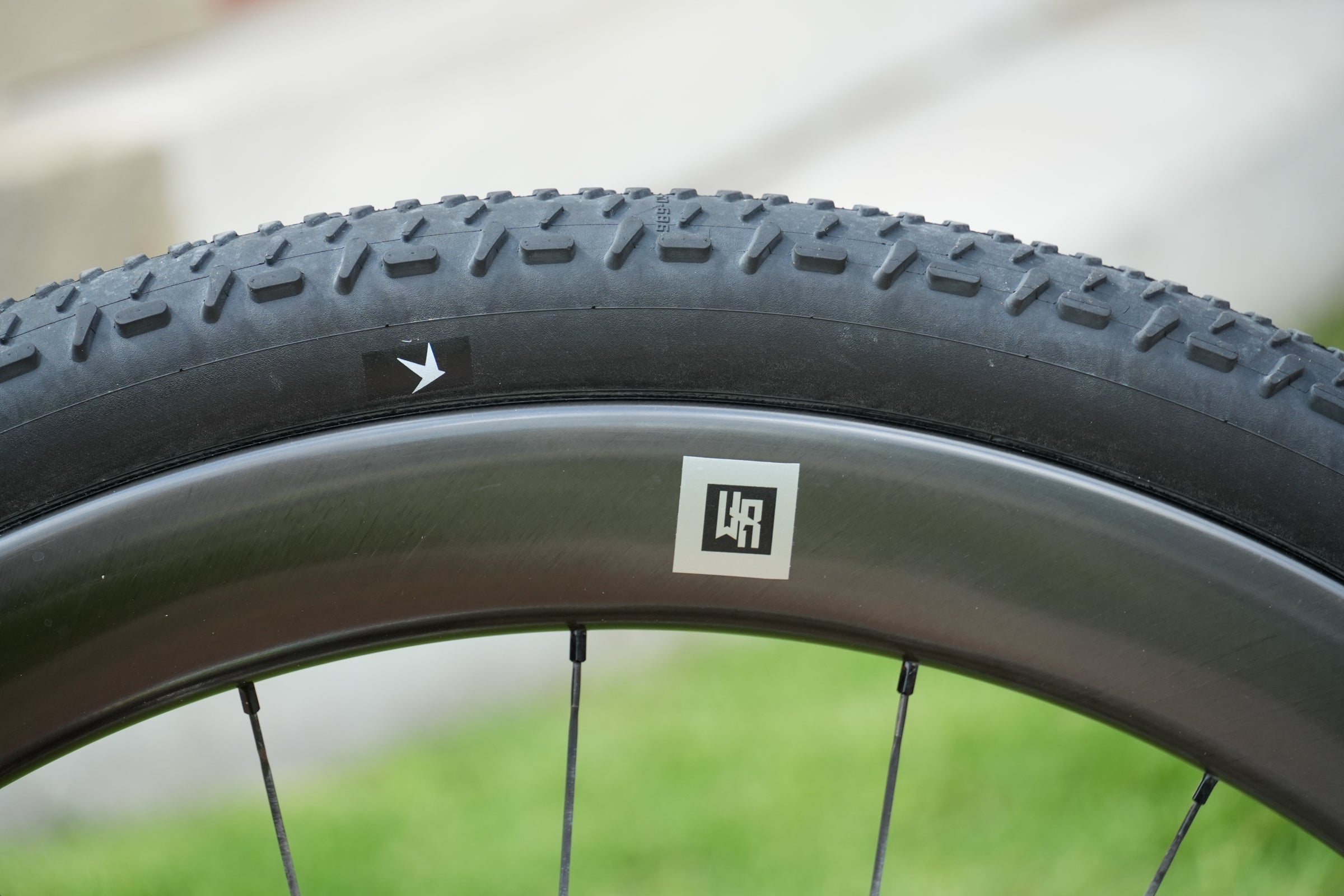
The less enthusiastic among us might see it as a way to sell bikes, but there seems to be some strong evidence that, perhaps, there’s a mechanical advantage for 32-inch wheels. It remained untested, though. It was very clear that if 32-inch wheels prove to be a competitive advantage, the industry will shift. For some, that proof was looking as if it was only a matter of time—but when and how?
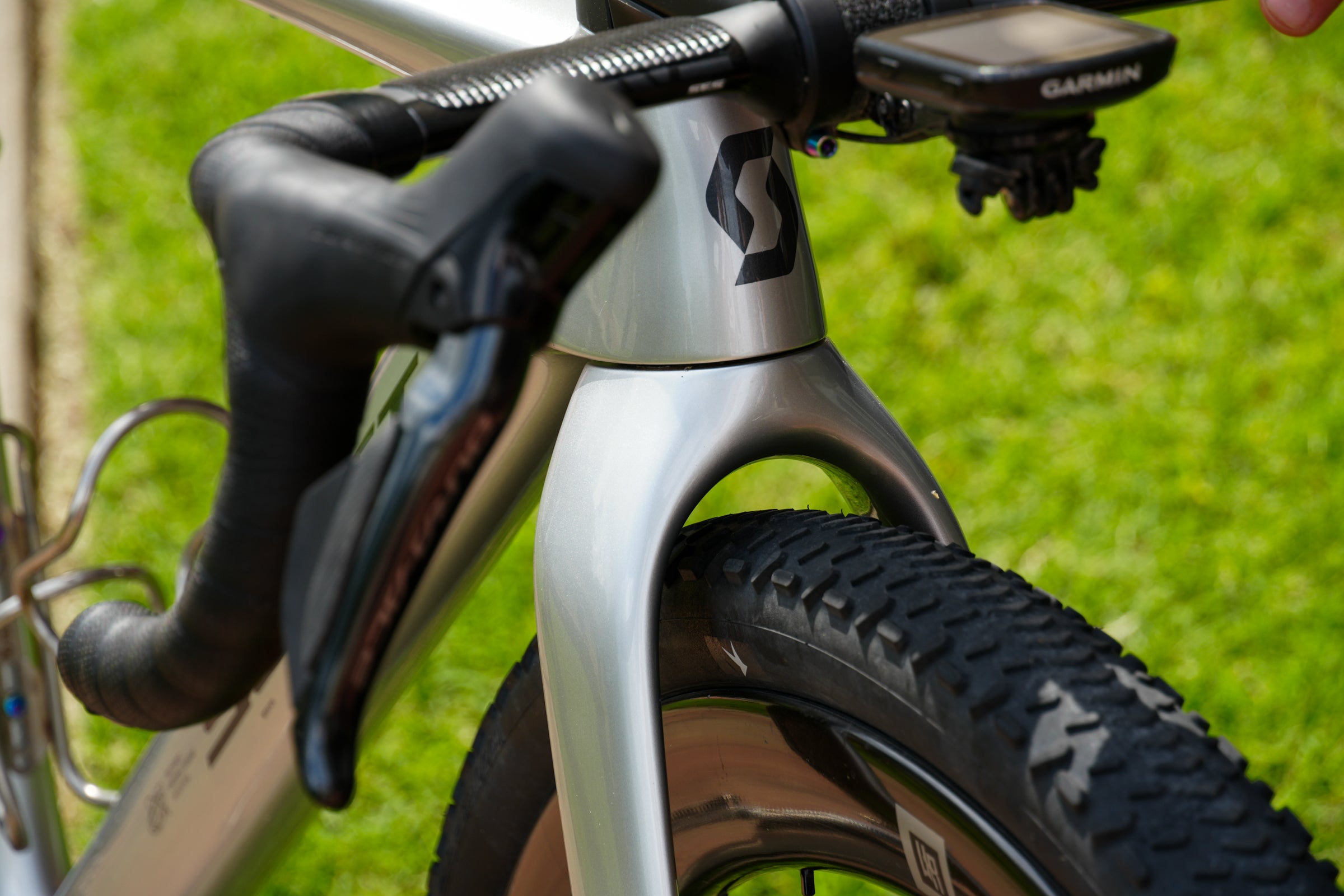
Then, Scott announced a pair of very finished-looking 32-inch-wheel prototype gravel bikes. Ahead of the race, it was made clear that Cam Jones, who won the 2025 Unbound 200, and Robin Gemperle, who won the 2025 Tour Divide, would ride the two existing bikes in the Unbound Gravel 200 and Unbound XL, respectively.
This was the moment for the technology. If you watched the commentary on the race, you could feel that people were holding their breath a bit. If both riders dominated, it would be a clear win and the industry would pivot. For better or worse, that is not what happened.
After over 20 hours of riding, Gemperle did cross the Unbound XL line first with a lead of roughly 34 minutes. During his finish-line interview, he was careful to mention the wheels but also made it clear he wasn’t sure yet if they were the key. What he did say was that having the hopes and dreams of engineers at Scott and tire brand Schwalbe resting on his shoulders was a mental boost. He talked about how it was also a mental boost to know that everyone was looking for confirmation one way or the other about the new wheel size. Then it was up to Cam Jones.
As the race started to wind down, Jones found himself not in the lead, but in the chase group. The commentary still mentioned the wheels, but he was in the pack taking turns at the front and it was almost impossible to tell that his wheels were bigger than you’d expect. As much as anything, it pointed to how finished the Scott bike looked. For a little while, it looked possible that the chase group with Cam Jones, Paul Voss, Cobe Freeburn, Tobias Kongstad, Matthew Beers, Brendan Johnston, and Emil Herzog might either bring back the lead or, more likely, lead to fireworks closer to the finish.
Then Jones came apart. At 12:51 race time, Jones sat up and drifted back. There was no mechanical, but whatever was happening put the other 32-inch bike out of contention for an exciting finish. Jones had a respectable top-10 finish, but it was the new Specialized Crux 5 that got to be the technological belle of the ball with five podium finishes out of six possible places between the elite men’s and women’s races.
With only two bikes being tested, it was never reasonable to put the weight of a new concept strictly on the shoulders of results, but it could have been a statement. The results instead showed that team tactics, strong legs, and good nutrition win races, and 32-inch wheels will continue to be a point of discussion with no resolution looking imminent.