
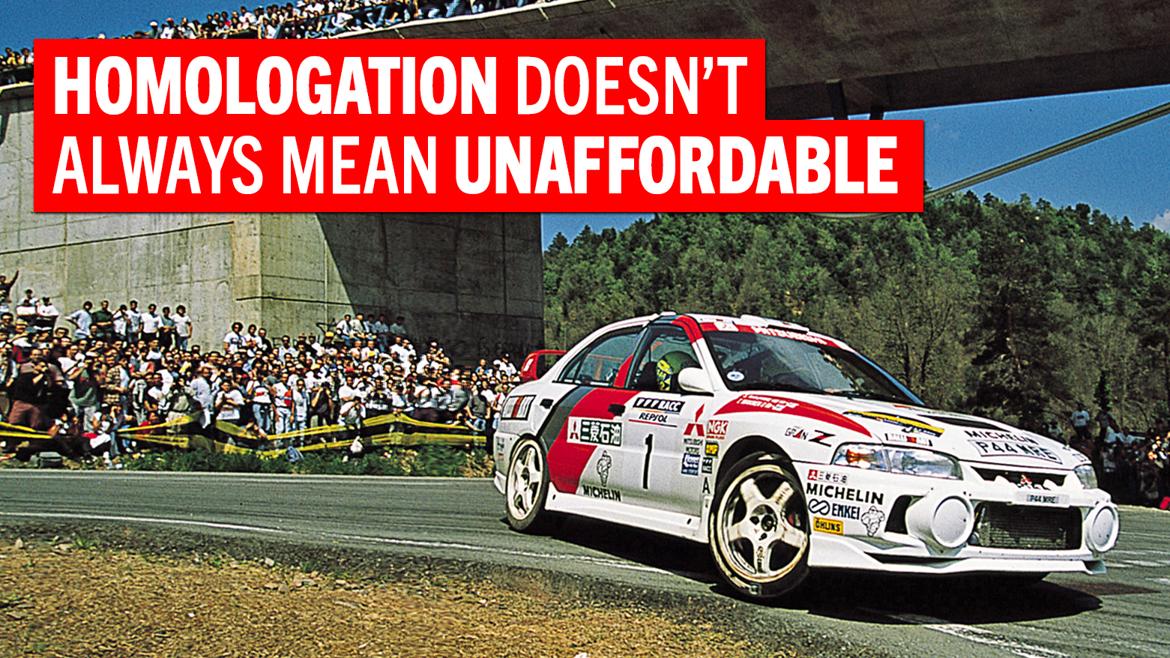
It’s the summer of 1997 in the dense forests of Finland. Thin streams of light weave in and out of the thicket, casting long shadows on a narrow dirt road.
A noise in the distance interrupts the serenity, a low, rumbling snarl that echoes off the trees. It quickly grows louder as the hazy shape of a car appears on the …
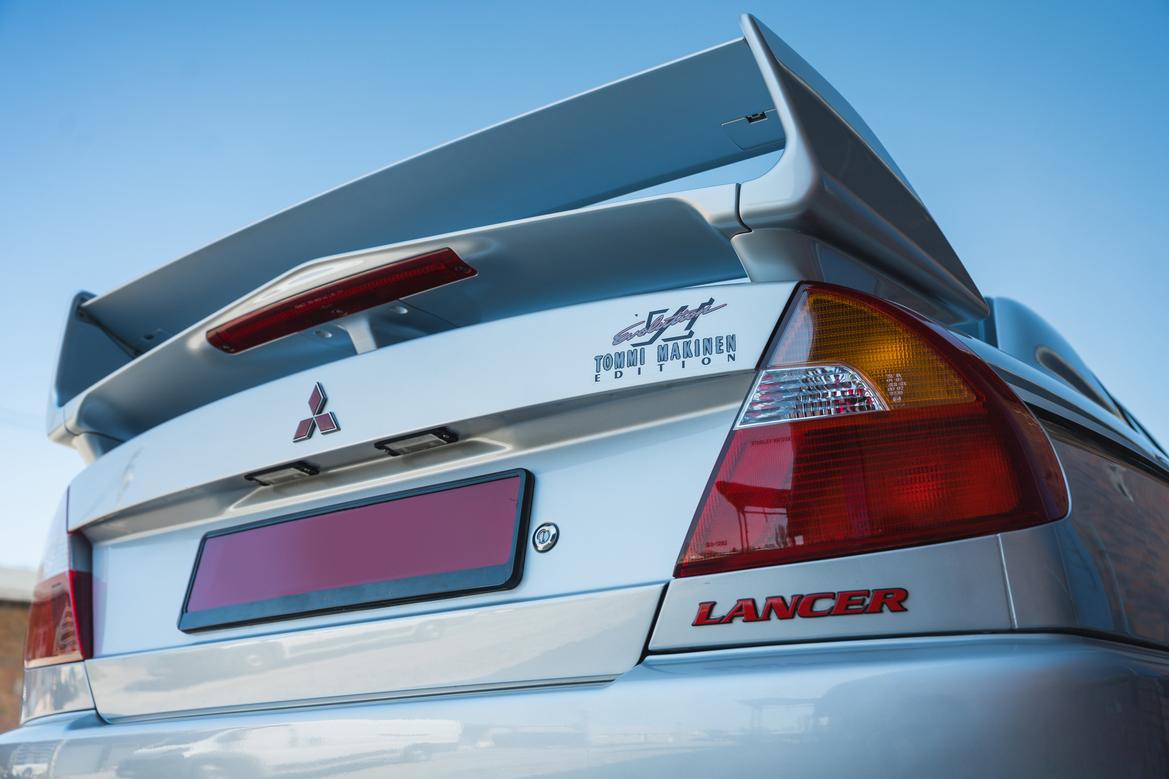
Mitsubishi Lancer Evo VI Tommi Mäkinen Edition
Photograph courtesy RM Sotheby’s
After a driver wins four championships with your car, it’s probably time to celebrate with a limited-edition model with their name on it, right?
Mitsubishi did just that in 1999 after Tommi Mäkinen wheeled a Lancer Evo VI to his fourth WRC championship title.
The Evo VI was primarily available in two trims, the comfort-oriented GSR or the stripped-down RS. (An RS2 was also offered in some markets and was essentially an RS with added creature comforts like air conditioning and power windows.)
Photograph courtesy RM Sotheby’s
Which one to buy? According to the Tommi Mäkinen Edition registry, a total of 4092 examples are believed to have been built–although some sources quote only 2500. The registry further says that 3020 are GSR models, while only 522 are RS versions (with 171 of those 522 listed as RS2s).
Despite the lower number of RS models built, Hagerty says that the GSR carries higher values: $24,600 to $114,000 for the RS, $26,700 to $123,000 for the GSR.
If you’re not as picky between the two, however, recent sales indicate an average of around $40,000 to $50,000.
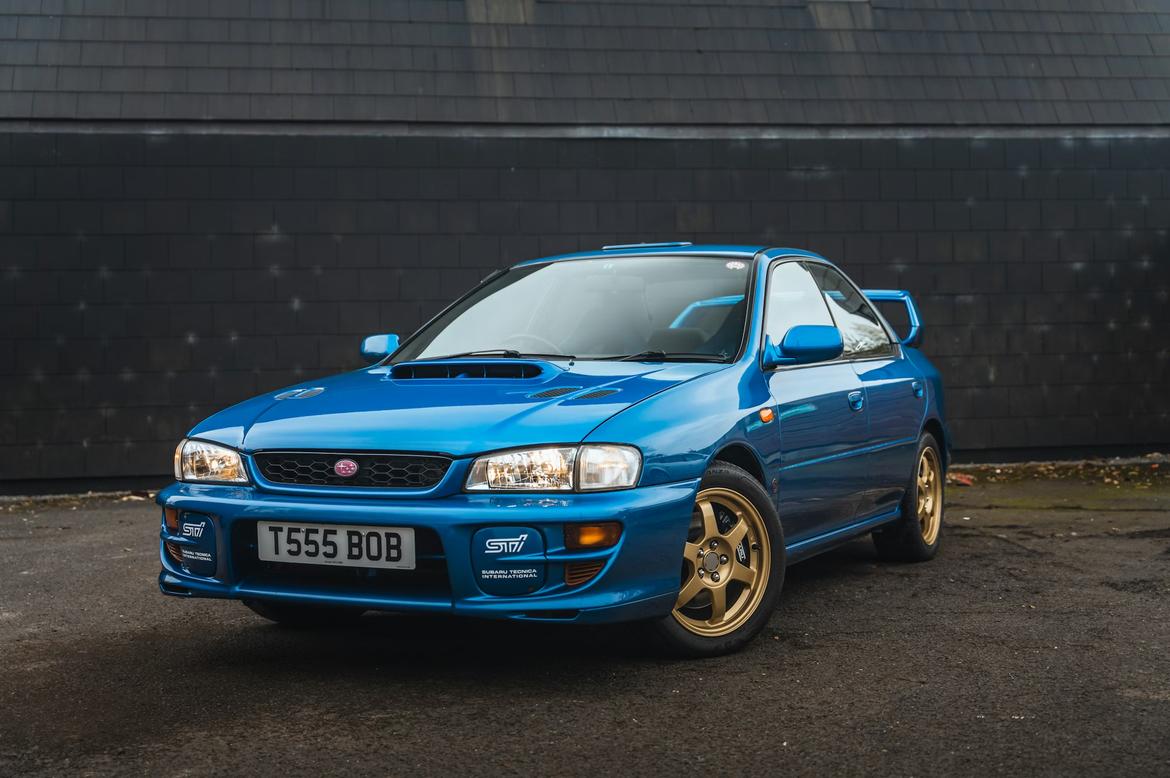
Subaru Impreza WRX STI Type RA
Photograph courtesy Collecting Cars.
Every ying has its yang. For the Mitsubishi Evo, that honor went to the Subaru Impreza WRX.
And as with the Tommi Mäkinen Evo VI, Subaru also built a limited run to celebrate the rally success it found with its Impreza, the Impreza 22B STI.
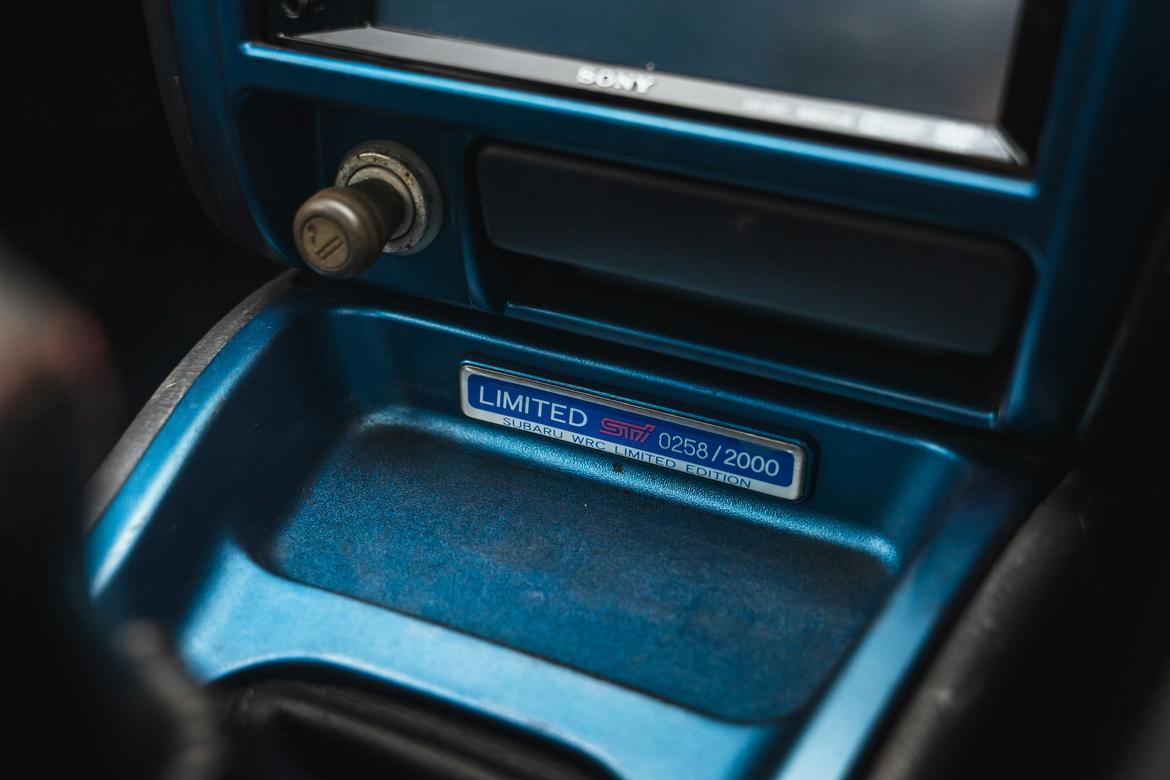
However, seeing as the 22B is approaching half a million dollars these days, how about a more approachable alternative, the Impreza WRX STI Type RA? Lacking sound deadening, a radio and even air conditioning, the Type RA was the stripped-down, race-ready version of the Impreza WRX.
Photograph courtesy Collecting Cars.
Over the course of its production cycle, Subaru made six versions of the Impreza WRX, each one building upon the version that came before–often by adding more power–and each one available in a Type RA flavor.
Most recently, a Type RA offered by Collecting Cars sold for €30,500 (approximately $45,300 USD) in February, with examples from various other sources selling for closer to $20,000 throughout 2025.
Opel Ascona B 400
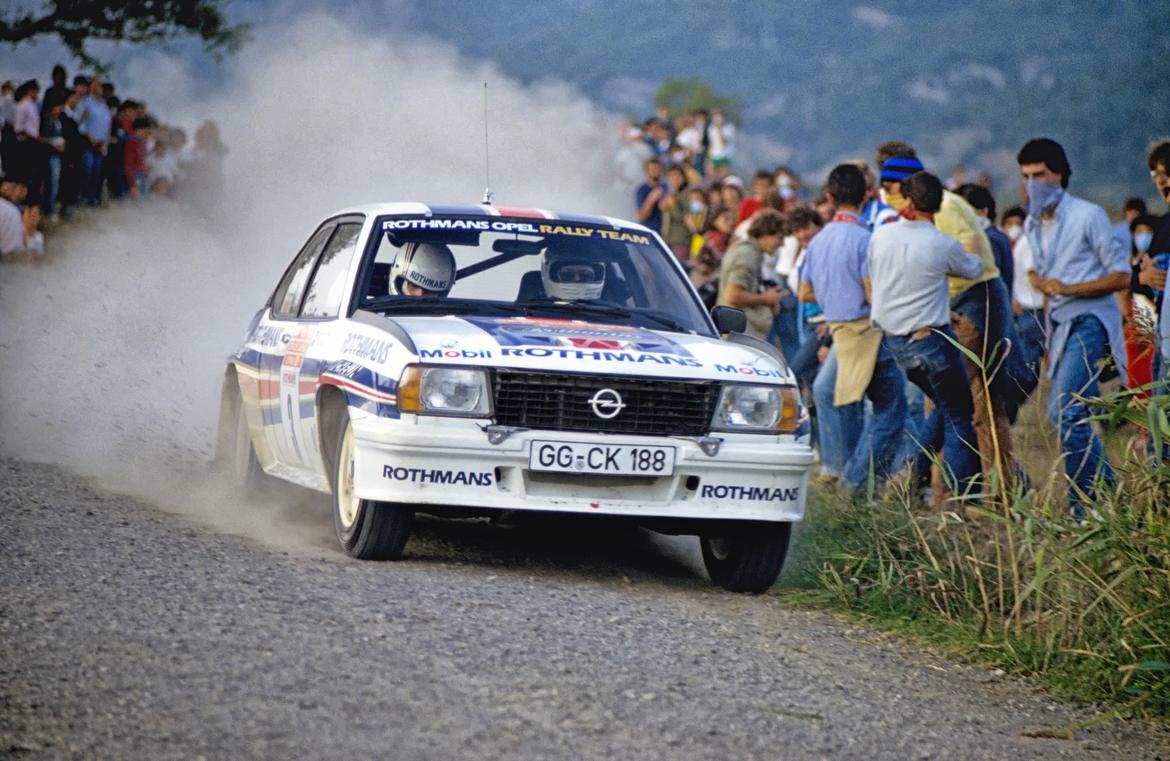
Photograph courtesy Opel.
The car that Walter Röhrl, two-time WRC champion and Le Mans class winner, used to win the 1982 WRC driver’s title? An Opel Ascona 400.
While the Ascona was slowly replaced through the early 1980s by Opel’s other rear-wheel-drive rally fighter, the Manta 400, both cars are mechanically quite similar, going so far as to share the same 2.4-liter inline-four developed with help from Irmscher and Cosworth.
Whatever success Opel managed to find with the Ascona–and, later, the Manta–was short lived, however, as the early 1980s also saw the rise of all-wheel-drive cars, which quickly outclassed several of the rear-wheel-drive competitors like the Ascona and Manta.
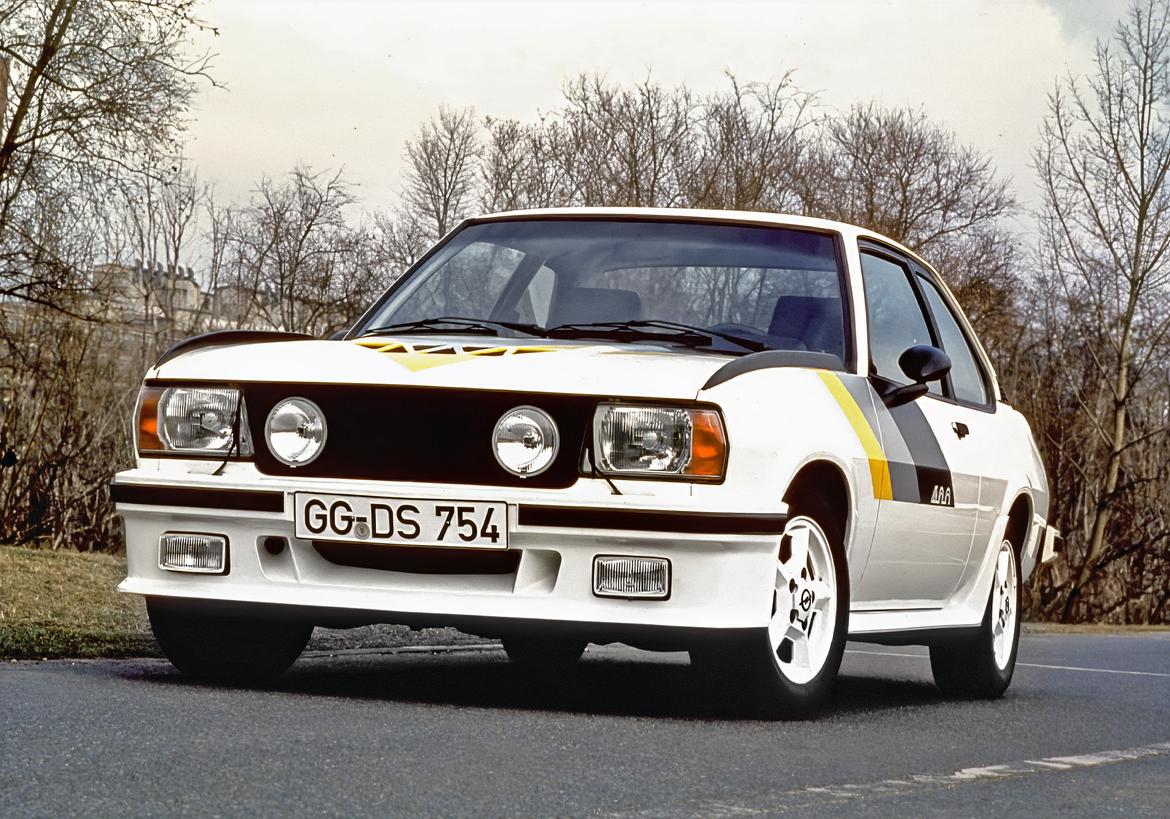
Photograph courtesy Opel.
Exact values are difficult to track down since so few seem to change hands, though famed auction house RM Sotheby’s sold one for €67,200 (about $78,200 USD) back in 2016, which comes out to approximately $106,000 USD when adjusted for inflation.
Vauxhall Chevette HS/HSR
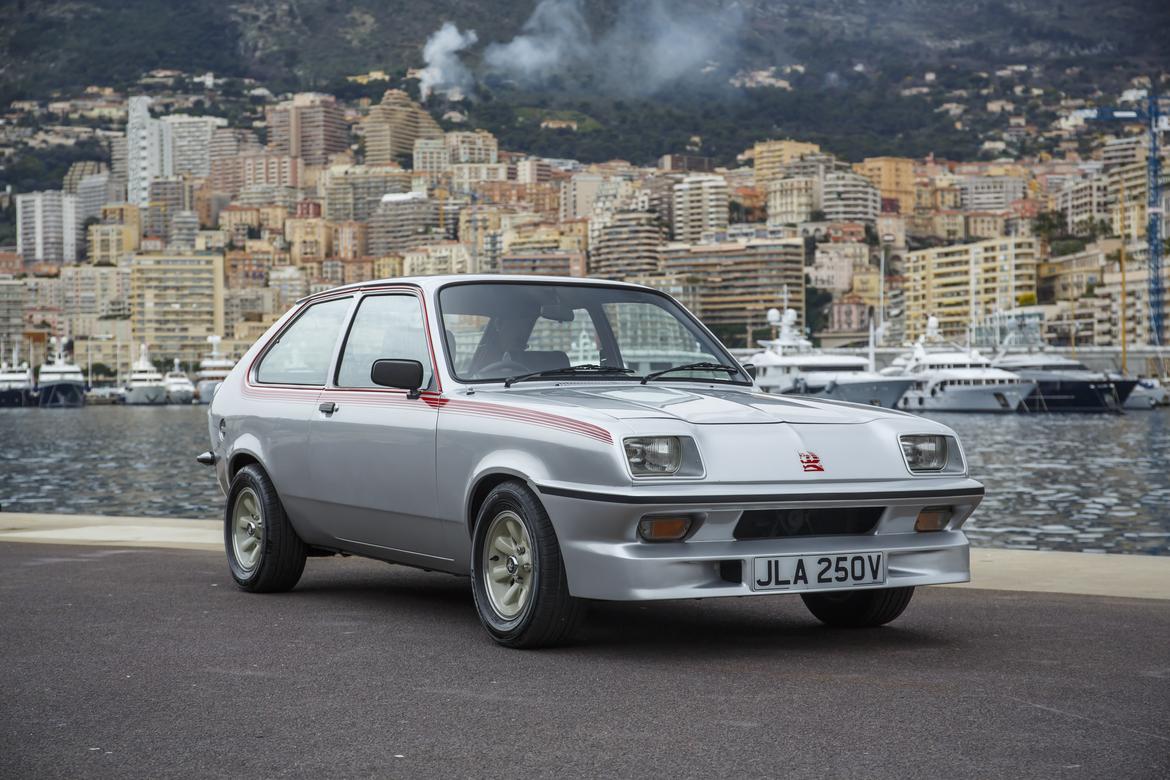
Photograph courtesy Vauxhall.
Vauxhall, another GM subsidiarity, carried an unlikely name into the highest levels of rally: the Chevette–but not the Chevette sold here in the U.S. (Despite sharing a similar platform and a name, the cars featured different styling and engine options.)
To take its Chevette rally racing, Vauxhall created the Chevette HS. Power came from a 2.3-liter slant-four engine and even featured a few suspension components borrowed from another arm of GM, Opel.
The result wasn’t just competitive, it was a winner, too, securing two British Rally Championship titles: the 1979 drivers’ championship and the 1981 manufactures’ championship.
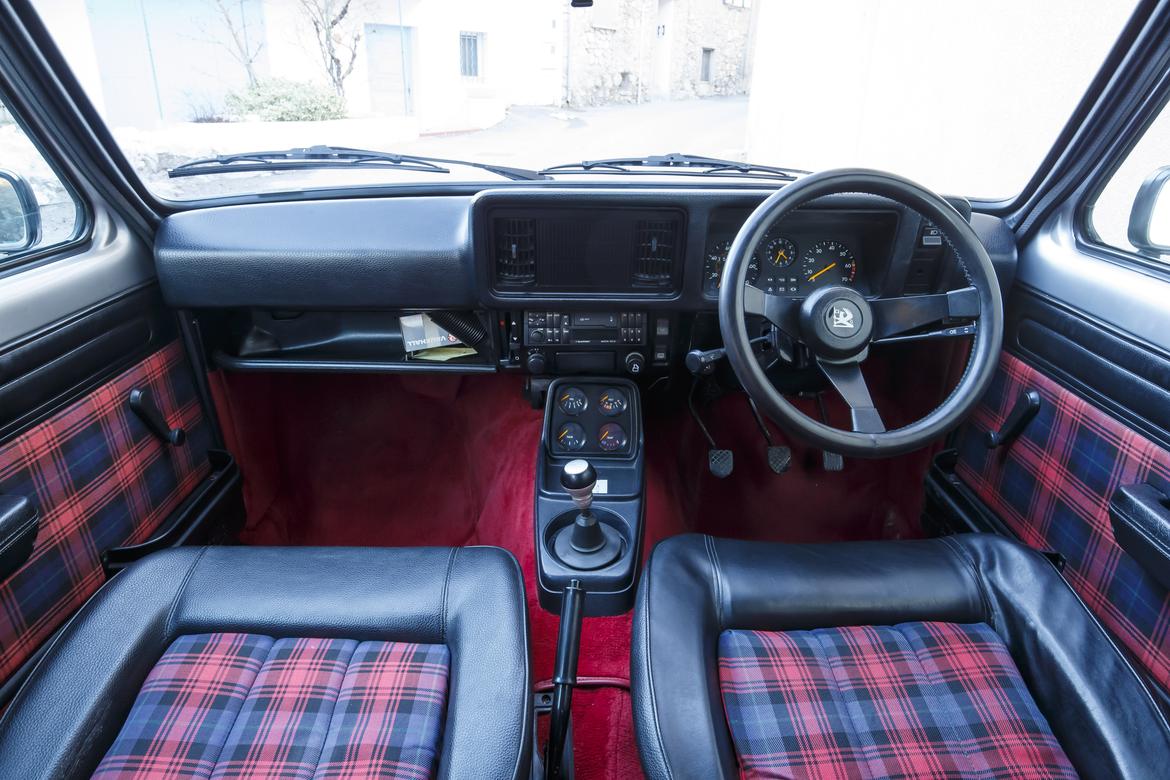
Photograph courtesy Vauxhall.
Vauxhall later developed the HS into the HSR. While many of the changes made were minor or cosmetic, the “evo” model did receive a revised suspension.
To meet the 50-car requirement to homologate the HSR, Vauxhall simply applied the updates to 50 HS models that were either unsold or already in the care of a customer.
Any continued progress Vauxhall planned to make on the Chevette, however, ended not long after GM merged both Opel and Vauxhall in the 1980s.
Based on recent international auction results, you’ll need to set aside close to $50,000 for a Vauxhall Chevette HS and double that amount for an HSR.
Volkswagen Rallye Golf
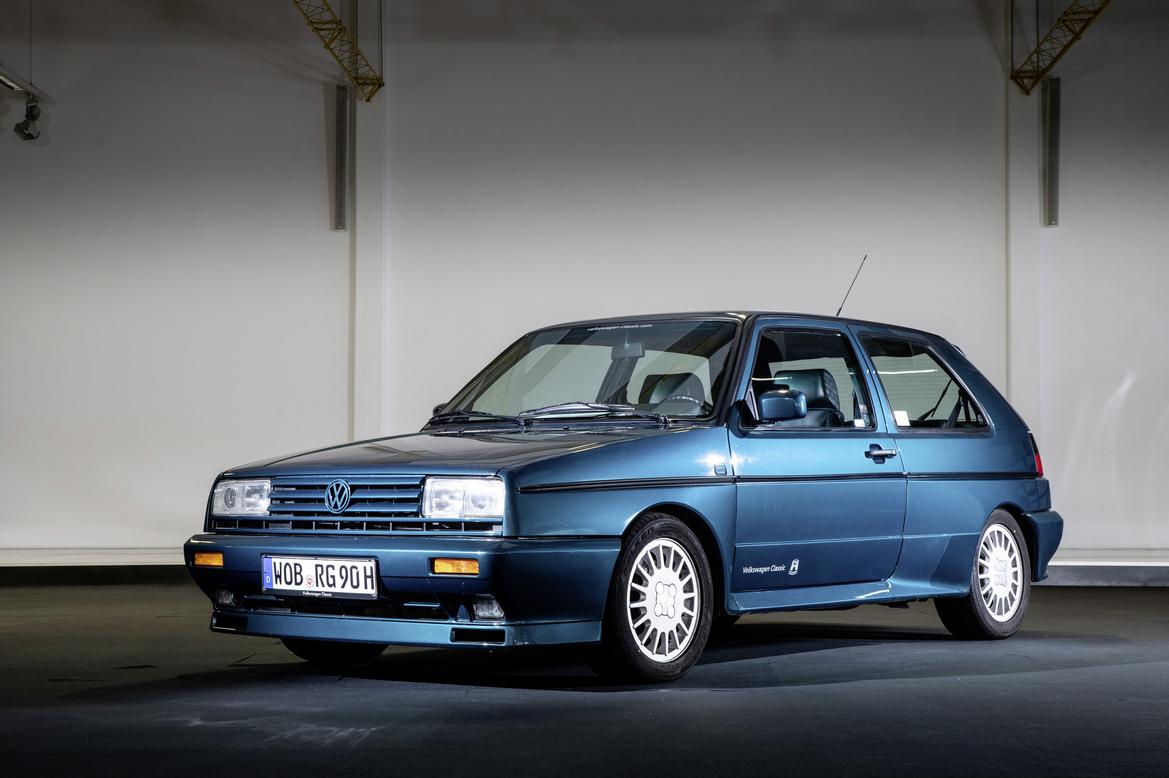
Photograph courtesy Volkswagen.
The first Golf to send power to all four wheels? Long before the R32 and the modern-day Golf R, VW gave the world the four-wheel-drive Golf Syncro in early 1986.
Then, in 1989, VW added a supercharger and subtle box flares to the mix to give us the Rallye Golf. In comparison to the 16-valve, 137-horsepower GTI, the Rallye Golf was good for nearly 160 horsepower.
While promising on paper, it didn’t carry over to any significant real-world success in the WRC, securing just a single podium in 1990. (The following year, however, the Rallye Golf managed to nab the German Rally Championship drivers’ and manufacturers’ titles.)
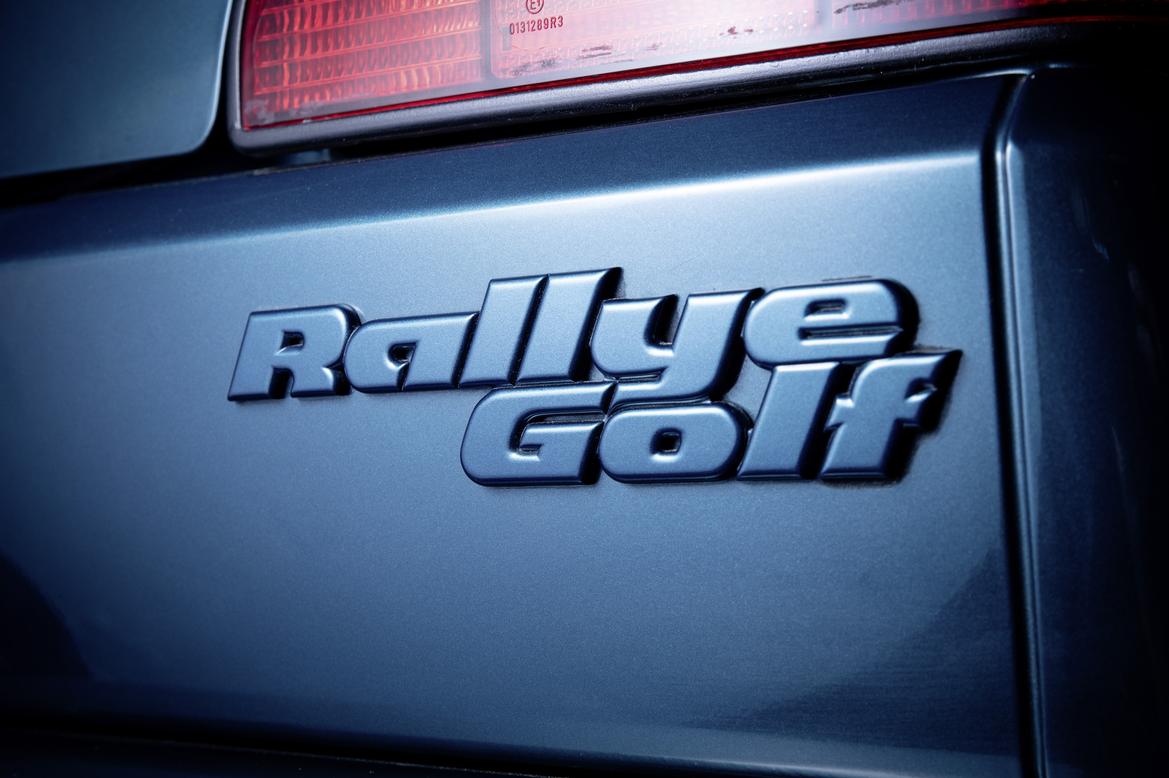
Photograph courtesy Volkswagen.
Several Rallye Golfs have been bought and sold in the last few years, with two of the most recent being a largely original example for £45,000 (approximately $61,200 USD) from Iconic Auctioneers in 2025 and a modified example from Collecting Cars that also sold in 2025 for €25,000 (about $29,100 USD).
Peugeot 206 Grand Tourisme/GTi 180/RC
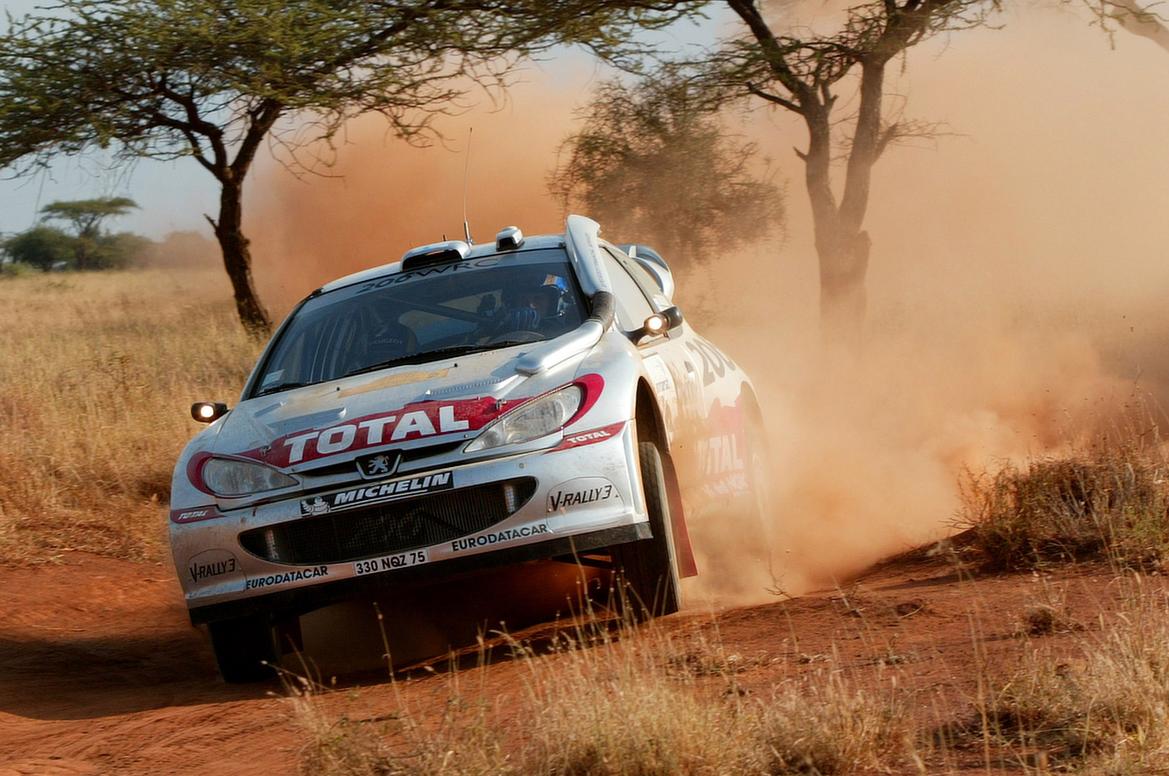
Photoraph courtesy Peugeot.
Not a Volkswagen GTI, but a Peugeot GTi.
Peugeot was largely absent from the WRC throughout the mid-to-late 1980s and much of the 1990s, as the carmaker pulled out of the series following the closure of Group B. Instead, it pointed its efforts at on-track racing.
Until 1999, however, with the debut of the 206 WRC.
To homologate its new entry, Peugeot had to produce 2500 road-going cars that shared the same exterior dimensions of the WRC car.
The result was the 206 Grand Tourisme (GT), which featured unique body extensions on the front and rear that increased the overall length of the standard 206 from 12.5 feet to just over 13 feet for the WRC car.
The GT also featured the then-new 137-horsepower, 2.0-liter engine set to be introduced in the 206 GTi.
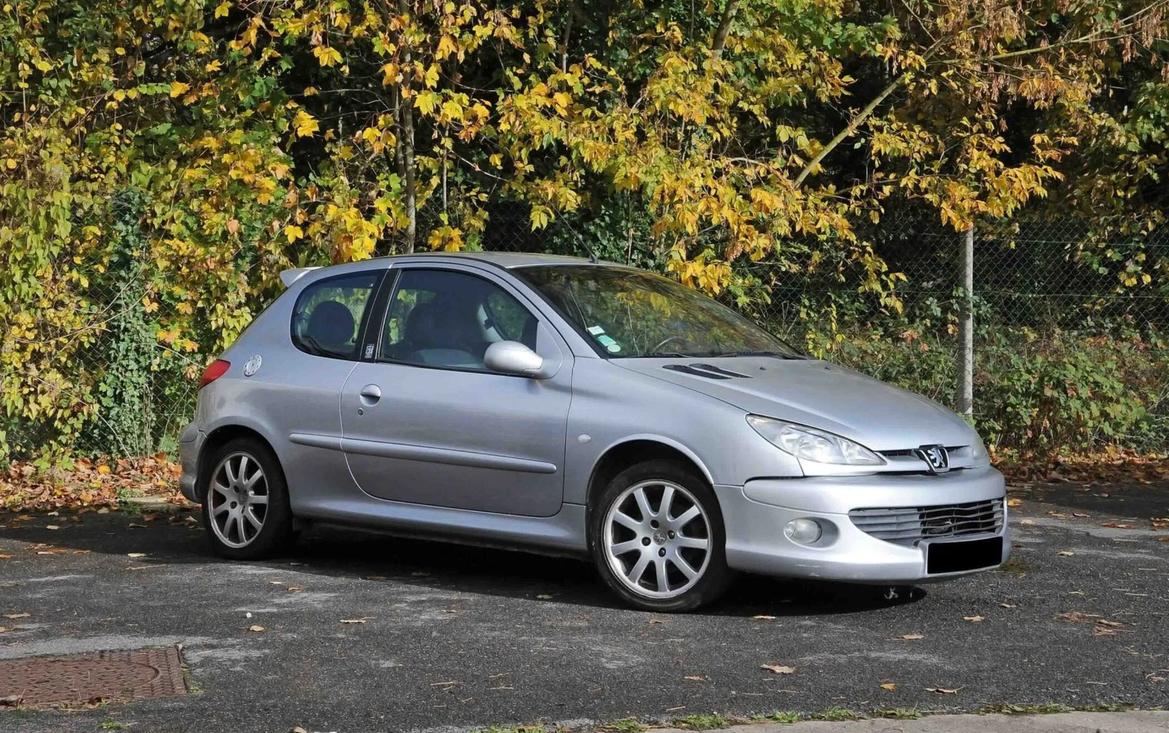
Photoraph courtesy Aguettes.
Which brings us to the 2003 follow-up to the GT, the 206 GTi 180 and RC. While neither model is able to be legally imported stateside yet–mark your calendars for 2028–the GTi and RC got a bump in power, up to 175 horsepower.
The difference between the two models? Primarily just the name, with the GTi selling in the U.K. while the rest of Europe got the RC.
How much will one cost you? The most recent sale of a 206 GT is from a November 2025 Aguttes auction: €6499, which comes out to around $7500 USD. (For the sake of comparison, a 206 RC sold at that same auction for €11,148, or about $13,000 USD.)
Mitsubishi Pajero Evolution
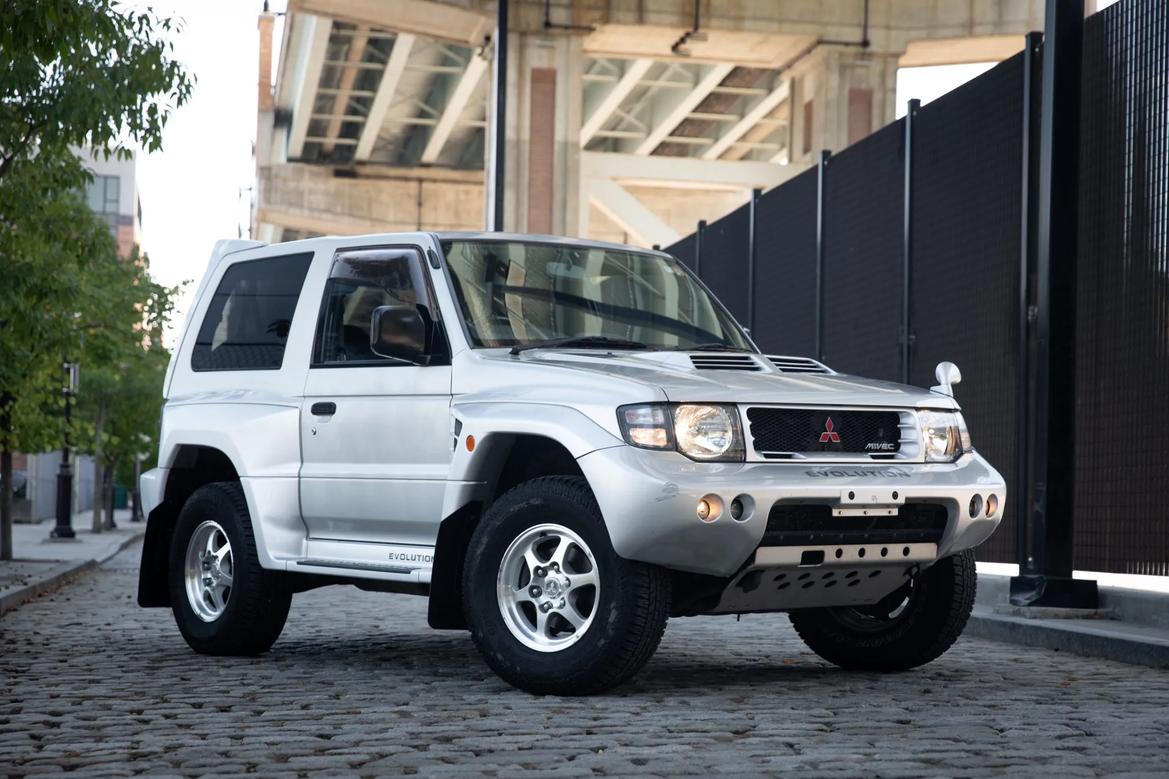
Photograph courtesy Bring a Trailer.
The most successful vehicle in the history of the Dakar Rally? The Mitsubishi Pajero Evolution, with 12 overall wins for this truck/SUV in the “cars” category between 1985 and 2007.
A road-legal model arrived in 1997, standing about as wide as it was tall thanks to its sizeable fender flares. And while the Evo shared Mitsubishi’s Super Select 4WD system with the standard Pajero, the Evo got Torsen differentials front and rear.
Also unique to the Evo was a version of Mitsubishi’s 6G74 3.5-liter V6 with variable valve timing and a dual plenum variable intake, along with suspension composed of double wishbones up front and a multi-link setup out back. Both manual and automatic gearboxes were offered. (The automatic appears to be more prevalent on the open market, likely due in part to reports that the manual was, at best, temperamental.)
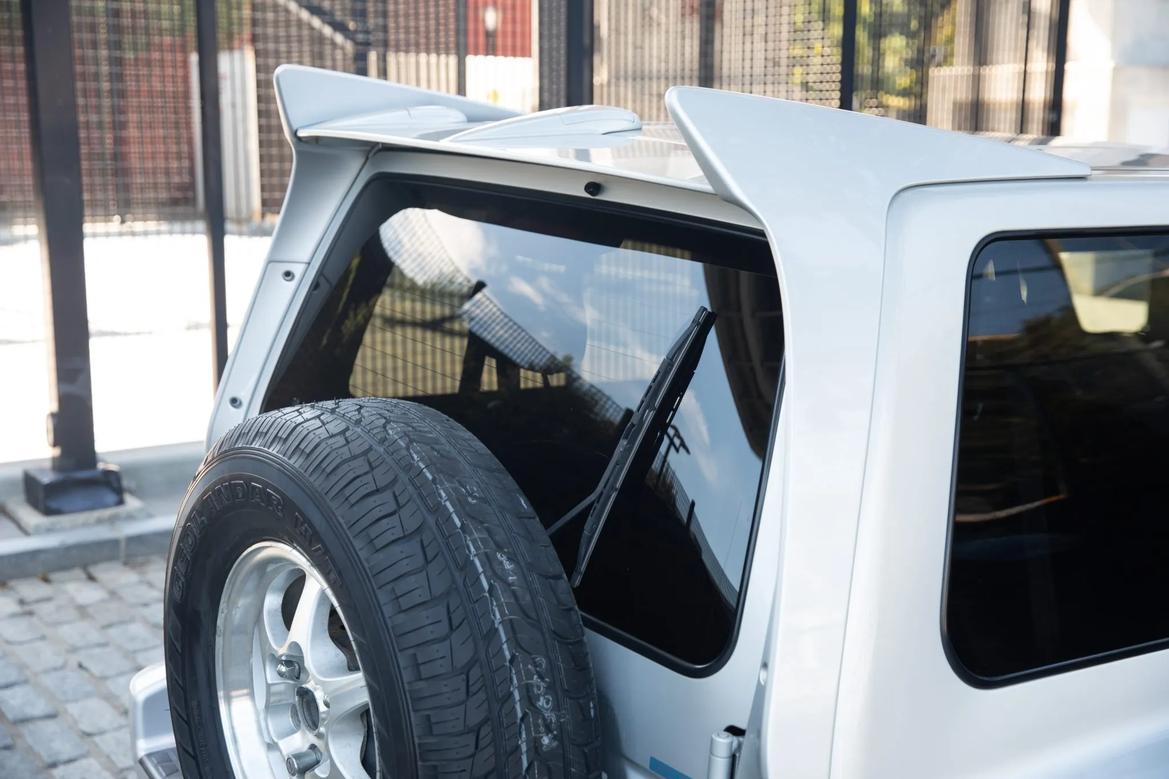
Photograph courtesy Bring a Trailer.
In total, Mitsubishi made upward of 2500 examples–many of which frequently appear at auction or up for private sale. Likewise, Hagerty indicates that you can expect to pay between $15,700 to $70,000, depending on condition.
And recent sales back up that claim, with a largely original example selling for $69,500 AUD (about $49,000 USD) in February from Collecting Cars and a modified example selling for $33,500 in January via Bring a Trailer–which is nearly spot on for what Hagerty considers a Pajero Evo in No. 2 and No. 3 condition, respectively.