
Add or Subtract?
Humans tend to add to their lives rather than subtract from them. We’re constantly craving and consuming more. Our entire economic system favors adding. For instance, we measure our nation’s success by analyzing GDP. The only way to increase the GDP? Add. Do more, make more, and extract more.
This adding phenomenon isn’t new.
Everything about our lifestyle has been centered on increasing and growth. American homes are three times larger than they were in the 1960s, including garages to house our cars, which have also grown since the 1980s. These cars are now filled with meaningless techy features. Do you really need your car to connect to the cloud? Since the 1940s, the amount of clothing we own has gone up 250%. Bigger houses to hold our bigger cars, more clothes, and more stuff.
Yet, what about using fewer? Subtracting? Adding blindly for the sake of progress can lead to inefficiencies. People systematically overlook the act of subtracting from their lives.
In cycling, we’ve been on a steady march towards adding more to our cycling drivetrains. 5, 6, 7, 8, 9, 10, 11, 12… and now, 13!
The truth is, human beings are programmed to add, rather than subtract. So when a brand makes its name by subtracting from the status quo, we take note.
If 12 or 13 speeds are the norm, Microshift has shown constraint through subtraction with its new Advent MX drivetrain, coming in at 11 speeds. But is eleven enough for modern riding?
*Okay, technically, Microshift did add from its 10-speed Advent group to 11-speed, but the rest of the world is marching towards 13-speeds… you get the point! 😉
Complete Kit
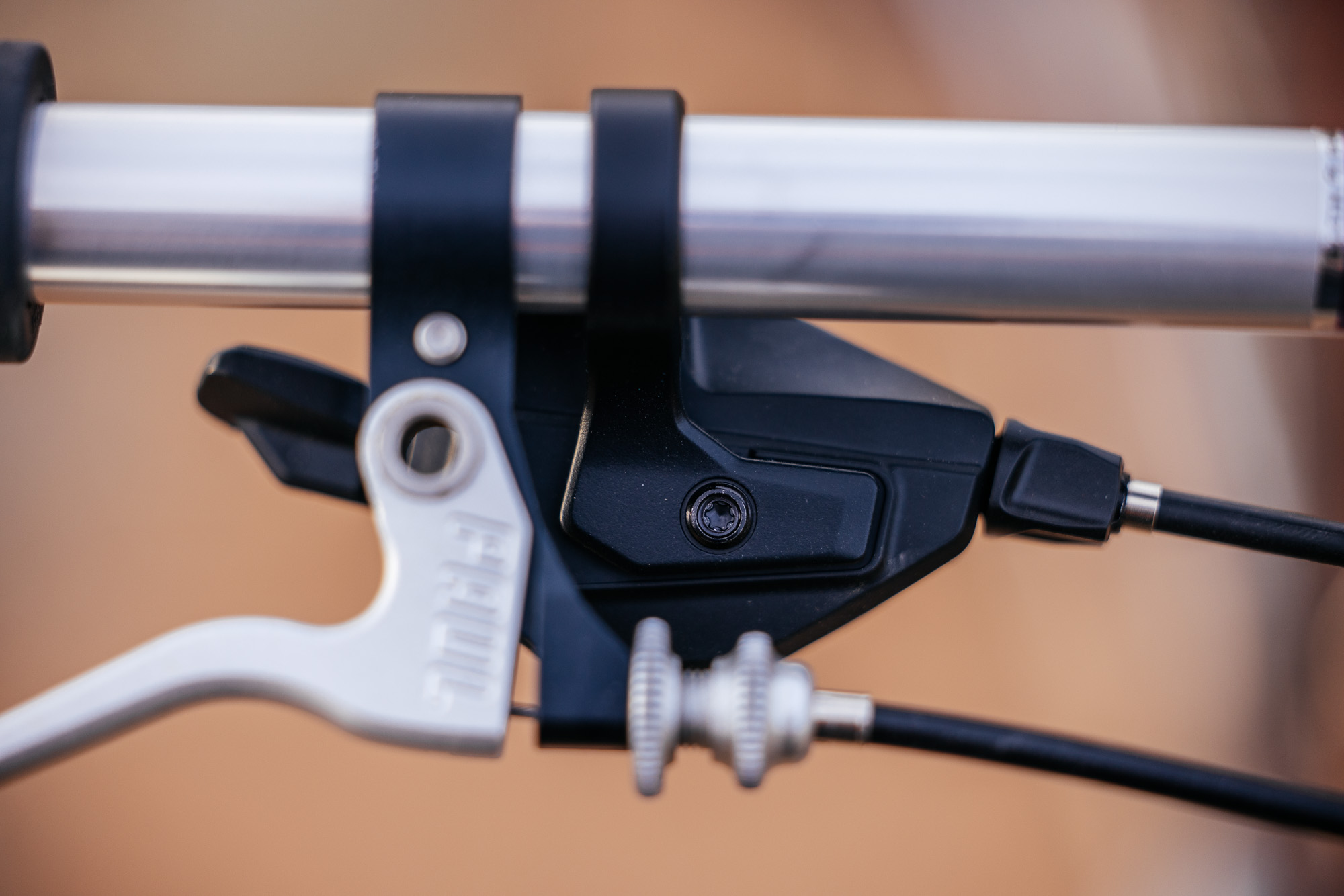
Advent MX comes with a derailleur, a shifter, and your choice of a HG or XD driver cassette. Kits are available from your local bike shop, via QBP.
Advent MX Derailleur Quick Hits
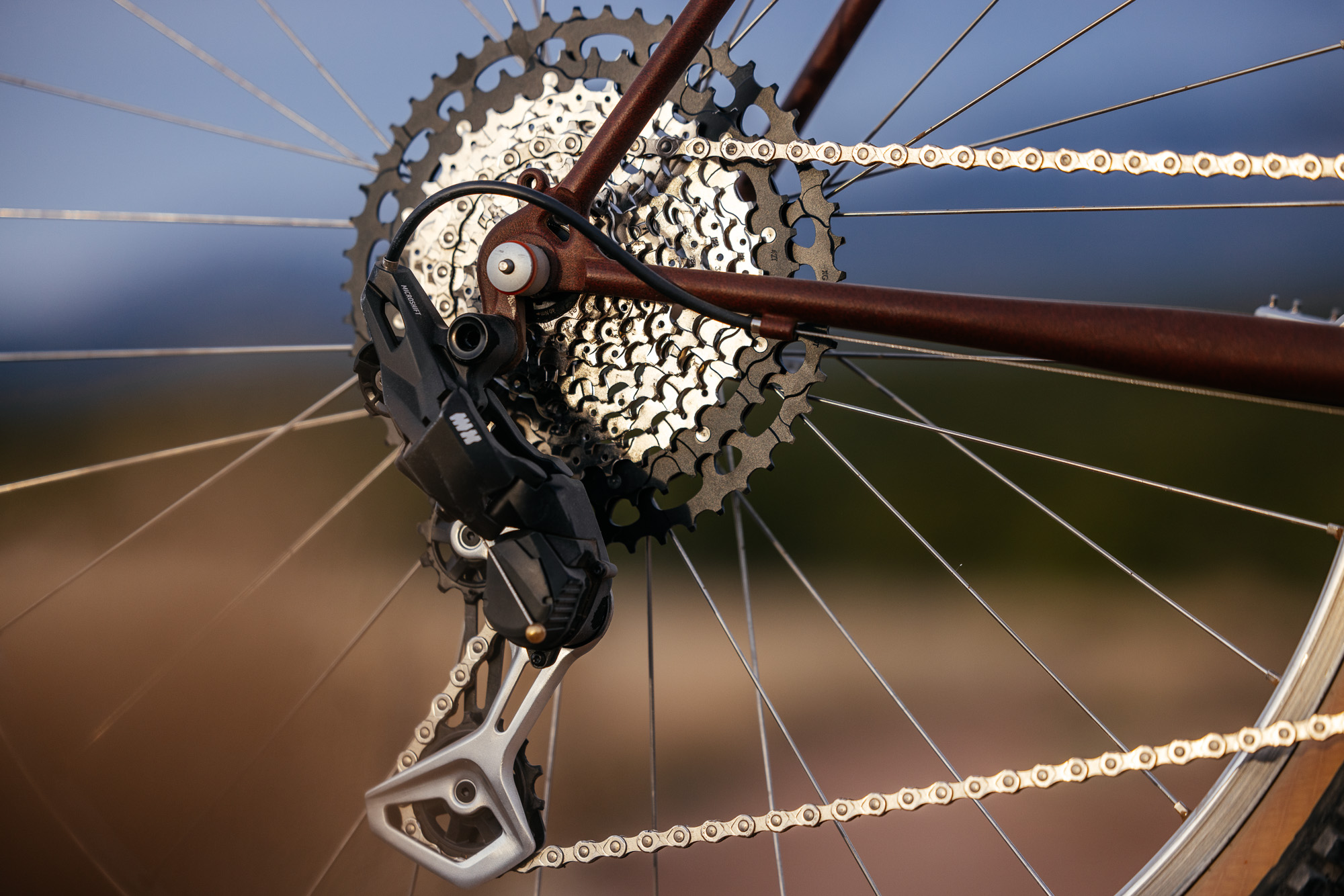
- Horizontal parallelogram with Igus bushings
- 33% stronger clutch
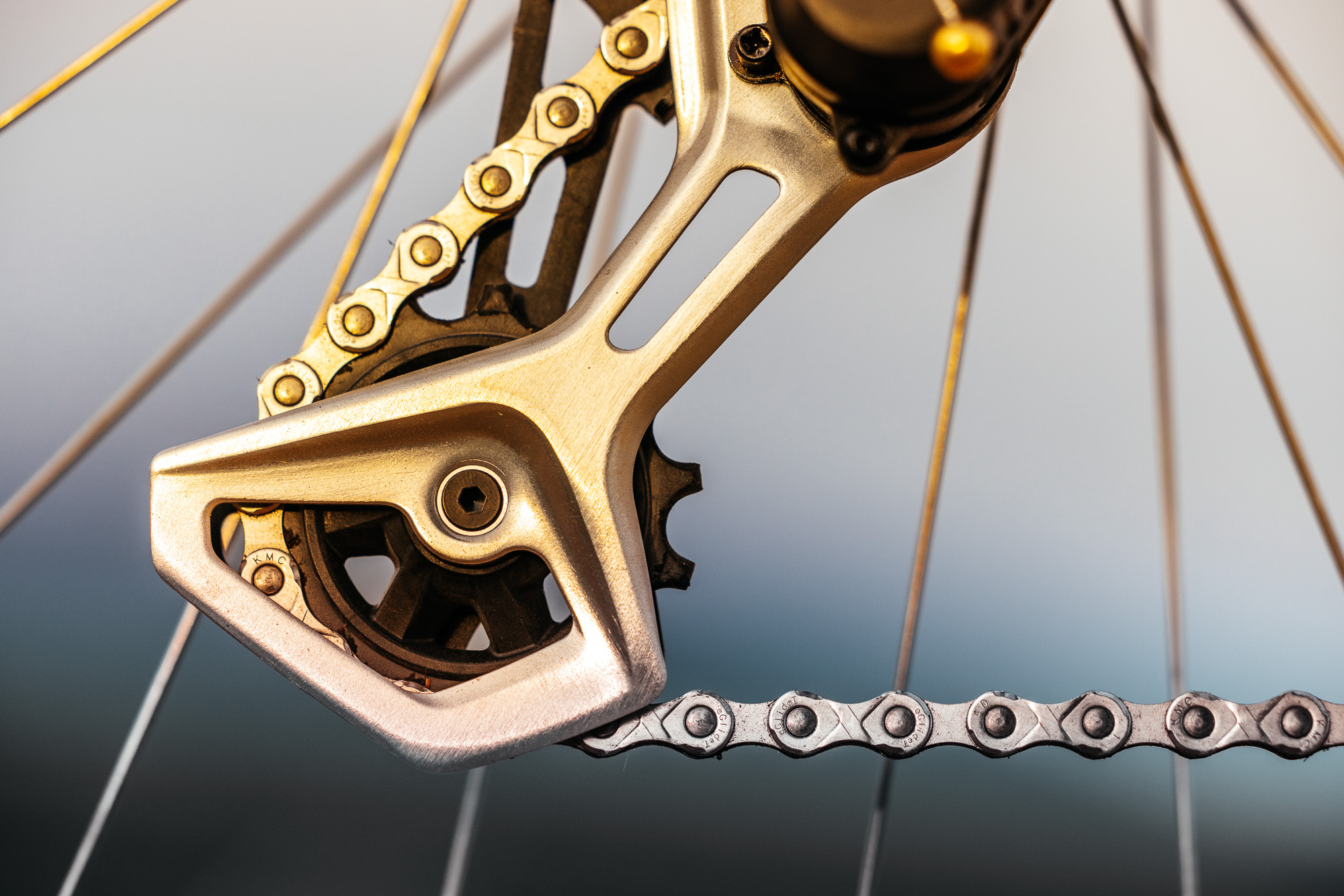
- Replaceable cage
- Sealed bearing pulleys
- Easy cable routing
- 358g
- Compatible with Advent MX 11-speed and 10-speed systems
- Backward compatible with Sword and Advent X systems
Advent MX Pro Rear Derailleur
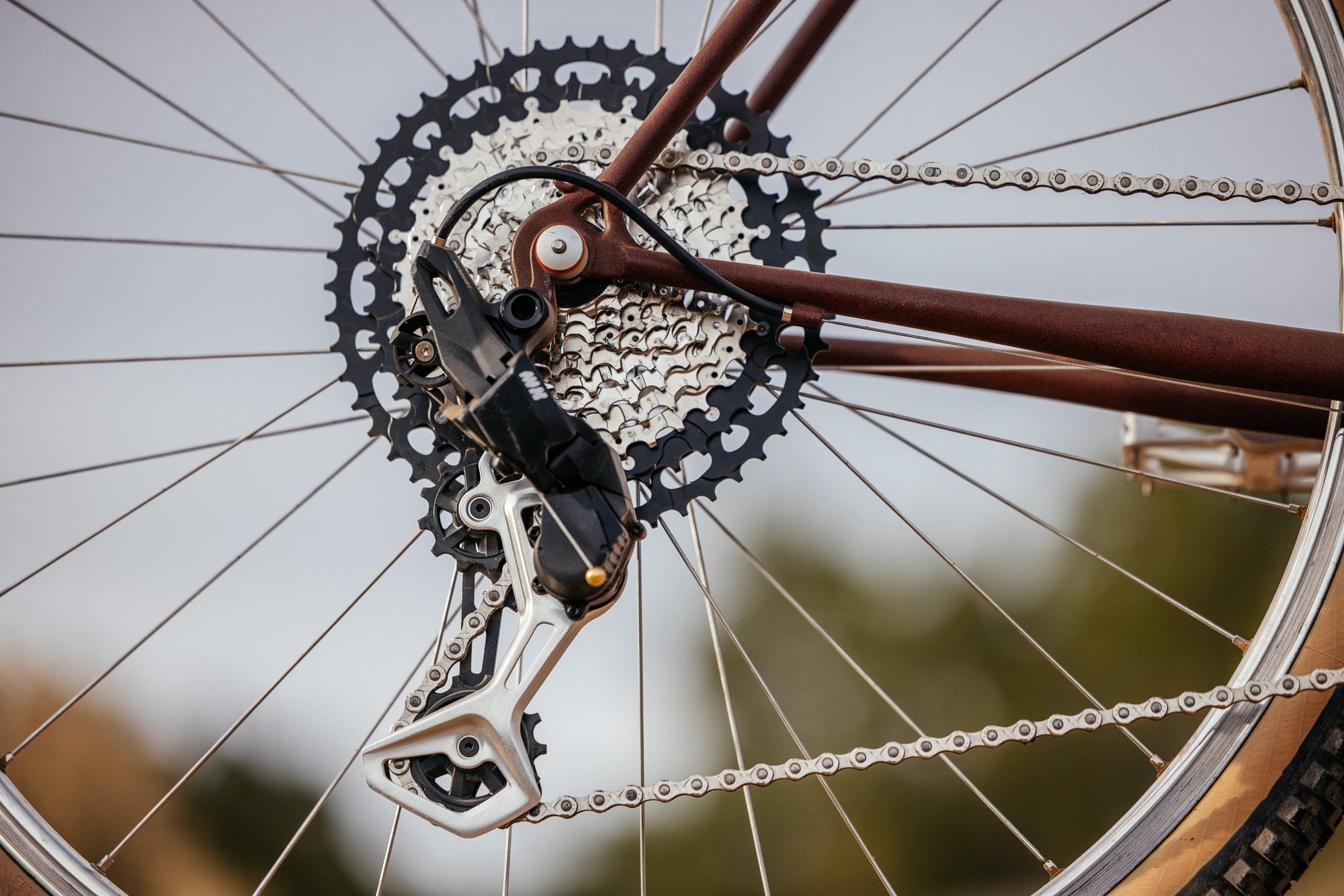
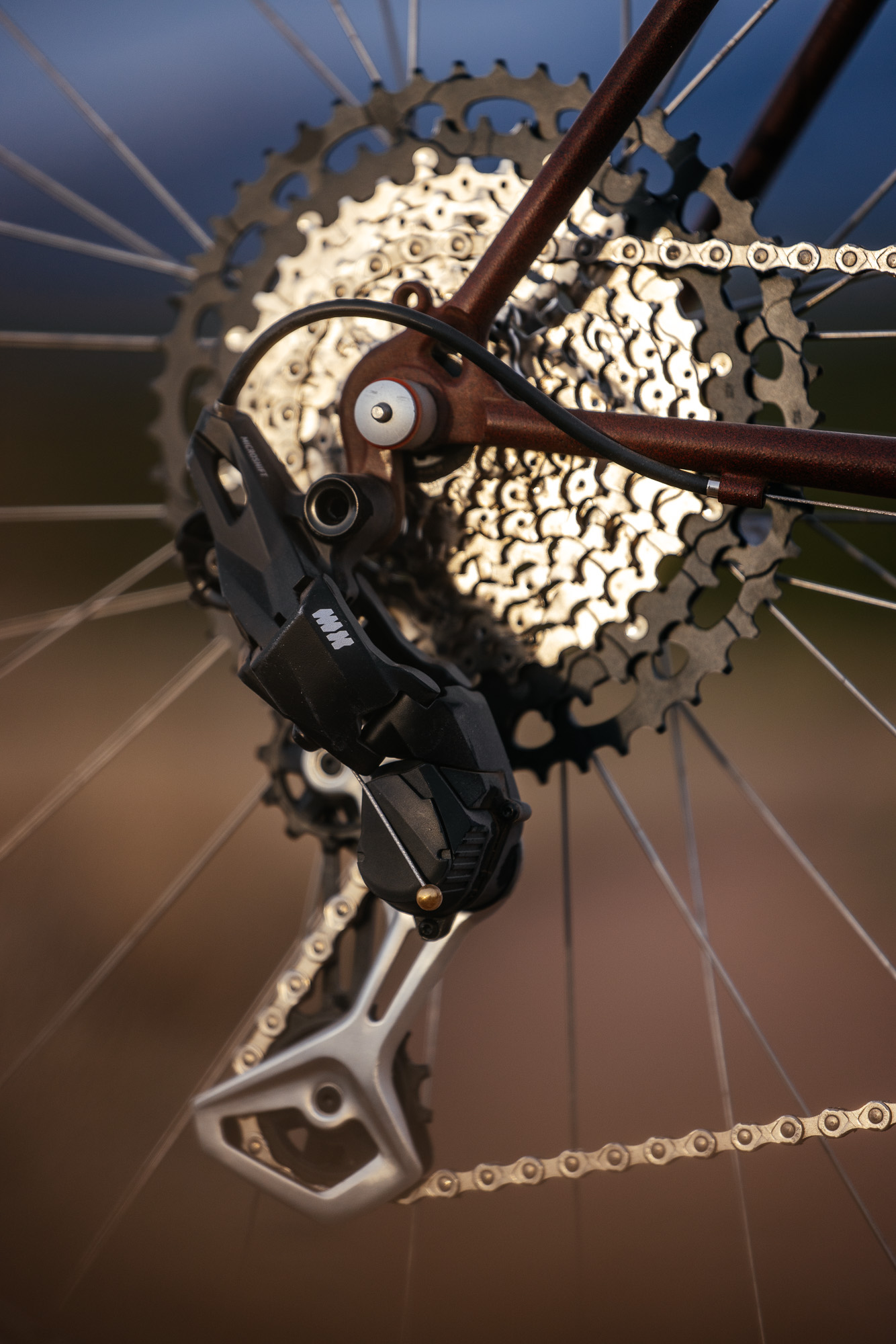
The standout feature of this drivetrain package is the Advent MX Pro rear derailleur. It looks like a bespoke derailleur, shifts like GX or Deore, and is backward compatible with Advent 10-speed derailleurs. The setup was a cinch, requiring only minor adjustments to the factory settings on the Hi/Low and B-limit screws. If you’ve set up a modern indexed derailleur, this setup won’t be an issue.
A key difference from other derailleurs is that the MX Pro uses Igus bushings rather than sealed bearings. But between the strong horizontal parallelogram design and an all-new clutch that offers 30% more force than the Advent 10-speed mech, the MX Pro is still made for the rigors of modern trail riding, bushings or bearings aside.
Gearing Spread and Cassette Options
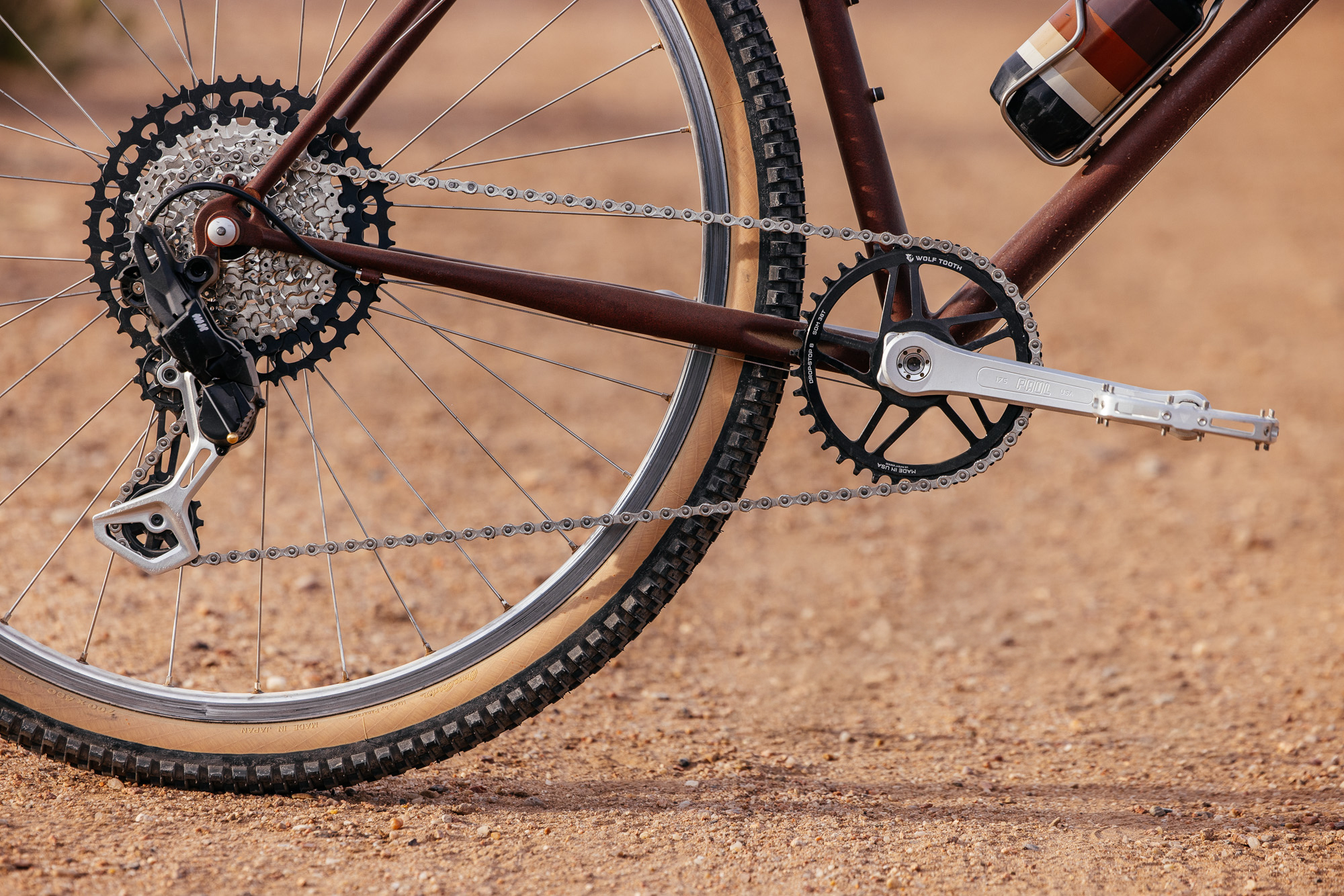
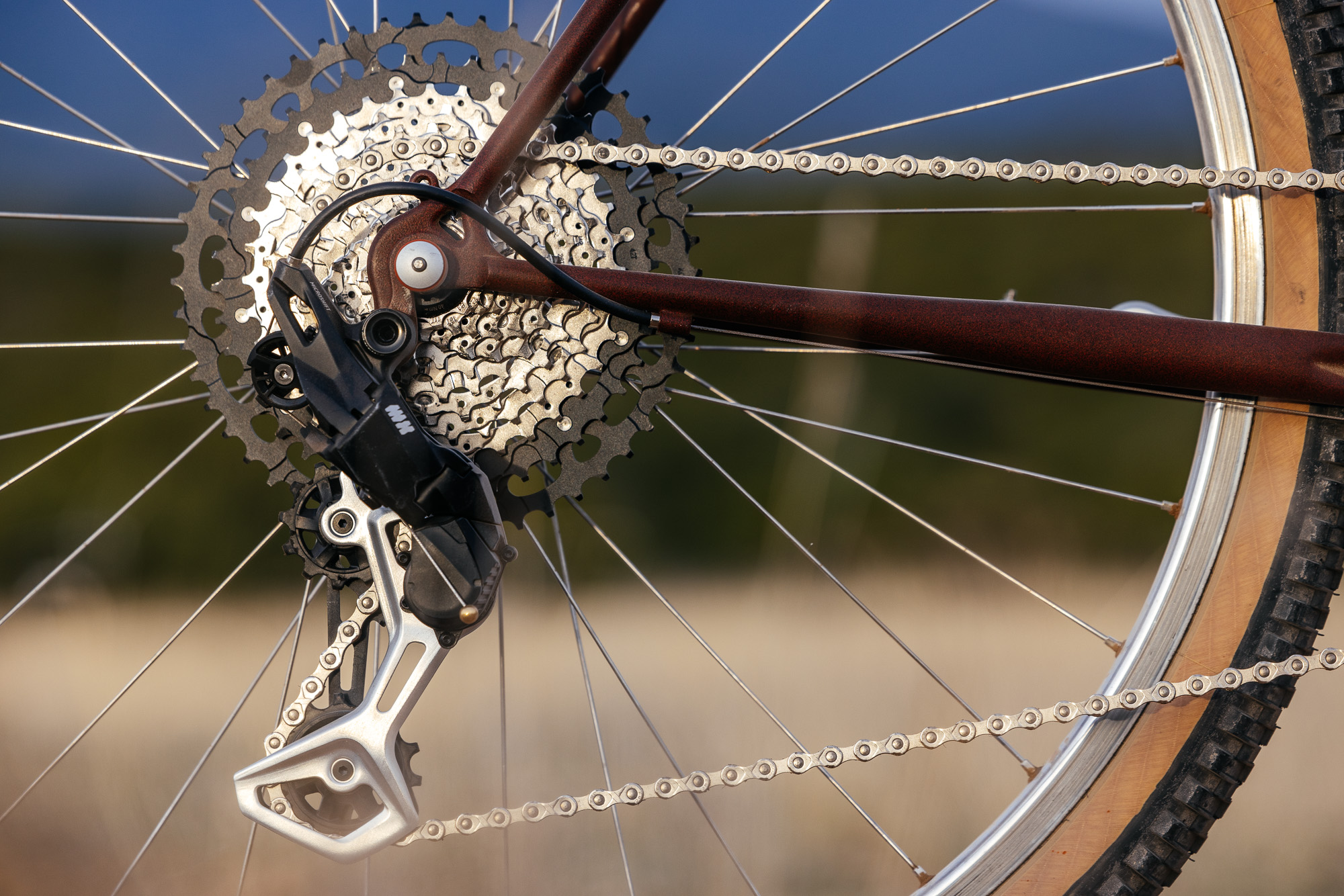
Eleven is fine, really. I found the gearing spread more than enough on a gravel bike, and when it came to riding it on my MTB, the 11-50 tooth cassette offered plenty of gear inches for my local rides. Remember, it wasn’t that long ago that 50 teeth were the maximum spread on SRAM’s clusters.
Microshift offers a number of cassette options in the MX line. There’s an 11 Speed Alloy SpeedRamp Cassette (485 grams) reviewed here, in either HG or XD mounts. They offer a steel cassette and a hardened cassette (for e-MTBs) in the lower pricepoints.
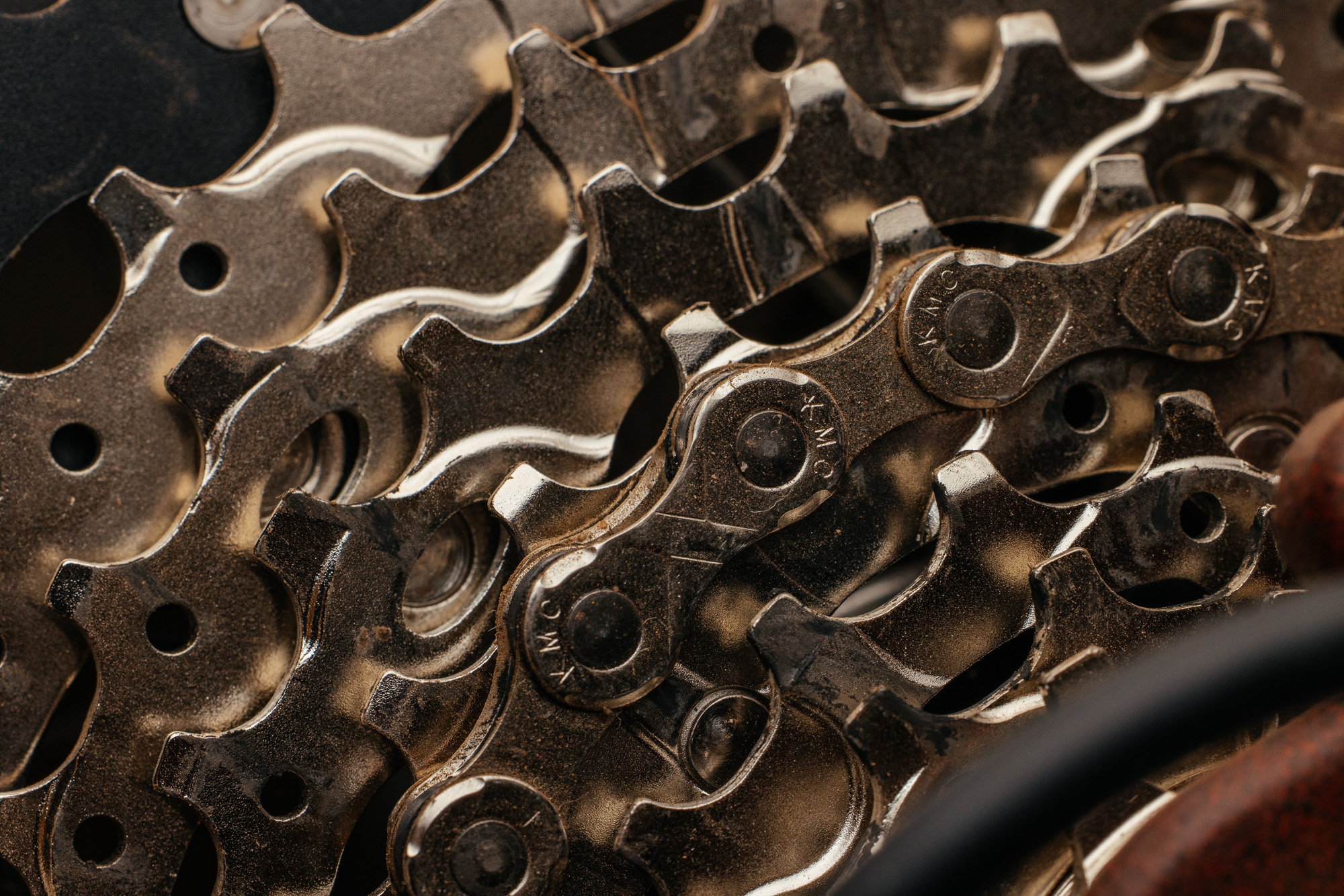
Unless you receive the lower tier in an OE spec, there’s no reason not to go with the Alloy SpeedRamp cassette. All four cassette options feature the same gearing spread: 11-13-15-18-21-24-28-32-36-42-50.
Shifting Performance and Feel
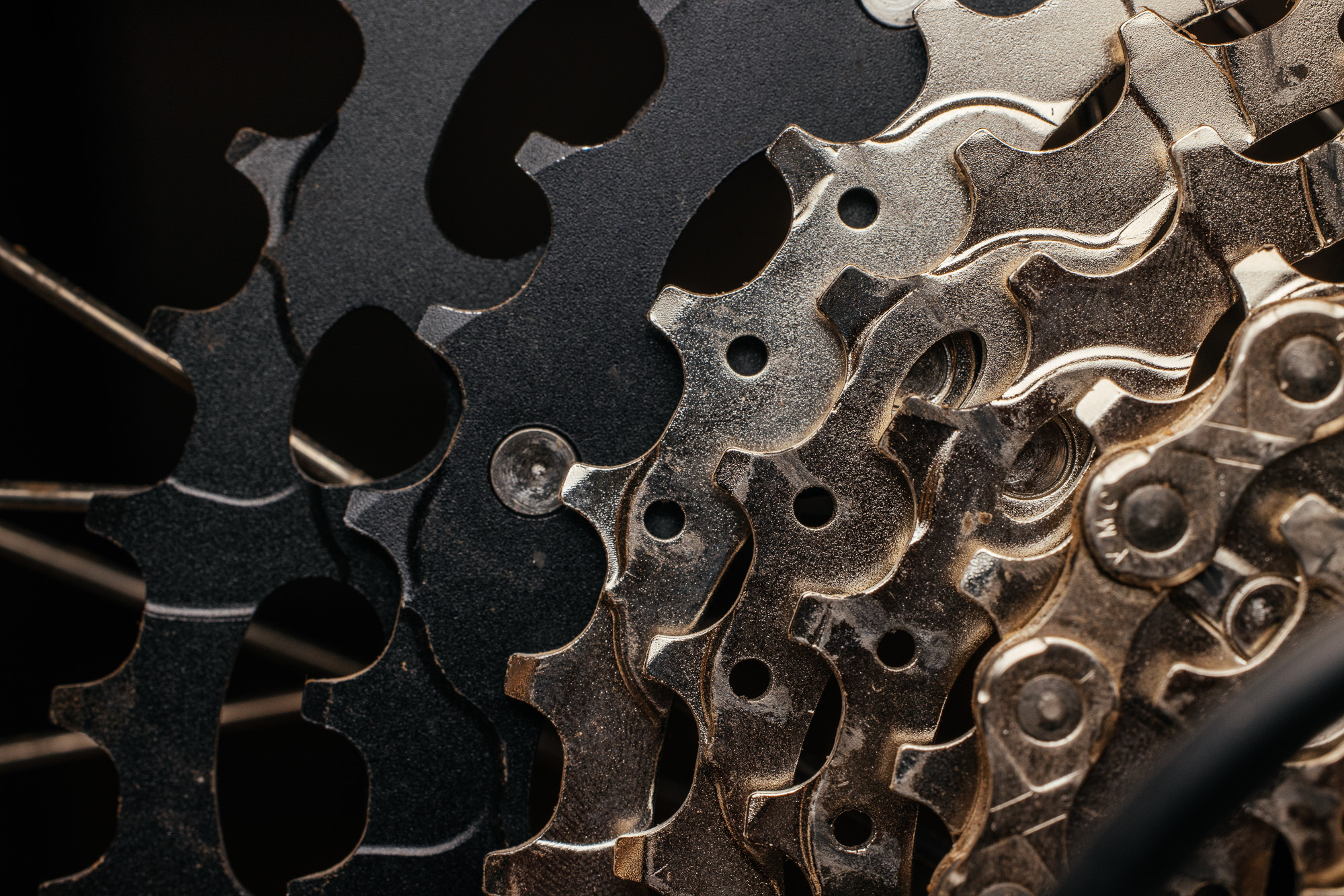
Here’s where Microshift made a concerted effort to ensure Advent MX was a worthy alternative. The shifting performance has been improved from the 10-speed Advent group. I’ve had the Advent group on my Monopole for over a year now. This is thanks to the way Microshift has ramped its cassettes, in both directions. The brand calls it “Speedramp,” and it works phenomenally.
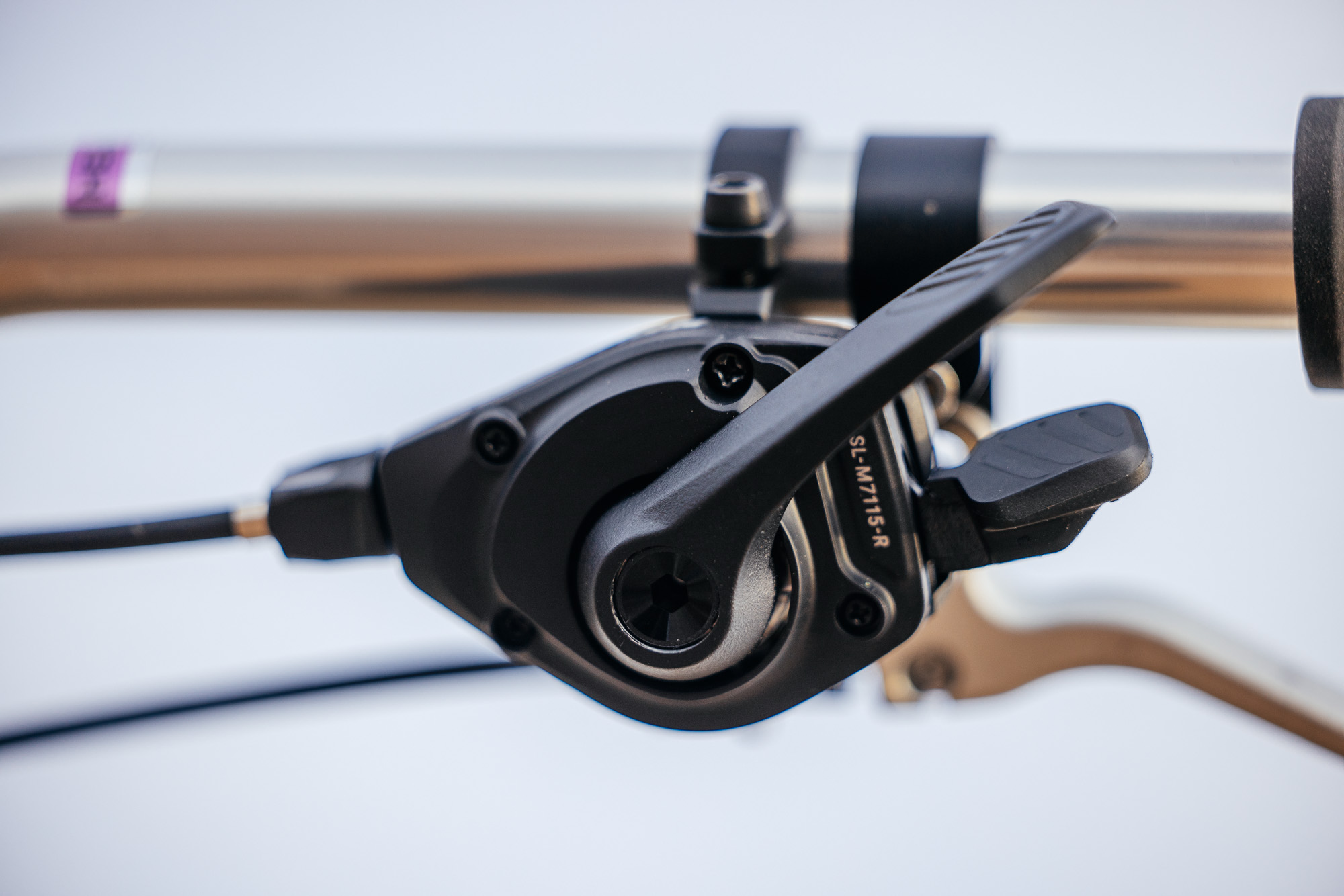
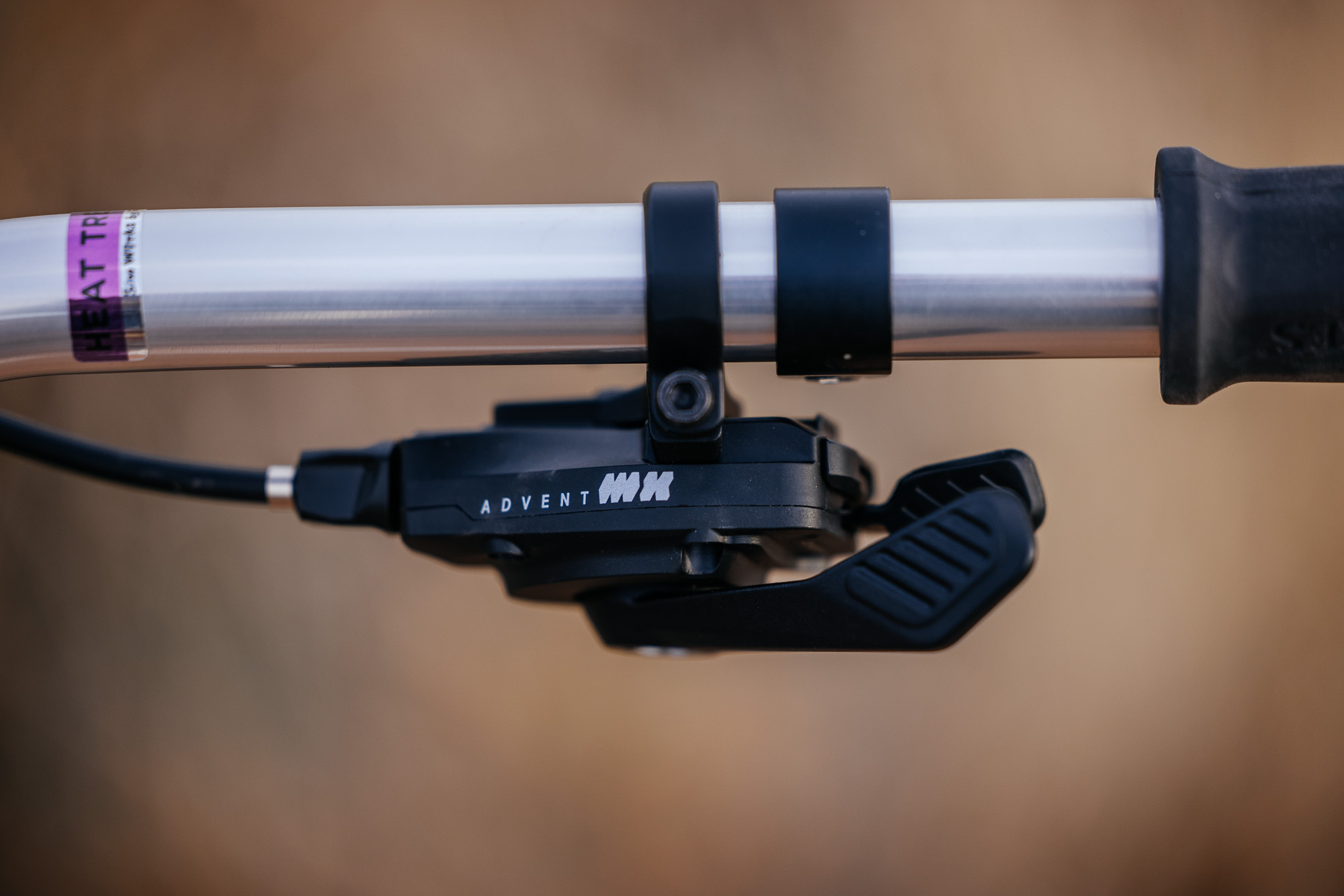
Microshift pushed hard to achieve four times faster engagement at the shifter than the Advent 10-speed by removing dead play from the system. And ergonomically improved the shifter by allowing for 12 mm of lateral adjustment in the shifter’s position relative to the clamp. One thing to note is that the shifter is compatible only with Advent MX rear derailleurs.
I did find that the Advent MX system shifted better under load if you backed off a bit. It didn’t favor high-torque moments. I’m also 200 lbs and ride 175 cranks, so I can put out some watts. It did, however, shift remarkably fast, dumping down the cassette at the top of a climb, before dropping into a descent.
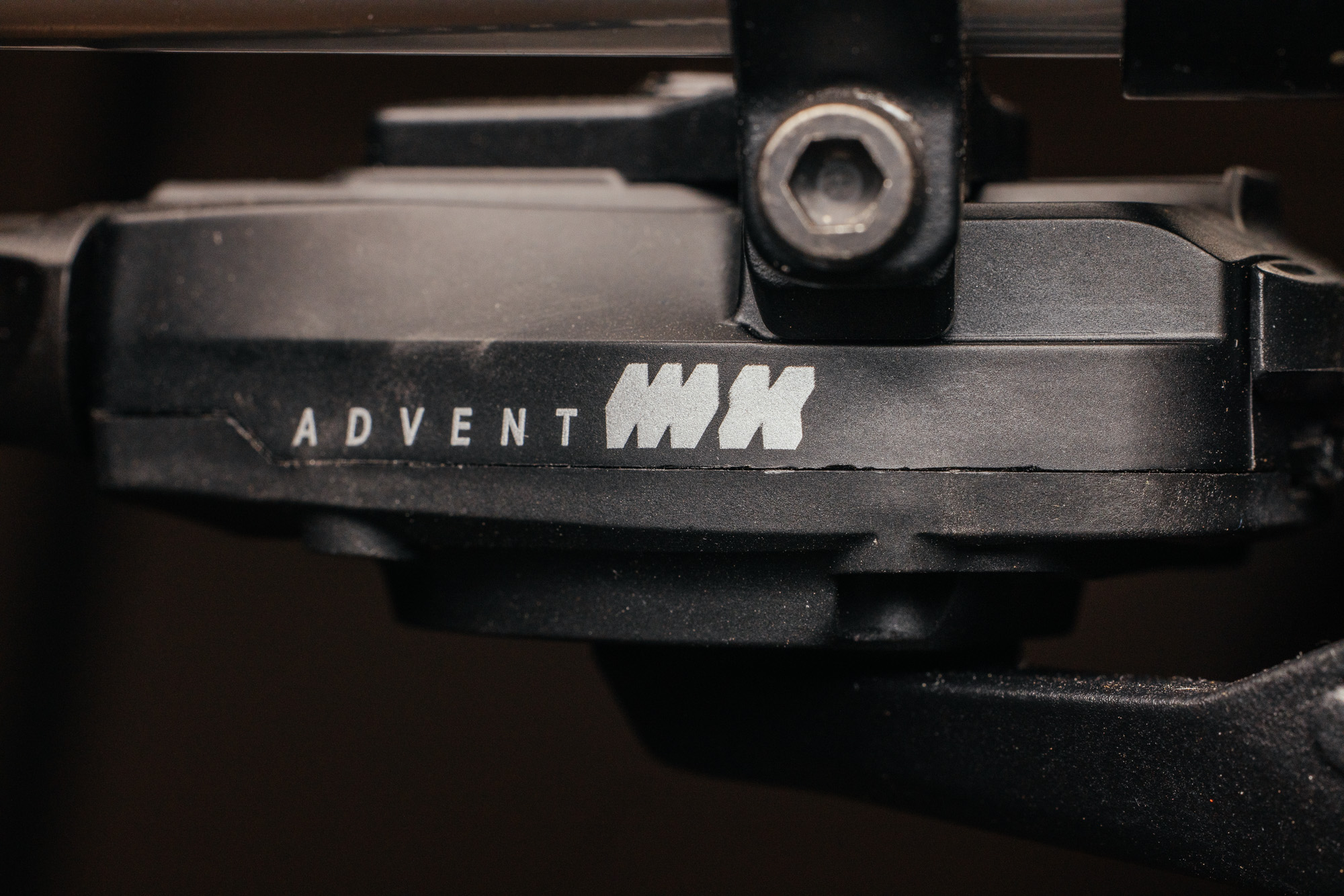
Advent MX’s finishing quality ain’t the best, but does it really matter?
Kit In-Hand Feel and Pricing Context
I’m not going to lie here. In a blind test, you’d be able to tell the difference between the Microshift shifter and a Sram or Shimano shifter. It does feel cheaper. There’s something about the resonance in hand. While Sram and Shimano’s shifters feel solid, stiff, and the plastic finishing is super smooth, Advent MX’s plastic feels slightly less refined. Rubbing your thumb across the shifter paddle, you can feel the friction vibrate across the shifter body.
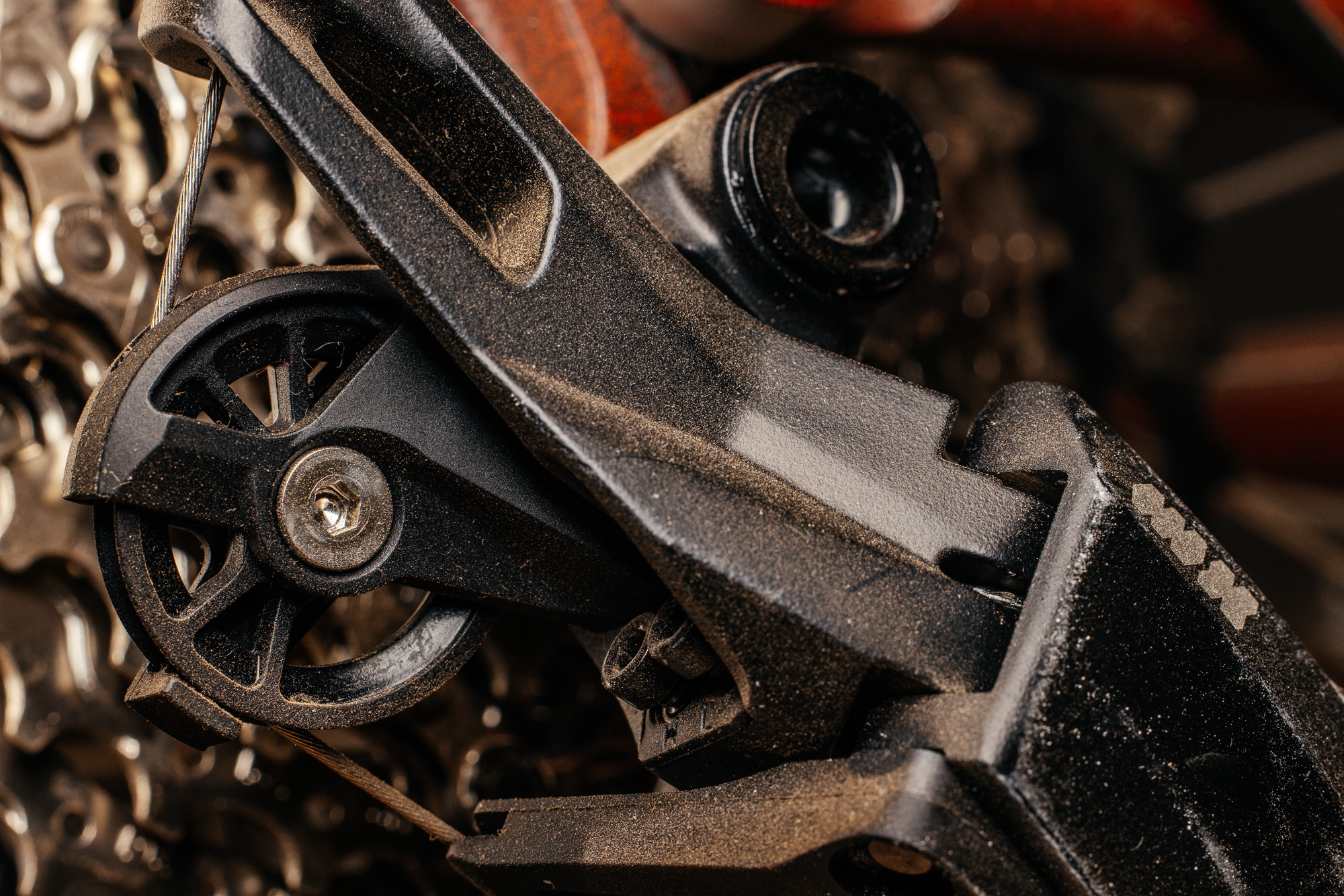

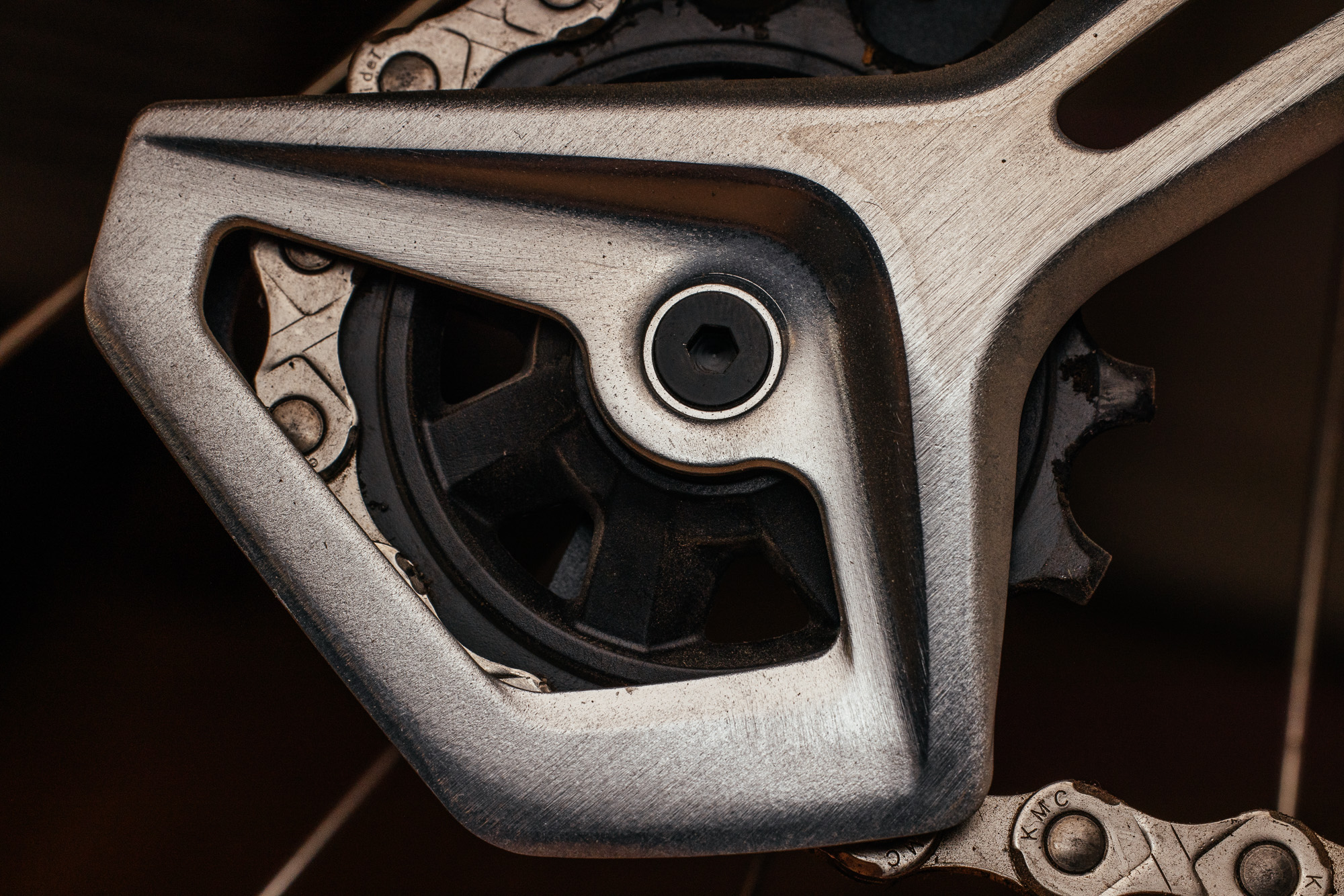
The same can be said about the Advent MX derailleur. It’s not as nicely finished as Sram or Shimano, but does it really matter?
At the echelon kit pricing of $245, the MX Pro derailleur, SpeedRamp light hardened cassette, and MX 11-speed shifter feels like a no-brainer if you want a bit of silver bling in your build kit. This puts it between Deore ($180) and GX ($450) in terms of pricing.
If silver doesn’t matter, you can save $50 and go with the MX Derailleur and Steel cassette for $190, bringing you closer to Deore’s pricing.
TL;DR
Microshift’s Sword and Sword Black groupsets caught our eyes over here at The Radavist. Both Travis and I really loved the Sword lineup. So, naturally, when Microshift reached out about its new 11-speed MTB group, dubbed Advent MX, I was intrigued. After riding it on a flat bar gravel bike and a full suspension bike, I can say that you get a substantial bang for your buck here.
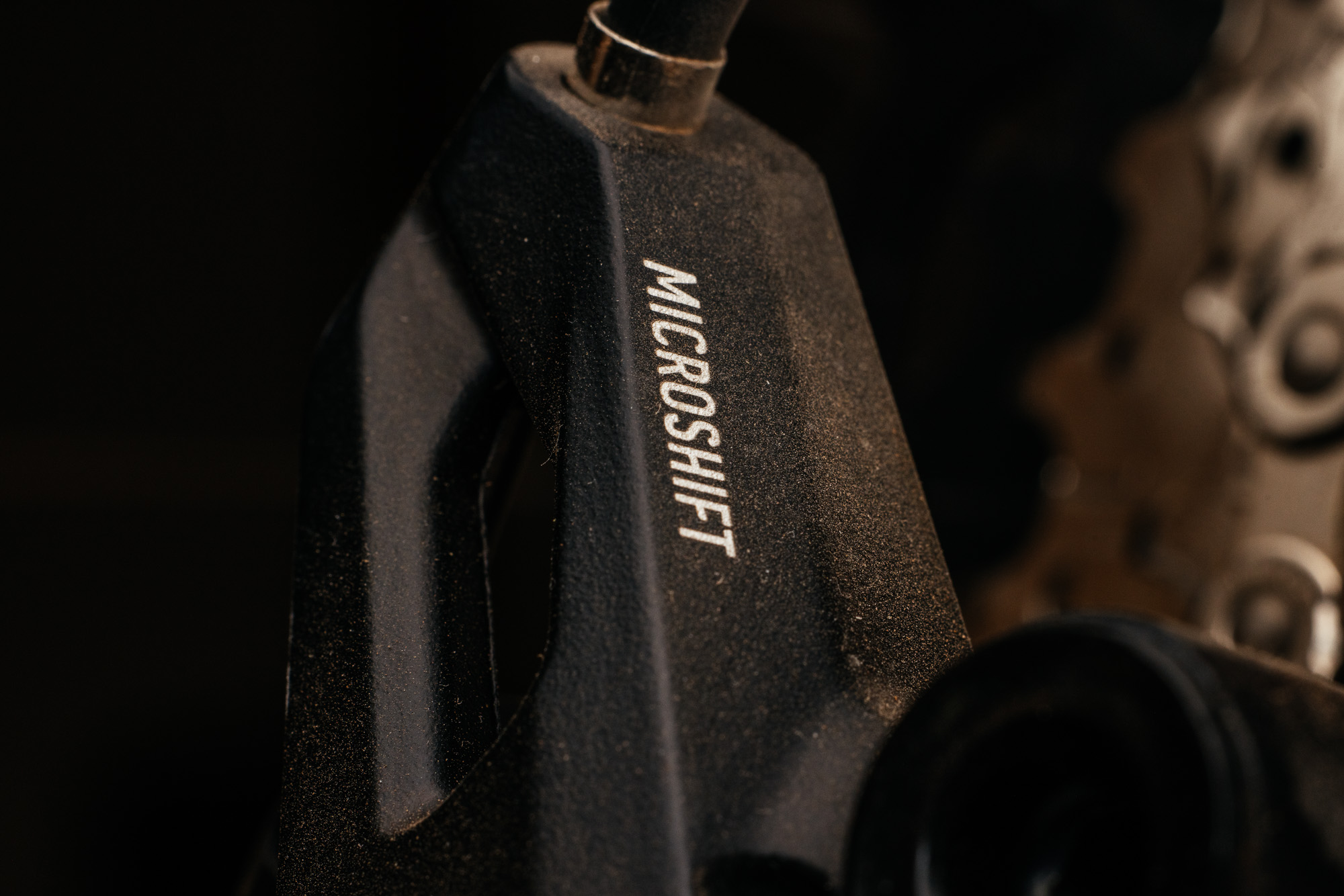
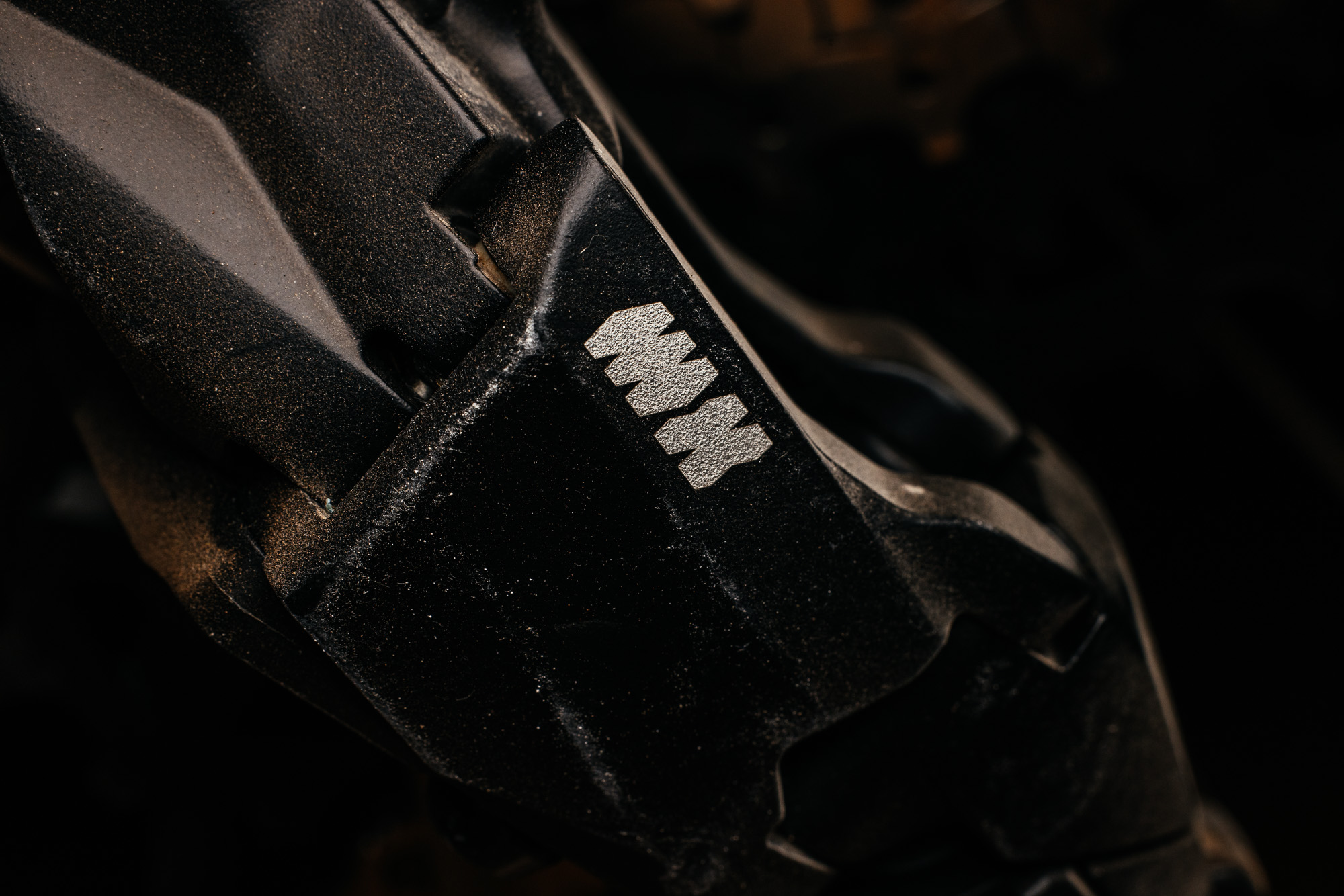
For roughly the cost of a Deore mini-group, this 11-speed drivetrain has almost the same gearing spread, and the only penalty is a couple of grams and a loss of the high-end finishing found on SRAM and Shimano’s kits. While plenty of people categorize themselves into Brand X or Brand Y camps, there are loads of people whose riding is their main concern, not brand allegiance. If you’re in the latter camo, the Advent MX kit might be for you.
In a world where humanity is adding to its day-to-day lives in every regard, it’s nice to see a brand subtract from the status quo.
See more at Microshift.