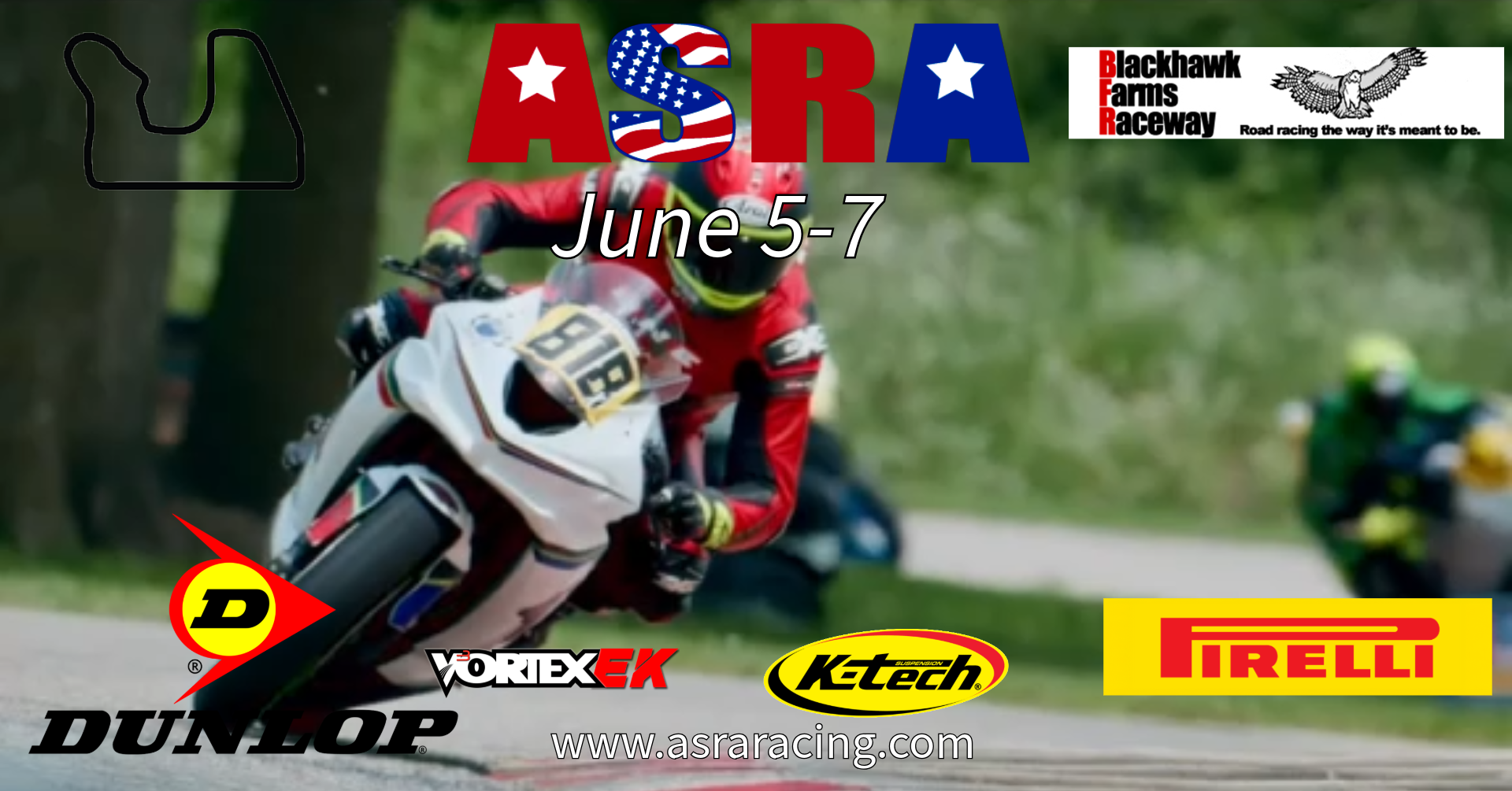
Thinking about turning your track-day experience into an official ASRA race license this season? You’re not alone—hundreds of riders make that leap every year, and the good news is the organization makes it straightforward for anyone with the right preparation.
Step one: complete the ASRA Race Certification course (available in-person). It’s not just a box to check—it covers flags, racecraft, safety protocols, and bike prep in a way that actually sticks. Finish that, and you’re cleared to apply for your amateur license. Or if you sign up early for a class, you can have an all in weekend (details on this in the event page)
Bike-wise, focus on reliability over lap-time tricks. Make sure your transponder is mounted correctly, brake pads have plenty of life, and your tires are fresh and matched to the class rules. The new Heavyweight Production class is particularly friendly for riders on bikes like the Yamaha R9, Triumph Street Triple, or Ducati Panigale V2—great news if you want to race without emptying your wallet on a full superbike build.
Don’t forget the Yamaha Blu Cru contingency program if you’re on a blue machine. Registration is open now through November 30, 2026, and approved riders get a reloadable debit card for any earnings—real money back into your racing budget.
Logistics matter too: book your paddock spot early, especially for popular weekends like Summit Point in May or the Blackhawk Farms rounds. Print your race-day schedule from the website,
Most importantly, remember ASRA’s core promise—racing that’s competitive, safe, and genuinely fun. The grids are full of riders who started exactly where you are now.
Ready to go from spectator to starter? Visit asraracing.com, download the rule book, and pick your first event. The 2026 season still has plenty of weekends left, and the best way to learn is by being on the grid.
First-Time Racer’s Checklist: How to Nail Your 2026 ASRA Debut