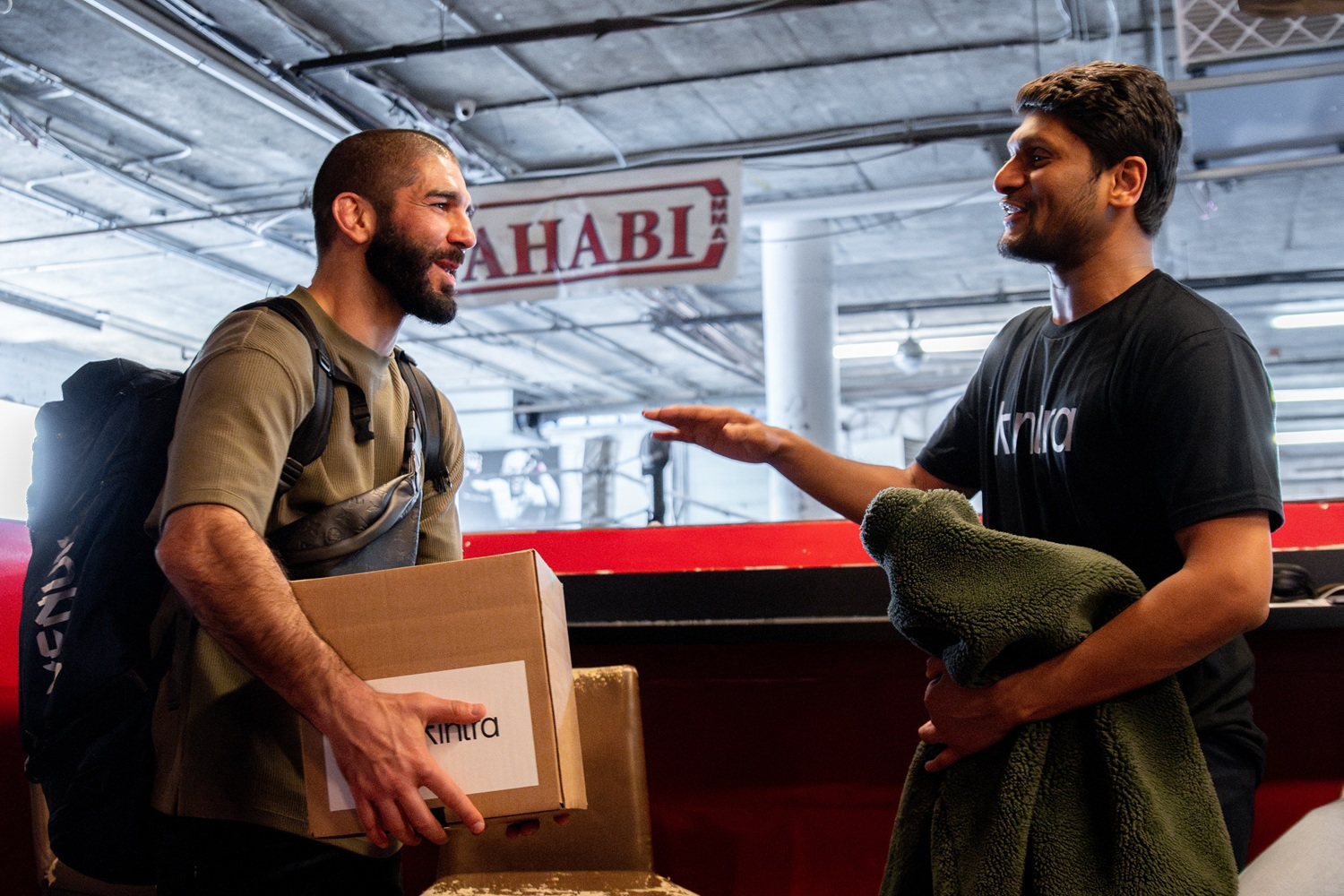
Ciryl Gane and Aiemann Zahabi are heading into UFC Freedom 250 with something most fighters don’t have: a window into their own physiology.
There is a version of fight preparation that most fans never see. It happens not in the cage but in the weeks and months before any punch is thrown. In the gym at 6am, in the recovery protocols after hard sparring, in the sleepless nights before a weight cut, in the slow accumulation of fatigue that either breaks or builds a fighter. The margin between a champion in peak condition and one who peaks two weeks too early, or carries hidden cortisol burnout into fight week, can be invisible to the naked eye.
It is precisely that invisible margin that a growing number of elite combat sport athletes are beginning to measure.
Ahead of UFC Freedom 250 at the White House on June 14, 2026, two of the sport’s most respected figures are running what amounts to a physiological experiment on themselves and their team. Ciryl Gane, the No. 1-ranked UFC heavyweight, and Firas Zahabi, the celebrated head coach at Montreal’s Tristar Gym, are each tracking hormonal biomarkers throughout their respective training camps, monitoring how their bodies actually respond to the pressures of high-level fight preparation, not just how they feel they’re responding.
What Biomarkers Actually Tell You
Biomarkers are measurable biological indicators such as hormones, metabolites, inflammatory markers, that reflect what is happening inside the body at a physiological level. For combat athletes, the most relevant are typically testosterone, cortisol, and melatonin, though a comprehensive picture draws on a wider range of data points.
Testosterone and cortisol have a well-documented relationship in athletic training. Testosterone drives anabolic processes like muscle repair, power output, competitive drive. Cortisol, the body’s primary stress hormone, is catabolic: it breaks tissue down. In appropriate doses and at the right times, cortisol is entirely normal. A training spike in cortisol followed by adequate recovery is part of how the body adapts and grows stronger. But chronically elevated cortisol, the kind that accumulates across a brutal camp with inadequate rest, suppresses testosterone, impairs recovery, disrupts sleep, and can quietly hollow out a fighter’s readiness over weeks.
Melatonin, meanwhile, governs circadian rhythm and sleep quality, the single most important recovery input any athlete has. A fighter training across time zones, managing camp stress, and cutting weight will often show measurable disruption in their melatonin cycles that precedes obvious subjective symptoms by days.
The challenge has historically been that accessing this data required clinical lab work, significant lead times, and interpretation by sports medicine specialists — infrastructure that existed at Olympic level but was largely unavailable to even top-tier MMA athletes.
Two Camps, Two Perspectives, One Question
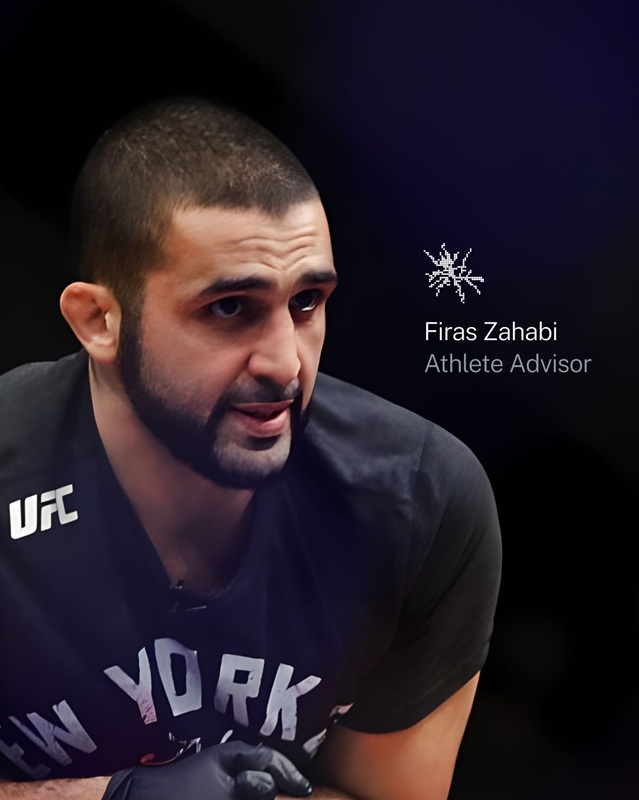
Firas Zahabi approaches fight preparation with a scientific disposition that has long distinguished Tristar as a coaching environment. He has written and spoken extensively about training theory, about the balance between stress and recovery, about the danger of overtraining in the weeks when fighters push hardest and feel most motivated to do so. Biomarker data, in principle, is exactly the kind of objective information his coaching philosophy is built to use.
“At this level, small advantages matter. The more clearly you can see what’s happening internally, the better decisions we can make.”
— Firas Zahabi, Head Coach, Tristar Gym
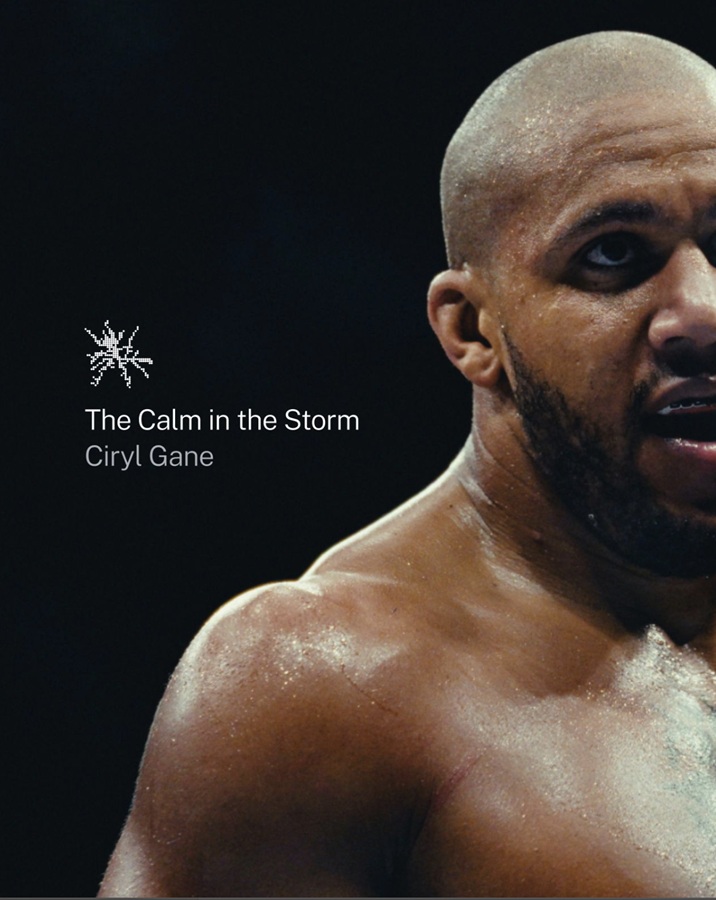
Gane’s framing of it is more personal. For a heavyweight entering a high-stakes fight, knowing whether his body is genuinely ready — not just willing — is a different kind of confidence.
“This is about leaving no stone unturned. Understanding how my body responds during camp can make a difference when it matters.”
— Ciryl Gane, No.1-ranked UFC Heavyweight
The Value of Data Regardless of Outcome
One of the more intellectually honest aspects of this kind of study is that the data retains its value irrespective of what happens on fight night. Wins and losses in elite sport have many determinants such as opponent quality, game-plan execution, moments of chaos that no preparation fully controls. But physiological data collected throughout a training camp creates a baseline that belongs to the athlete long after the result is history.
If Gane and Zahabi each finish this camp with a detailed record of how testosterone, cortisol, and melatonin tracked across weeks of intense preparation, across training loads, travel, weight management, and the stress of proximity to fight week, they will have incorporated something cutting edge in their workflow.
This creates a more structured way to observe training stress, recovery, travel, sleep, hormones, and subjective readiness inside a real fight camp. It helps build a clearer picture of how athletes are responding and which signals may deserve closer attention as fight week approaches.
For coaches like Firas, the downstream implications are significant. The ability to see objectively when a fighter is at their physiological peak or when they are headed into overreach changes the nature of training decisions. Instead of relying on feel and experience, which are invaluable but inherently imprecise, coaches can make load and recovery calls backed by biological evidence specific to that fighter.
Why Combat Sports Are a Natural Testing Ground
If you were designing a sport to stress-test a physiological monitoring platform, you would be hard pressed to do better than MMA. No other mainstream competitive sport simultaneously demands this combination of variables: extreme weight manipulation, sustained high-intensity training loads across multiple disciplines, the psychological pressure of individual competition, frequent travel, and a training camp structure that compresses enormous physiological stress into a defined window of weeks.
Marathon runners peak their training and taper before a race. Team sport athletes manage load across a season. Fighters do something different: they build toward a single day, often while cutting weight, often while preparing for someone specifically trying to hurt them. The hormonal demands of that process are genuinely extreme.
This also means the signal-to-noise ratio for biomarker data is unusually high in a fight camp context. The interventions are clear, the timeline is defined, and the stakes both competitive and physical are real. Kintra, a wellness intelligence platform delivering physiological insights to optimize training, recovery, and preparation under these conditions, is being pressure-tested in one of the most demanding environments in sport.
A Broader Shift in Athletic Self-Knowledge
What Gane and Zahabi are doing sits within a broader cultural shift in how elite athletes relate to their own data. The wearable revolution of the last decade gave athletes access to external metrics like heart rate variability, sleep scores, GPS load data, that were previously only available in research settings. That access changed how athletes and coaches think about preparation, and it created a generation of athletes who are genuinely curious about the numbers behind their performance.
Hormonal biomarkers are the next layer. Where HRV and sleep tracking measure the output of the body’s stress and recovery systems, hormone monitoring looks at the underlying hormonal signals driving those outputs. It is a more direct window into what the body is doing, and why.
The fact that fighters of this calibre are choosing to participate in Kintra’s training study and commit to being advisory board members with genuine skin in the game, says something about how seriously they take it. These are athletes and coaches who have built careers on the compound returns of doing things right across years. Biomarker tracking fits that mentality.
June 14 and Beyond
Come fight night at the White House, whatever happens in the cage will be the result of countless decisions made across months of preparation. Some of those decisions, for the first time, will have been informed by a physiological record of how these athletes’ bodies responded to the demands of elite fight camp.
That knowledge does not expire on June 14. It becomes a building block for the next camp, and the camp after that. For athletes operating at the level where marginal improvements compound over careers, that is the real prize.
The body doesn’t lie. It just took until now for fighters to finally start reading it.