
Published June 4, 2026 10:26AM
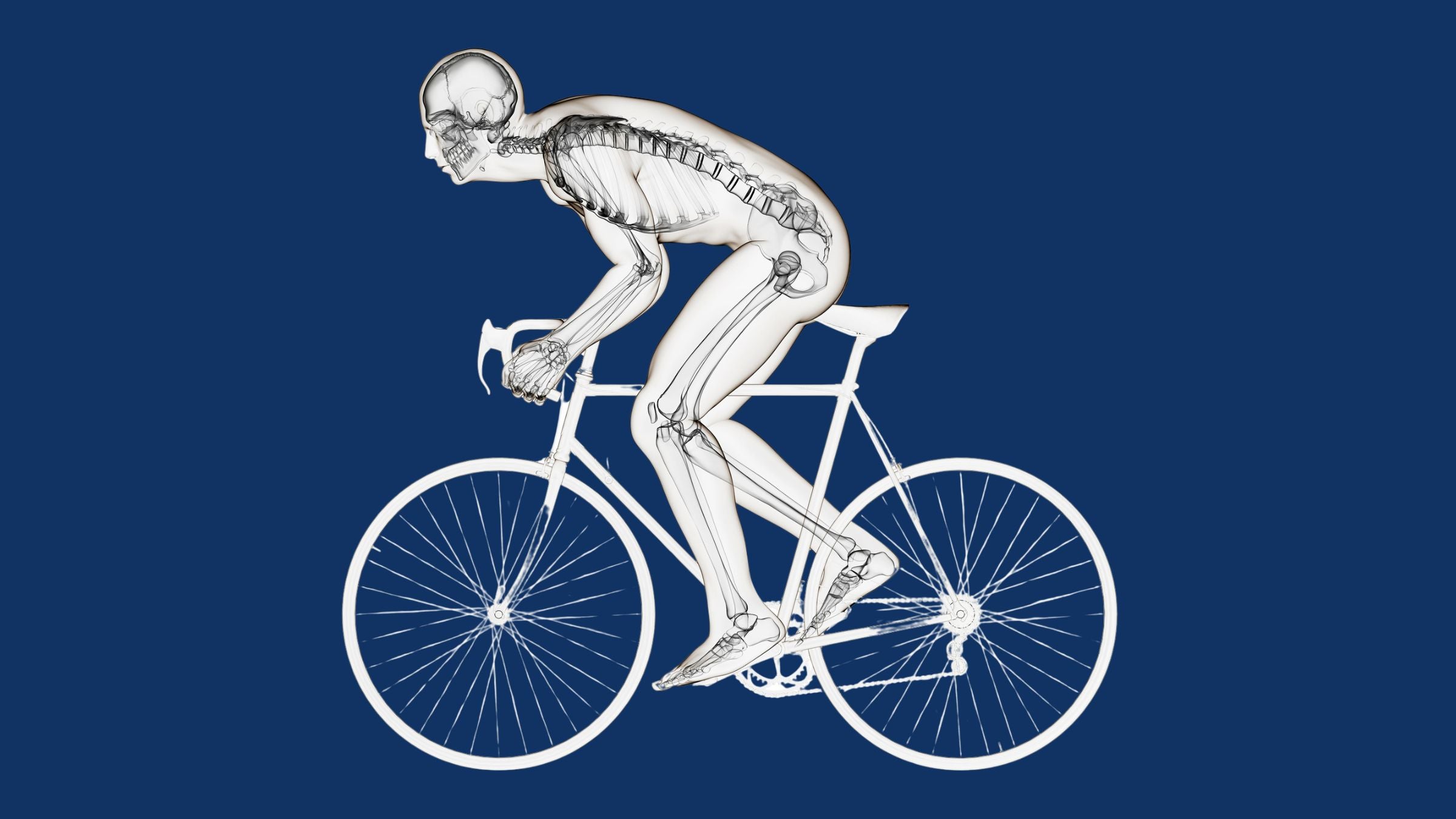
Sorry to break the news, but if you like riding your bike a lot, your bones probably hate you.
Why? Because cycling is a disaster for bone health.
The high-volume, low-impact dynamic of riding and the sport’s huge energy demands collide to create a perfect storm that batters bone mineral density.
This biological whirlwind can leave bike riders with chalky skeletons that are prone to stress, or traumatic fractures. In the worst cases, bone health deteriorates to the point of osteopenia or osteoporosis.
Don’t click away just yet – this is not just some scare story.
The UCI itself declared cycling as “a perfect storm” for bone health in a guidance note written this summer by the best thinkers in sport science.
And the evidence is all over the open road.
This recent study of WorldTour racers said it all – “One season in professional cycling is enough to negatively affect bone health.”
The same research found cycling’s bone density crisis isn’t confined to pros who push 300+ watts for 30+ hours a week.
The paper concluded amateurs who train as few as 6-12 hours a week are likely to have bone mineral density levels below those recommended by the North American Health Survey.
Sadly, I write from experience – I’m one of those Regular Joes with brittle bones. I was diagnosed with osteopenia several years ago while I was in the depths of an eating disorder and RED-S.
But don’t throw away your wheels yet.
Some simple diet and lifestyle interventions, and maybe – shock horror – a little cross-training will keep your bones strong until you’ve graduated every masters’ category.
Why cycling is a ‘perfect storm’ for bone health
The lifestyle of anyone who identifies as “a cyclist” is at direct odds with good bone health.
High volume training.
Workouts without mechanical loading.
Low energy availability, whether intentional or not.
And for weekend warriors who push pedals every hour they’re not pushing paper, high stress and low sleep.
Risk factor 1: Loading, what loading?
Bone adapts to mechanical loading, whether from ground impact [i.e., walking] or muscular force [i.e., lifting, pushing].
Roadies who pedal on nice smooth tarmac and barely flex a muscle above their core are some of the least “loaded” athletes in sport.
The irregular forces and multidirectional torque of MTB is thought to be better for bones than the smooth ridin’ of road, but the margins are minimal.
And gravel? We guess depends if you have to play hike-a-bike like the warriors who endured this year’s Unbound.
Risk factor 2: Training volume and ‘bone resorption’
Cycling is a high-volume sport. Even the most time-starved amateur rider will be working out a lot longer than those who prefer lifting barbells or pounding pavements.
This leaves cyclists more exposed to some of the metabolic downsides of working out.
Exercise provokes a cascade of metabolic and endocrine changes that can cause bones to release minerals into the bloodstream– including the skeletal kingmaker that is calcium.
This “resorption” and the lack of loading mean every kilometer you pedal chips away at bone health.
Risk factor 3: Low energy availability?
It’s not only the quest to optimize the “power” side of cycling’s watt-per-kilo metric that buries bone health.
The denominator in the equation is equally problematic.
Riders chasing “race weight” can both intentionally and unintentionally dip into periods of low energy availability.
These deficits blow the fuse on several metabolic systems and put a downward spiral on skeletal health.
The production of hormones necessary for physical repair, and reproductive and immune health, is not deemed essential by a body that’s starving. Energy is instead conserved for only what’s necessary for immediate survival.
Building bones is one of many things that can wait.
Additionally, a low-quantity “cutting” diet is likely to be short on key minerals that promote bone density, unless an athlete proactively supplements.
How to train hard and maintain bone health
The short story?
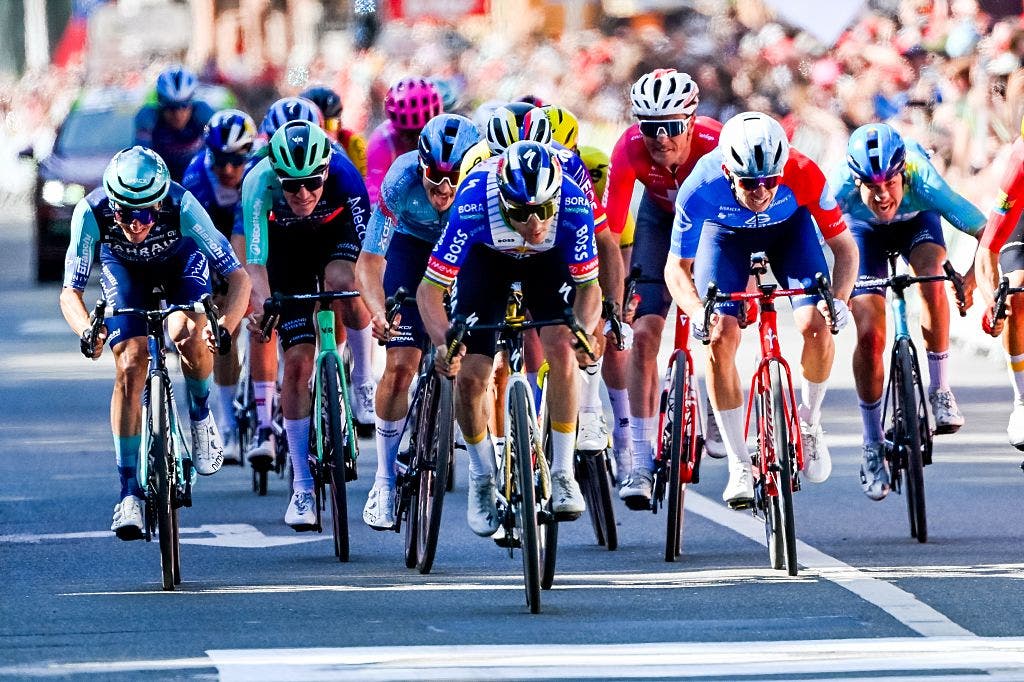
Chasing watts and cutting weight – or just one of those things in isolation – can do bad things to bones.
But it doesn’t have to be this way.
If you’re a cyclist committed to even a moderate training load, these easy interventions will help you safeguard your skeleton.
Intervention 1. Diet: Quantity
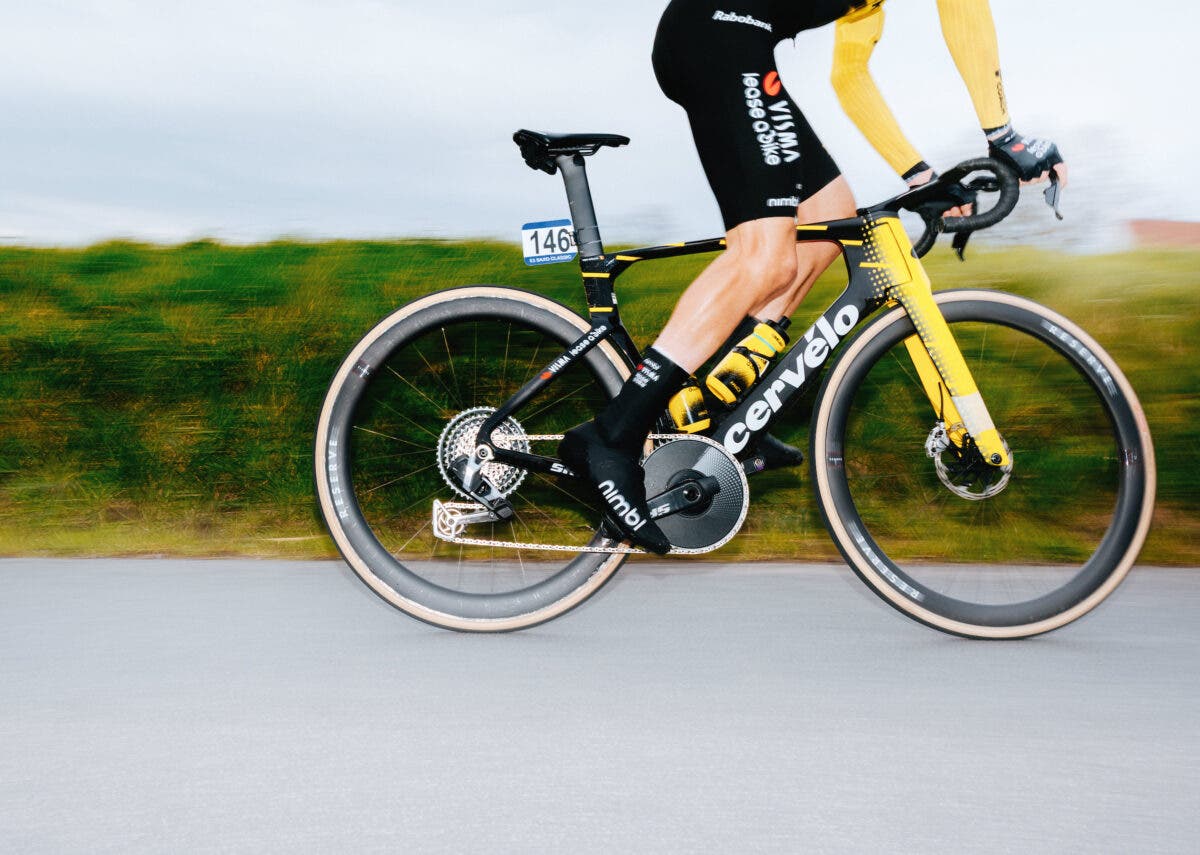
Forget the old rules of endurance – eating isn’t “cheating” and taking a gel on the group ride isn’t “weakness.”
Ensuring adequate energy availability is the foundation of athletic progression and is essential to good bone health.
Sport scientists suggest endurance athletes target energy availability of approximately 40–45 calories per kilo of fat-free mass per day to maintain prime metabolic function.
Don’t know what those numbers actually work out to?
Don’t worry, we don’t either.
The point is that cyclists need to eat right, always.
Elite athletes now eat more than ever to stoke a furnace that fuels more effective workouts and boosts their “bounce-back-ability.”
Those who wish to trim weight while maintaining strong bones and avoiding RED-S should keep daily and weekly caloric deficits small.
Adequate nutrition before, during, and after training is particularly essential.
Intervention 2. Diet: Composition

Carbohydrates
The carbohydrate revolution that reshaped elite fueling is coming for your skeleton.
There’s emerging evidence that carbohydrate intake is more important to bone health than total caloric intake – i.e., that a carb deficit is more damaging than going short on protein or fat.
The UCI research note suggests riders who train 1 hour a day should shoot for 5-7 grams of carbohydrate per kilo bodyweight per day.
Those riding up to 3 hours per day need to bump that up to 6-10g/kg.
Going bonkers on a big weekend ride? 8g/kg, minimum.
Wondering how many carbs you actually eat?
It’s probably not as many as you think. Amateurs are prone to over-indexing on fats and proteins and under-indexing on carbs.
This Carbohydrate Food List from the University of Virginia School of Medicine gives a handy steer on the carbohydrate content of dozens of common foods, FYI.
Protein and fat
But maximizing carbohydrates shouldn’t mean minimizing protein and fat.
We investigated here why endurance athletes need to pound protein like bodybuilders. It helps optimize recovery and promote performance progression.
It’s vital to bone health, too – protein contributes around 50 percent of total bone volume and makes up one-third of its mass.
Aim for around 2 grams of protein per kilo of body mass to keep strong.
And lastly, healthy fats are an essential source of nutrient-dense calories that help ensure energy availability.
The takeaway here is that the quantity and quality of your diet should be given the same gravity as your shiny new wheels and collection of Strava KoMs.
That said, there’s no need to go obsessing over food labels in the same way you spend hours procrastinating on your next helmet.
Hitting basic macro recommendations needn’t be made into rocket science. Dieticians typically recommend keeping a basic food diary for 4-5 days and doing some elementary school math to gauge what needs improvement.
Leave strict calorie counting for pro athletes or those with medical needs.
Calcium
Calcium is the core scaffolding of bone. Along with phosphate, it’s key to the “mineralization” that makes bones strong and rigid.
Inadequate dietary calcium is a two-way disaster for bone health. It denies bones what they need for repair while causing them to actively break themselves down. Bones “liberate” calcium into the blood during periods of deficit so it can be used to support other essential functions.
So it turns out your mom wasn’t lying when she said you’ll get big and strong if you drink your milk.
“Big Milk” claims regular dairy is one of the most bioavailable sources of calcium you can get.
Alongside milk, other quality sources of calcium include green leafy vegetables and dairy products such as cheese and yogurt.
If you want an intangible recommendation, it’s thought that athletes should target a daily dose of 1,200mg calcium, ideally from “real food.”
Supplements should be used as a last resort.
Vitamin D
One thing you should supplement for bone and overall health?
Vitamin D.
The so-called “sunshine vitamin” helps the body suck up calcium and convert it to bone mass.
Vitamin D can be naturally obtained from exposure to UV rays or through the diet. However, unless you live in Arizona or the Atacama, it’s notoriously difficult to reach daily recommendations without popping a few pills.
There’s a reason why Vitamin D is one of the few core supplements universally used by WorldTour pros.
Intervention 3: Cross-training and lifestyle
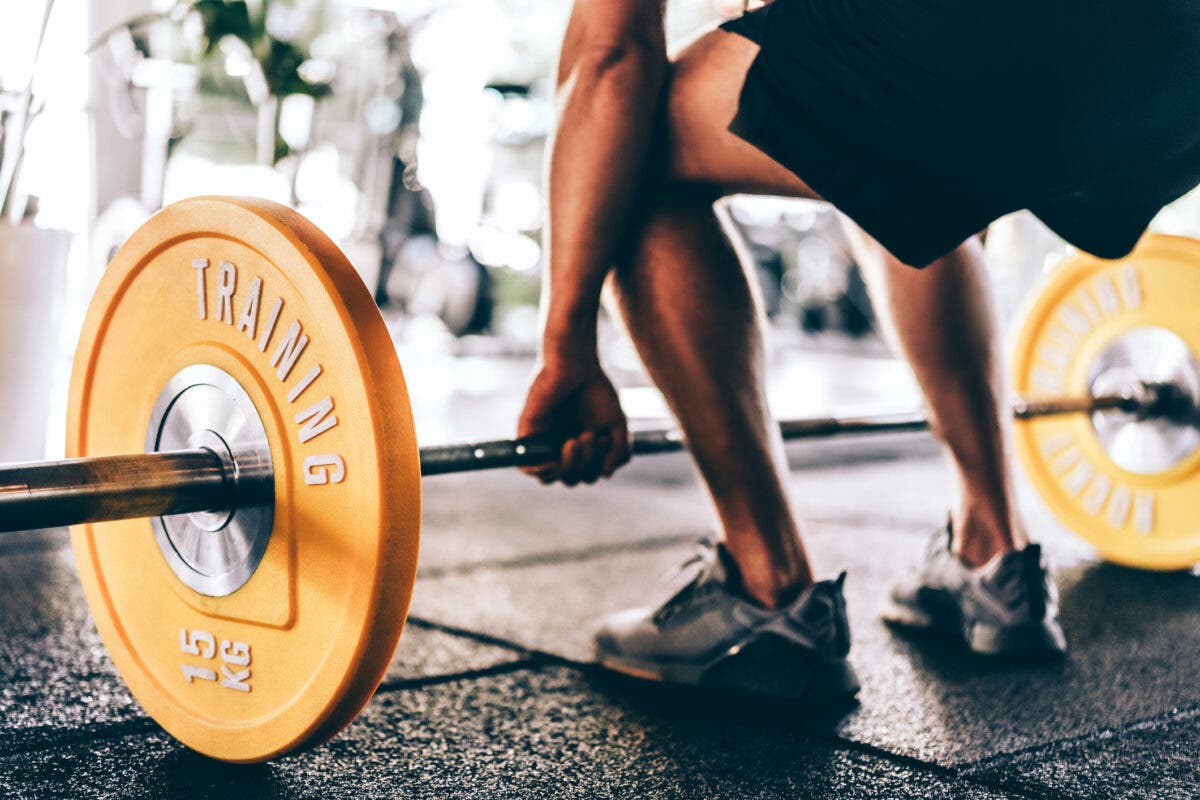
For many, cross-training is the essential component of cycling lifestyle that’s conveniently forgotten, deprioritized, or totally ignored.
If this applies to you, it’s time to bite the bullet.
Dig the gym pass from the back of your wallet and pull the running shoes from the bottom of the closet.
Activity that loads the skeleton is essential for riders looking to maintain bone density and ensure athletic longevity. Think running, jumping, lifting heavy weights, or punching and kicking.
Short on time?
This paper, co-written by Visma-Lease a Bike’s head of performance Mathieu Heijboer, suggests that brief, regular bouts of high-impact jumping can be sufficient to maintain bone mass.
But that shouldn’t be used as a “get out of gym free” card.
All cyclists should be strength training. The benefits are well-proven and widely accepted, even by the scrawniest WorldTour climbers.
So now you’ve got an excuse to embrace your inner Rocky and go do some bench press and bicep curls – preferably while listening to “Eye of the Tiger.”
And on the topic of cross-training, it should go without saying that all the other components essential to athletic success also contribute to good bone health.
Training should be smart and not beyond what you can recover from. Sleep should be plentiful. And stress should be minimal – or at least managed as best as possible.
Monitoring bone health
Bone density is assessed with a DEXA scan, typically of the hip and lumbar spine, and occasionally the wrist.
WorldTour teams typically test their riders’ bone scores during routine annual health checks. Some athletes may undergo more regular screening if they have a history of fractures or dietary and hormonal issues.
Do you need to check your bone density?
It’s only thought necessary if you are suffering unexplained stress fractures or present with ongoing symptoms of low energy availability or RED-S.
Consider weight loss, changes in mood and libido, and flatlining performance as potential warning signs.
Those diagnosed with low bone density and/or RED-S will likely be prescribed supplements and advised to work with expert dieticians and trainers.
And to end on a positive note, low bone density is not the end. With time and patience, it can be restored.
With a full overhaul of my training, diet, and mentality, my bone scores started trending upward, years after my osteopenia diagnosis.
But take it from me – the best solution is not to let bone health dip in the first place.
Stress fractures are no fun.
So ride smart, eat well, and run, lift, or jump. Your bones will thank you later.