
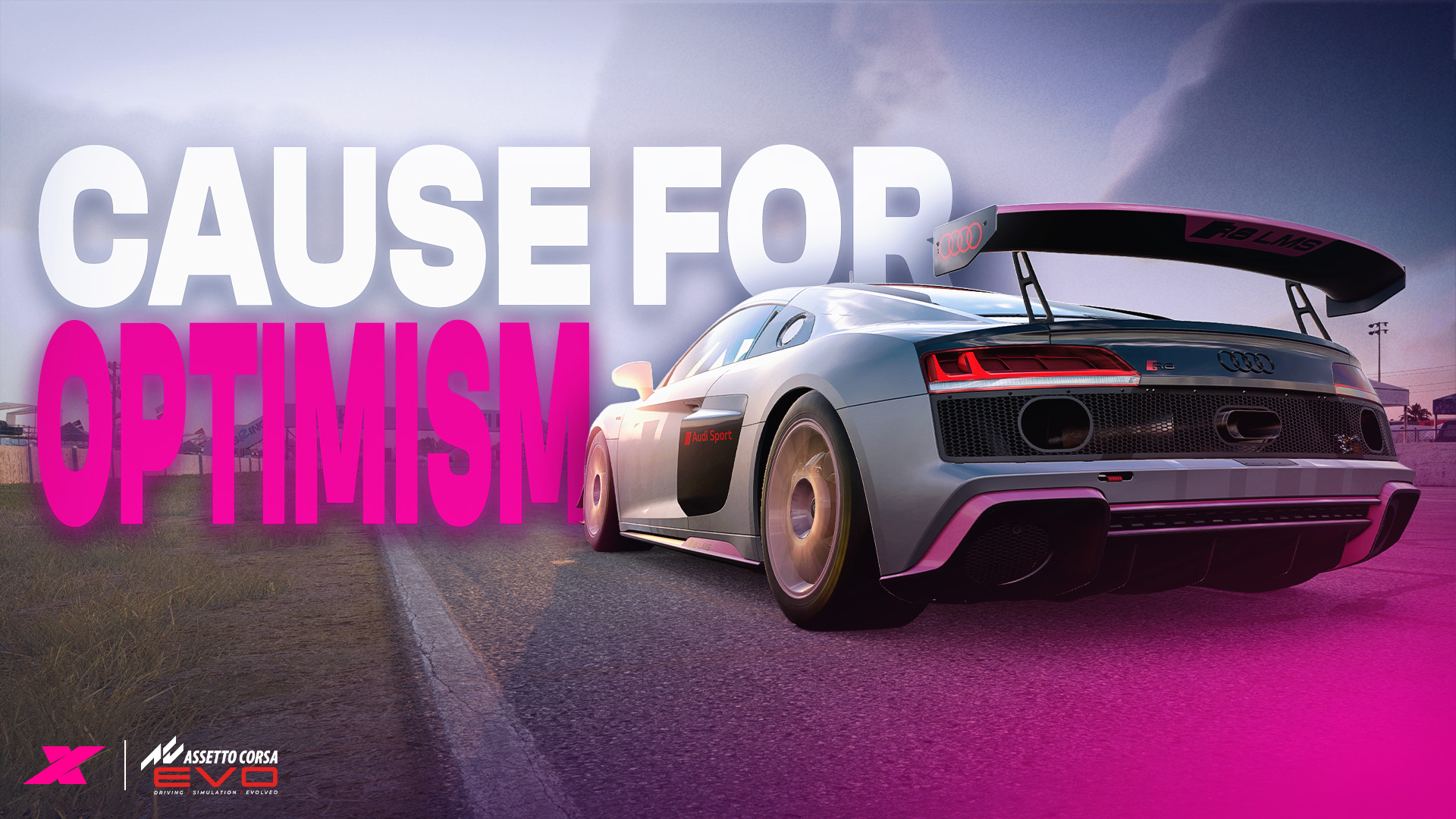
The V0.6 build of Assetto Corsa Evo is a tricky one to pin down. Despite the addition of new content (six cars, one track), it isn’t the most important facet of the build.
The most important feature, which we were unable to test before release, is the addition of self-hosted servers, allowing players to launch their own dedicated servers.
This slightly flies in the face of Kunos Simulazioni’s previous strategy of charging for daily and monthly servers as introduced in the game’s V0.4 update, but it’s been a popular decision in the eyes of its community.
Likewise, the way players map their controller devices has also changed in V0.6, and is something I’d rank as the build’s second most important feature. That’s not to say that Sebring International Raceway and the six new vehicles aren’t positive additions to the game, but in terms of pushing the sim forward, dedicated servers and UX overhauls are far more important at this stage.
Find out more details on AC Evo’s V0.6 build below.
Dedicated servers
When V0.6 is released, players can set up their own dedicated servers, for free, via Steam’s ‘Tools’ menu.
This means you can host your own server and play the game concurrently, opening up all sorts of private league racing opportunities. Previously, users had to purchase server time from Kunos and its partner, the Swiss Innovative Arts and Technologies Institute (SIATI), with daily and monthly servers priced at €5 and €15, respectively.
Now, it’s free, which is nice.
And everyone likes free, which goes some way to placating a community still reeling from Kunos’s apparent cancellation of the game’s much-vaunted career mode concept.
Controller mapping mayhem
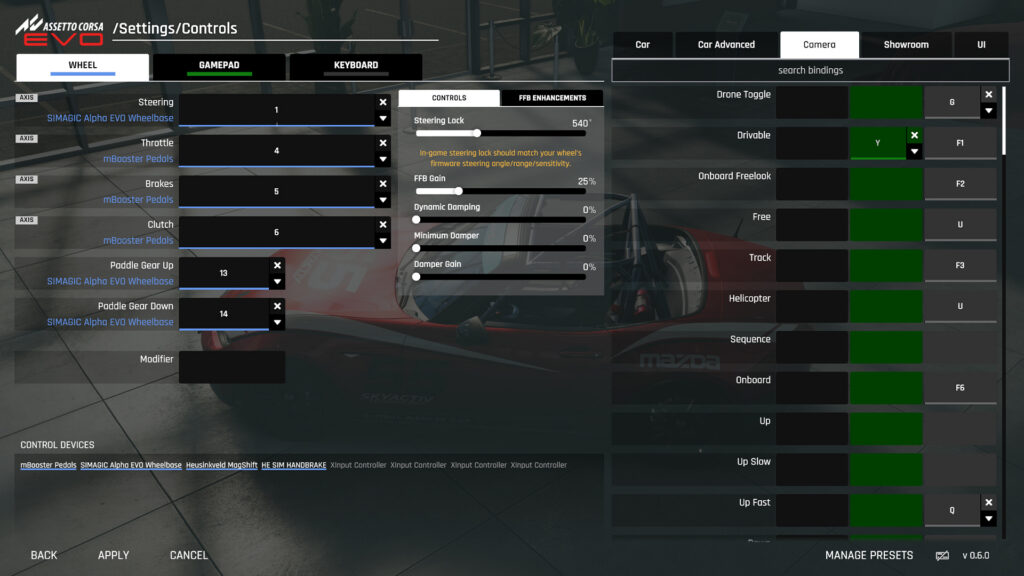
Mapping your controllers in AC Evo was previously an exercise in patience that could drive a Buddhist monk to put his head through a wall.
Too many actions to configure, too many devices to scroll through, far, far, far too many clicks. Didn’t hit ‘apply’ after all those changes? Yep, you have to do it all again.
Now, it’s been reorganised and simplified, working more like the system found in Assetto Corsa Competizione. This is a far better alternative, but there are still too many actions to scroll through. Do we need to see all 12 mappable stages of traction control and ABS, or could that be simplified further?
Oh, and you still need to click ‘Apply’ for the changes to take effect.
It’s a positive step overall, but the game’s UI still needs some work to make it a slick navigational experience. I also couldn’t find a way to map my sequential shifter alongside the paddles on my wheel.
Content
Six cars, one track. And they’re free additions, so what’s not to like?
Sebring International Raceway
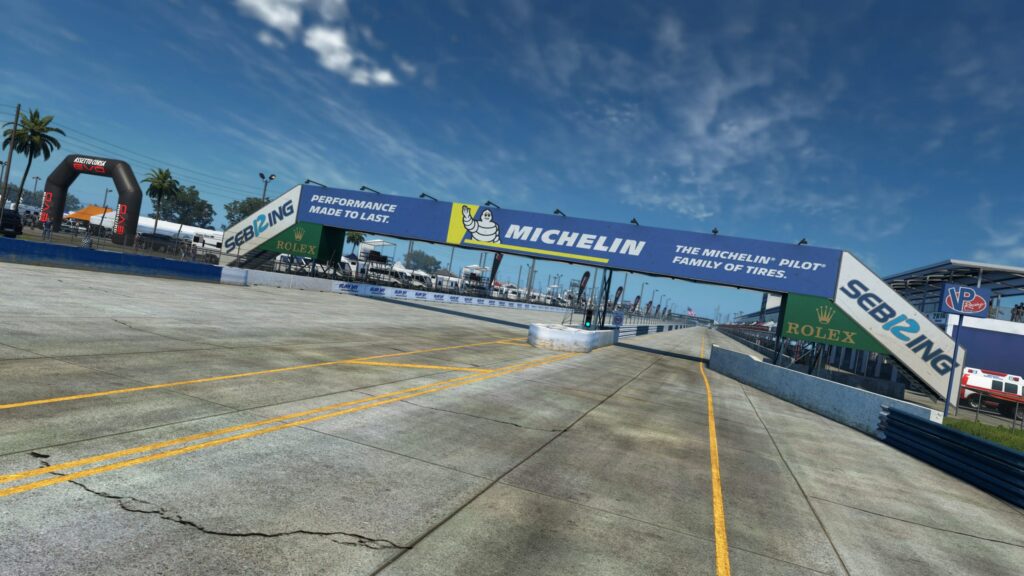
Firstly, Sebring International Raceway looks great in-game, especially at night, giving tremendous ‘12 Hour’ vibes. The airfield circuit’s notorious concrete and bumps have been replicated well, too, giving you a proper rollercoaster ride whichever car you choose.
What’s most impressive about Sebring is that it hasn’t appeared in Kunos’ previous titles, ACC or Assetto Corsa, making it a properly ground-up project from the Italian developer.
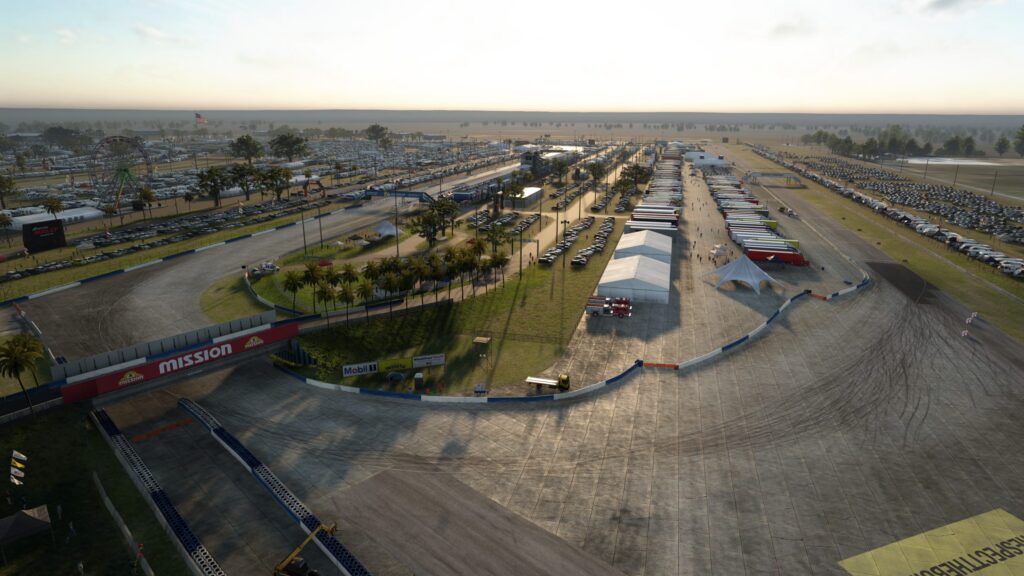
Previously included tracks have felt like quick conversions from previous games (though this is not strictly true, given that AC Evo uses a different game engine), with the exception of Fuji and Road Atlanta.
If I had one criticism, it’s that some kerbs seem to launch cars much higher than in the real world, and some of the track limits are a bit weird; otherwise, for sheer atmosphere and fidelity, I believe this is the best version of the Floridian track in sim racing right now.
Six new cars
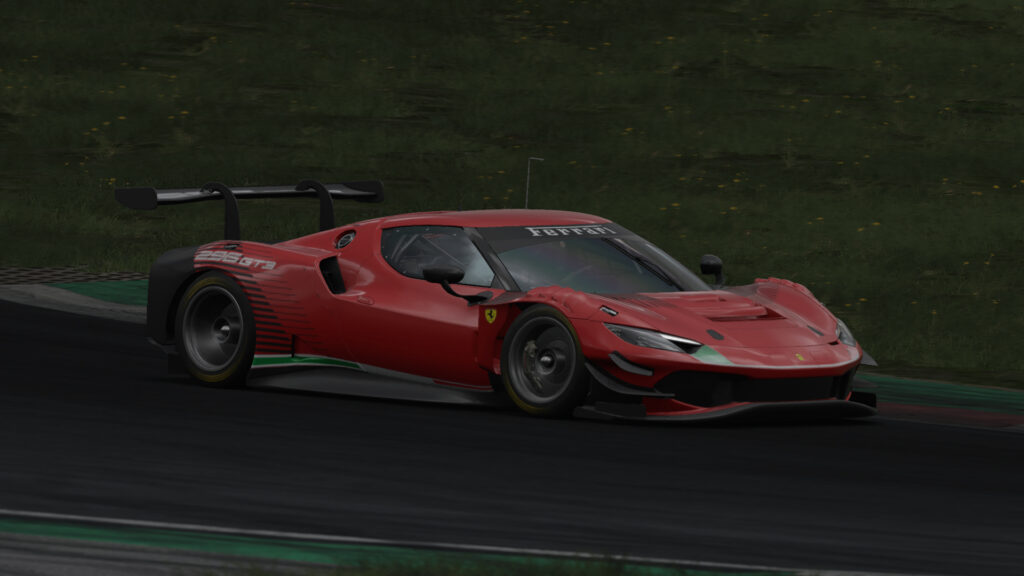
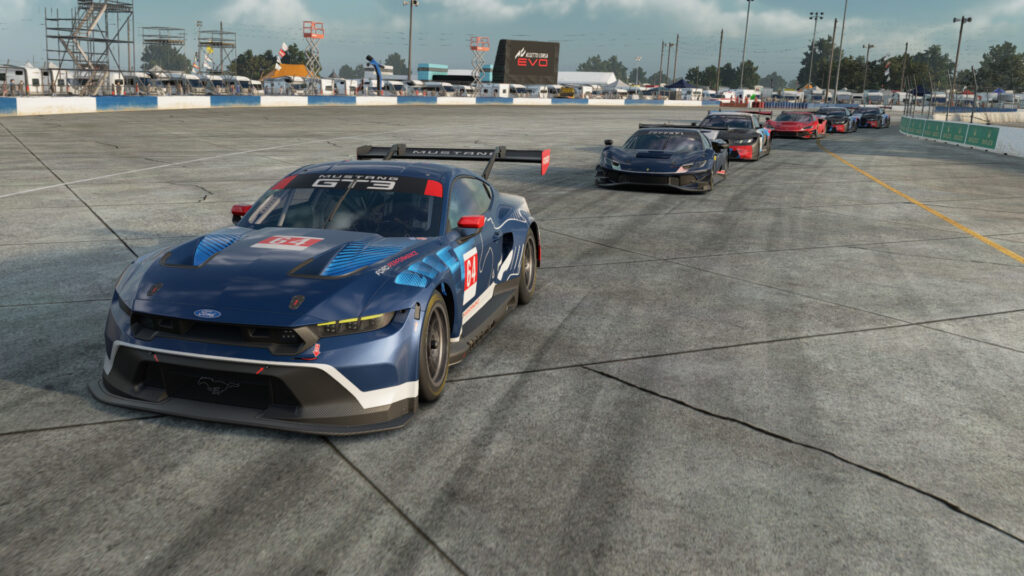
Unfortunately, V0.6’s two new GT3 cars give the impression that they were ported straight from ACC. Don’t get me wrong, in terms of visuals, they look great, but they’re both ‘non-Evo’ versions, so they’re out of date.
The Ferrari 296 GT3 was released in 2022 and came to ACC a year later. The Ford Mustang GT3 debuted in 2024 and appeared in ACC soon after. Both cars released Evo versions at the beginning of 2026.
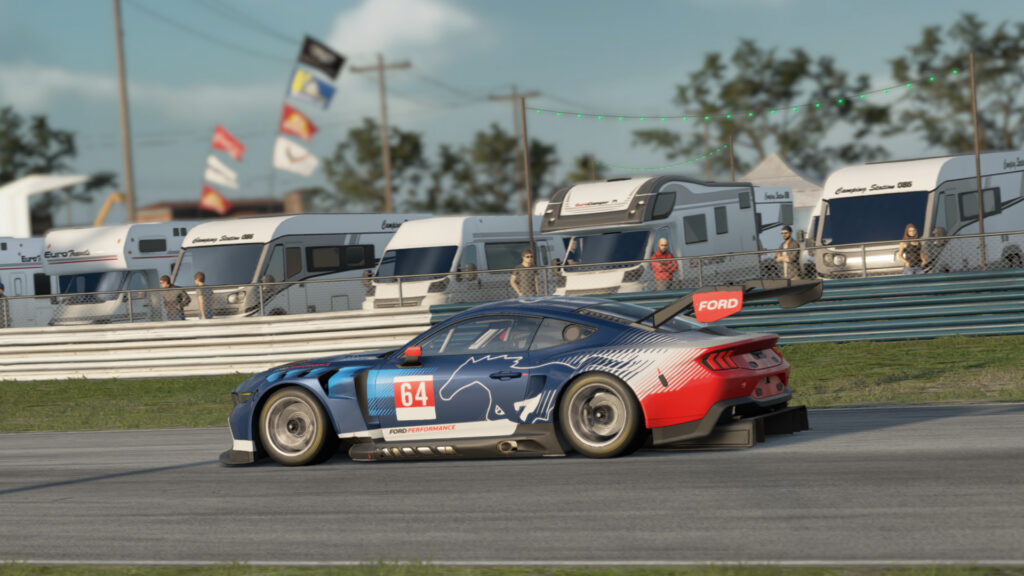
Is it a little harsh to criticise Kunos for not bringing the latest cars to the game? Perhaps, yes. As a package, the Ferrari is particularly impressive, with a smooth exhaust note, turbo chirps, and a beautiful exterior.
The Mustang has distinctly different sounds to its ACC cousin, too (initially, it used the same sounds as the Jaguar G3 in AC Evo’s predecessor), but they aren’t very good. For some reason, the Mustang sounds brutish enough onboard, but overly distorted. This is entirely subjective, however.
Comparing the two, the Ferrari feels more controlled and poised, veering towards understeer, while the Mustang is much more unstable, especially under braking, making it a trickier prospect. Some performance balancing is also required, with the Ferrari feeling the much quicker option overall.
GT4
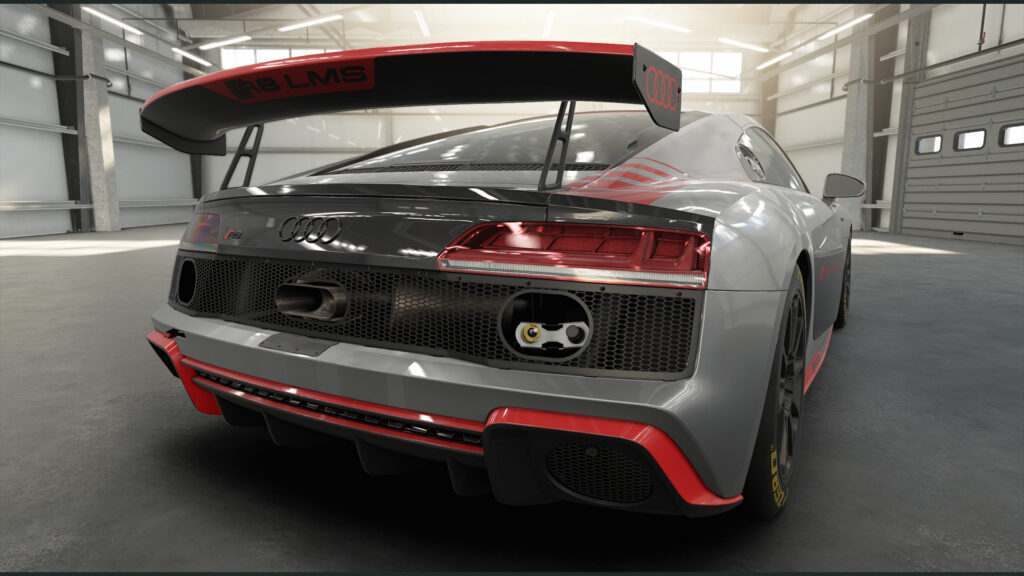
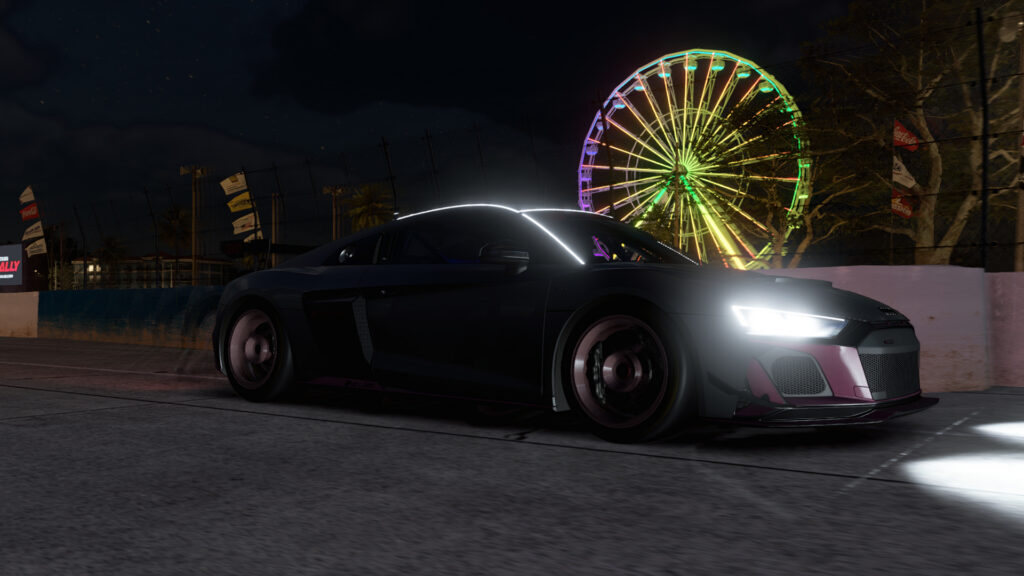
The Audi R8 LMS GT4 Evo is an interesting proposition, too, featuring far more suspension roll than its GT3 brethren. This makes sense, considering it shares parts with around 60% of its road-going counterpart, but it’s perhaps too bouncy given its motorsport focus.
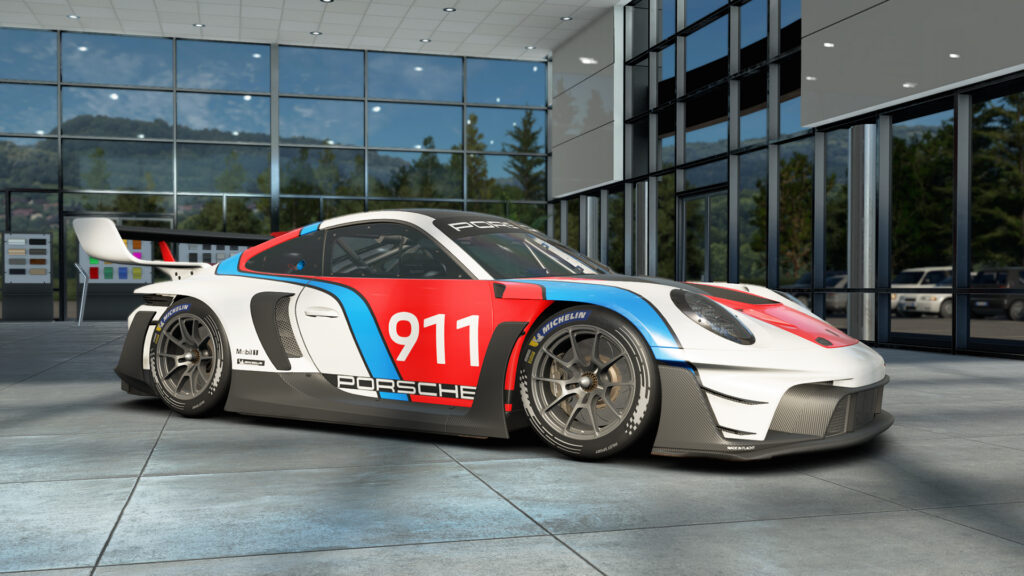
A slightly more confusing inclusion is the Porsche 911 GT3 R rennsport, a track-only car built to exceed GT3 rules. However, Kunos has included a version of the car that’s balanced to run alongside the game’s incumbent GT3 machines, which begs the question: ‘Why not just release the proper GT3 car?’
One suspects Kunos is holding a GT3 Porsche off for a future build, which makes perfect sense, but it seems unlikely that AC Evo players will attach themselves to a limited-edition piece of unobtanium.
Road cars and physics updates
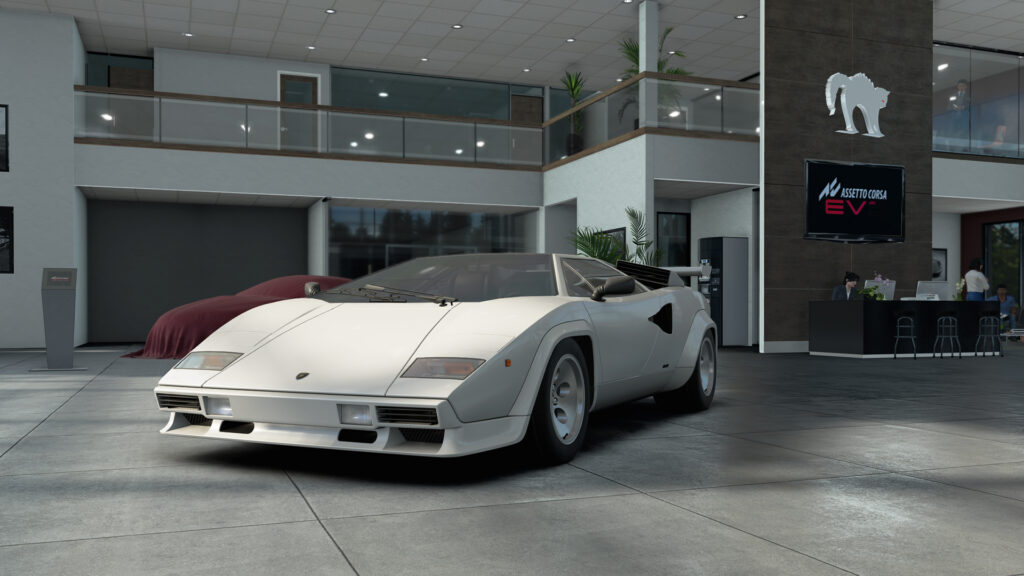
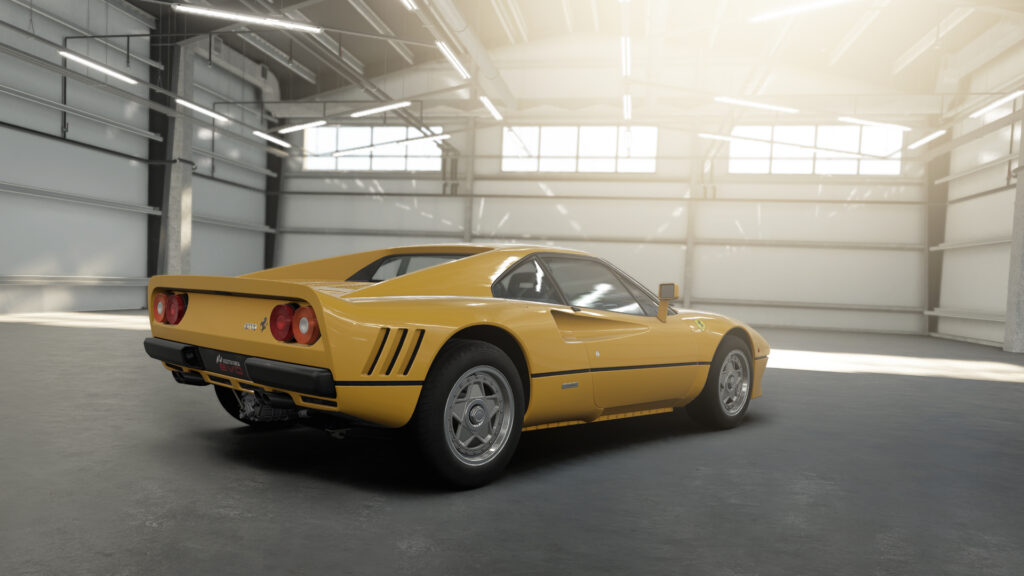
Two classic road cars also appear in V0.6: the Ferrari 288 GTO and the Lamborghini Countach LP5000 QV, each with authentic-sounding V8 and V12 motors, respectively.
Again, it’s unlikely these cars will strike a chord with the majority of the game’s playerbase, but for committed, old-timey car enthusiasts (like me), they’re a real boon.
They also serve to highlight some of the progress made in the game’s at-times knife-edge feel. Cars now feel like they break grip in a more natural and predictable way, although I’m still surprised at how twitchy racecars can be at speed, even with their added downforce and TC systems. There’s still work to do here, but I’m happier with how the sim drives in V0.6.
Nürburgring Nordschleife 2026 updates
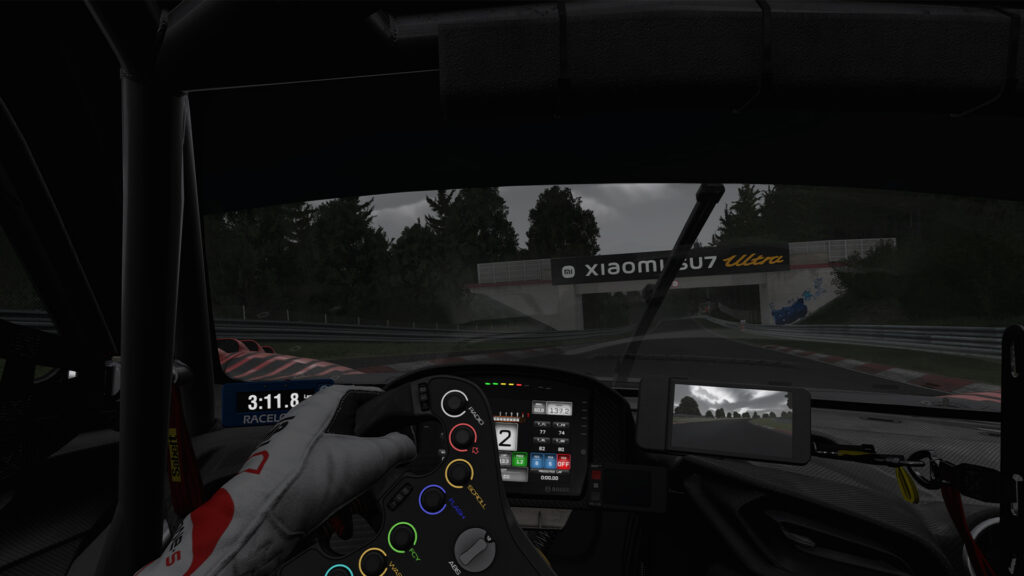
The fabled Nürburgring Nordschleife has received updates to bring it up to 2026 standards, including several changes to kerb, fence, and barrier placement.
Areas to receive these improvements include Hatzenbach, Flugplatz and Kesselchen, among many others, meaning AC Evo’s version of the Nordschelife is now the most up-to-date in sim racing (and arguably the best overall, thanks to its photorealistic visuals).
AI
A new track-modelling system has apparently helped resolve the game’s nervous and, at times, scatty AI behaviour.
However, in practice, it still exhibits some odd quirks, like completely backing off when running side by side with you through turns. I also witnessed computer-controlled vehicles ghosting through each other on occasion, with their aggressiveness seemingly toned down for now.
The AI also seems quite slow, so if you’re an experienced sim racer, you’ll almost certainly struggle to find good battles offline, which is disappointing.
Performance improvements
I was mildly impressed with how AC Evo performed in my testing of V0.6. Not only did I see a significant jump in fps, but the game also seemed much more stable than before.
Nothing is specifically mentioned in the changelog about optimisation improvements, but V0.6 is a much smoother experience for me. Although I couldn’t test it in VR, this will presumably have a positive knock-on effect for headset users too.
However, graphical ghosting remains a major issue, especially at night, and initial loading times are still problematic.
Other
MoTeC telemetry is now officially supported in AC Evo, which will please the minority of players who use it to improve their lap times and consistency. Telemetry data will also now be automatically saved when jumping straight back to the garage during a run.
Kunos has also improved the audio on a number of cars, including the BMW M3 E46 CSL, Honda NSX and Porsche 718 GT4 RS.
Netcode, always a contentious issue in sims, has also been worked on, with early indications suggesting that the game is a much more enjoyable prospect when battling wheel-to-wheel online with other players.
Conclusion
AC Evo continues to progress, albeit at a slow pace. The content lineup introduced for V0.6 is generally solid (Sebring is genuinely great), but it lacks a headline vehicle: Old-spec GT3 cars and classics won’t draw the crowds, sadly (except for car nerds, like me).
The game’s UI update is welcome, but it feels like the first of many future iterations, while genuine performance and physics improvements give me cause for optimism about the sim’s progress.
Less inspiring, however, is the game’s AI, which remains dim-witted. How will it cope when AC Evo’s killer feature, the free-roam Eifel region, is released, I wonder?
Still, allowing players to host their own free, private servers on the most authentic and current version of the Nordschleife is a huge deal for Kunos, and one that could change the perception of the game among the sim racing community.
For a full rundown of Assetto Corsa Evo’s V0.6 changelog, check out our accompanying article here.