
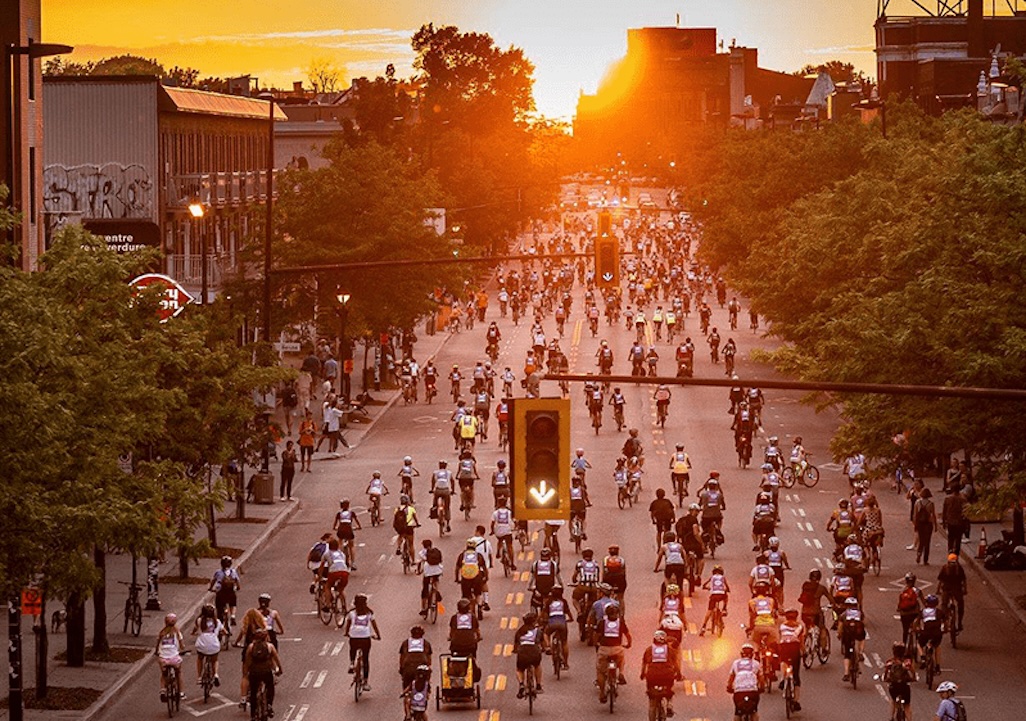
If there’s one thing the global cycling scene does exceptionally well, it’s a bicycle festival. It’s turning a simple ride into something far bigger—part race, part cultural gathering, part excuse to explore somewhere new.
In 2026, the world’s best cycling festivals aren’t just about watts, speed, or gear. They’re about community, atmosphere, and the unique ways different places embrace life on two wheels. From gravel epics in the American Midwest to elegant, slow-paced rides in wool suits, these events offer wildly different—but equally compelling—reasons to travel.
Whether you’re planning a dedicated cycling trip or simply looking to anchor a broader adventure around a great ride, these are the best bicycle festivals in 2026 worth building a trip around.
Sea Otter Classic (Monterey, California)
April 16–19, 2026
Often called the “Woodstock of Cycling,” the Sea Otter Classic is less a single event and more a sprawling celebration of everything the sport has become. Set on the grounds of the Laguna Seca Recreation Area, just inland from California’s rugged central coast, it draws tens of thousands of riders, spectators, and industry insiders for four days of near-constant motion.
Racing is at the heart of it—elite competitions span mountain biking, road, gravel, and BMX—but what sets Sea Otter apart is its sheer scale and accessibility. You don’t need to be a pro (or even particularly competitive) to feel part of the action. Amateur races, gran fondos, and open rides make it easy to participate, while the massive expo area—one of the largest in the cycling world—offers the chance to test ride new bikes, compare gear, and talk directly with the people designing it.
Then there’s the atmosphere. Between the dusty trails, ocean air, and golden California light, the whole thing feels equal parts race weekend and outdoor festival. The famously irreverent Sea Otter Parade—where riders don costumes and cruise through in a rolling spectacle—perfectly captures the event’s spirit: serious about bikes, but never too serious about itself.
Eurobike (Frankfurt, Germany)
June 24–27, 2026
If you want to understand where cycling is headed—not just next season, but over the next decade—Eurobike is where you go.
Held in Frankfurt, this is the most influential cycling trade show in the world. It’s where major brands unveil new technologies, startups debut bold ideas, and industry conversations quietly shape the future of mobility.
E-bikes and urban transport solutions dominate much of the conversation now, reflecting a broader shift in how cities are thinking about cycling—not just as recreation, but as infrastructure. But Eurobike still caters to enthusiasts in a very tangible way. Demo zones allow visitors to test new bikes on purpose-built tracks, while public days open the doors to anyone curious enough to step inside.
What makes Eurobike especially compelling as a travel experience is its setting. After a day spent immersed in innovation, you can step outside and find yourself riding along the shores of one of Europe’s most scenic lakes, with alpine backdrops just a short train ride away. It’s a rare combination: future-focused, but grounded in a place that makes you want to ride right now.
Go Bike Montréal Festival (Montreal, Canada)
May 24–31, 2026
Montreal doesn’t just accommodate cyclists—it celebrates them. And nowhere is that more evident than during the Go Bike Montréal Festival, a week-long event that transforms the city into a living showcase of what bike-friendly urban life can look like.
The crown jewel is the Tour de l’Île, a massive, car-free ride that draws tens of thousands of participants onto a network of closed streets stretching across the city. For a few hours, highways, boulevards, and neighbourhood roads are handed over entirely to cyclists, creating a rare and exhilarating sense of freedom.
But the festival extends far beyond that single day. There are themed rides, family events, night tours, and community gatherings that reflect Montreal’s deep, ingrained cycling culture. It’s the kind of place where cycling isn’t just a sport—it’s transportation, identity, and everyday life.
For visitors, it offers something increasingly rare: the chance to experience a major North American city not from behind a windshield, but from the saddle, moving at a human pace through streets designed—at least temporarily—for people instead of cars.
Go Bike Montreal bicycle festival
Unbound Gravel (Emporia, Kansas)
May 28–31, 2026
There are tough rides, and then there’s Unbound.
Held in Emporia, a small town in the heart of Kansas, Unbound Gravel has become the defining event in the world of gravel cycling. It’s not flashy or urban. There are no iconic skylines or scenic coastlines. Instead, riders face the Flint Hills—an unforgiving landscape of endless rollers, sharp rocks, and exposure to the elements.
The marquee 200-mile distance is the headline, but the challenge runs deeper than mileage. Weather can shift rapidly. Road conditions can be brutal. Mechanical issues are common. It’s a test of endurance, resilience, and problem-solving as much as physical fitness.
And yet, despite—or perhaps because of—that difficulty, the atmosphere is deeply communal. The entire town leans into the event, with locals, volunteers, and riders creating a shared experience that feels more like a gathering than a competition. Finishing, in many ways, matters more than placing.
For those drawn to the idea of pushing limits in a raw, stripped-down environment, Unbound isn’t just a race. It’s a rite of passage.
TD Five Boro Bike Tour (New York City, USA)
May 3, 2026
New York is not a quiet city—but for one morning each year, it becomes a remarkably different one.
The TD Five Boro Bike Tour shuts down 40 miles of streets and bridges, allowing cyclists to travel through all five boroughs without a single car in sight. From Lower Manhattan to Staten Island, the route winds through neighbourhoods that feel entirely transformed when the usual traffic disappears.
It’s not a race, and that’s precisely the point. Riders of all abilities roll along together, taking in the skyline, crossing major bridges, and experiencing the city at a slower, more intimate pace.
What makes this ride stand out isn’t just its scale—though with tens of thousands of participants, it’s massive—but its perspective. It offers a glimpse of what New York could feel like if space were allocated differently, even if only for a few hours.
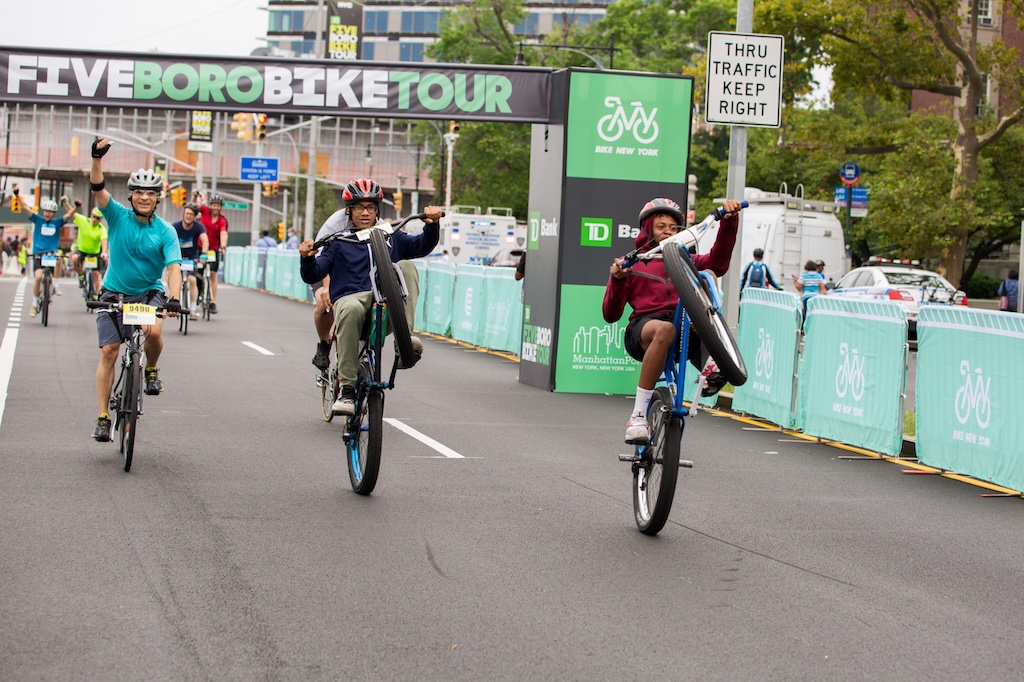
Five Boro Bike Tour in New York City
MADE.BIKE (Portland, Oregon)
August 21–23, 2026
In an era of global brands and mass production, MADE.BIKE feels refreshingly human.
This Portland-based show focuses on independent builders and small-scale manufacturers who approach bike design as both craft and expression. Walk through the exhibition and you’ll see hand-welded steel frames, intricate paintwork, and designs that reflect individual philosophies rather than market trends.
It’s a place where conversations matter as much as products. Builders are there, often standing beside their work, ready to talk about geometry, materials, and the ideas behind each bike.
Portland itself adds to the experience. Long known for its cycling culture, the city provides a fitting backdrop—bike lanes, bridges, and a general sense that cycling is woven into daily life.
For riders who see bicycles as more than just equipment, MADE.BIKE offers a deeper appreciation of what goes into the machines we ride.
Pedalpalooza (Portland, Oregon)
Summer 2026
If most cycling festivals are carefully programmed, Pedalpalooza is gloriously unstructured.
Spanning an entire month, this Portland-based event is made up of hundreds of independently organized rides and gatherings. There’s no central theme—just an open invitation for anyone to create an event and invite others along.
The result is wildly eclectic. One day might feature a costumed dance ride, the next a quiet evening cruise, and the next a full-on rolling party. Many rides are free, informal, and designed more around social connection than distance or speed.
What emerges is a different vision of cycling culture—one that’s playful, inclusive, and constantly evolving. It’s less about watching and more about participating, even if that participation means simply showing up and seeing where the ride goes.
Portland Tweed Ride (Portland, Oregon)
May 4
At the opposite end of the spectrum from high-performance cycling sits the Portland Tweed Ride—a slow, stylish, and quietly delightful celebration of cycling’s past.
Participants dress in vintage-inspired clothing—tweed jackets, wool trousers, long skirts, caps—and ride classic or classically styled bicycles through the city. The pace is leisurely, the mood sociable, and the emphasis firmly on experience over exertion.
There are often stops along the way for picnics, photos, or casual gatherings, reinforcing the sense that this is as much about community as it is about cycling.
What makes the Tweed Ride so appealing is its intentional contrast to modern cycling culture. In a world of carbon frames and performance metrics, it offers a reminder that riding a bike can also be about elegance, nostalgia, and simple enjoyment.
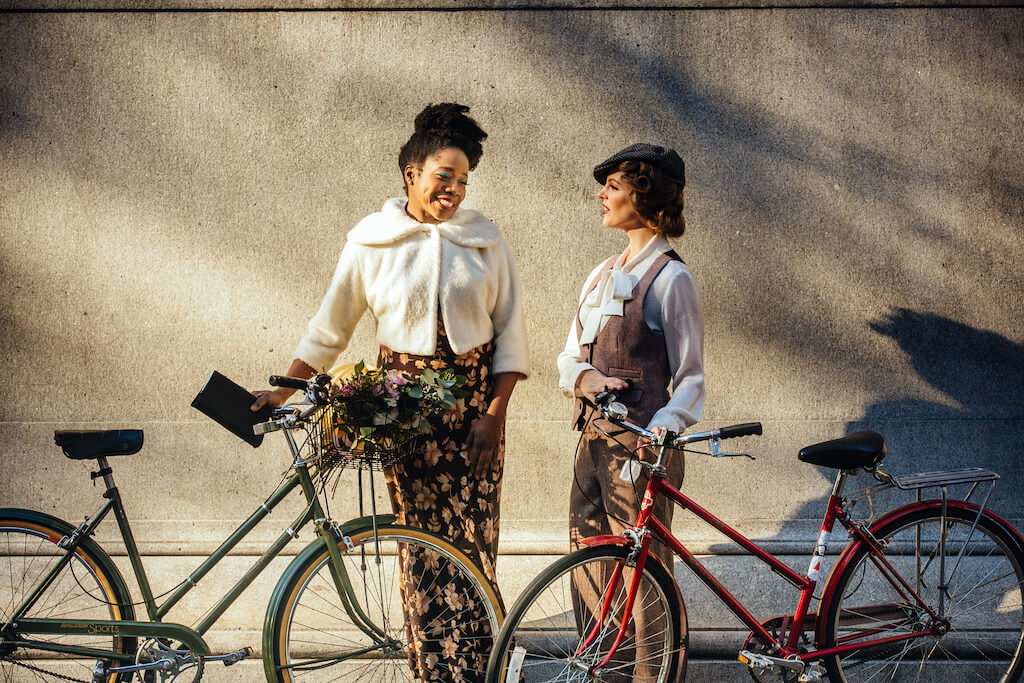
Portland Tweed Ride (photo courtesty of ©Evrim Icoz Photography)
International Cargo Bike Festival (Utrecht, Netherlands)
October 12–13, 2026
In many cities, cargo bikes are still a curiosity. In Utrecht, they’re a glimpse of the future.
This festival brings together designers, manufacturers, families, and urban planners to explore how cargo bikes are reshaping transportation. From school drop-offs to last-mile delivery, these bikes are increasingly central to how people—and goods—move through cities.
The event itself is highly interactive. Visitors can test ride different models, attend workshops, and see how various designs handle real-world scenarios.
Set in one of the most bike-friendly countries in the world, the festival also doubles as a case study in what’s possible when cycling infrastructure is taken seriously. It’s practical, forward-thinking, and increasingly relevant as cities everywhere look for alternatives to car dependency.
Ciclovía (Bogotá, Colombia)
Every Sunday and Holiday
Some of the most transformative cycling events don’t happen once a year—they happen every week.
Bogotá’s Ciclovía closes more than 100 kilometres of streets to cars every Sunday, opening them to cyclists, runners, and pedestrians. The scale is staggering, but what’s even more remarkable is how normal it feels to locals.
Families ride together. Vendors line the streets. Music, food, and movement blend into something that feels less like an event and more like a different version of everyday life.
In 2026, as Ciclovía marks its 50th anniversary, it stands as one of the most successful examples of how cities can reimagine public space—not just for cyclists, but for everyone.
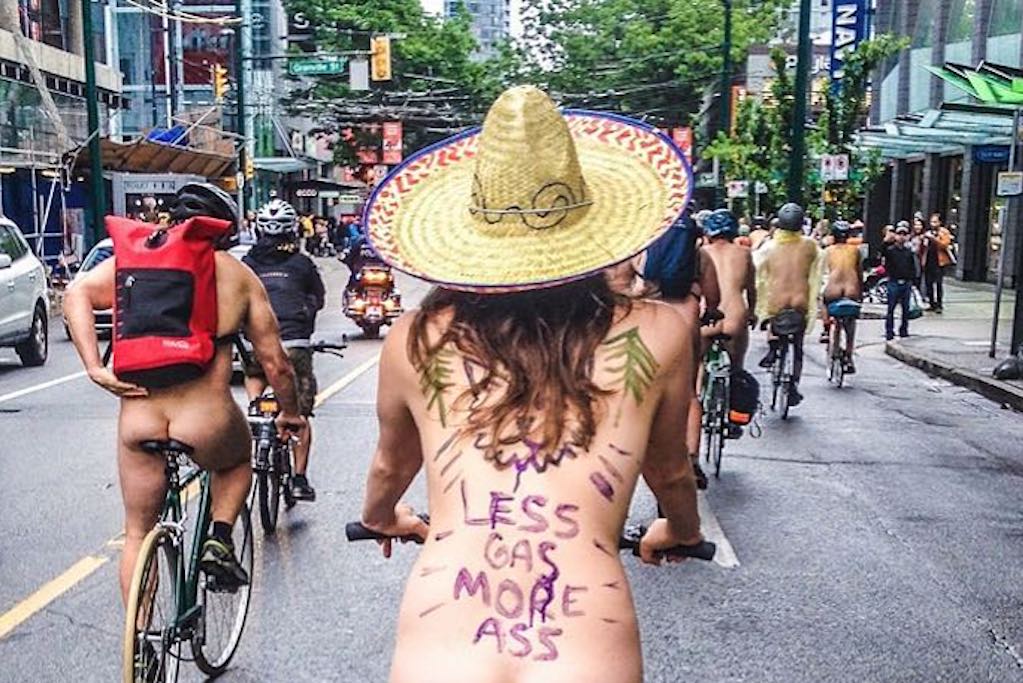
Participants during the World Naked Bike Ride in Vancouver
World Naked Bike Ride (London, UK and other cities)
June 2026 (various dates)
Unconventional, attention-grabbing, and impossible to ignore, the World Naked Bike Ride is one of the most distinctive cycling events on the calendar.
Held in cities around the world, including London, the ride combines protest and celebration, drawing attention to issues like cyclist safety, environmental impact, and body positivity.
Participants ride in varying states of undress, depending on their comfort level, creating a spectacle that’s as much about visibility as it is about message.
While it may seem lighthearted on the surface, the event carries a clear purpose: to challenge norms, spark conversation, and advocate for a different relationship between people, cities, and transportation.