
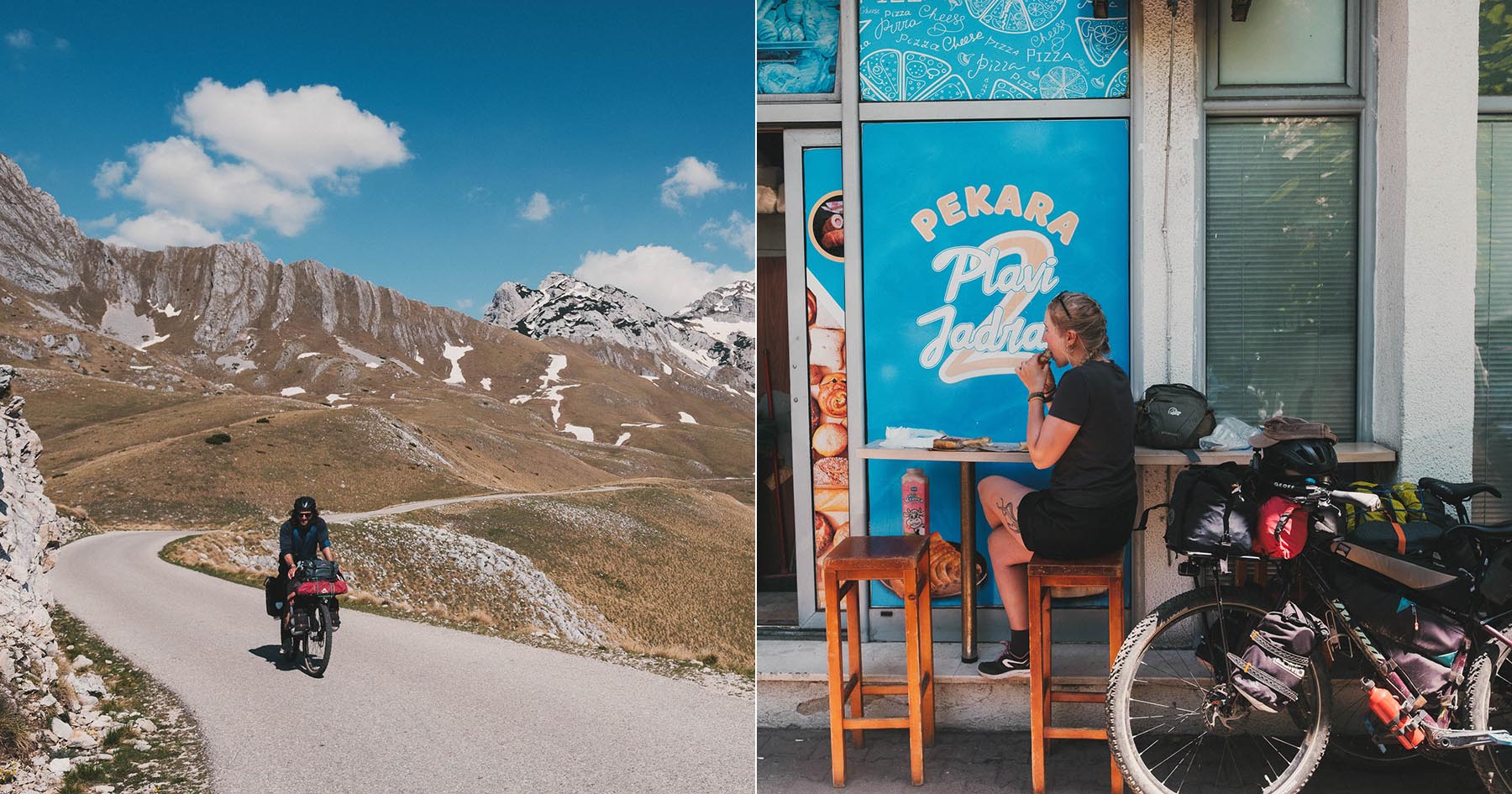
While bikepacking across the Balkans, Joshua Kian and his partner were introduced to burek, the savory, flaky delicacy that makes for a uniquely satisfying fuel for a long day in the saddle. In this piece, Joshua pays homage to the many delectable pastries they encountered along their route and reflects on how slowing down to enjoy them offered a unique window into local cultures…
It’s a cold winter’s afternoon in Zagreb, Croatia, and I push my bike into oncoming crowds of jubilant sports fans. Struggling to steer and keep my patience, I’m slipping into a grouchy state of autodrive. Thanks to a soon-to-expire Schengen visa, the previous week had been a calorie and sleep-deprived blur. I just want to reach the border.
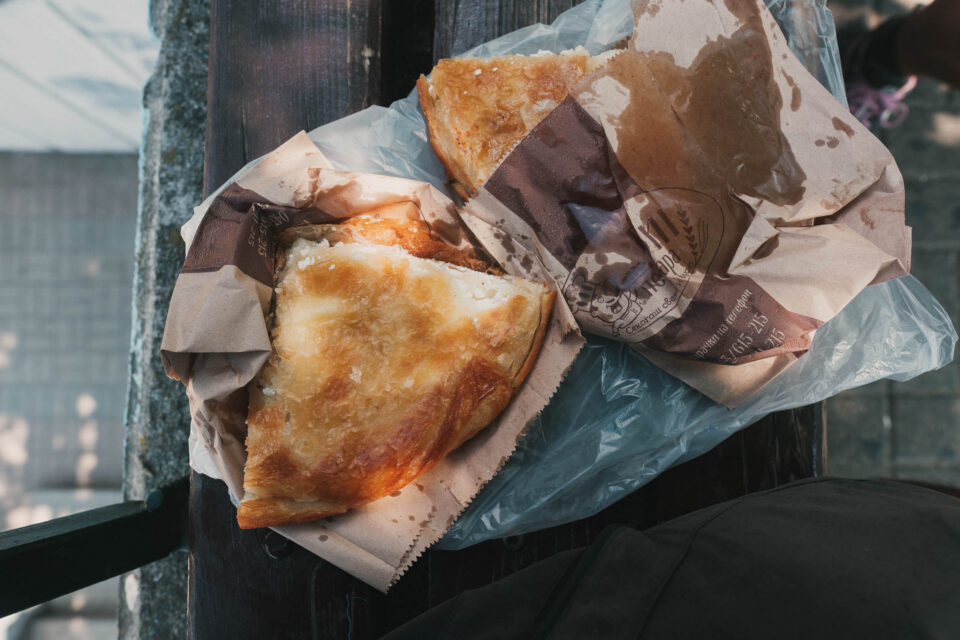
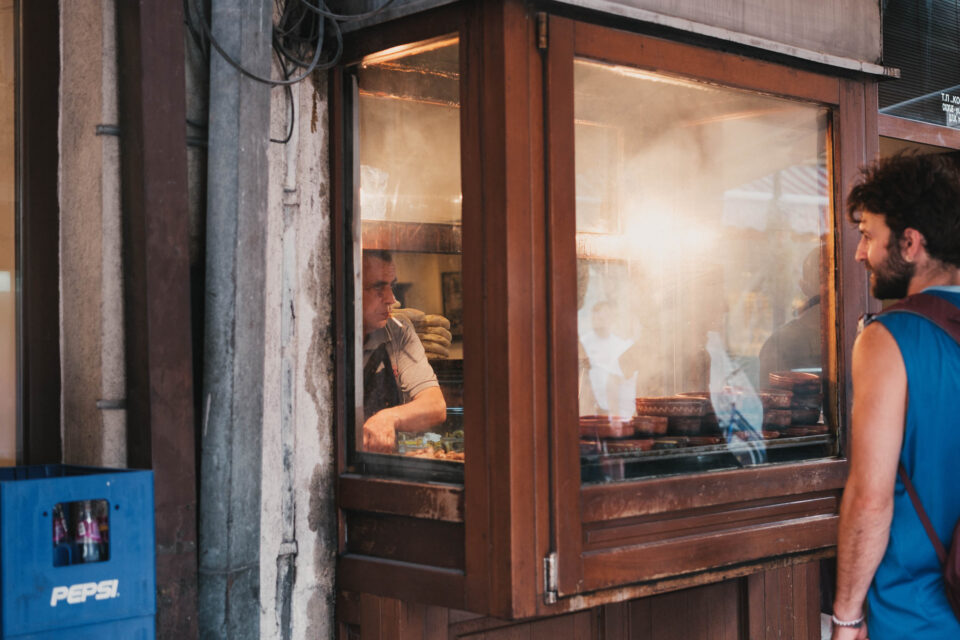
Sarah grabs my arm and pulls me out of the conveyor belt of people into a quieter courtyard. “Let’s get one of these pastry things,” she says. I want to keep going, but she insists. Falling into a cold metal chair, a steaming plate slides in front of me. My fingers burn on the hot oil. Then, teeth crunch through flaky coils into a gooey centre filled with hot cheese. It’s salty and oily, soft yet crispy, and wonderfully comforting—like a hug in a bite. It was my first time trying burek.
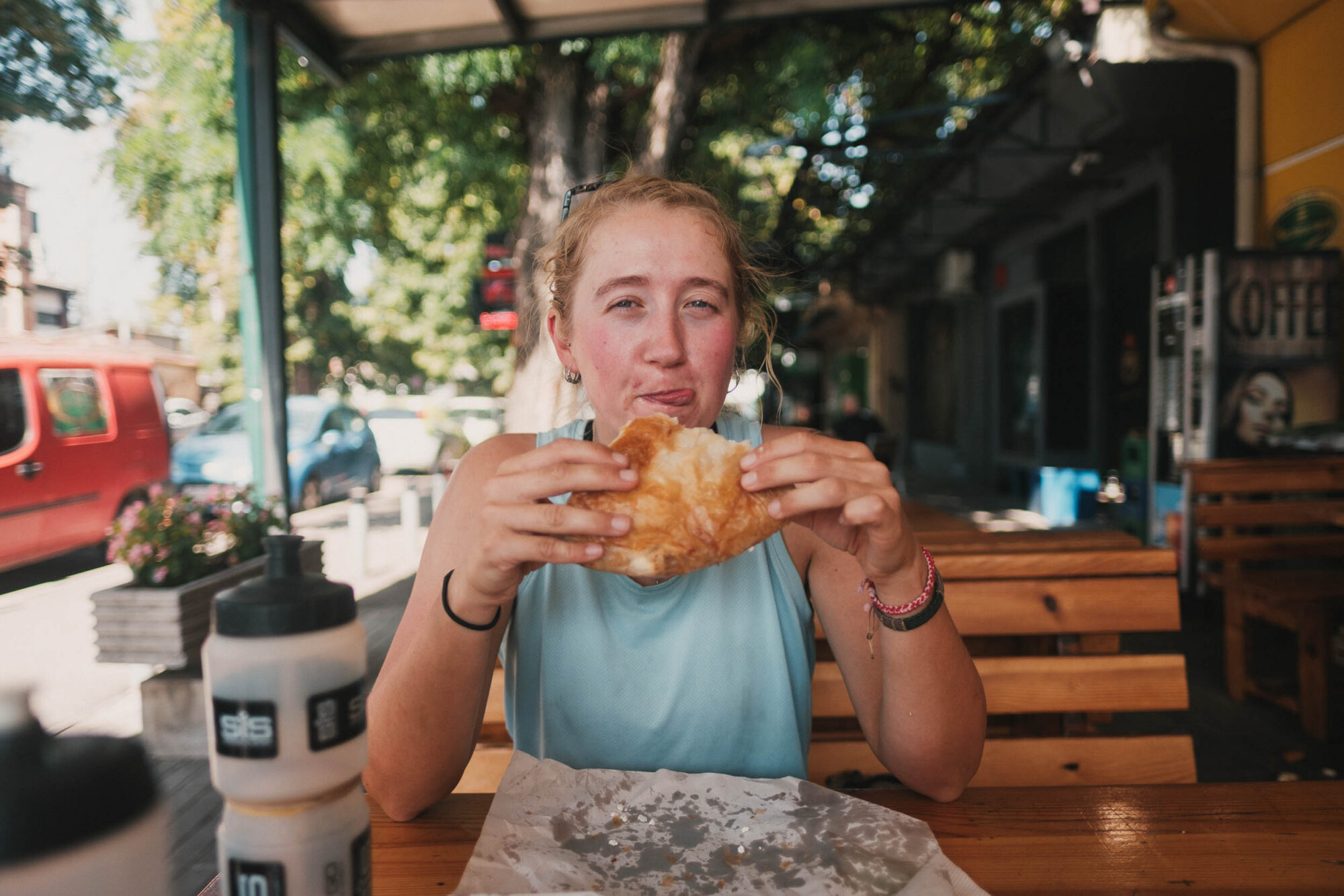
I open my eyes with a smile and see the bustling market we’re perched beside. I watch elderly locals meeting and greeting, market traders hawking their wares, bartering with old women wrapped in winter layers. The world finally slows, and I notice the waiter looking curiously at our bikes. He comes over and asks where we’re from.
“Do I look as tired as I feel?” Sarah asked. She gazed through bloodshot, sunken eyes, with frizzy hair poking through her helmet. I noticed remnants of food and bike grease on her chin.
“Yeah, I think you do,” I said, laughing.
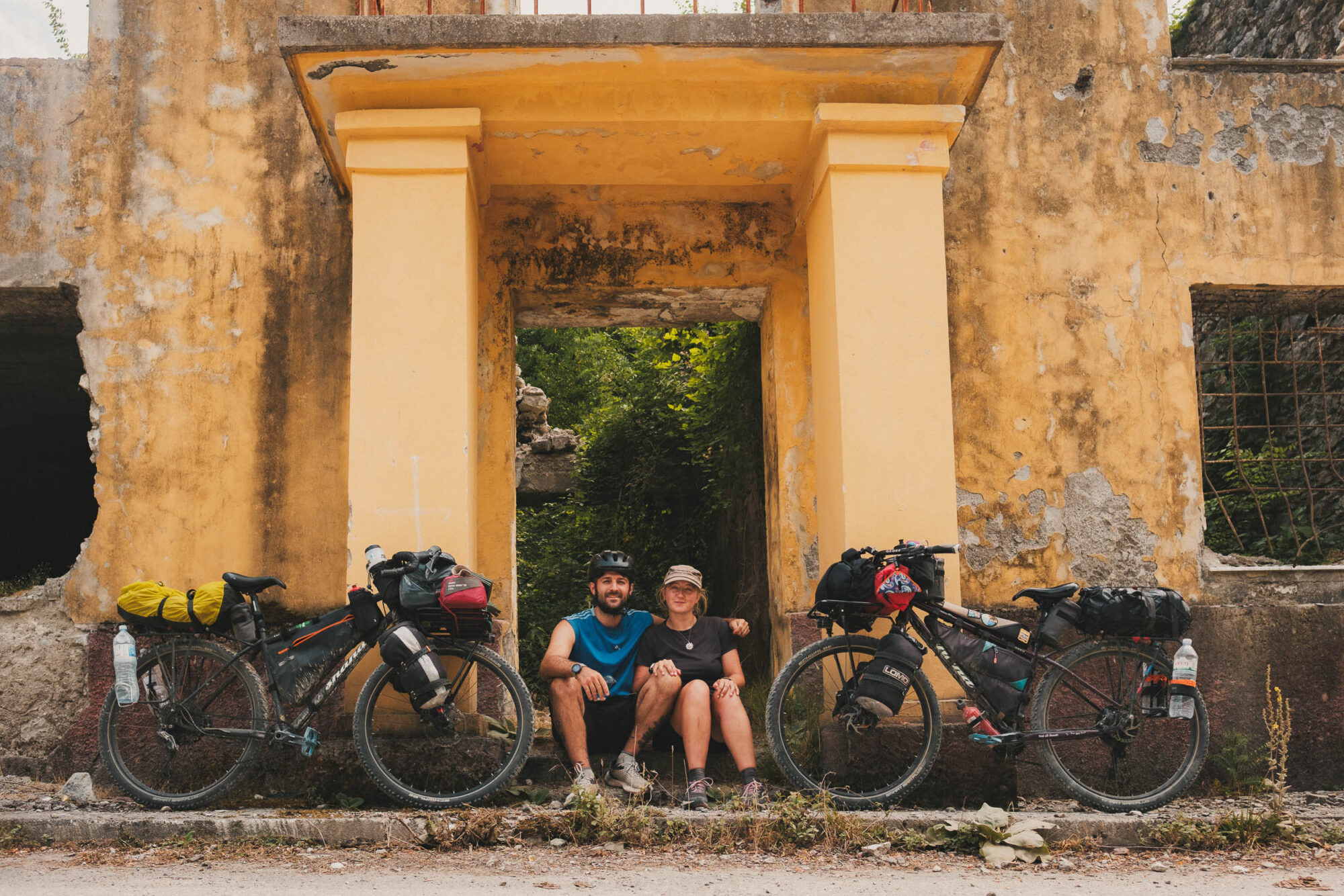
The adrenaline that had carried us over the border into Bosnia and Herzegovina had drained away. We collapsed into a small bus stop, huddled together in a damp, sweaty tangle of waterproofs. I’d long dreamed of this region—ever since discovering Balkan folk music as a teenager—but now a quiet vulnerability washed over me. Outside, heavy rain thickened, slowed, and turned to snow. The storm had come early; conditions were only set to worsen. We squashed together, paralysed by the exhausted cold that had taken hold, uncaring of the speeding lorries showering us with debris. Eventually, we admitted defeat.
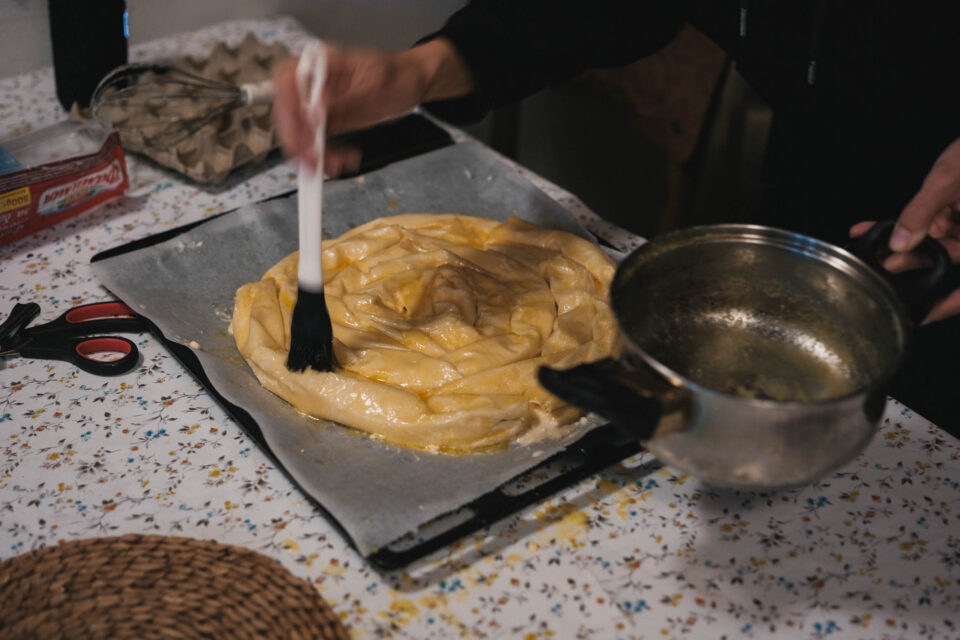
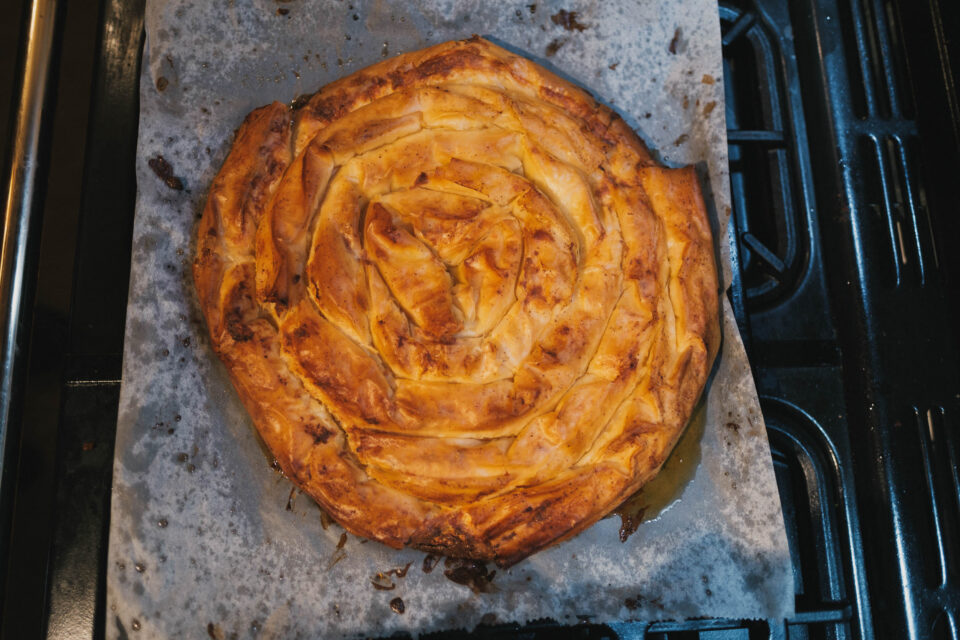
A persistent knock at the door roused us in the morning. Standing outside the small guesthouse was a young woman with a big, toothy smile, carrying a familiar tray. “Burek!” I blurted out in a sleepy daze. “This is not burek!” she laughed. “This is sirnica!” Erika informed us we’d crossed a cultural border: in Bosnia, only meat pies were burek—not cheese, potato, or spinach. It was a proud statement.
She came inside and laid the tray on the table. “Go ahead,” she said. The first warming bite felt like it immediately nourished, easing tight muscles and a drained mind. Time slipped by as we sat chatting for hours. “This is the Republika Srpska; you can tell by the church next door. Just down the road is the Federation of Bosnia and Herzegovina. You will see mosques, but it is all the same,” Erika reflected for a moment. “There are many empty houses since the war. People still haven’t come back. You will meet friendly people everywhere. We are learning to live together again.”
The weather front passed overnight. Under pearly blue skies, we loaded our bikes with local wine and a kilogram of hazelnuts Erika insisted we take, and eagerly set off. In my head, I questioned why I rushed the goodbye—it had been such a heartfelt encounter. Gradually, narrow lanes took us through frosted villages, with grass that sparkled a vivid green. It gave the landscape a magical feel, making the skull-and-crossbones mine warning signs feel even more out of place.
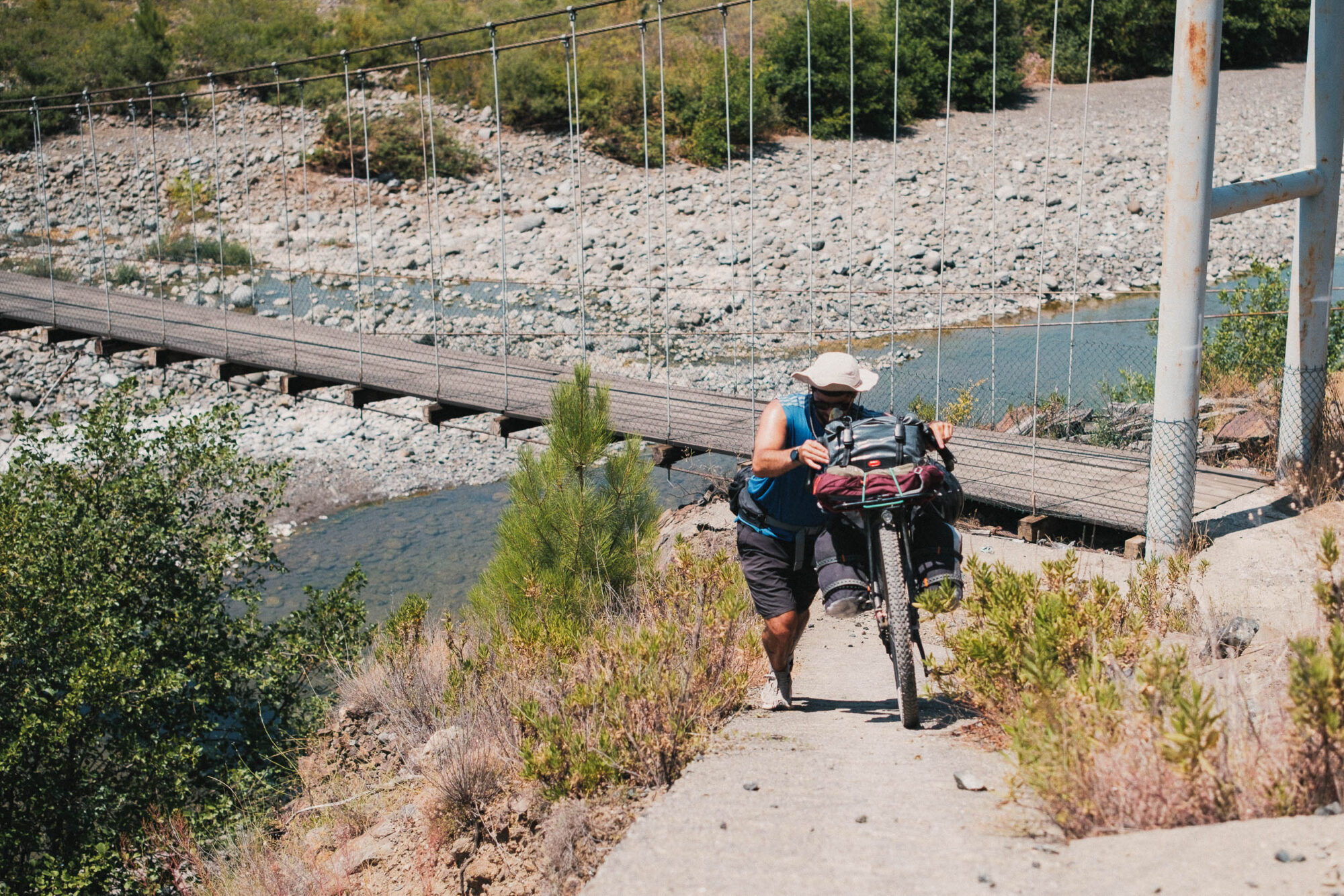
I looked down at my watch. After a rest day and a morning of conversation, there was an underlying sense of urgency. Our cadence increased. The world became a stream of cars, horns, flags, faces in gardens, and bullet holes. It was all one blur. Scoffing another biscuit from my waist pack, I realised hours had drifted by in my oblivious state. Then I saw an invitation. I signalled for Sarah to pull over and pointed to a roadside eatery. “Look, a burek place! They’ve got a pumpkin one; we’ve not tried that.”
Wiping the crustiness from my bleary eyes, I pointed to a cheese pie and asked for burek. “This is sirnica, not burek,” the server responded with a warm smile. I returned to Sarah with our reward, and slowly my heart rate began to settle.
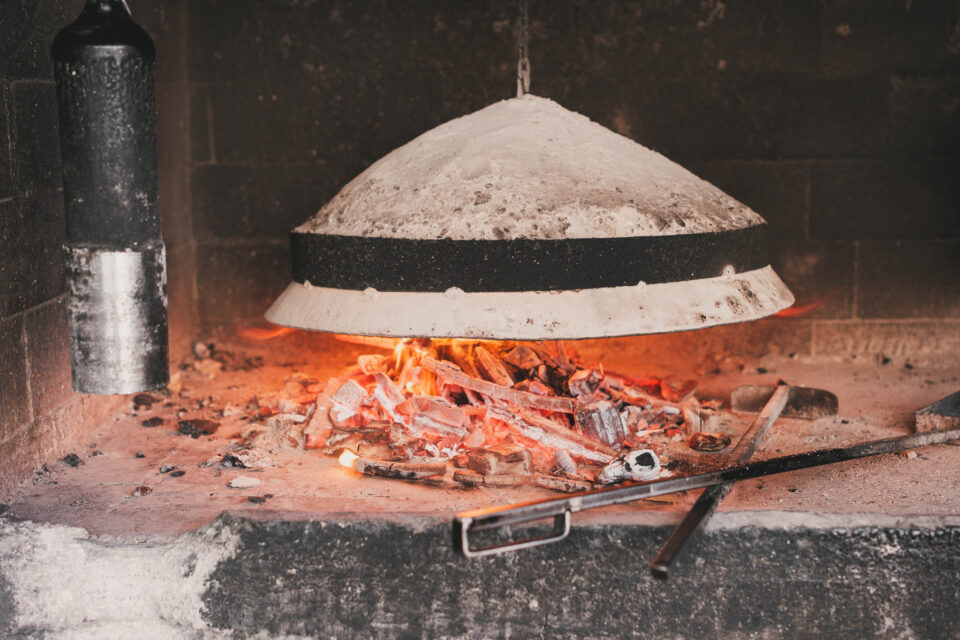
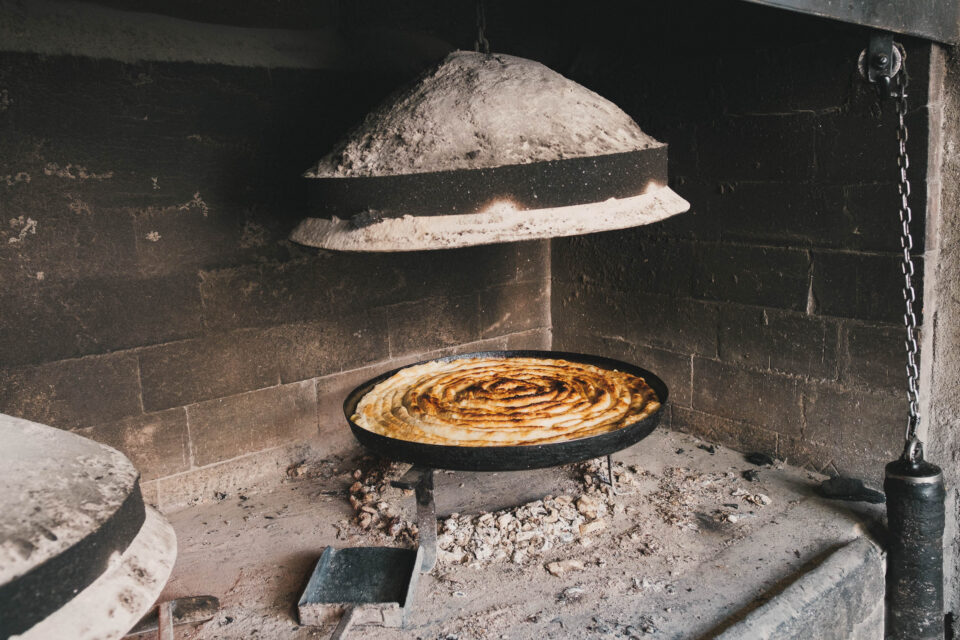
I took a bite and marvelled at the smoky flavour. I noticed the traditional sač oven beside the eatery—hot coals heating large metal lids, which were then lowered to cook the swirled pastry. A call to prayer sang in the background, and I realised we’d left the Republika Srpska.

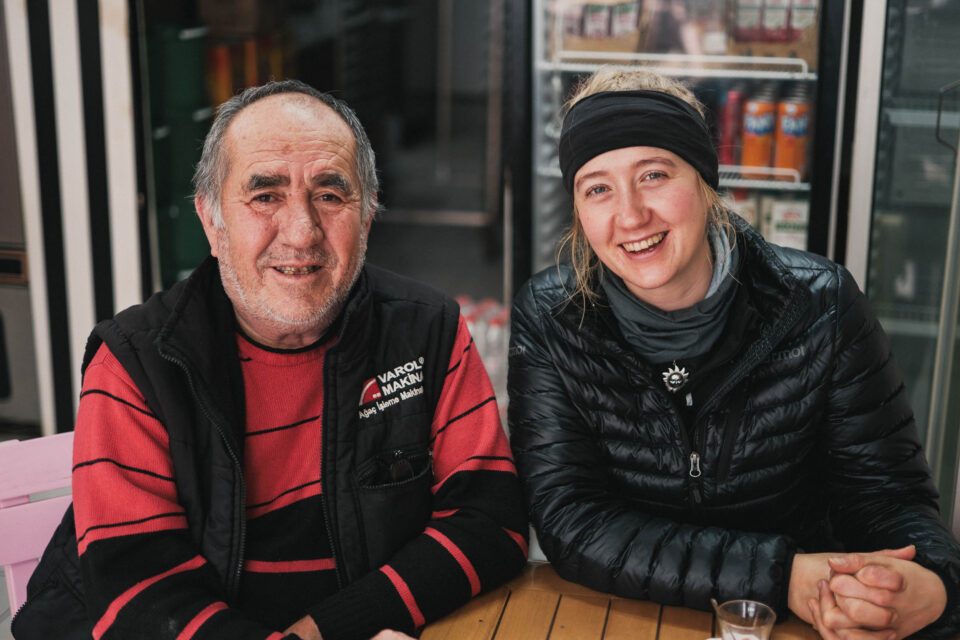
Next to us, a smartly dressed businessman wiped ayran, a popular yoghurt drink, from his lips. To the other side, an aged army officer smiled invitingly. Adin told us that Ramadan would begin the following week and that it was difficult to fast while working. He told us tales from the war and old regional conflicts, but also that Bosniaks and Serbs now served in the same army. There was hope in many of his stories. His deeply lined face and expressive eyes told a story of their own.
The eatery had grown quiet by the time we said our goodbyes. It was a slow, heartfelt departure. I thought about how the bicycle brought so many meetings like this, if you let it. After Adin left, we sat looking at a map, noticing the dark regional lines that cut through the country. On the road, they’d felt quieter: a shift in road signs, a change in places of worship. The empty, bullet-strewn buildings continued on either side, as did the mountains, which paid no attention to borders or beliefs.
On the map, Northern Montenegro seemed full of empty spaces and jagged elevations. As we got riding, I realised that was only half true. Pulling out from a tree break, we saw the Dinaric Alps in all their majestic glory. These mountains run for 645 kilometres. They’d watched over us in Slovenia, Croatia, and Bosnia, but we’d never seen them quite like this. The whole horizon was punctured by constant peaks—fields of them like shark’s teeth, tearing at the sky with their white tops. I marvelled at the dramatic rock formations, tickling the blue and white swirls above. Empty of man-made structure, it was one of the fullest landscapes I’d ever seen.
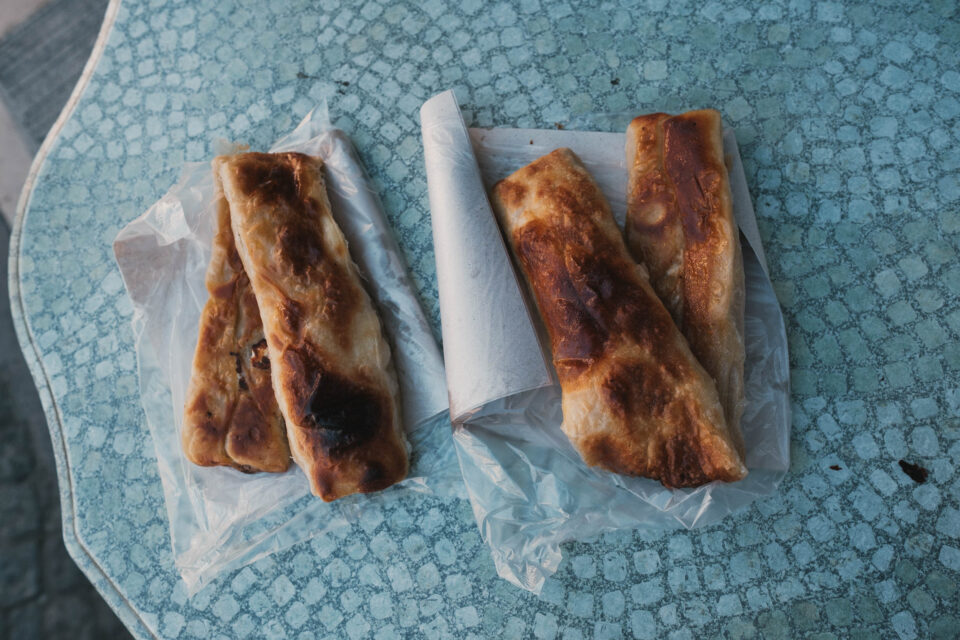
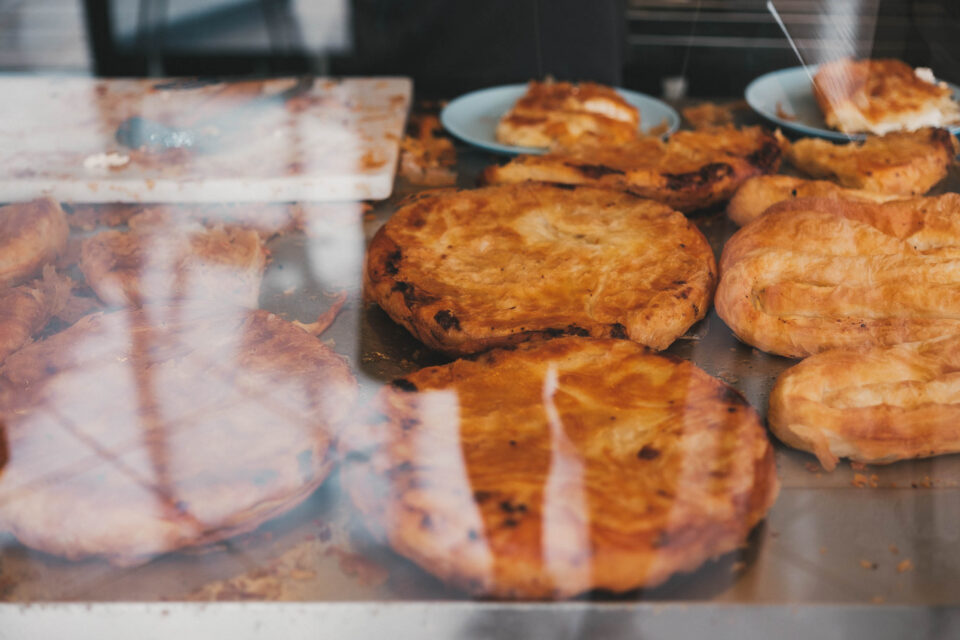
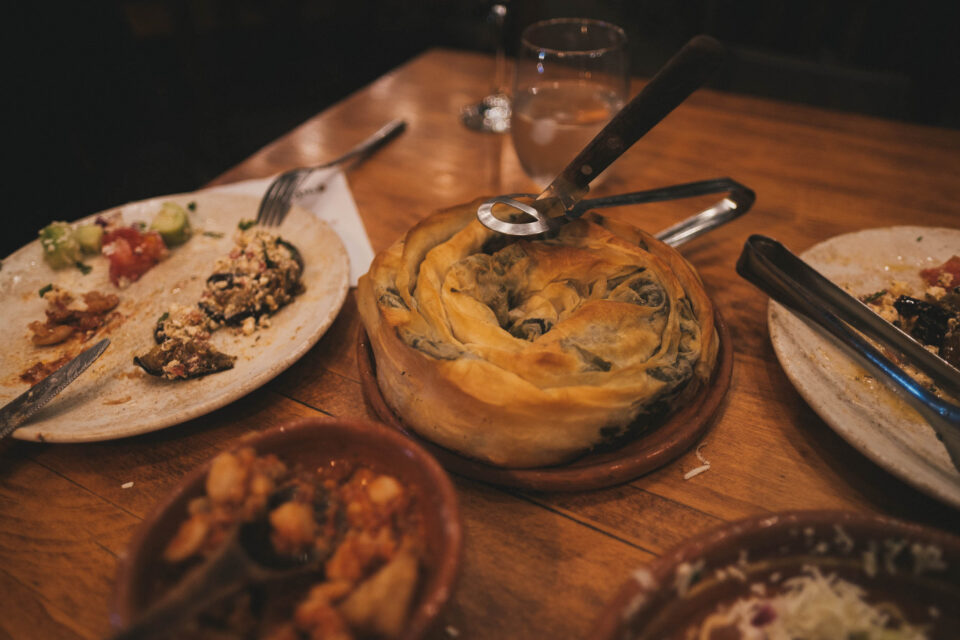
We rode into Žabljak, one of the few larger towns in the region, and saw signs for Durmitor National Park. I found myself more interested in the sign beside it: Pekara 50m—our first Montenegrin bakery. Outside buzzed with local workers and travelling hikers. Inside, I peered through the glass counter. Things had changed. The burek was no longer a snail-like swirl; it was a crispy, golden, pastry-topped pie. As two cheese bureks were handed over in a weighty bag, I realised they made their Bosnian counterparts seem dainty. These were all gooey filling—a generous centre of pure cheese. It was delicious.
Outside of the bakery, the town was deserted. We learned it was a national holiday; most shops and eateries would be closed for the next two days. With a remote route planned, I re-entered the bakery and bought three more, much to the server’s amusement. “Ukusno!” I said with a smile. Delicious! We pushed off with at least a kilogram of baked loveliness in a pannier.
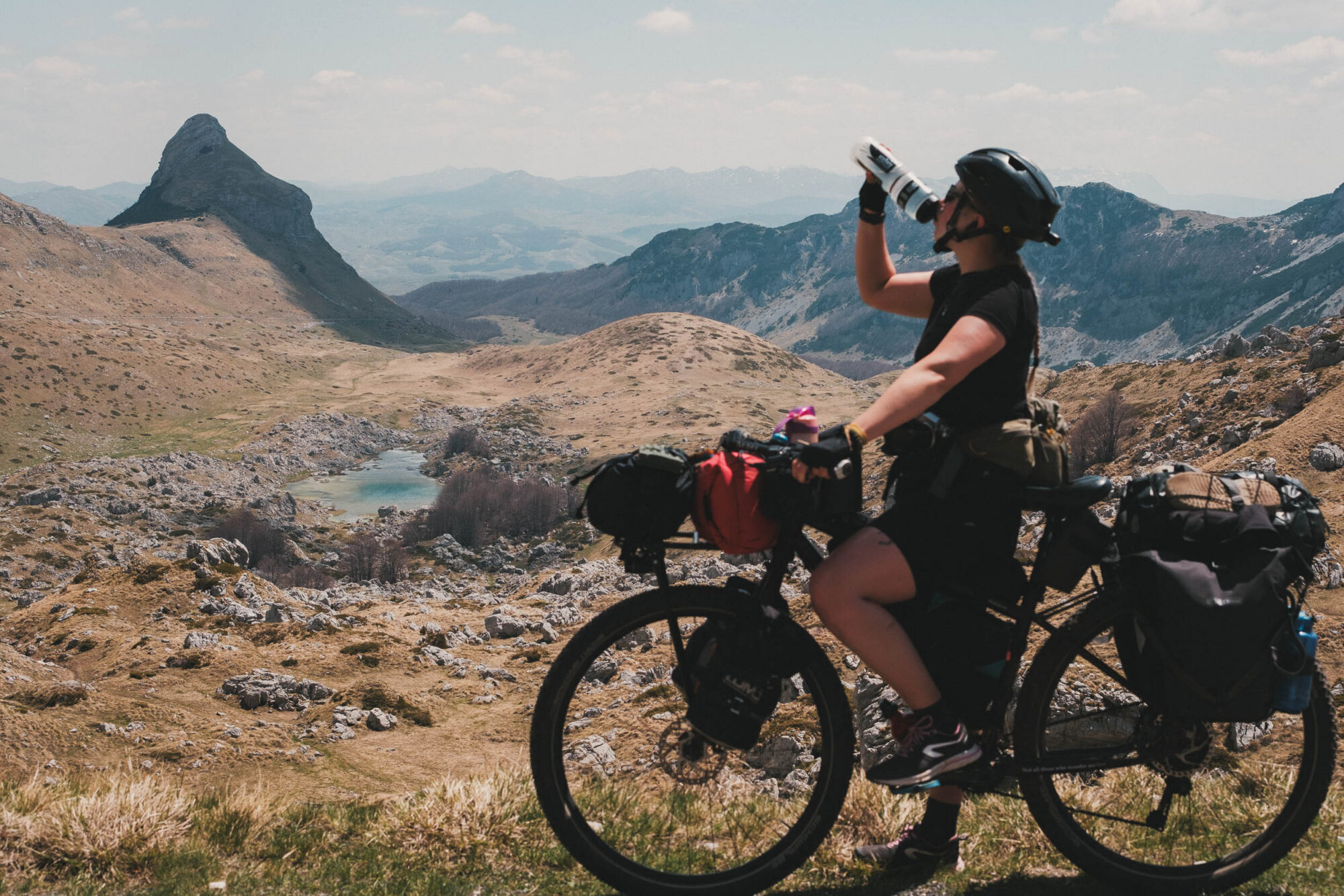
Wide gravel tracks weaved invitingly into remote valleys. We saw small tin-roofed villages, but only lonely horses seemed to be strolling through the sleepy plateaus—an expansive world that felt almost forgotten. We bumped along beside a vibrant glacial lake, a “mountain eye,” and sat by its luminous waters. Then we tore into the burek. It was a moment of pure bliss. No words were needed—we just grinned contentedly, absorbed our surroundings, and took turns biting into our cheesy treat, letting it tether us to the landscape.
Soon, we started a long descent. There was plenty of gravitational debt to reclaim, but with the world shut for two days and people seemingly vanished, there was nothing to ebb our flow. Breaks became deliberate, and snacks felt earned. Burek was our companion, now rationed but bringing an even bigger smile with each mouthful.
We entered Shkodër, Albania, on a balmy evening, with dust sticking to our sweaty legs and cicadas raucously buzzing. As a fiery sun set, we joined scores of cyclists, young and old, slowly pedalling along wide cycle lanes. “Can you remember the last time we were on a cycle lane?” Sarah shouted from behind, laughing.

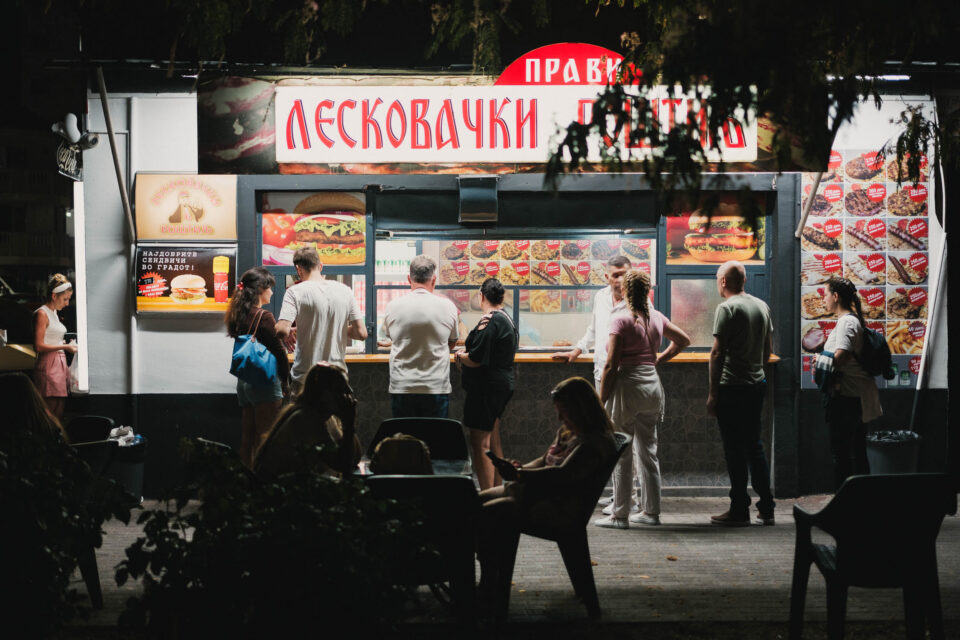
Riding deeper into the city, families played music whilst congregating in leafy parks filled with trees that roared with birds. The smell of barbecued corn drifted across as a swerving teenager on an electric scooter grabbed my attention. Shkodër pulsed with a hot, summer energy. To my surprise, I found myself charmed by it.
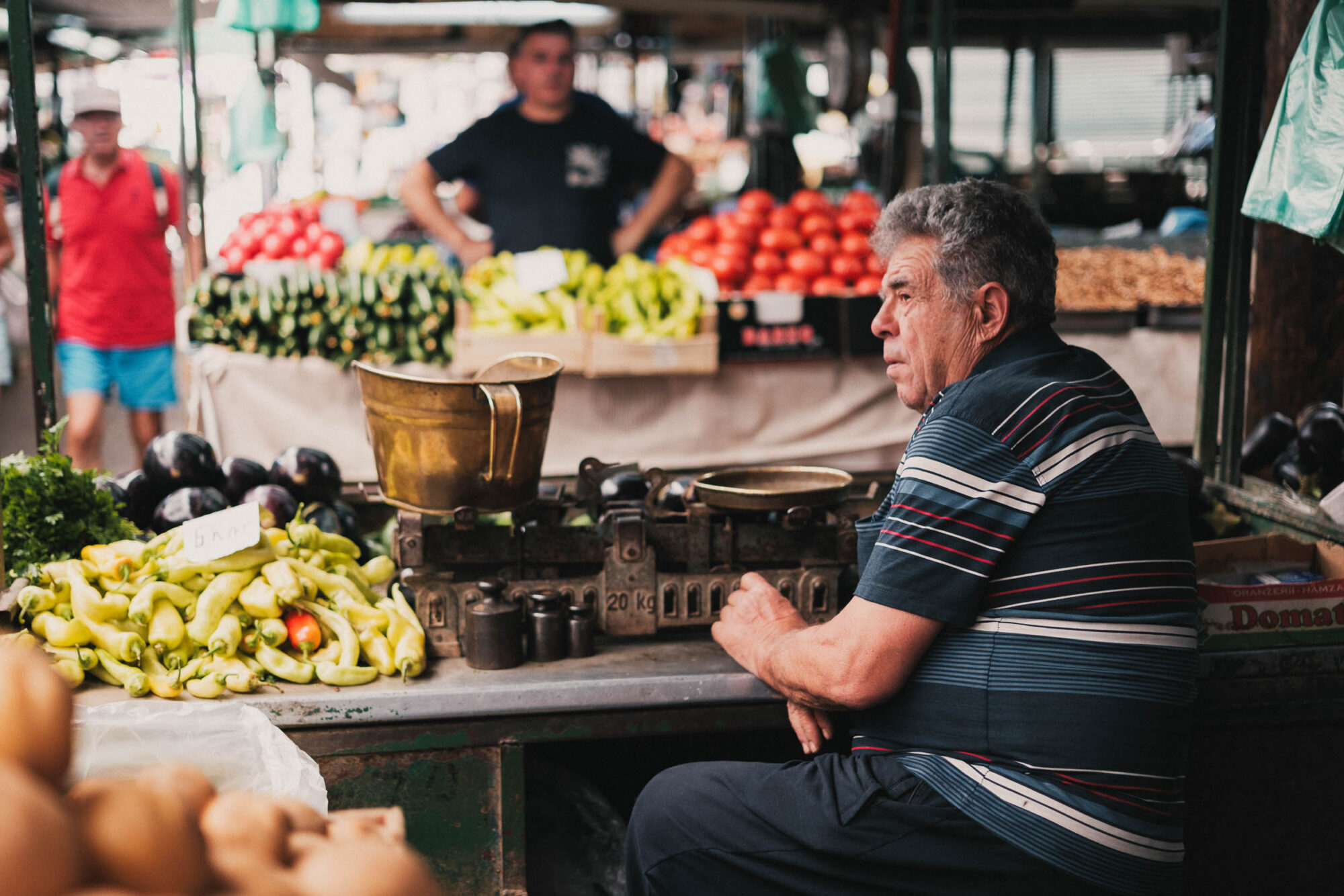
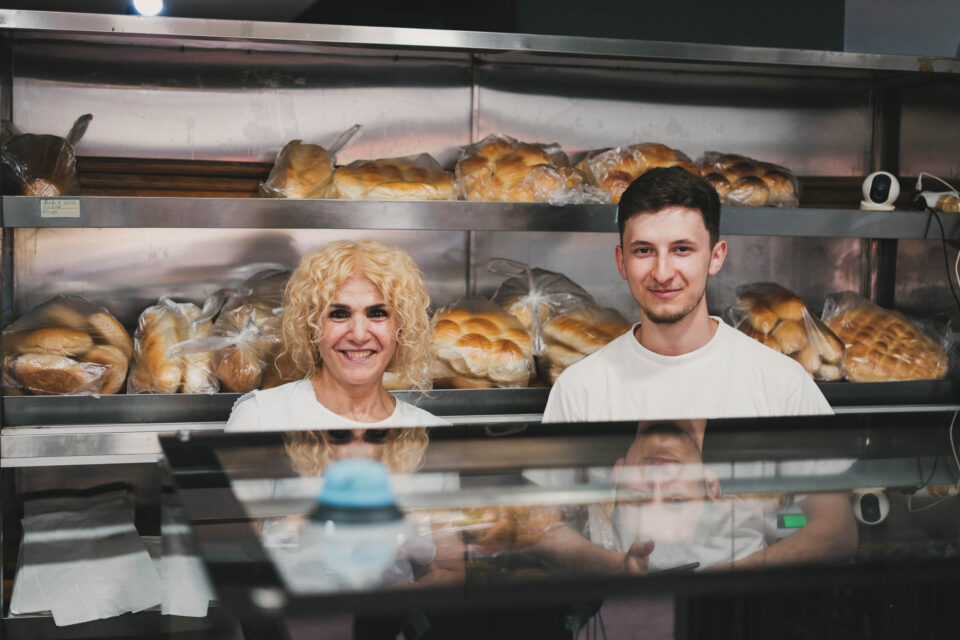
Over the last few months, burek had become a fixture in our morning rhythm, so I set out on foot to find a furrë—our first Albanian bakery. Walking the busy streets, I was aware how our bikes made us stand out: they’d been the invitation for curious onlookers to say hello. But here, I was simply one of the crowd. Then I saw two faces smiling from over a bakery counter, and felt immediately at home.
Mother and son, both beaming. “Spinaq… byrek… ju lutem,” I said with hesitation. They both laughed and responded in perfect English: “One spinach byrek. Anything else?” It was a family business, and soon the father and brother appeared. I sat outside, thinking about cities. I was intimidated by their size and frantic energy. I also hated the thought of moving so fast that the human connection would be forgotten. And because of that, I’d always closed myself off and rushed through. But as I sat there eating, I watched the city move around me—children collecting breakfast before school, patiently letting older generations queue first, policemen stopping to chat with passersby. Rather than feeling lost in the crowd, at the bakery, I was part of the community. Part of the daily rhythm. Our journey had begun in pursuit of wilderness, I knew. But as laughter and energy surrounded me, I saw cities differently—a cultural soul, full, dynamic, and brimming with community.
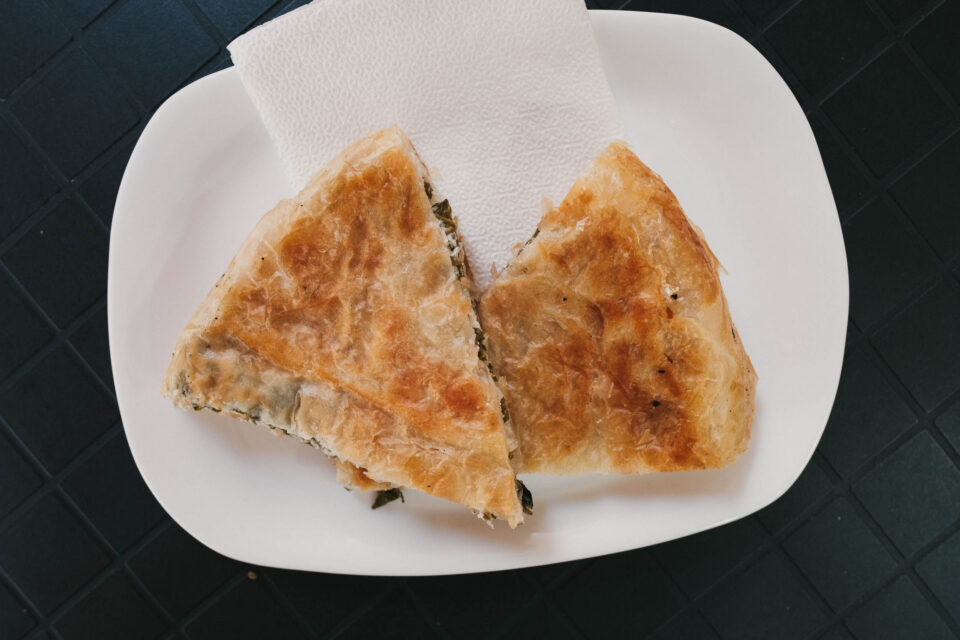
I went back each day for a byrek and ayran. They helped me practise my Albanian and filled our map with local recommendations. Most importantly, they became friends. After cycling for almost a year, those familiar smiling faces had a powerful impact. I was genuinely reluctant to leave Shkodër, which I hadn’t expected at all.
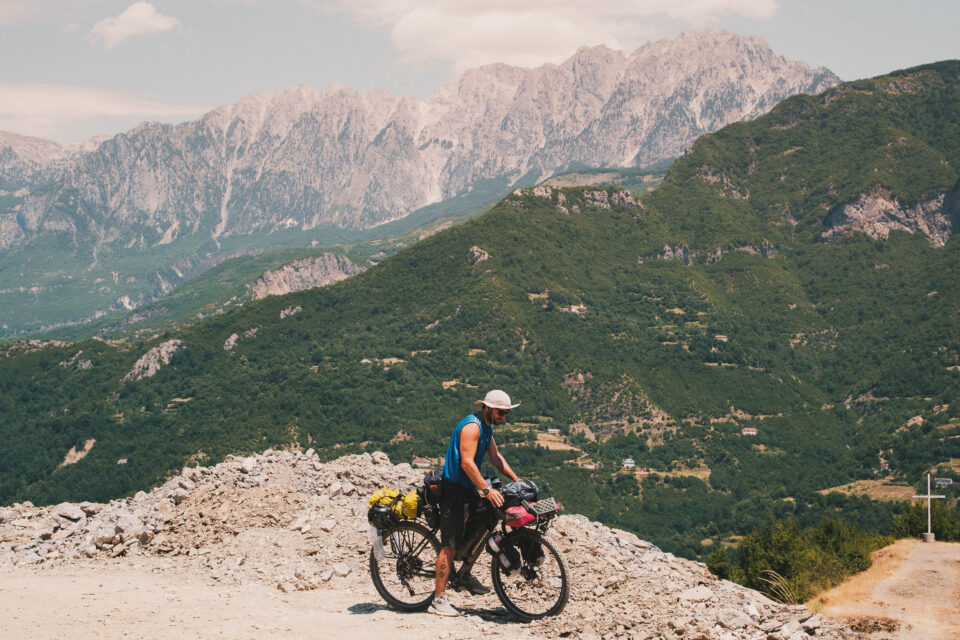
Quickly, we joined the Trans Euro Trail to wiggle our way through the country. It was some of the most testing riding of the journey: life became rural immediately, temperatures pushed over 40°C, and our wheels spun on chunky gravel as we traced our way through the Accursed Mountains.
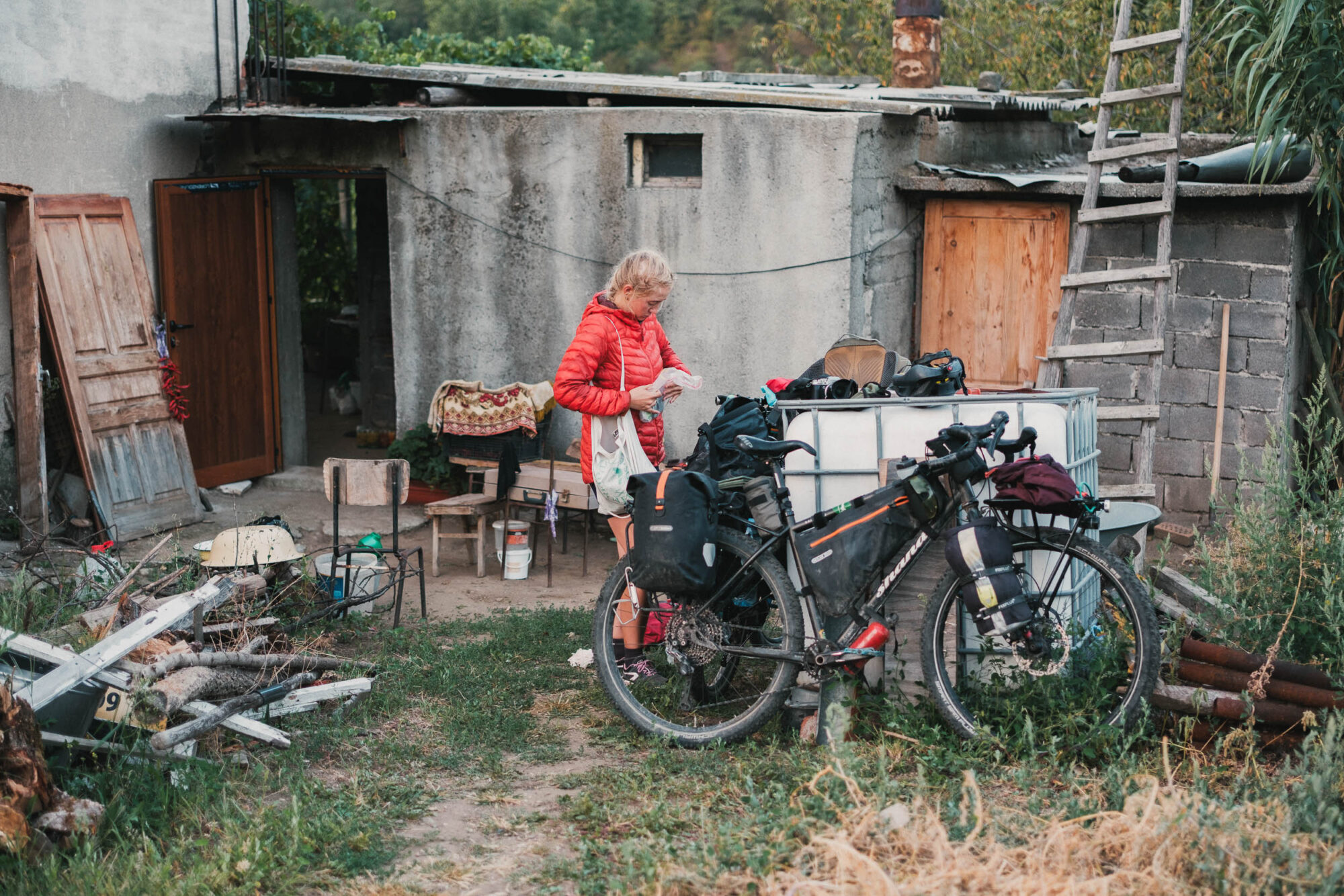
As the long day stretched, I was caught between appreciation and discomfort. My legs pumped, and my knee twinged on a particularly steep, rocky climb. Moods flagged. If we didn’t make it over the next climb before nightfall, tomorrow would be another vegetable-free day on dry food. Then, like a mirage, I spotted “furrë” scrawled in near-vanished chalk on a wooden fence.
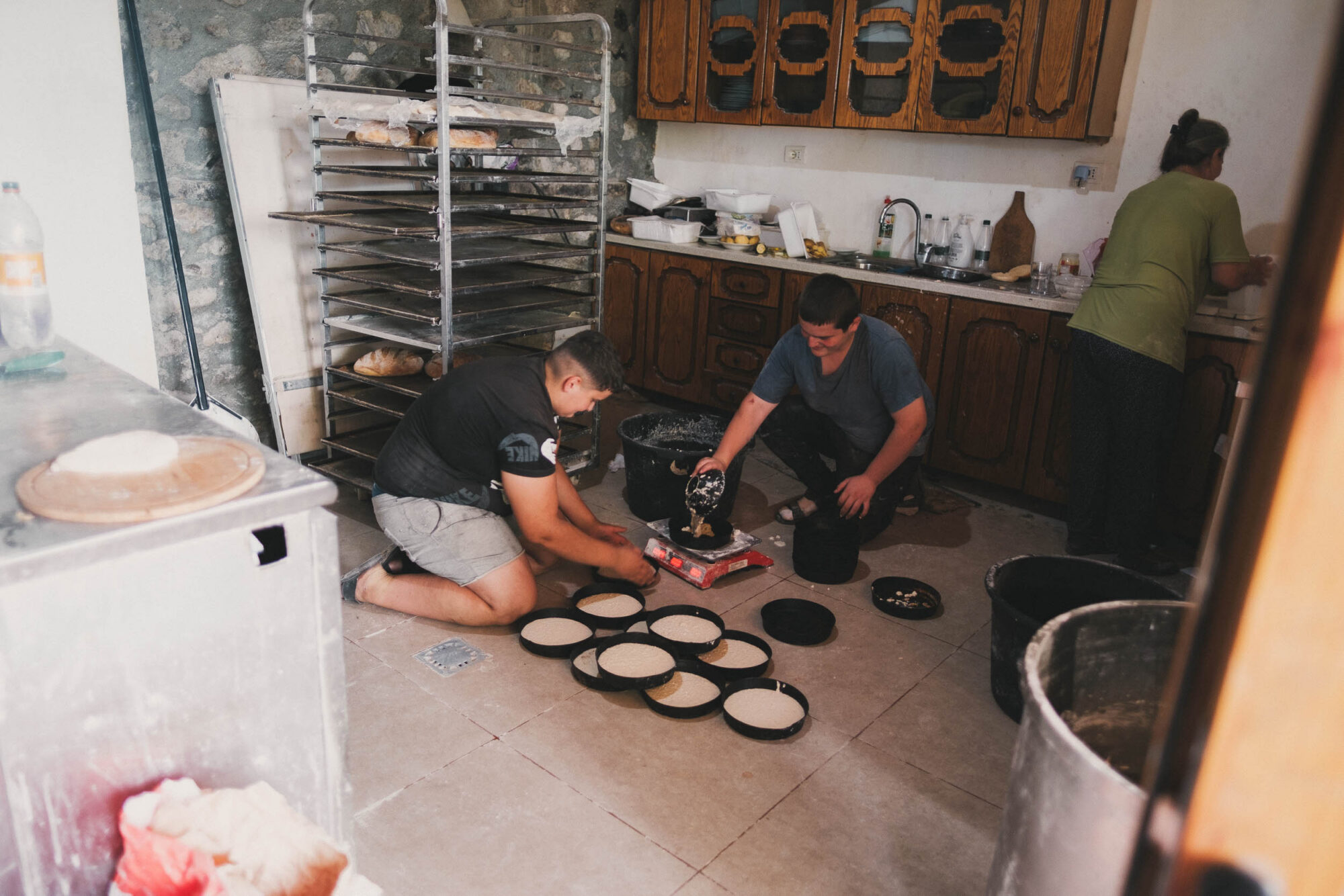
In a large wooden farmhouse, I saw two young boys rolling dough on the floor. Beside them, a man pulled bread from a wood fire while chatting to an elderly woman. Tommy, the older lad, had a warmth and openness, happy to ask the questions others avoided: “How do you afford such a journey? Do you not argue? Where do you poo?”
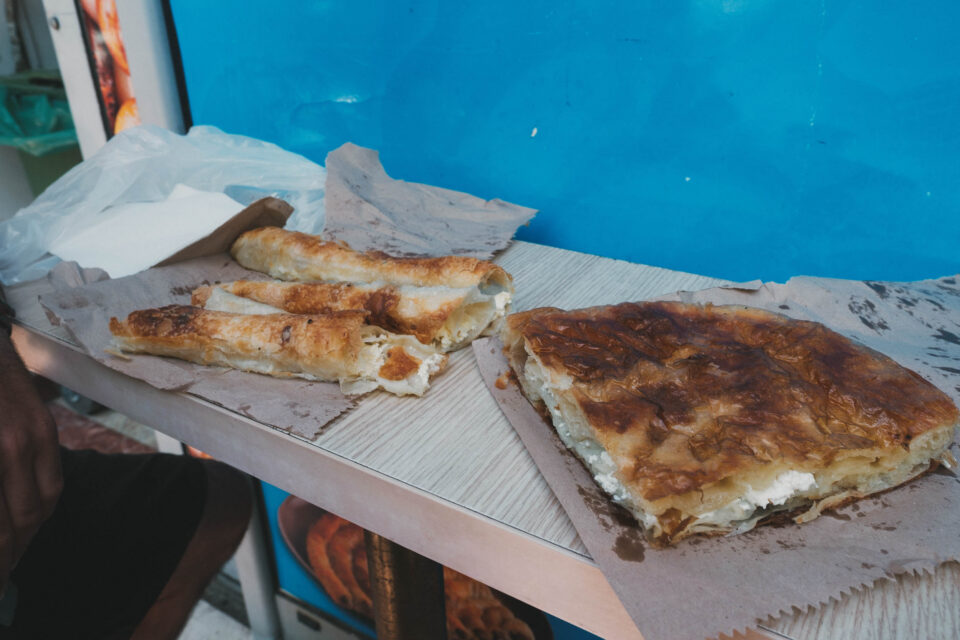
He brought us two spinach bureks, coffee, and ice-cold water. Then the elderly woman appeared with a toothless grin and presented us with a bag of fresh vegetables from their fields. Tommy was in the middle of giving us directions when his phone rang. He came back five minutes later, grinning excitedly. “I’m sorry, I have to go—we’re off to fight the government!” Local authorities were coming to demolish nearby houses built without permits. “We will grab our AK-47s and go in our tractors to stop them!” I laughed in surprise. “I’m not joking!” Tommy winked, and with that, he was gone, off to protect his neighbours’ homes.
For weeks, we only experienced sun and moonlight. And then, in North Macedonia, biblical rain fell. From a bakery window, I watched raindrops hammering on our GPS unit. I’d removed the distance and speed displays—just knowing where we were going was good enough. Sarah slid a plate in front of me, and my fingers tore into the steaming burek—I still hadn’t learned to wait for it to cool. Some elements of life don’t slow down, I thought.
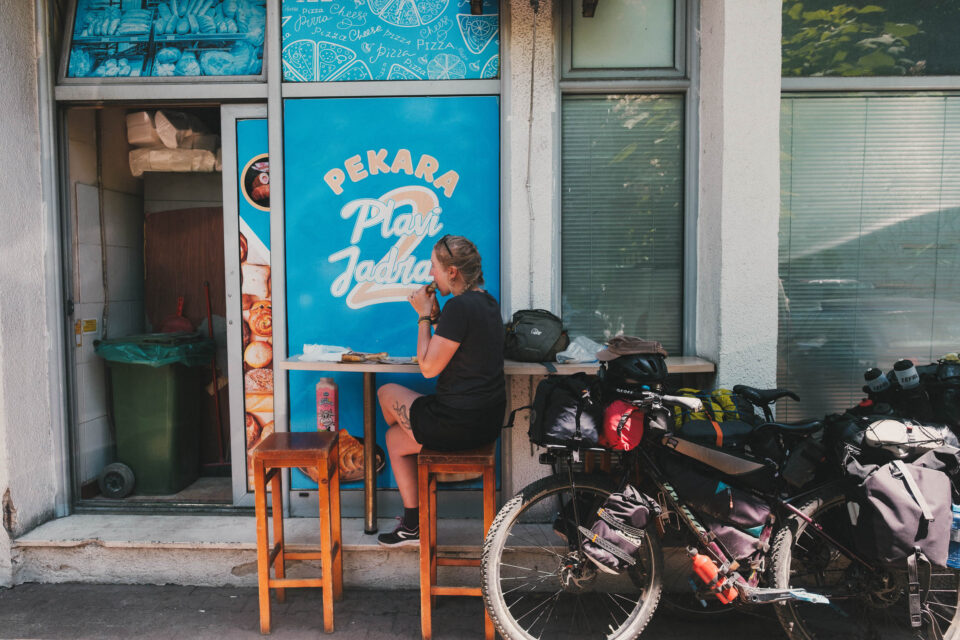
By this point, the early-trip pressure to keep moving was long gone. In the mornings, stops were no longer discussed. It was a silent language: following the scent of pastry or the sight of a bakery sign, we’d pull over. While the deluge fell, we ate what we agreed was the perfect burek: a pie-like shape with golden, salty, crispy pastry. But these stops were no longer just about the food; they were about everything that came with it.
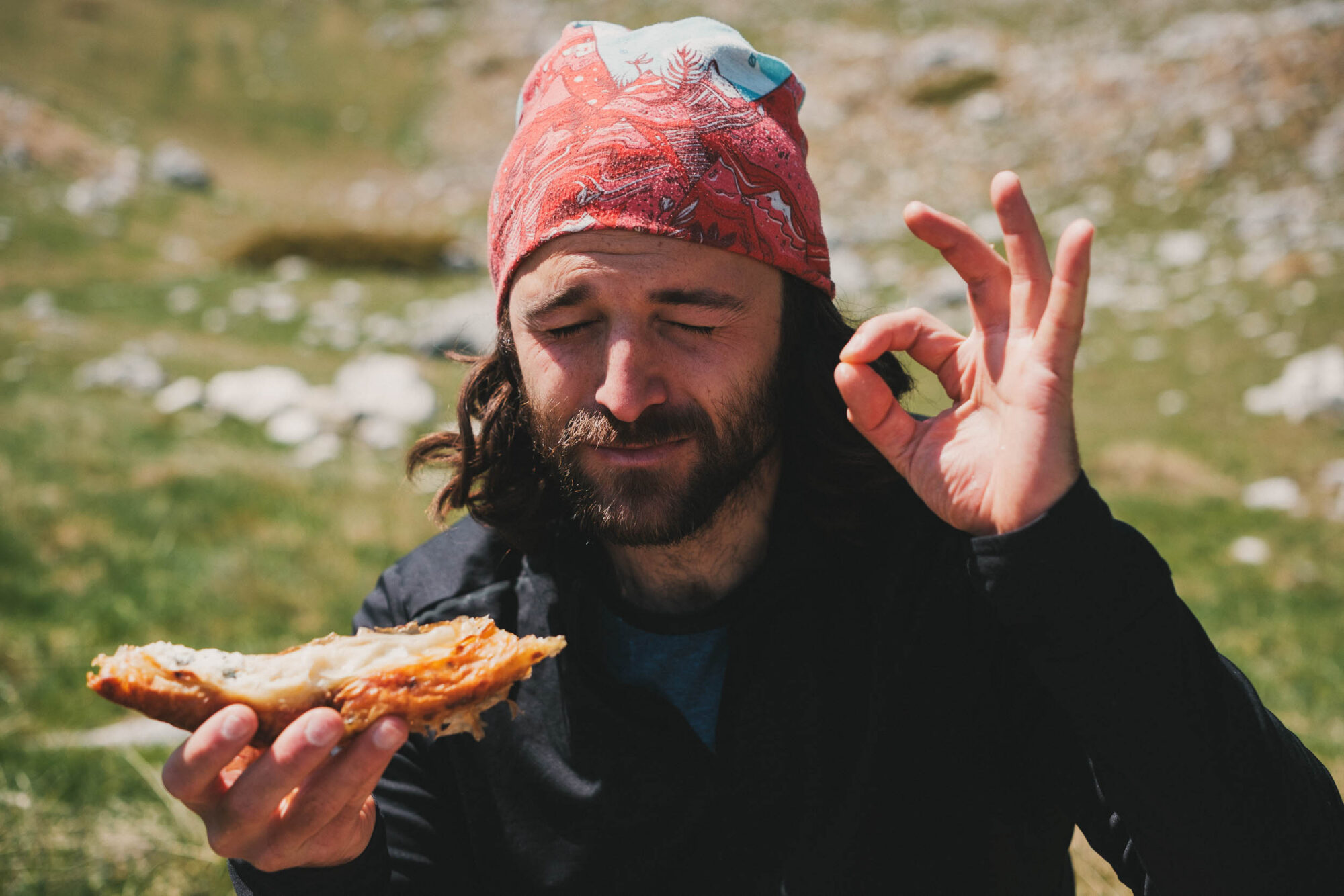
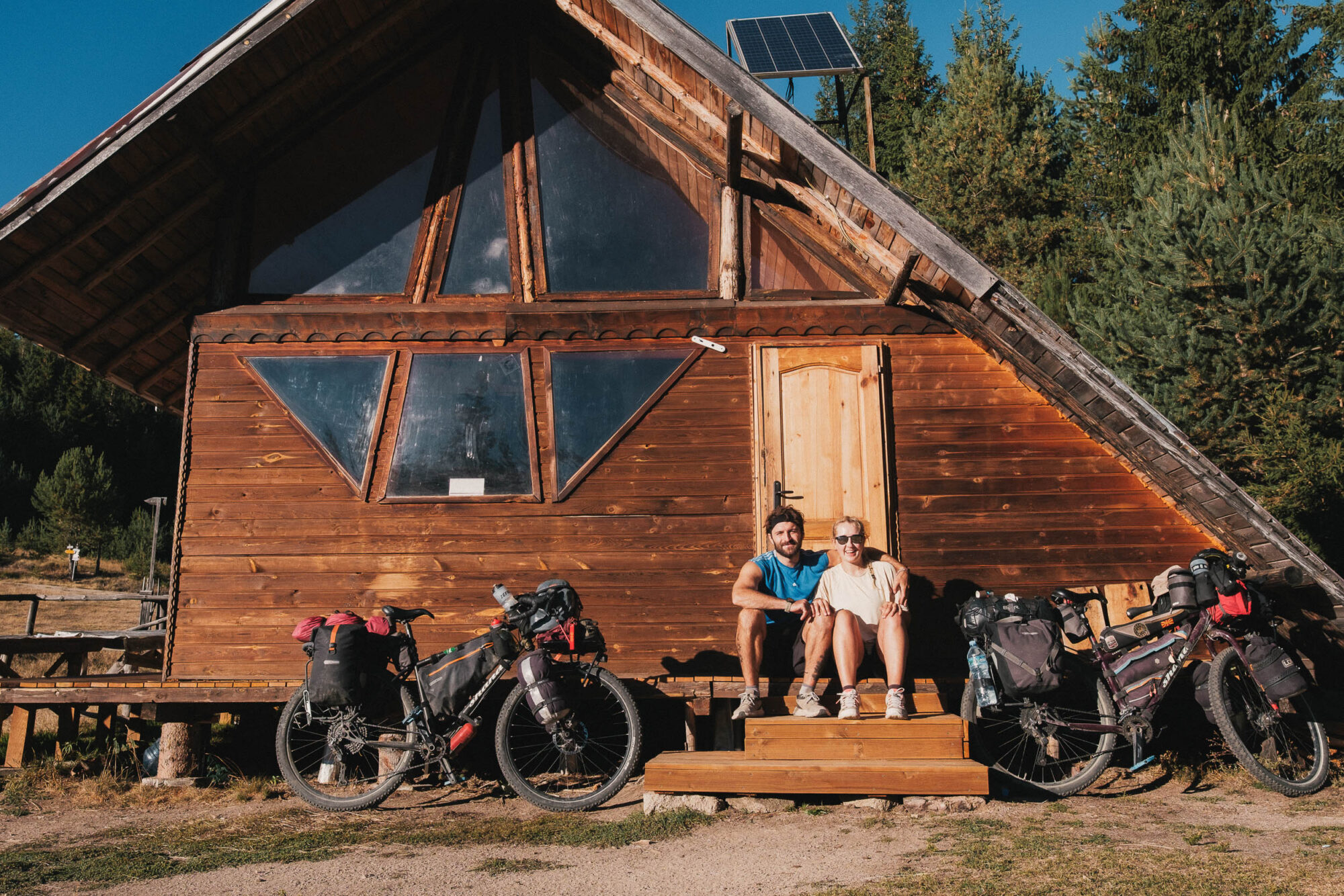
As we watched burek transform into banitsa in Bulgaria, it served the same purpose: a moment that wouldn’t be rushed, with the power to open our eyes to the world. Whether cheese, potato, spinach, or squash—swirled or folded, pies or slices—it was a victory of connection over cadence. It started with an acceptance to slow, continued with a smile across a counter, and ended with conversations, invitations, and understanding.
It seems fitting that I write this from Turkey, where locals tell us burek originated with the Ottomans. We’ve crossed the Bosphorus from Europe into Asia, and in some way, the Burek Trail is ending. As we travel further, this wonderful food has slowly morphed into pide; the coffee into çaj. Different flavours, different rituals, but the same unhurried portal into the world around us.
Further Reading
Make sure to dig into these related articles for more info…
Please keep the conversation civil, constructive, and inclusive, or your comment will be removed.