
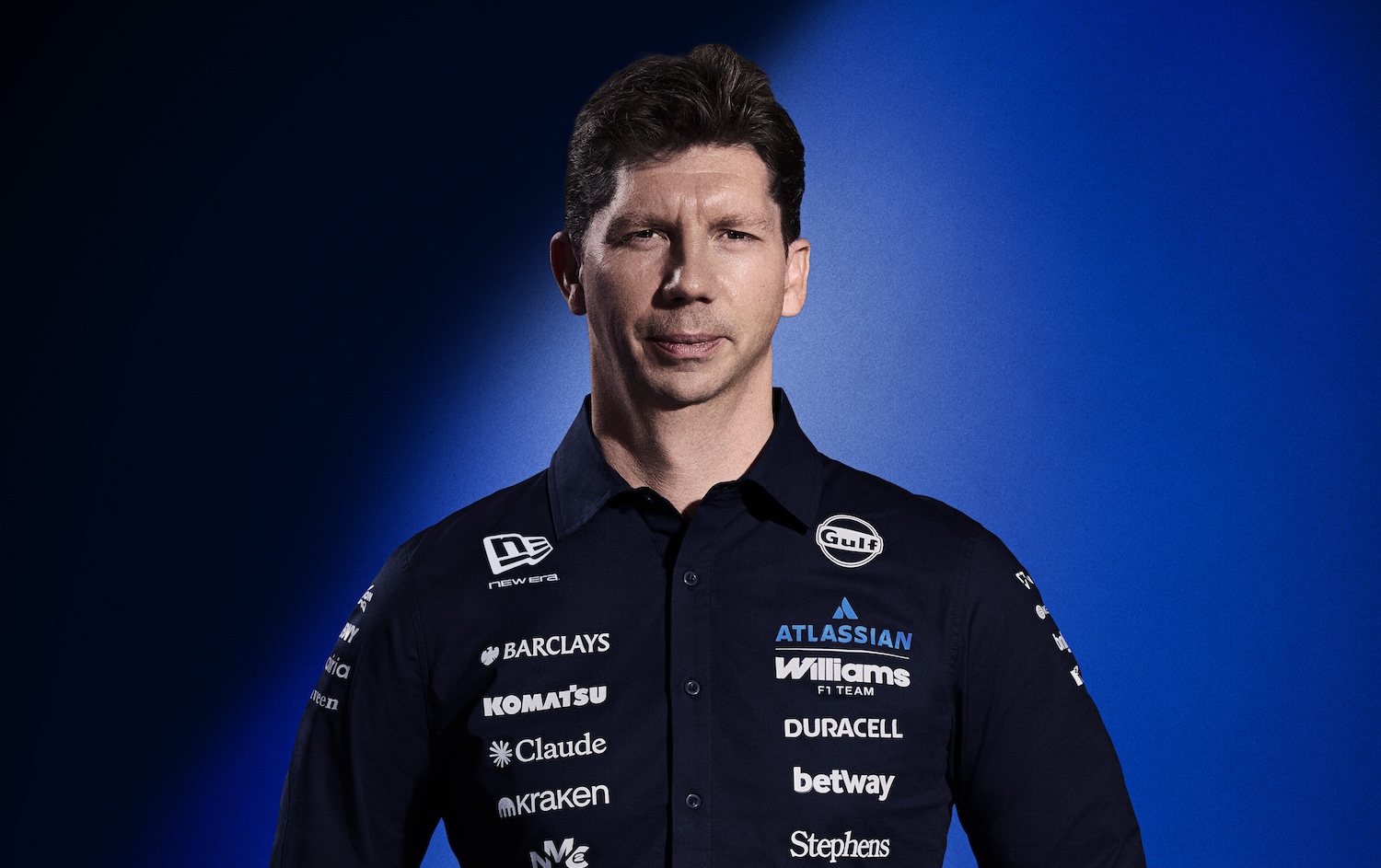
James Vowles on rebuilding a Formula 1 giant, taking risks, attracting talent, leadership, and why he never stops learning.
When James Vowles joined Williams Racing in 2023, he inherited one of the most ambitious transformation projects in Formula 1. The former Mercedes strategist arrived with a clear vision: restore one of the sport’s most iconic teams to championship-winning form.
Three years later, Williams continues to invest heavily in facilities, technology and people as part of a long-term plan targeting a return to the front of the grid by 2030. During the Monaco Grand Prix weekend, Paddock Magazine sat down with Vowles to discuss the progress made so far, the challenges that remain, how he manages risk and expectations, and the leadership philosophy guiding the Williams rebuild.
Paddock Magazine: When we last spoke in Monaco in 2023, you said many of Williams’ facilities were nowhere near the level required by a championship-winning team. How much has changed since then?
James Vowles: The good news is we’ve definitely moved in the right direction, but we’re not there yet.
A good example is our inspection facility. Previously, it wasn’t even capable of handling certain tasks at the level required in modern Formula 1. Today, that facility is operating at what I would consider championship standard.
We’ve upgraded a large amount of infrastructure around the machine shop, including how we manufacture components, handle jigs and fixtures, and manage processes across the organisation. We’ve also invested heavily in systems that sit behind the scenes but are absolutely critical for performance.
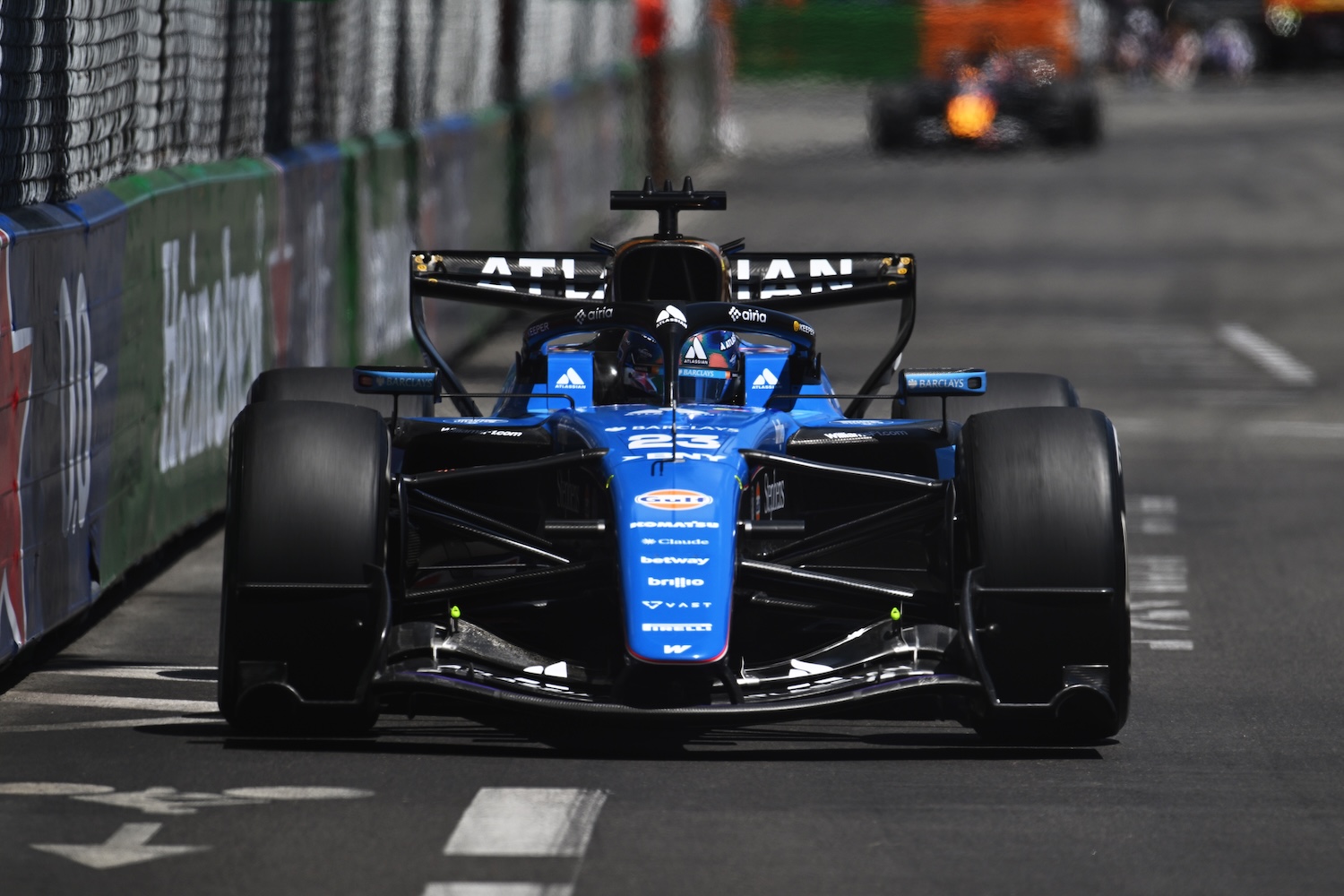
The direction is correct. The progress is real. But are we anywhere near championship level yet? No, not yet.
One of the biggest investments has been our driver-in-the-loop simulator, which represents roughly a £20 million investment. That’s world-class. That’s championship-level infrastructure. We have also invested significantly in additional facilities over the last twelve months, and those projects will move us even closer to where we need to be.
The challenge is that you cannot transform everything simultaneously. If you try to change the entire organisation at once, you risk disrupting the business. You have to build step by step, which is one of the reasons why I continue to say that 2030 is a realistic target for Williams to return to championship-winning form.
PM: Do you still need to fight internally for resources and facility development, or is the long-term plan already secured?
JV: No, I don’t need to fight for resources.
Dorilton Capital has provided every single penny I have asked for. There has never been resistance to investing in the future of Williams.
The challenge today is not a lack of willingness to invest. The challenge is how Formula 1’s financial regulations work.
The cost cap has changed the way teams approach infrastructure development. If you invest £20 million in a facility that lasts ten years, part of that cost effectively continues to impact your annual budget through depreciation. As a result, you have to be extremely intelligent about how and when you invest.
If we tried to build everything immediately, we’d create a very large financial burden on ourselves moving forward. That’s why we spread projects over time.
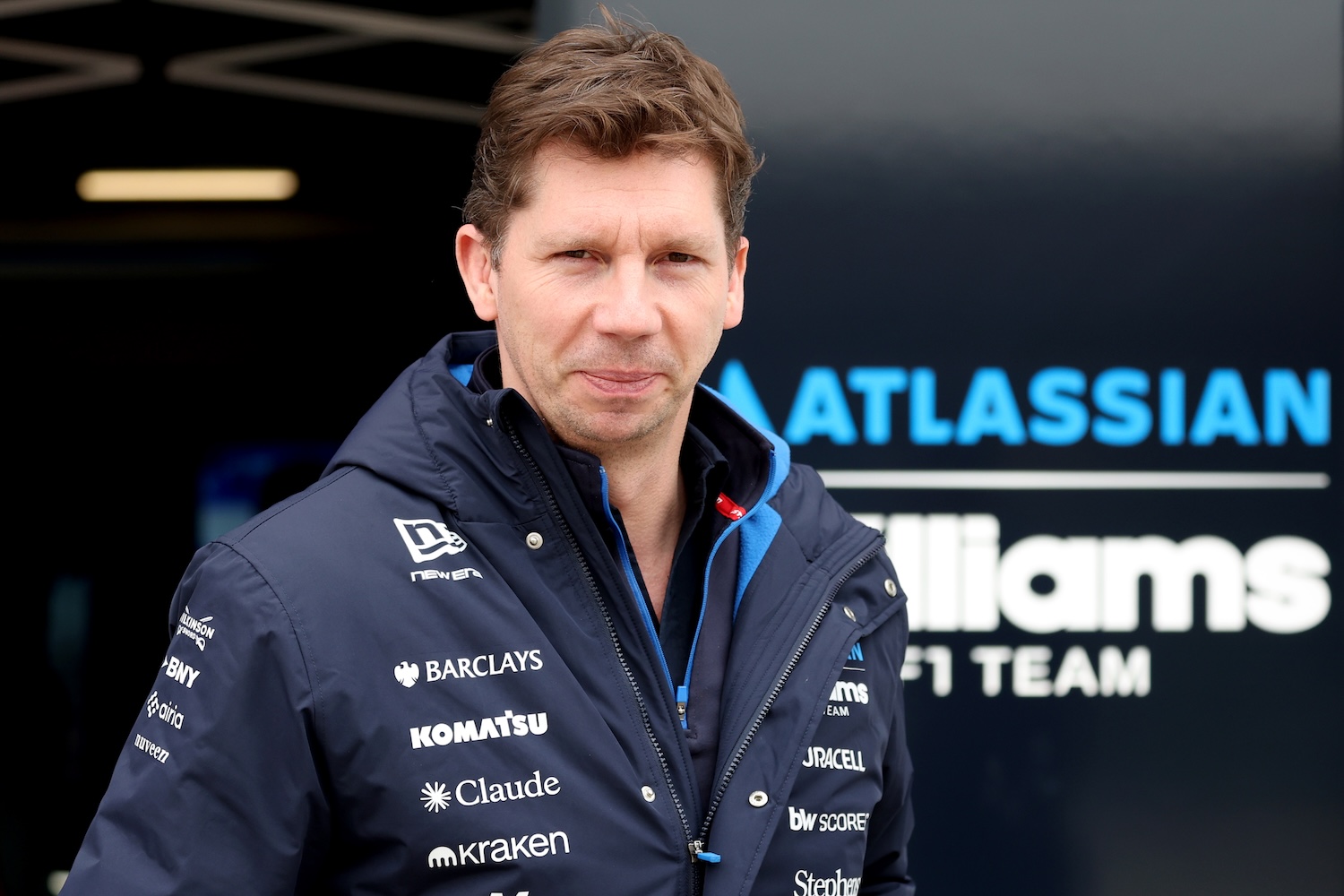
If someone built those facilities ten years ago, those costs wouldn’t affect them today. We’re effectively building them now, so we have to be very smart about how we manage that process.
Would we get there faster without a cost cap? Potentially. But Ferrari, Mercedes, McLaren and Red Bull would also spend substantially more money.
Overall, I prefer the cost-cap era. It’s good for Formula 1. It simply means the journey takes a little longer.
PM: How much risk will Williams need to take between now and 2030 to achieve those goals?
JV: A lot.
But that’s why I’m here.
We’ve already taken a lot of risks during the rebuilding process. Not everything has gone according to plan, but every challenge teaches us something valuable and accelerates our development.
To become a championship-winning team, we have to beat organisations like Mercedes, McLaren, Ferrari and Red Bull.
Mercedes spent years building world-class facilities and capabilities. McLaren has invested heavily over a long period as well. These organisations possess advantages that have been developed over decades.
We’re not going to catch them by simply repeating what they did five years ago.
By definition, we have to take risks to move ahead of them.
If you want to become the best, you need to be prepared to innovate, challenge convention and sometimes make uncomfortable decisions. That’s part of the process.
PM: Williams has attracted several high-profile recruits recently. What makes Williams an attractive destination today?
JV: Firstly, I think we’re differentiated by technology.
We want technology to sit at the heart of everything we do. We don’t want to be another Formula 1 team doing exactly the same things as everyone else.
Secondly, we empower people.
There isn’t an individual within our business who isn’t capable of contributing to performance. Everyone has the ability to make a meaningful difference to the organisation.
That’s incredibly important because people want to feel part of something bigger than themselves.
Then there is the history of Williams.
Realistically, only Ferrari and McLaren can match our heritage in Formula 1. That’s a powerful thing.
But perhaps what impresses me most is the passion inside the organisation.
I recently saw a project move from aerodynamic work to design, release and manufacturing in around eighteen hours. Normally, that would take weeks.
That happened because people stayed late, worked incredibly hard and wanted to help move the team forward.
That’s not something you can manufacture. That’s genuine passion.
There is also a warmth around Williams. I wouldn’t call it a family because I think that’s often overused in business, but there is a genuine sense of belonging here. People feel welcomed and valued.
Those things matter when you’re building something long-term.
PM: During difficult periods, how do you keep the drivers motivated and stakeholders aligned with the long-term vision?
JV: Through transparency.
When we encountered challenges, I shared those challenges with the drivers immediately.
I didn’t wait. I didn’t filter information. As soon as we knew something, they knew it as well.
The drivers are not separate from the organisation. They are leaders within the organisation. They deserve to understand exactly what is happening, whether the news is positive or negative.
We also make sure they understand the pathway forward.
It’s important that people judge us not simply on the setbacks we’ve experienced but on what we continue to deliver, race after race, as we improve.
A few years ago, if Williams found itself near the back of the grid, it often stayed there.
That isn’t who we are today.
Today, if we’re behind, we fight our way forward.
The transparency helps keep everyone on the same journey, and I think if you speak to our drivers, you’ll hear exactly that. They understand where we’re going and why we’re making certain decisions.
PM: You have a strong engineering background, but you also lead a complex organisation. How do you balance technical involvement with leadership responsibilities?
JV: That’s one of the most important aspects of being a Team Principal.
You need to be strategic. You need to think long-term. You need to understand where the organisation is heading and how you’re going to get there.
But I also believe a good Team Principal must be capable of diving deep into the organisation and understanding why something isn’t working.
If you’re always operating at a strategic level and never understand what’s happening on the ground, I don’t think you can build the strongest organisation possible.
So the challenge is balancing strategic and tactical thinking.
Sometimes I’m too tactical.
Sometimes I’m too strategic.
Fortunately, I have a very strong leadership team around me that helps provide course correction when necessary.
Leadership isn’t about one individual anymore. It’s about creating a team that can challenge each other and make better decisions together.
PM: How would you describe your leadership style?
JV: Honest, transparent and direct.
If we have a conversation, you’ll know exactly where you stand.
I don’t believe in creating uncertainty. I don’t believe in excessive layers of communication.
At the same time, I think it’s important to be understanding.
I’ve spent many years in different roles within Formula 1, and that experience helps me understand the pressures people face.
So while I can be direct, I also try to be supportive and understanding of the challenges others are dealing with.
PM: Do you still actively work on developing yourself as a leader?
JV: Absolutely.
Not for a second do I think I’ve finished learning.
I have peers in Formula 1 who have won multiple world championships as Team Principals. I haven’t achieved that yet.
Even when I do achieve that, I don’t think learning stops.
What’s fascinating is that there are incredible organisations outside motorsport—companies like Netflix, Amazon and Google—that approach leadership and culture in different ways.
There is always something to learn.
As a human being, I find that exciting.
I enjoy discovering new ways of solving problems, even if it’s ultimately the same challenge.
I hope I’m still learning until the day I pass away.
PM: Are there any books or resources that have particularly influenced your thinking as a leader?
JV: There are many.
One book I often recommend is Where Good Ideas Come From.
I’m also a big fan of Matthew Syed’s work. Black Box Thinking and Rebel Ideas are both excellent books because they explore learning, performance and decision-making from different perspectives.
Another author I’d recommend is Amy Edmondson. Her work around intelligent failure is particularly valuable.
The important thing is understanding that leadership books don’t provide a formula.
No one can tell me exactly how to lead Williams Racing.
What they can do is provide tools, frameworks and different perspectives that help you become a better leader.
PM: Away from Formula 1, you have a well-known passion for aviation. Where does that come from?
JV: Ever since I was young, I was fascinated by speed.
It started with running, then cycling, then riding motorcycles as soon as I was old enough.
Cars followed naturally.
Aviation was simply the next step.
I fly both helicopters and aeroplanes, and one of the things I love most is the freedom that comes with it.
With a helicopter, you can decide in the morning that you want to explore somewhere and simply go. You can land almost anywhere, discover somewhere new and have experiences that wouldn’t otherwise be possible.
I love that sense of freedom.
I also love being exposed to environments that very few people get the chance to experience.
Last year, I had the opportunity to fly with the Blue Angels, and that was genuinely a dream come true.
I don’t know many children who don’t dream about becoming a fighter pilot at some point.
To experience that environment, to fly at those speeds, to see what those pilots do—it was incredible.
That’s what aviation represents to me: exploration, freedom and speed.
PM: How often do you actually get to fly these days?
JV: Not as often as I would like.
This year I’ve only flown an aeroplane twice and a helicopter twice as well.
Formula 1 tends to keep me fairly busy.
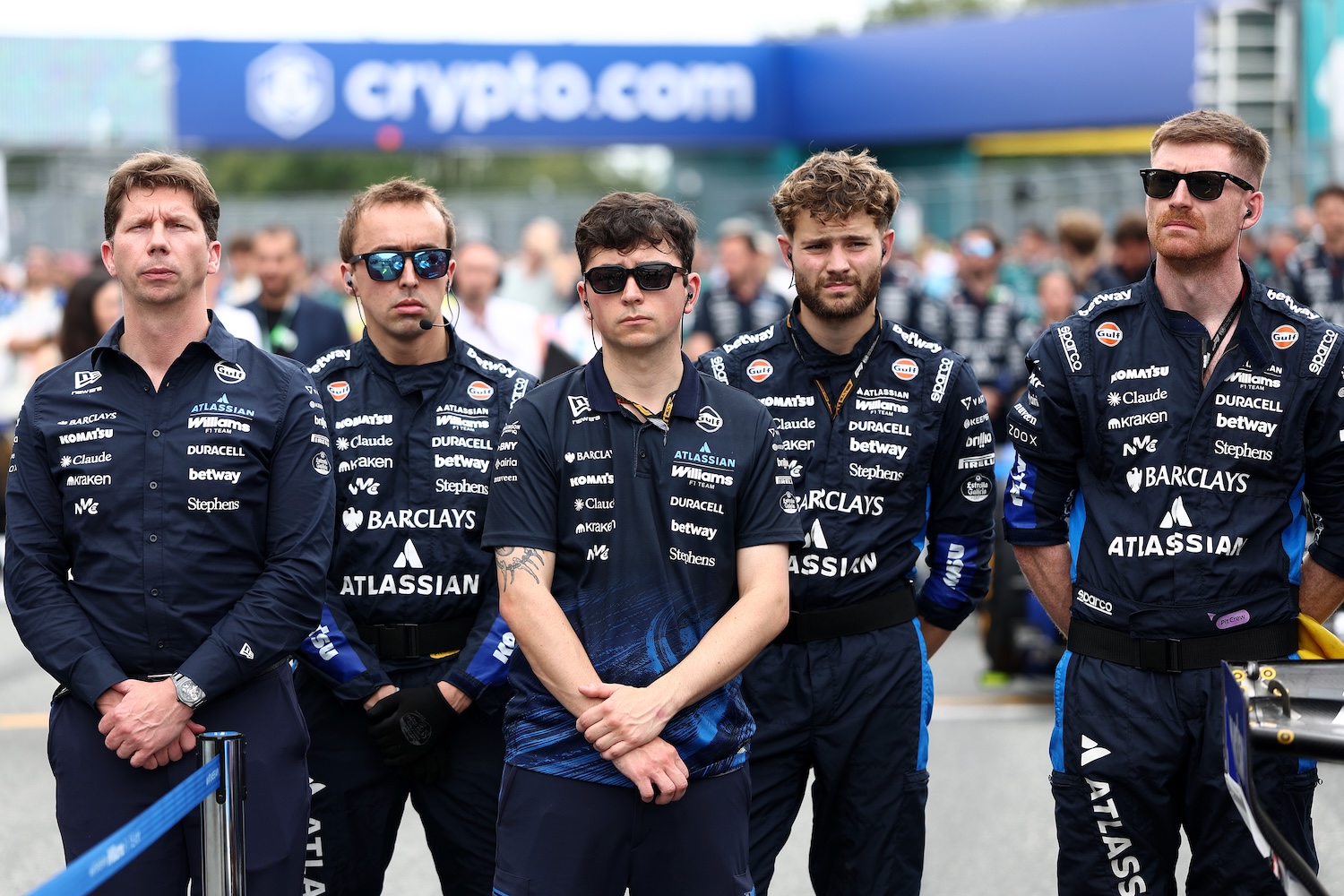
James Vowles may have arrived at Williams with a long-term vision, but three years into the project, the foundations are clearly taking shape. The road to 2030 remains demanding, and Vowles is under no illusion about the scale of the challenge ahead. Yet perhaps the most striking aspect of his leadership is not the ambition itself, but the clarity with which he describes it. Williams’ destination is fixed. The task now is executing the journey.