
Improved VO2 max by 4,4%
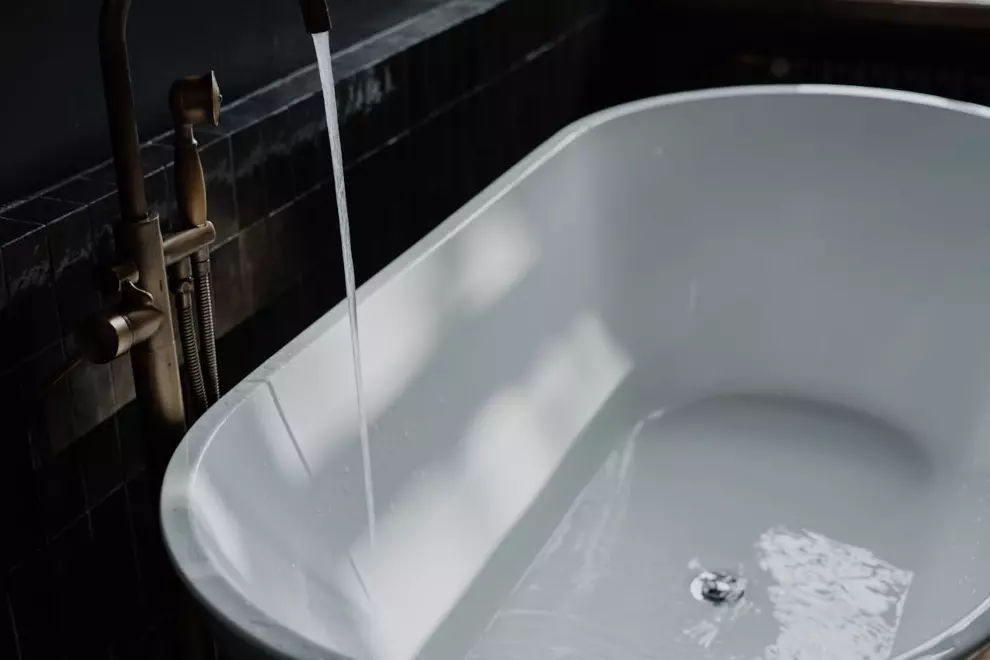
The researchers recruited 10 well-trained runners (average VO2 max of 64,5 mL/min/kg) and had them soak in 40–42°C water for 45 minutes, 5x per week, for 5 weeks. Their training remained unchanged; only the hot baths were added. The researchers then compared it to the same 5-week training block without the hot baths after a 5-week washout period. This crossover design ensured that any improvements came from the heat exposure itself, not from changes in training load. The results of this study are quite impressive. These changes are significant enough that it’s reasonable to think that they would make a difference in a race.
VO2 max: Increased by 4,4% from baseline
Haemoglobin mass: Increased by ~3,5%
Blood volume: Expanded by ~300 ml
Cardiac function: Improved stroke volume by ~7% and left ventricle volume by ~6%
Performance: Athletes ran 0,8 km/h faster during a VO2 max test
How does hot water make you faster?
When you expose your body to heat, such as a hot bath or sauna, your heart rate rises, and your body responds by increasing blood plasma volume. This helps with cooling, but also improves oxygen transport and cardiovascular efficiency. Over time, your body produces more red blood cells, your heart pumps more blood per beat, and your aerobic capacity gets a meaningful upgrade. Think of it as a low-effort way to mimic some of the benefits of altitude training, but without the need for thin air or high-intensity sessions.
Passive heat training protocol
If you want to try this for yourself, you can use the same protocol as the researchers in their study. Just make sure to pair this with easier training; don’t do it after a hard session because it’s not exactly a spa treatment – it’s demanding.
- Frequency: 5 sessions per week
- Duration: 45 minutes per session
- Water temperature: 40–41°C
Just be warned that this is not a magic bullet. Passive heat training won’t replace the benefits of cycling, such as neuromuscular adaptations or pedal efficiency. Also, they observed varying degrees of positive effect among individuals in the study. You won’t know whether you will have a small or a large response to hot baths until you try. And keep in mind, you’ll need access to a hot tub or at least a bathtub that you can reliably keep at 40–41°C for 45 minutes. This may not be as easy as it seems.
Should you give it a try as a cyclist?
The protocol works. It was shown in the study, and people have even replicated it outside of academia. Check out this video of well-trained runner Göran Winblad trying the protocol on himself.
It seems like a no-brainer to give it a try. But as Goran pointed out in his video, 45 minutes of easy-to-moderate exercise is likely to produce similar adaptations. You have to ask yourself whether the 45 minutes 5x per week would be better spent on a bike. Most amateur cyclists will probably have to answer yes because there’s simply not enough free time for cycling as is.
But I can see a few scenarios where hot baths would make sense. For example, if you are the rare cyclist who has the extra time, then you can give your cardiovascular system a workout even on those days when your legs need a rest. Or if you’re getting ready for a race in a hot climate and you live in a cooler region, you can sacrifice some time in the saddle to adapt to the heat faster.