
Cyclists Hub is supported by its readers. We may receive a commission if you buy products using our links.
All content on Cyclists Hub is written by humans, not robots. Learn More
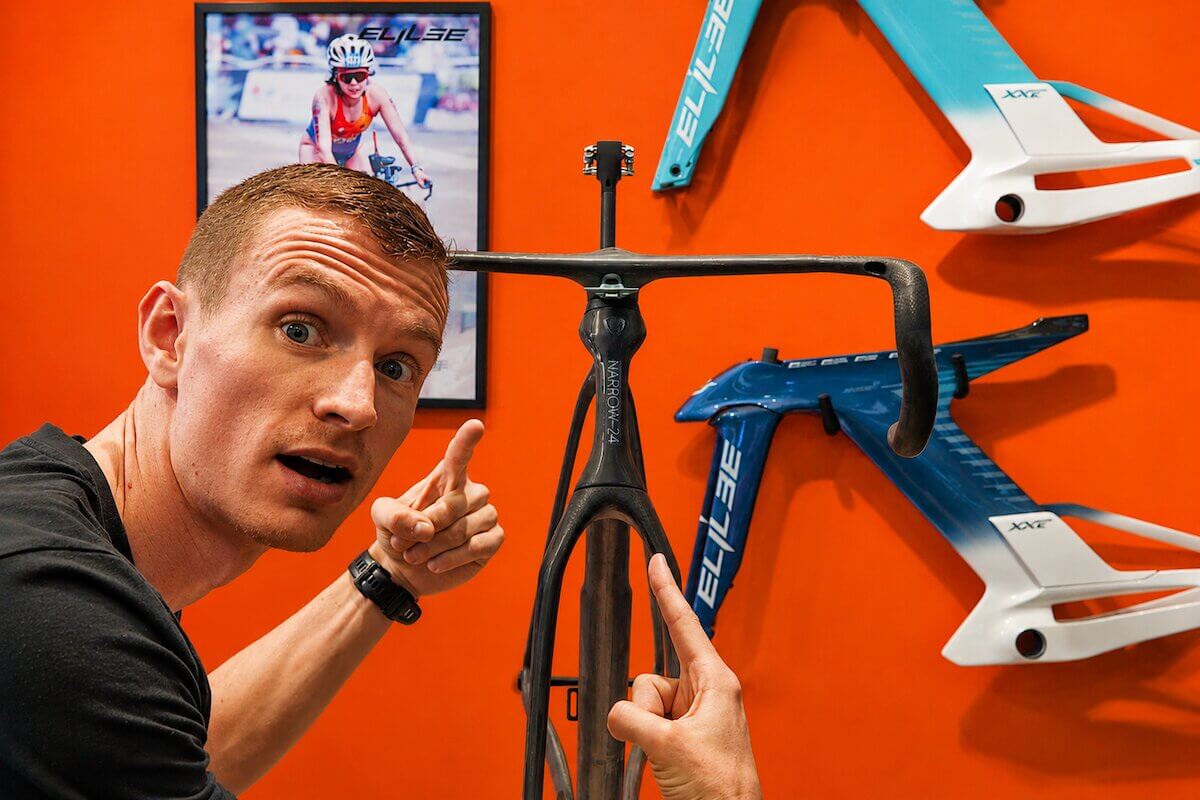
Elilee showed up at the Shanghai Bike Show 2026 with two new products worth paying attention to: the Suanni, a new aero road frame priced to undercut established Chinese competition, and a new-generation EK01 spider power meter that claims 59g on the scale. Here’s what I found at the booth.
Suanni: Half the Price of the INCOLOR SSR, Same Aero?
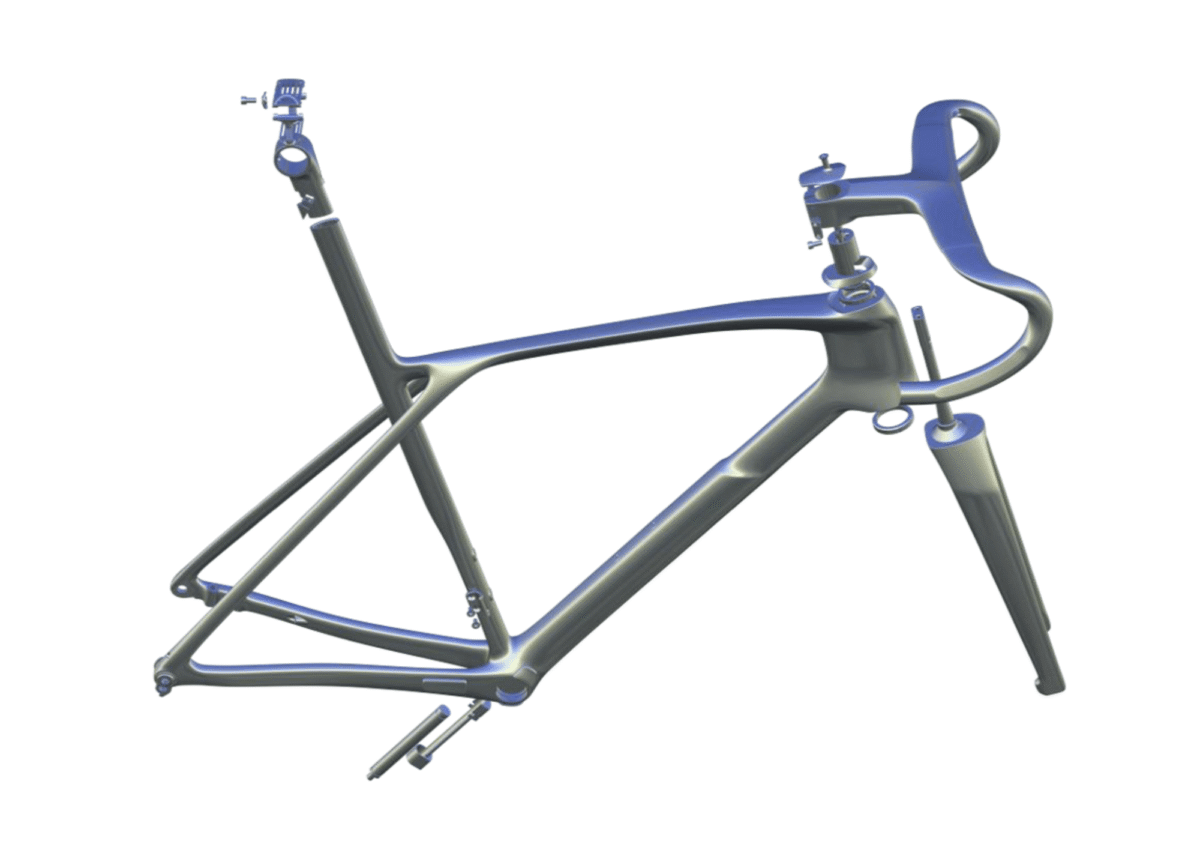
The number that defines the Suanni is an estimated price of around $2,000, at least that’s what the Elilee representatives told me when I stopped by. They were upfront that the number could still change before launch. For comparison, the INCOLOR SSR costs roughly $4,500 for a 750g frame, a 380g fork, and a T47A bottom bracket. The Suanni comes in at 700g for the frame with an integrated seat post and 350g for the fork, runs a BSA-threaded bottom bracket, and targets the same lightweight aero segment at half the price.
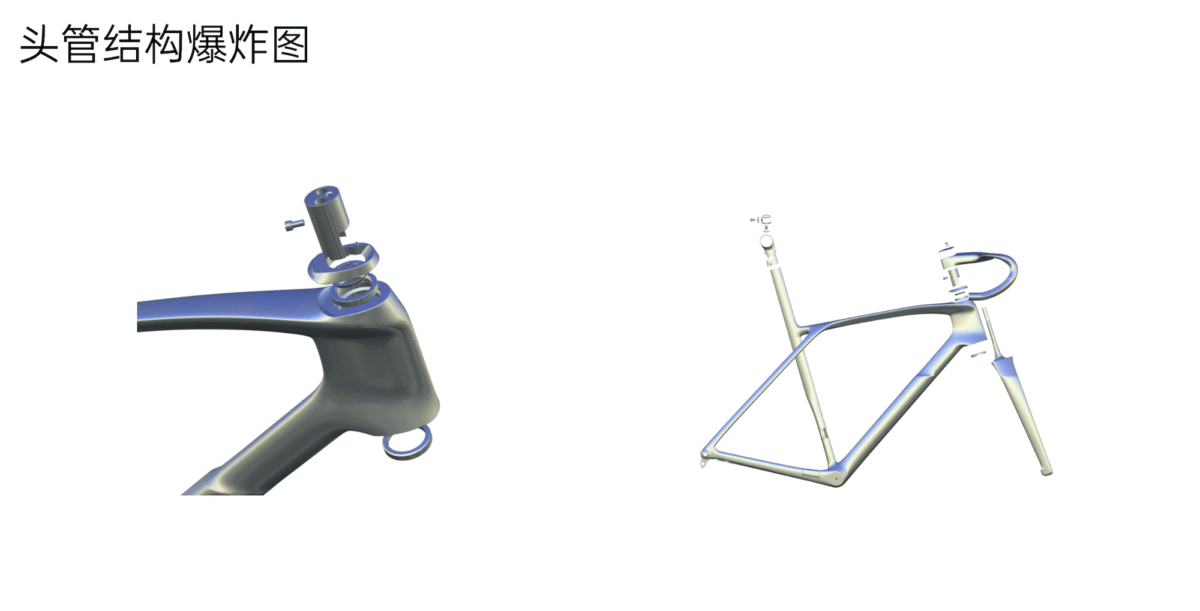
One of the standout details in person is the head tube. It’s exceptionally narrow, one of the most aggressive profiles I saw across the whole show, and a clear signal that Elilee is serious about frontal area reduction.
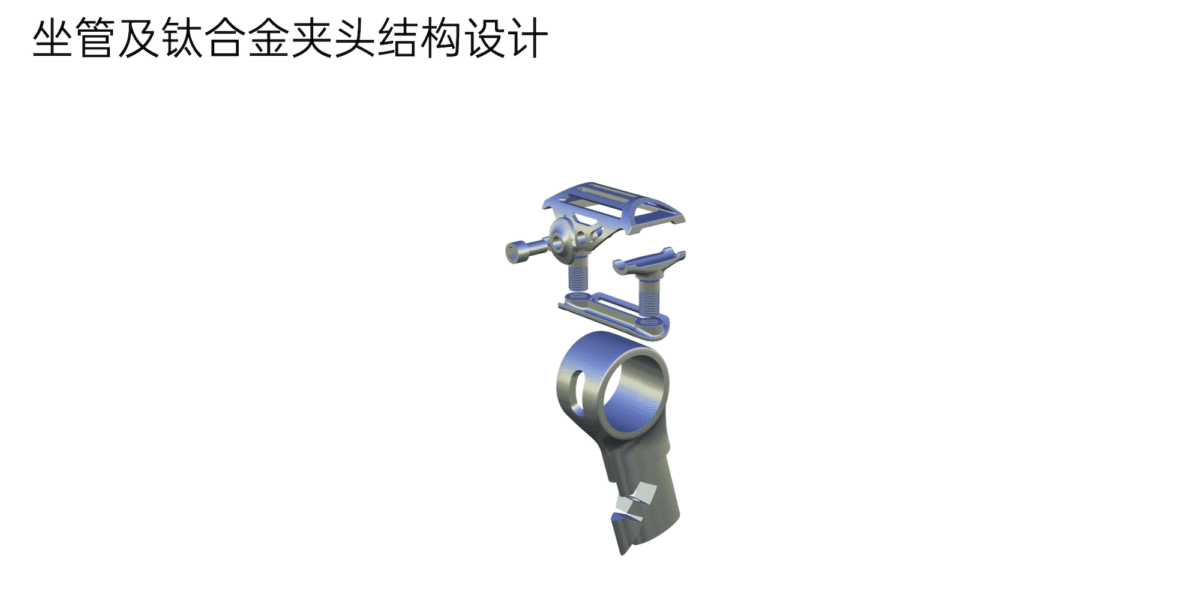
The integrated seat post is handled through a dual system: the primary post has no height adjustment, but if it gets cut too short, a second adjustable post can be inserted to recover stack height. That solves the usual resale and fit concern around integrated posts without adding meaningful weight.
Wind tunnel testing at Silverstone is planned but hasn’t happened yet; Elilee has CFD models available in a white paper. The SSR’s aero numbers are independently verified; the Suanni’s aren’t yet. That caveat matters, but if the estimated price holds, the Suanni doesn’t need to beat the SSR. It just needs to be close enough.
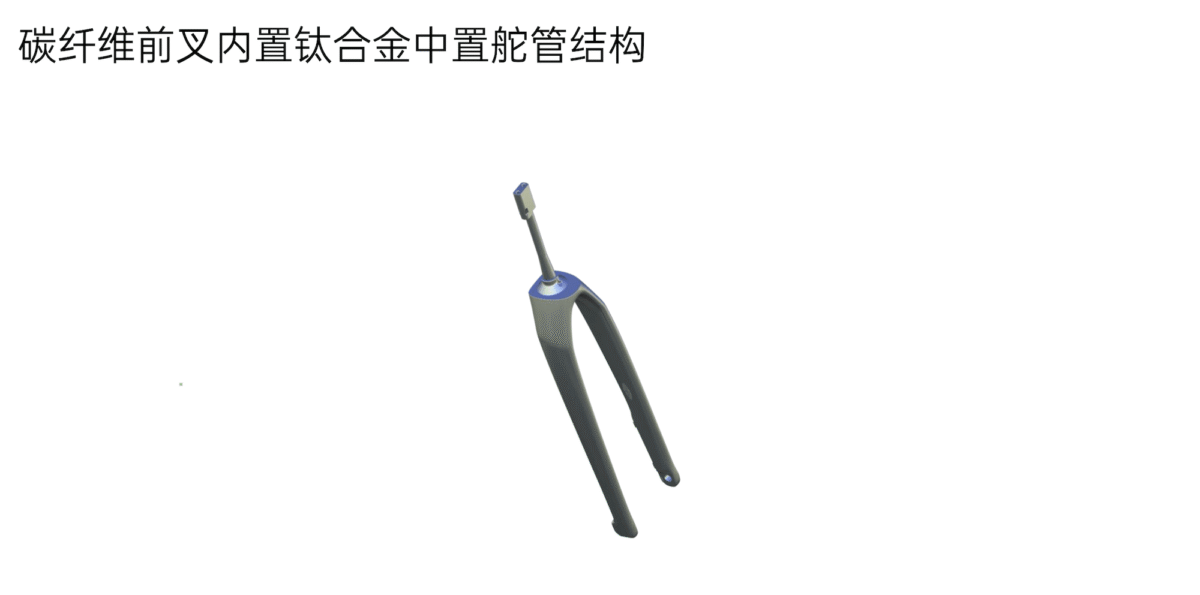
Elilee’s whitepaper revealed a couple of interesting details. The frame is internally called “NARROW-24.” Getting the headtube to 24mm, 10mm narrower than the INCOLOR SSR, required a patented fork construction where a titanium alloy steerer runs inside the carbon fork body. Carbon-over-carbon at that diameter wouldn’t hold up at the stem clamp. The titanium is what makes the width possible.
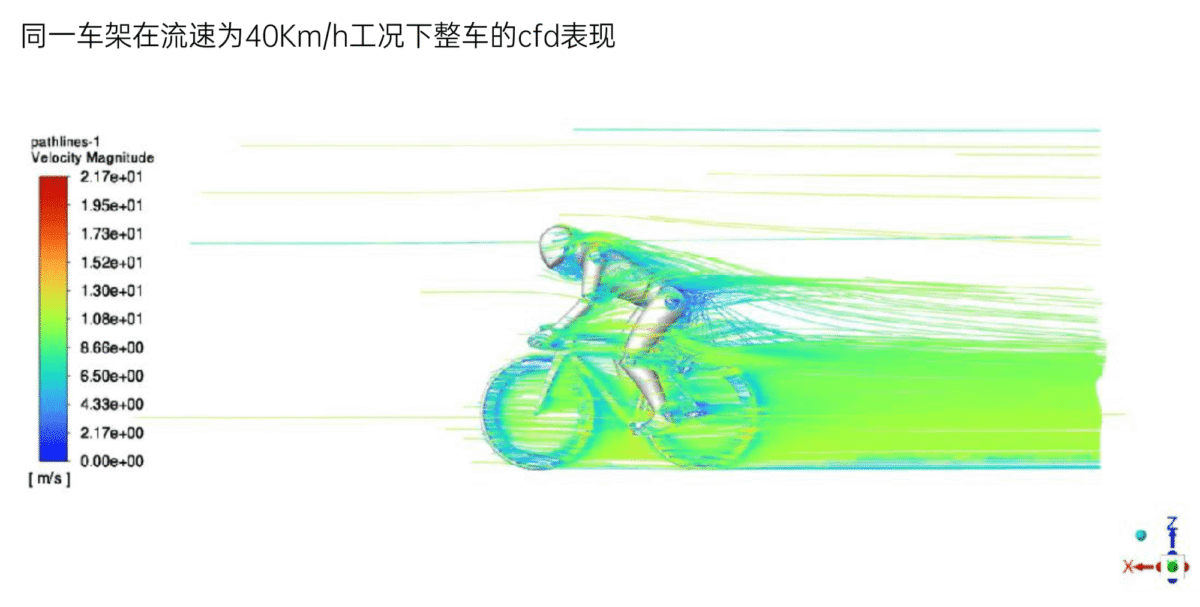
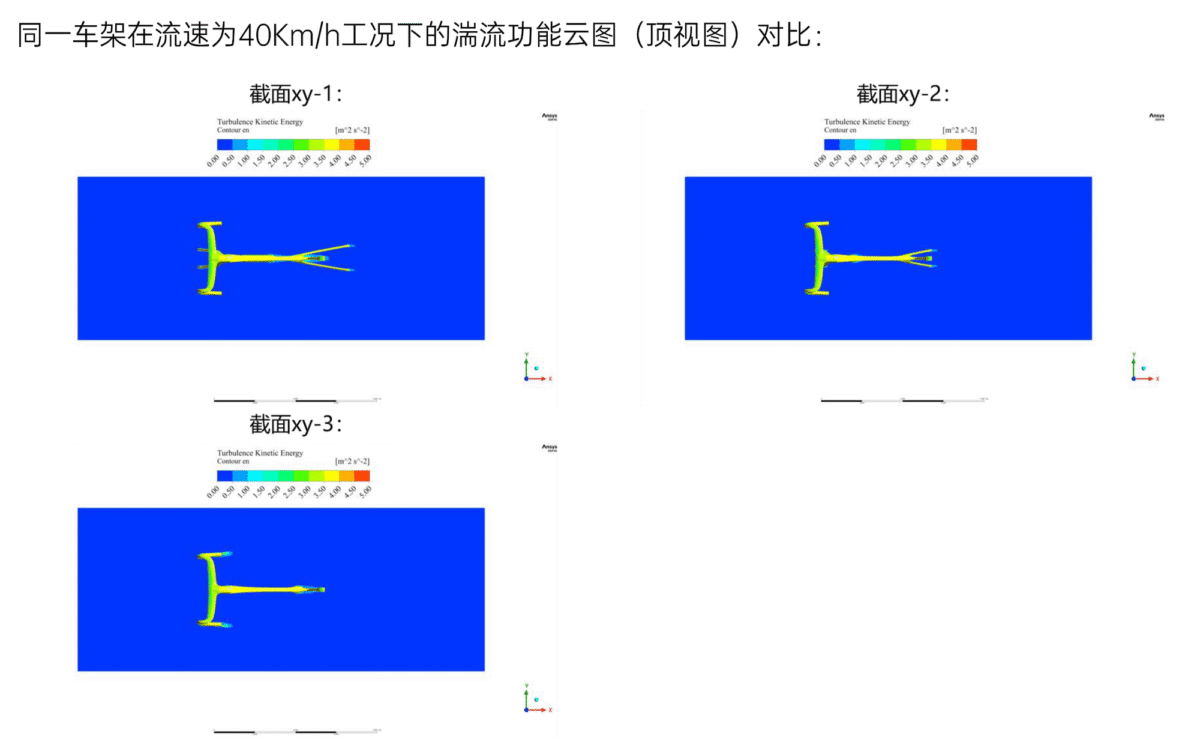
The CFD work is unusually thorough for a pre-production frame. Elilee ran four frame iterations through simulation at 40km/h before landing on the final design. The chosen version has the smallest frontal area of any iteration (0.05995m²) and a Cd of 0.2641 that continues improving at higher speeds, 0.2595 at 45km/h, which suggests the airflow is attaching cleanly rather than separating under load. They also ran a full bike-plus-rider simulation and tested three handlebars (CF, Vision, XXE). None of it has been wind tunnel validated yet, but it’s a more rigorous CFD process than most brands at this price point bother to document.
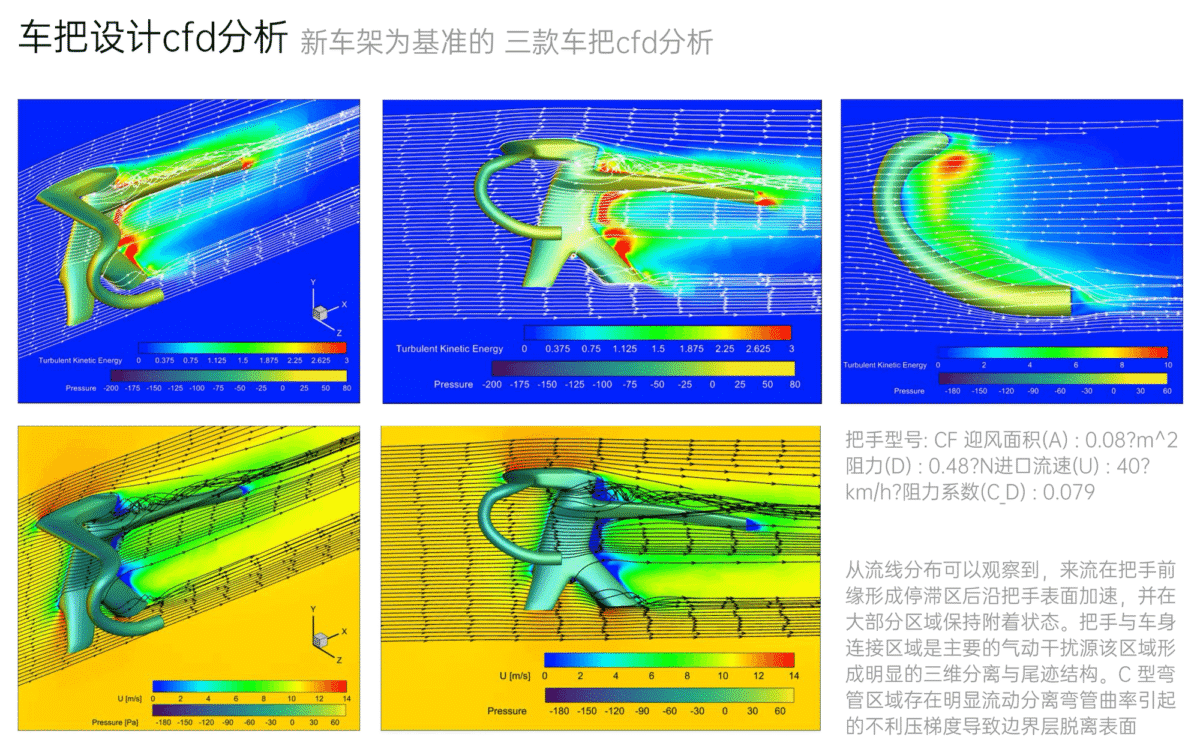
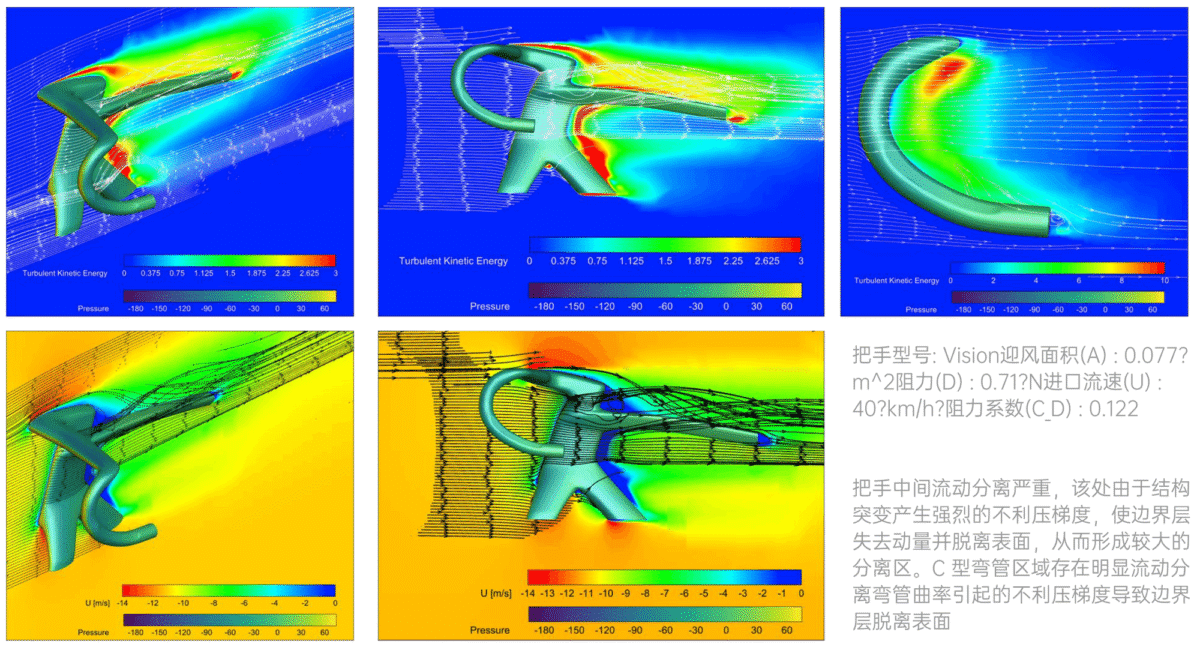
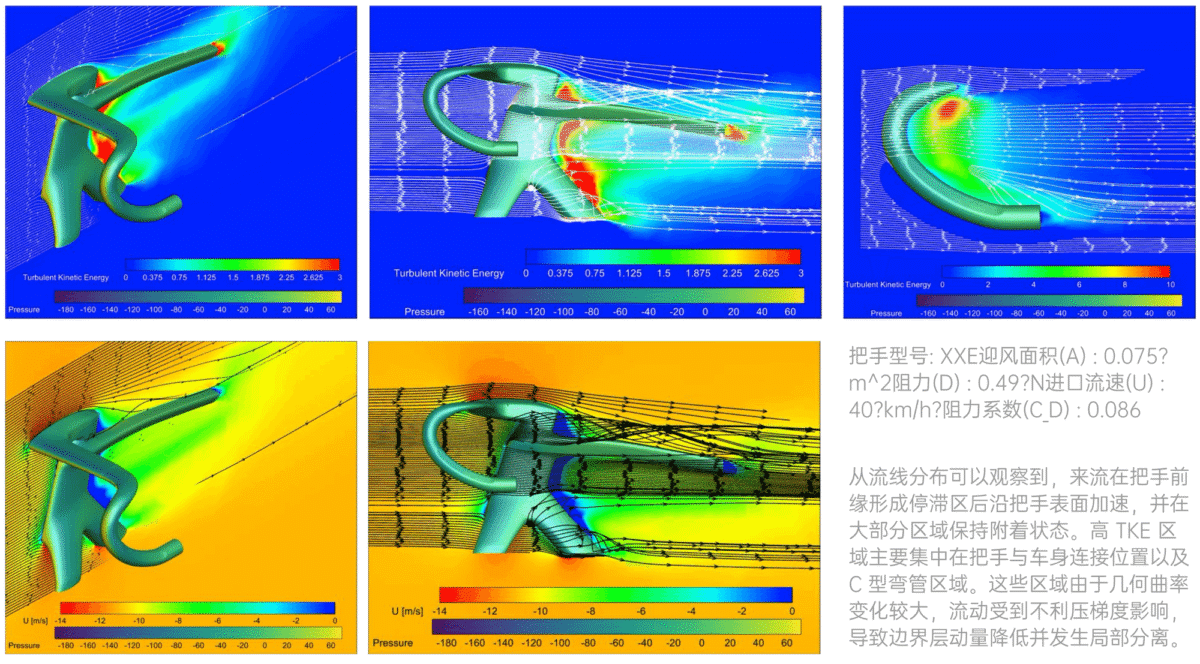
The titanium seat clamp is a designed system, not an afterthought. The exploded diagram shows a multi-piece titanium assembly engineered specifically to interface with both the fixed post and the adjustable recovery post. The dual-post solution was built around it, not bolted on.
The whitepaper also shows that Suanni’s downtube has an integrated Di2 battery holder, similar to the Winspace T1600. This decision makes sense since the seatpost is integrated.
59g EK01 Carbon Power Meter
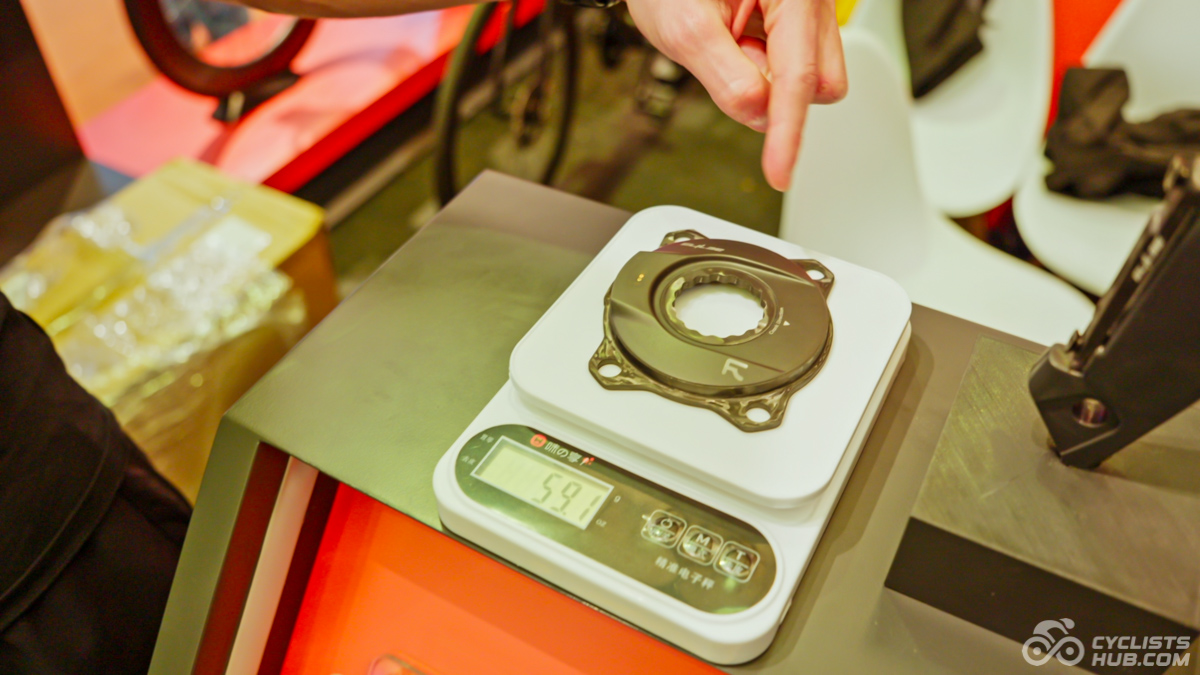
The new-generation EK01 weighs 59g, complete, including the spider. Elilee supplies this meter and their carbon cranks to Bahrain Victorious, which gives it a credibility anchor most brands at this price point don’t have. Firmware calibration was a stated priority for the new generation.
But this is where things get complicated: GPLama reviewed an earlier EK01 unit and found persistent problems across multiple samples. Steady-state numbers were acceptable, but anything above around 1000W showed significant power lag and badly under-reported peak power. Cadence data was erratic. The carbon version read 5-8% low versus Assioma PRO RS; the alloy version was within 1-2% most of the time, but drifted after sprints and needed regular manual zeroing. Firmware 1.10 improved cadence filtering only. GPLama’s conclusion: “promising on paper, but the sprint and cadence issues make it a non-starter for now.”
The key question is whether the new generation shown at Shanghai addresses those issues, or whether it’s primarily a weight reduction built on the same firmware foundation. Elilee didn’t publish accuracy data for the new gen at the show. For steady-state training and racing where you’re not sprinting past 1,000W, the existing track record suggests it’s workable. For anyone who cares about peak power or cadence accuracy, wait for independent testing of the new unit before committing.