
I’ve had the World Cup on in the background for the better part of three weeks now, and the screen is crawling with greatness. Lionel Messi, 39 years old and still bending matches to his will for reigning champion Argentina. Kylian Mbappé, moving like the laws of physics filed for an extension. Erling Haaland, who finally dragged Norway back to a World Cup after a 28-year exile, and looks like he was assembled in a lab. These are all-time greats, the kind of players you tell your grandchildren you watched.
Here is the thing about the soccer (I’d call it football, but that would be dishonest as an American) great. He is never alone out there. Ten teammates share the pitch with him. A manager choreographs the whole production from the touchline, and an entire tactical apparatus exists to feed him or her the ball in the spots where they do the most damage. The system is not incidental to the greatness. It’s a key variable.
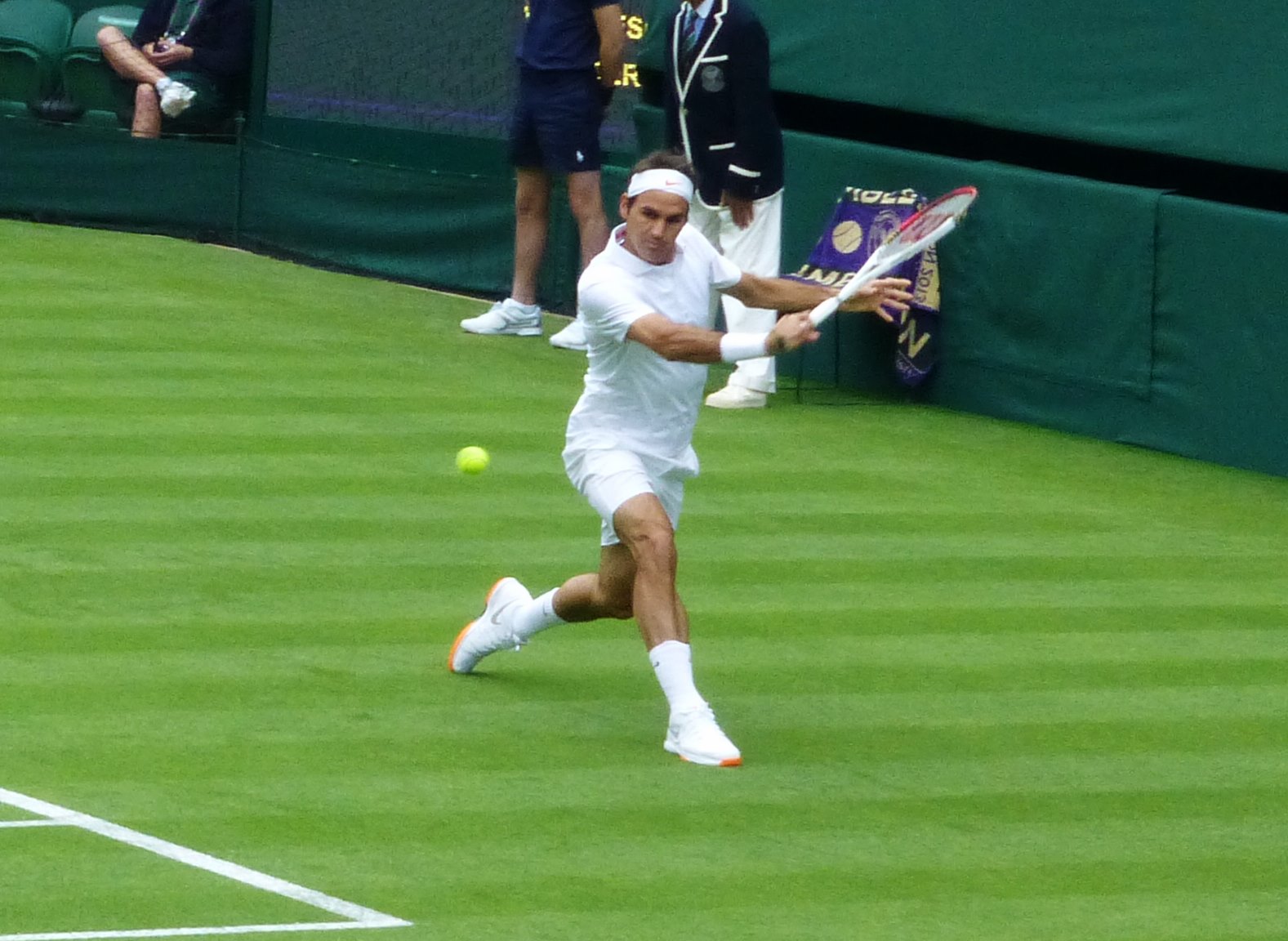
ESPN ran a feature recently about the “cruel” machine behind Argentina’s soccer empire, the academies and the pressure and the assembly line that turns gifted kids into national heroes. Even Messi, who has a reasonable claim to being the finest player his sport has ever produced, needed until 2022 to finally lift the trophy that cements immortality. And it occurred to me. Roger Federer didn’t have a federation to build him a midfield.
That’s is the part people forget when they lump all sporting greats into the same bin. Sports are not created equally. Tennis is played alone. Gloriously, often brutally alone. There are no substitutions. There is no teammate to bail you out, no coach drawing up a set piece while you stand at the far post catching your breath. When Novak Djokovic is down two sets to love in a fifth-set nightmare, there is no bench. There is nobody to pass to. He either finds the level inside himself in the next half a minute or he loses; no amount of tactical genius from his box can hit a backhand for him.
Not to state the obvious, but tennis greatness is self-generated. Roger Federer did not have a system designed to capitalize on Roger Federer. He WAS the system. Every ball he struck was hit with intention, in a hyper-physical game of chess. Points, games, matches, titles were won off his own strings, with his own legs, under his own crumbling or soaring nerve. Rafael Nadal built a fourteen-French-Open empire on clay one grueling, grinding rally at a time. Novak Djokovic amassed 24 major titles, a truly staggering number. Not a single time did he sub in someone with fresher legs.
Sixty-six majors between the three of them, and every one earned in a sport that gives you nowhere to hide and no one else to blame when you come up short.
I love the World Cup. But watching Messi and Mbappé and Haaland makes me appreciate that tennis all-time greats are simply a different breed of athlete. I love tennis. I truly do.