
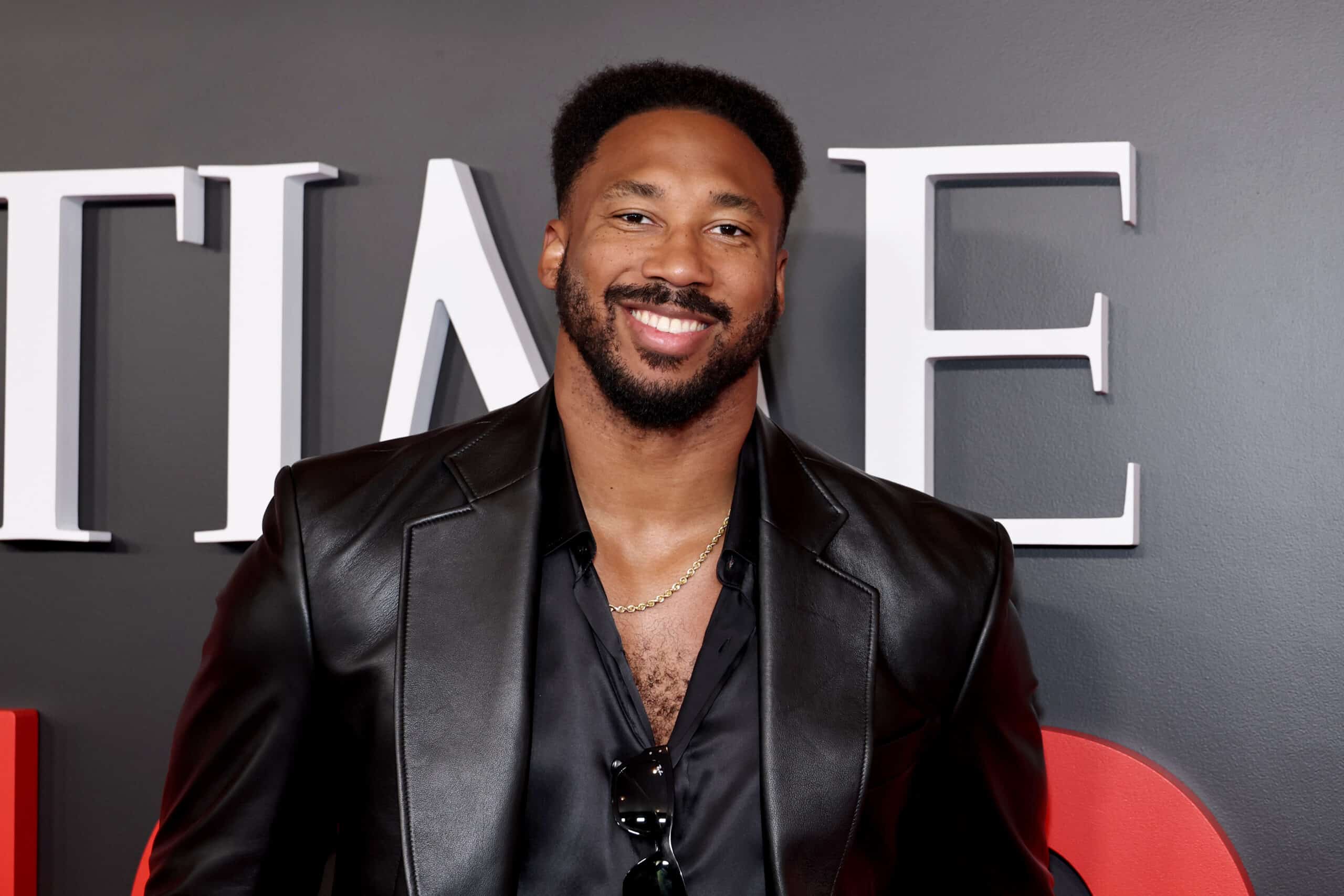
The Myles Garrett trade has been broken down from nearly every conceivable angle since it happened, from the draft capital involved to how it has affected the locker room dynamic in Cleveland. But former NFL quarterback Shaun King raised a financial concern on The Bullpen with Adam The Bull that approaches the deal from a different perspective than most of the public conversation has covered so far.
His worry has nothing to do with talent or scheme fit, and everything to do with what comes next for Cleveland’s salary cap. King laid out his one lingering concern about how this trade ultimately plays out for the Browns financially.
“The only thing that troubles me with Cleveland, is Jared Verse is about to get paid. So, ultimately your not getting a lot of salary relief, because Verse has been productive. For whatever reason, the NFL pays the position more than just the player. If you’re a top 10 pass rusher and your contract is up, you’re gonna get top 2 pass rusher money,” King said.
That is a fair point on the surface, and it reflects a real pattern across the league when it comes to how elite pass rushers get compensated once their rookie deals expire. Verse is currently playing on a very team friendly contract, carrying a cap hit of just $2,170,850 in 2026 as part of the 4-year, $15,134,346 deal he signed as a 1st round pick back in 2024. That number is going to look completely different once Verse signs an extension, especially if he continues building on the kind of early impression he has already made in Cleveland this offseason.
But King’s concern overlooks 2 critical factors that should give Browns fans real confidence in how this situation unfolds. The first is age. Verse just turned 25 in November, and is still 5 years younger than Garrett, who is already 30. That age gap matters enormously in paying a premium pass rusher. Garrett’s $208,200,000 contract with the Rams carries him through his mid 30s, years where the Browns would have been paying top dollar for a player on the back half of his prime. Verse, by contrast, has not even entered the years where most elite pass rushers hit their peak production. Whatever extension eventually comes his way will be paying for a player still ascending rather than one already on the decline.
The 2nd factor is Andrew Berry himself. This is a general manager who has already navigated one of the more complicated cap situations in the league with Deshaun Watson’s contract, finding ways to manage that deal’s structure without crippling the rest of the roster. Berry has shown he understands how to build around big numbers rather than letting them dictate every other roster decision. There is no reason to believe he will suddenly lose that same level of cap management discipline when it comes time to negotiate with Verse.
King’s larger point about positional pay scales in the NFL is accurate, and pass rushers as a group do command premium contracts regardless of individual team circumstances. But Verse’s eventual payday as some unexpected drawback to this trade ignores the fact that Cleveland essentially traded an aging, declining cap number for a younger, ascending one. That is not a wash. That is closer to exactly the kind of asset management teams hope for when they make a move of this magnitude.
NEXT:
Nick Chubb Opens Up About The Cleveland Support That Got Him Through Injury