
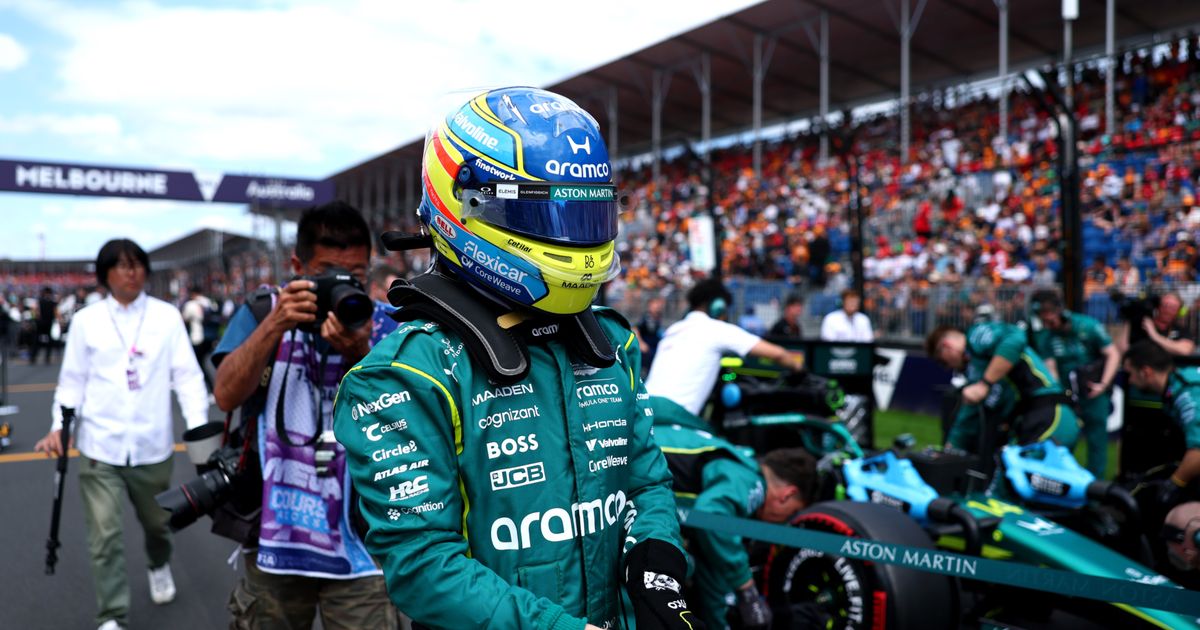
The Honda trackside general manager and chief engineer pointed to encouraging progress from the power unit manufacturer, particularly following the Japanese Grand Prix. However, Orihara was quick to temper expectations, stressing that these gains may not yet translate into visible on-track improvements.
“It has been a long but intense period between the races, with lots of work happening in collaboration with the Aston Martin team both in Japan and in the UK. The Japanese Grand Prix showed that the work is going in the right direction and helped us to find the motivation to keep pushing forward. After that race, we took the opportunity to keep one of the AMR26 cars on site for further static testing in Sakura for the first time, focusing our efforts on reducing vibrations and thus increasing reliability.”
“We have made some progress, allowing us to implement further countermeasures in Miami and later in the season. Realistically, this progress will not have a visible impact on the power unit performance on track, so we shouldn’t be expecting big jumps forward here,” he said via a press statement.
Looking ahead to the challenges of the weekend, Orihara highlighted the unique characteristics of the Miami circuit, stressing the importance of finding the right set-up balance. From a power unit perspective, the focus will be on improving drivability in slow-speed sections and optimising energy deployment.
“Miami is the first circuit on the 2026 calendar with lots of slow-speed corners. It is a unique track, having two long open-throttle sections and several slow-speed corners. This combination makes it interesting to find the car set-up compromise. On the power unit side, it’s about improving drivability through the slow-speed sector, and optimising energy management in this section is a key factor in maximising performance. Miami is also the first warm race weekend of the season, so it’s paramount to keep the power unit temperatures under control under these new regulations.”
Concluding, Orihara underlined the importance of preparation during the Sprint weekend format at the Miami Grand Prix, where track time is limited.
“The Miami Grand Prix is a Sprint weekend, which means we only have one practice session – albeit 90 minutes – to optimise all of the data settings under the new regulations and define the best cooling specifications ahead of Sprint qualifying, which makes FP1 here very important.”
FIA make changes to Miami GP
In a statement, the governing body confirmed the change was made in consultation with all stakeholders, while also outlining the revised timings for the race weekend.
GPblog Paddock Update
Want to stay up to date with the latest events from the F1 paddock? GPblog’s Paddock Update is the place to be.
Check out the latest episode of our Paddock Update here 👇