
The Championships at Wimbledon, the oldest and most prestigious of the Slams, will next year celebrate its 150th anniversary. But beyond its familiarity to even the most casual tennis fan with its grass courts, white dress code, strawberries and Pimms cups, and behind the layers of history, it’s quietly the most radical body in tennis. According to the London School of Economics, Wimbledon is the second-biggest brand in sport, just behind the Super Bowl in global recognition. And though there are slams that pay bigger purses and count more sponsorship dollars, the All England Lawn Tennis Club leadership is playing a very different game.
Wimbledon’s broadcast deal with the BBC ensures domestic viewers can watch the tournament for free. Consider what American tennis fans—contending with US Open ground passes selling out only to resurface for resale at astronomical prices within minutes, as well as the convoluted and expensive streaming packages needed to watch at home—deal with in comparison.
And then there’s the queue, which isn’t just a chance for Brits to share one of their most important cultural practices (waiting in line), but is also part of a sophisticated ticket distribution system that reserves affordable access to the most ardent fans and guarantees the grounds are filled with energy and engagement.
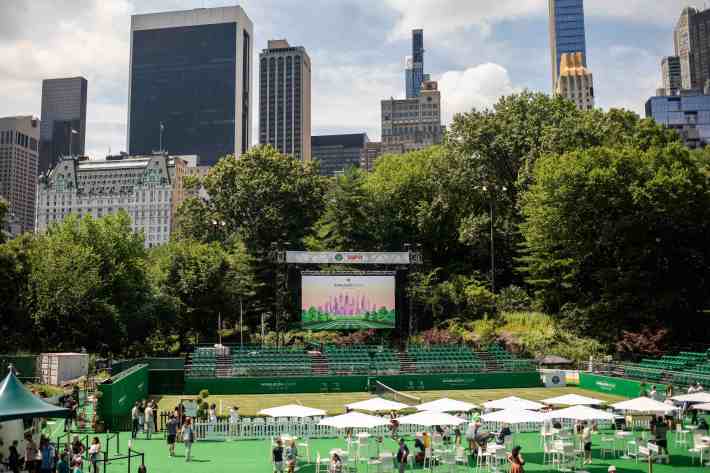
Wimbledon’s desire to grow the game—specifically, the grass-court game—has meant investment not only into ever-expanding training facilities, but also into other tournaments on the surface in Mallorca and Stuttgart. It’s not hard to imagine that they’ll advocate for making the grass-season longer and push for the creation of a Masters 1000 on the surface. And now they’ve brought a grass court to New York.
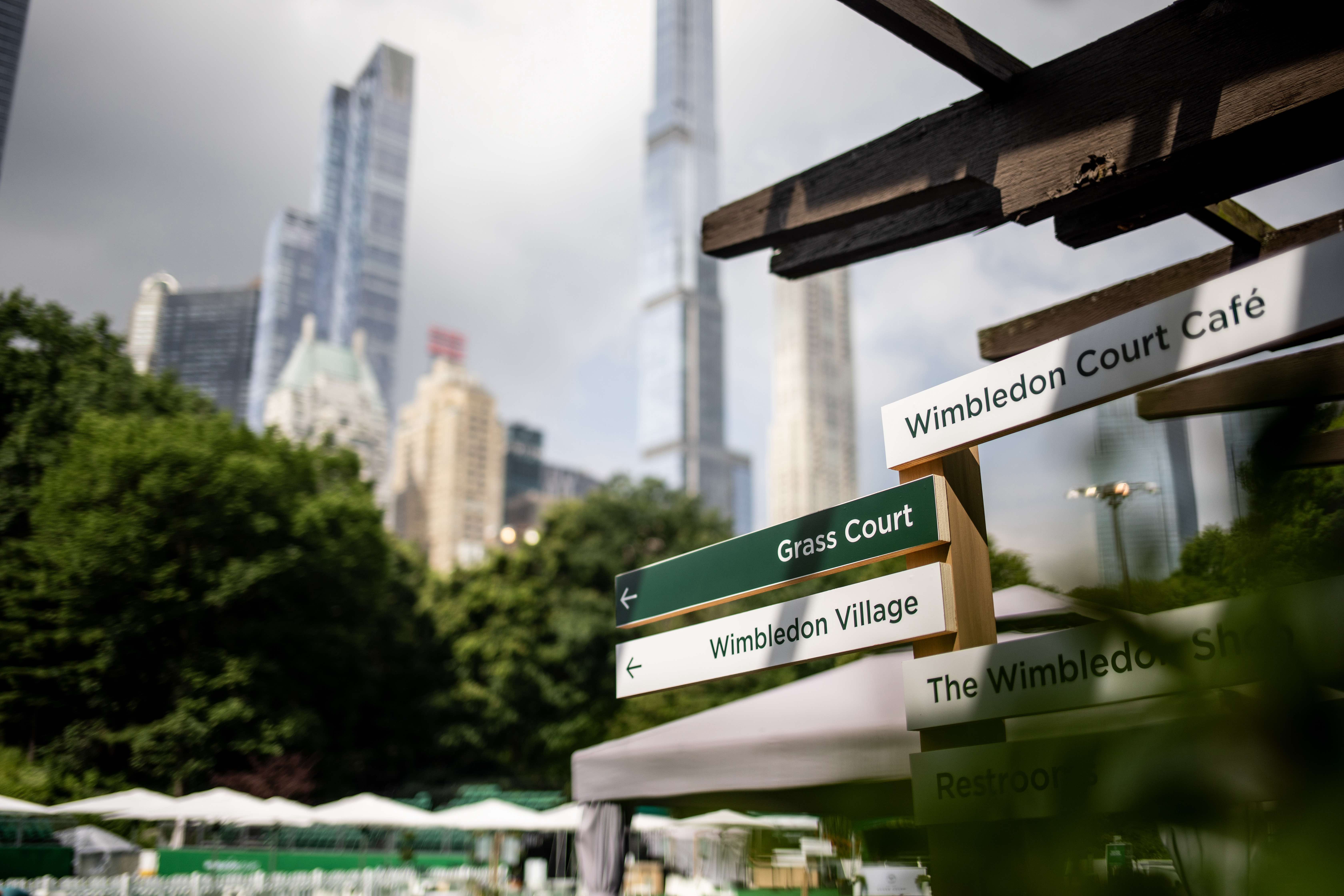
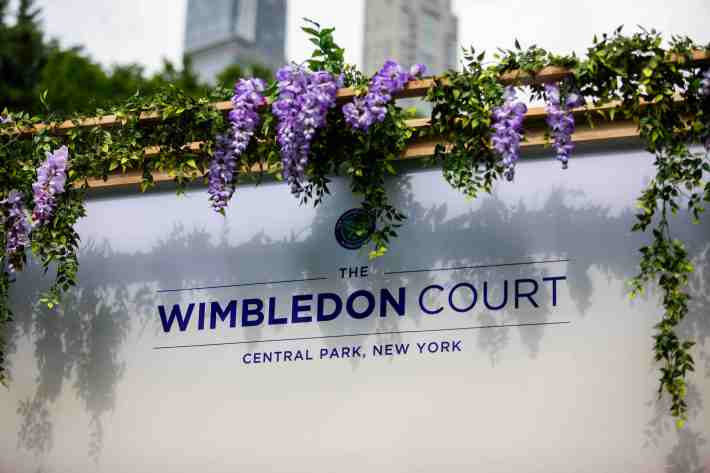
Wimbledon Court is the AELTC’s effort to give New Yorkers the chance to play on a rare surface (as well as watch Day One of the Championships) in the city’s backyard of Central Park. It’s also part of a larger effort to ensure that the tournament delivers on its promise of “the pinnacle of sport” and broadens the tennis fanbase. Based on the queue of New Yorkers we saw lining up to play on the grass—either with clinics led by local nonprofits and community organizers or just to hit freely on the surface for a bit—it’s working.
We spoke to AELTC Marketing and Commercial Director Usama Al-Qassab about the strategy behind Wimbledon Court and how embracing change while honoring history to create lasting impact informs how the world’s oldest major continues to lead.
“If you want to win in world sports, you have to win in the US,” says Al-Qassab. And the competition isn’t just other sports: “It’s mediocrity and fighting for people’s attention. Whether you’re a player, fan, or parent, the focus should be on making every moment exceptional and meaningful. I think first of all, it’s important that tennis looks at itself and plan for the future.”
Planning for the future is a big tipoff about how Wimbledon thinks about the democratization of grass, and why broadening access gives more players a chance at mastering this unique game.
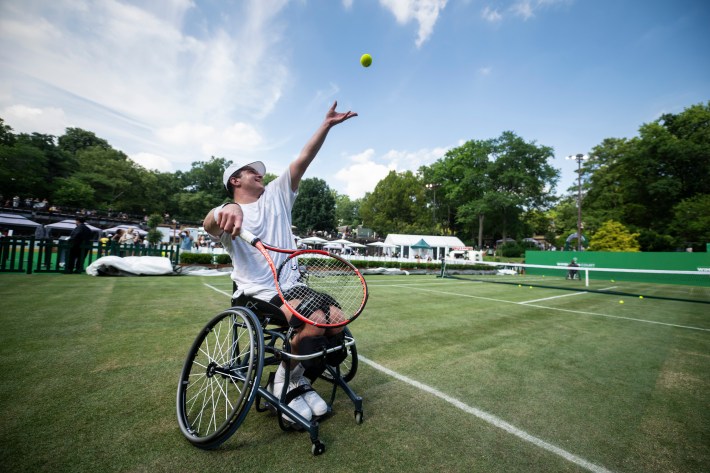
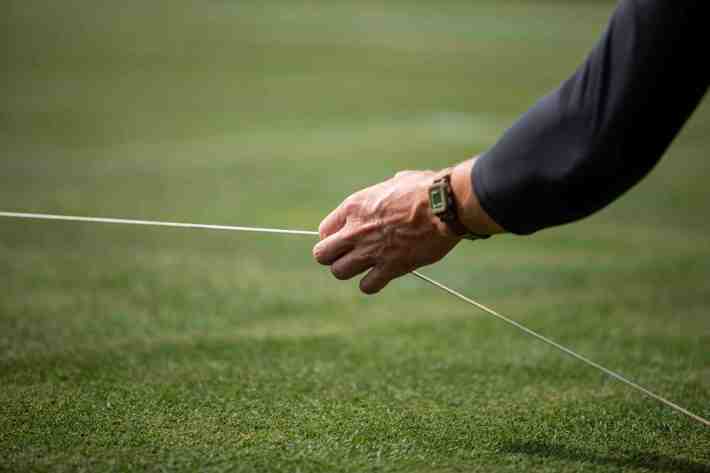
“We want to be a guardian of tennis and the original tennis, grass court tennis, what we believe to be tennis on the original surface, the way it was intended. It’s tennis which we believe is its most beautiful,” he says. “It is a live and living surface. Working with our grass court specialists, our grounds people and our agronomists at Wimbledon, we have developed courts such as this one that can be put down in 48 hours and be playable. It allows players to have a degree of democratization and practice—there are many juniors or lower-ranked players who’ve never played on grass.”
As governing bodies continue to raise prices, negotiate ever-increasing prize money and contend with increasing interest (but also increasing inequality) from spectators and brands, Wimbledon is intent on serving up something elite in quality but not elitist in access. If it works, it’ll ensure everyone can be part of the tradition.