
The working week may have been truncated by Monday’s bank holiday but we’ve packed enough in since to make up for the slow start.
On the tech front we published reviews on Singular’s Kite V2 gravel bike and Met’s Trenta 3K Carbon Mips helmet, produced a buyer’s guide on gravel pedals, took a look at Scott’s wild 32-inch wheel Addict Gravel prototype and then covered the launch of the new Specialized Crux with a news story and first ride review as well.
On the pro side, Giro coverage was prominent: reports from the men’s race dominated this week’s Pro Log and we also looked ahead to the women’s event via preview and our predictions coming later today.
As always, the latest collection of kit to arrive with Cyclist for coverage rounds out the week, packaged up in a tasty little edition of In the Drops. Enjoy.
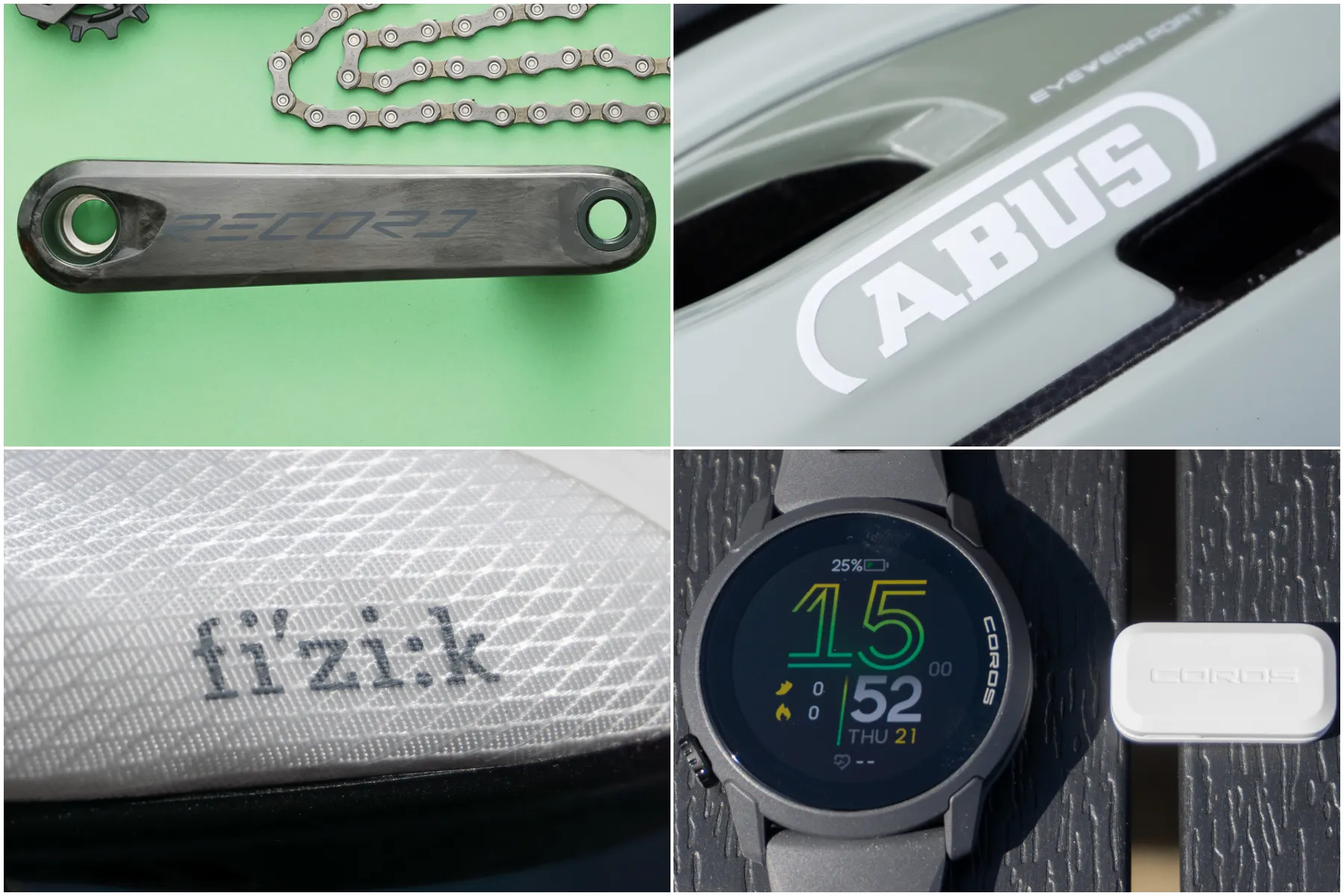
Campagnolo Record 13 groupset
What a difference a year makes. This time in 2025, around the launch of its Super Record 13 groupset family, Campagnolo seemed to suggest it was shelving the Record name.
‘With the market perception that Super Record sits at the same level as Dura-Ace and Red AXS, and Chorus traditionally being our more accessibly-priced option, Record may now sit in a no-man’s land,’ Campagnolo’s export manager Arjan Hoogester told at the time. ‘That said, market dynamics are notoriously tricky to predict.’
Hoogesteger ended on a prophetic note, because since then the company has reassessed. The result is a new Record 13 platform, with a modern Chorus incarnation still in the ether.
Record 13 is priced to compete squarely at the market’s second tier, so Shimano’s Ultegra Di2 and SRAM’s Force AXS, and is a full third cheaper than the Super Record system it has been inspired by. Crucially, aside from some slightly more limited gearing options it’s functionally identical though, so that means 13-speed wireless gearing and the same five-variation groupset ecosystem to suit different riding conditions (cross-compatible parts for both 1x and 2x, road and gravel).
Campagnolo has kept it so close in function while reducing the cost significantly by being less extravagant with Record’s materials and finishes. Think steel in for titanium, solid components instead of hollowed out, etc. The only trade-off is a weight gain of around 300g dependent on setup (claimed stock weight is 2,783g versus Super Record’s 2,480g), but that’s still better than or equal to Shimano and SRAM equivalents at the same price with the benefit of an extra sprocket in the cassette.
Record 13’s release leaves the stage tantalisingly set for Campagnolo to distill things further with a Chorus 13 launch. That will let it compete at the 105 Di2 and Rival AXS tier as well and truly reinstate it as one of the big three groupset makers once again.
Fizik Lyra shoes
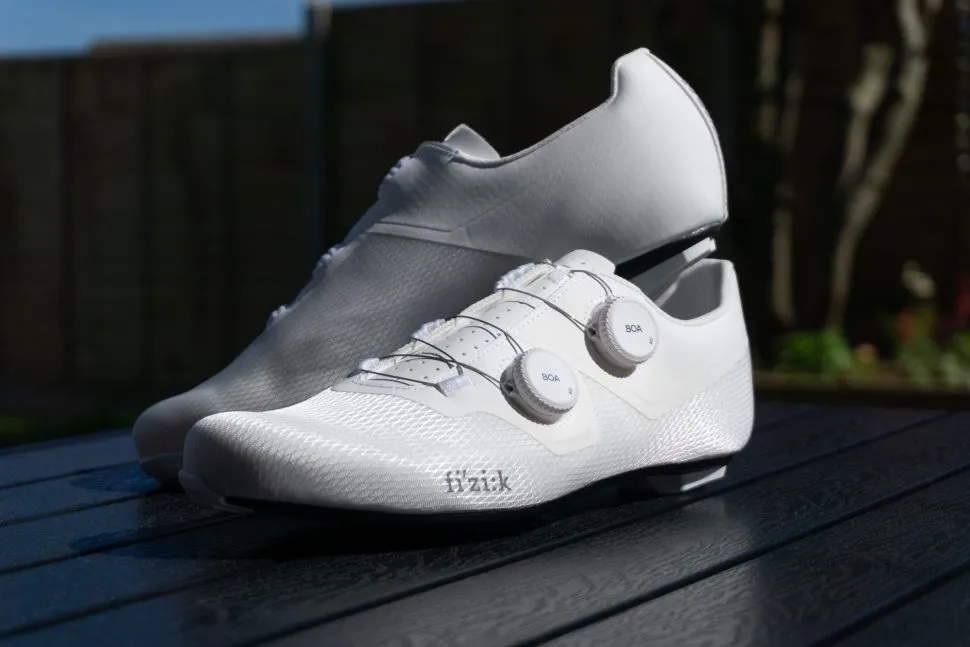
Fizik’s footwear development has focused on the top end in recent times, introducing updates to its Vega and Vento models such as a new shape that Fizik dubs its ‘Anatomical Last’. It’s reportedly wider in the forefoot to accommodate more foot shapes, and flatter, to promote a more natural pedalling feel.
‘Frame designers say that great geometry costs nothing,’ says Alex Locatelli, Fizik’s global brand manager. ‘We think the same about the Anatomical Last – there has been a lot of investment up front in developing this shape, but giving riders access to it shouldn’t mean that they need to pay more.’
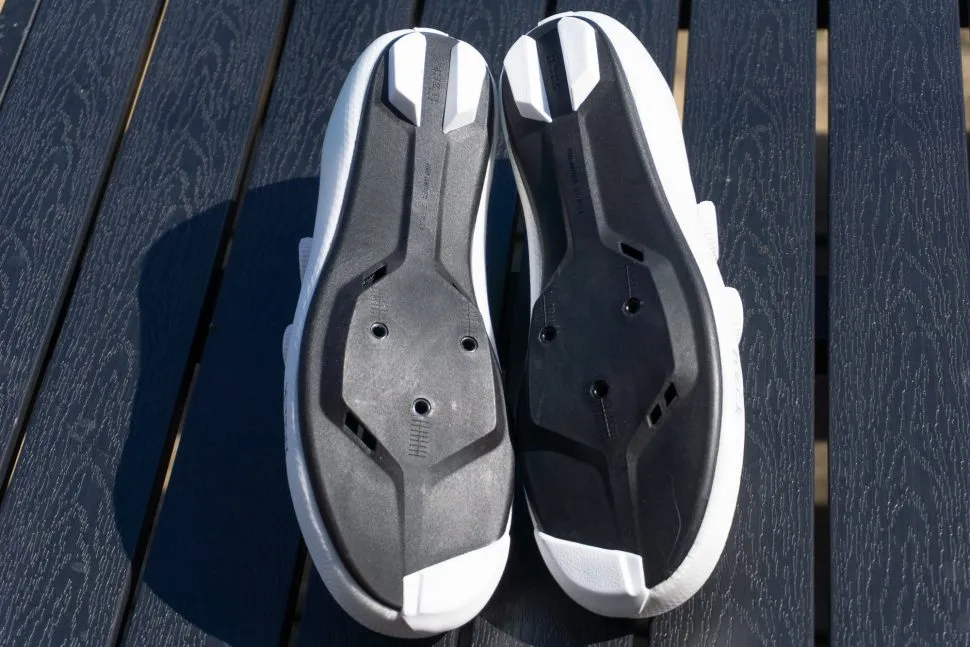
This is where the Lyra comes in. Currently the only model outside of that top tier to boast Fizik’s updated fit, it uses features such as a nylon composite sole rather than carbon composite to reduce cost.
‘It doesn’t give much performance up – at 259g in a 42, the Lyra is only around 20g heavier per shoe than the Vega Carbon – but it’s cheaper to construct and streamlines several fabrication processes,’ says Locatelli.
It’s fair to say you wouldn’t immediately peg the Lyra as a mid-tier model anyway though.
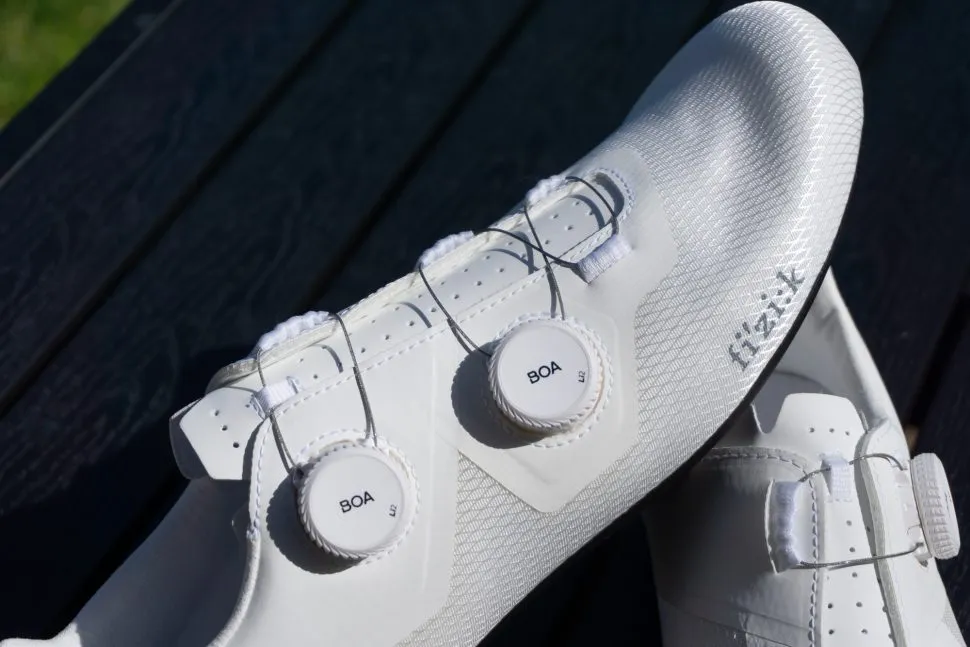
‘We use the same Boa Li2 dual dials and tried to build with similar materials and styling in the upper as higher in the range,’ says Locatelli. ‘The tactic was to use a light and flexible ripstop material for the upper but then to reenforce it with overlays in certain zones, something you’ll see used in running footwear. This gives an overall low weight, and a very flexible light feel but keeps durability in the spots where it’s needed.’
Abus Taipan helmet
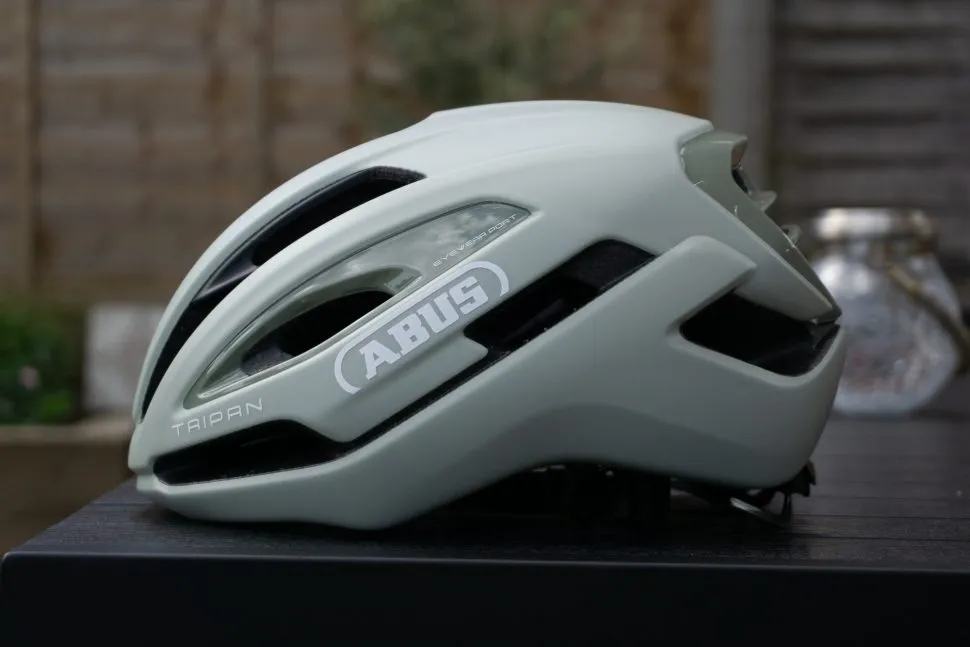
Abus’s new Taipan looks to be as much a danger to rivals at the same price point as its venomous namesake is to humans – made in Italy and with plenty in common with the premium Airbreaker 2, it has several features found on other helmets that cost a lot more.
‘It uses our ActiCage feature, which is an internal polymer skeleton sitting within the EPS to improve strength, and has the same “flow” straps as the Airbreaker as well. They are designed to sit flat and close to the rider’s face to smooth airflow and reduce wind noise,’ says Abus’s Simon Ford.
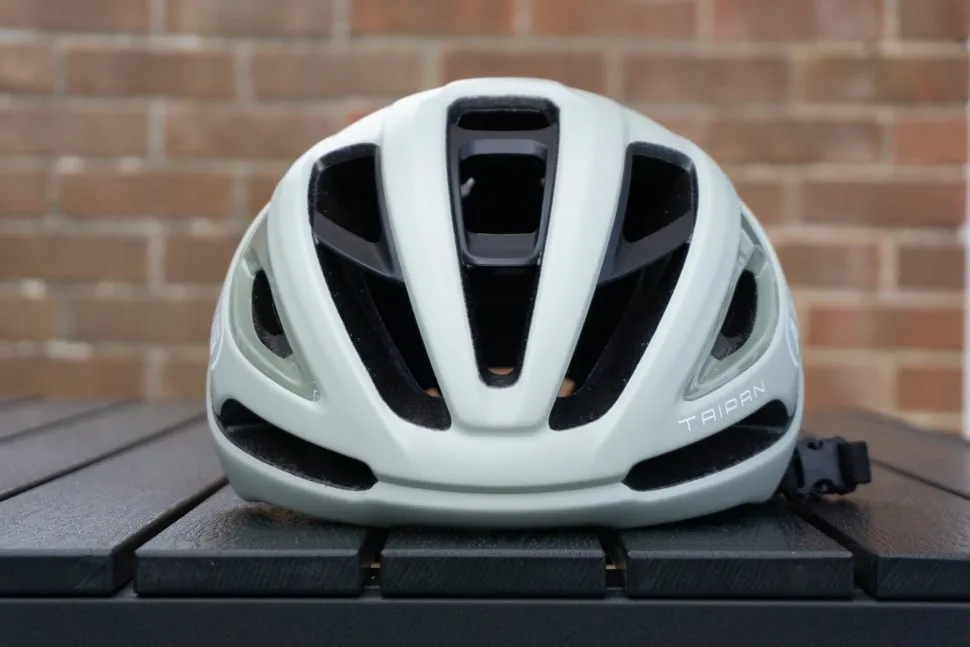
The Taipan diverges in use case from its more premium siblings though. Where they are stripped back for race performance, Ford says this one’s more for long days out over any surface.
‘We added some channels to the inside of the helmet to allow for light mount straps, and then some channels to route light cables,’ he says. ‘Considering the additional weight that helmet lights can add to a helmet and the long periods of time gravel riders can spend in the saddle, we used slightly thicker padding on the inside of the Taipan to aid comfort.’
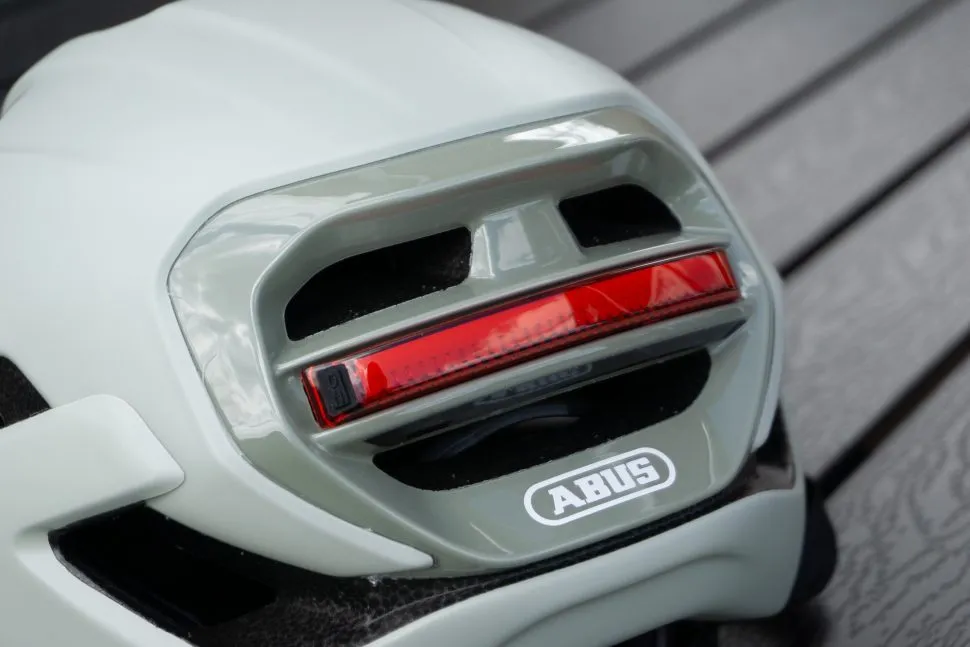
Complementing the provision for mounting a headlight at the front of the helmet, Abus has also built a slot into the exhaust vents where a proprietary rear light can be fixed.
Coros Pace 4 watch
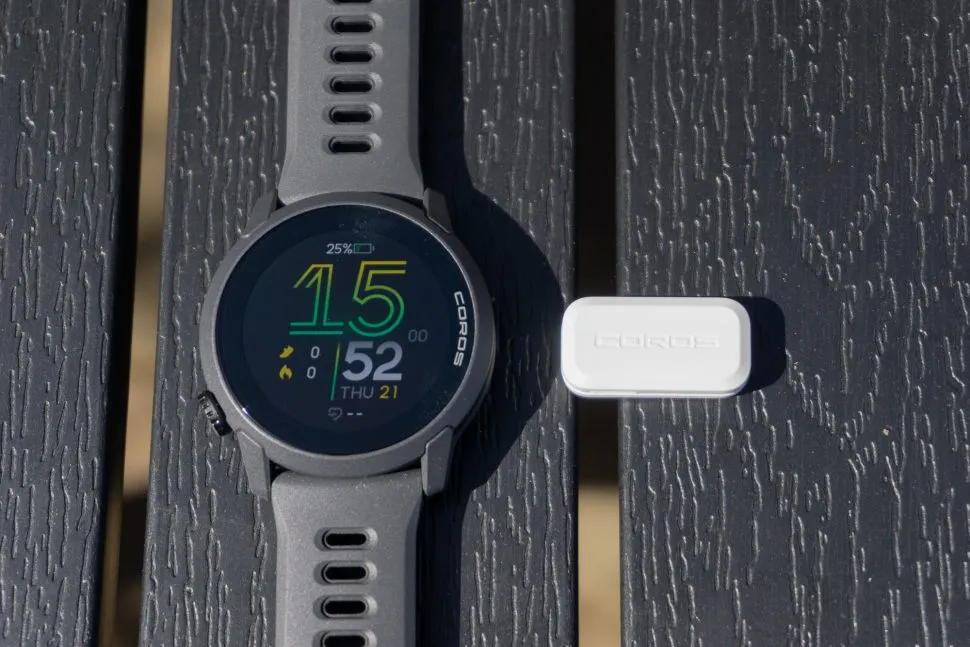
Whether you opt for a head unit or a smart watch, most of us only ever use a fraction of the functions most modern ones offer. Coros recognises this in its Pace 4 multisports watch, forgoing the bells and whistles to maximise the features everyone uses most and keep the price reasonable.
It weighs just 40g but uses a 1.2in AMOLED screen and offers up to 19 days of battery life. Coros promises 41 hours of GPS navigation too, which is better than most dedicated head units.
When all the health data the watch is able to track is factored in as well, essentially the only thing a head unit can offer that the watch can’t is a big screen, so if detailed routing isn’t a priority the Pace 4 might be the way to go.