
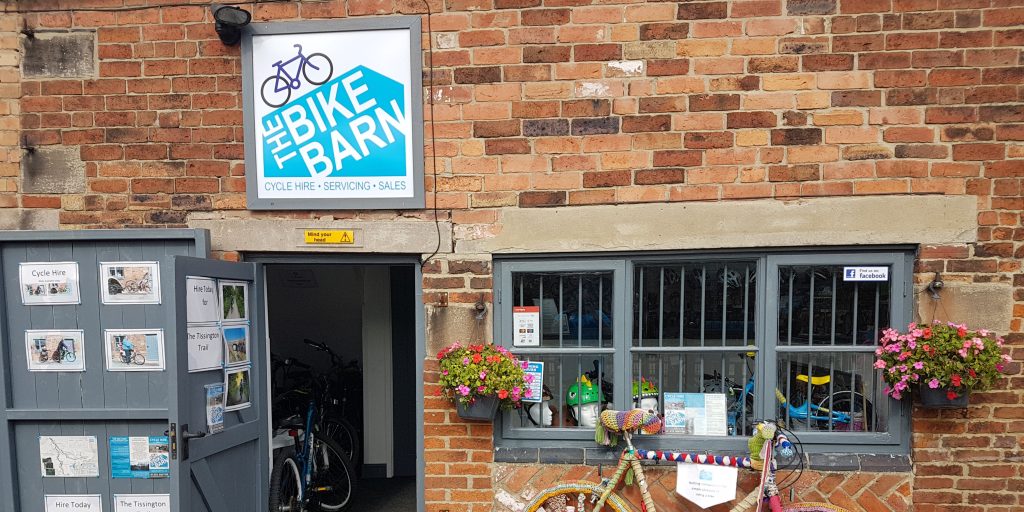
To celebrate the first-ever Local Bike Shop Week Awards, we chat with the finalists to find out more about their bike shops.
The Local Bike Shop Week Awards are part of the newly launched Local Bike Shop Week, managed by the ACT.
Starting as Local Bike Shop Day back in 2018 (originally launched by Daniel Jones with support from the ACT), this year sees the ACT expand the event to a week, celebrating from 3-9 May 2026.
We chat with husband and wife team behind The Bike Barn, to find out more about their shop.
Every shop has a unique origin story. Tell us a bit about yours. How did it all begin, and how have things evolved over time?
We opened seven years ago, following a long history of working in the industry and deciding to see if we could make it work ourselves. We’d wondered for a while if we could pull it off and thought, ‘let’s give it a go’, so we took the plunge to prevent future ‘what ifs’. We had so many ideas, and it seems to have paid off, and we are immensely proud of what we have achieved within a relatively short time period.
Originally, we wanted to run our own cycle hire, then the idea developed into servicing and sales too. We are now comfortably managing all three aspects of the business.
Is there a specific story or a particular customer interaction from the past year that perfectly captures why you do what you do?
It was a bank holiday weekend, and a cyclist who was holidaying on his bike, travelling between youth hostels, had a mechanical disaster on his ride and managed to limp his bike to us for help. We diagnosed the issue fairly quickly, but unfortunately, we did not have the correct part in stock. Jayne saved the day by ringing all local bike shops within a 20-mile radius to see if she could source one, as he needed to continue his journey to his next stopover. She sourced one and, due to the time of day, nearly closing time, and no public transport running between the two shops, she drove him to the other shop with his bike in pieces to have it fitted there.
Even though we could not supply the part ourselves, we were just so happy to help the rider continue his journey. Customer service is a huge part of what we wish to deliver. We love to help as much as we can; customers really appreciate it.
A bike shop is just as much about the people behind the counter and in the workshop. Who makes up your team, and what do they do?
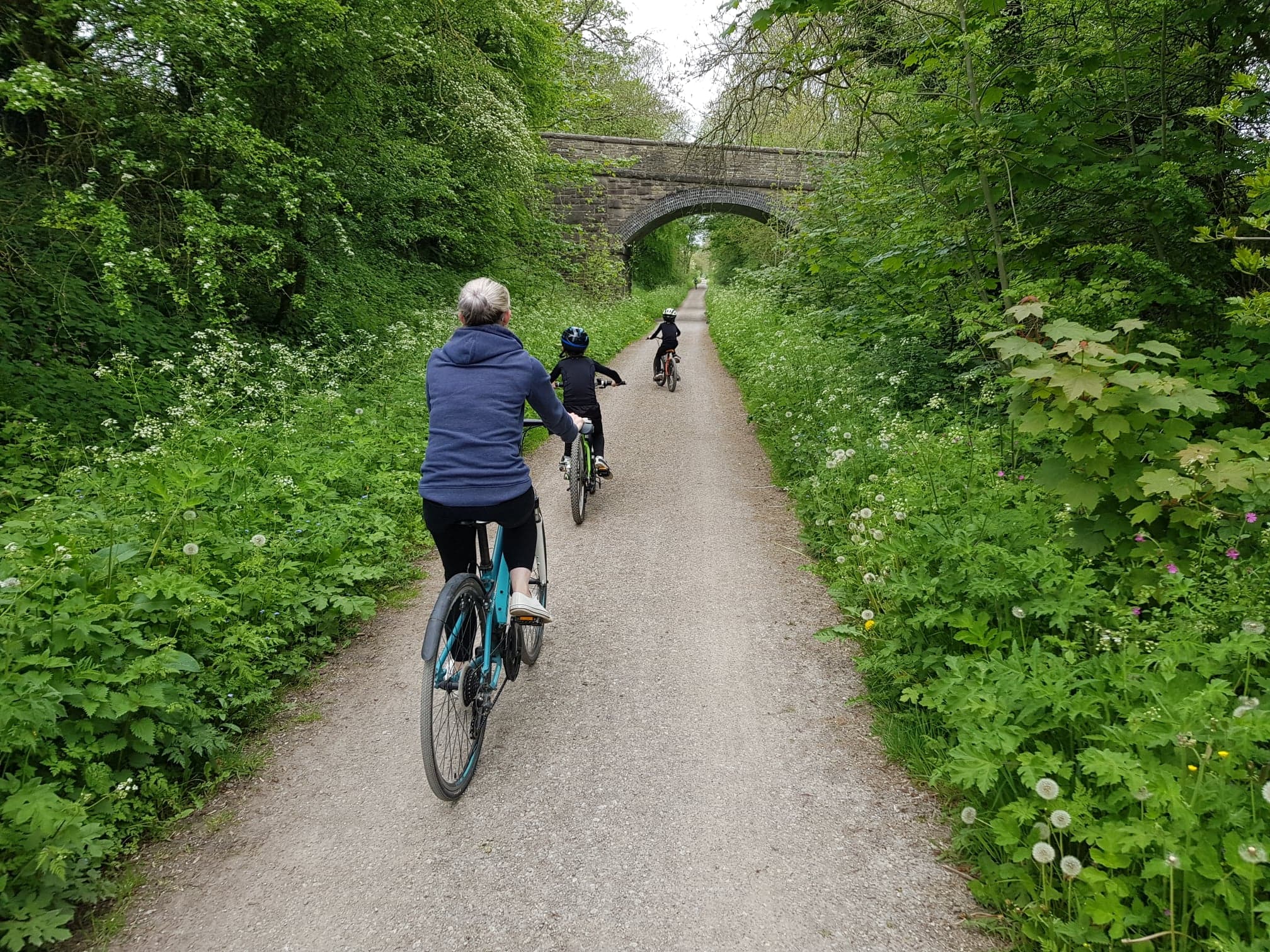
It’s mainly just us two, a husband and wife team who run the shop. John is here full-time, and Jayne works full-time in a school and works in the shop on Saturdays and in the school holidays when the cycle hire is busier. He’s the mechanic, and she’s the PA, who has been known to turn her hand to cleaning refurbished bikes, cable changes, puncture repairs and wheel building on occasion.
We have a few mechanics who are there for backup support when we take a well-deserved break or when things get busy.
If someone walks into your shop for the first time, what is the one thing they’ll experience with you that they won’t find anywhere else?
They’ll find a no-pressure approach and, with the sale of bikes, an honest approach about bike size (even if it means doing the right thing but losing a sale). Also, an ‘if it isn’t broke, don’t fix it’ approach and a second-hand repair option, we can cannibalise components to save others.
The cycling industry has seen its fair share of shifts in recent years. What are the biggest challenges you face right now, and how are you adapting to meet them?
We believe that for us, one of the biggest challenges that our business faces is the cost-of-living crisis and the impact it is having on available spending money for families. People are having fewer days out and have less to spend on items such as bikes. We are adapting to this by developing our range of more affordable refurbished bikes.

In your opinion, how can the wider industry (manufacturers, distributors, and advocacy groups) best support bike shops? From your perspective, what role do shops like yours play in the ‘cycling ecosystem’ that deserves the most protection or support?
We are saving bikes from landfill, refurbishing them and protecting the planet in every way we can. I feel that the small independents can struggle with the massive costs involved with running businesses, such as advertising, where costs can be phenomenal. We are also under threat from the fact that our suppliers can’t supply us with components at prices that a customer can buy them online, so we therefore lose any markup, and we have no buying power due to the number of items purchased.
The small businesses should not lose out here; the price given for bulk is obviously still providing an acceptable profit to manufacturers and distributors.
What are you most excited about for the future of your shop? Are there any new projects, community initiatives, or trends you’re leaning into for 2026 and beyond?
We are excited to continue to develop our refurbished sales and to develop further links with suppliers of these. We are also hoping to sponsor a further youth rugby team within our community. We hope to continue our bike marking events with the local PCSO and to see what the summer of 2026 brings our way.