
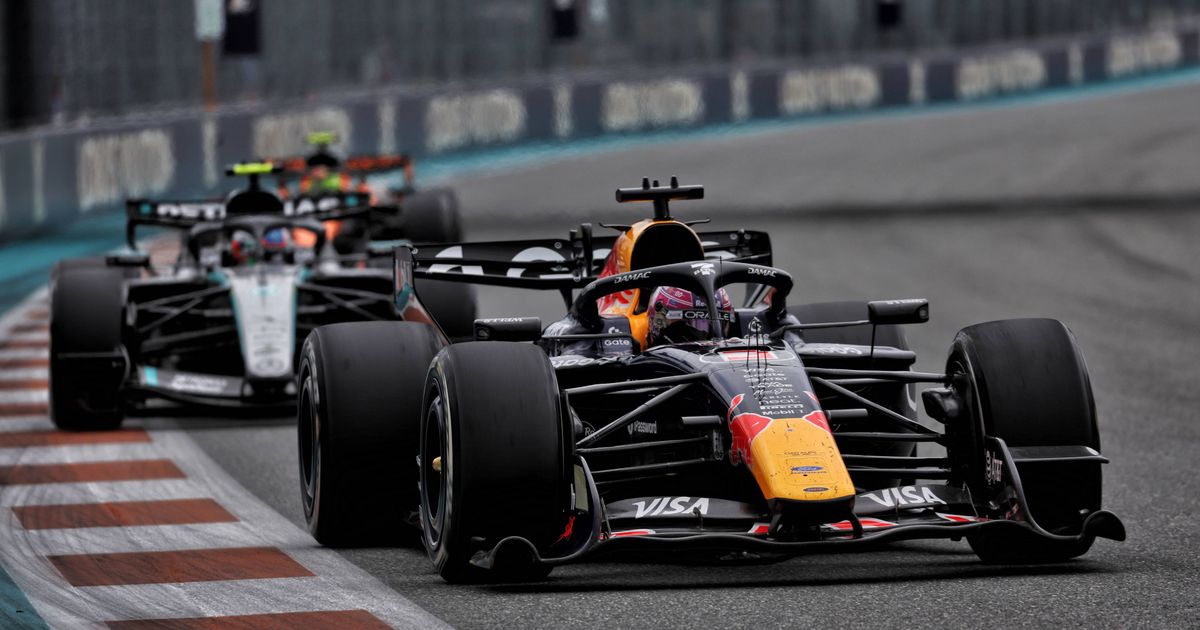
Among the main ideas currently on the table is a rebalancing of power delivery between the combustion engine and the electrical systems. The proposed package would see internal combustion engine output increased by around 50kW through higher fuel flow, while ERS deployment power would be reduced by a similar amount in an effort to create what the FIA considers a more intuitive and competitive driving experience.
The FIA also stressed that the package is not yet final, with further discussions between teams and manufacturers still required before the definitive regulations are approved. According to the governing body, the proposals are the result of extensive consultations carried out over recent weeks with multiple stakeholders, including direct feedback from Formula 1 drivers.
Photo: Race Pictures
Following the removal of the Bahrain and Saudi Arabian Grands Prix from the calendar, the FIA has officially updated the timeline linked to the ADUO system evaluations. The governing body has also confirmed that manufacturers struggling the most in terms of performance will be granted additional development time in an effort to reduce the gap to their rivals. Under the revised structure, the opening assessment will now come after the Canadian Grand Prix, followed by a second review after the Hungarian GP. The final evaluation point remains unchanged and will still take place after the Mexico City Grand Prix.
The FIA has also updated the scale of additional development hours available to manufacturers lagging behind the benchmark performance level. Under the revised system, suppliers with a deficit of less than 2% will receive no extra time, while those between 2% and 4% behind will be granted 70 additional hours. That figure then rises progressively to 110 hours for a 4-6% deficit, 150 hours for 6-8%, 190 hours for 8-10%, and up to 230 extra development hours for manufacturers more than 10% off the pace – a change that could particularly benefit Honda.

Photo: Race Pictures