
After completing the 3,000-mile-long U.S. section of the new Orogenesis mountain bike trail at the tail end of October, Kurt Refsnider continued on across the Mexico border for the final 1,500 miles of the route that follows the popular Baja Divide bikepacking route. As he crossed the international border and was joined by his partner Claire, everything about the ride changed. His photo essay from the trail continues here with the final installment from Baja California Sur.
The northern half of our journey down the Baja peninsula had gradually but steadily taken the wind out of our sails. So many of the miles for those first few weeks were hard-earned and demanding, especially for folks like Claire, whose riding history includes a paucity of mountain biking. The late autumn nights were as long as the days were hot, meaning evening relaxation at camp was always in the dark. But as we worked our way beyond the Sea of Cortez coastal town of Bahia de los Angeles, halfway down the peninsula, our moods rebounded as faster-riding miles gradually began to outnumber slower miles on more days, towns became more intriguing and engaging, and we found more time to explore along the way.
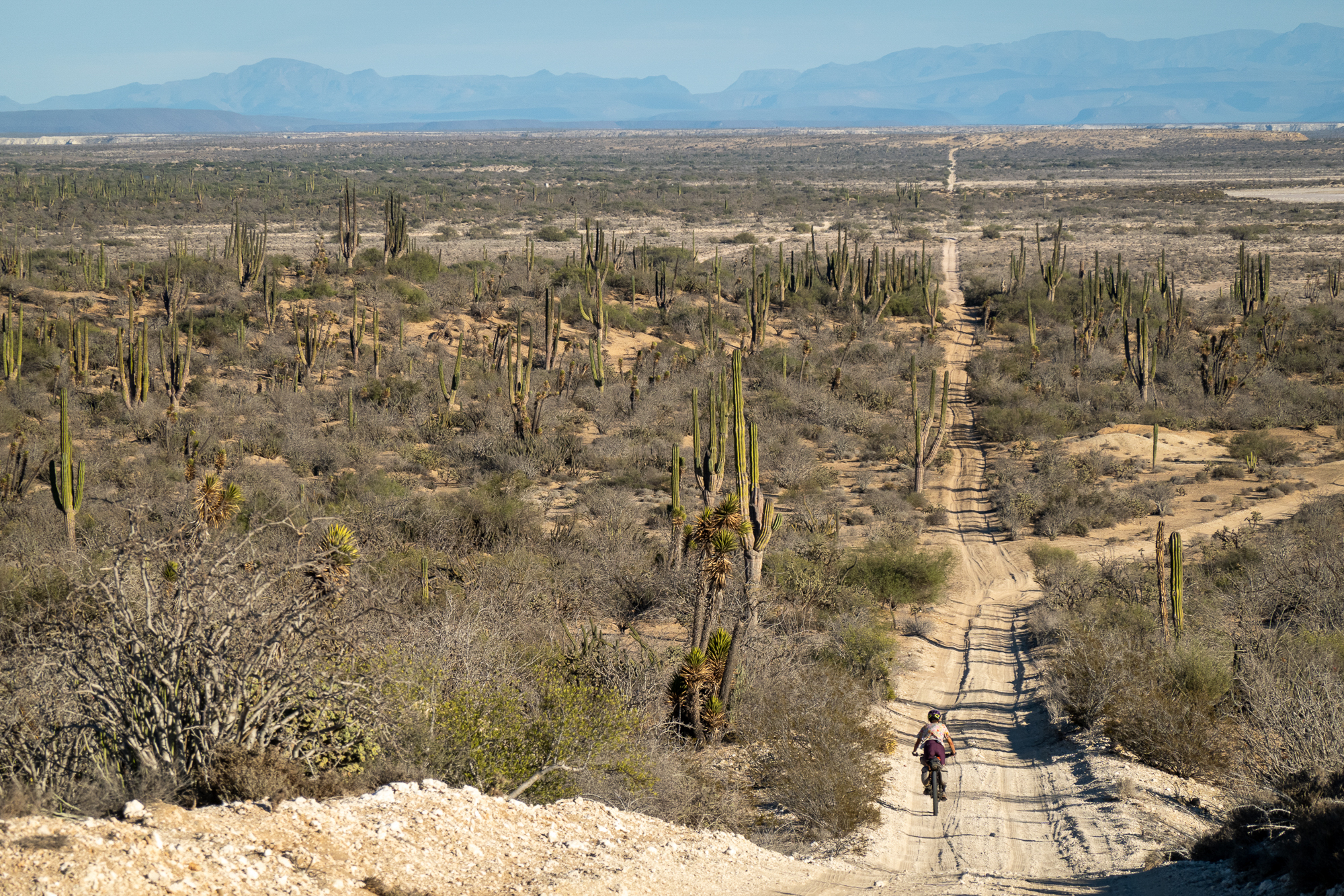
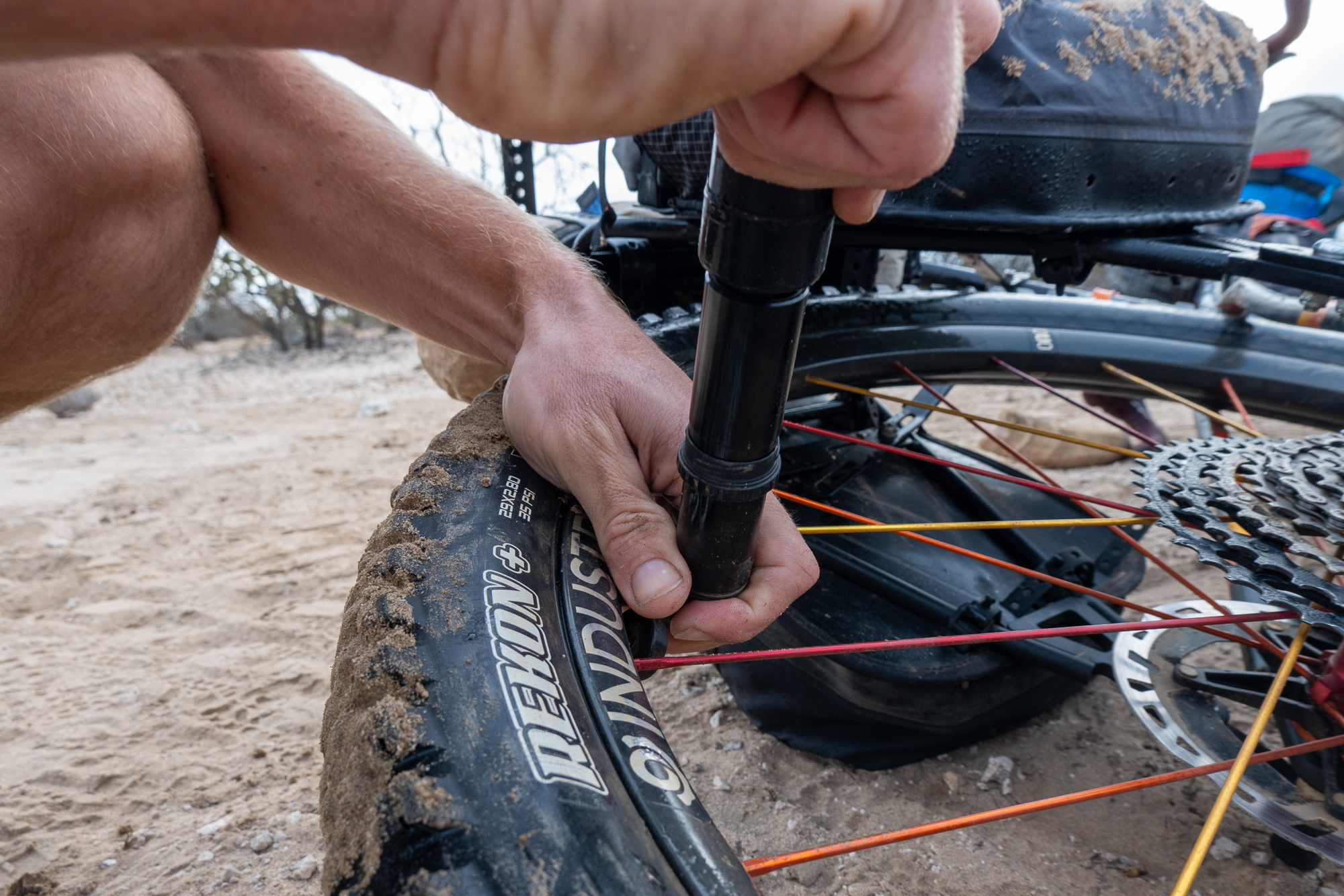
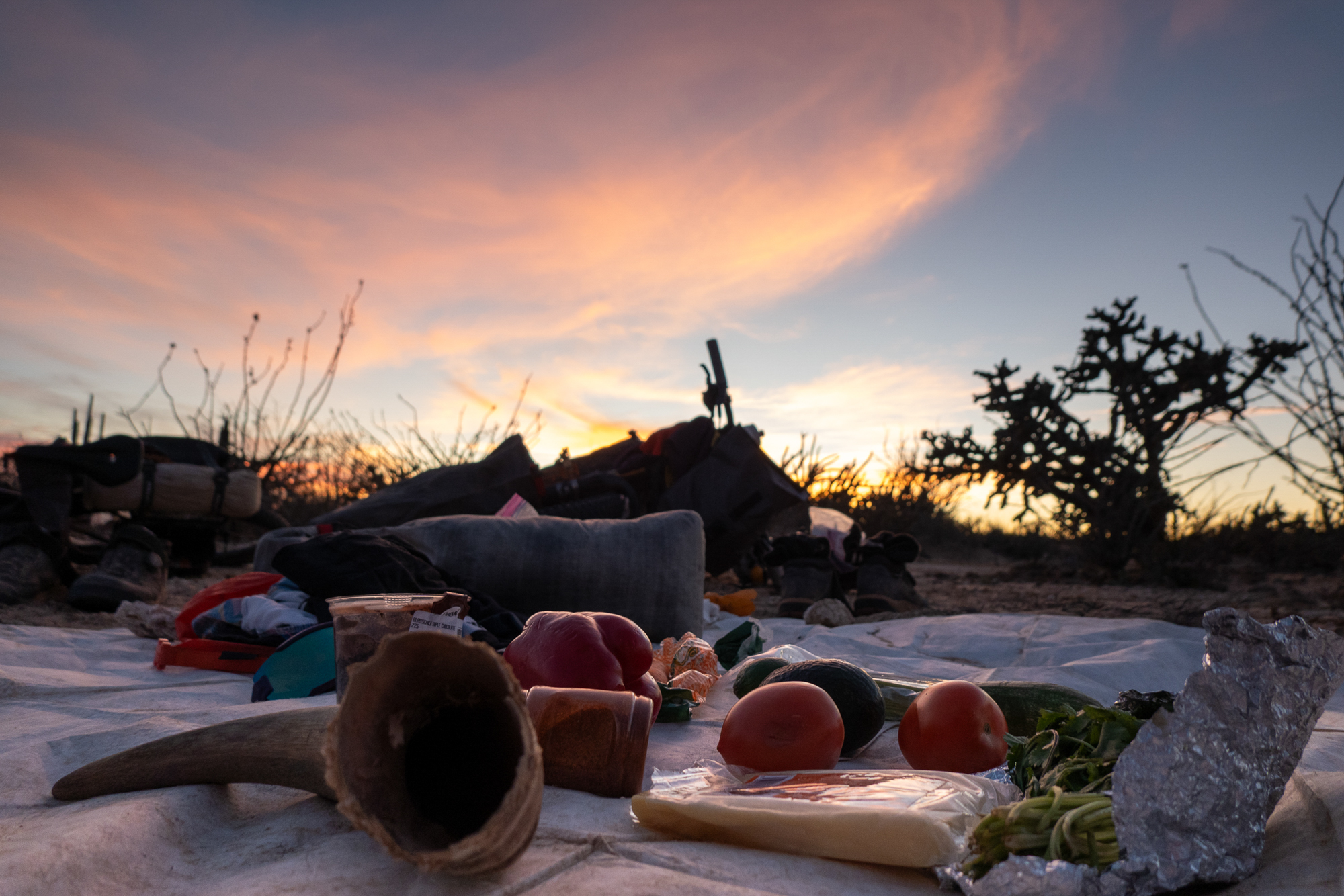
It was late November as we traced sandy tracks across the Desierto de Vizcaíno in the center of the peninsula and into the bustling town of Vizcaíno. We had been following other bike tracks for days, and upon entering town, we immediately met a group of 5 women from around the U.S., a pair from the Lake Tahoe area, and a friendly high school physics teacher from San Francisco. They all seemed similarly worn down but in good spirits, and we’d cross paths repeatedly for the rest of our journey. After all the quiet miles on the U.S. part of Orogenesis, I was enjoying running into other bikepackers in Baja. South of Vizcaíno, we seemed to be the only ones to stick to the main route toward San Ignacio rather than taking the paved Highway 1. It seemed everyone but us knew about all the sand; it was hot, dry, and slow-going. We had loaded up on veggies and ingredients for a fancy taco Thanksgiving dinner out in that sand, and I even found a cornucopia in the trail (well, maybe it was a cow’s horn).
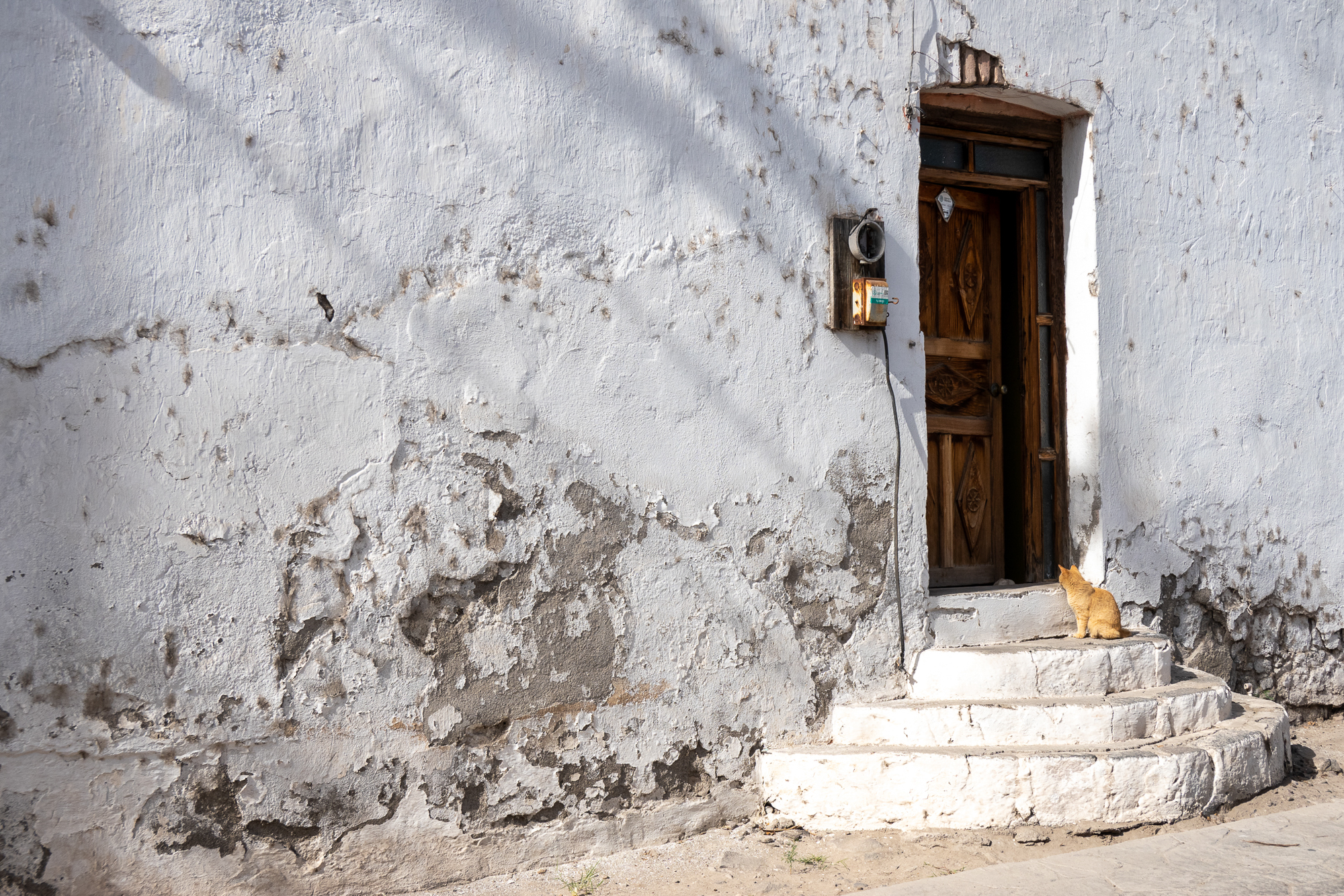
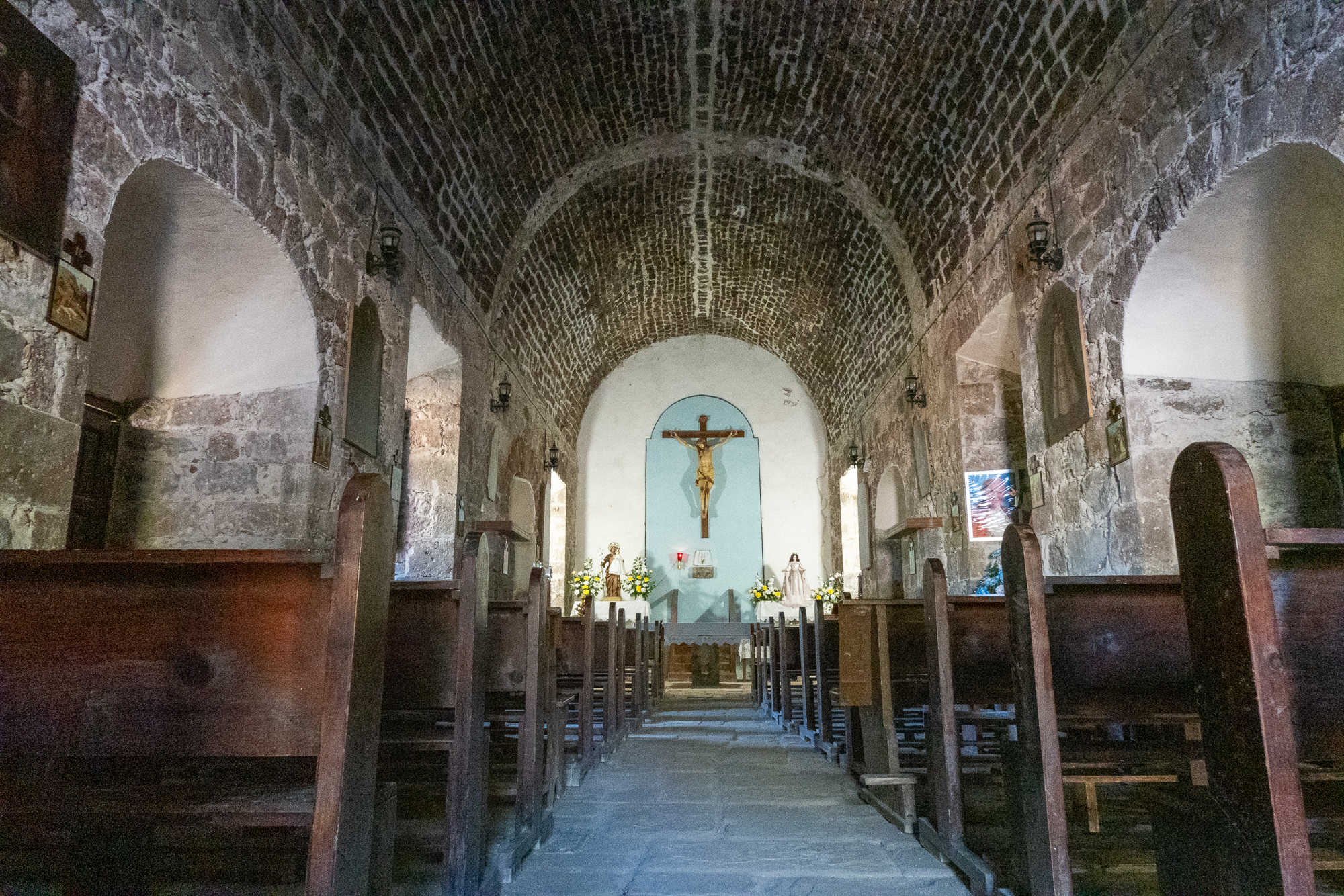
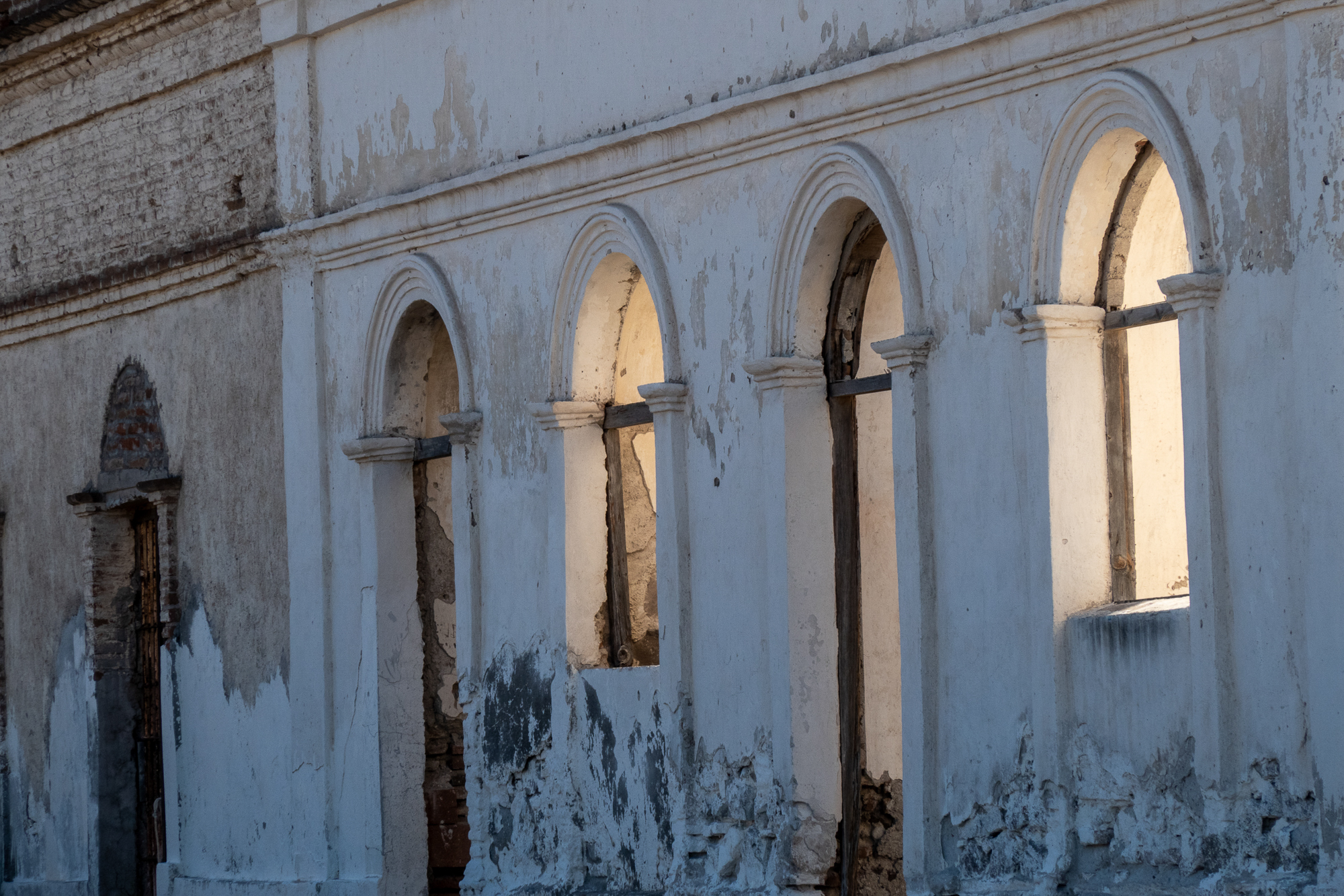
The so-called “Missions segment” of the Baja Divide route begins in the veritable oasis of San Ignacio, where freshwater lagoons, strung together like blue jewels, adorn the basalt-walled canyon which holds the touristy village. Date palms line the water’s edge, and one of many stone missions built by the Jesuits in the region in the late 17th century. These missions are some of the primary tourist attractions in the region despite the fact that their creation led to the collapse of local Indigenous cultures, many of whom died of measles and smallpox. We wandered through each of the missions, feeling conflicted about that history.
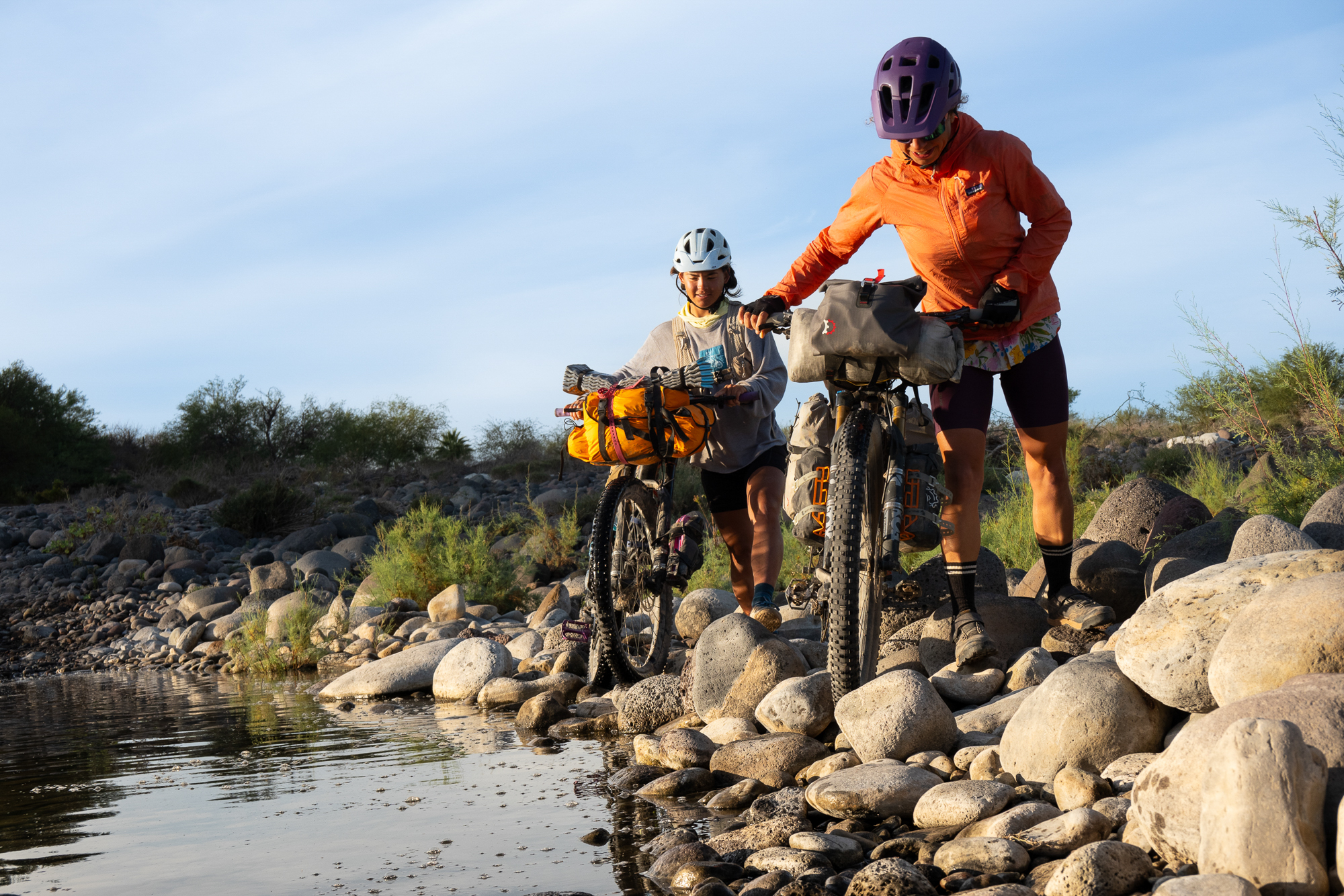
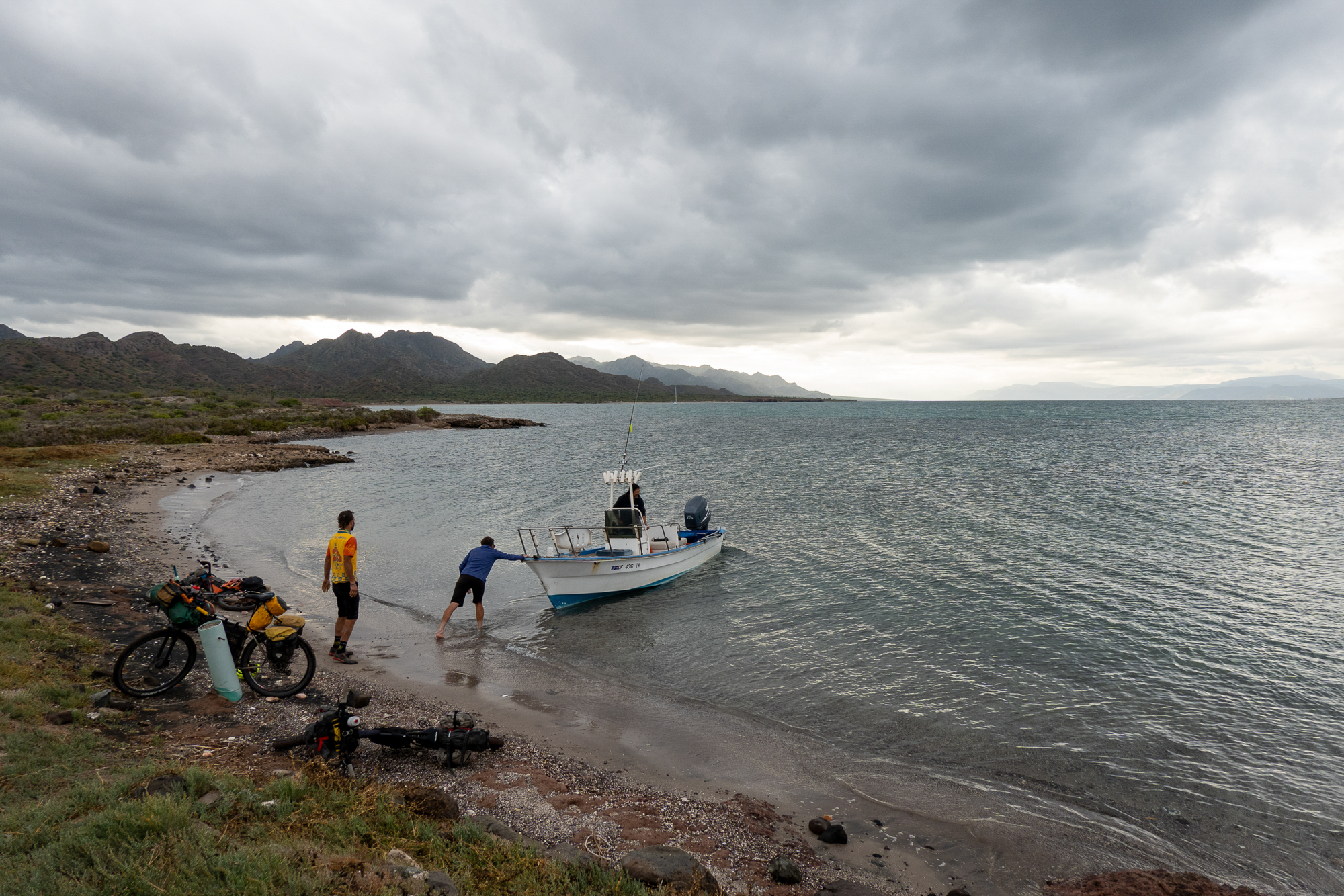
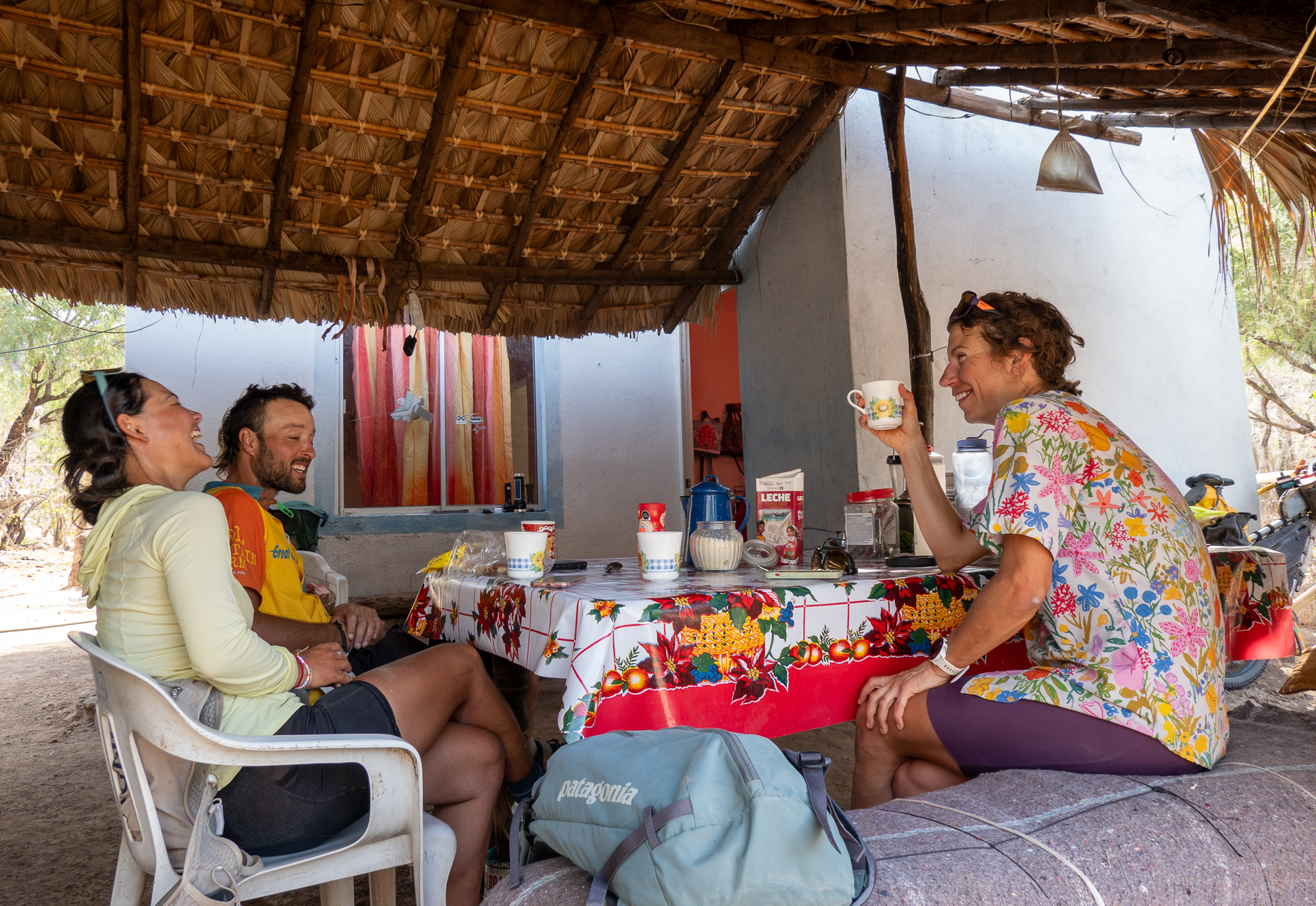
Sharing miles with other riders was consistently a highlight – new personalities, fresh enthusiasm, different stories to be shared, and sometimes exciting snack ideas! We caught up to a couple more folks on a day of barren mud and salt flats before turning inland for the next rough crossing of the peninsula. Claire and I settled into the pace of Isaac and Heidi and were glad to have company for the supposedly tough section to Mulegé. Heidi had started her ride in Canada, and Isaac was on his second tour down the length of Baja. We were all relieved to find that the scenic canyon-bottom road to Mulegé was actually in good condition, and it was lined with small ranchos eager to help cyclists. It may have been remote on paper, but certainly didn’t feel that way.
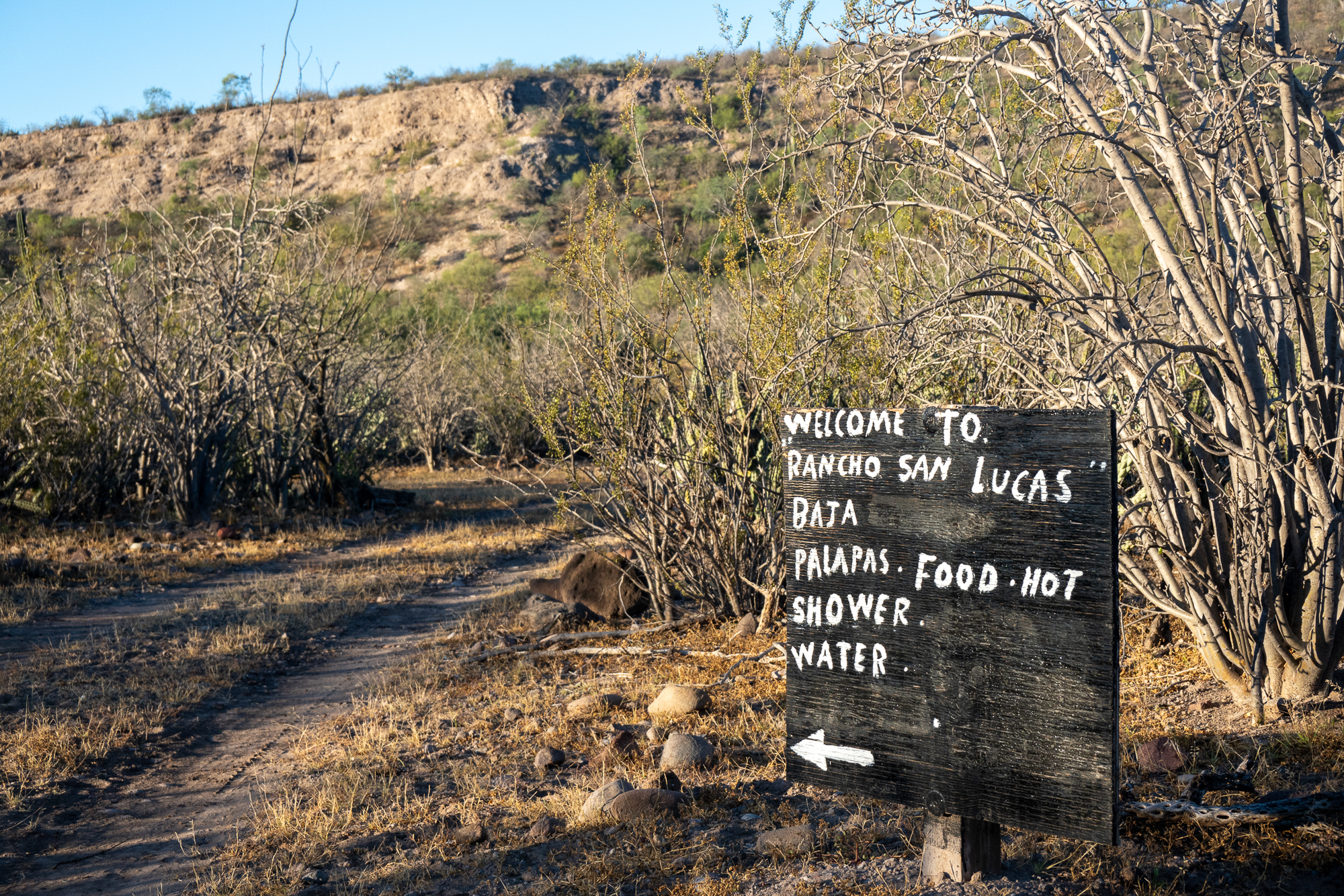
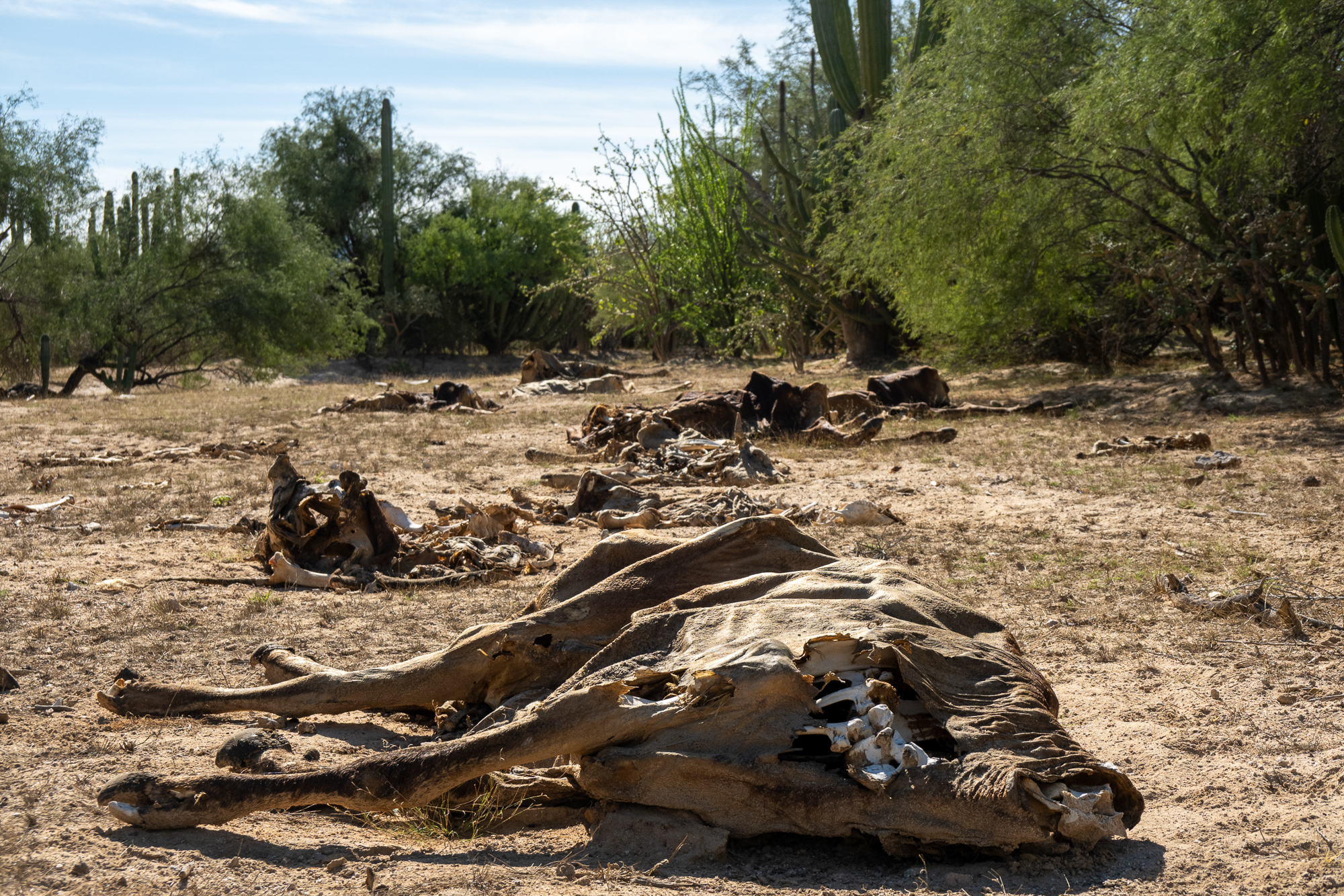
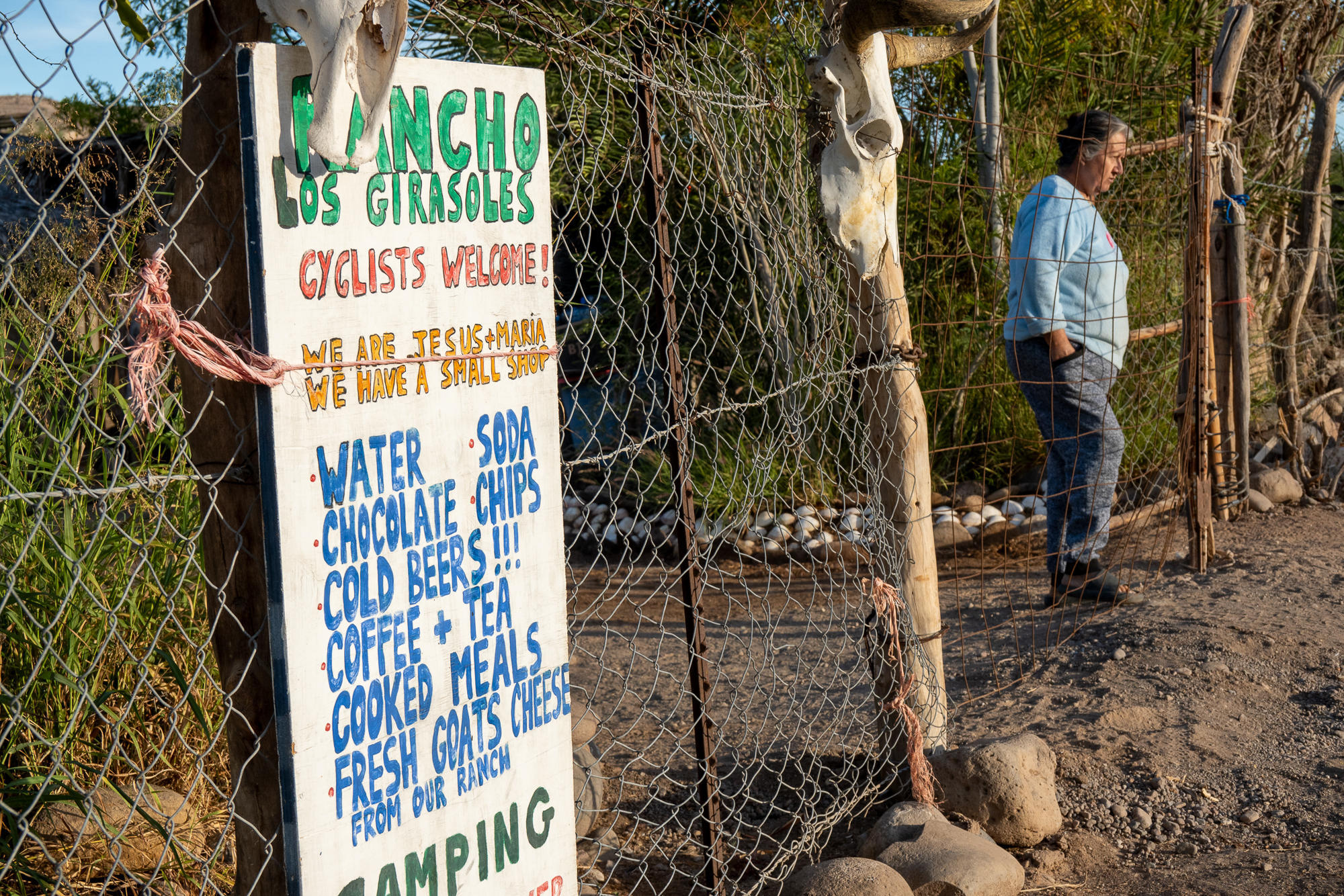
Years of persistent drought have left many ranchers unable to maintain herds of cattle or even grow any crops in this region. That leaves them with perhaps a number of goats, requiring considerably less water than cattle, but little else for sources of income. The hundreds of bikepackers who pedal this route each winter, though, offer a new seasonal revenue option – so many riders are happy for a place to pitch a tent, water, a meal or two, and perhaps even a shower. We stopped at a few of these ranches as we climbed Arroyo San Raymundo, camping at one, getting lunch at the next, topping off at water and buying fresh tortillas at a third, and sharing stories as best as we could in our limited collective Spanish.
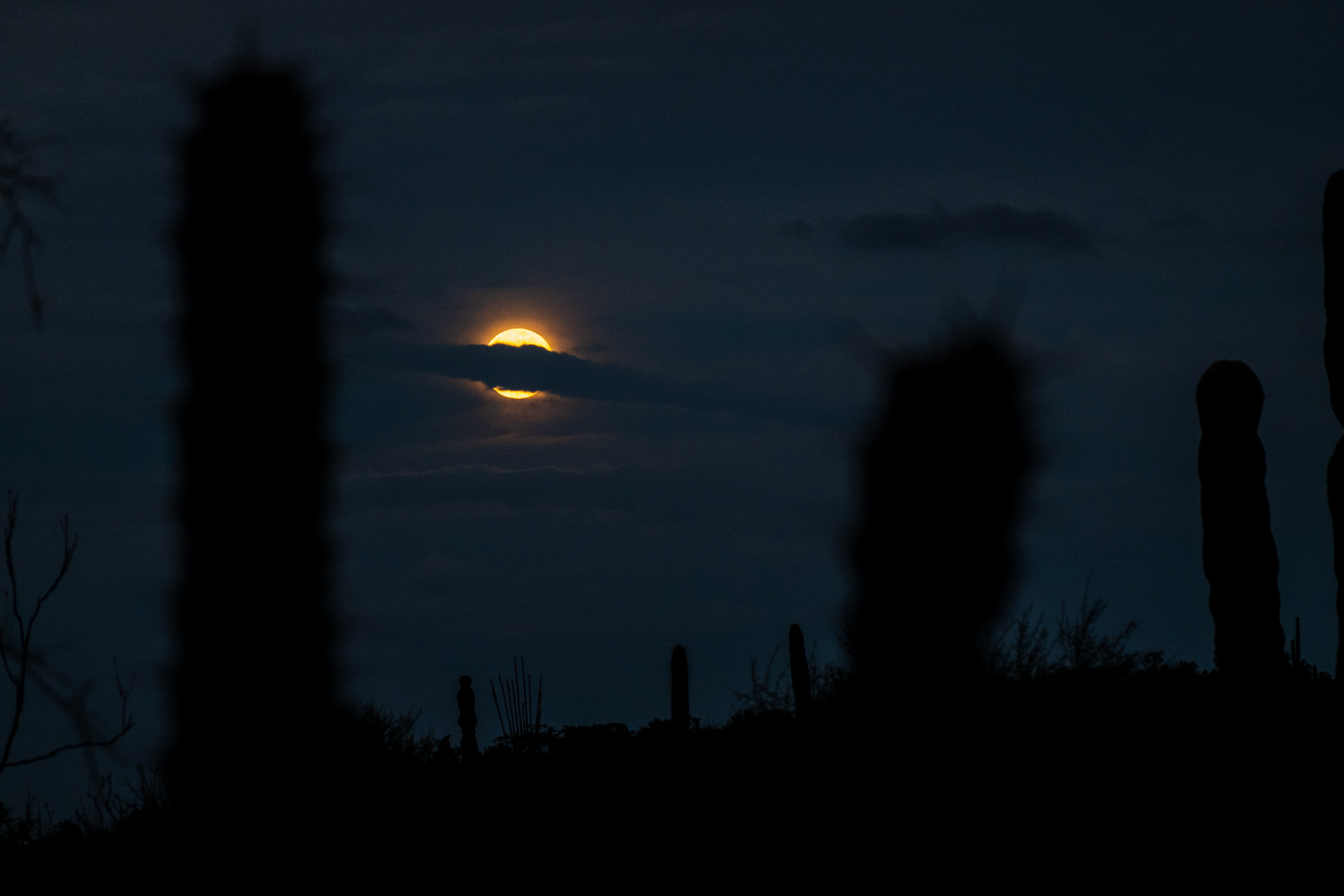
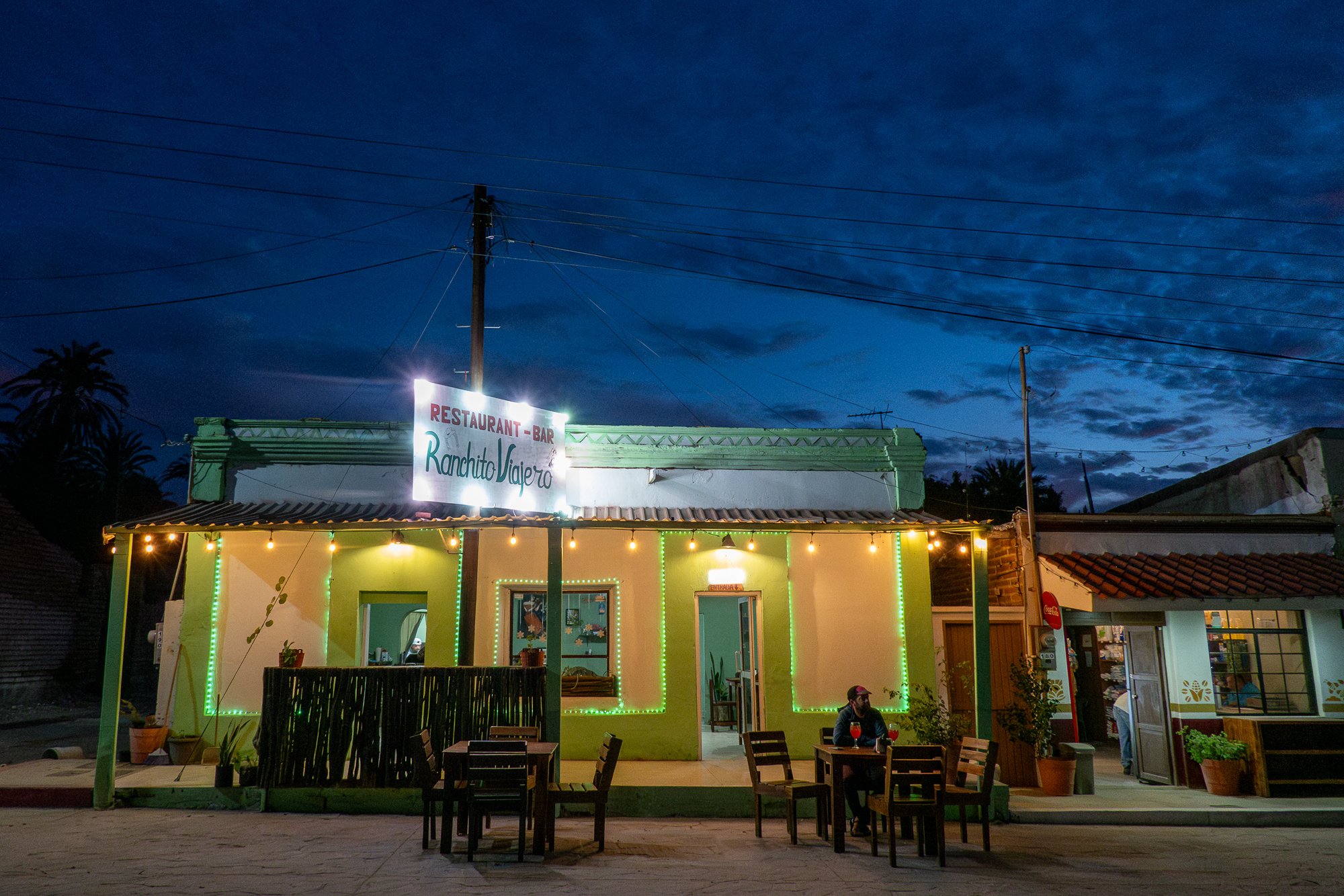
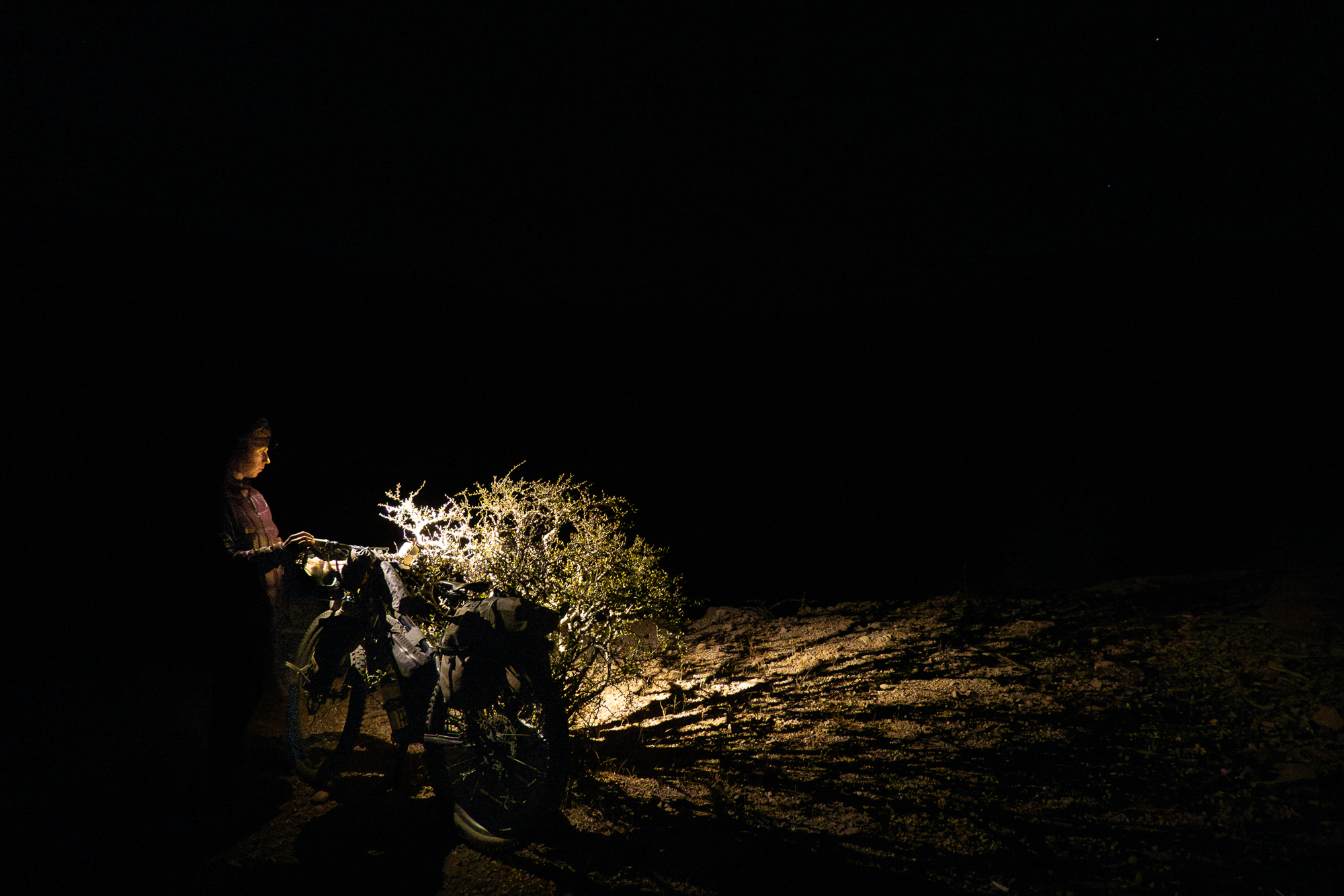
The long nights continued as winter approached. We slid into at least 9 hours of sleep each night, ate our dinners in the dark, and enjoyed sunrises with breakfast and coffee.
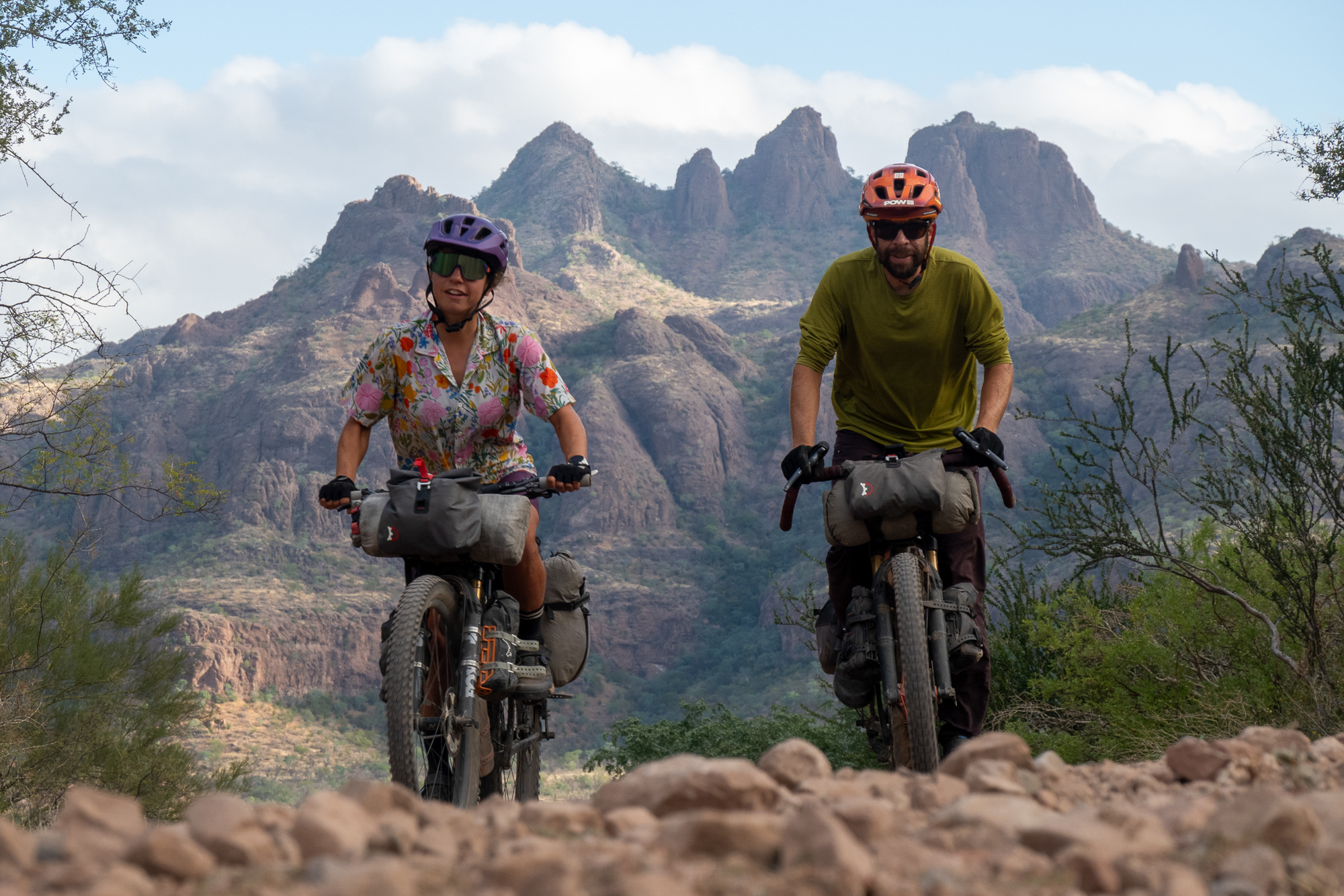
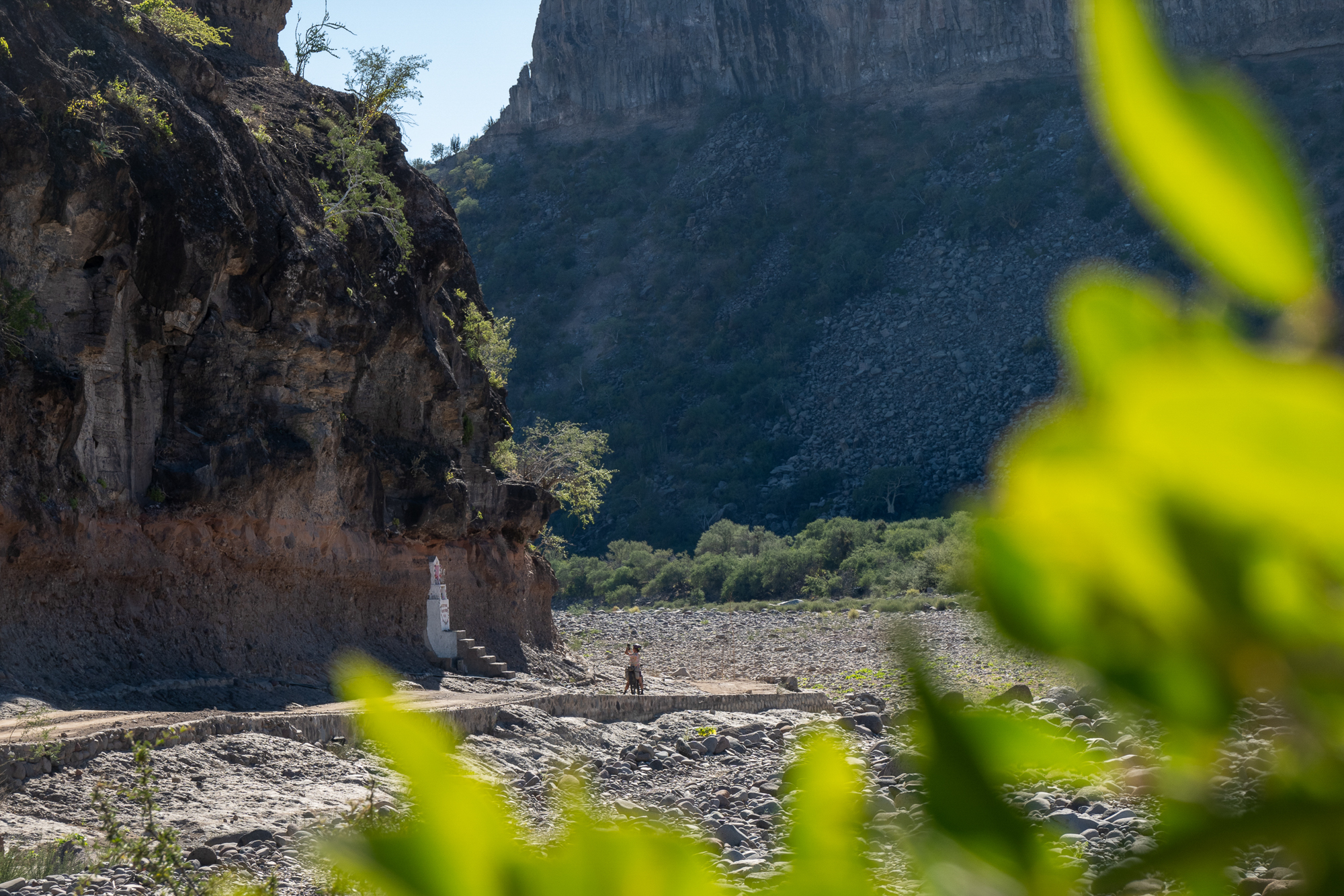
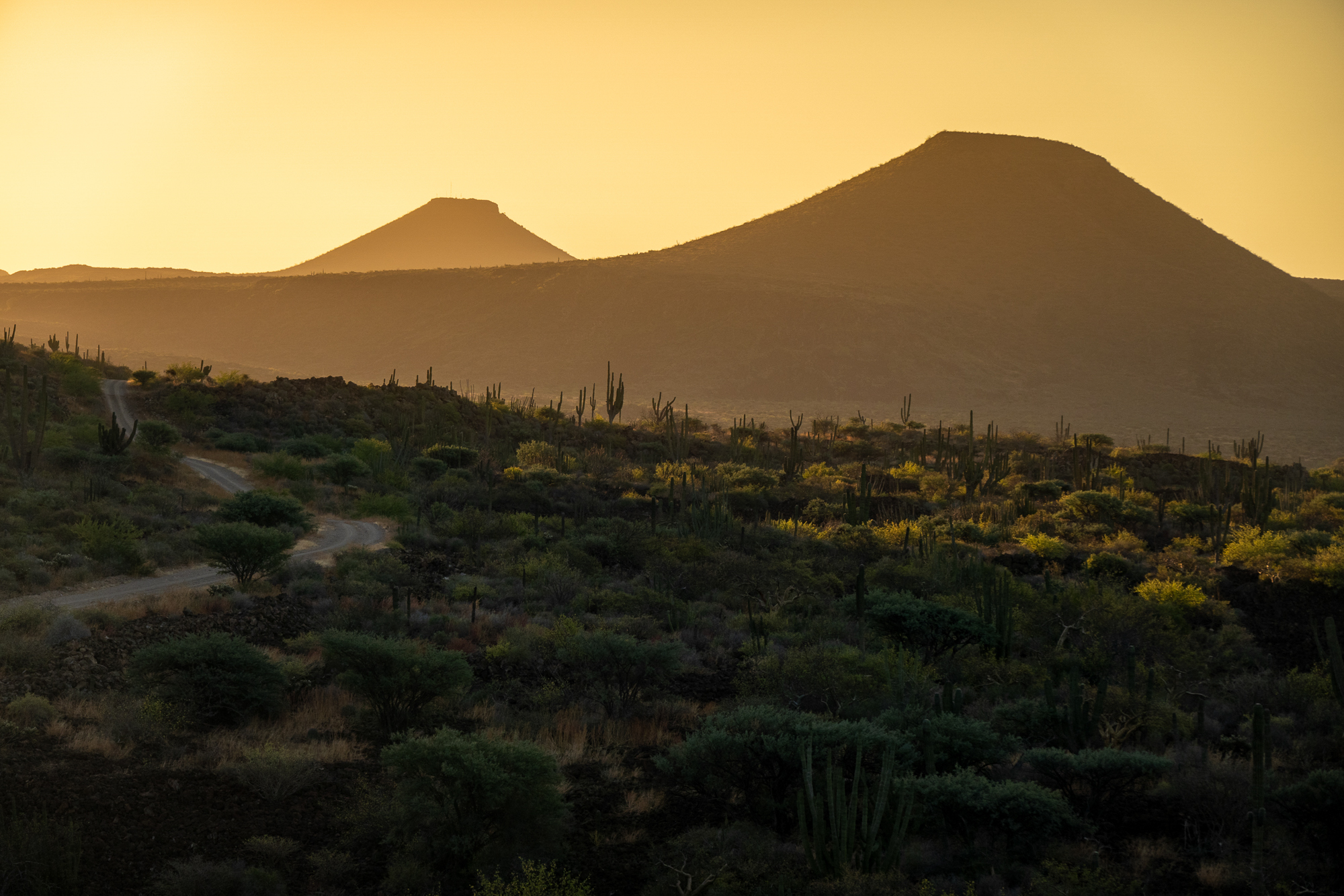
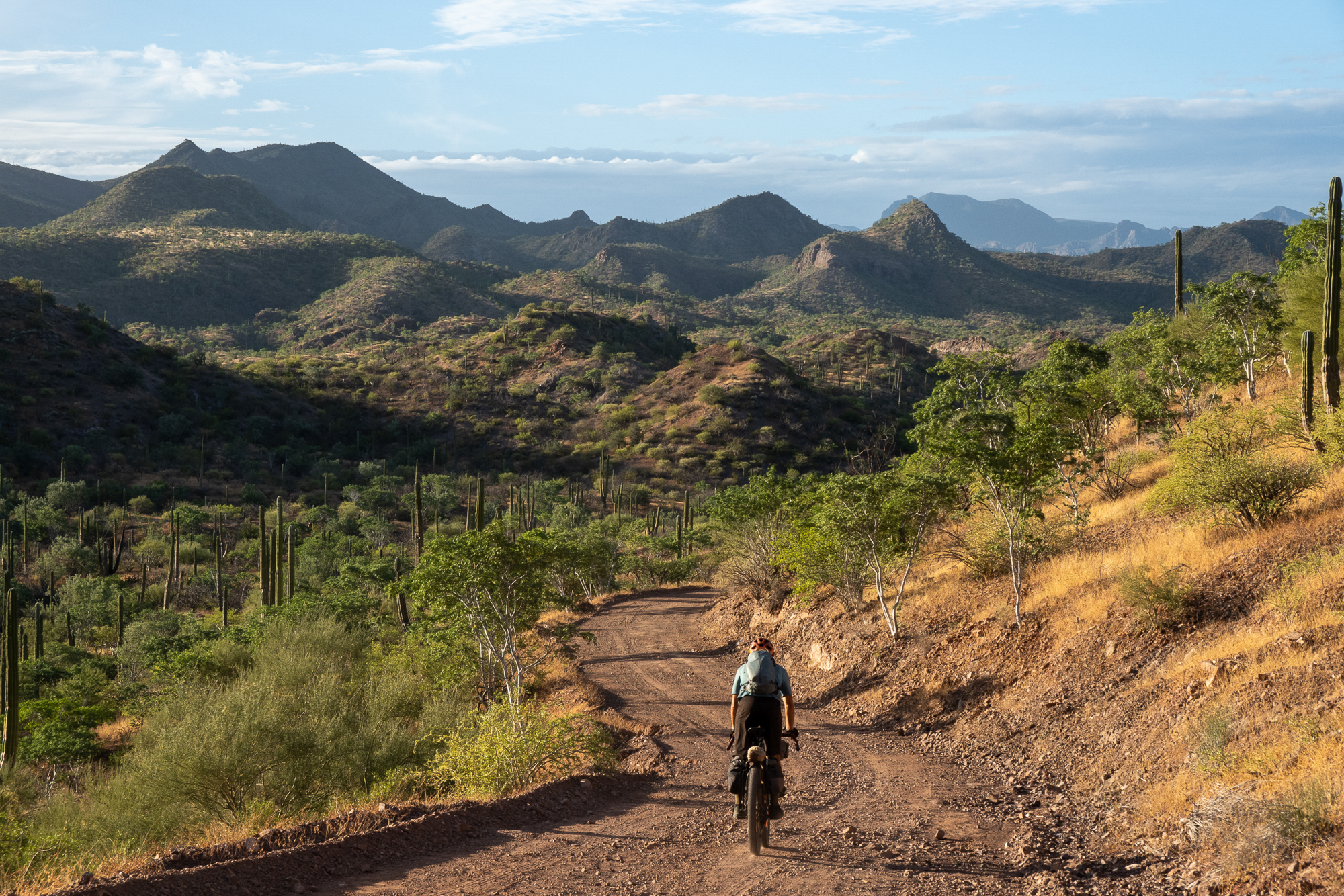
The Sierra de la Giganta was my favorite part of the route – deep canyons, rugged mountains, and abundant water, both flowing and in perennial tinajas. Hundreds of cinder cones dot the eastern flank of the range, and to the west, the mountains plunge thousands of feet down to the Sea of Cortez. The riding was as difficult as the landscape was diverse.
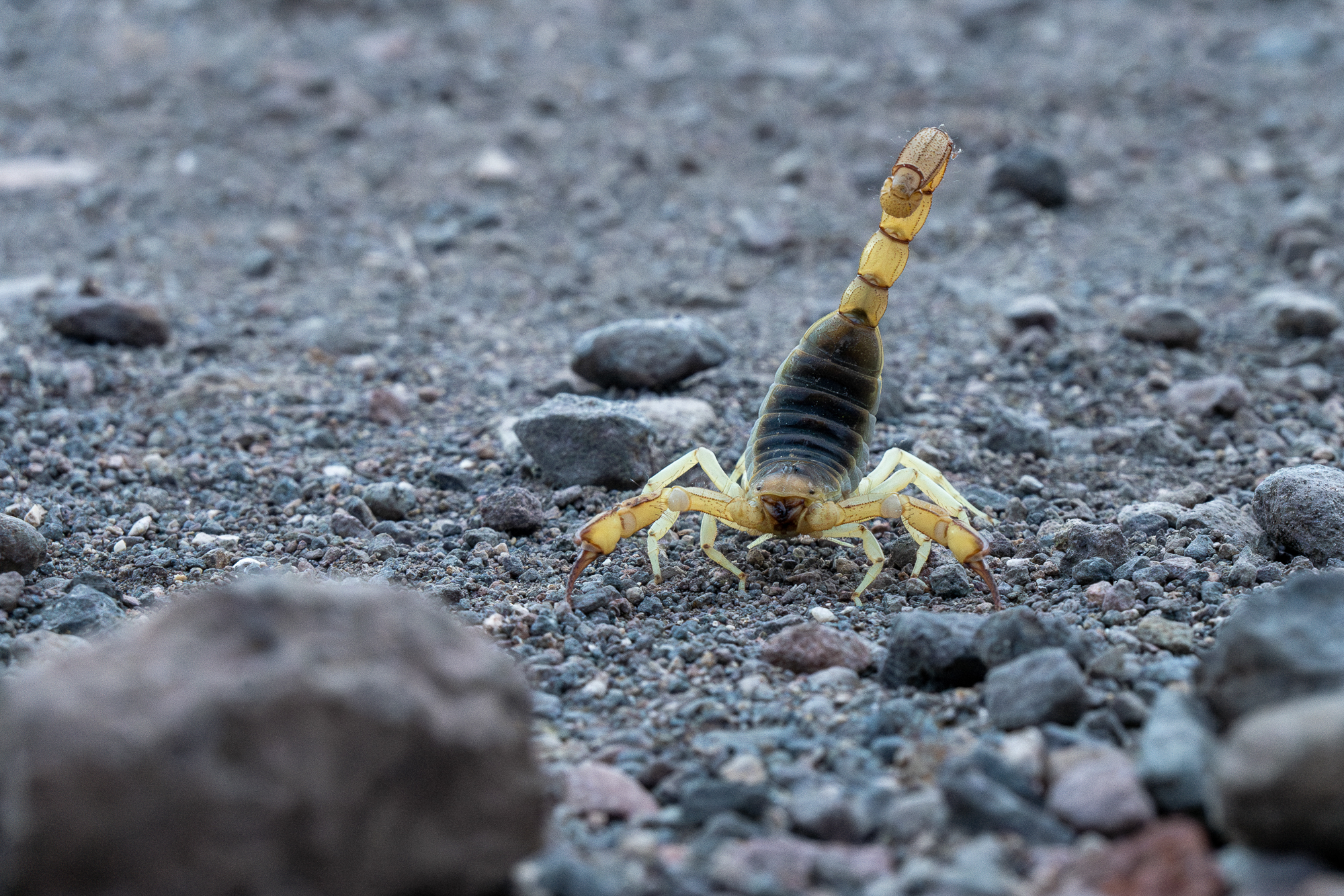
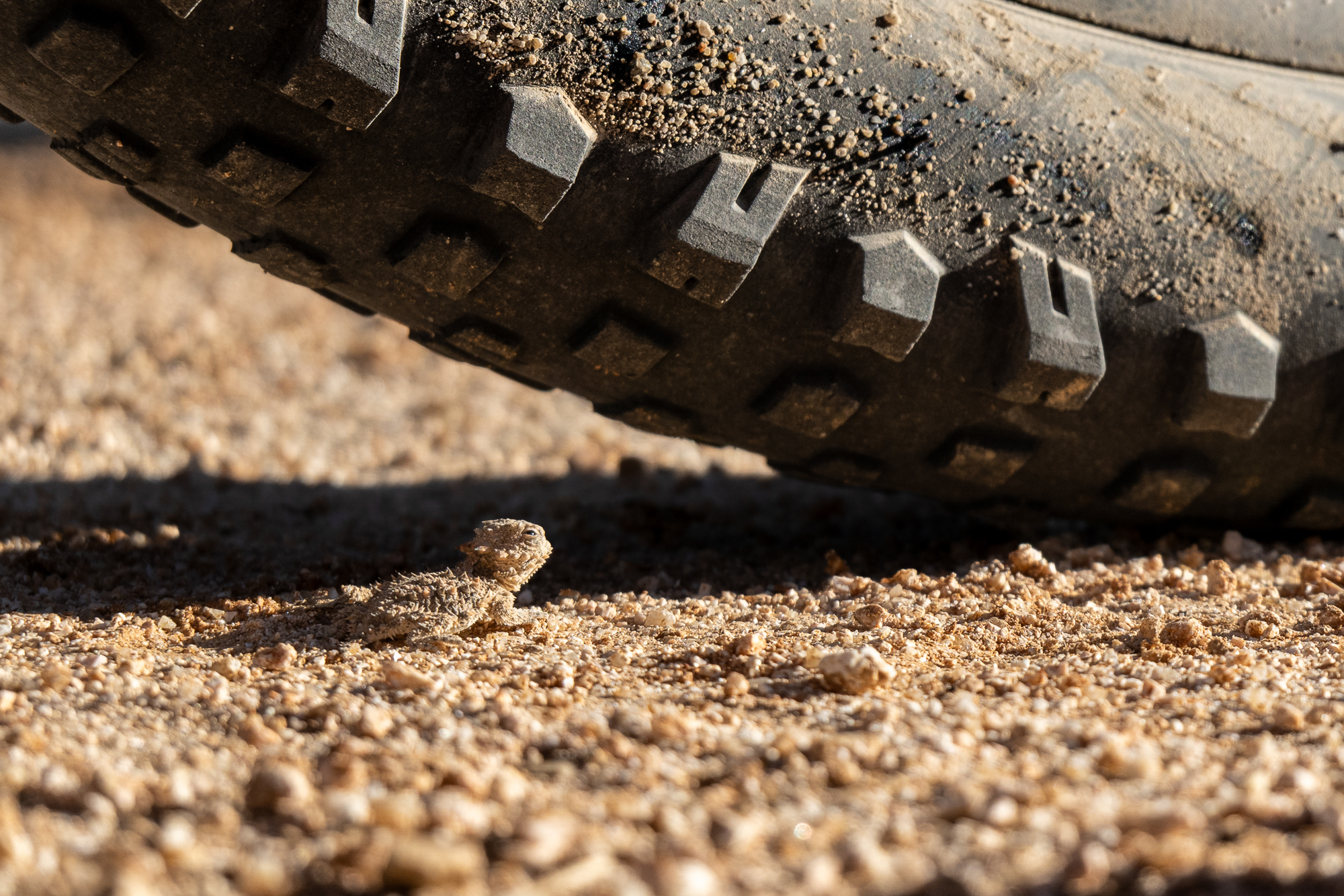
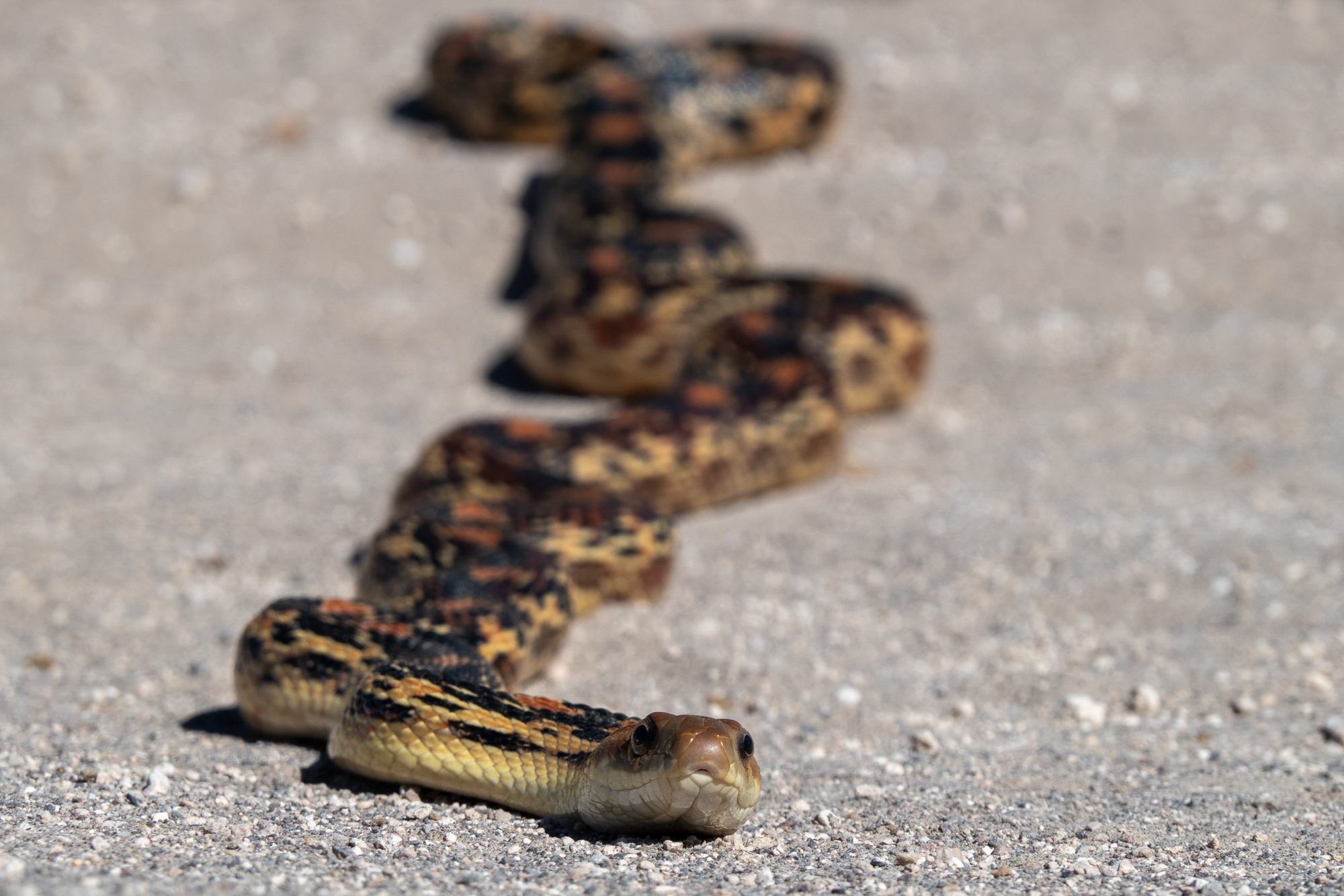
Desert critters – snakes, scorpions, tarantulas, lizards of all types – but the ones that had us the most concerned were the surprisingly-abundant mosquitoes. It was apparently a healthy season for dengue fever, so we were particularly relieved to have a fully-enclosed tent for all the buggy nights. None of the other crawlies gave us any problems at all, aside from friendly dogs who swung by one camp at midnight eager to play, and a pack of brazen raccoons at another who really wanted to sneak off with our snacks.
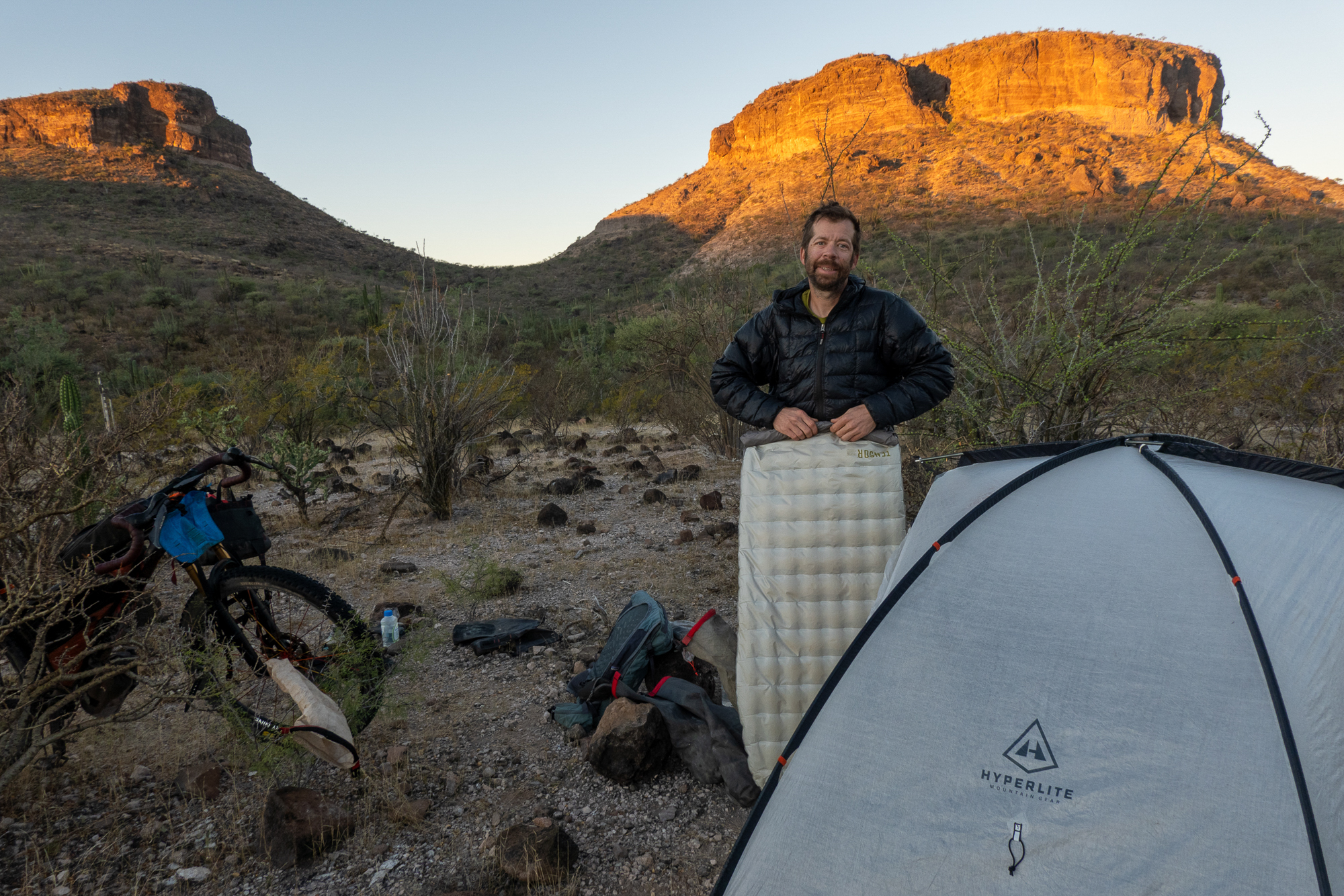
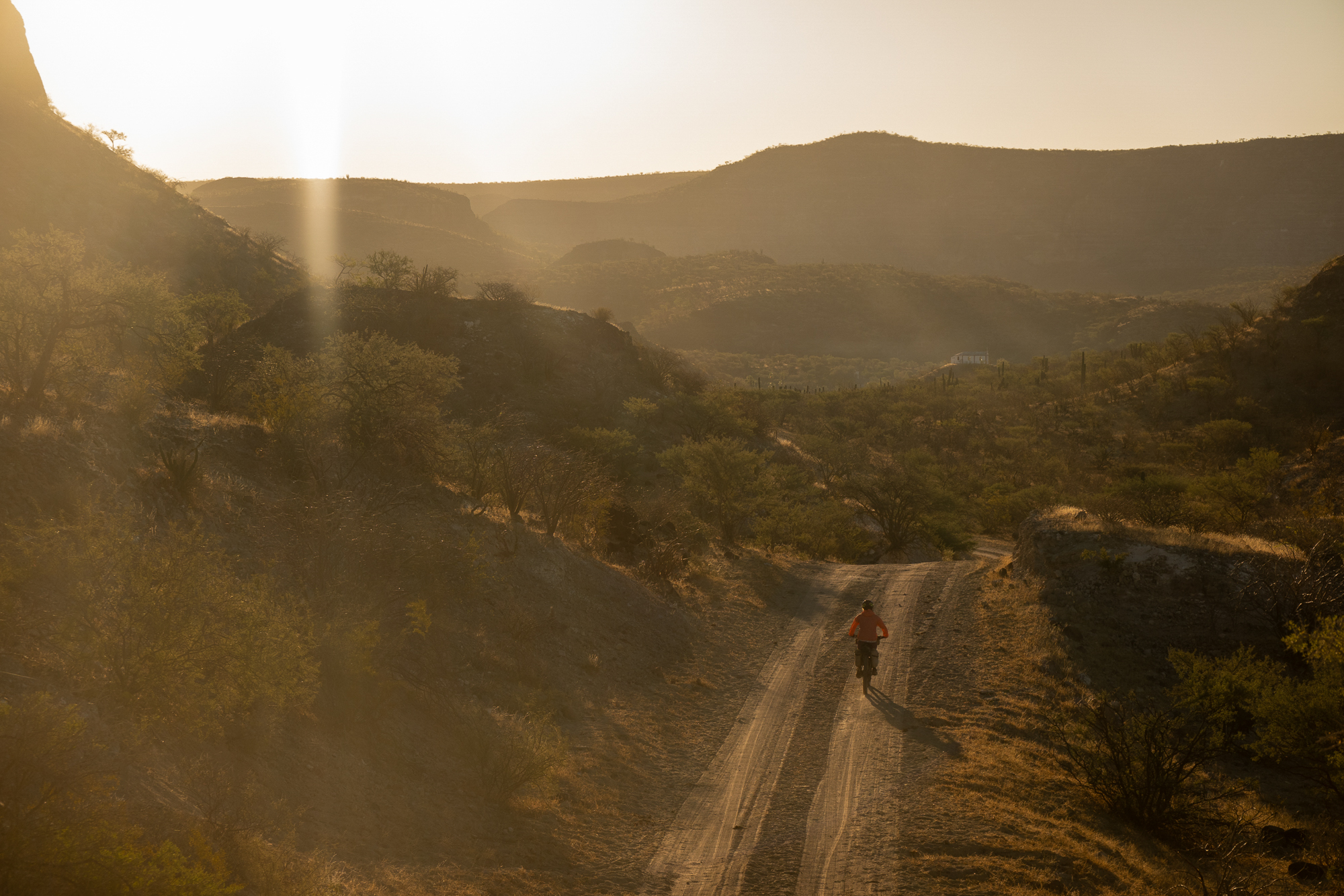
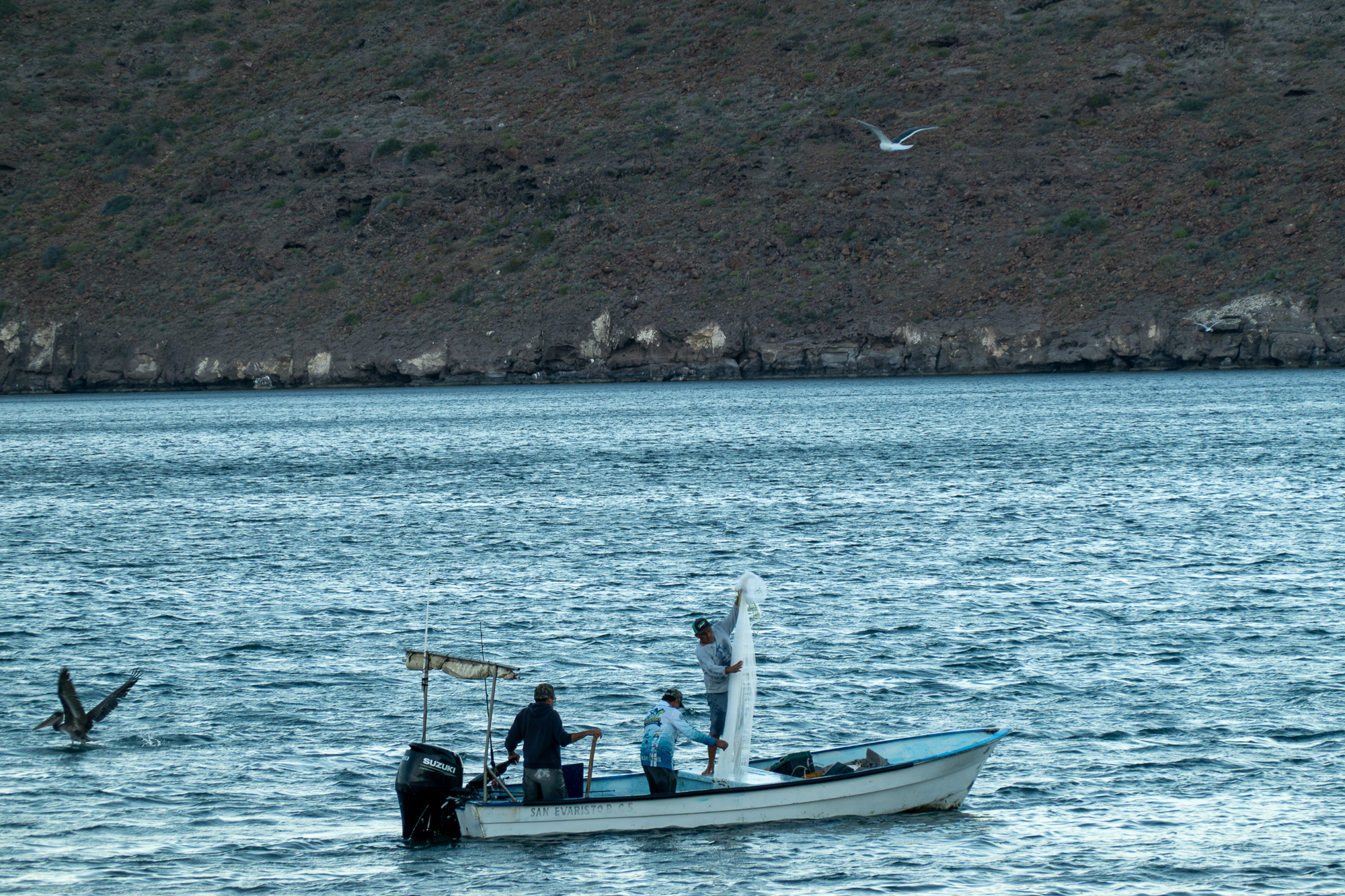
The small details, so deep into a long trip of any sort, regrettably often fade away with the miles. An uneventful morning at a beautiful campsite, a short, sharp climb when the sun first hits you and necessitates a stop to de-layer, and the pelicans swooping among the fishing nets being pulled in for the day. The scenes themselves don’t tell the key parts of any story, but their compilation creates the bulk of the tapestry of experiences along the way.
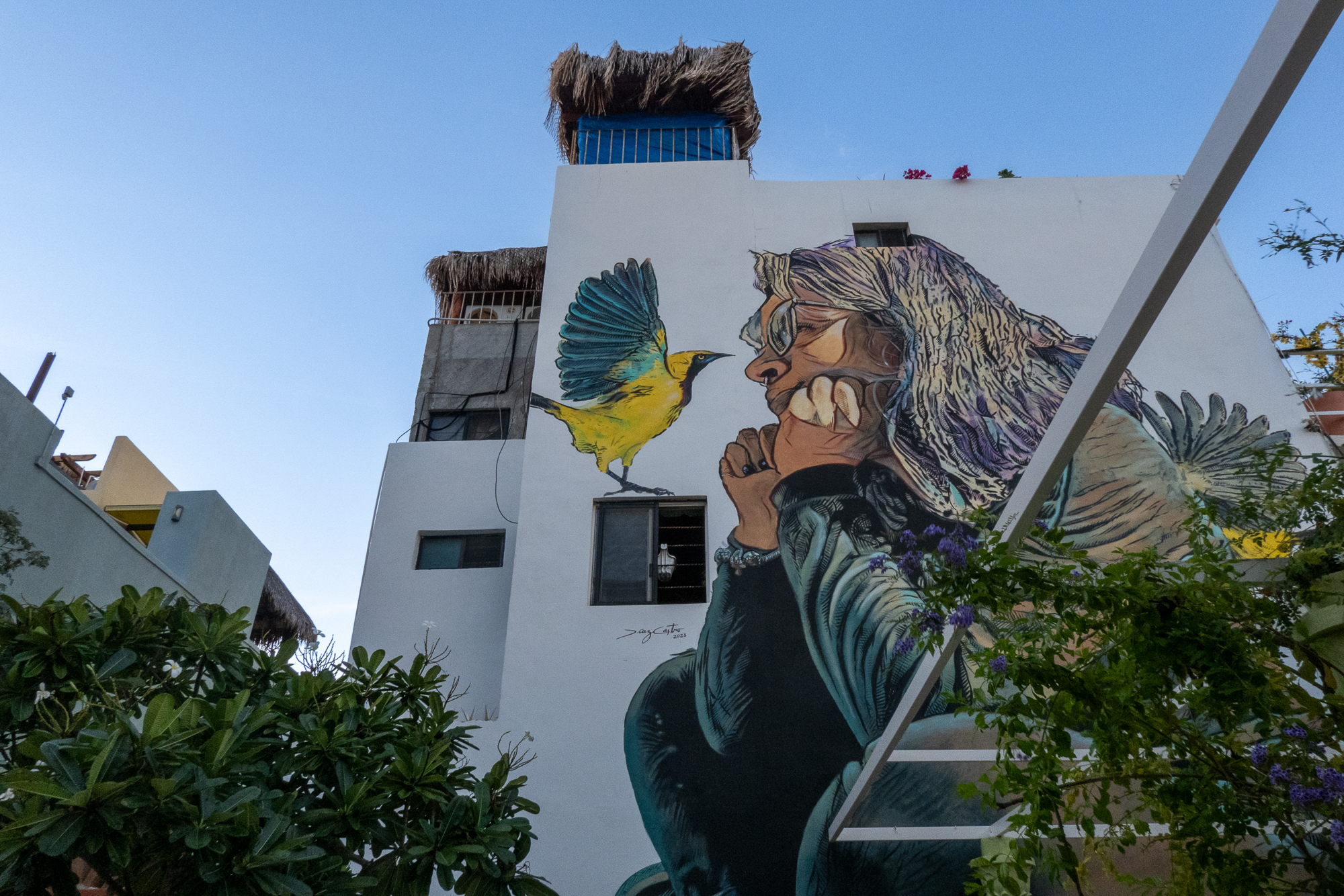
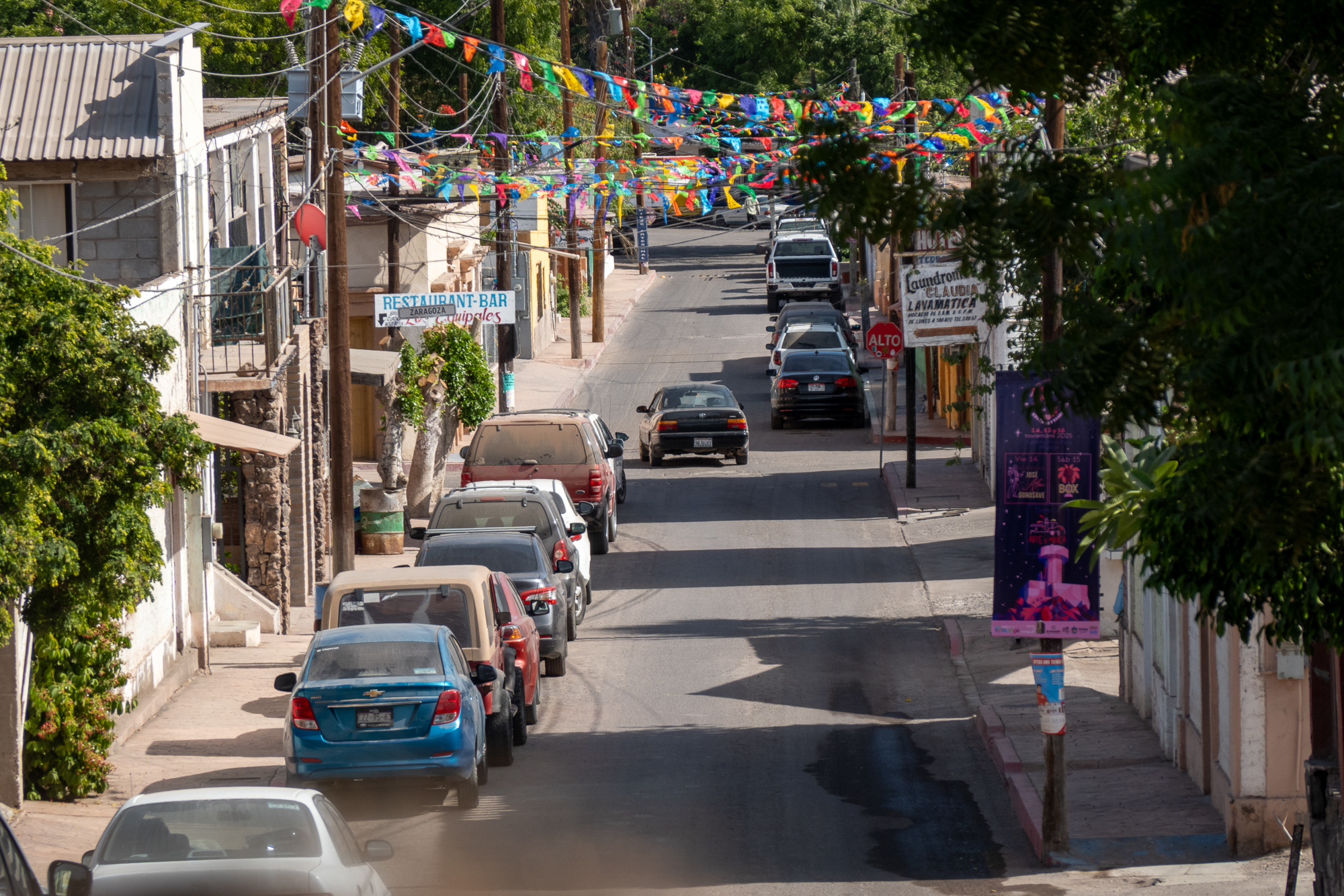
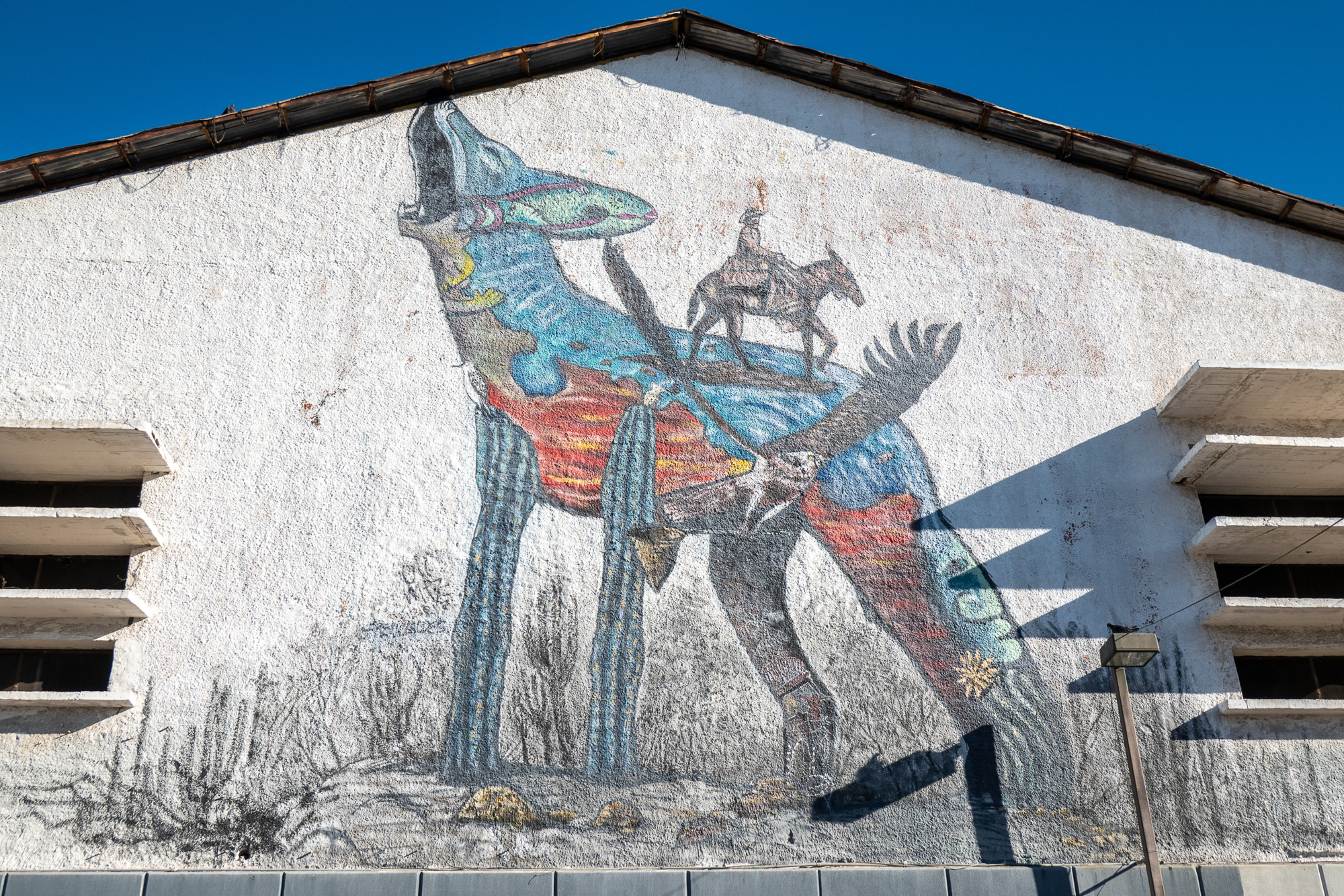
After more than a thousand miles with only villages or very small cities along the way, I found rolling into La Paz overwhelming. The huge variety of foods, the street art, and the culture were, however, a very welcome change for a couple days. Claire was elated for all the restaurant options, and we committed to a couple days of entirely non-Mexican food just for a change of pace. Rest days in places like this rarely feel restful when there’s so much to explore and see, and my legs may have been more tired as we pedaled out of town from all the city walking. But mentally, both Claire and I felt rejuvenated for the final few days.
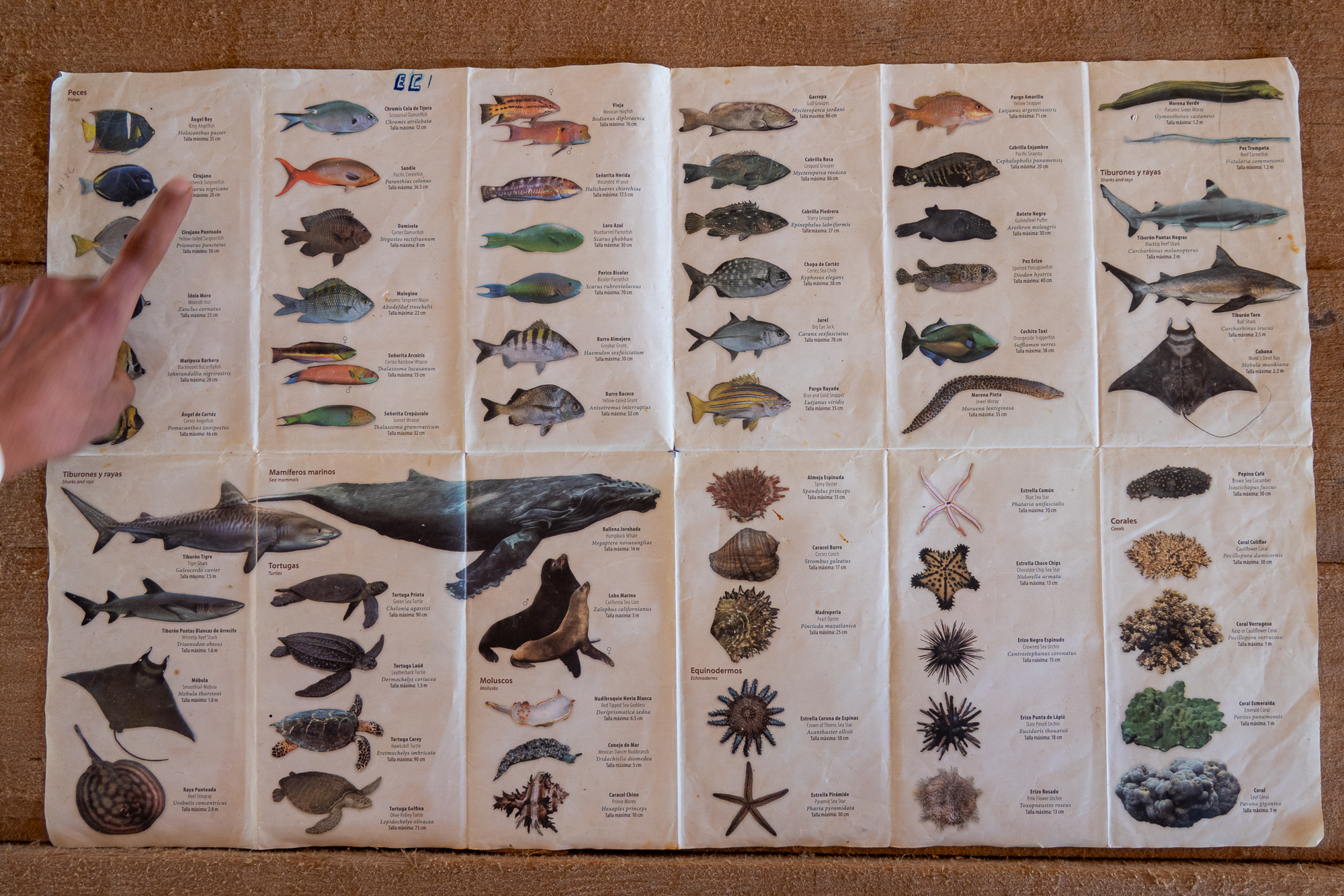
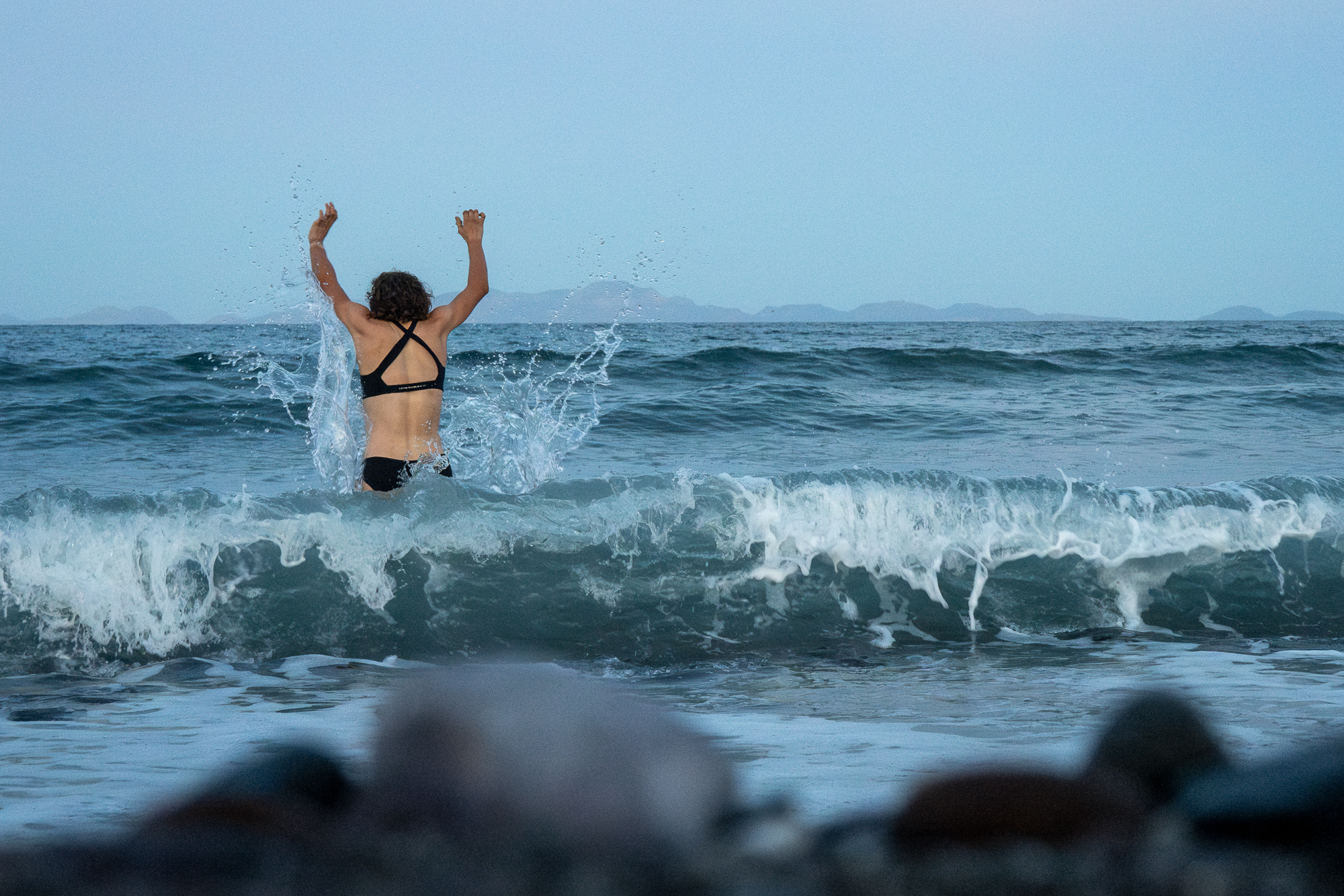
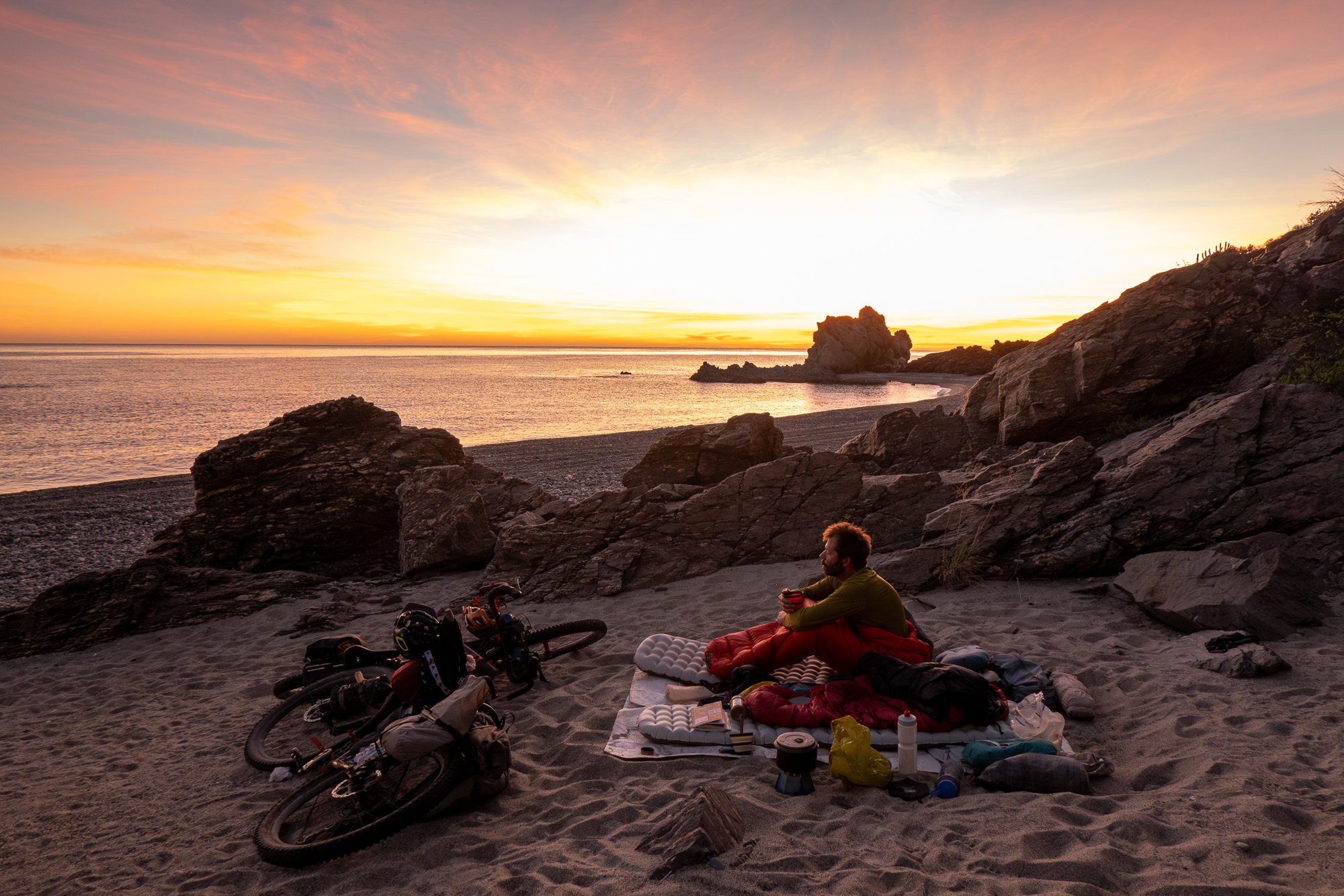
It wasn’t until our last week of the Baja Divide that the experience felt relaxing. The riding on the Cape Loop roads is considerably faster than farther north, so we found ourselves making camp well before dusk, taking time to swim on the beautiful beaches, and spent a morning snorkeling among the reefs at Cabo Pulmo.
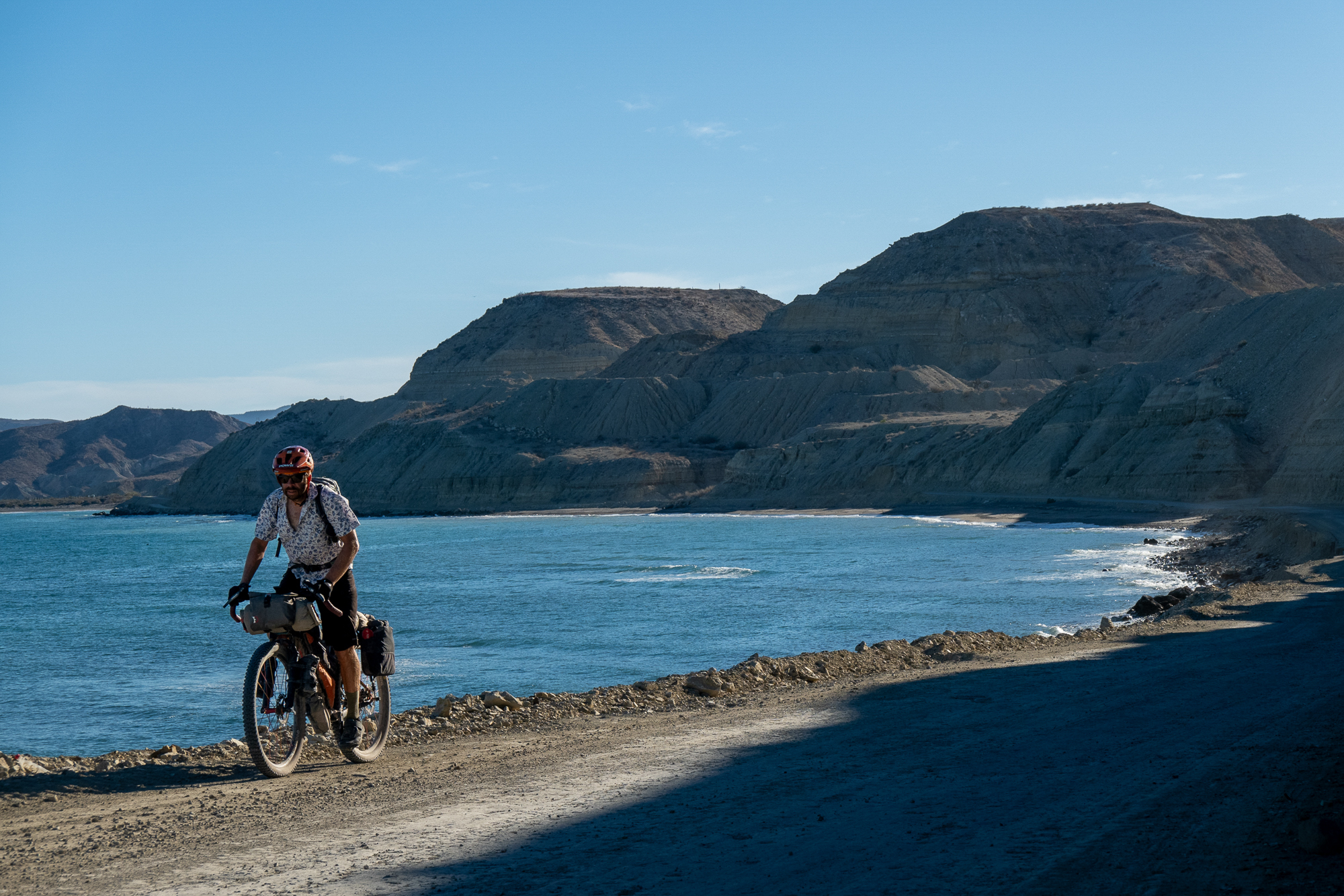
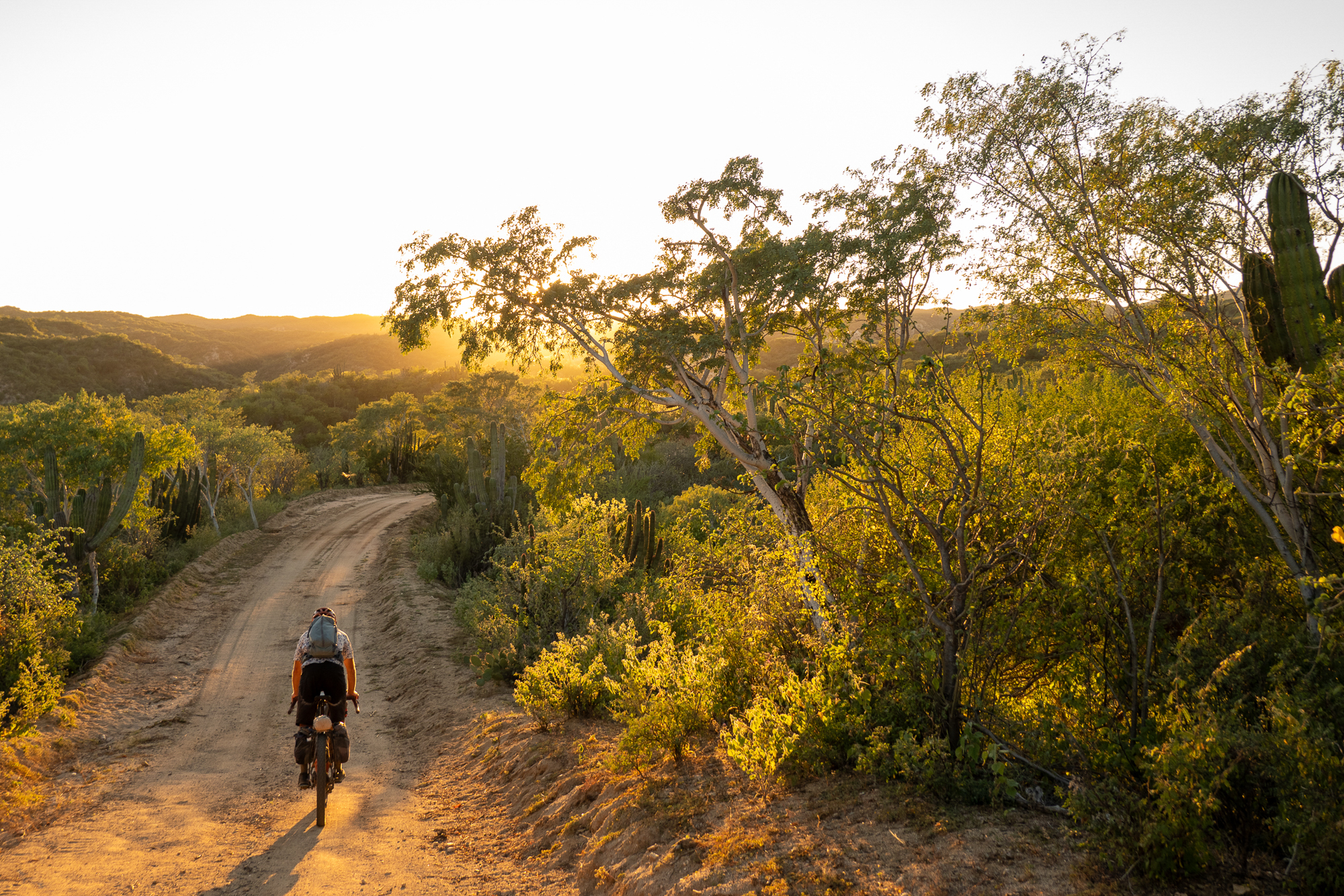
As we ascended toward Sierra la Trinidad and the final mountain range on the route, both Claire and I were in quiet disbelief. Her longest bikepacking trip prior to this had been four days, and the scale of pedaling down Baja still hadn’t sunk in despite her being just miles from the end. For me, that departure from the Canadian border 4.5 months prior felt so long ago. I tried to pull up some of the memories of delightfully rowdy trails way back in Washington, some 4,700 miles prior, and it was tough to rectify that they had been part of this very same trip.
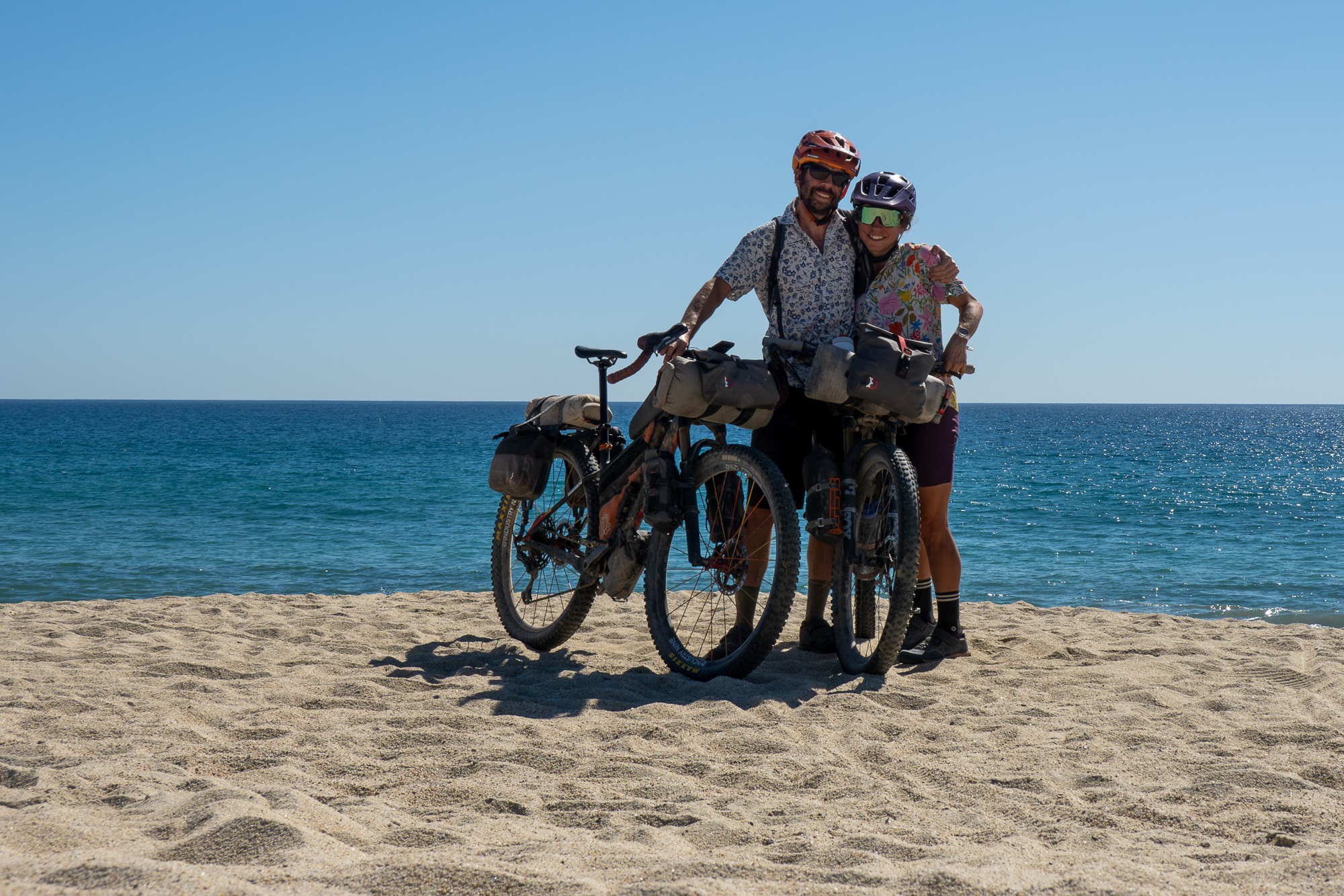
Our last campsite was high in the mountains above San Jose del Cabo, with no lights visible in any direction. I relished one final night of peaceful solitude before descending to the end of the route and the busy city below. By morning, we were both eager to wrap up the long journey, and we plunged giddily toward the dusty haze hanging above the big city. Those last miles among a gridwork of streets, battered cars clattering over potholes, and an absolute sensory overload delivered us to an oddly empty beach with turquoise blue water stretching above it all the way to the southern horizon. ”I guess we did it,” I said, looking over at a grinning Claire. We dropped our bikes in the hot sand, embraced, and then walked out into the gentle waves and let ourselves lay back upon them. Our longest ride ever, complete.
For folks interested in riding some, or all, of Orogenesis, visit the Orogenesis Collective’s website and sign up for their e-newsletter to receive updates as more pieces of the route are launched in 2026.
Kurt’s prior updates here on The Radavist include Washington, Oregon, NorCal, SoCal, and Baja Norte.