
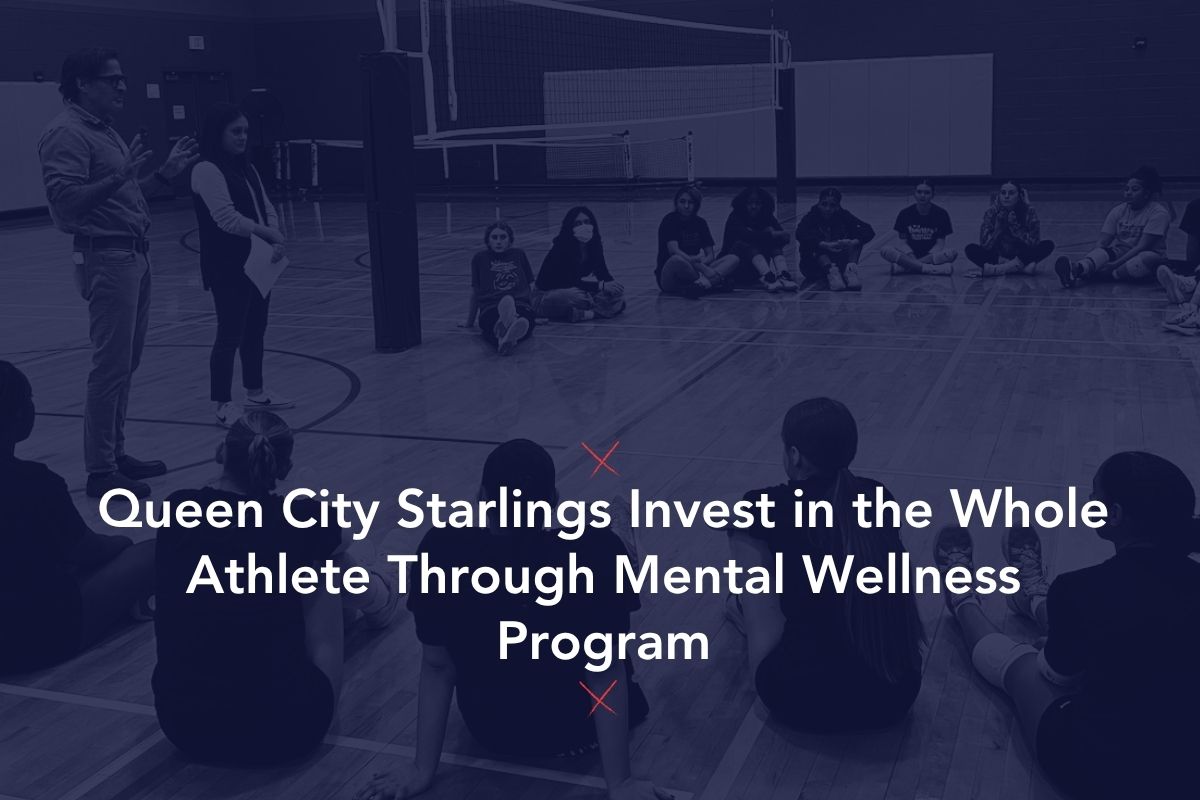
For Queen City Starlings in Matthews, North Carolina, developing successful volleyball players has always meant more than improving skills on the court. The club’s mission is rooted in creating a welcoming and inclusive environment where athletes can compete, grow, and develop into leaders through volleyball, community service, and character development.
During the 2025-26 season, Queen City Starlings took another step toward that mission by implementing a comprehensive mental wellness program designed to support athletes, Coaches, and families. The initiative was made possible through funding from the JVA Grant Program.
The program was created around a simple but powerful belief: mental wellness is not an additional resource for athletes; it is a necessary part of long-term athlete development.
“Having mental wellness as a part of our program has allowed us to equip our players, Coaches, and parents with information and tools to elevate performance, communication, and long-term athlete development in ways physical training alone cannot,” shared Brenda Meadows, Club Director of Queen City Starlings.
The initiative provided education, resources, and hands-on training focused on emotional regulation, confidence, resilience, communication, stress management, and creating a culture where athletes feel supported both on and off the court.
Building a Foundation for the Whole Athlete
Queen City Starlings serves athletes throughout the Greater Charlotte area, including Mecklenburg, Union, Cabarrus, York, and Lancaster counties. The club offers girls’ volleyball and partners with Got Next Foundation, Inc., a student-athlete scholarship fund, to offer youth programs, training clinics, and recruiting resources, creating opportunities for athletes at multiple stages of their volleyball journey.
The club’s diverse athlete population was a key factor in developing the mental wellness initiative. Sixty-four percent of Queen City Starlings families identify as players of color, and 45% of families report household incomes under $75,000. Grant funding helped remove financial barriers and provide access to mental wellness professionals and training that may otherwise have been unavailable.
The program included dedicated sessions for players, Coaches, and parents, recognizing that each group plays an important role in creating a healthy athlete experience.
For Coaches, the training focused on building trust, creating team connections, setting expectations, developing leadership, improving communication, and recognizing signs of mental performance struggles.
Coaches also learned the importance of self-care and establishing healthy boundaries to help prevent burnout.
“Coaches are not just responsible for teaching volleyball skills,” Meadows shared. “They are also helping athletes navigate challenges, build confidence, and develop tools that will benefit them beyond the court.”
Athlete sessions focused on practical strategies that players could immediately apply, including: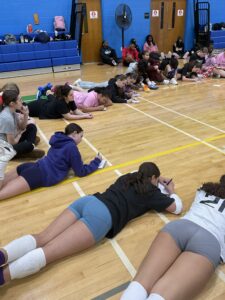
- Identifying and managing emotions
- Building confidence and trust
- Handling stress and conflict
- Recovering from mistakes and setbacks
- Using visualization, mindfulness, breathing techniques, and reset strategies
- Developing pre-match preparation routines
- Creating healthier responses to pressure
The program also worked to remove the stigma around asking for help.
Parents were provided with information to better support their athletes during competition, including how to encourage without creating pressure, avoid comparison, criticism, or over-coaching, and promote open communication.
Parents were also given tools to recognize signs of emotional distress, along with suicide prevention resources, to help them better support their athletes’ overall well-being.
One of the primary goals was creating an environment where athletes felt safe acknowledging when they were overwhelmed, anxious, or struggling.
Measuring the Impact
Queen City Starlings implemented a research-based assessment process throughout the season, collecting feedback from Coaches, athletes, and parents before, during, and after the program.
The results showed meaningful growth in several areas.
Athletes demonstrated increased confidence in their volleyball skills, positional responsibilities, and ability to recover after mistakes. The post-season assessment showed fewer neutral responses and stronger overall self-belief.
Mental reset strategies also became a consistent part of athletes’ routines. Players reported regularly using tools such as deep breathing, self-talk, music, and pre-match rituals to manage emotions and prepare to compete.
Athletes also reported feeling stronger emotional support from Coaches and teammates, reinforcing Queen City Starlings’ commitment to creating a positive, connected environment where athletes can grow both on and off the court.
“The goal was never just to help athletes perform better in a match,” Meadows explained. “The goal was to help them develop skills that support them as people.”
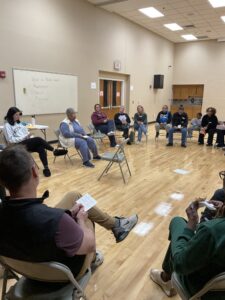 Parent feedback showed strong alignment between the club’s mission and parent expectations. Parents consistently identified skill development as a top priority while also emphasizing the importance of helping athletes become better teammates, build confidence, and develop positive habits.
Parents also reported a strong understanding of healthy sideline behaviors, including arriving prepared for practices and competitions, encouraging athletes after positive plays, supporting teammates, and allowing athletes to work through challenges independently.
The club plans to build on this feedback by providing parents with additional resources on topics such as supporting athletes after tough matches, encouraging confidence at home, understanding the difference between support and pressure, and creating healthy communication habits.
The parent assessment also reinforced the importance of continued team-building and connection. Many families expressed a desire for more opportunities to strengthen relationships within teams, supporting Queen City Starlings’ belief that volleyball is a powerful tool for community-building.
“The parent assessment revealed that while families strongly valued skill development, many identified confidence, anxiety management, and helping athletes recover from mistakes as some of the biggest areas where they wanted additional support,” Meadows added.
Identifying Continued Opportunities for Growth
The assessment process also provided valuable insight into areas where athletes continue to need support.
One of the biggest takeaways was that asking for help remains challenging for many athletes. While players developed more tools for managing emotions, creating a culture where athletes consistently seek support remains an ongoing priority.
The club also identified continued opportunities to address:
- Emotional balance outside of volleyball
- Managing academic and social stress
- Nutrition and recovery habits
- Giving and receiving feedback
- Supporting athletes navigating recruiting and future expectations
For older athletes, particularly those focused on college recruiting, managing pressure and uncertainty became an important area of focus.
Rather than viewing these findings as setbacks, Queen City Starlings sees them as valuable information to guide future programming.
“Mental wellness training is not a one-season solution,” Meadows shared. “Players, parents, and Coaches need time, repetition, and continued support to build confidence, resilience, healthy communication habits, and clear pathways to seek help.”
Looking Ahead
Queen City Starlings plans to continue expanding the mental wellness program in future seasons by increasing athlete workshops, providing ongoing Coach education, offering additional parent resources, and expanding access to licensed mental health professionals.
Future goals include incorporating more mindfulness training, leadership development, identity-building activities, stress management strategies, and resilience-focused programming.
The club also plans to continue strengthening the relationship between athletes, Coaches, and families by creating more opportunities for communication and connection.
Through the support of the JVA Grant Program, Queen City Starlings has shown how volleyball clubs can create lasting impact by investing in the complete development of athletes.
Because at Queen City Starlings, success is measured not only by wins and losses, but by the confidence athletes build, the challenges they overcome, and the people they become along the way.
View more on the JVA Grant Program.
Queen City Starlings, based in Mathews, North Carolina, is a member of Junior Volleyball Association, focused exclusively on junior volleyball and the needs of the club community. Since 2006, JVA has worked to improve the junior volleyball experience by supporting a growing network of nearly 1,800 member clubs while continuing its mission to ‘Better the Ball’ at every level. Built by Club Directors for Club Directors, JVA provides resources, events, education, and advocacy to help the sport grow in the right direction. Known for a more innovative and forward-thinking approach than traditional governing bodies, JVA continues to push the game forward by introducing new ideas, elevating the event experience, and creating opportunities that reflect where the sport is going, not where it’s been. Learn more at www.jvavolleyball.org or follow @jvavolleyball on all social media platforms.