
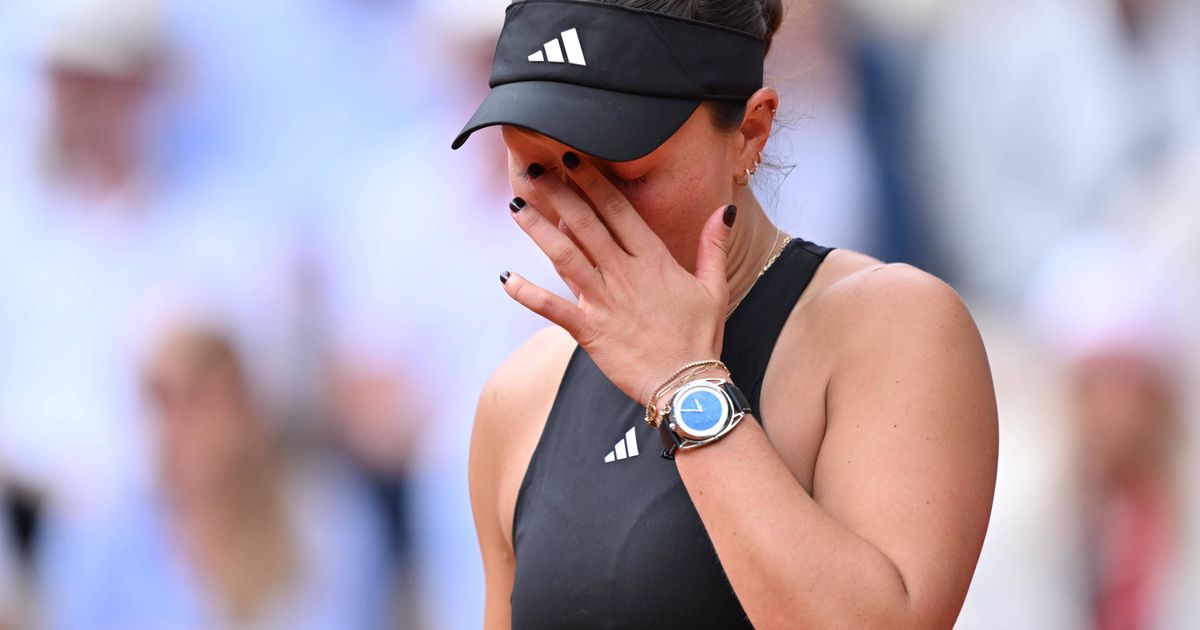
Aryna Sabalenka imposes early control to open Roland Garros campaign
Aryna Sabalenka def. Jessica Bouzas Maneiro 6-4, 6-2
Sabalenka began her Roland Garros Round One match by immediately establishing control behind the baseline, targeting Bouzas Maneiro’s second serve and forcing early defensive positions. The opening set remained on serve deep into the frame, but Sabalenka consistently created heavier first-strike patterns in return games.
The tactical separation emerged when Sabalenka increased return depth and compressed time on Bouzas Maneiro’s backhand wing, generating repeated short replies. Once those patterns were established, service games became increasingly difficult to hold under sustained pressure.
Sabalenka finished with 78% of first-serve points won and multiple breaks across both sets, reflecting consistent dominance in return positioning. She advances to the second round at Roland Garros, where she will face Elsa Jacquemot.
Coco Gauff def. Taylor Townsend 6-4, 6-0
Gauff opened her Roland Garros Round One match with visible service instability, reflected in five double faults and fluctuating first-serve placement that prevented early control of baseline exchanges. Townsend was able to stay competitive through consistent depth to the backhand wing, keeping the opening set within a narrow margin until the closing stages.
The match shifted once Gauff reduced first-serve volatility and increased rally tolerance from the baseline, prioritising depth over early aggression. Townsend’s ability to redirect pace diminished as exchanges extended, with Gauff progressively gaining time on the ball and forcing shorter defensive replies. The structural gap widened quickly once return games began generating immediate pressure.
Gauff finished the second set conceding just four points on serve, winning 76% of second-set service points and completely neutralising Townsend’s return impact. She advances to the second round at Roland Garros, where she will face Mayar Sherif, with a clearer service baseline emerging after an inconsistent opening set.

Naomi Osaka manages tight moments to secure straight-sets progression
Naomi Osaka def. Laura Siegemund 6-3, 7-6
Osaka opened her Roland Garros Round One match with structured service patterns, using a high first-serve percentage to control early exchanges and prevent Siegemund from establishing rhythm through variation. The opening set was decided by marginal differences in return depth, with Osaka slightly more efficient in neutral rallies and service consolidation.
The second set shifted in complexity as Siegemund increased tactical variation, drawing Osaka into longer exchanges and creating pressure on second-serve points. The key phase arrived when Siegemund failed to convert a set point on return, after which Osaka raised first-serve consistency and reduced unforced errors in extended baseline patterns, stabilising the match structure.
Osaka finished with 74% of first-serve points won and strong tiebreak execution, where serve placement and controlled aggression proved decisive. She advances to the second round at Roland Garros, where she will face Donna Vekic, carrying improved efficiency in closing stages of tight sets.

Victoria Mboko produces dominant opening-round win
Victoria Mboko def. Nikola Bartunkova 6-1, 6-2
Mboko opened her Roland Garros Round One match with immediate baseline authority, establishing control through aggressive return positioning and early pressure on Bartunkova’s second serve. The Czech struggled to find rhythm on serve from the outset, repeatedly placed under defensive pressure in her opening games.
The match developed into a clear structural imbalance as Mboko consistently dictated rally tempo, stepping inside the baseline to redirect pace and prevent neutral exchanges. Bartunkova was unable to stabilise service patterns, with repeated early breaks preventing any momentum recovery across either set.
Mboko closed with sustained return efficiency and a high break conversion rate, maintaining control throughout without facing significant resistance phases. She advances to the second round at Roland Garros, where she will face Katerina Siniakova.

Maria Sakkari edges Noskova in two-set baseline battle
Maria Sakkari def. Linda Noskova 7-5, 7-6
Sakkari’s Roland Garros Round One match was defined by tight margins on serve, with neither player able to consistently break through baseline resistance in extended exchanges. The first set was decided by a late break following sustained return pressure.
In the second set, Noskova increased aggression on return, but Sakkari adjusted by shortening points and improving first-serve accuracy in high-pressure games. The set progressed into a tiebreak where consistency under pressure became decisive.
Sakkari’s ability to raise first-serve percentage in key moments proved crucial, limiting Noskova’s return effectiveness. She advances to the second round at Roland Garros, where she will face Claire Liu.
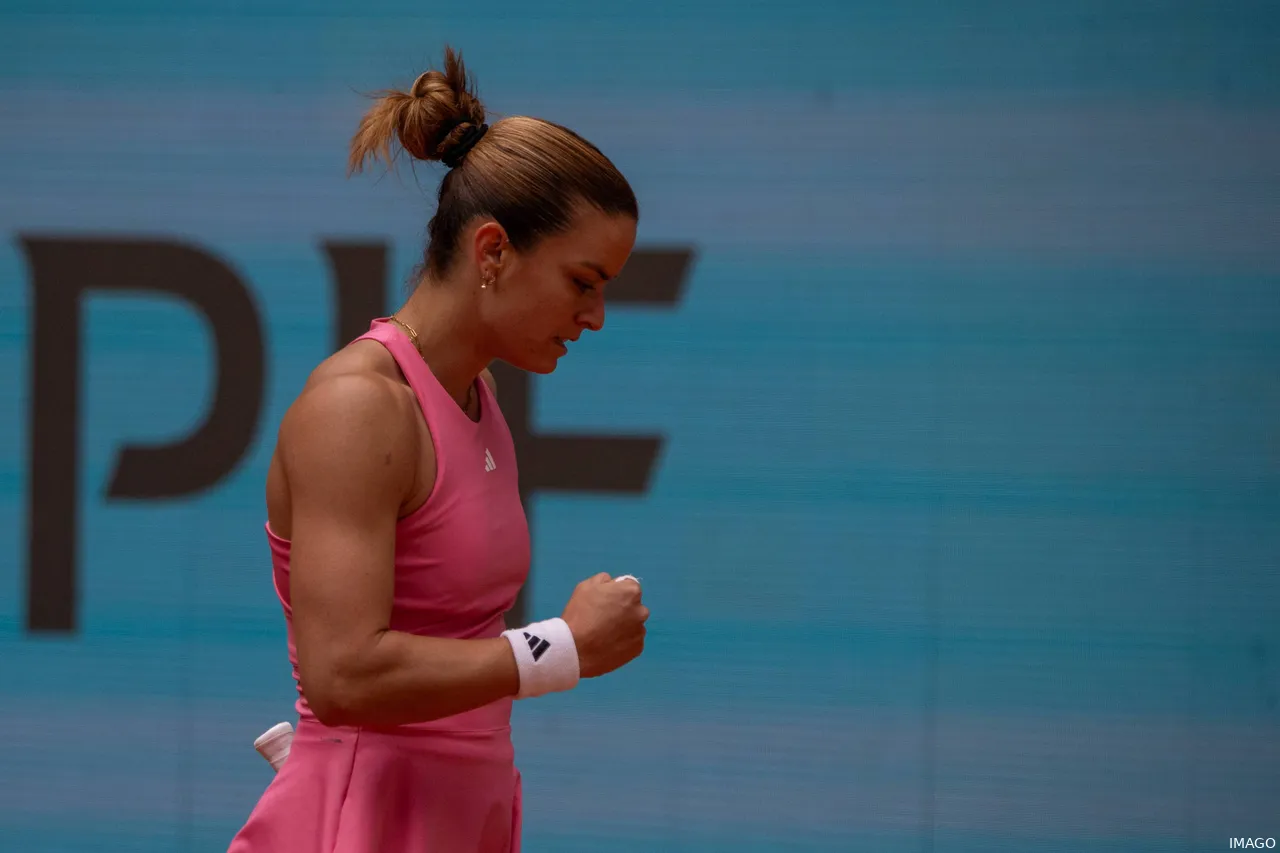
Anna Kalinskaya controls baseline tempo to defeat Lois Boisson
Anna Kalinskaya def. Lois Boisson 6-2, 6-2
Kalinskaya delivered a structured performance in Roland Garros Round One, immediately applying return pressure to neutralise Boisson’s service games. Early breaks established control of both sets.
The tactical pattern remained stable throughout the match, with Kalinskaya consistently targeting deep returns and limiting Boisson’s ability to build attacking positions. Baseline exchanges increasingly favoured Kalinskaya due to superior depth control.
Kalinskaya won comfortably with strong first-serve stability and efficient break-point conversion across both sets. She advances to the second round at Roland Garros, where she will face Alina Korneeva.
Iva Jovic defeats Alexandra Eala in controlled baseline contest
Iva Jovic def. Alexandra Eala 6-4, 6-2
Jovic opened her Roland Garros Round One match by establishing early baseline depth, limiting Eala’s ability to dictate tempo in neutral rallies. The first set remained competitive until a late break shifted control.
The match turned as Jovic increased first-serve consistency and extended rally length, forcing Eala into defensive positions more frequently. Once exchanges lengthened, Jovic’s control of direction became decisive.
Jovic finished with improved return positioning and reduced unforced errors in the second set. She advances to the second round at Roland Garros, where she will face Emma Navarro.

Madison Keys overpowers Vandewinkel with straight-sets dominance
Madison Keys def. Hanne Vandewinkel 6-3, 6-0
Keys delivered a commanding Roland Garros Round One performance, immediately asserting control through aggressive first-strike tennis and early return pressure. Vandewinkel struggled to establish any consistent hold patterns.
The second set was defined by Keys increasing first-serve effectiveness and reducing rally length, preventing any defensive recovery from her opponent. Break frequency increased as the match progressed.
Keys finished with four service breaks and a dominant second set without conceding a game. She advances to the second round at Roland Garros, where she will face Antonia Ruzic.

Madison Keys competing at Roland Garros 2025
Jessica Pegula exits Roland Garros after Birrell comeback upset
Kimberly Birrell def. Jessica Pegula 1-6, 6-3, 6-2
Jessica Pegula opened her Roland Garros Round One match with clear authority, taking the first set 6-1 through structured baseline control and consistent service holds. The American used early return depth to neutralise Kimberly Birrell’s first-strike attempts, forcing defensive starts to most rallies in the opening exchanges.
The momentum shifted in the second set as Birrell increased return aggression and began targeting Pegula’s second serve, reducing the American’s ability to build neutral patterns. Pegula’s service efficiency dropped under sustained pressure, and the Australian progressively extended baseline rallies to destabilise rhythm before taking control of the deciding set.
Birrell finished the match by winning the final eight games from 2-2 in the third set, converting sustained break opportunities while Pegula’s first-serve points won rate declined significantly. The result removes the fifth seed from Roland Garros Round One, with Birrell advancing to the second round in one of the key early upsets of the draw.