

Let’s do a Mail Bag again. Ask your questions in the comments and I’ll endeavour to answer some of the most popular (make sure to like comments you are interested in).
Note: All data courtesy of TennisViz and Courtside Advantage.
Jannik Sinner defeated Casper Ruud 6/4 6/4 in the final of the Rome Masters on Sunday, breaking a fifty year drought for Italian players, and extending his Masters titles win streak to six. Sinner heads to Roland Garros as the overwhelming favourite in a bid to complete the career grand slam just months after Alcaraz accomplished the feat in Australia.
How do you beat Jannik Sinner?
That’s the question everyone is asking as the Italian continues one of the most dominant stretches of tennis the sport has ever seen.
One answer is “be Carlos Alcaraz or Novak Djokovic”.
That’s unhelpful advice for tour mortals, but I think another (somewhat related) method has always been: use more variety.
That’s not a licence to wax poetic with shot selection as much as it is a mandate for an opponent to find patterns that avoids linear baseline exchanges, because Sinner’s gunslingin’ groundies are both metronomic and lethal when fired from the hip.
“Brick wall” is often the moniker ascribed to consistent baseliners, but Sinner’s wall has a Majin Buu (if you know, you know) quality to it; he hits hard, and trying to go through him just makes his shots seemingly stronger.
Going back to our mandate of variety, perhaps a better term is being “unconventional” in a way that avoids the wall entirely. Who are the players that recently troubled Sinner and what do they do?
-
Medvedev goes under the wall. Grigor Dimitrov did the same at Wimbledon last year with biting slice backhands. If done well, this can force Sinner to spend more units of racquet head speed on spin, lifting the ball higher, and reducing his ability to rush you with speed.
-
Bublik’s brand of big-serving chaos nabbed a win at Halle last year. This is the Kyrgios playbook of giving no rhythm: high-risk serving, drop shots, slap forehands, serve-volley.
-
Mensik served lights out and took cuts on return in Doha, although Sinner was off his best level.
-
Alcaraz goes everywhere — under, over, short of it, but on clay his forehand is especially good at going around the wall.
Djokovic and Alcaraz are his only peers from neutral baseline, although Fonseca gave a youthfully exuberant attempt at going through the wall in Indian Wells, and Jodar made similar impressions in Madrid recently.
But on clay, with the extra bounce and kick from spin, the obvious option is to try going over the wall — especially on the backhand side (Fedal, anyone?). Often times the best clay courters have the highest net clearance, and thus, the highest bounce. Here’s the top-20 (plus Ruud, Nadal, and Tsitsipas) combined average groundstroke net clearance for clay matches the last 52-weeks.
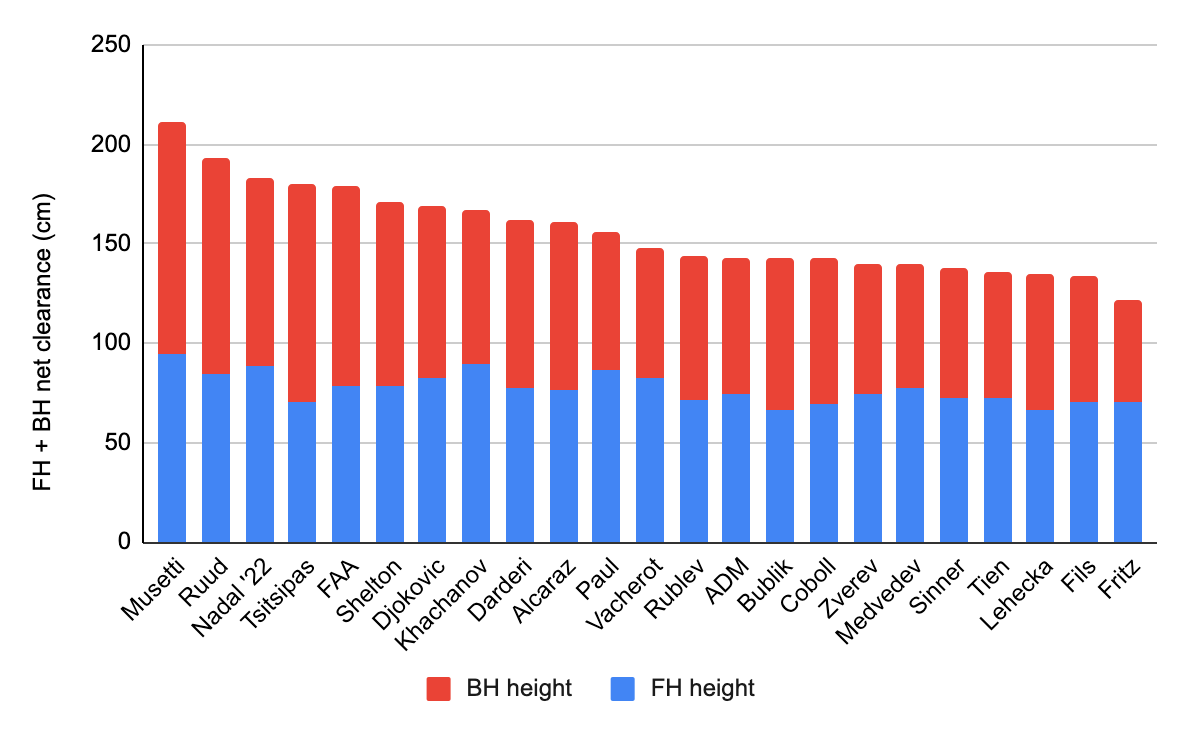
Musetti is the ultimate altitude trader; he clears Ruud even by around nine centimetres off both wings, but these two stand out in their commitment to height more than other current players. Coming into today’s final, it was always going to be an adjustment for Sinner having dug his way out past Medvedev:

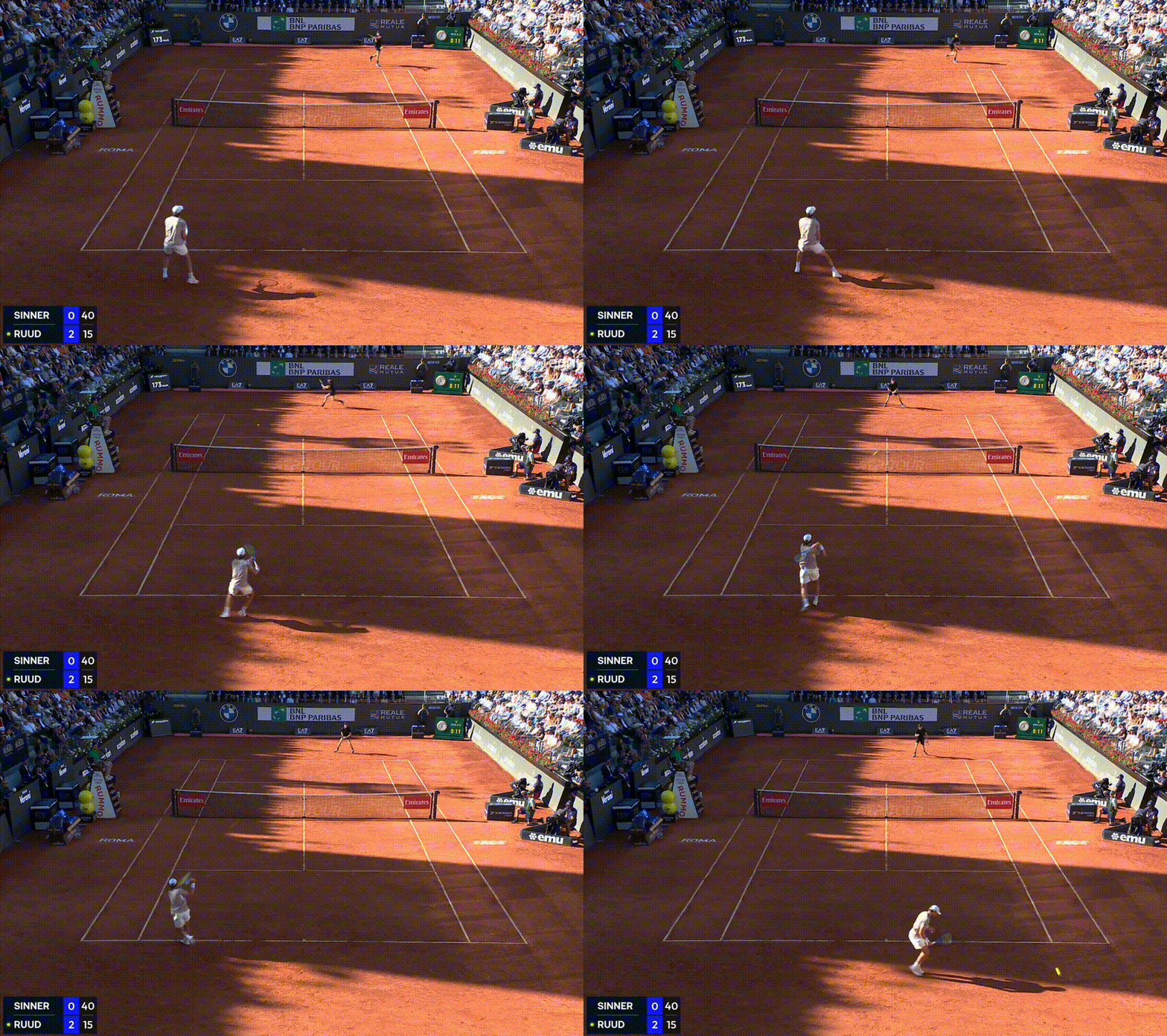
A good example of everything we’ve touched on so far could be seen in the break point Sinner converted down 2-0. After a nervy start, Sinner got even by wrestling Ruud into more linear backhands; Ruud must have felt he was hitting the ball cleaner towards the tail of this rally, but this just played right into Sinner’s slot:
This was what Ruud was hoping for more of: his flighted ball catching Sinner on the rise, granting him time and height to unload on his forehand:
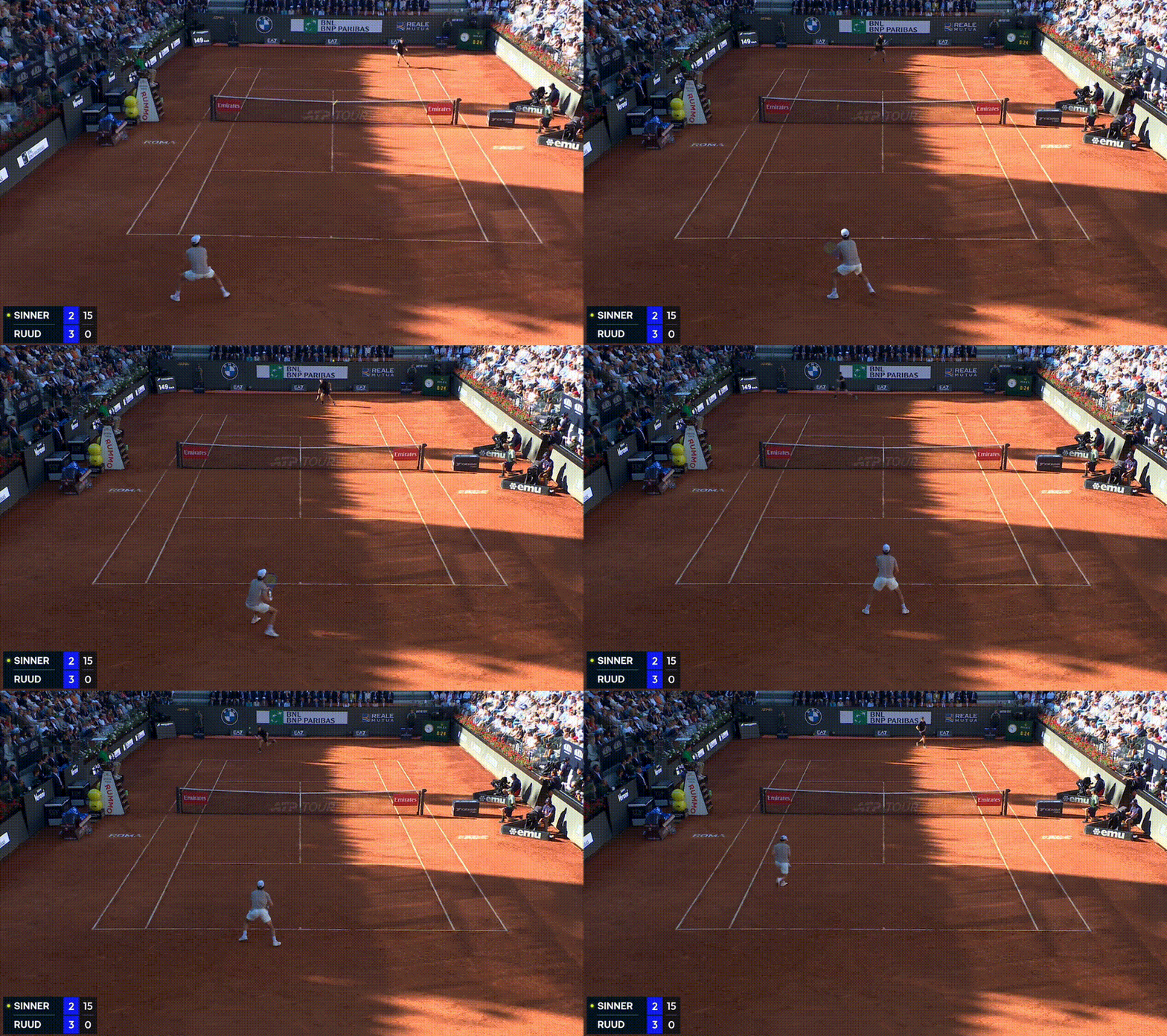
It was working quite well through the first eight games as Ruud arrived serving at 4-4, but it was at this juncture that Sinner switched it up.
“Don’t confront the bounce” is a famous philosophy of Jose Higueras, who advocates for players to move back and buy time and timing. Sinner did just that, opting to flight his own forehand into Ruud’s backhand. It sparked a run where he won 17 of the next 21 points. I was checking the Courtside Advantage stats live during this portion and recall the Italian’s average forehand groundstroke net clearance ballooning over 100 cm.
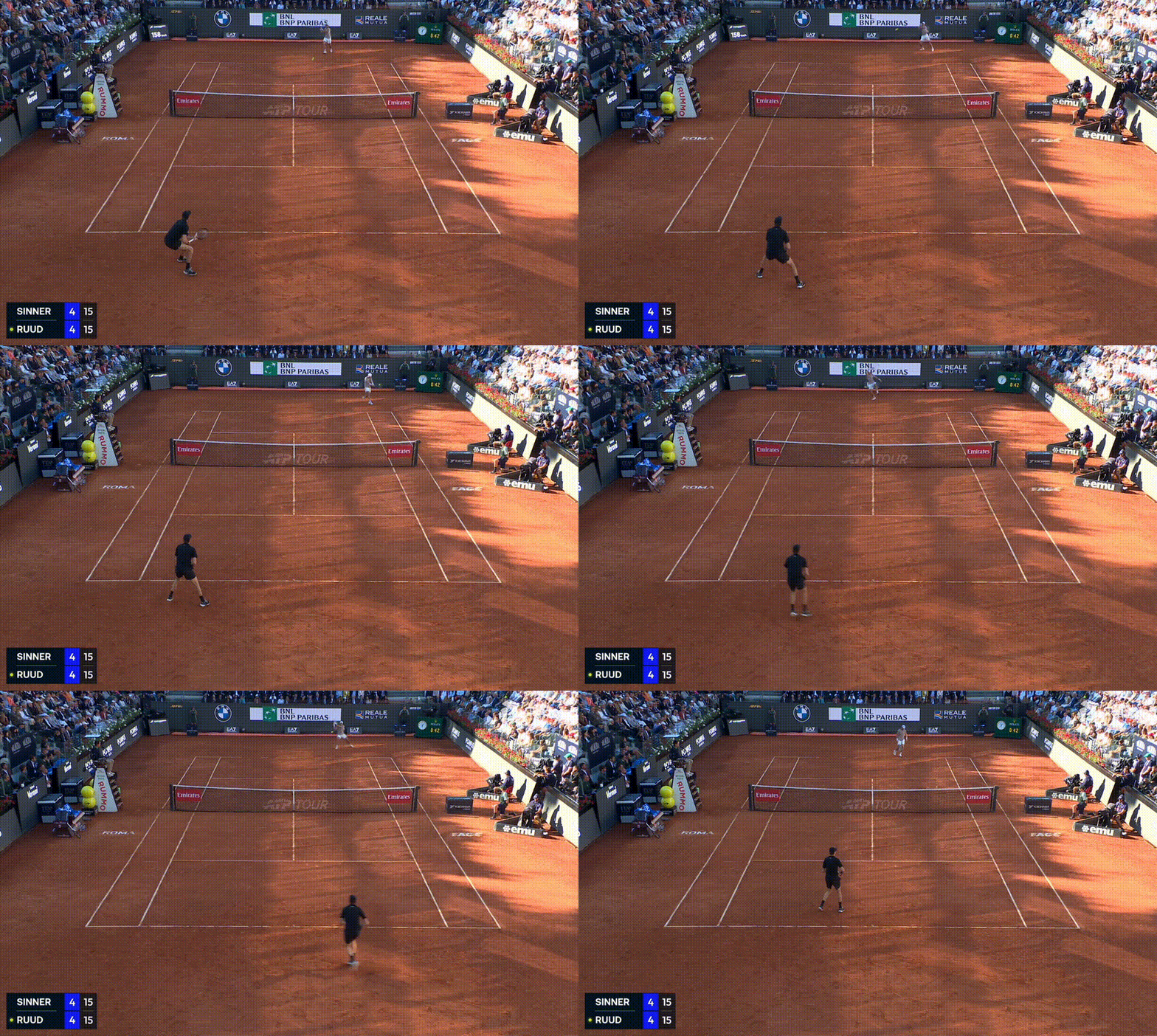
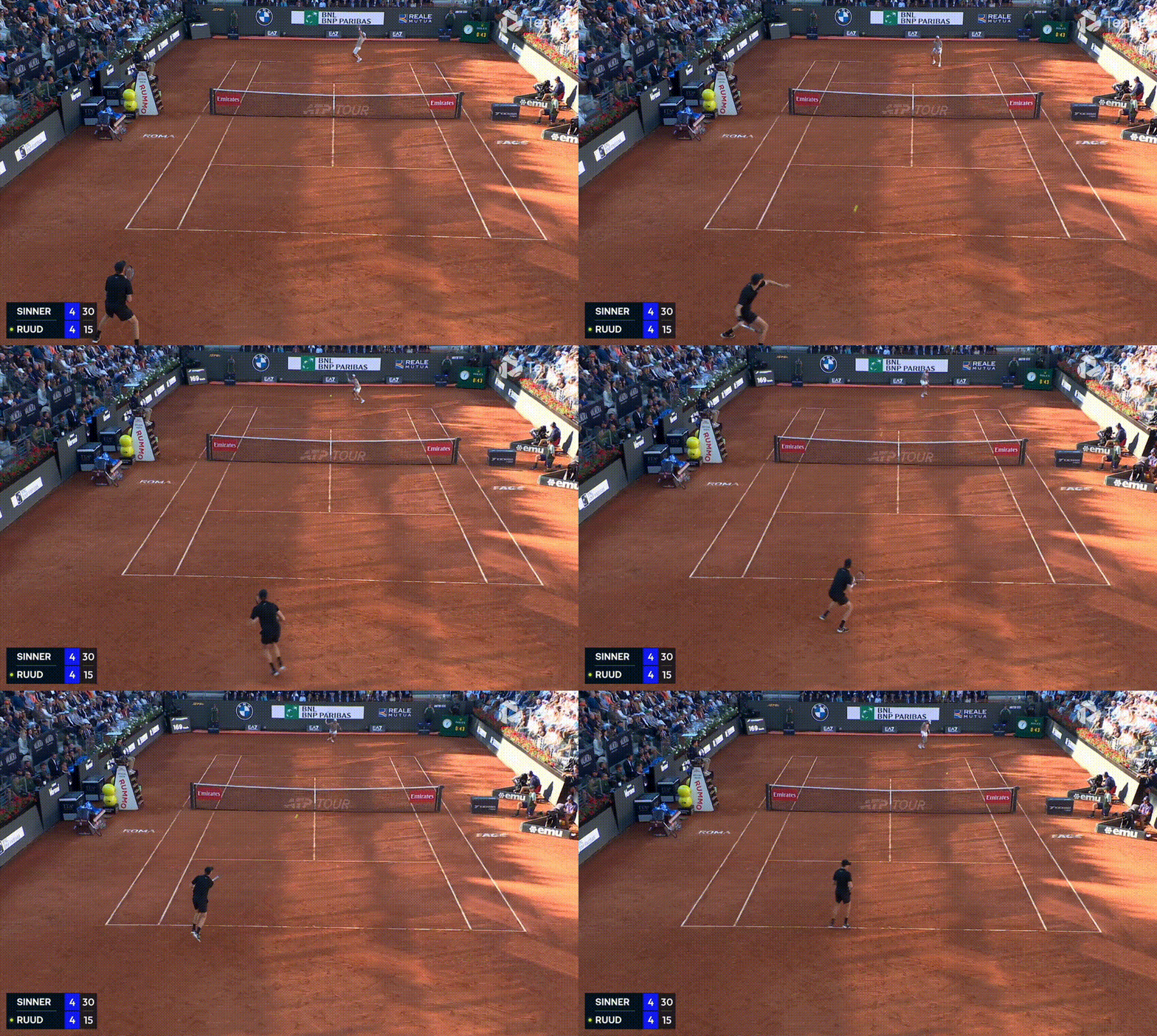
Within this run of points was the initial break in set 2, capped off with this open-stanced line backhand drive.
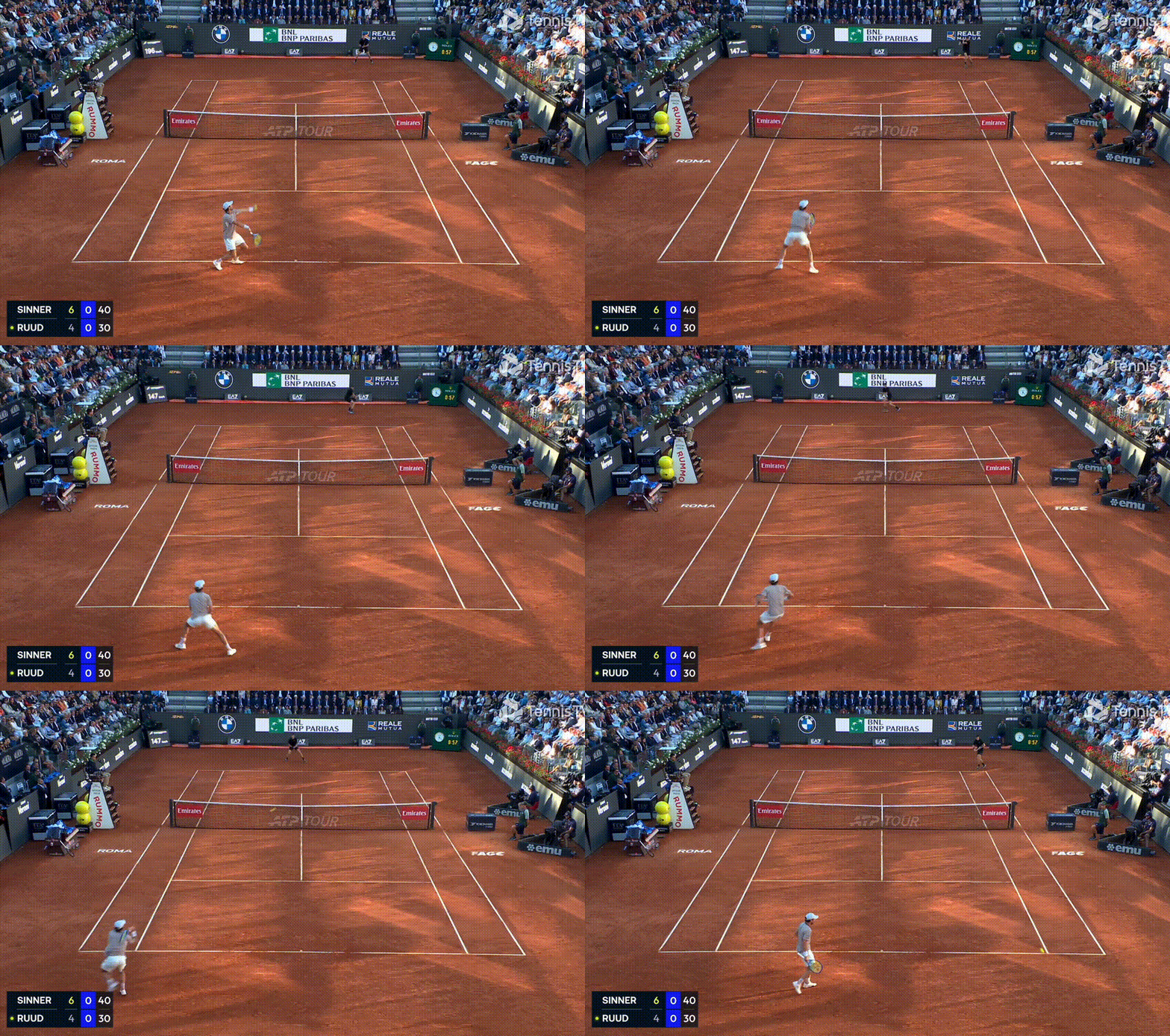
You can see how Ruud doesn’t quite measure that last jumping backhand. He’s too far from the ball and jumps quite a ways left. It’s not as natural for him as it is for Sinner, who does it more than anyone these days. Gill Gross made a good point on his Monday Match Analysis recap, highlighting how with Sinner’s low hands setup, jumping into backhands is an effective way to keep the ball in an ideal strike zone and allows Sinner to swing with a flatter swing path, injecting more speed:
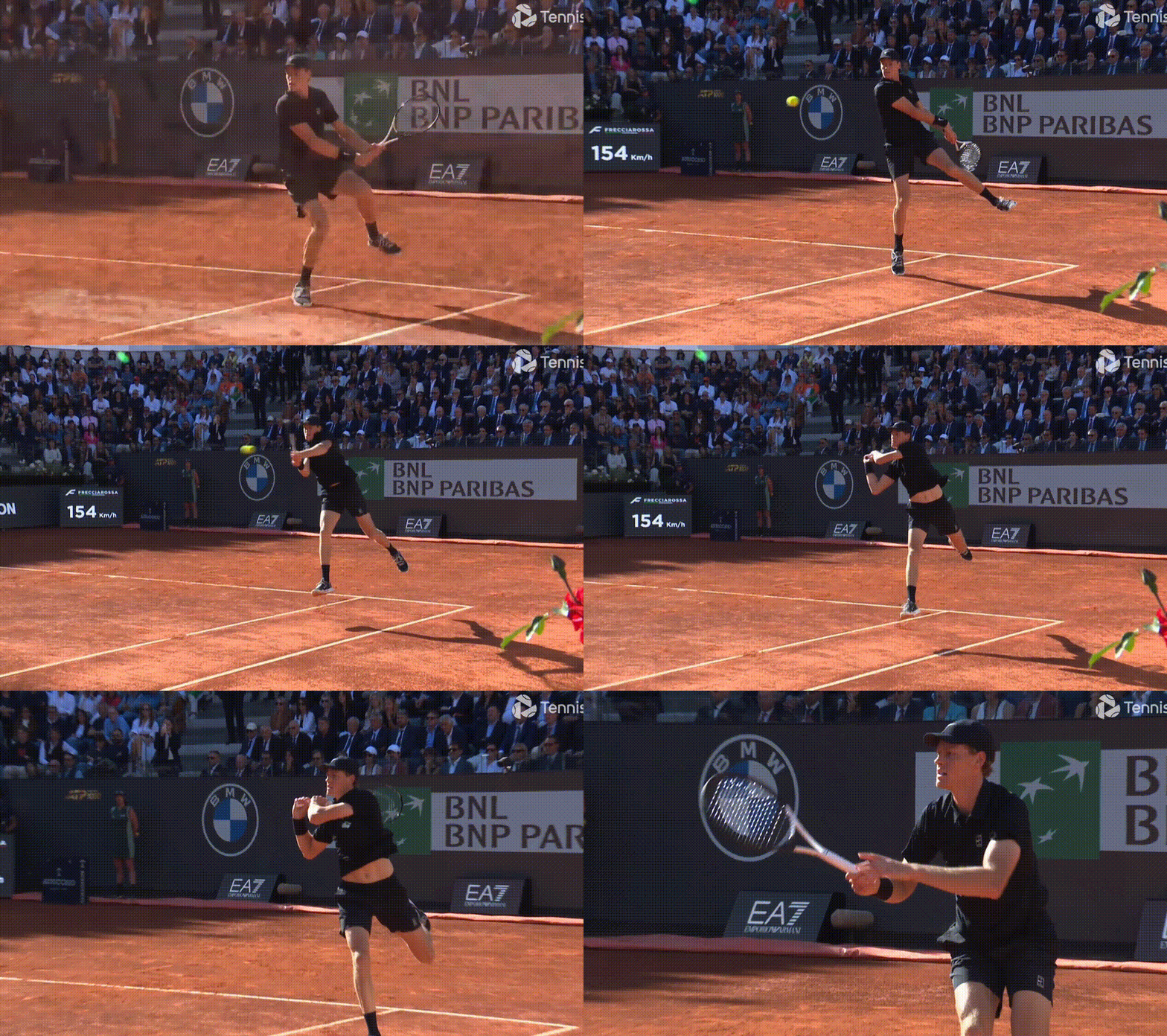
Gill made a quick montage of all Sinner’s great jumping backhands:
But to Ruud’s credit he kept the score to one break down the backend of set 2, and got a look at a break point at 3-4:
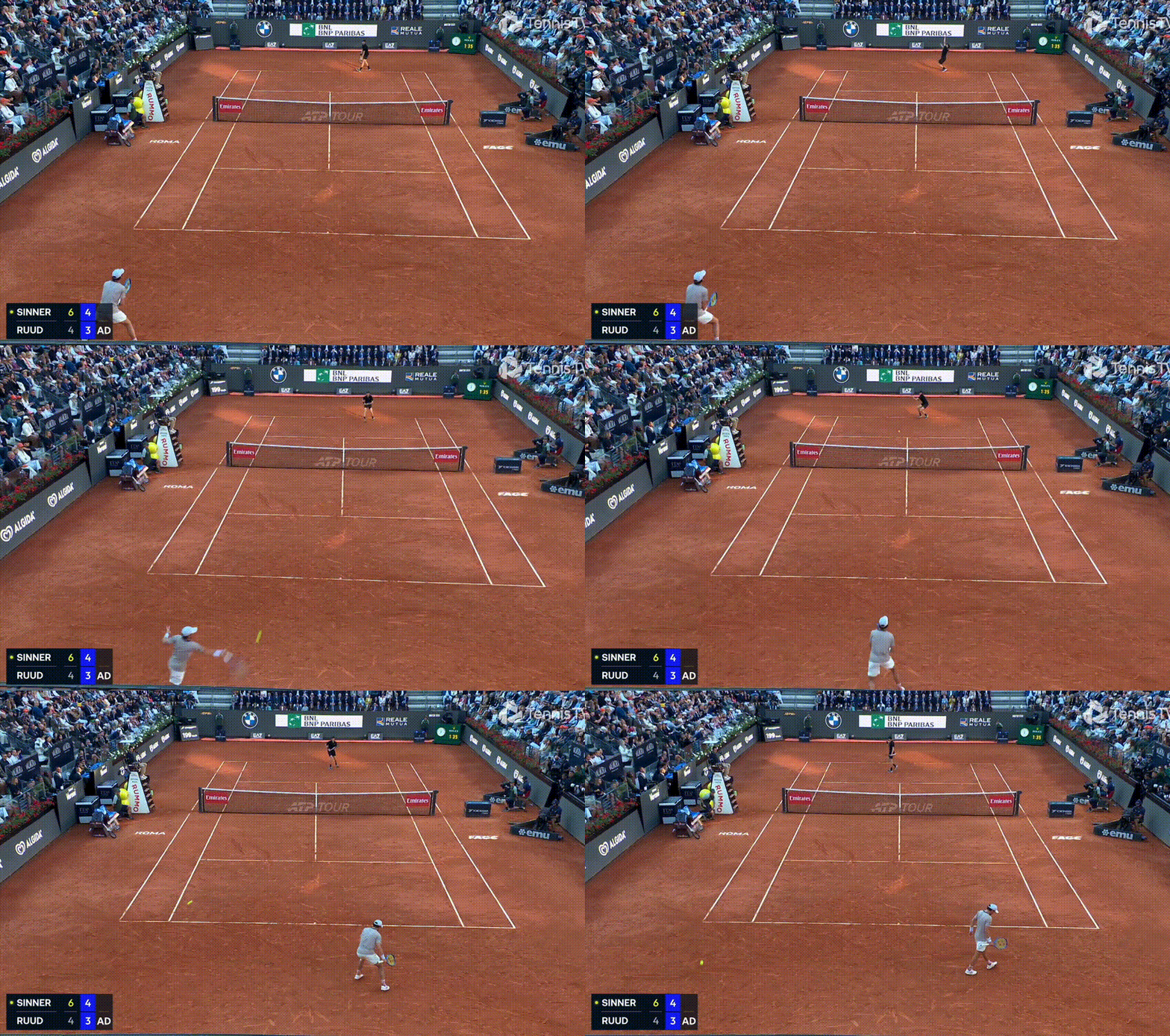
That’s a 103 mph forehand winner.
It was an interesting moment given I’d been digging into some forehand numbers for Sinner, Zverev, Djokovic, and Alcaraz that Courtside Advantage had supplied me with.
For the 2025 season, here’s their forehand shot speeds for pressure points versus non pressure points:
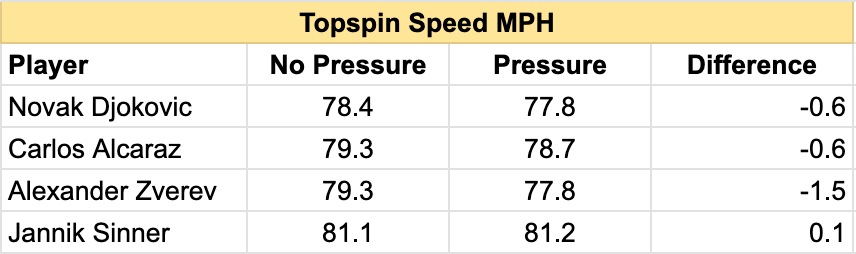
Sinner increases his speed under pressure. He increases his spin more than the other three as well. In other words, he is swinging faster under pressure.
Once again I find myself thinking of this strange Majin Buu quality to Sinner’s game: the bigger the ball, the bigger the moment, the stronger he seems to get.
That recipe bodes well for Roland Garros, where once again Sinner is chasing history.
That’s all I got. I’ll see you in the comments. HC