
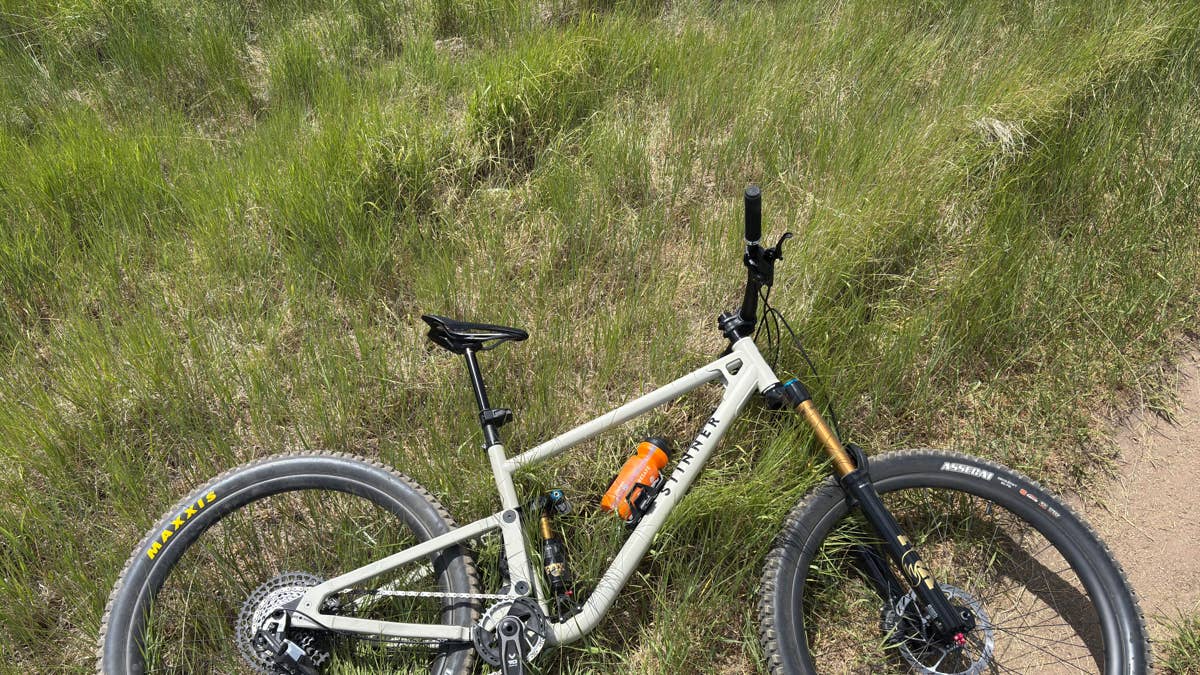
I’ve been eagerly awaiting the Stinner Romero LT since I laid eyes on it at MADE 2025, and when it arrived at my doorstep last week, I couldn’t wait to get it built up and see what the Santa Barbara outfit had brought to the table. I love my Carrizo, but the Romero LT is a VERY different bike, one that I’m very excited to spend time on this summer. The material choice, suspension design, and overall feel of the Romero make it stand out, though it hasn’t been without its share of good and bad surprises.
I’m happy to report that I wasn’t making this bike out to be something more than it is. Sure, I was romanticizing a little bit, but it hasn’t let me down in terms of character, feel, and a whole lot of soul – something a lot of bikes from big brands have been lacking lately.
Details
Deven McCoy
- Front Triangle: Velospec Air-Hardened Steel Front Triangle with 316L 3D-Printed Steel Inserts
- Swingarm: 6061 Aluminum (Hand-Fabricated) with 7075 Aluminum Hardware
- BB: T47 External
- Headset: Upper: ZS44/28.6 – Lower: EC44/40
- HTA: 64°
- STA: 73.4°
- MX or 29″ Wheels
- Framset MSRP w/o suspension: $2,999.00
- Complete builds start at $6,200.00
- Learn more at Stinnerframeworks.com
The Romero is a utilitarian offering, with an absolutely beautiful suspension cluster thanks to the 3VO design by Chris Currie of Ministry Cycles. The traditional round steel tubes of the front triangle are paired with the square alloy of the rear linkage, making the bike stand out both aesthetically and in its ride characteristics.
Deven McCoy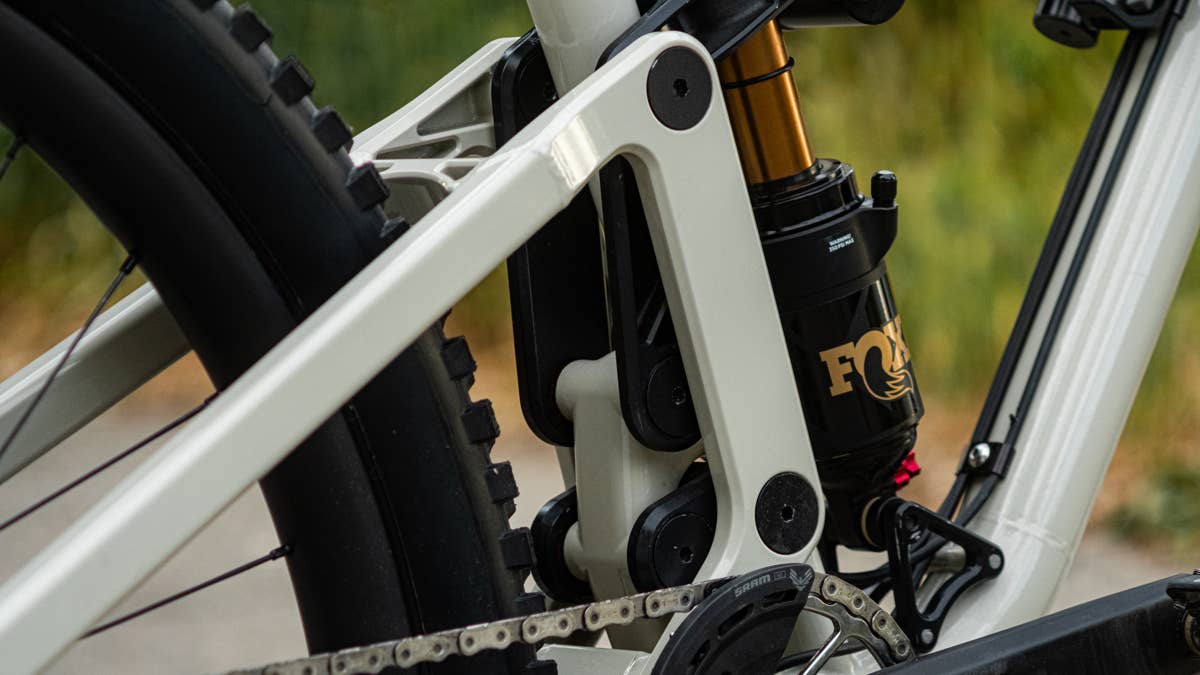
Out of the box, which was pretty mangled in shipping, I figured the weight would be more noticeable than it was, but for such an industrial-feeling bike, it doesn’t come across as super weighty. The front triangle is made of Velospec air-hardened steel with 316L 3D-printed steel inserts, and the rear end is hand-fabricated 6061 aluminum with 7075 aluminum hardware. The cables and hoses are all on the outside, and the junction at the bottom bracket is well built. Overall, the Romero LT meets or even exceeds build and ride-quality expectations for a bike in this category.
The fact that this bike is all externally routed is a blessing. Honestly, I love the look of cables and hoses on the outside of a frame. Visually, it might be an acquired taste, but functionally, it’s not a hard feature to dislike, especially if you work on your own bike – hell, even if you have someone else working on your bike, they probably appreciate it.
Although I love external routing, I did hit a snag with the rear derailleur housing wandering into the chainring and crank spindle, but it was easy to solve with the most versatile tool you can carry: the Zip-Tie. Luckily, I caught the issue early and fixed it before the housing was destroyed.
Deven McCoy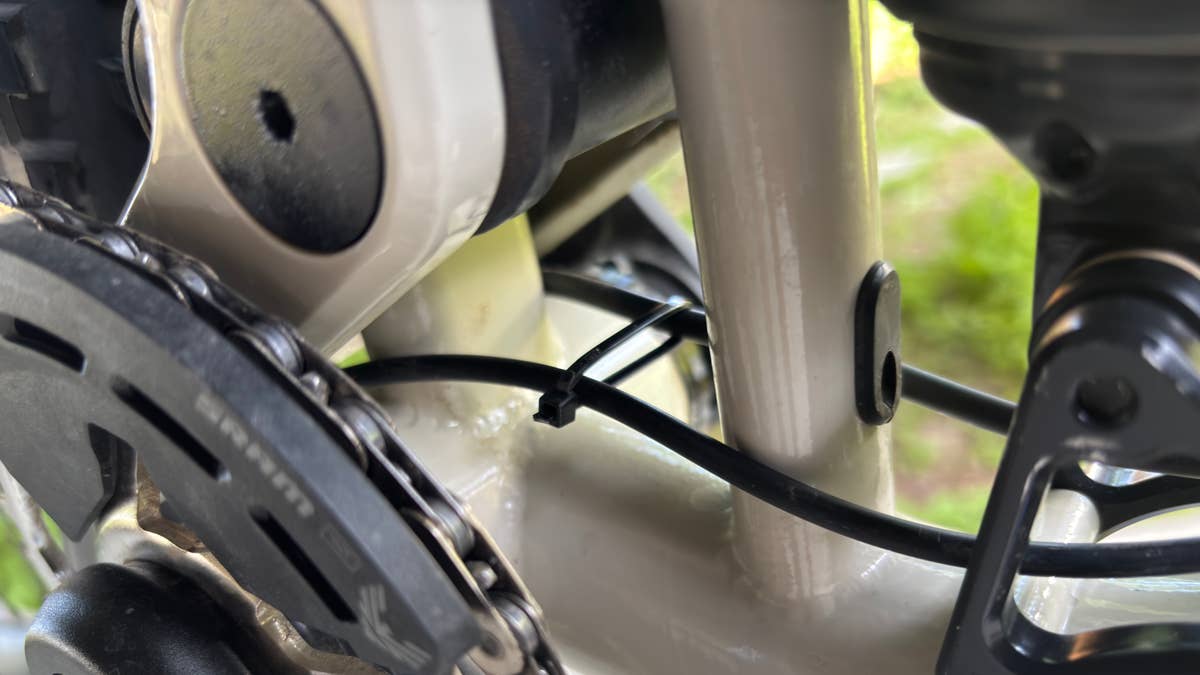
Ride Impressions
On the trail, the Romero LT is a brute. Here in Boise, Idaho, the foothill trails are very mellow. It’s all flat-ish, rolling, and mostly XC-style terrain, but that hasn’t stopped me from enjoying the Romero a ton. For such a big bike, it’s not a nightmare to pedal around on low-angle trails. Sure, having 170mm out front and 160mm in back is not ideal, but in those situations that call for a little more travel, the Romero sure shows its fangs, and it’s got me excited to take it to some more aggressive trail systems.
Deven McCoy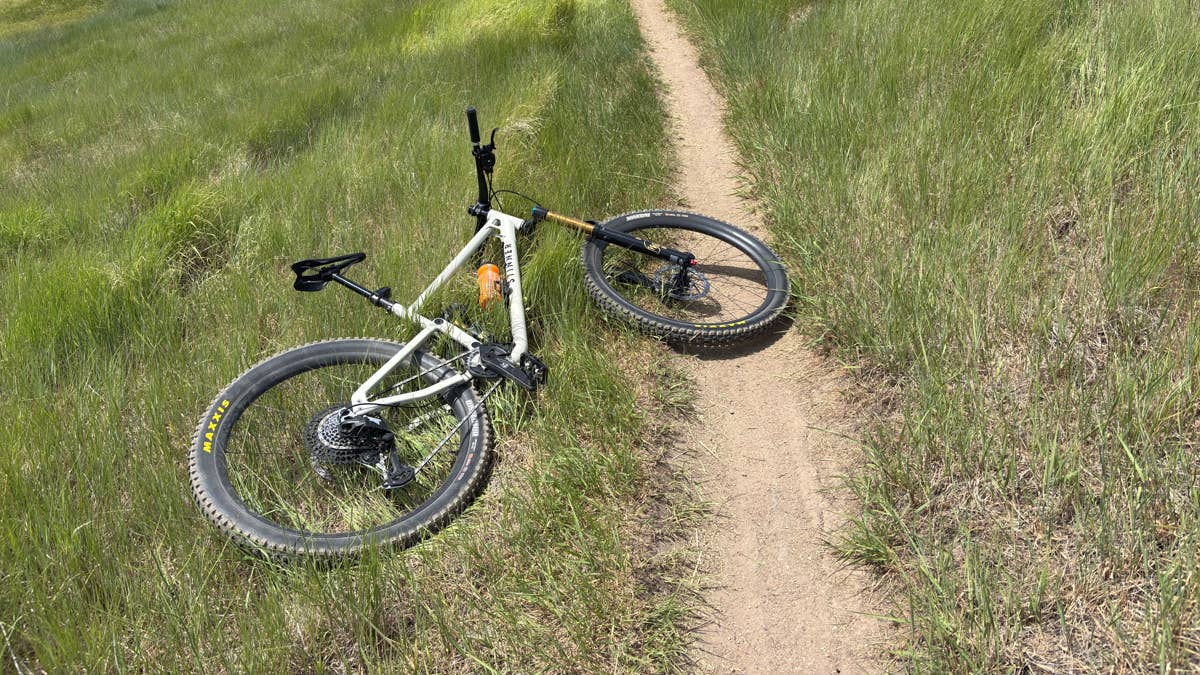
Given the trails in my neighborhood, I wasn’t sure how such a big bike would handle such tame trails, and I’m happy to say that it hasn’t been as terrible as I expected. I’m coming off the New Revel Ranger and Specialized Epic 9, which are kind of perfect for around here, so the move to a big ol’ steel enduro bike took some getting used to, but after coming to terms that going uphill on the Romero LT was more about comfort than it was speed, it all clicked.
The 3VO platform used by Stinner is very well-rounded. It offers great small-bump sensitivity, plenty of climbing traction, and a super supple ride feel on the way down. Pairing this with the delicious feel of a steel front triangle and the stiff, precise alloy rear end makes for a bike that feels very organic.
Deven McCoy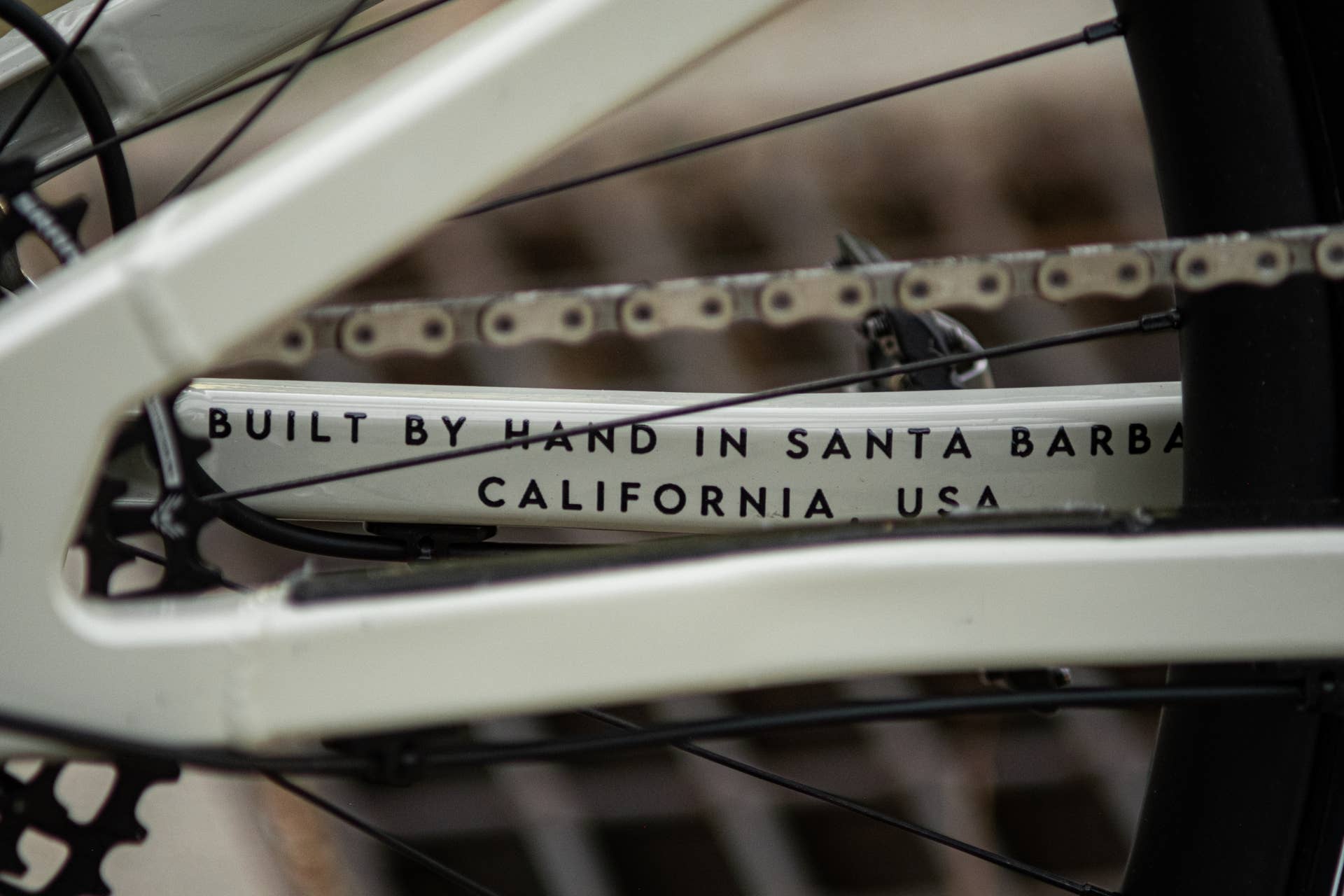
Cornering feels delightful on the Romero, largely due to the balance between the frame materials and geometry. The 30mm BB drop isn’t crazy low or too high, and the slightly less-slack head tube keeps things predictable both up and down the hill. Overall, it’s very balanced, with little compromise in either direction, and quite impressive for the brand’s first go at a full-suspension bike.
The natural sway and flex of steel is really special, but thanks to the alloy linkages and rear triangle, there isn’t an overwhelming amount of that wiggle that can be felt with other steel bikes. The geometry is fairly conservative for a bike in this travel category, and that likely lends to it handling a wider range of trails so well. The head tube angle is 64 degrees, and the seat tube angle is 78 degrees (effective); the chainstays in the 29” configuration are 445mm, and the reach on the size large is 500mm. Nothing too extreme or revolutionary, just a well-thought-out long-travel bike.
Deven McCoy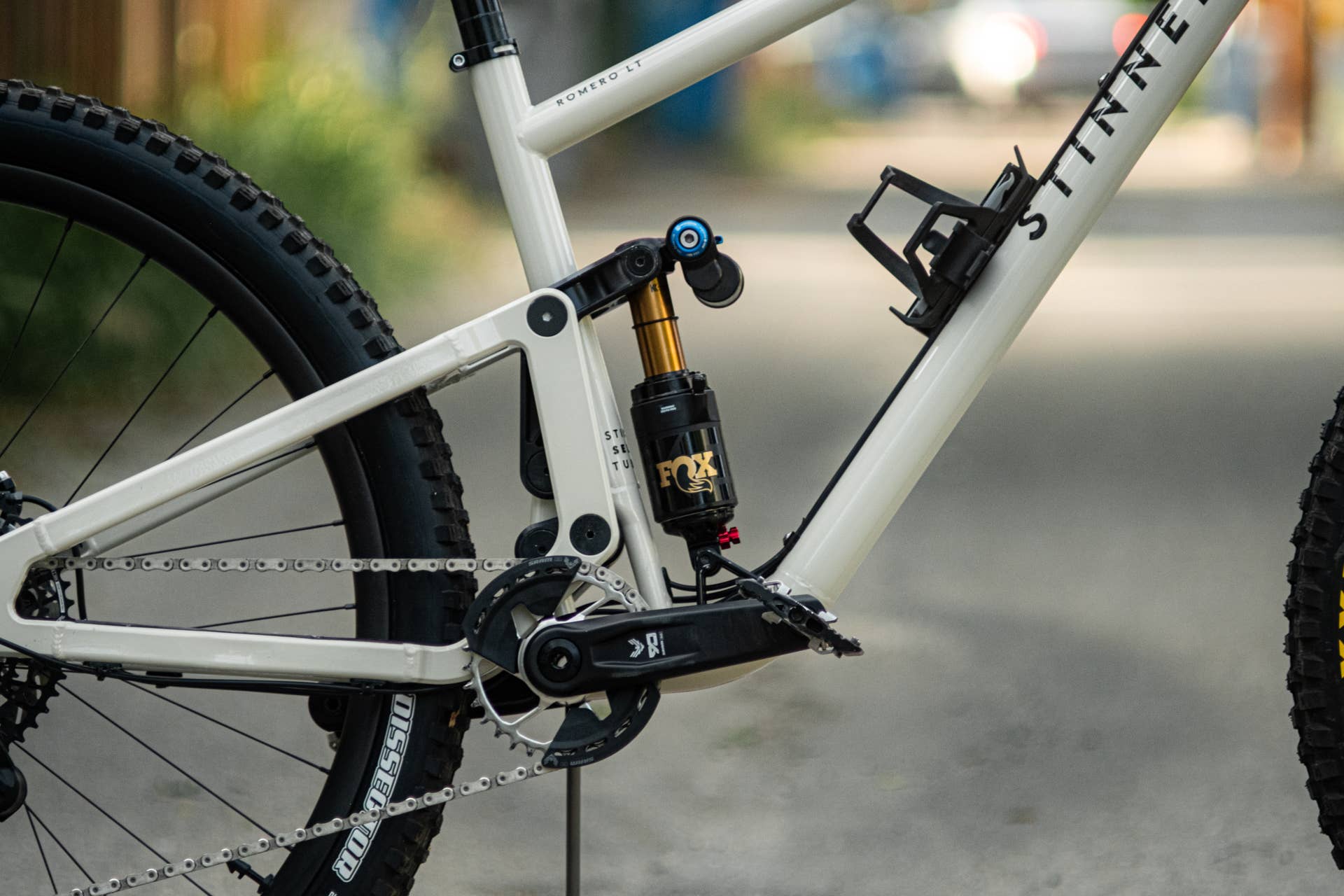
View the 2 images of this gallery on the
original article
I’m testing the Romero LT with the Fox suspension package and SRAM Eagle 90 drivetrain, Stoic wheels (+$750 USD), which comes in at $7,950.00 USD, and honestly, considering that you’re getting a US-made, steel mountain bike using one of the most impressive suspension designs on the market, that’s pretty damn sweet. The Romero LT is also offered with the same Eagle 90 drivetrain accompanied by Marzocchi ($6,200.00) or RockShox suspension ($7,000.00). There is a build with the SRAM XO drivetrain, and the option to forgo the Stoic wheels in favor of DT Swiss 1900 wheels. Framesets start at $2,999.00 without suspension, but you can choose a suspension-equipped frame from Marzocchi ($4,100.00), Fox ($5,100.00), or RockShox ($5,000.00).
Stinner Frameworks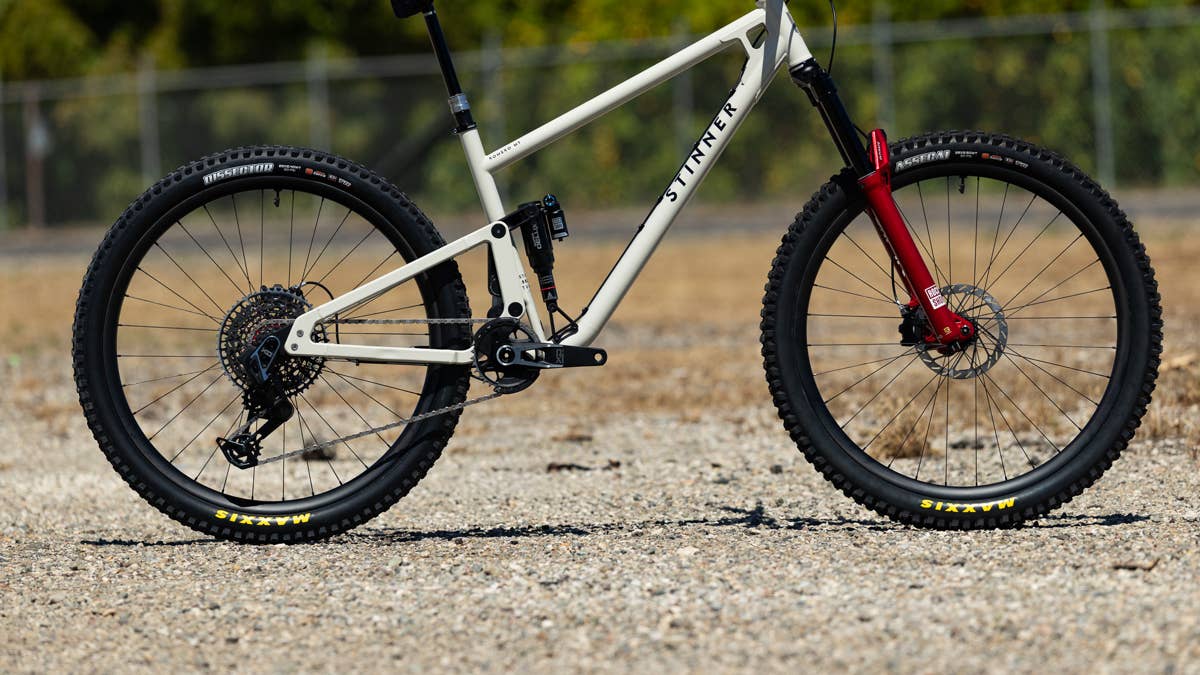
View the 2 images of this gallery on the
original article
Seeing Stinner branch out into the full-suspension category is interesting, and it doesn’t feel like a move that is just for the sake of rounding out their offering of bikes. Stinner has roots in the handmade and bespoke segments and has long been associated with high-end custom bikes. Since the introduction of the Stinner Select options, that has changed, but not in a way that takes away from the core ethos of the brand – I think it bolsters it. They still offer custom Ti and steel bikes, but they also make bikes for those who want to support domestic frame builders and can’t afford custom pricing. If you want a full-suspension steel enduro bike made in the USA, this is the best bet for your hard-earned cash.