
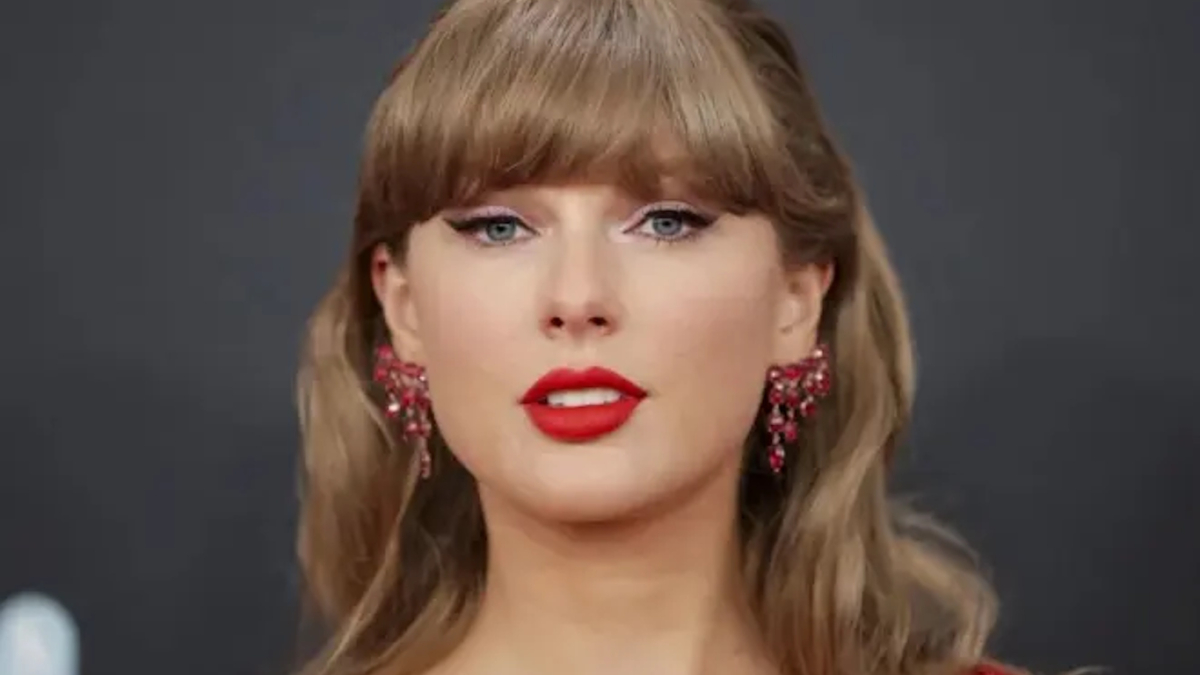
The expansion of generative artificial intelligence has set off alarms in the cultural industry, where more and more artists fear the misuse of their digital identity. With no clear regulations in place, some creators have begun taking legal action to protect their image, their voice, and their work. One of the latest to take this step is singer Taylor Swift.
The artist has registered several identifying elements with the U.S. Patent and Trademark Office: two audio clips and an iconic image. The clips include brief introductions such as “Hey, it’s Taylor Swift” and “Hey, it’s Taylor,” used on music platforms. She has also protected a highly recognizable photograph from her Eras Tour, one of the most successful tours in recent history.
A strategy that is beginning to spread across the industry
The goal of this move is to make it harder to create AIgenerated imitations, such as wellknown deepfakes. In the past, the singer has already been the target of fake content, from manipulated ads to inappropriate images that sparked major controversy.
The patents not only cover those specific files, but also allow the singer to take legal action against any fraudulent use of her identity, whether for economic, political, or other purposes. This strengthens her ability to stop unauthorized reproductions or digital imitations.
This type of strategy is beginning to spread across the industry. Actors like Matthew McConaughey have also chosen to register characteristic elements of their public image, such as signature phrases or personal recordings.
According to experts cited by the specialized outlet Variety, these initiatives provide “additional legal resources” to combat the misuse of identity in AIgenerated content, in a context where technology is advancing faster than legislation.