
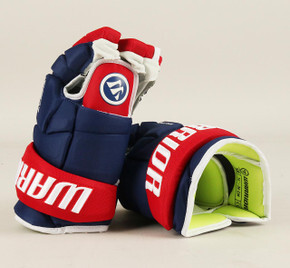
The right hockey gloves help players handle the puck, making it easier for them to complete passes and score (or stop) goals.
But which gloves are “the best”? Which are preferred by NHL players, and why? And for those of us that aren’t in the NHL, when it does it make more sense to spend on top-tier options, and when is it better to choose more affordable hockey gloves?
ProStockHockey.com is here to give you a hand.
What Makes a Hockey Glove the Best?
Three brands dominate the professional gloves market: Bauer, CCM, and Warrior. Some players opt for TRUE and Sherwood brands; while these have a more limited presence in the NHL, they maintain a foothold among players who prefer their fit and feel.
San Jose Sharks’ rising star Macklin Celebrant and Oilers’ captain Connor McDavid wear CCM Jetspeed FT1 gloves. This is the most popular CCM type in the NHL, used by 110 players. And then there are the TRUE Pro 4-Roll gloves used by just three players – Marco Rossi of the Vancouver Canucks, Vladislav Namestnikov of the Winnipeg Jets, and Dennis Gilbert of the Ottawa Senators.
While variation in the brand and type of hockey gloves used is tied to personal preference, four components separate average gloves from their good – and great – counterparts:
- Protection in the fingers and backhand
- Palm durability and feel
- Weight and mobility
- Fit and cuff design
Best Hockey Gloves by Level of Play
The best hockey gloves depend on your level of play. Players at higher levels shoot harder and faster and are on the receiving end of shots that are just as hard and fast as their own. In addition, higher-level players may be using their gloves every day or every other day, while beginners may only need to suit up once per week.
There are three broad categories of hockey gloves:
Entry-level gloves
Entry-level gloves are for beginners and amateurs. These may be young players just starting out or older players who are playing in rec leagues once a week. Entry-level and youth hockey gloves typically prioritize comfort and affordability, with less emphasis on feel and protection. Used hockey gloves are also a great option for new players who don’t need brand-new, top-of-the-line gear.
Competitive gloves
Competitive gloves emphasize reinforced padding to improve protection. They’re more expensive but last longer than their entry-level counterparts. This level of hockey protective gear is popular for teenage and young adult hockey players who play in competitive leagues and do additional training outside of their games and practices.
Pro-Style gloves
Pro-style gloves focus on durability and shot absorption. When pucks are flying in at 90+ miles per hour and scrums of players are slashing at the puck, absorption is critical to keep your hands safe.
Hockey Glove Materials Explained
The materials used in ice hockey gloves vary by category and brand. There’s no right set of materials; instead, it’s about what feels and works best for each player. When purchasing a pair of gloves, it’s worth knowing which materials are used for the exterior shell, the interior liner, and the palms.
Exterior shells are typically made of nylon or synthetic leather. Interiors contain multi-density foams such as EPP and D3O along with polyethylene (PE) inserts, which improve rigidity. Some include moisture-wicking liners for comfort and antimicrobial treatments for odor.
Hockey glove palms may be synthetic or reinforced. For example, Nash and Micronash are highly durable synthetic leather materials, while AX Suede is microfiber suede, and Digital is derived from natural leather.
Choosing the Right Glove Fit and Size
Even the best materials won’t matter if your hockey gloves don’t fit. The right fit provides enough protection that your hands are safe, while offering enough control to make small and controlled movements.
Here are three tips to help find the right fit and size.
- Measure your hand
Measure your hand from the tip of your middle finger to the base of your palm, then multiply this number by 2 to get your average glove size. For example, if your hand measures 5” from tip to base, look for a glove size 10-11.
Check out our hockey glove sizing guide for a deeper dive.
- Check fingers, joints, and elbows
When your gloves are on, your fingers should not quite reach the end of your finger stalls, and joints should line up with the glove’s knuckle breaks. In addition, well-fit gloves should not bump or overlap your elbow pads.
- Think snug, not tight
Snug gloves provide control, while loose gloves reduce protection. Make sure you aim for snug and not tight. If your movement is restricted when wearing the gloves or if you notice pinch points, they may be too tight.
It’s worth noting that how hockey gloves feel when you first put them on differs from what they’ll feel like once you break them in. While gloves start stiff, they will loosen up the more you wear and play with them on.
You can help the break-in process along by wearing gloves during warmups or light practice, flexing your hands before each skate and gently compressing the gloves in your hands to help shape the padding. Be gentler when breaking in youth hockey gloves. They tend to be less durable than their adult counterparts, making them easier to damage.
ProStockHockey.com tip: Don’t soak, steam, or apply direct heat to your gloves. This could damage the padding, palm, and liner materials.
Lightweight vs. Durable Hockey Gloves
Do you need lightweight or durable hockey gloves? The answer depends on what you prefer and how often you play. Lightweight gloves improve mobility but sacrifice protection. More durable gloves will last longer under heavy use but are more expensive and require more effort to break in.
If you are playing once a week in a fun or casual league, lightweight hockey gloves will get the job done without breaking the bank. If you play in competitive leagues, you’re better served by durable hockey gloves.
Custom Hockey Gloves and Personalization Options
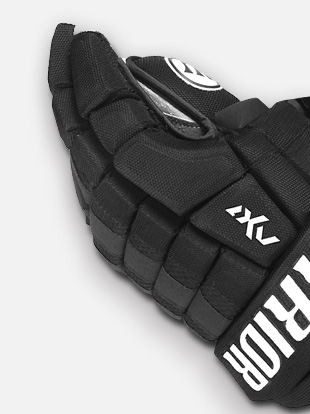
Many competitive players opt for custom hockey gloves. One reason for custom builds is individual preference; some professionals want longer or shorter cuffs, while others prefer more (or less) palm padding. Another reason for personalization is that pro-level players often rotate through multiple pairs in a single game to ensure they’re always wearing dry gloves. Personalization makes it easy to know which gloves belong to which player.
The most common personalizations found on pro-level gloves are team names and player numbers. Some players also choose to add nicknames or custom embroidery.
How to Maintain Your Hockey Gloves
Hockey gloves don’t last forever, but regular maintenance can help extend their lifespan.
First, make sure you air dry your gloves after every practice or game. Next, take steps to reduce moisture buildup. These two practices go hand-in-hand; instead of leaving your gloves in your hockey bag after practice, take them out and put them on a drying rack. Your gloves will dry faster, and you will reduce the risk of moisture that can damage materials.
It’s also worth checking your palm wear regularly. This is often the first part of a glove to fail, so better to catch it before wear and tear impacts your play.
Beginner gloves tend to last longer than their professional counterparts, despite the use of better materials in pro-level gloves. This is because pro-level players use their gloves far more often and under higher-stress conditions.
Hockey Gloves FAQs
What are the best hockey gloves for beginners?
The best hockey gloves for beginners are comfortable and affordable.
What materials are used in hockey gloves?
Common materials include nylon, synthetic leather, real leather, polyester, multi-density foam, and polyethylene.
How do I choose the right size for hockey gloves?
Start by measuring your hand in inches from the tip of your middle finger to the bottom of your palm. Then, multiply by 2 to find your glove size.
How do I maintain my hockey gloves?
Maintain your gloves by always taking them out of your bag to air dry and regularly checking palm wear and tear.
Are custom hockey gloves worth it?
For competitive and pro-level players, absolutely, especially if you’re rotating through multiple pairs each game.
Shop the Best Hockey Gloves at ProStockHockey.com
The best hockey gloves are at ProStockHockey.com. With a wide selection across levels, competitive pricing, cost-effective personalization, and pro-level build options, we can help you get a grip on your game.
Explore what’s in stock and find the gloves that match your game.