
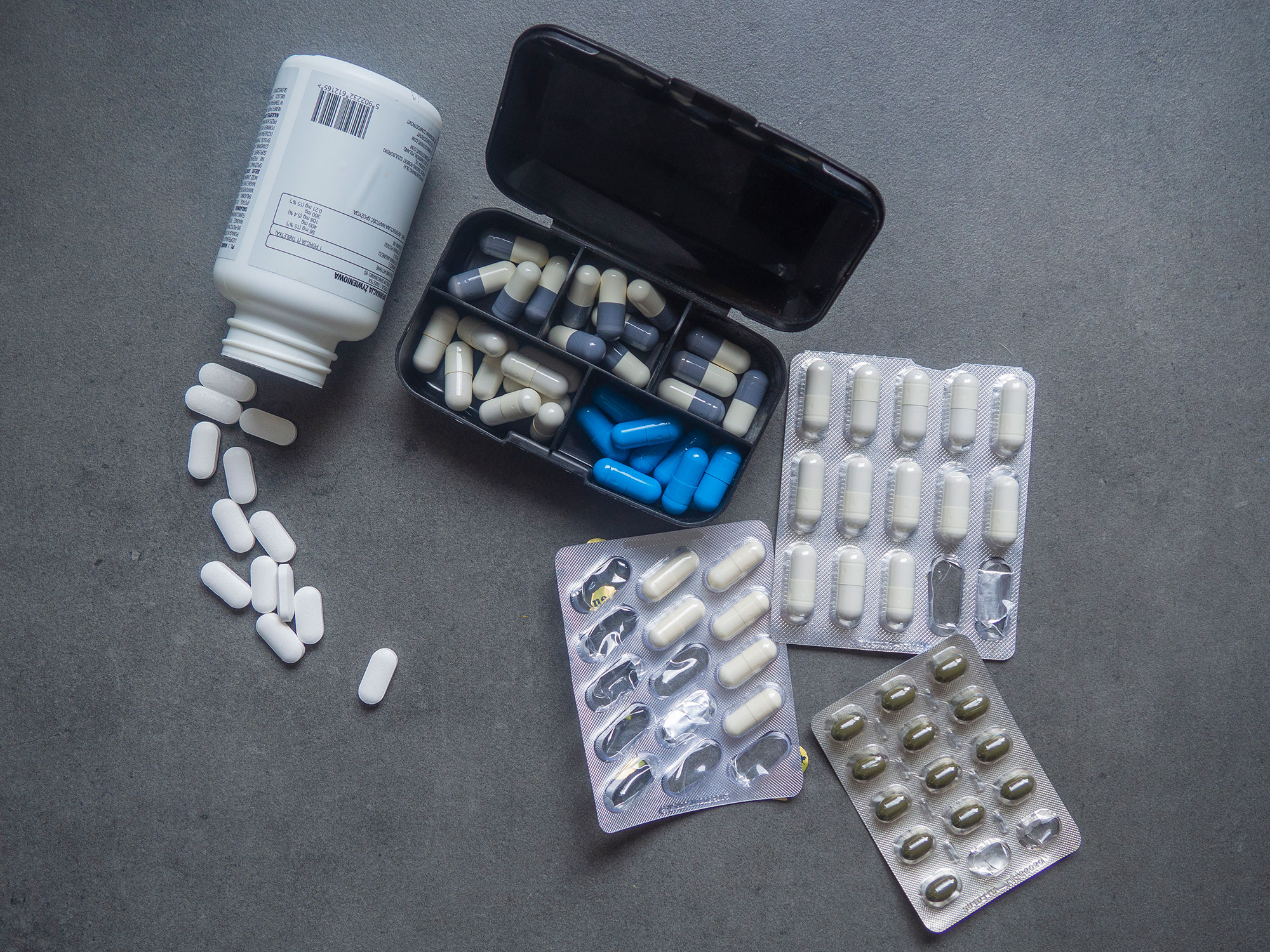
3. Group A Supplements
1. Food for athletes
The main task of these products is to provide macroelements such as protein, carbohydrates and fat with minimal fiber supply and to supplement the microelements: sodium, potassium, magnesium, and vitamins.
The use of these supplements is extremely helpful in planning nutrition before, during and after physical activity. Sports food such as gels and bars and sweets for athletes is highly energetic, consisting mainly of carbohydrates, which allows for quick access to energy. The advantage is also the taste and relatively small volume of these products, which translates into a lower risk of gastrointestinal problems and provides comfort during competitions or training. Very often these products are additionally enriched with ergogenic substances such as caffeine.
Among drinks for athletes we distinguish:
- hypotonic drinks – they are characterized by low osmolarity and their carbohydrate content is less than 4g / 100ml. They irrigate better than pure water but worse than isotonic drinks.
- Isotonic drinks – the most commonly used, best for long-term efforts, on long journeys. They have similar osmolarity as human body fluids, which results in the fastest absorption time. They contain 5-8g of carbohydrates / 100ml.
- hypertonic drinks – they have the highest osmolarity and the highest carbohydrate content – over 8g / 100ml. They are better absorbed than pure water. An example of a hypertonic drink can be a gassed coca cola – which in the 90s was used by cyclists because of the caffeine content.
Drinks for athletes also contain electrolytes – sodium and potassium.
The advantages of using drinks for athletes are the help in maintaining proper water-electrolyte metabolism, prevention of dehydration and help in delaying the occurrence of fatigue.
2. Protein drinks
Supplements characterized by high protein content – over 70%. We distinguish, among others, whey protein concentrate, whey protein isolate, soy protein isolate, pea, rice, hemp, and mixture. As you can see, the offer of protein supplements is also adjusted to people following plant diets.
In the case of cyclists, is there any sense in using protein supplements?
That depends. The main purpose of protein supplements is to supplement this macro-ingredient in the diet. Is it possible to take care of this without protein supplements? Yes, it is possible and there is no problem with that. The main advantage of using these preparations is their digestibility, which causes a quick start of repair processes and will contribute to better regeneration after training or competitions. Another advantage of using protein supplements is their convenience, speed of preparation and benefits resulting from the possibility of adding the preparation to regular meals or making a sheik with the addition of carbohydrates and fats, which can successfully replace a full meal. Protein supplements can be safely described as a substitute for other sources of protein in the diet, such as meat, fish, dairy products or eggs.
3. Clinical supplements
are mainly vitamin products, probiotics, and preparations with mineral components. The use of these supplements should be considered as an aid in compensating for deficiencies in the body, never as a major source of vitamins and minerals in the diet. In order to determine possible deficiencies, the level of the above-mentioned components should be investigated by blood collection rather than estimated on the basis of dietary history. Only then can we consider including these supplements in the plan and choosing an appropriate dose.
4. Ergogenic supplements
supplements that improve sports performance and may contribute to the increase in efficiency.
5. Caffeine
is one of the best-tested substances in the context of sport. It delays the occurrence of fatigue and allows to continue the effort with optimal intensity for a longer time.[7] There are many forms of caffeine administration on the market, including tablets, capsules, gels, chewing gum, aerosols, bars and drinks such as coffee, yerba mate, tea, guarana. An important issue when using caffeine is its absorption time. When planning caffeine administration in the training or competition area, its form and time of administration should be taken into account.
Studies
The study involved 12 men with an average level of training. They were to perform a four-phase intermittent sprint test on their bikes. They were divided into 3 groups, which they received:
-25g of carbohydrates
-25g carbohydrates + gel with 100mg of caffeine
-25g carbohydrate + placebo gel
Each participant was to take the first dose one hour before the start of the test and the second dose at the end of the second phase of the test.
The authors of the study did not find any significant difference in the speed of the sprint. In the group of 25g carbohydrates and 25g carbohydrates + placebo gel, there were tendencies to slower results than in the group with caffeine gel.
After the third phase of the sprint, the group with 25g of carbohydrates and + caffeine had a significantly lower fatigue index and a lower evaluation of the effort in comparison to the other two groups.[8].
The second study of caffeinated gels showed that the consumption of 21.6 g carbohydrates + 100 mg of caffeine 10 minutes before the 2000m beaten by rowers (13 men) significantly improved efficiency compared to gels containing only carbohydrates.
A group with caffeine – 471 seconds.
Decaffeinated group – 466 seconds[9]
An appropriate dose of caffeine is 3-6mg / kg of body weight. A good solution is to test the lower fork first so as not to expose yourself to gastrointestinal problems. If you consume too much, it may cause side effects (e.g. trembling, anger, increased heart rate).
Everyone has heard of caffeine, but this is not necessarily the case with beta-alanine. This compound forms a dipeptide, which is carnosine, which is stored in the skeletal muscles. Long-term intake leads to an increase in carnosine reserves. Beta-alanine improves exercise capacity during exercise. Its action is recorded in high-intensity exercises, but it lasts from 60 to 240 seconds.
If beta-alanine is used, the effects will be felt only after 3-4 weeks. After such a time, the muscle cells are saturated with carnosine. The side effect of using this supplement is paresthesia, i.e. tingling of the skin, mainly in the area of the face and ears. It can be eliminated by dividing the dose (6g / day) into 2-3 portions depending on the person. Beta-alanine can be used in long uphill stretches or in very intense duels at the finish of the race. In these situations, we will feel strong muscle burning, and carnosine cells saturated with beta-alanine supplementation will delay the occurrence of fatigue and improve our endurance.
6. Beetroot juice
is another ergogenic supplement that can be successfully used by athletes and physically active people. It is worth noting that people less trained than professional athletes will feel greater benefits from including beetroot juice in their daily supplementation. This is because of the metabolic adaptations that have taken place over the years of training. Drinking beetroot juice is a safe procedure because we can prepare it at home. This way we do not expose ourselves to contamination of supplements by supplementation companies. Consumption of beet juice increases the concentration of nitrite in the blood, which leads to improved sports performance. This translates into a reduction in the oxygen cost during submaximal exercise.
This is well illustrated by a 2010 study where a group of men was given 500ml of beet juice a day for 6 days. 72 hours before the end of the experiment, the subjects were subjected to an exercise test until the end of the experiment. The time of exhaustion was 25% longer in the beetroot juice group compared to the placebo group. It was also noted that beet juice caused lower energy consumption to generate the same strength compared to the placebo group.[11].
Beetroot juice can be supplemented in single doses (500ml, e.g. before a competition or training) and we will feel the benefits of administration, but the 2017 premise allows us to conclude that the supplementation 14 days before a competition will be more effective due to the possible accumulation of nitrates in muscle tissue.
Due to the length of the cycling competition (>40minutes), the evidence for the effectiveness of beet juice supplementation is limited so far. The reason for this is lower intensity during prolonged efforts, which translates into a lower probability of limiting oxygen access to the muscles, in which case beet juice is the most effective.
7. Creatine
as well as caffeine is one of the most studied supplements. Its action is considered on many levels, even in the context of regeneration after head injuries. Creatine improves exercise abilities during the training period. In the case of track cycling, this will translate into higher speeds during repeated high-intensity efforts with a short regenerative break. A side effect of the most commonly used form of creatine, monohydrate, will be an increase in body weight (0.6 – 1kg) through increased water retention. However, the supplementation industry offers many different forms to reduce this phenomenon.
The use of creatine is similar to that of beta alanine. To notice the effects we need to saturate the creatine receptors (5g per day). This usually happens after 4 weeks without using the saturation phase.
8. Glycerol
appeared in group A of the Australian Institute of Sport classification only this year. This substance causes water retention in the body. There are not many studies using this supplement. It can be concluded that glycerol can be useful in the context of prolonged cycling races or long distance running on high-temperature days.