
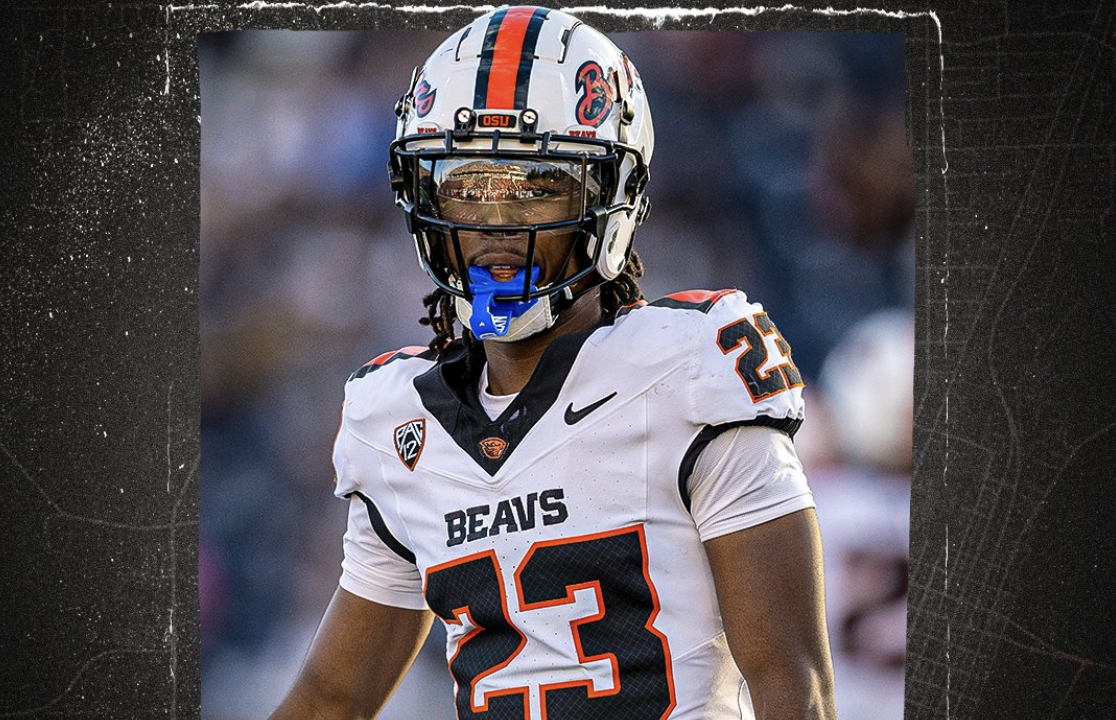
Football is a game built on measurable performance. Players track 40-yard dash times, bench press numbers, body weight, and tackle statistics throughout their careers. Yet some of the most important indicators of athletic performance never appear on a stat sheet.
Behind every fast sprint, hard tackle, and fourth-quarter drive are health metrics that shape recovery and long-term performance. Whether you’re chasing a college scholarship, preparing for the NFL Draft, or just trying to do your best, these markers can help. They are often overlooked. Understanding them can help you train smarter, not just harder.
Recovery Quality Is More Important Than You Think
Quality recovery depends on sleep, nutrition, hydration, and how well your body repairs itself after intense training. Chronic fatigue, slower reaction times, declining motivation, and reduced power output can all be signs that recovery isn’t keeping pace with workload.
Professional organizations increasingly emphasize recovery as a performance tool rather than an afterthought. Sleep is linked to better reaction time, decision-making, learning, and physical recovery. It’s one of the simplest ways athletes can support performance.
For players who notice ongoing fatigue, reduced strength gains, or slower recovery despite consistent training, it’s worth discussing those symptoms with a healthcare professional. In some cases, evaluating broader health markers through services such as Feel 30 may help provide additional information to discuss with a clinician. Testing is only one part of the picture, and hormone levels should always be interpreted alongside symptoms and medical evaluation.
Resting Heart Rate Can Reveal More Than Fitness
Resting heart rate can provide useful insight into an athlete’s overall conditioning and recovery. Endurance-trained athletes often have lower resting heart rates because their hearts pump blood more efficiently. Still, there’s no single “ideal” number for everyone.
What matters most is your personal baseline. If your resting heart rate stays higher than normal for several days, it may mean poor recovery. It can also point to illness, dehydration, poor sleep, or too much training stress. sleep, or accumulated training stress. Likewise, if you have a very low resting heart rate and feel dizzy or tired, see a healthcare professional. Get checked if you have other symptoms too.
Many athletes use smartwatches or fitness trackers to monitor resting heart rate over time. Looking for trends, instead of single readings, can help you see when your body needs more recovery.
Body Composition Matters More Than Body Weight
Football has always valued size, but body weight alone tells very little about athletic readiness.
Two players may each weigh 220 pounds while having vastly different body compositions. One may carry significantly more lean muscle, while the other carries excess body fat that can reduce speed, endurance, and mobility.
Position-specific demands also vary. Offensive linemen need different physical traits than defensive backs or wide receivers. So, body composition matters more than the number on the scale.
Monitoring lean muscle mass with nutrition and strength progress helps athletes see if training is driving real improvements.
Hormonal Health Plays a Supporting Role
Testosterone gets a lot of attention in sports talks, but it is only one part of a much larger hormonal system.
Hormones influence muscle maintenance, bone health, recovery, energy levels, and overall well-being. However, feeling tired after a demanding practice or difficult season does not automatically indicate low testosterone.
The Endocrine Society recommends diagnosing testosterone deficiency only when men have consistent symptoms alongside repeatedly confirmed low morning testosterone levels using appropriate laboratory testing. Simply having one low result is not enough for a diagnosis.
Common symptoms that may need a medical check include lasting fatigue and reduced libido. Other symptoms include unexplained loss of muscle mass or strength and lower physical performance. These symptoms can also have many other causes, including inadequate sleep, poor nutrition, stress, illness, or excessive training.
For football players, the key point is simple. If symptoms continue despite good recovery habits, talk to a qualified healthcare provider. Don’t self-diagnose.
Hydration Is More Than Replacing Sweat
Even mild dehydration can affect decision-making, reaction time, and physical output.
Football combines repeated high-intensity efforts with heavy protective equipment, creating conditions where fluid loss happens quickly, especially during summer practices and preseason camps.
Athletes can track hydration by checking urine color. They can also compare their body weight before and after training. They can follow a personal hydration plan. Athletes who do these things often recover better. Those who rely only on thirst may recover less well.
Proper hydration also supports muscle function and helps regulate body temperature during demanding sessions.
Heart Rate Variability Adds Useful Context
Heart rate variability (HRV) measures the variation in time between heartbeats. Rather than focusing on a single “good” or “bad” number, HRV is most useful when compared with your own long-term baseline.
Changes in HRV may reflect how your autonomic nervous system is responding to training, recovery, travel, stress, illness, or poor sleep. For some athletes, a sustained drop from their normal range can indicate that additional recovery may be beneficial.
Sports medicine experts caution against relying on HRV alone to make training decisions. It works best alongside other indicators such as sleep quality, resting heart rate, training load, and how the athlete feels physically and mentally.
Blood Health Can Affect Performance
Blood health is an often-overlooked part of athletic performance. Conditions such as iron deficiency (with or without anemia) can reduce oxygen delivery to working muscles, contributing to fatigue, poorer endurance, and slower recovery. Vitamin D deficiency, thyroid disorders, and other medical conditions may produce similar symptoms.
The American College of Sports Medicine notes that athletes with ongoing fatigue may need medical evaluation. This also applies to those with declining performance.
It includes symptoms that do not improve with enough recovery. Depending on the athlete’s history and symptoms, this may include blood tests. These tests may assess iron status, a complete blood count (CBC), vitamin D, thyroid function, or other appropriate markers.
Routine medical checkups, especially before the season starts, can spot health issues early. This helps treat them before they hurt performance.
Mental Wellbeing Is a Performance Metric
Mental performance deserves the same attention as physical preparation.
Stress, anxiety, poor sleep, academic demands, injuries, and competition pressure all affect athletic performance. Mental fatigue often shows up physically through slower reaction times, decreased focus, and inconsistent execution.
Many professional organizations now encourage athletes to prioritize mental health alongside physical conditioning, recognizing that peak performance depends on both.
Speaking with coaches, athletic trainers, sports psychologists, or healthcare professionals when challenges arise is a sign of professionalism, not weakness.
Football has always celebrated measurable performance, but the best athletes understand that success isn’t determined by weight-room records alone.
Recovery quality, sleep, hydration, body composition, cardiovascular health, and appropriate medical screening all contribute to long-term development. Paying attention to these hidden health metrics helps athletes stay available, perform consistently, and build careers that last beyond a single season.
The strongest players aren’t simply the ones who train the hardest. They’re often the ones who understand what their bodies are telling them and respond before small issues become bigger setbacks.
● Endocrine Society. Testosterone Therapy for Hypogonadism Clinical Practice Guideline.
● American Urological Association. Testosterone Deficiency Guideline.
● Bhasin S, et al. Testosterone Therapy in Men With Hypogonadism: An Endocrine Society Clinical Practice Guideline. Journal of Clinical Endocrinology & Metabolism. 2018.
● American College of Sports Medicine. Position stands and athlete recovery resources.
● National Sleep Foundation. Sleep recommendations for athletic performance.
NFL Draft Diamonds was created to assist the underdogs playing the sport. We call them diamonds in the rough. My name is Damond Talbot, I have worked extremely hard to help hundreds of small school players over the past several years, and will continue my mission. We have several contributors on this site, and if they contribute their name and contact will be in the piece above. You can email me at nfldraftdiamonds@gmail.com