
UPDATED April 13, 2026
IN
Plum Ride
“He who does not have slivovitz has no luck.”
“Slivovitz is the best medicine.”
– Slovak Proverbs
What’s in a name, you may ask? Or how do we choose a name for a new tour? Our company is known for creating exhilarating cycling adventures in all corners of the world but it is in Europe where we have the largest number of our tours. Each one has its own path, a theme that we would like to explore. Yet, even with our tours crisscrossing the continent, one area that was largely missing was Central Europe.
I was born in that region, Czechoslovakia to be exact. One day when I was alone in the office, staring at a large map of the world, I heard a little whisper coming from the wall. I stopped what I was doing and listened…“Henry, how come none of TDA tours visit Berlin, Prague or Belgrade? Why have TDA not explored more of Central Europe? After all, that is where your roots are?”
And so it began. Everyone on the team contributed and our efforts resulted in a tour that starts on the shores of the Baltic Sea in Gdansk, Poland, the birthplace of Solidarity, the movement that initiated the fall of Soviet Empire. It ends on the shores of Aegean Sea in Thessaloniki, Greece, the country’s second largest city, well known for its rich Byzantine history.
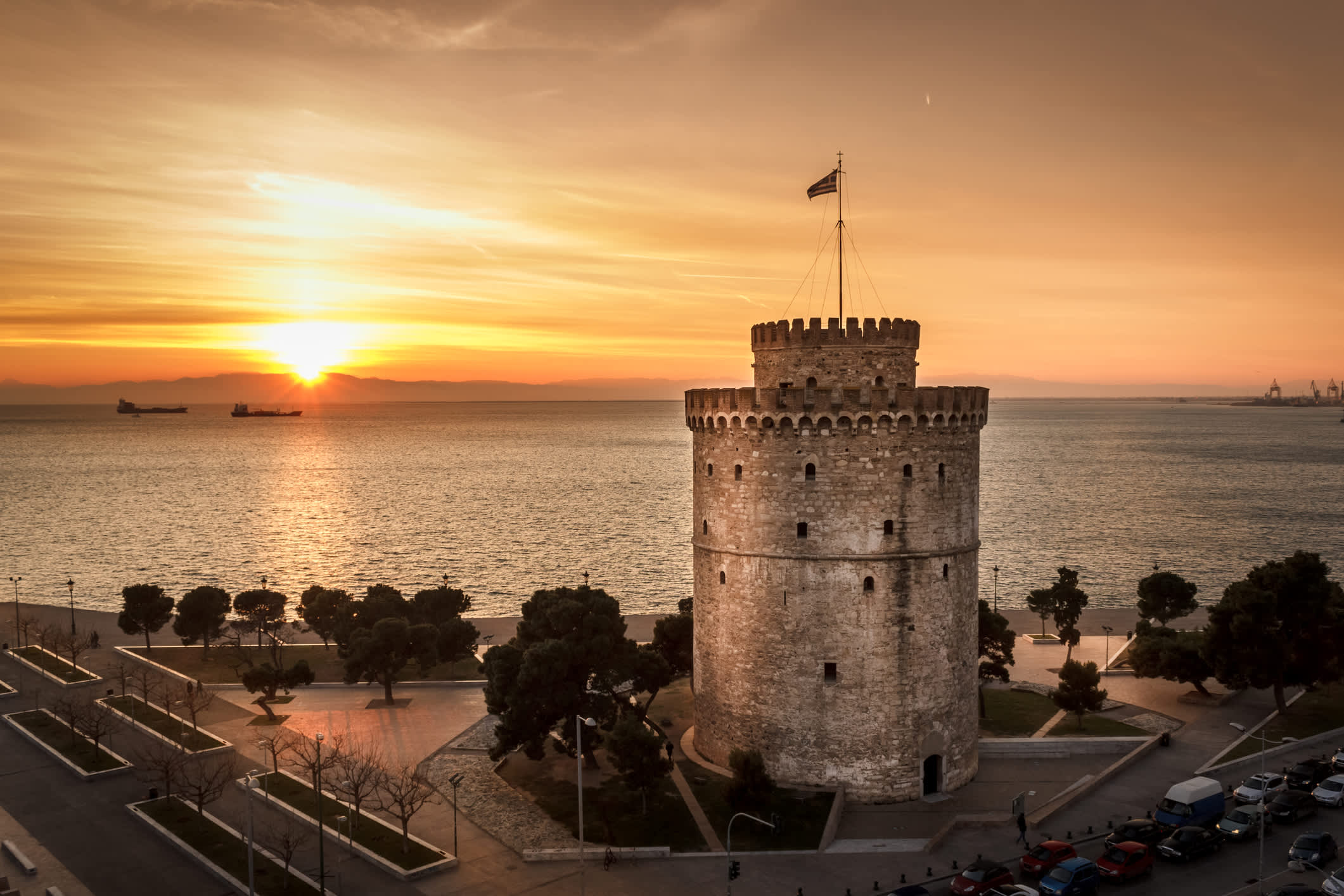
White Tower in Thessaloniki
Now that we had the route, what do we name it? After all, when you travel in a country or through a region, there are many aspects to explore. There is nature, there is art, there is architecture, history, food and, of course, there is culture. When looking at the entirety of the route, there seemed to be one aspect that kept popping up.
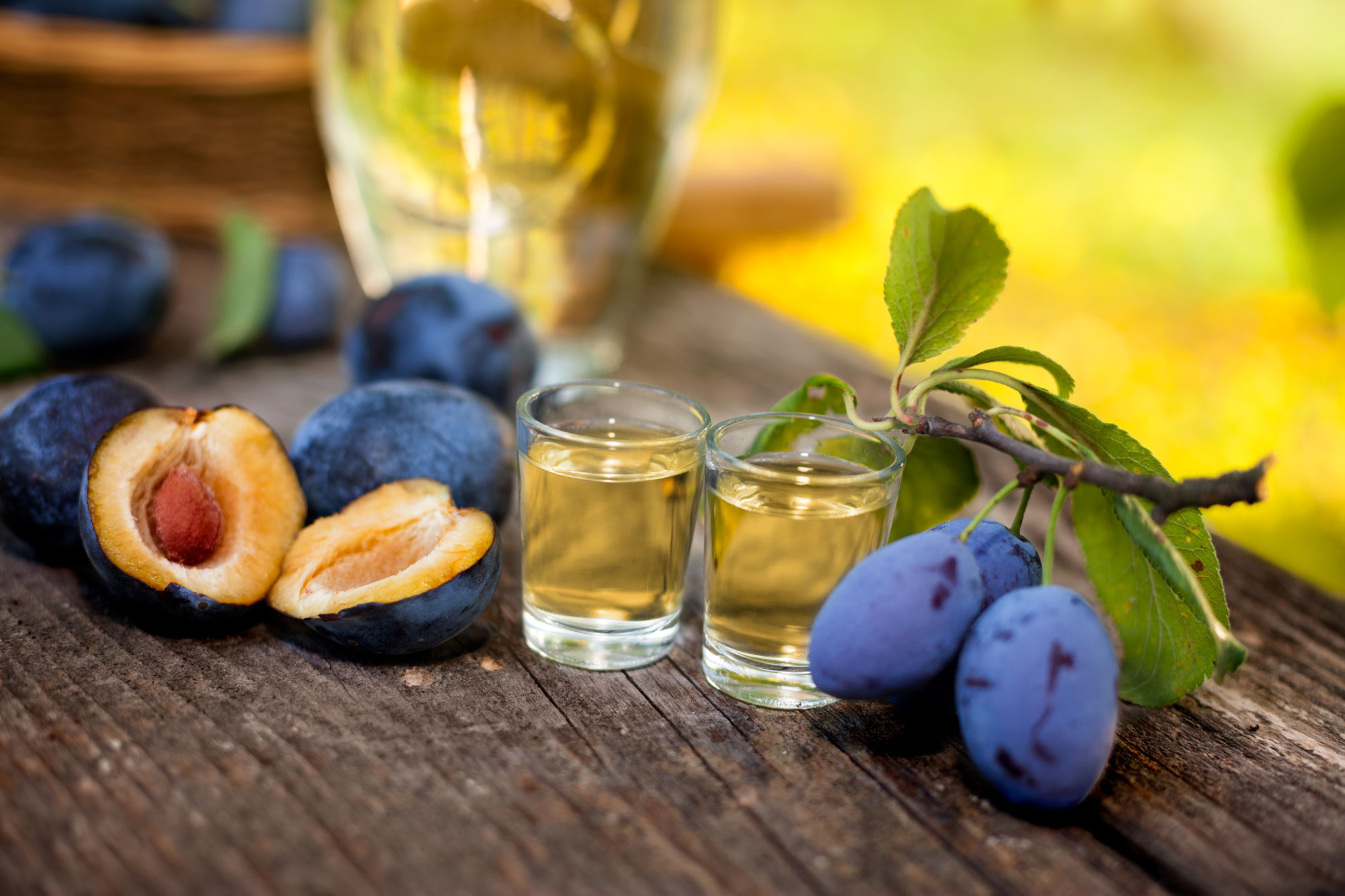
My father, who lived to be 87, had one memorable habit. Each morning, after spending an inordinate time in the bathroom cleaning himself top to bottom, would head for his liquor cabinet, pour himself a shot, preferably slivovitz, and thus start his day. Lest you think my dad was an alcoholic, in my whole life I never saw him drunk, not at home, not at weddings and not at any religious celebrations. One or two shots a day and that was enough. And, as far as I can tell, he wasn’t alone in this habit.
I mention the vignette about my father simply to point out that, in Central Europe, a big part of the culture is the consumption of plum brandy, sometimes known locally as Palinka or Rakia. As I hinted above, drinking slivovitz at weddings, funerals, births and other life events, is so ingrained that it “has been recognized by UNESCO as part of Serbia’s intangible cultural heritage, reflecting its deep-rooted social practices and customs.” Plum brandy or Slivovitz is present in proverbs, songs, media, movies, television shows and literature, reflecting local customs and social practices.
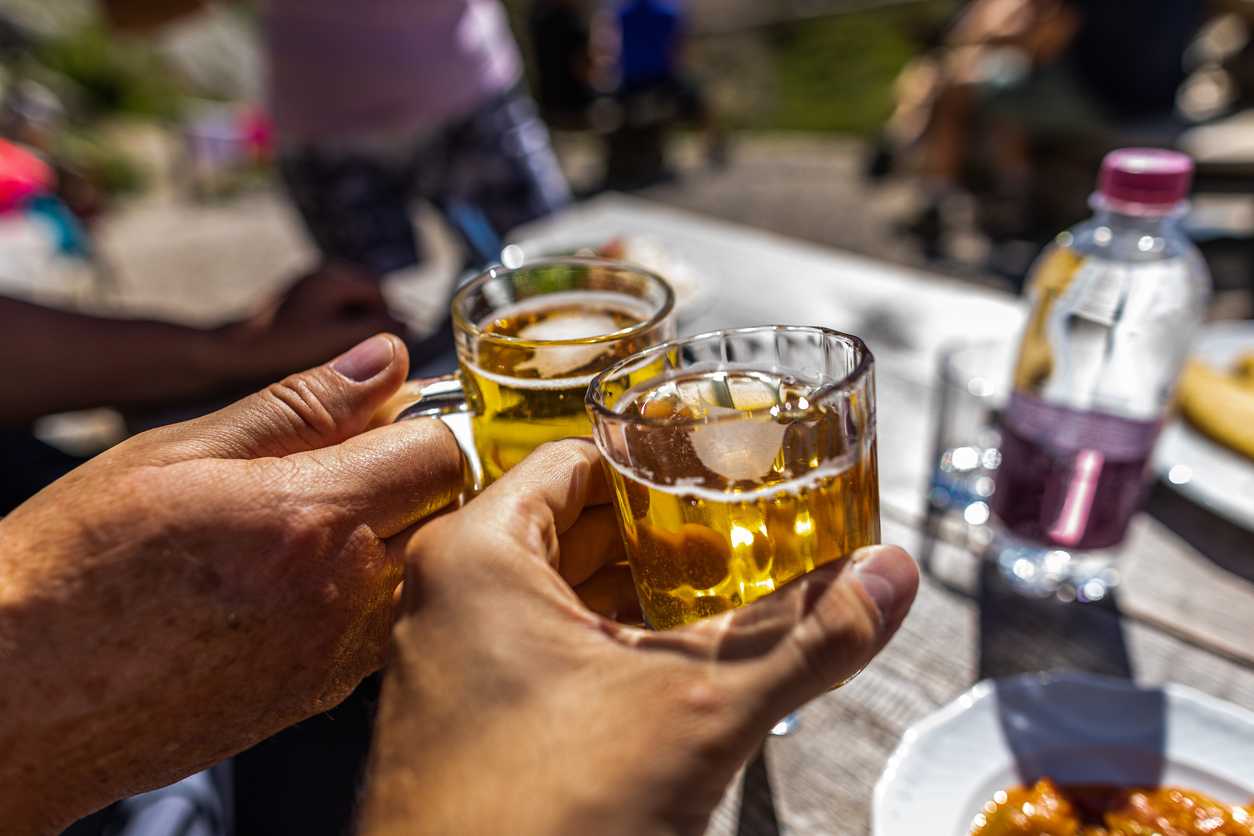
And according to AI, and really what better source is there, “Plum brandy, like other types of brandy, can offer several health benefits when consumed in moderation. It contains antioxidants that may help lower bad cholesterol, reduce inflammation, and support the immune system, making it beneficial for heart health and respiratory issues.”
What’s in a name you ask? Well, plum brandy is often associated with themes of friendship, longing, and the joys of life. Isn’t that what TDA tours are all about?
Join me, TDA Founder Henry Gold, for a Slivvitz or Two! I plan to cycle this inaugural tour in 2027. For those alumni who I have never met, I invite you to come along. If you have never done a TDA tour, come ride with me and I will share with you a little bit more about the region I once called home.
RELATED
TOUR

Plum Ride
Plum brandy has a long and illustrious history in Central and Eastern Europe, beginning as far back as the 14th century. Distilled from local plums…