
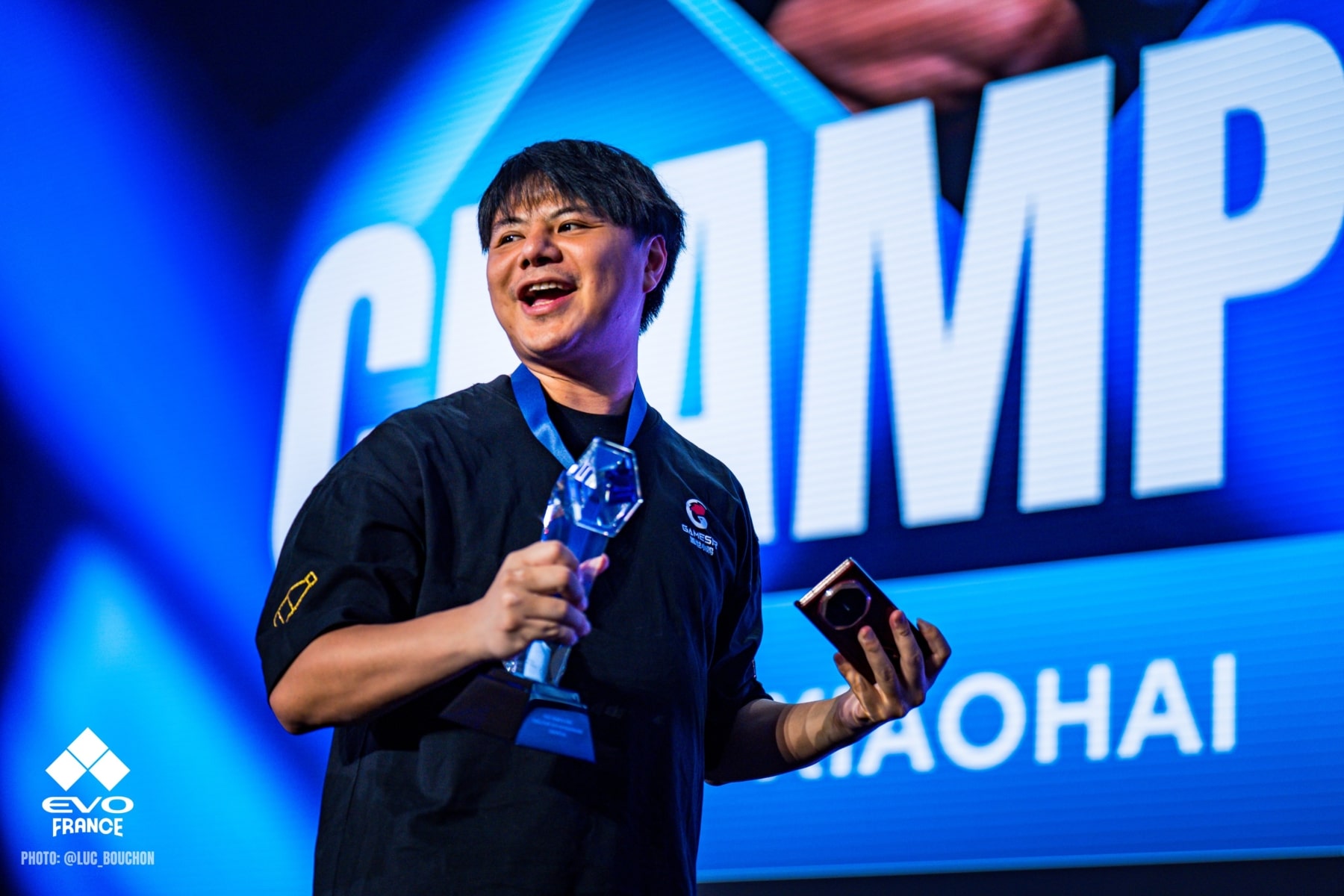
In recent years, developers have heavily tapped into the fighting game genre. Left and right, there seems to be a new game coming out, which took the fighting game community (FGC) by surprise, because the genre hadn’t been touched by other developers not named Capcom, Bandai Namco, Arc System Works, SNK, or NetherRealm for a while.
So, what’s with the sudden shift? Is the community missing something? Perhaps a gold mine that the developers have found? I’m not so sure, but I think too many fighting games might not be in the community’s best interest.
From divided player bases to hard-to-follow scenes, each new fighting game makes it difficult for spectators to navigate the esports scene. I’m here to talk about all of them, plus a couple of merits that I think are important!
More Fighting Games Will Divide The Already Small Player Base of the FGC
Let’s face it: alongside the real-time strategy scene, the fighting game community has one of the smallest player bases in esports. Basically, it’s niche.
While there’s an argument that it’s slowly regaining the flash of popularity it once had in the late 90’s, thanks to Street Fighter 6, games like League of Legends and Counter-Strike have dominated the scene in its absence and have established themselves as the premier esports games. This leaves the FGC with fewer dedicated players and restricts its growth.
To give you some context, Street Fighter 6, arguably the most popular fighting game in the world right now, only has a 24-hour peak player count of 37,700, according to SteamDB. Counter-Strike 2, on the other hand, has 1.4 million. The gap is huge and just shows how niche the genre is. Introducing more fighting games into the mix will only divide the current player base, as most players tend to focus on one game, which pulls them away from the previous one.
Don’t get me wrong, the casual audiences are blessed with all these games, but it may hurt the esports scene, and the main reason for that is the following point I want to discuss.
The FGC is Way Past The “Renaissance Man” Era
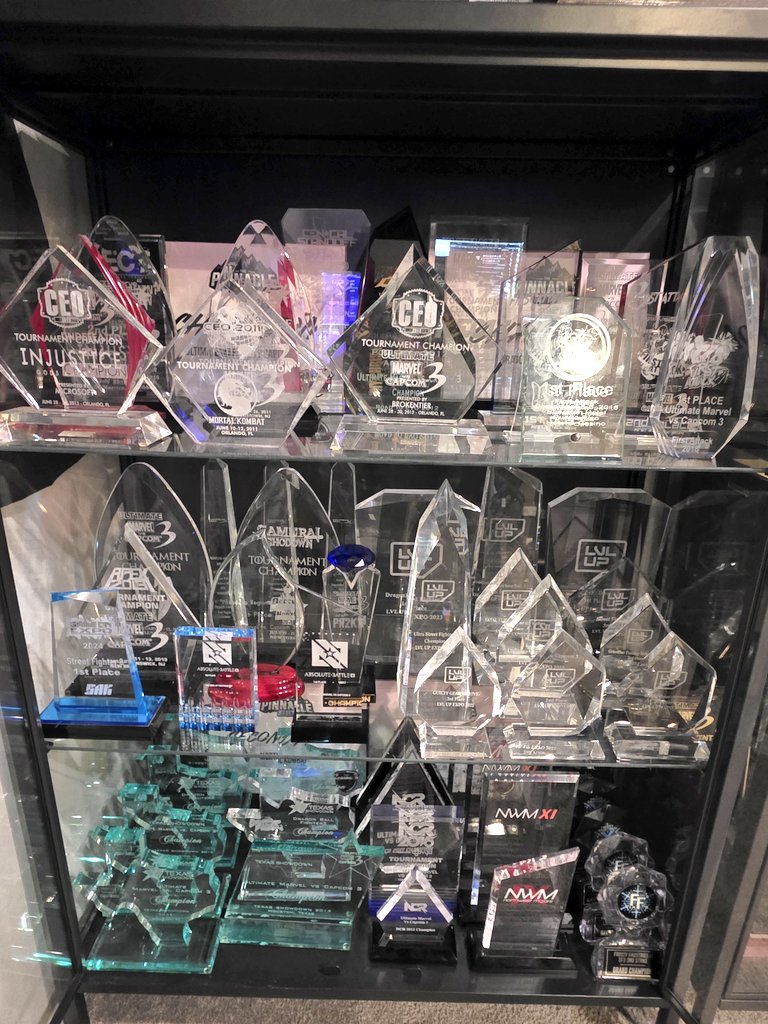
In this context, the “Renaissance Man” refers to a person with deep expertise in multiple fighting games, often a top player in them, and I believe this era ended with the introduction of Pro Tour circuits such as the Capcom Pro Tour and the Tekken World Tour. Because of these circuits, prize money for the games they support has also shot up.
So, the natural progression would be to simply focus on one thing and ignore the other, considering that you can win big money anyway.
See, the main reason people were doing the Renaissance Man approach back then was that fighting game tournaments paid pebbles, and focusing on one game means you’re limiting yourself to how much money you can earn in each tournament. However, with the introduction of the Pro Tours, it became riskier for people to go this route because they were missing out on money by not focusing on the one thing that would pay them a lot.
The entry of esports teams into the scene also means they want some return on their investment. As such, they most likely want their players to focus on one game to ensure they take home as much money for the organization as possible.
With that being said, there are still fighting games Renaissance Men walking this Earth with us, but they’re exceedingly rare. This includes Christopher “NYChrisG” Gonzalez, who plays Street Fighter 6, 2XKO, Fatal Fury: City of the Wolves, and pretty much any fighting game you put in front of him. Goichi “GO1” Kishida is also the same, but it’s more obvious that his focus is on Fatal Fury: City of the Wolves, because it’s the highest-paying fighting game in existence, with $1.5 million going to the winner of the SNK World Champion of the game.
Needless to say, just like the Capcom Cup, the prize distribution is atrocious. The second placer gets $300,000, essentially making the grand finals a $1.2 million money match.
Too Many Games in the FGC Means it Lacks Focus
One of the ways that separates the FGC tournaments from your typical esports events is the collection of games included in them. For example, in a League of Legends tournament, it’s only League of Legends. You don’t see other Riot games, such as VALORANT or Teamfight Tactics, because they usually have their own circuits.
In typical FGC tournaments, there are five, maybe even more, games involved, resulting in a lack of focus from tournament organizers and staff members. The main reason the production of League of Legends tournaments looks so professional is that the people behind the scenes are all working towards a single goal: presenting the best League of Legends games possible to people watching at home.
FGC tournaments, on the other hand, have different goals. For example, a tournament that’s part of the Tekken World Tour will place greater emphasis on Tekken games and leave Street Fighter games alone. The opposite also happens if the tournament is a member of the Capcom Pro Tour instead.
This heavily affects those who simply want to watch a single game because the production is all over the place, and it’s hard to expect consistent production quality across tournaments all around the globe.
There’s no easy fix here, unfortunately. I mentioned this in my “The FGC must transition out of grassroots if it wants to survive” piece, but I believe that publishers and developers simply need to step up and train staff members and tournament organizers of the events they participate in to make sure that they provide the best viewing experience for those watching at home.
Stepping up also means upgrading setups and related systems to ensure players are in the best possible environment. The grassroots can only do so much, and developers must also build strong relationships with them.
Merit: Fighting Game Tournaments As Festivals
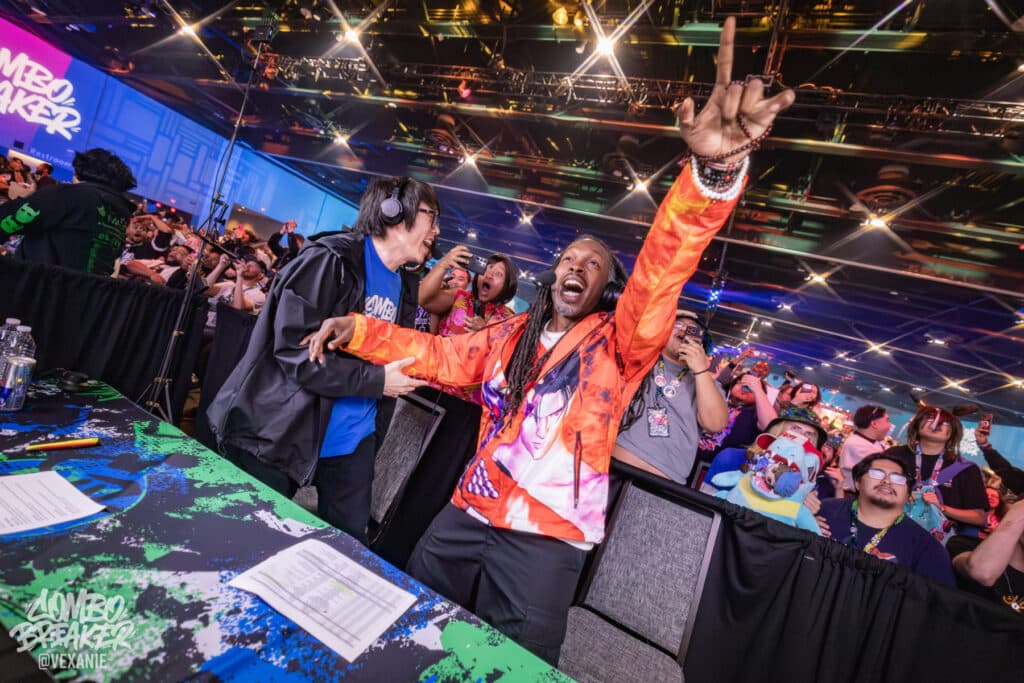
Now, of course, I’m not going to sit here and pretend that there’s no merit to having multiple fighting games in a single tournament. This kind of setup makes tournaments seem like a festival, which is an amazing way to celebrate the genre. Most major tournaments also feature other events, and people are encouraged to participate or watch. Cosplay competitions are a thing, artist alleys are a thing, and even controller modification shops are present at events. It makes the whole tournament seem like a convention rather than just a tournament.
Additionally, there’s also a high chance that a newcomer might notice a cool fighting game they’d never known before, eventually leading to them playing it.
Meeting new people is also an amazing part of attending tournaments. See, in gatherings like these, you already share an interest, making it easier to form a connection. Lifelong friends are forged here from across many titles, forming the “community” part of the FGC.
Aside from that, tournaments in general are just a whole lot of fun. If you’re with friends, you sit down and watch great matches and roam around the whole venue if you don’t find any matches particularly interesting. Bring Your Own Controller tournaments are also unique: they’re essentially a section of the venue where people can gather and play niche fighting games rather than the mainstream ones always on the main stage.
Most of these are not present in huge in-person Counter-Strike 2 or VALORANT tournaments.
Merit: New Fighting Games Give Players A Chance in the Spotlight
This is quite possibly the greatest merit of having multiple fighting games enter the FGC esports scene, as it gives formerly unheard-of players a chance to shine in the spotlight. A huge example of this is Twinz Toshi and Haru. Their names only really popped up when 2XKO was released, and tournaments started happening.
Their playstyle can only work in a game like 2XKO, which allows two people to control their own characters in a tag-based fighting game. Without 2XKO, the twins might not have a fighting game to call home.
Steve “Supernoon” Carbajal was also given another chance in 2XKO. While he’s strong in Guilty Gear Strive, Dragon Ball FighterZ, and Ultimate Marvel vs. Capcom 3, it’s not until 2XKO’s release that he has consistent dominance against his opponents. According to Liquipedia, he had never placed outside the top eight in any of the 2XKO tournaments he entered, which is a great improvement over his placings in other games.
Dominique “SonicFox” McLean, a multi-fighting game genius, was also given another chance to shine in 2XKO. Originally known for his Mortal Kombat prowess, 2XKO has enticed him, as he’s also an avid tag-fighting game player. Together with Lenwood “INZEM” Arnold, he plays as a duo, just like the Twins, and has been performing well in every tournament they’ve entered.
It’s Fine, Since the FGC is Still New in the Esports Environment
Just to clarify, I’m not telling developers to halt developing fighting games. Again, casual players are blessed to have many fighting games to choose from and play.
But I still consider the FGC a new esports scene in my previous piece, and I’m pretty sure that developers and tournament organizers will have a lot of fiddling to do to find the right balance of games in their events.