
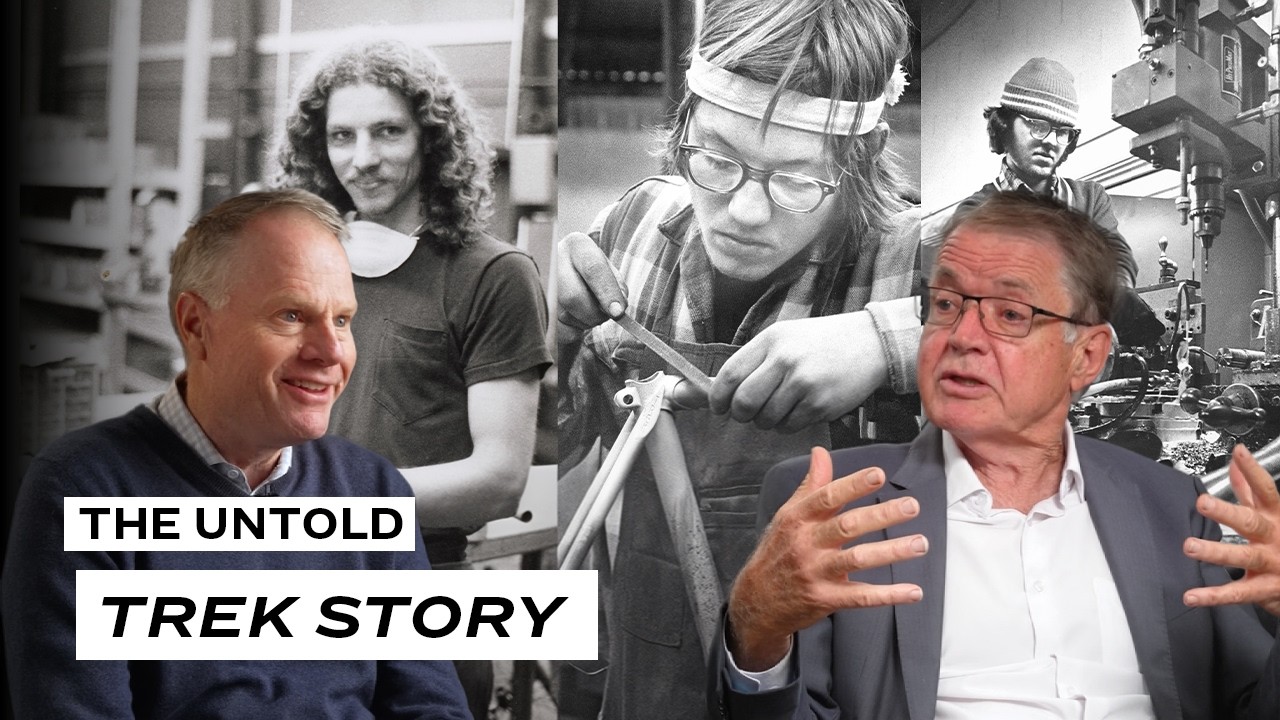
A new film revisits the unlikely partnership between Dick Burke and Bevil Hogg that turned a bold idea into one of cycling’s defining brands
Fifty years is a long time in any industry. In cycling, where manufacturers come and go, where taste shifts with the peloton’s mood, and where even the most storied names can fade from relevance within a generation, it is a genuinely remarkable run. Trek Bicycle has been around for all of it, and this month the Wisconsin-based company marked the occasion not with a product launch or a sponsorship announcement, but with something rarer: a documentary that digs into its own origins and doesn’t flinch from the tensions that made them interesting.
The Journey: The Untold Story of Trek is built around a conversation that feels long overdue. John Burke, who has run the company his father founded, sits down with Bevil Hogg, Trek’s co-founder, a figure whose name may be unfamiliar to many contemporary fans, to reconstruct what those first years actually looked like. Archival footage and a return to the original red barn in Waterloo, Wisconsin, anchor a story that is part business history, part tribute, and part meditation on what it means to build something that outlasts its founders.
The Burke-Hogg partnership is the film’s center of gravity. Dick Burke brought capital, conviction, and a willingness to commit before the outcome was anywhere near certain. Hogg brought something harder to quantify: a genuine love of the bicycle as an object, an eye for craftsmanship, and a belief that the product itself had to be worth caring about. Two men from different worlds, pulled together by a shared enthusiasm for two wheels; and the film is honest enough to acknowledge that shared belief did not always translate into shared vision.
The early years were anything but smooth. Imported bikes and failed retail experiments did not point cleanly toward a manufacturing success story. Trek’s breakthrough came when the company committed to handmade steel frames, found an audience among serious riders, and kept pushing into mountain bikes, aluminum, and eventually carbon. Each chapter required someone to be right at the right moment, and the film does not pretend that being right was easy or obvious.
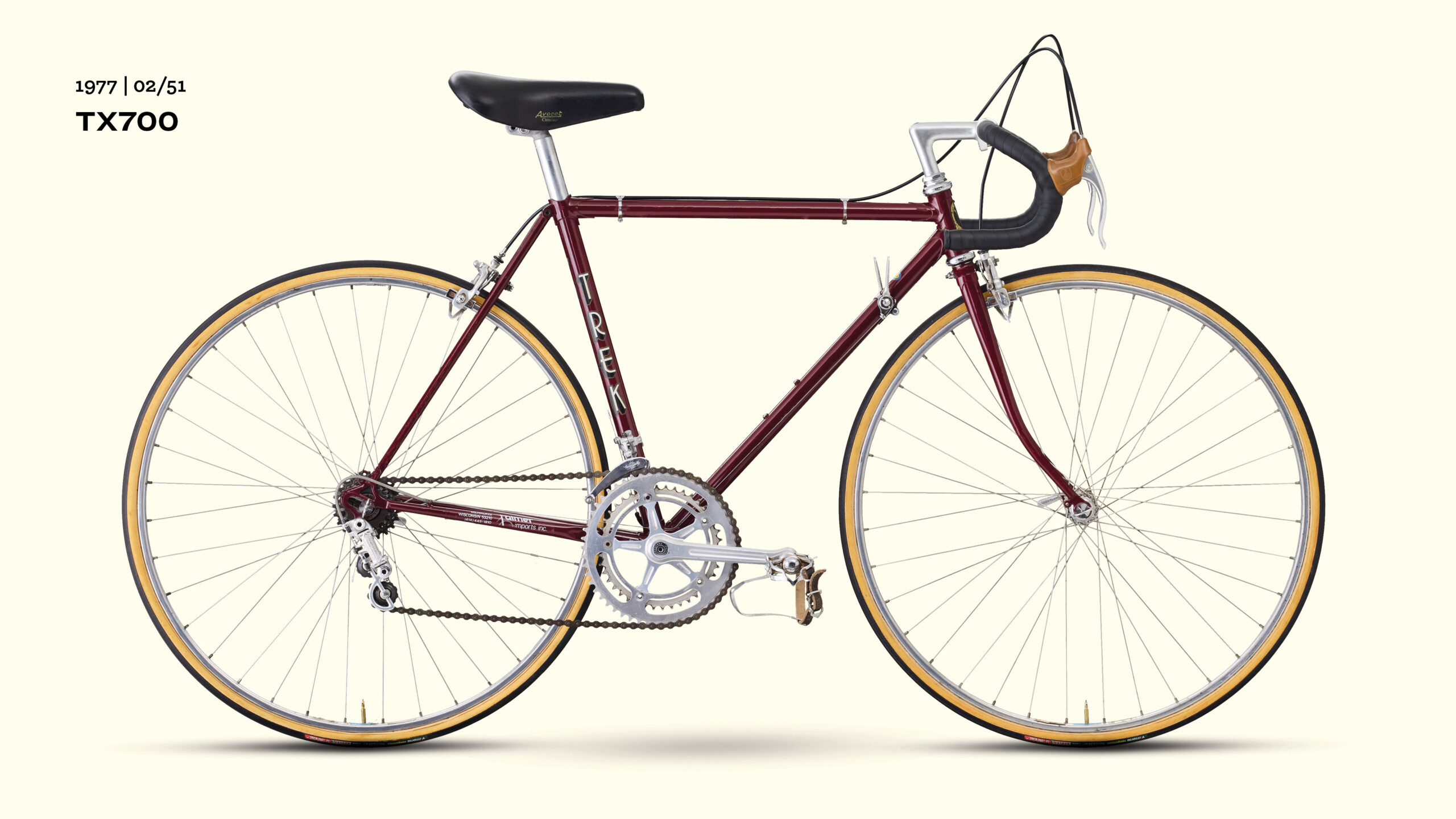
What makes The Journey worth watching for a cycling audience is less the boardroom drama than the texture of the era it reconstructs. The late 1970s and early 1980s were a peculiar moment in American cycling: a market beginning to take itself seriously, a domestic manufacturing tradition pushing against European prestige, a consumer base still learning what it wanted. Trek was finding its footing in the middle of all of that, and the film captures the feel of it: the handmade aesthetic, the faith in steel, the argument between art and commerce that every serious bicycle company eventually has to have with itself.
The film closes with a challenge rather than a victory lap. Whether that lands as wisdom or corporate boilerplate will depend on the viewer. But as a piece of institutional self-examination, The Journey earns its runtime. Fifty years in, Trek still makes the bikes. The story of how it got here is worth knowing.
The Journey: The Untold Story of Trek is available now at trekbikes.com.
(Visited 1 times, 1 visits today)