
Summary
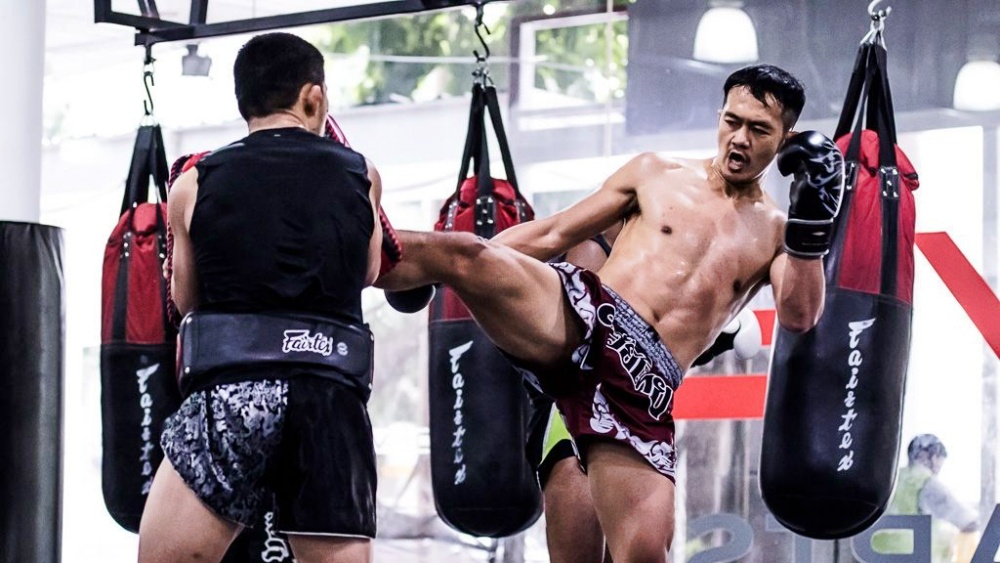
Muay Thai‘s power as a striking system lies not in the complexity of its techniques, but in the seamless way those techniques combine. A jab sets up a cross, a cross sets up a kick, a kick sets up a knee, and a fighter who can chain these weapons together fluidly is far more dangerous than one who throws them in isolation. This article covers 16 fundamental Muay Thai combinations that every beginner should drill and every experienced practitioner should have locked into muscle memory. From simple two-strike entries like the jab to rear leg roundhouse, to more complex multi-weapon sequences involving elbows, knees, and switch kicks, each combination is explained with the mechanics and the tactical reasoning that makes it work. These are not beginner combinations that you outgrow — most of them appear regularly at the highest levels of competition precisely because simplicity and execution beat complexity and sloppiness every time. As Muay Thai World Champion and Evolve MMA instructor Chaowalit Jocky Gym puts it, “The fighters who win are not always the ones who know the most combinations — they are the ones who can throw five combinations perfectly, at the right moment, without hesitation. Master the basics first. Everything else is built on top of them.” Whether you are just starting out or looking to sharpen your combination game at a gym like Evolve MMA in Singapore, this guide gives you the foundation to build a complete and dangerous striking game.
Key Takeaways
- Muay Thai combinations work because they force opponents to defend multiple weapons simultaneously. A jab to the head draws the hands up; a kick to the body then lands on an unguarded target. Understanding the logic behind each combination, not just the sequence, is what allows you to adapt it when opponents react differently than expected.
- Simple combinations executed with timing and precision outperform complex ones thrown sloppily. The 16 combinations in this article are not beginner content that advanced fighters discard; they are foundational sequences that elite fighters refine and perfect over years of training.
- The jab is the entry point for the majority of Muay Thai combinations. It measures distance, distracts the opponent, forces defensive reactions, and sets the range for every strike that follows. Developing a sharp, fast jab is the single most important step in building an effective combination game.
- Kicks, elbows, and knees score higher in Muay Thai than punches alone. The combinations in this article are deliberately designed to end with or prominently feature Muay Thai’s signature weapons — the roundhouse, the teep, the elbow, and the knee because these are the strikes that win fights on the scorecards and create finishing opportunities.
- Feints and tempo changes multiply the effectiveness of every combination. Several combinations in this article rely on feinting — convincing your opponent that one strike is coming before delivering another. A fighter who can feint convincingly has effectively doubled the number of combinations available to them without learning a single new sequence.
- Drilling combinations slowly and deliberately is the only way to make them work under pressure. Speed and power come after the movement pattern is clean. Rushing to full speed before the sequence is properly grooved produces combinations that fall apart in sparring, the opposite of the goal.
16 Basic Muay Thai Combinations Everyone Should Master
You don’t have to be a Muay Thai fighter to master the combinations we are about to explore. Many of these techniques are also effective in self-defense scenarios and mixed martial arts competitions. Let’s dive right into our list of 16 basic Muay Thai combinations.
1) Jab, Rear Leg Roundhouse
The jab is one of the first strikes students learn in many striking-based martial arts, and it’s one of the most used techniques in sports like boxing and Muay Thai. Your jab isn’t likely to finish an opponent, but it can help to gauge distances, disrupt your opponent’s rhythm, and set up more powerful attacks, like a head kick thrown with your rear leg.
Throwing a jab often leads to your opponent moving a hand forward to parry or catch it, or they might move their head off the centerline to dodge it. Either way, your opponent’s hand isn’t at the side of their head to protect them from a head kick, so fire off immediately after to catch them off guard.
Another trick you can use to land this combination is to throw a few other combinations that start with a jab to get your opponent to anticipate something else before throwing a leg kick. For example, you can throw a few double jabs to get your opponent used to you throwing two jabs in a row before throwing a jab, head kick combo.
2) Jab, Cross, Hook, Rear Leg Kick
The jab, cross, and hook is one of the first few combinations boxers learn and the combination works just as well in Muay Thai. Since kicks are perfectly legal in Muay Thai, finish off the combination with a rear leg kick to the body or head.
Depending on your stance, you might be able to target your opponent’s body with the kick and you’re more likely to land it since they have to bring their hands up to defend against your punch combination.
3) Jab, Cross, Switch Kick
This builds off the combination above. The idea behind both combinations is quite similar but you switch stances before throwing your kick for this combination, increasing the power behind it. Fire off the 1,2 combo and bring your lead leg back so it’s now your rear foot. Fire off the kick with your new rear leg before returning to your normal stance.
This combination can be devastating if you land on your opponent’s liver, but the kick should be thrown quickly since the switch telegraphs your intent to opponents.
4) Double Jab, Teep
This is one of the most used combinations in Muay Thai, so make sure you dedicate enough time to master it. A teep, also called a push kick, is one of the most used strikes in Muay Thai, and it’s the kicking version of the jab.
The teep is used to measure distances and to keep opponents off you. Unlike a jab, a teep lands with enough power to force opponents to take a few steps backward. Master the teep if you want to be able to dominate the rhythm of a fight and force opponents to fight on your terms.
Use the first jab to gauge distance, then throw another jab to catch your opponent off guard by having them put their hands up to guard their head. This allows you to throw the teep and ensure it lands with optimal power. If you can touch your opponent with your jab, you’re in range to push them back with your teep. Use this combination sparingly since skilled opponents will try to catch your leg if you spam the technique.
5) Jab, Cross, Lead Elbow
Here’s a simple combination that can end up changing the tempo of a fight. Elbows are close-range weapons in Muay Thai, so use a jab to distract your opponent and a cross to close up on them. Fire off with the elbow by bringing your arm forward similarly to how hooks are thrown. Your elbows and shoulders should be on a plane parallel to the floor, and you should strike with the bone at the bottom of your elbow. Aim for soft targets like the eyebrows, nose, and cheeks to open up a cut.
6) Inside Leg Kick, Cross
This combination works best when you’re trying to have your opponent off-balance towards the subsequent punch. Start with the inside leg kick and immediately follow with a cross. This should catch your opponent off guard as they would not be able to guess what your next move is.
A hard inside leg kick can lead to your opponent losing their balance, scoring points on the scorecards for you while leaving them vulnerable to other strikes.
7) Jab, Feint, Lead Leg Kick To The Body
This is another simple yet highly effective combination Muay Thai fighters often use. You get your opponent to focus on defending their head by throwing a jab, then a feint jab, then you target their liver with your lead leg. You can also target their head, but you’re less likely to land that combination since both of your opponent’s hands will likely be high.
8) Cross, Jab, Cross
The cross-jab-cross is a boxing combination that’s equally effective in Muay Thai. It is a fast combination that doesn’t leave you vulnerable when thrown properly, and you can land it from outside range. It’s a good way to score points or to momentarily rock your opponent while you think of your next move. This should also be one of your go-to combinations for self-defense situations.
9) Jab, Cross, Lead Uppercut, Low Kick
Here’s a combination that involves the uppercut. Start with a basic 1-2 combination to get close to your opponent. Immediately, fire off a lead uppercut to their head. This will drop their guard leaving their lower body exposed for kicks, allowing you to end with a powerful low kick.
10) Jab, Cross, Left Knee, Right Elbow
Here’s a simple way to set up a powerful elbow to the head. Measure distance with your jab and step in with a powerful cross. Immediately connect the attack with a left knee to your opponent’s body and end it with a right elbow. The combination often leads to fighters lowering their guard to avoid getting hit with another knee, opening up an elbow strike thrown with your rear elbow.
11) Lead Hook, Low kick
Use this combination to land a powerful hook and leg kick on your opponent. Once you see an opening your opponent created by having their guard in front of their face, start off with a lead hook. This puts you in a position to end the combination with a powerful leg/calf kick thrown with your rear leg.
When done properly, your opponent should be too busy defending against your punches to check the low kick.
12) Jab, Cross, Lead Hook To The Body, Rear Roundhouse
You can throw this combination into the mix after you’ve landed a few combinations that start with a jab-cross. While your opponent expects a low kick or something else, confuse them with a lead hook to the liver and follow up with a rear kick. The head is typically the best target since some boxers lower their guards instinctively after getting caught with a hard strike to the body.
That’s the key to landing the rear kick. Throw the liver punch as if you were trying to end the fight with it and follow up with a roundhouse to the head.
13) Teep, Feint, Knee
This combination involves creating distance with a push kick and then catching your opponent with a knee as they get back in range and expecting another push kick from you. A fighter that has been pushed back with a teep will often try to regain the distance, putting them right in the range of your next attack.
Give it your all as you strike with your knee with maximum power.
14) Lead Uppercut, Cross, Lead Body Hook, Switch Knee, Elbow
Use this mid-range combination to land a powerful switch knee on opponents. Start with the uppercut and cross combination to get your opponent to guard their head and immediately follow up with a lead body hook. Continue the attack with a switch knee as you strike with your left knee, this will have them guarding their body still, leaving their head exposed. Finish the sequence with a horizontal elbow to their head.
15) Inside Low kick, Double Roundhouse Kick
Here’s a simple kicking combination that works on all levels. Start with a hard inside low kick thrown with your lead leg and immediately throw a roundhouse to the body or head. If you’re skilled enough, follow up with a question mark kick instead of a roundhouse. That way, the second kick looks like a low kick, encouraging them to drop their guard while you aim for the head.
16) Body Cross, Right Knee, Rear Elbow
Here’s a simple way to land a series of hard strikes inside the ring. Open up with a hard body cross, followed by a right knee. Plant your right foot back then follow up with an elbow thrown with your rear arm. Remember to keep your palm facing the floor when you throw your elbow so it lands with maximum power.
Frequently Asked Questions About Muay Thai Combinations
Q: How Should Beginners Approach Learning Muay Thai Combinations?
A: Start with the simplest two-strike combinations — the jab to rear leg roundhouse and the double jab to teep are ideal entry points — and drill them slowly until the transition between strikes feels natural before adding any speed or power. The instinct for most beginners is to rush through combinations as fast as possible, but this builds sloppy habits that are difficult to correct later. At a structured gym like Evolve MMA in Singapore, coaches will typically introduce combinations progressively, starting with the entries and building complexity as the foundational movement patterns become automatic. Once a combination feels clean at slow speed, gradually increase the pace while maintaining the same form.
Q: Why Do So Many Muay Thai Combinations Start With The Jab?
A: The jab serves multiple functions that make it the ideal entry point for combinations. It measures distance so you know where your follow-up strikes will land. It draws a defensive reaction, a parry, a head movement, a raised guard, that creates the opening for the next strike. It is fast and low-risk, meaning it does not over-commit your position or leave you vulnerable if the opponent counters. And it conditions opponents over the course of a fight to expect certain follow-ups, which is exactly when you change the combination to exploit that expectation. The jab is not the most powerful strike in Muay Thai, but it is the most important entry into almost everything else.
Q: How Do Feints Make Combinations More Effective?
A: A feint works by triggering a genuine defensive reaction from your opponent, causing them to move their guard, shift their weight, or adjust their position before the real strike arrives. This is why combinations like the jab-feint-lead leg kick to the body are so effective: the feinted jab causes the opponent to raise their guard and focus on head defence, at which point their body becomes a relatively unprotected target. The more convincingly you can feint, meaning the more your opponent genuinely believes the fake strike is real, the more dramatically they will react, and the larger the opening you create. Feinting is a skill that develops through sparring experience and deliberate partner drilling.
Q: What Is The best Way To Practise These Combinations Without A Training Partner?
A: Shadowboxing is the most accessible method. Visualise an opponent in front of you, work through each combination with full commitment to technique, and focus on the transitions between strikes rather than the individual strikes themselves. Heavy bag work adds resistance and feedback, allowing you to feel the power of each strike and improve timing and accuracy. Using a timer to work in rounds. Typically, two to three minutes on, one minute off, mirrors the conditioning demands of a real bout. Once the combinations are clean in shadow and on the bag, partner pad work is the essential next step, as it introduces the unpredictability and reaction-based timing that only comes from working with another person.
Q: How Do I Know Which Combination To Throw In A Real Sparring Situation?
A: In live sparring, combination selection should be driven by what your opponent gives you, not by a predetermined plan. The combinations in this article are structured around specific openings: a raised guard opens the body, a dropped guard opens the head, forward pressure invites the teep, and retreating creates the window for a cross. The more you drill these combinations and understand the opening each one is designed to exploit, the more naturally your brain will recognise those openings in real time and trigger the appropriate sequence. This is why drilling with a partner who creates realistic reactions, rather than just cooperating, is so important. You need to train your pattern recognition, not just your physical mechanics.
Q: Can These Combinations Be Used In MMA And Self-Defense As Well As Muay Thai?
A: Yes. Most of the combinations in this article translate directly to MMA and self-defense contexts. In MMA, the primary adaptation is awareness of the takedown — combinations that leave you leaning forward or with a poor base are more dangerous when an opponent can shoot for a double leg, so balance and stance recovery become even more critical after each strike. In self-defence, the simpler combinations — the cross-jab-cross, the jab-cross-hook-kick, the teep — are the most applicable because they are fast, effective, and require the least setup. The core principle remains the same across all contexts: use the first strike to create the opening for the second, and the second to create the opening for the third.
Final Thoughts
The 16 combinations in this article represent the core vocabulary of Muay Thai striking, the sequences that appear at every level of the sport, from beginner classes to world championship bouts, because they work. They are not a starting point you leave behind as you improve; they are a foundation you return to again and again, finding new precision and timing in them as your understanding of the sport deepens.
Master the simple ones first. Drill the two-strike entries until they are automatic, then build to the three and four-strike sequences, and eventually to the complex multi-weapon combinations that blend punches, kicks, knees, and elbows into single fluid chains. Each stage of that process will make you a more dangerous and more complete Muay Thai fighter.
You may also like:
Teep Combinations: Mastering the Art Of The Push Kick In Muay Thai