
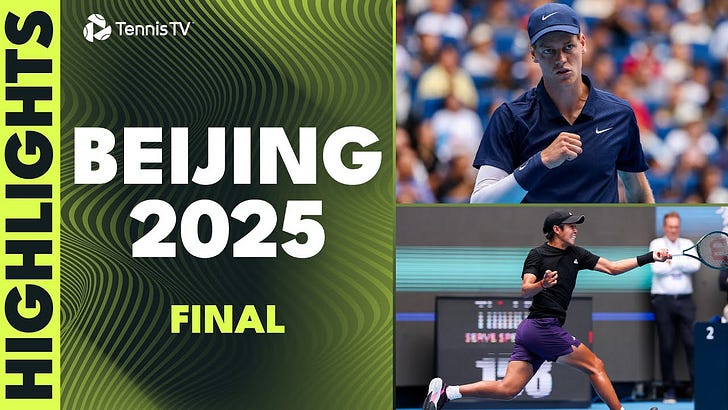
Quick thoughts from the Beijing Final, as I got quite a few messages asking about it.
Jannik Sinner defeated Learner Tien in the final of the Beijing 500 on Wednesday to lift his third title of the season.
Learner Tien is a very good tennis player: technically clean off the ground, a smooth mover, cerebral in his southpaw style, but in Sinner he played a man who does everything faster with just as much balance. This match was all about Sinner
Sinner ranks highest on Tennis Insights’ “core shots” metric: a measure of how many topspin baseline balls break the baseline before the sideline (so not angles, drop shots, slices, etc.,). The Italian has admitted that a focus for the remainder of the season will be on implementing more variation, but the baseline bread-and-butter are his biggest strengths.
I’ve always been impressed with how often Sinner finds the front foot on his forehand. He gets neutral way more often than anyone else — even when receiving heat and depth from opponents — and I think this contributes to his linear power hitting game and his ability to do it consistently; he takes the ball earlier and creates more speed at the same time, over and over again. This is partly why people like Shelton feel like playing Sinner is tennis at 2x speed.
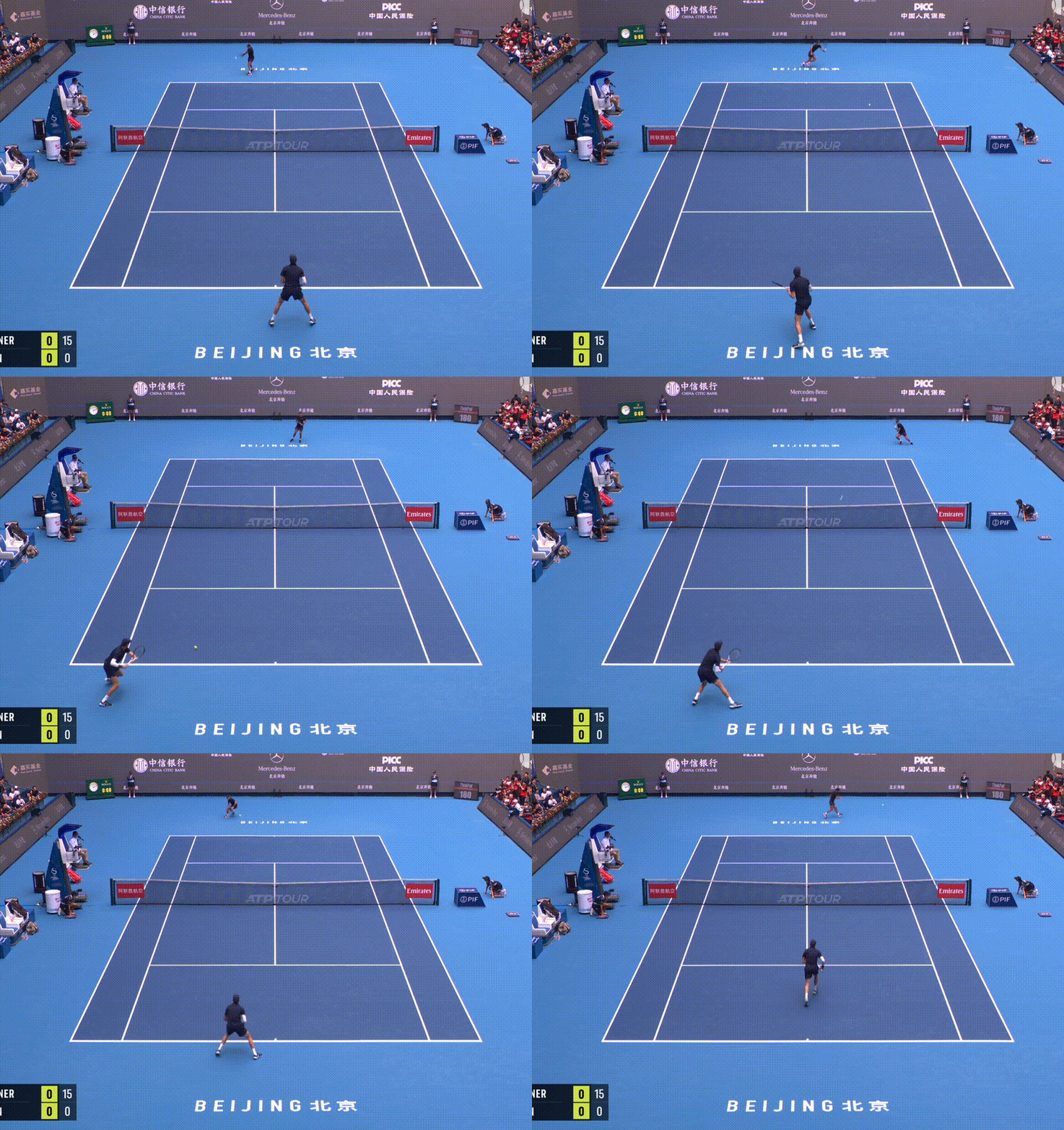
“It’s simple but so effective, and it’s how quickly he’s [Sinner] on to this return. Some players may just back off a little bit in a moment of hesitation, but there’s none of that from Sinner. Tien, as quick as he is, is absolutely nowhere near that forehand.”
— Tennis TV commentary
And you’ll see that again and again and again from Sinner, and rarely from his opponents.
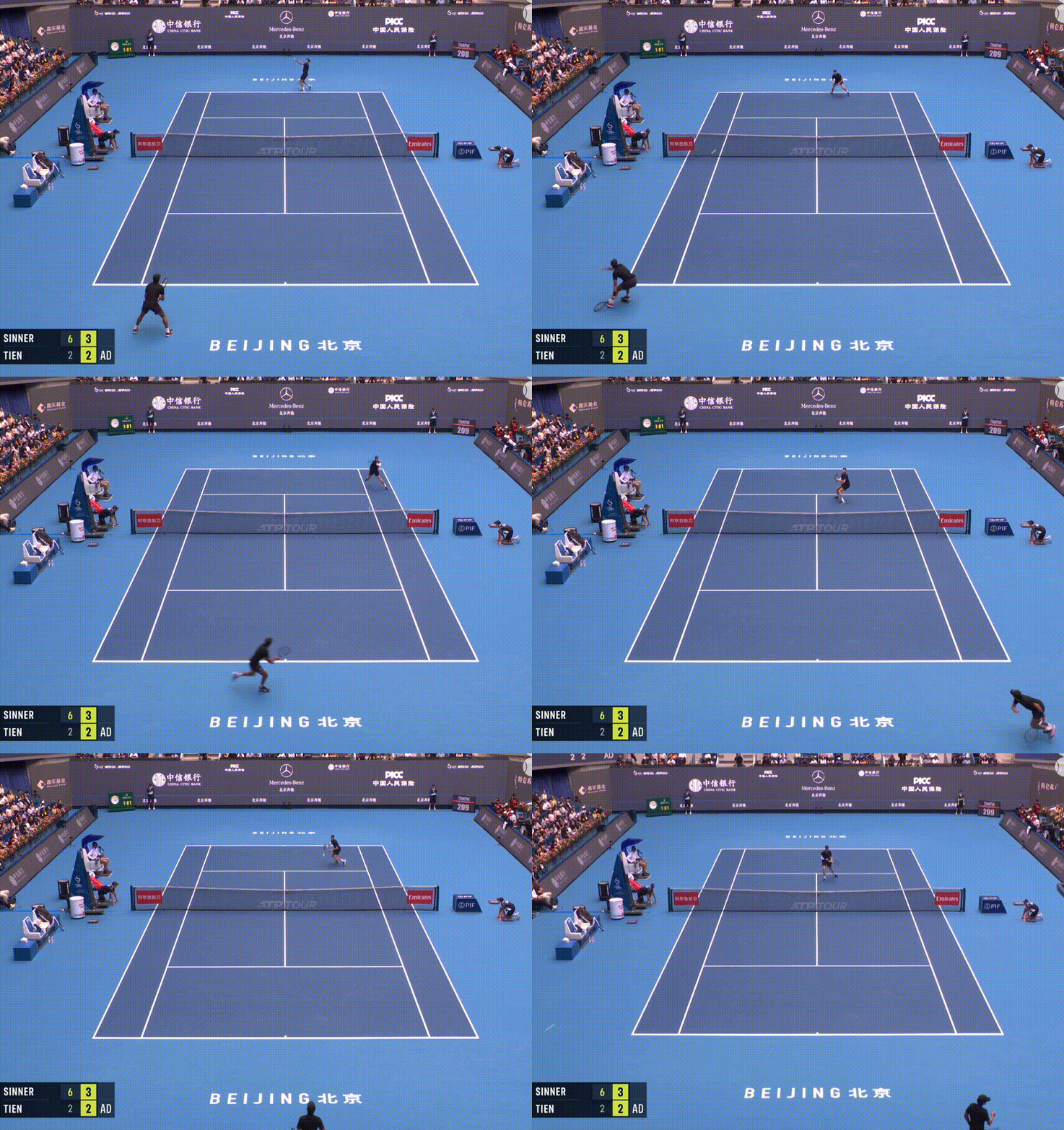
I mean, look how explosive the movement is to get around this off-forehand on break point, but also to get around it enough to still play it on the front foot with his momentum going forward:
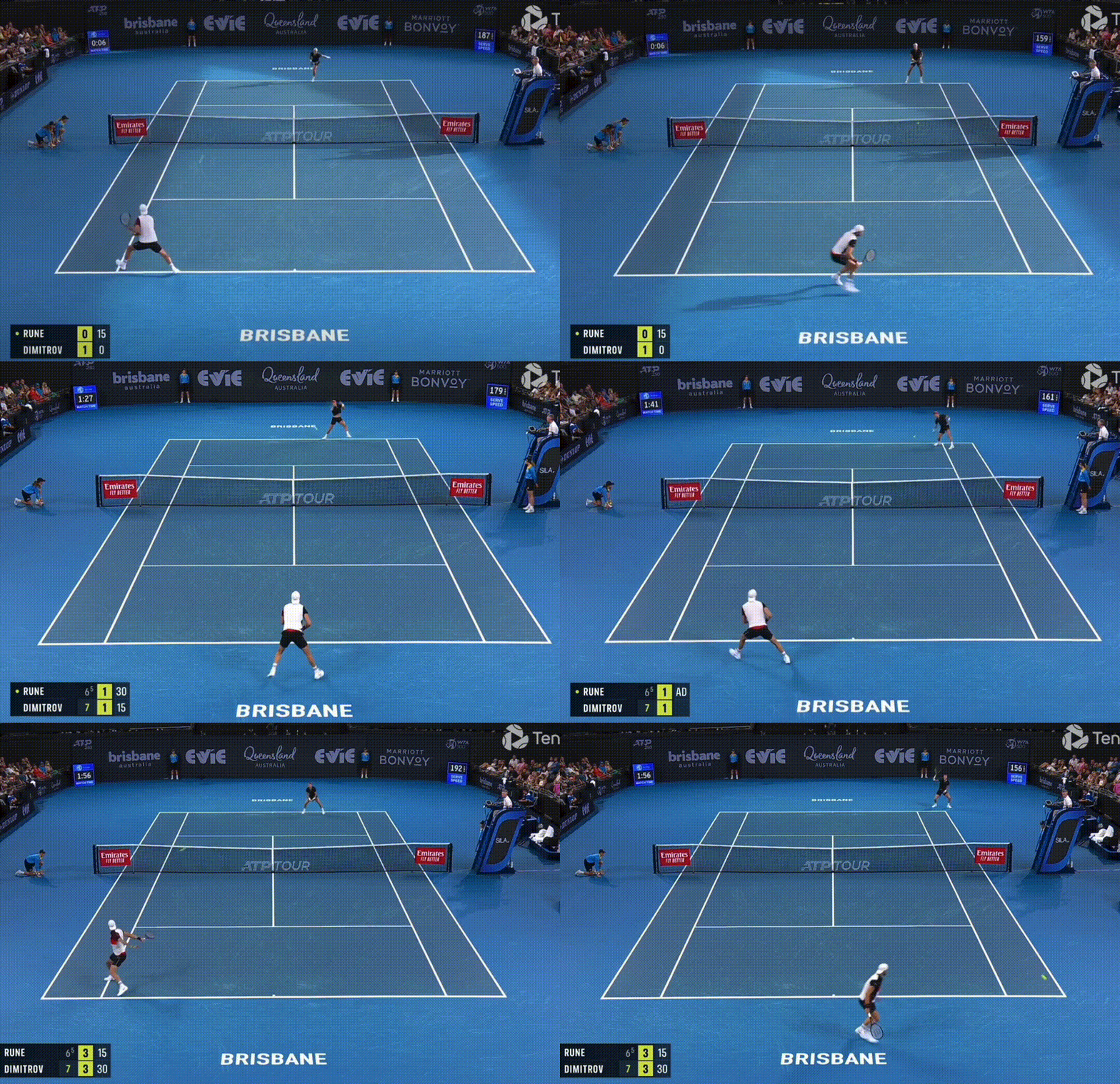
Long time readers might remember my recap of Holger Rune and Dimitrov in Brisbane, where Rune missed this kind of inside-in forehand over and over again, largely because his weight was pulling way off the shot with semi-open footwork:
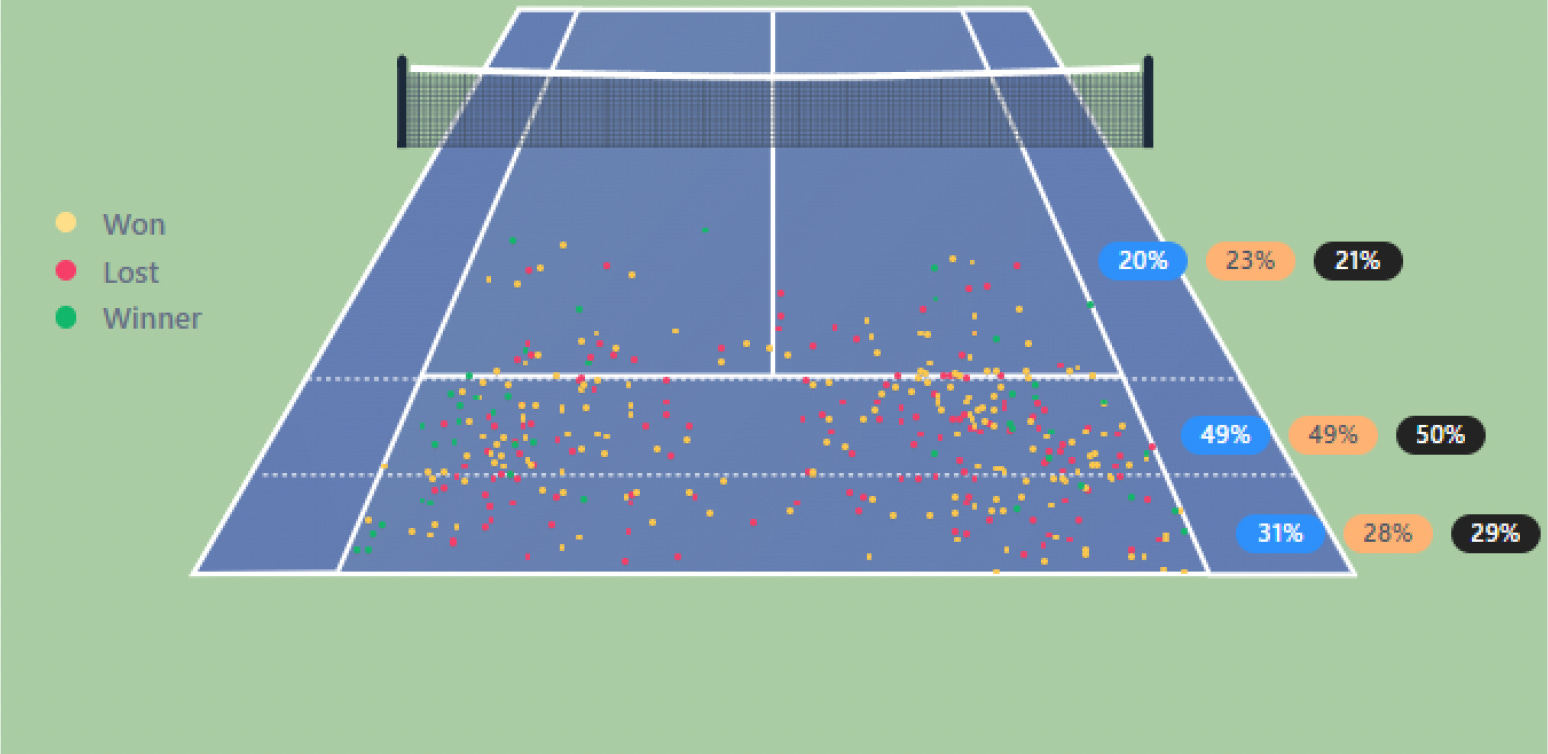
You rarely ever see that from Sinner: speed and balance are more in harmony. This week the forehand was faster, heavier, and deeper than even his usual lofty standards, as Tennis Insights shows:
The other shot that’s been instrumental this year is the Italian’s line/off-backhand. He used it to great effect in the Wimbledon final to catch Alcaraz out of position in several key moments, and I think it’s a shot that will need to be used more frequently against the Spaniard in their rivalry. It’s largely considered a core shot, but you could count on one hand how many pros can lace it this well:
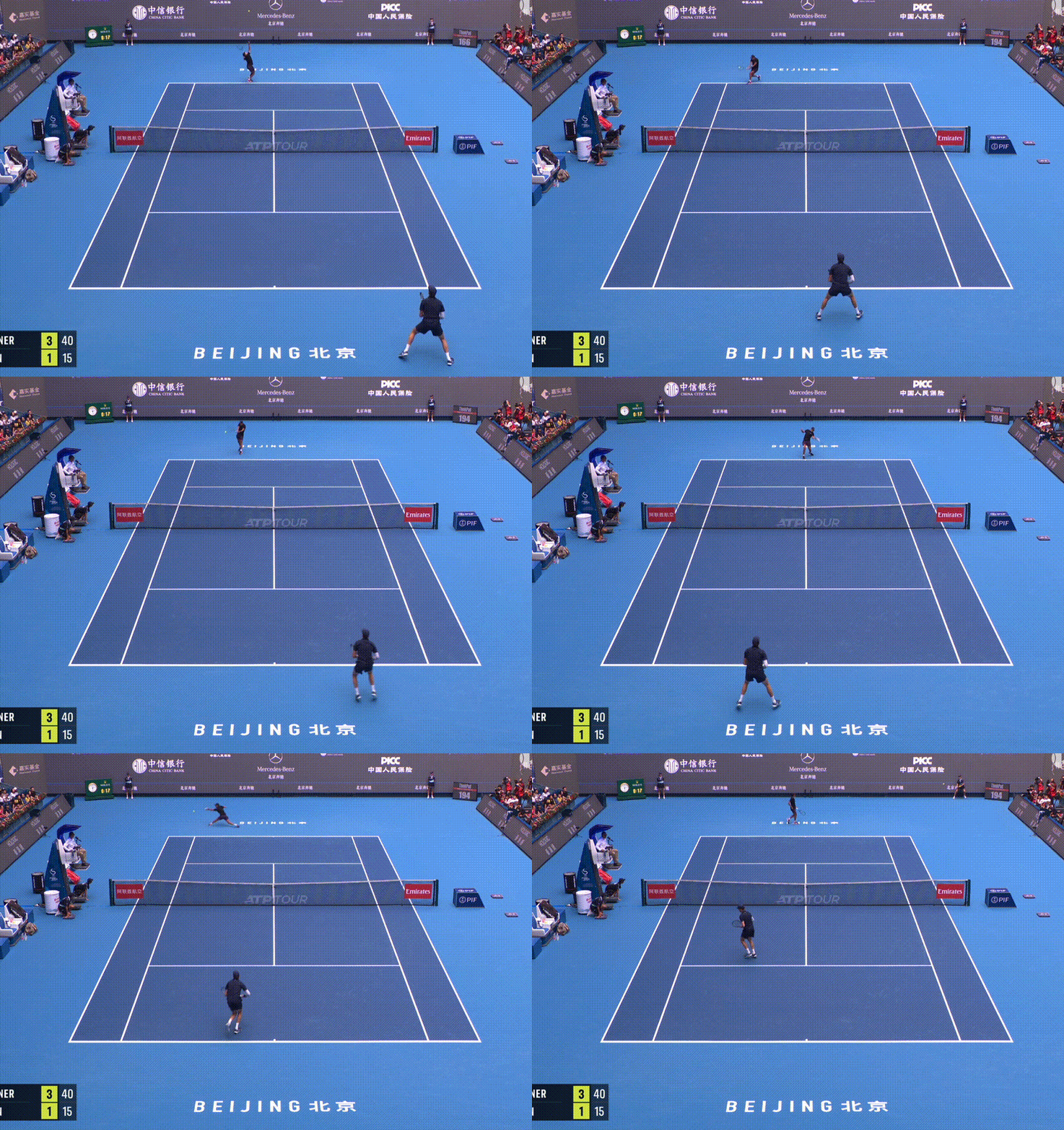
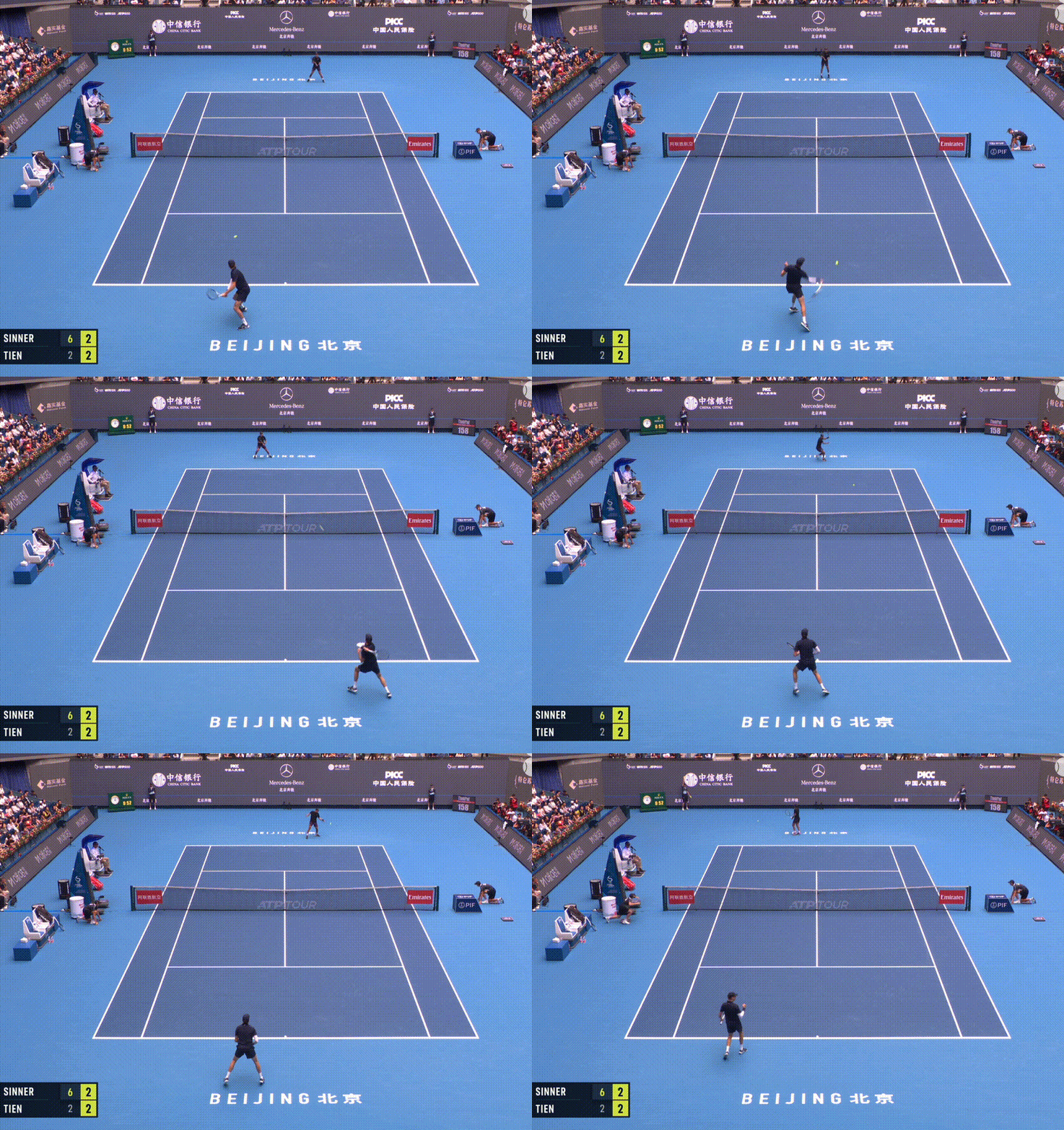
A note on Sinner’s serve.
It was below his usual standard at the US Open, but in all four of Sinner’s matches in Beijing he rated at 8.0 or better with Tennis Insights, with his performance in the final being the best (8.7).
Has he made technical changes since the US Open?
Yes, albeit minor.
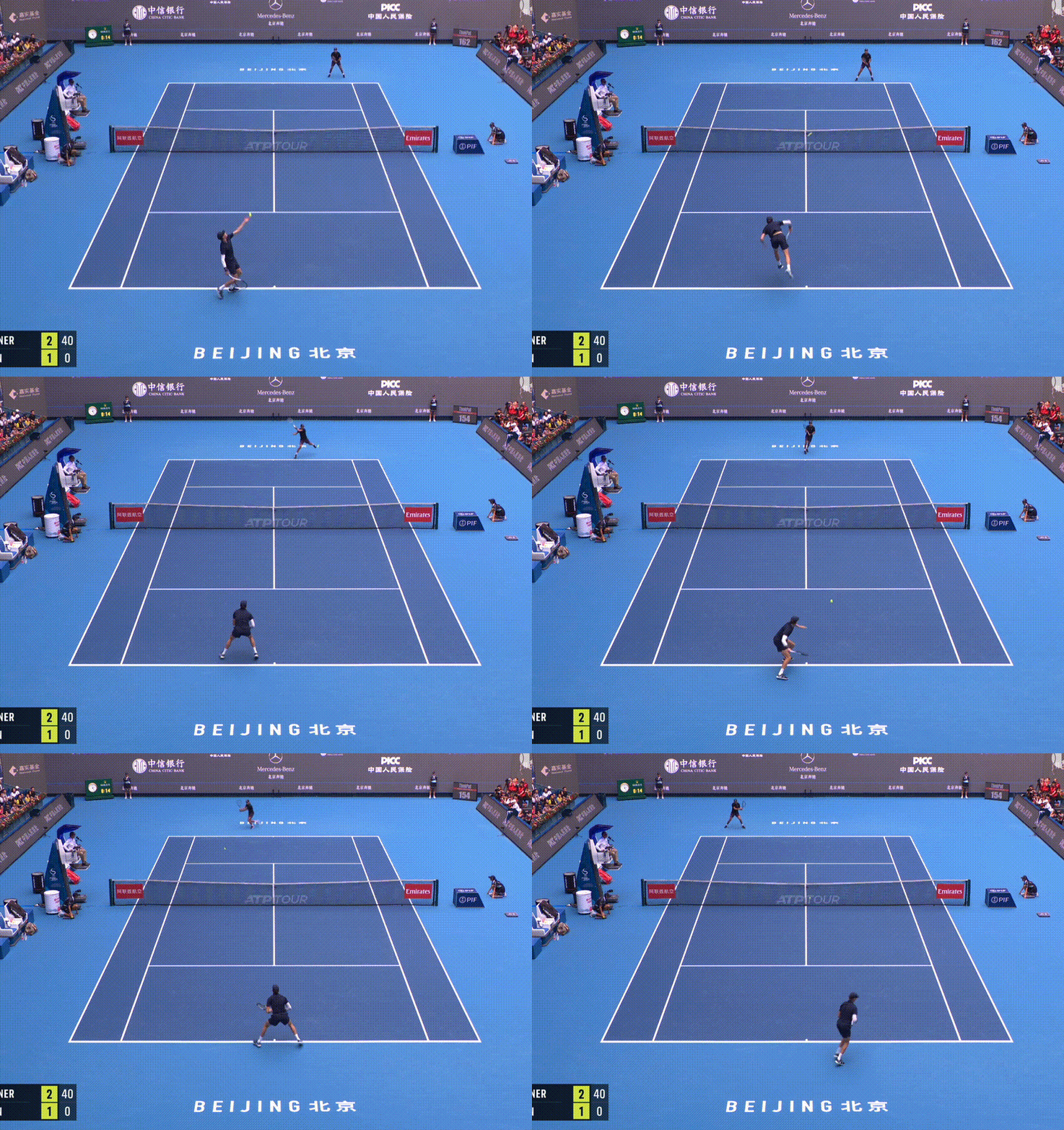
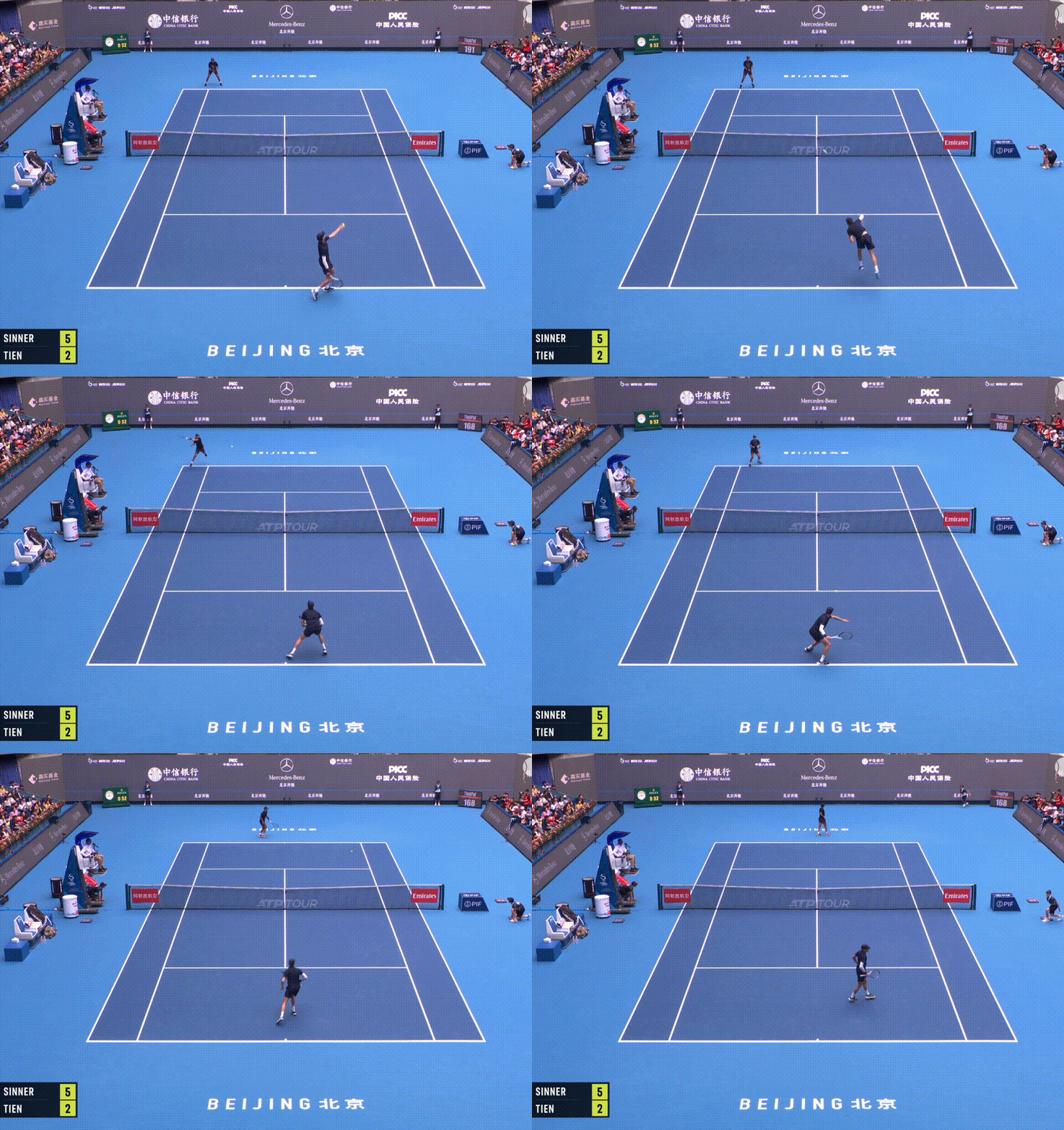
The right elbow coils earlier and a touch deeper than a couple of weeks ago:
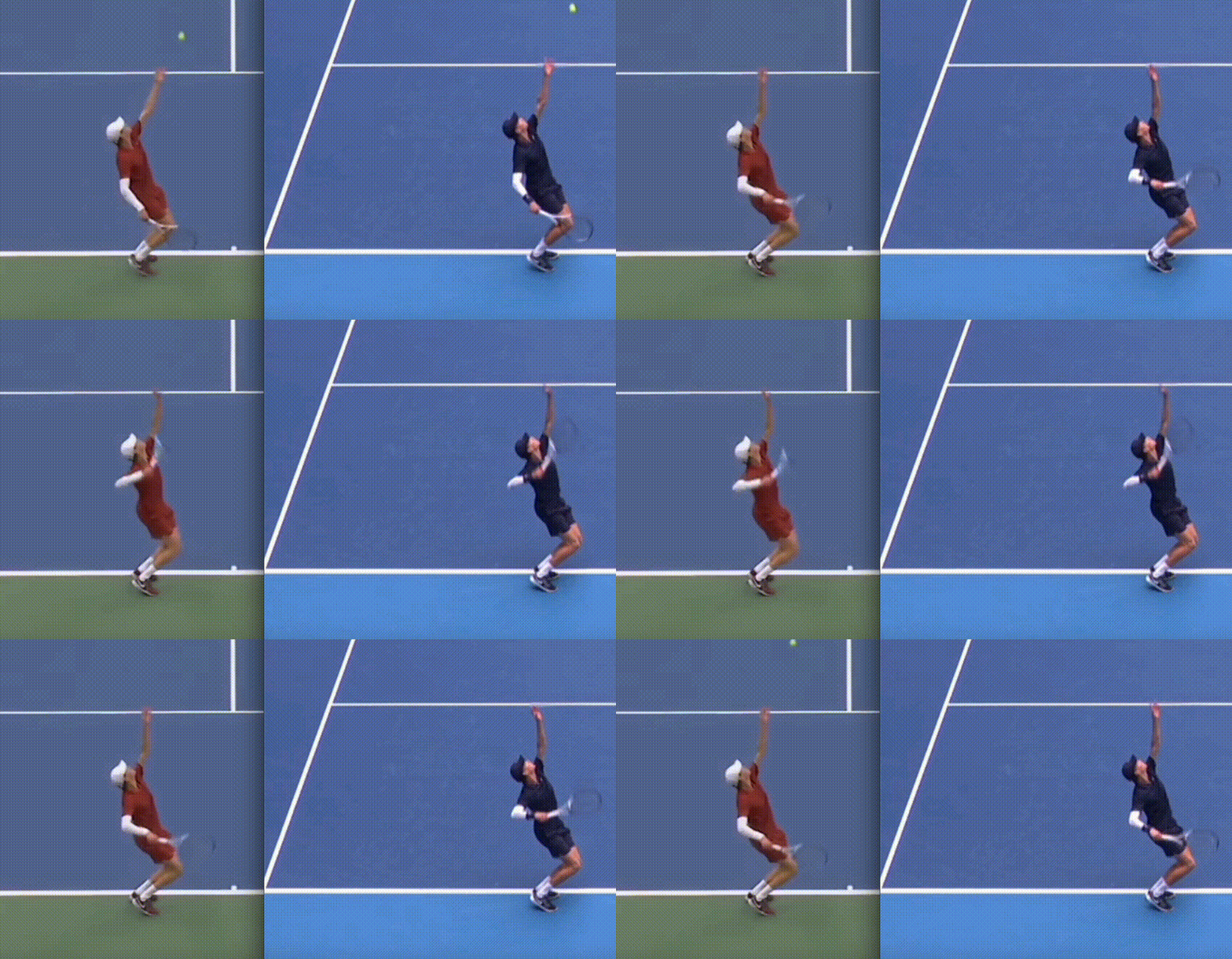
Deuce side screenshots from the US Open final (left) and the Beijing Final (right).
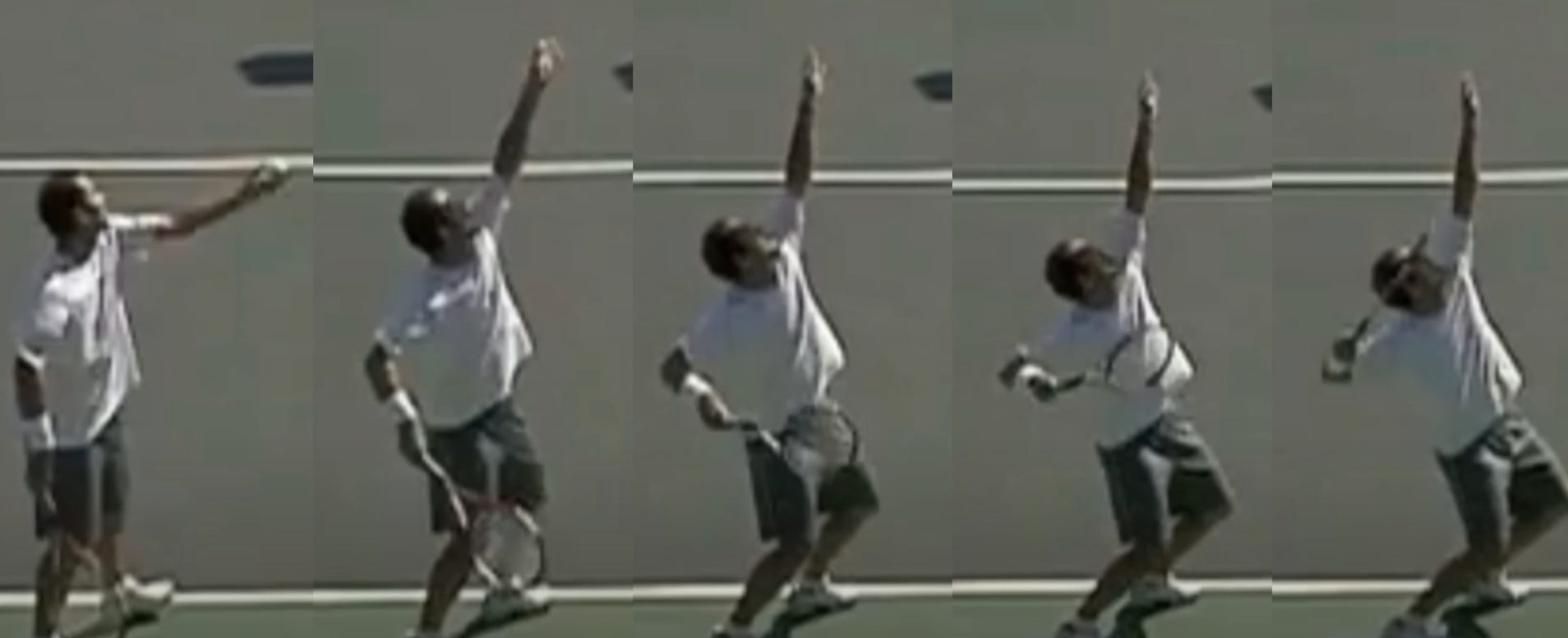
Sinner’s elbow position wasn’t weak, necessarily, but it is a feature of great servers to get it deeper, and to get it there early:


That’s all I got.
Checking in to Shanghai soon.
See you in the comments. HC