
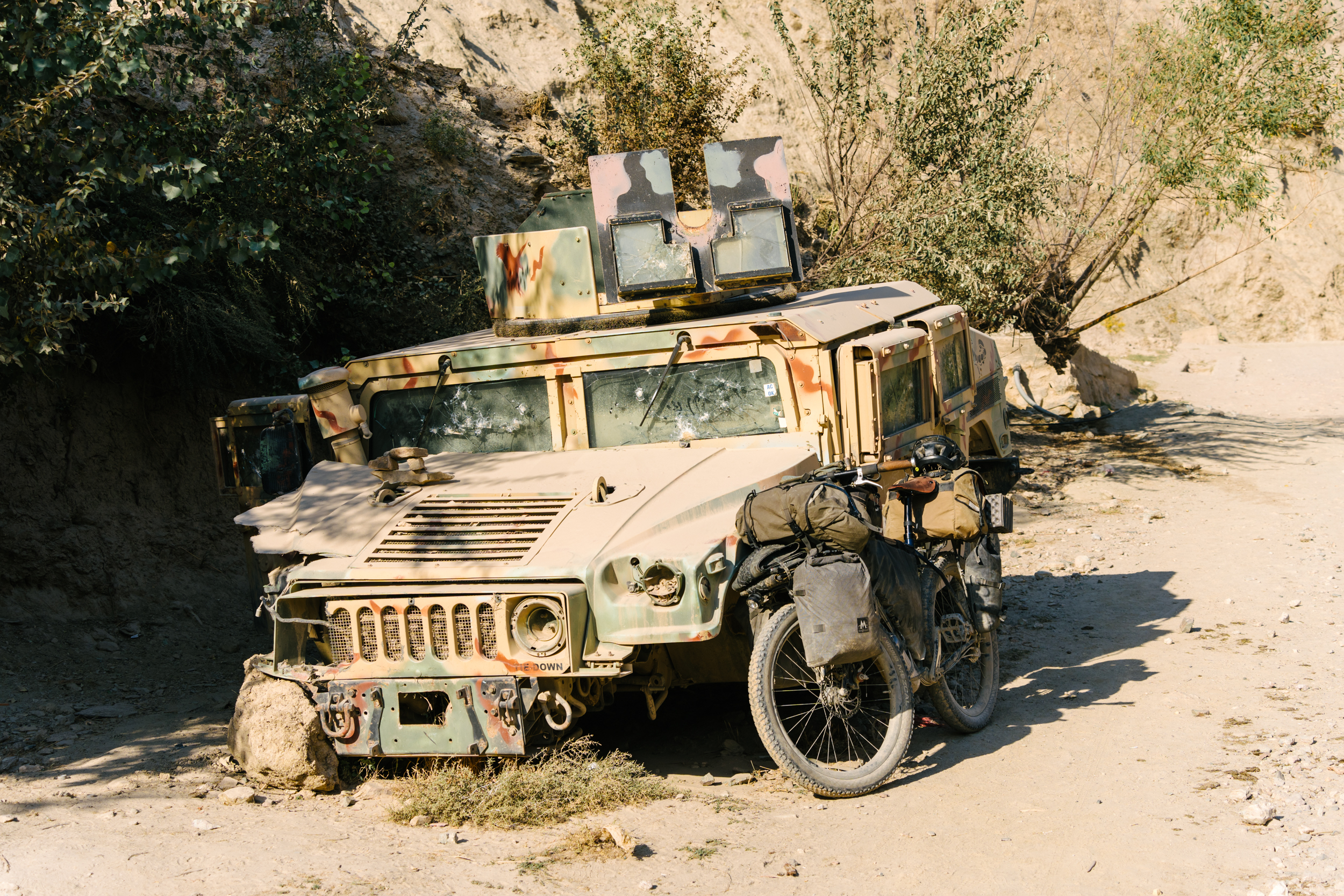
Continuing his route through Central Afghanistan, Ryan Wilson finds himself wild camping in the remote Hindu Kush mountains and being detained by the Taliban… Read on for an account of traveling by bike through this rugged country.
Note: This article is a continuation of “Alone Across Afghanistan Part I”. If you missed that article, I would highly recommend going back to catch up.
The Taliban Compound
Shortly after being scooped up by Taliban soldiers from a small teahouse/hotel in a remote Afghan village and rushed to their compound, I found myself in a small room with more than a dozen Taliban curiously observing me. One spoke a few words of English, so he would make attempts to relay questions from the rest of the group while we waited for the “bosses” to arrive.
The designated Taliban cook brought me food that consisted of a sort of tomato-eggplant curry and tandoori bread. Everyone else had already eaten, but I was starving from a long day on the bike, so they all watched on as I ate, in between answering questions.
Despite the intimidating drive in, these lower-level Talibs were treating me quite well, all things considered. Most of these guys are just villagers looking for work, after all, and they would repeatedly refer to me as “mehmon” or “guest” in Pashto. It’s one of the words that I picked up quite early in Afghanistan, because it is constantly repeated. At least a dozen times per day, I would get invited to be a “mehmon”. Even if I couldn’t understand most of what people were saying, I would always get the gist when I heard this word.
A Long Night
When the senior Taliban commanders arrived, the vibe became a bit more serious. They brought along a guy who was about 50-60% fluent in English, and soon the questions became more formal.
One by one, they grabbed my bags from the corner of the room and took everything out of each of them, asking for an explanation about what each item was. They scrolled through the photos on my phone, cameras, and asked me to unlock my laptop before clicking around for a few moments and shutting it.
They had me turn on my stove to show them how it works. I brought a gas cannister stove from Tajikistan specifically because I didn’t want to risk carrying alcohol around for my Trangia, even if it’s not technically made for drinking. Somehow, I doubt they’d be very understanding of that.
They looked for a while at my InReach satellite communicator, which I explained was a way for me to message my family if I have a problem, but the person doing the translating started asking me questions like “Does your government [in America] pay you to come here?”. He then asked me how many days I had been in the village, even though I had already explained to him that I arrived just minutes before being taken by the Taliban, so I started to get concerned that this translator may not be fully understanding me, and therefore not relaying what I was saying properly.
An hour or two went by before the questioning stopped, and they said I would be sleeping there for the night, flanked by two armed Taliban guards. I had my spot on the floor, with a handgun hanging directly above my head on the wall, with its barrel wrapped in cloth.
At around 1 am, the door swung back open, the lights turned on, and I was ordered to sit up from my makeshift bed on the ground. It was then that I was informed that an investigation was ordered by the higher-ups in Kabul, so they were confiscating all of my belongings. They had me write out on a piece of paper my valuables and the amount of money I had, and took everything away other than some clothes.
My mind was racing all night, thinking that I might end up stuck in this place for the foreseeable future, and with Trump in the news, talking about recapturing Bagram airbase in the previous week, it was easy to connect the dots that might lead to me becoming some kind of political bargaining chip. A million different scenarios played through in my head, and most of them seemed bad.
Morning came despite my lack of getting much of any sleep, and some of the lower-level soldiers came down to share a breakfast of bread and cream cheese. Some of them would show me Taliban “highlight reels” that consisted mostly of videos of American military vehicles being blown up by IEDs. They would smile and watch my face for a reaction, so I usually just matched their reaction. You could tell how desensitized they were to everything, growing up in a country that has been perpetually at war for basically their entire lives.
A couple of the guys showed me their various wounds from the days of the American occupation. Some would ask how they can get a green card because they would “love to live in America”. I didn’t want to explain that being a literal member of the Taliban probably cooks their “American dream”.
Soon it was early afternoon, and I started to ask around about when I would be free to leave, but they kept coming back and just saying they didn’t know. “Soon, God willing,” they would translate to me.
Shortly after having dinner, as my hope had faded, the commander came down to the room I was held in and spoke with some of the soldiers whom I’d been talking with throughout the last two days. One cracked a smile and looked over to me for a second. The sigh of relief I let out when they told me that I had been cleared to leave the next day was probably audible five villages over.
On The Road Again
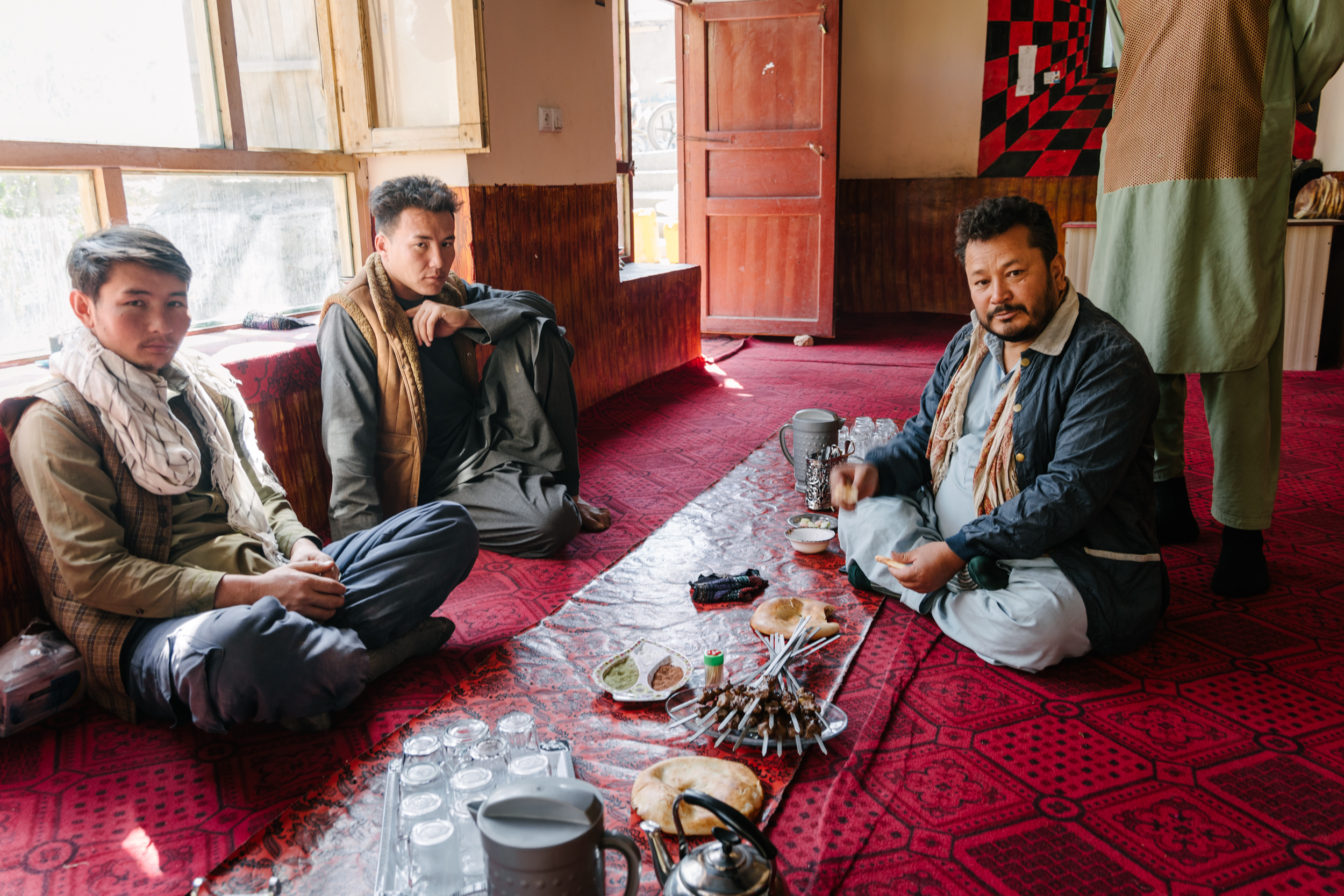
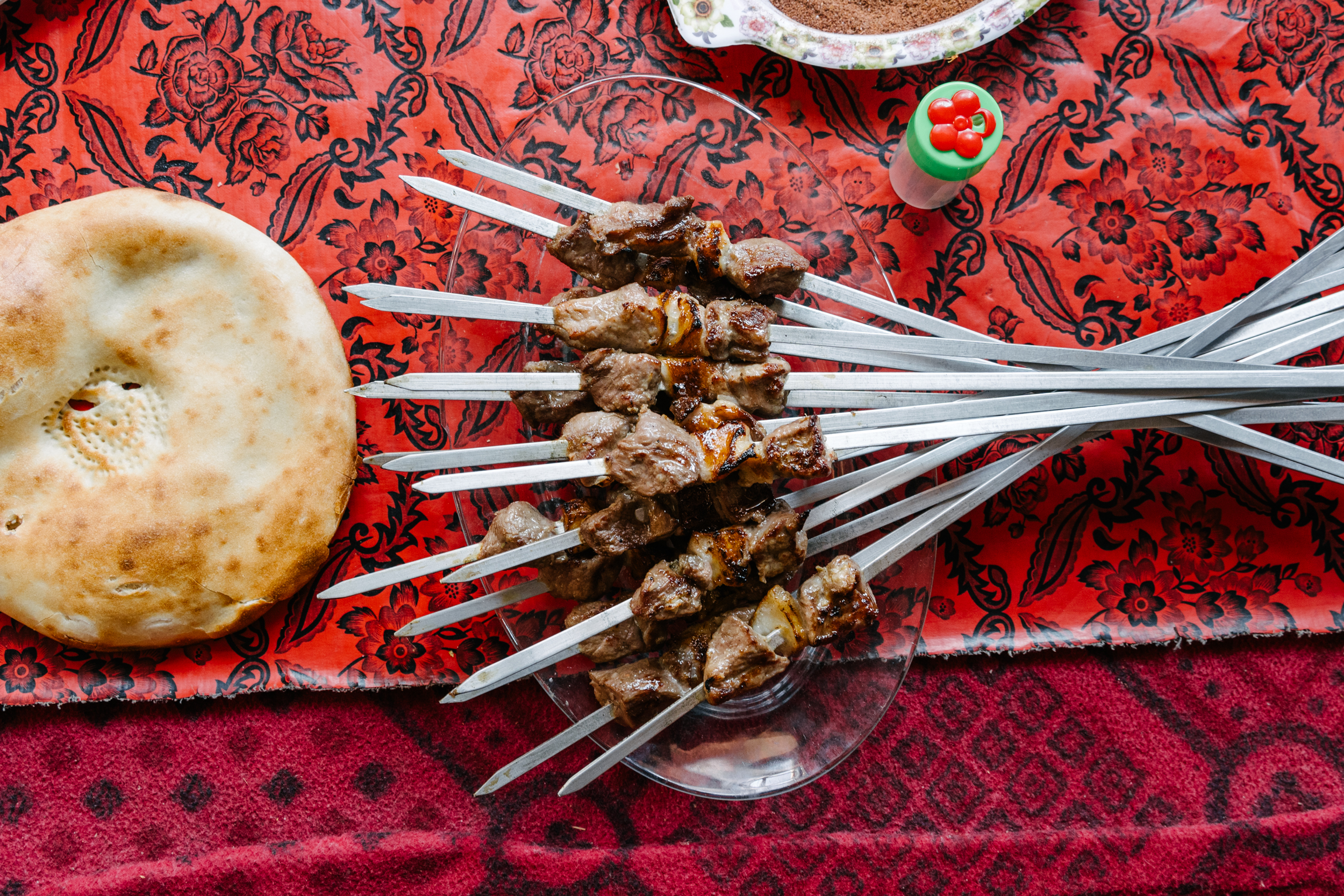
By the next afternoon, I was finally free to go, so I descended the mountain back to the village. By then, word had already spread around the village that a foreigner had been brought to “jail” a couple of days prior. The people there were extremely friendly and happy to see that I was OK, with many offering me free food or bottles of water from the shops. I stopped for lunch, where I shared some kebabs with a few locals, and finally hit the road once again.
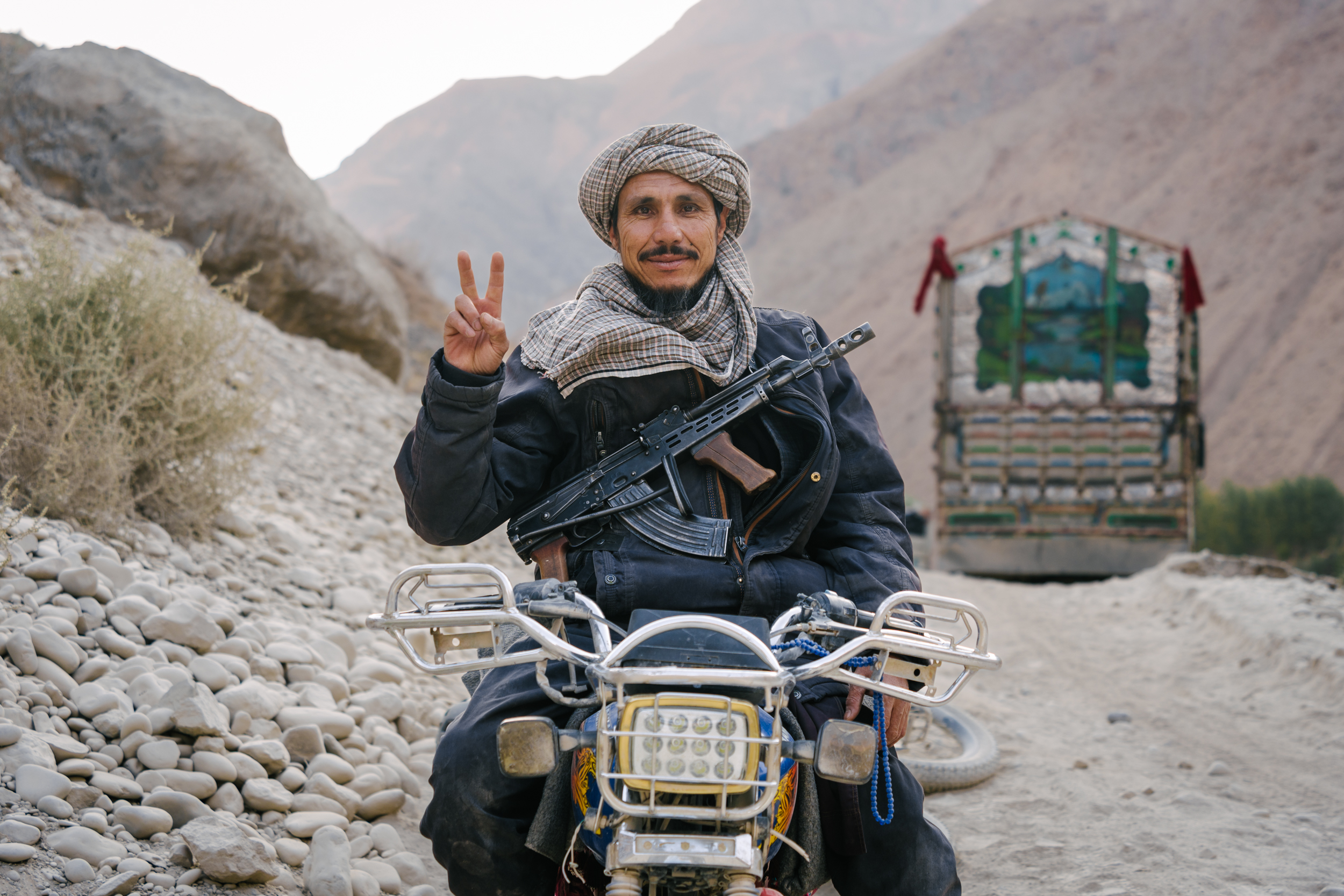
A couple of hours into the ride, I crossed with Mohammad, who was one of the guards who stayed in my room at the Taliban compound on the first night. He was heading back for his next shift and hadn’t heard I was released, but was happy to see me back on the road and wished me good luck on my trip.
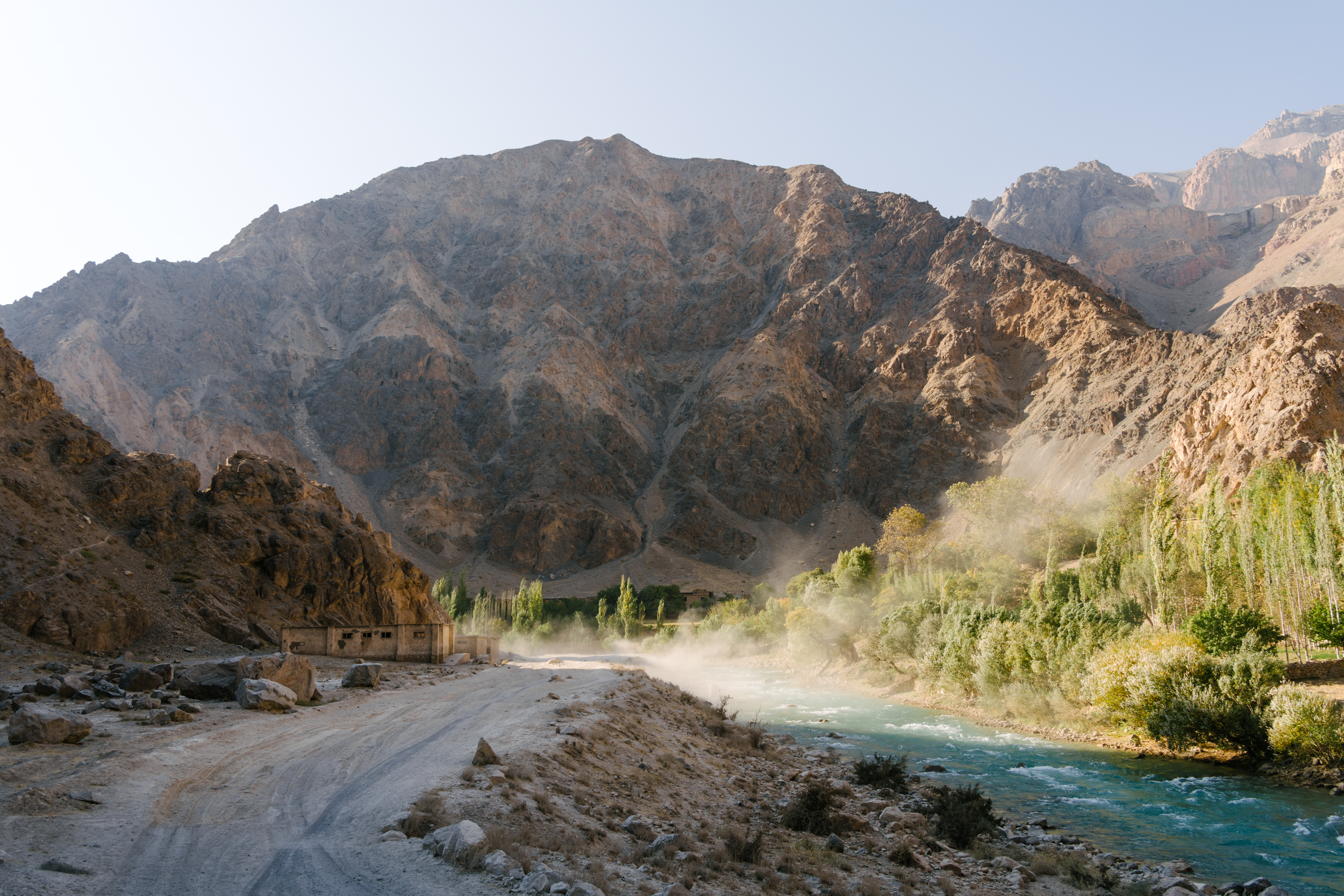
The sun was going down pretty early by this point in the year, so I didn’t make too much progress before having to think about where I was going to sleep for the night, something that had become increasingly challenging in this very narrow valley. Thankfully, as I passed a village, a young man on a motorcycle drove up and motioned as if to ask where I was going to stay for the night. He invited me to be a guest at his home, and soon I found myself climbing up a trail behind him, into a village in an adjacent valley.
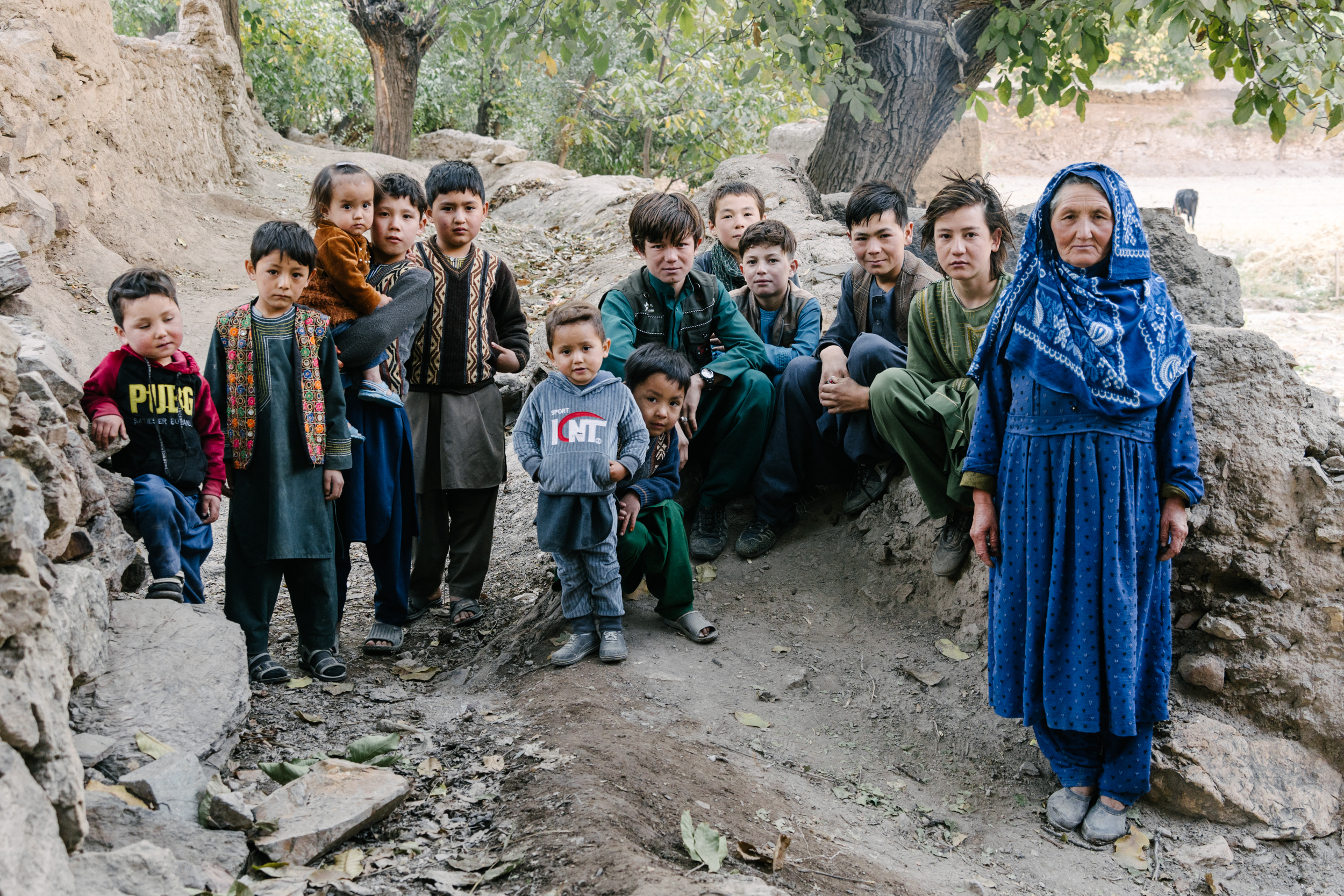
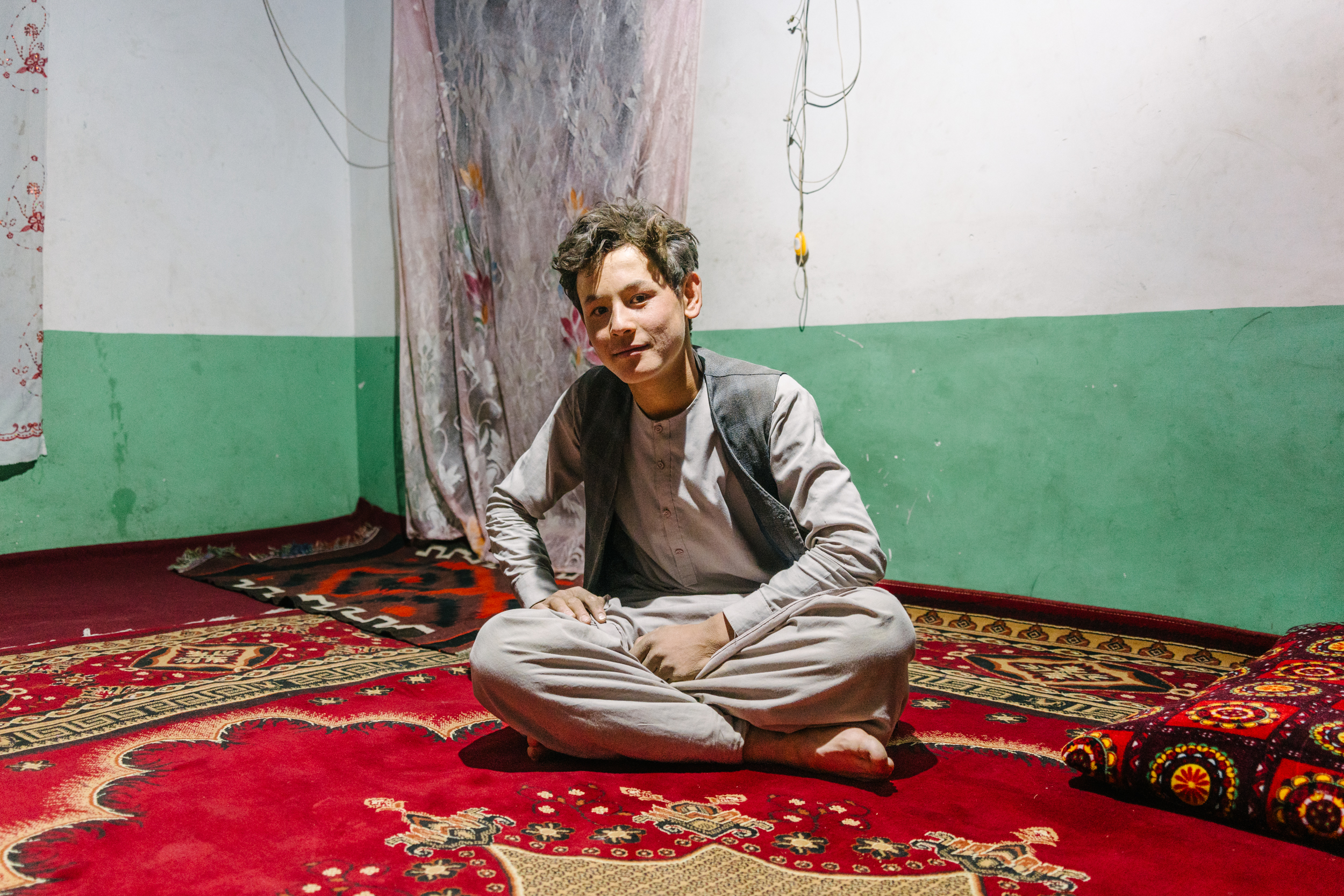
As is common in Afghanistan, they had a very large family living in one home, with the grandmother wrangling many generations of kids. Often, the parents of some of the children leave for cities or other countries for work. In this case, two of the men of the family had tried to travel to Iran for a chance at making a better income, but they disappeared during the journey years ago, and now the burden of raising and feeding many of the kids falls on the grandparents.
Around the time that we ate dinner, a man I recognized stopped by. It was one of the men from the Taliban compound, but he was in civilian attire and didn’t have his gun. At first, I thought maybe they were just friends of the family, as many of these guys come from villages in the area, seeing that joining the Taliban is one of the very few job opportunities. But soon I connected the dots that he was sent to keep tabs on me, though he didn’t stick around for long or intrude too much.
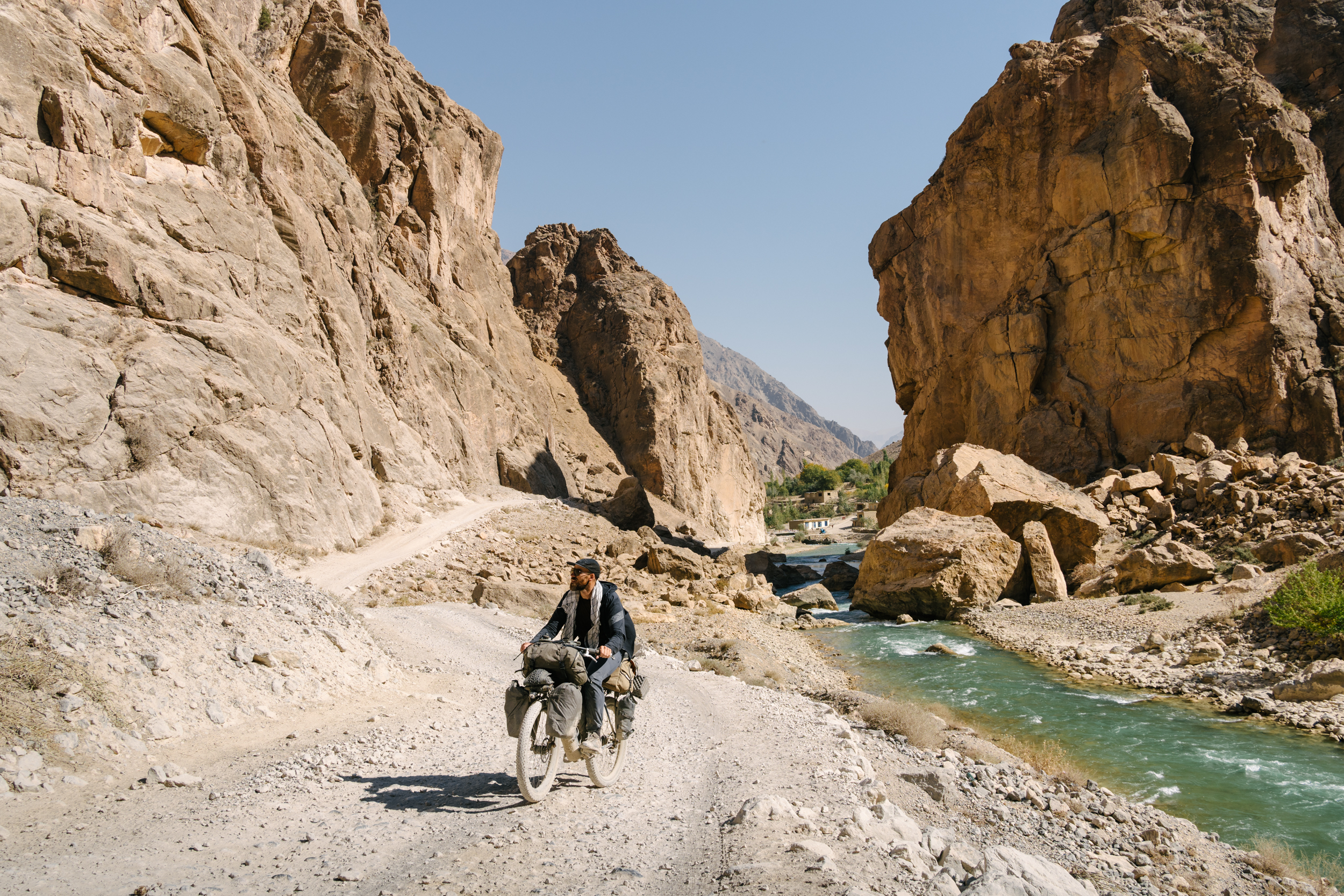
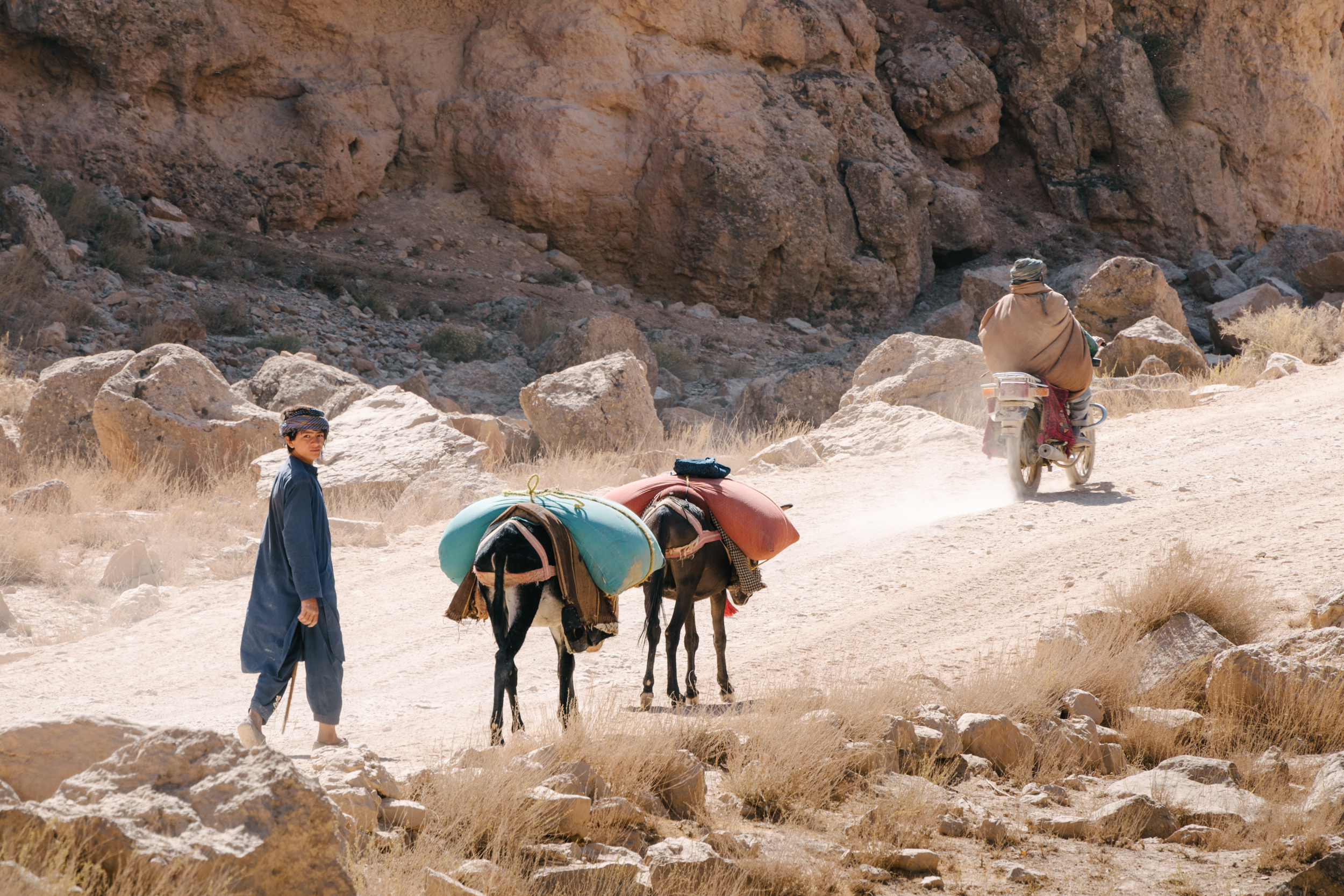
The next morning, I hit the road at 7 am, and no more than an hour down the road, a man on a motorcycle came up beside me, pulling down his face scarf to reveal that it was, once again, my new Taliban follower. Was he there for my safety or to keep an eye on what I was doing? I’m not sure. Probably a bit of both. But for the next handful of days, he would pop up just about anywhere that I would stop, to the point where we started to coordinate where I would sleep for the night, which pretty much took wild camping out of the equation. That meant looking for teahouses where I could sleep inside. Still, I was thankful that he didn’t just drive me out of there or ride right next to me all day.
The Hazarajat Plateau
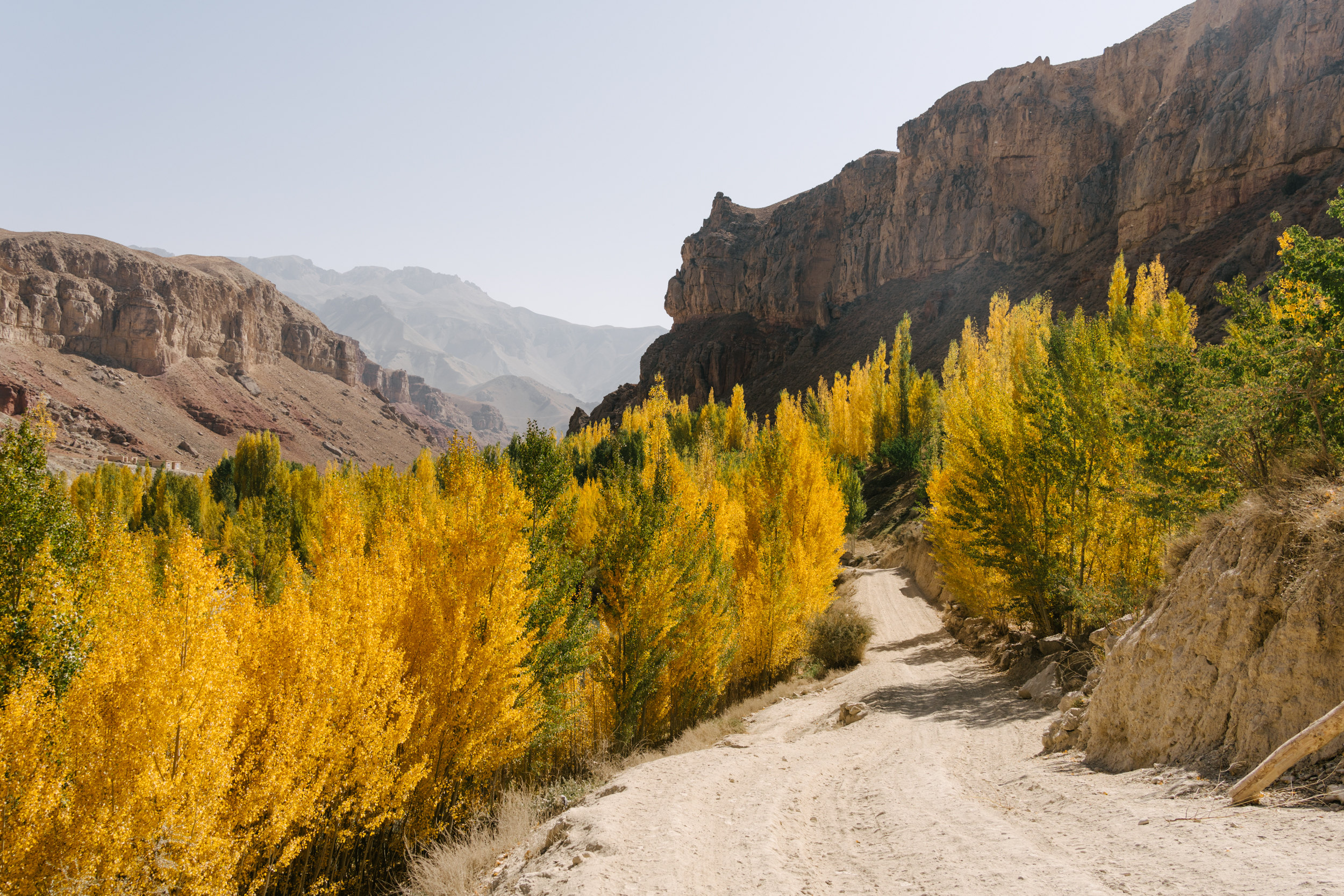
Further up the road, the signs of the season began popping up with cooler temperatures and golden yellow foliage. I was constantly blown away by the scenery with each passing kilometer. This was truly one of the most stunning regions of the world that I’ve ever been in.
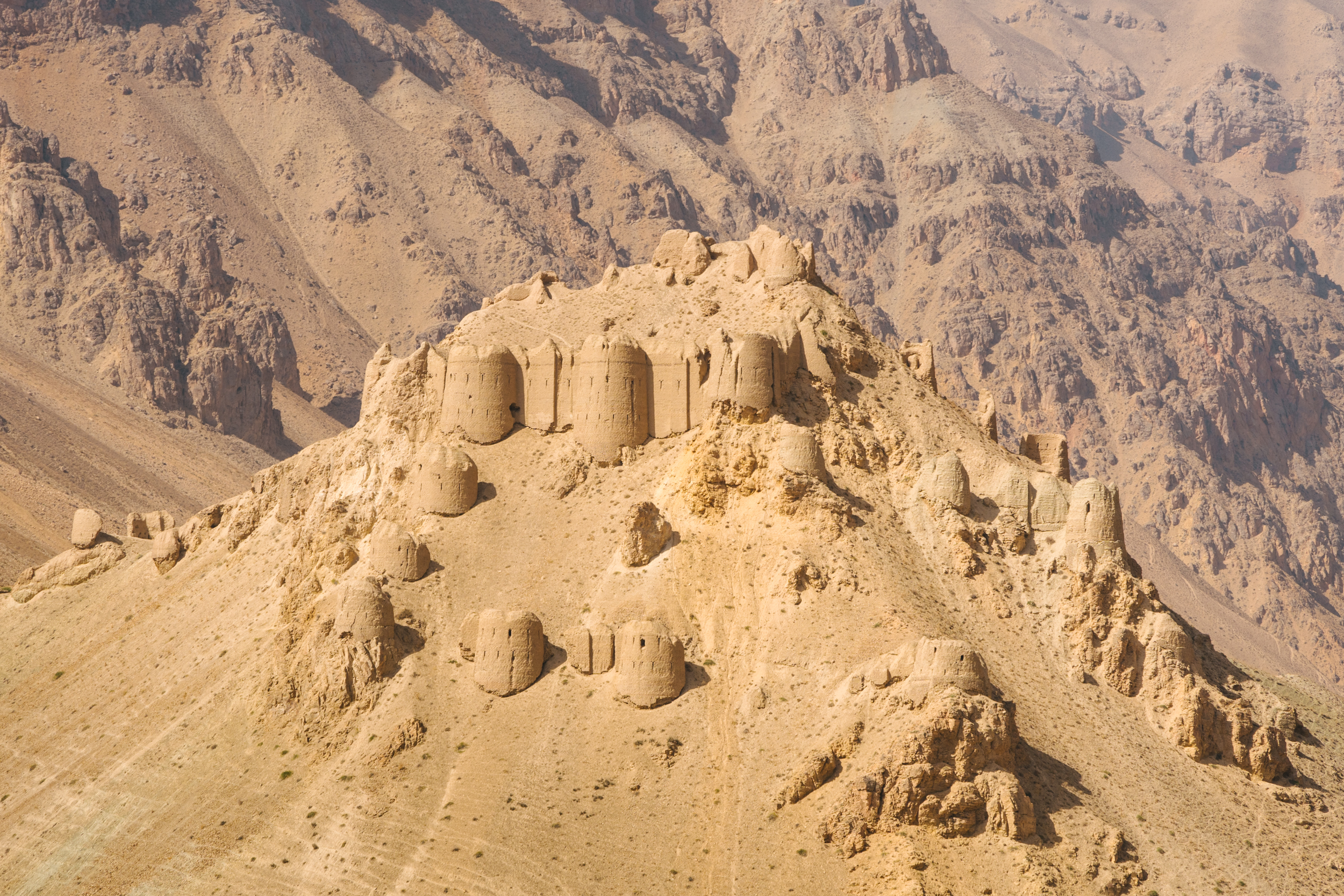
People have been living amongst these mountains and in hillside caves for thousands of years, and many signs of this are still present today. The Chehel Burj Fortress was one of the more impressive ruins that I saw along the route, which dates back to the 13th century.
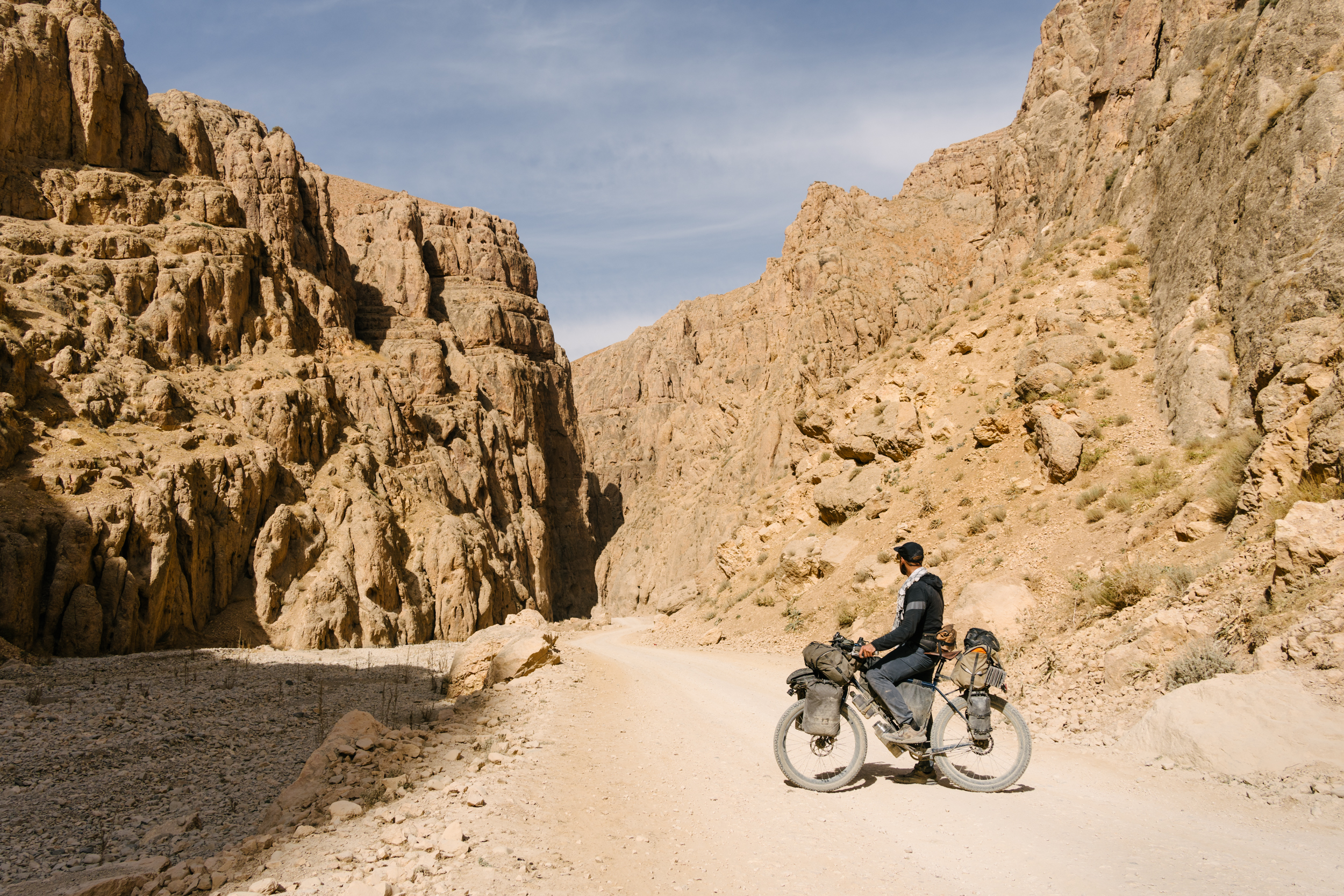
The road turned away from the valley to climb up through yet another narrow canyon, this time opening up to a wide, arid plateau at the top of the climb. It was still mostly motorcycle and donkey traffic on the road, but I could tell I was getting a bit closer to a larger town as the activity slowly began to increase. Small villages had bustling main streets with all sorts of vendors, shops, and the ubiquitous tandoor bread shops, which are constantly pumping out fresh flatbread throughout the day.
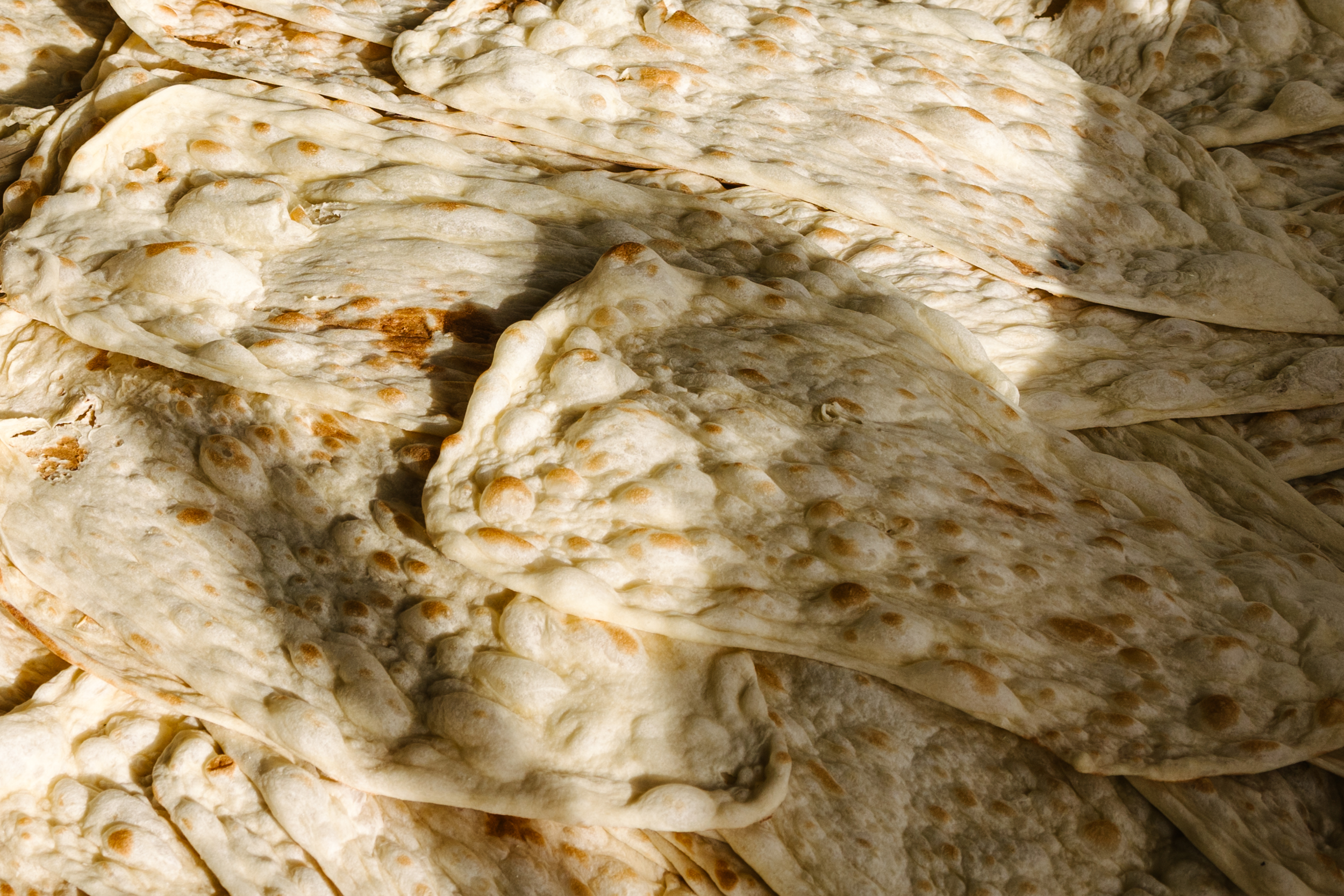
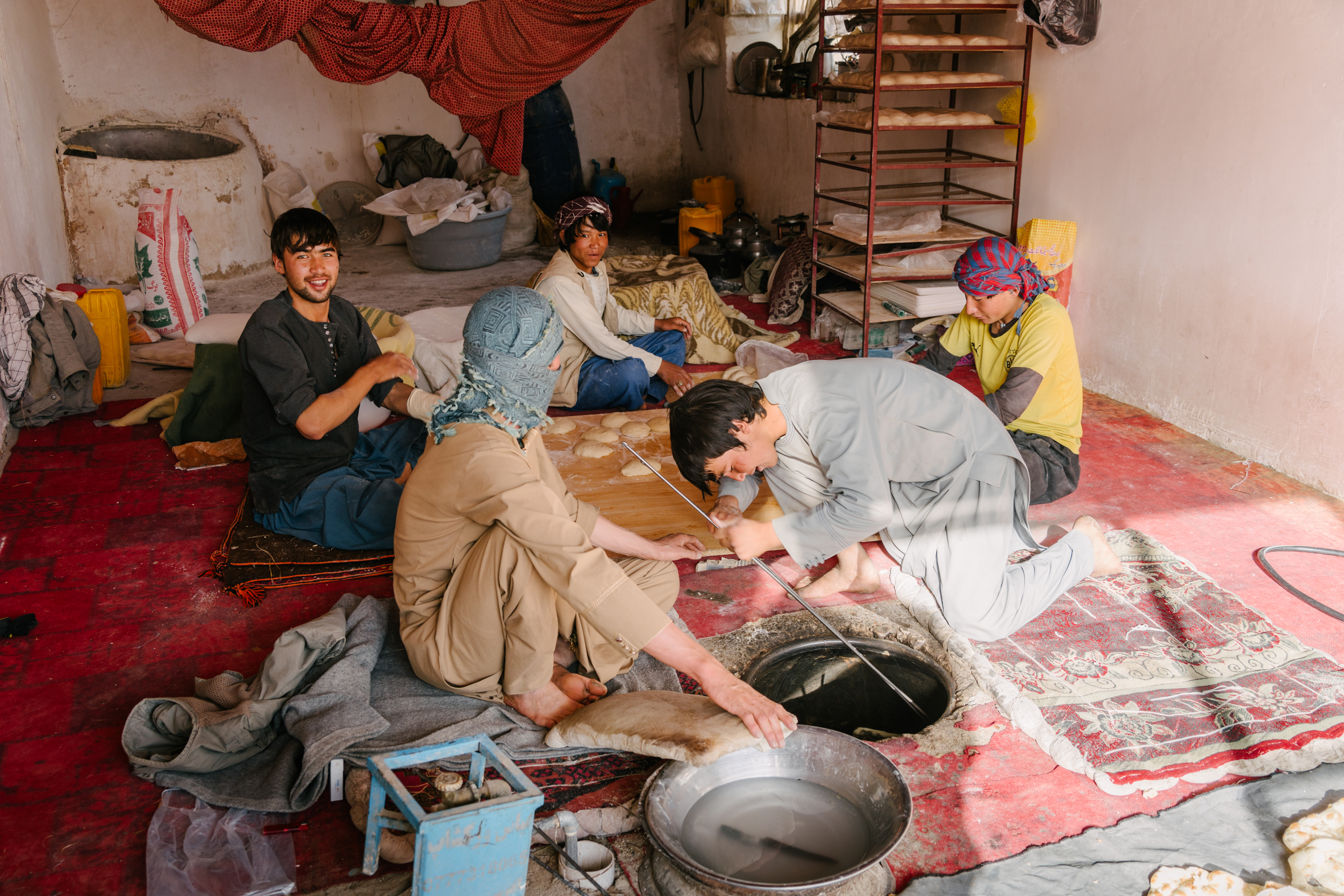
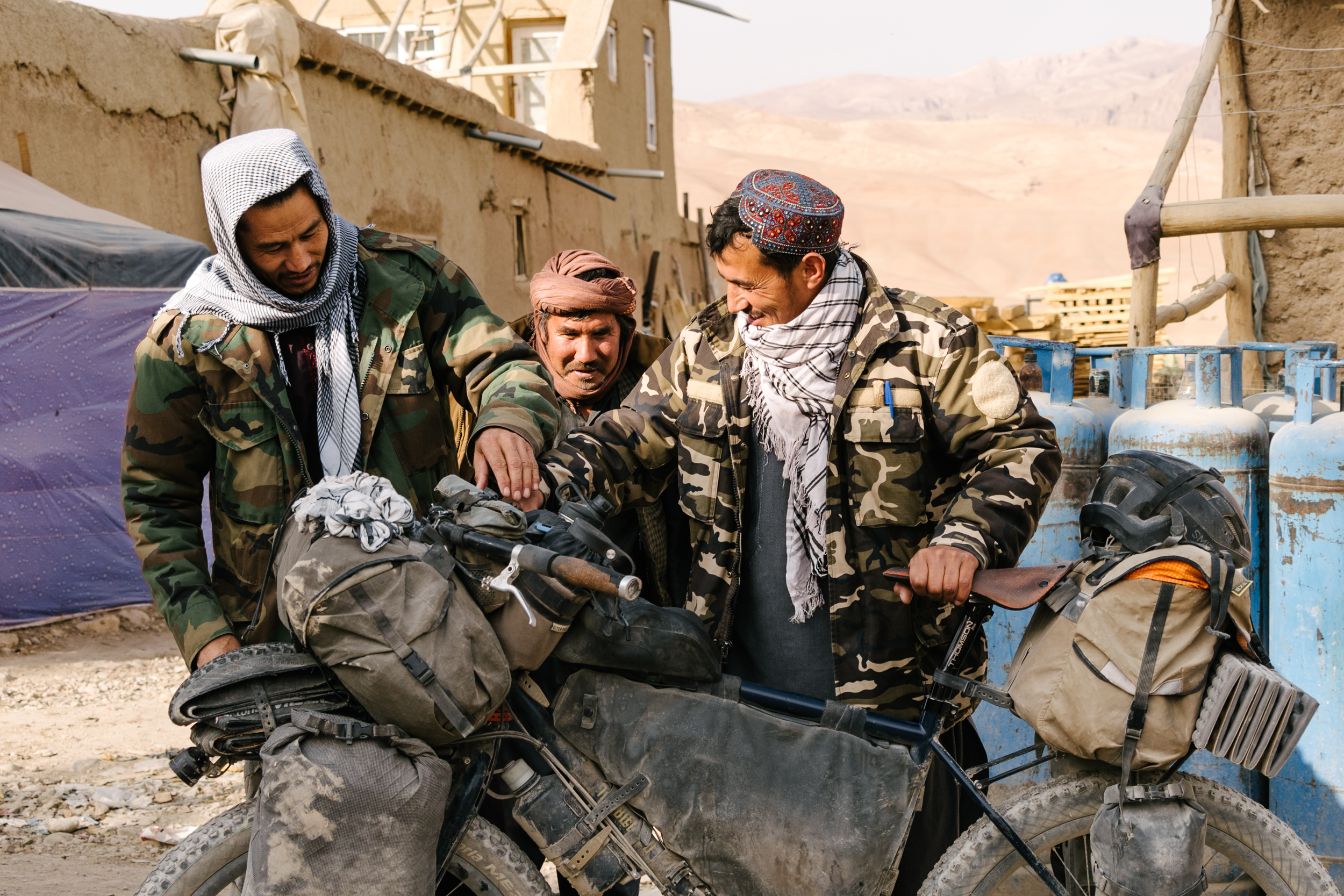
I made a stop for a couple of fresh breads, and soon a crowd gathered, which ended up in some locals taking turns riding the bike up and down the road, to varying degrees of success (note the dirt patches on the side of the bags where someone fell over).
At this point, it was getting a bit late in the day, and I hadn’t seen my Taliban tail since the previous evening, so I took the opportunity to find a hidden-away spot amongst the arid hills to camp. It was one of the few times when my route went away from the Balkh river, and with that, there weren’t any settlements around.
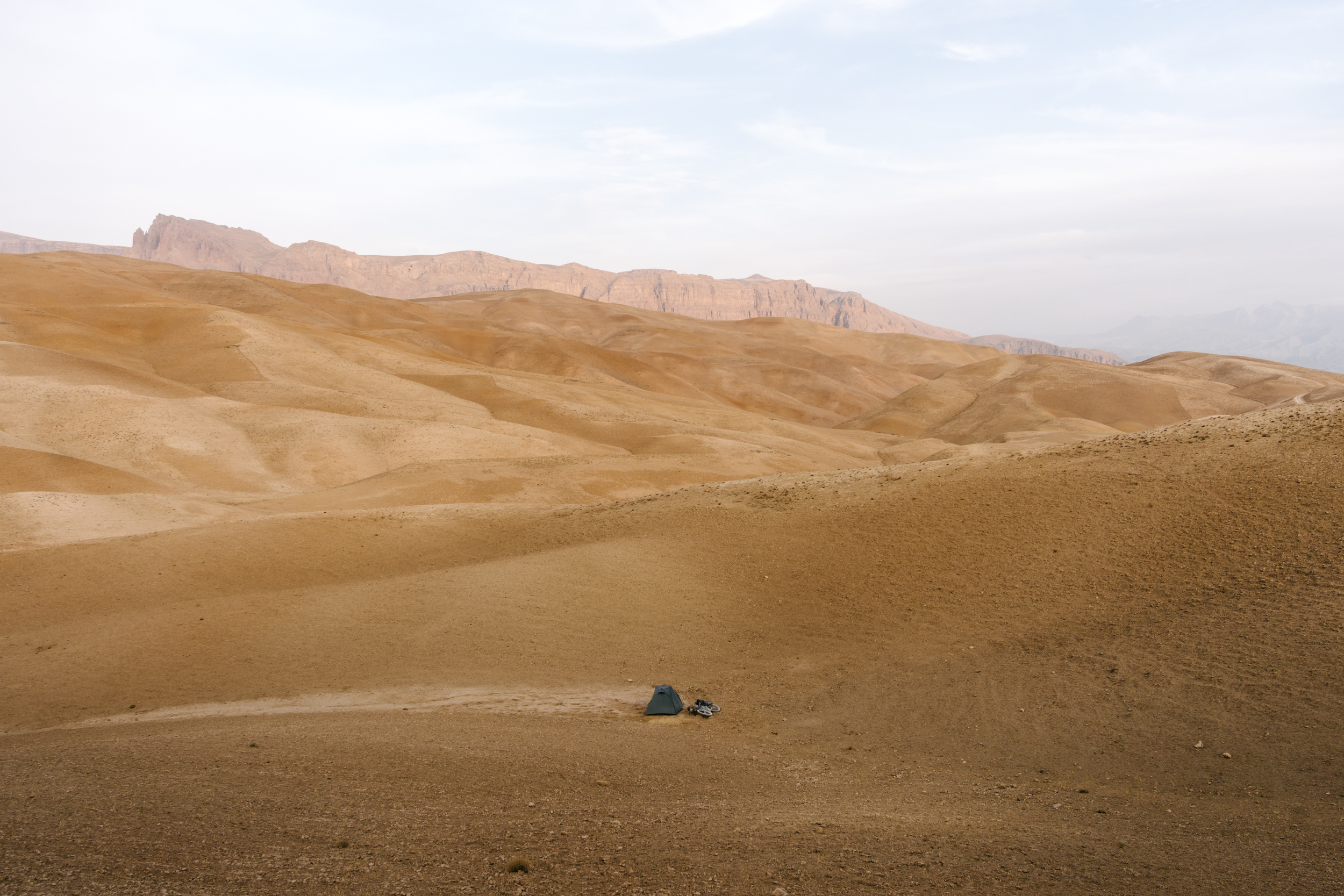
Despite my spot being incredibly well hidden from all roads and prominent footpaths, a couple of local guys spotted me the next morning and came over to investigate. I can only imagine how strange it must be to find some random foreigner tucked away in a tent in the hills for someone who lives in this part of Afghanistan.
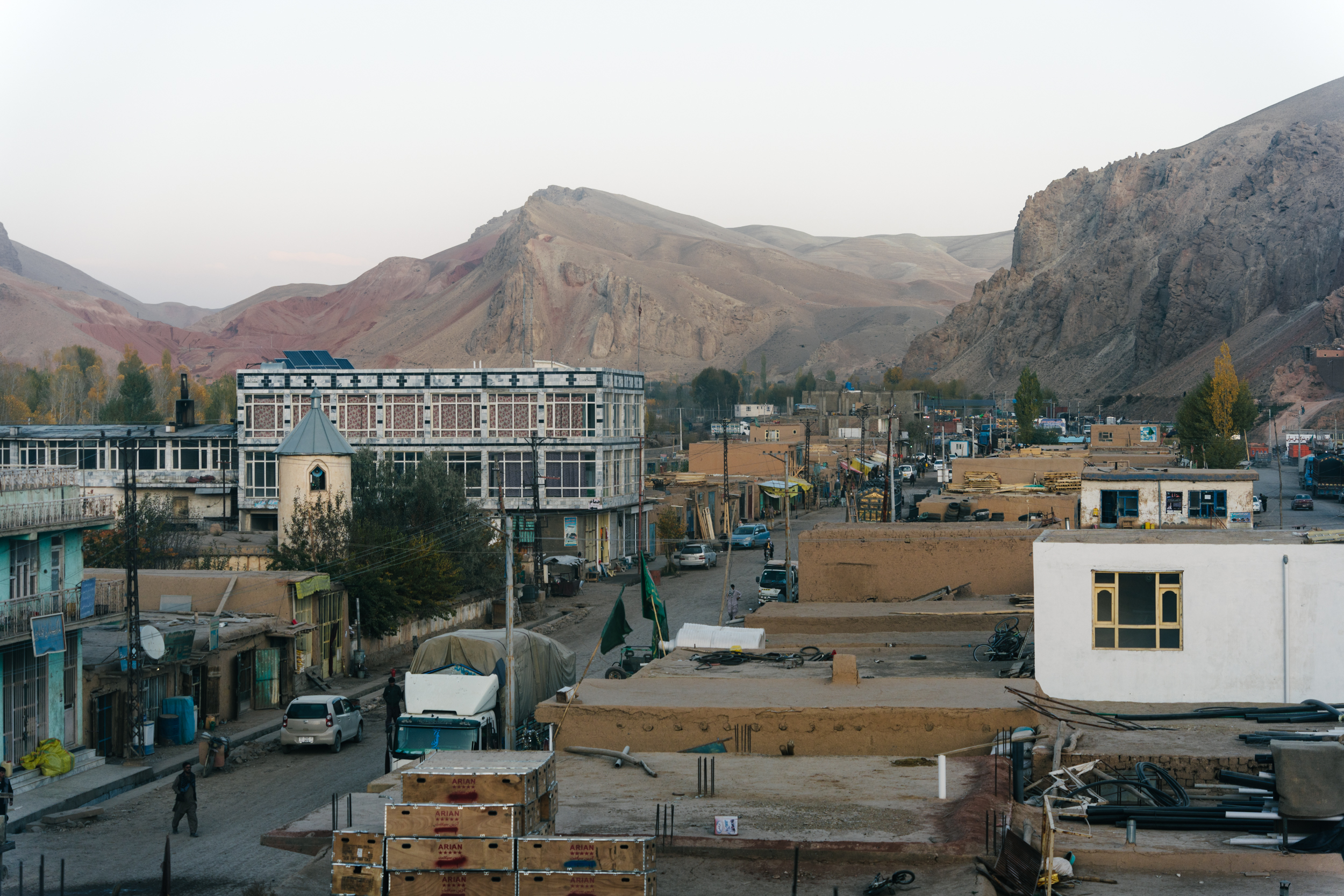
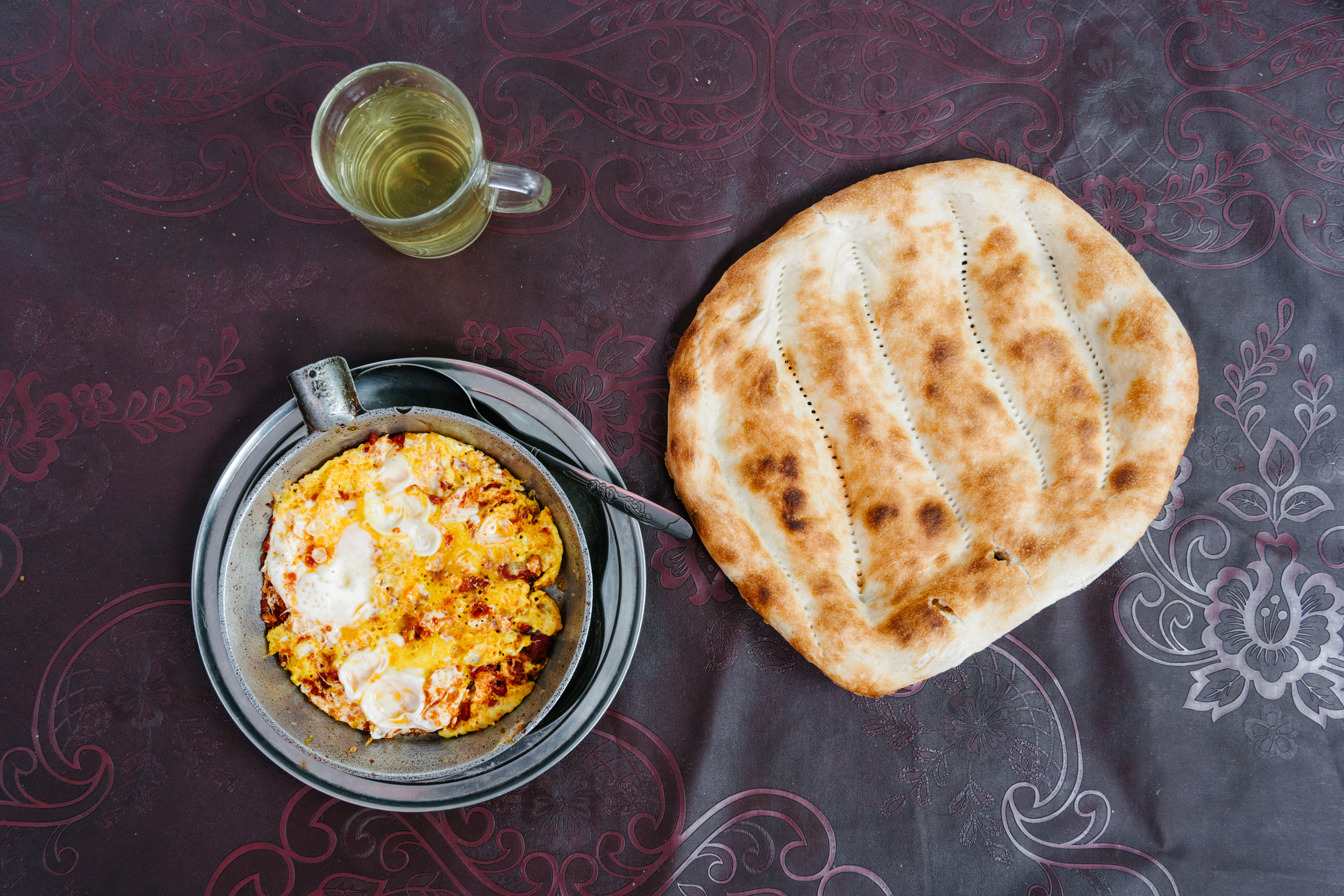
I continued along the plateau until finally reaching the town of Yakawlang. It was easily the biggest town that I’d seen since I left Mazar. They even had a restaurant/hotel that was six stories tall! A skyscraper! Granted, I was still sleeping on the floor and bathing with a bucket of lukewarm water, but it felt like a pretty substantial change after the previous weeks in some of the most remote parts of Afghanistan.
The Road to Band-e-Amir
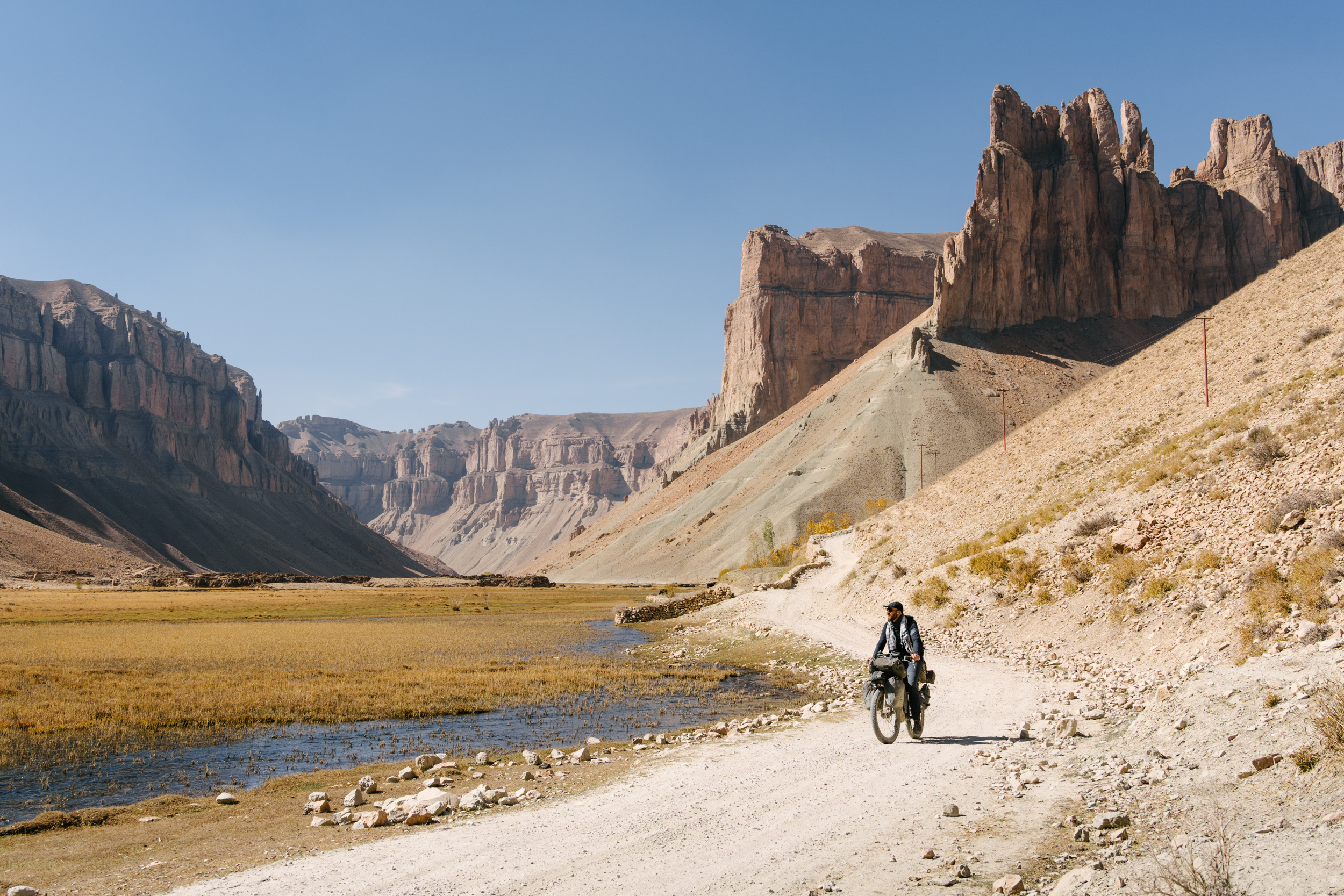
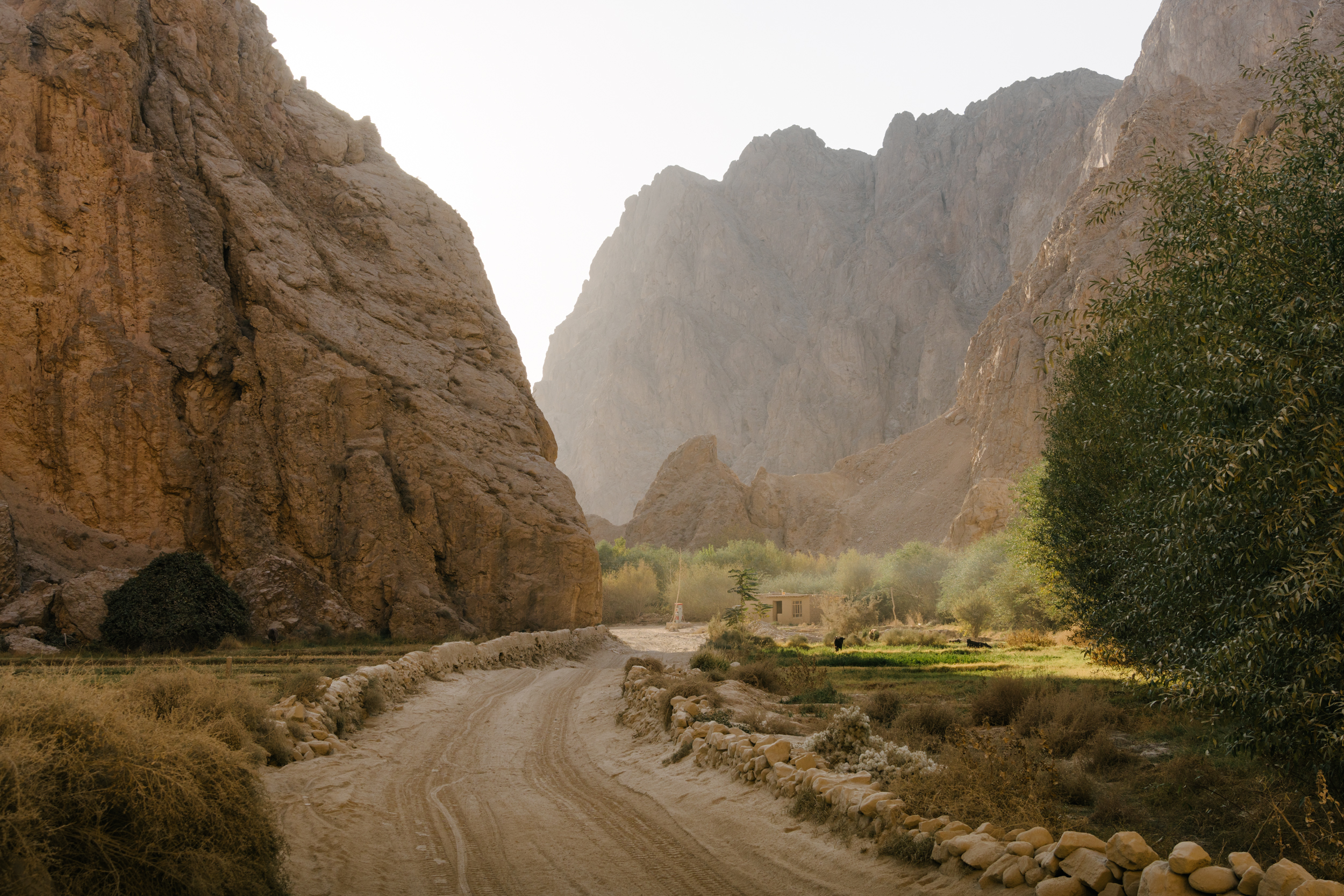
Shortly after leaving town, I met back up with the Balkh river on a “shortcut” road through yet another valley flanked by steep cliffs. In the shade of the valley, it was absolutely freezing still, even at 11 am. Small villages were tucked against the cliffs, and as the valley widened, the wind began fiercely whipping through, kicking up swirls of dust.
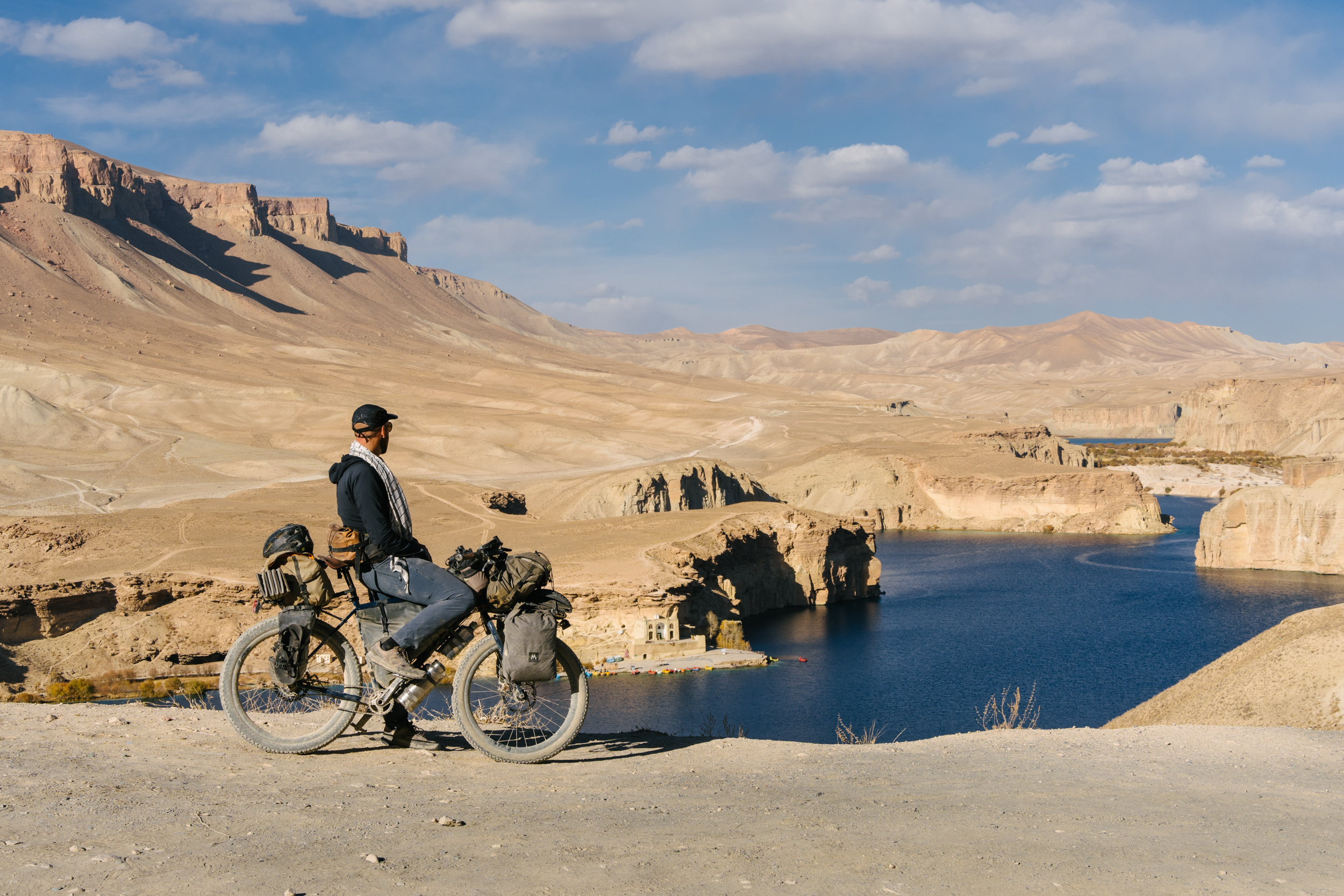
It was a struggle into the wind until I reached Band-e-Amir, a string of lakes that is one of the most famous tourist sites in all of Afghanistan. These are also the lakes that feed the river I followed for hundreds of kilometers, all the way up from Mazar-i-Sharif. If you followed the Taliban takeover of Afghanistan back in 2021, you’ll probably recognize it as the place where rocket launcher-toting Taliban soldiers were paddling through on colorful, swan-shaped boats.
I’d had it in mind to camp near these lakes for a while, so I bypassed the tourist infrastructure of the Band-e-Amir village and went searching for a small side road that I thought might take me toward a more isolated part of the lake. It was a bit of a trek to find a hidden-away spot, but once I did, it was well worth the effort!
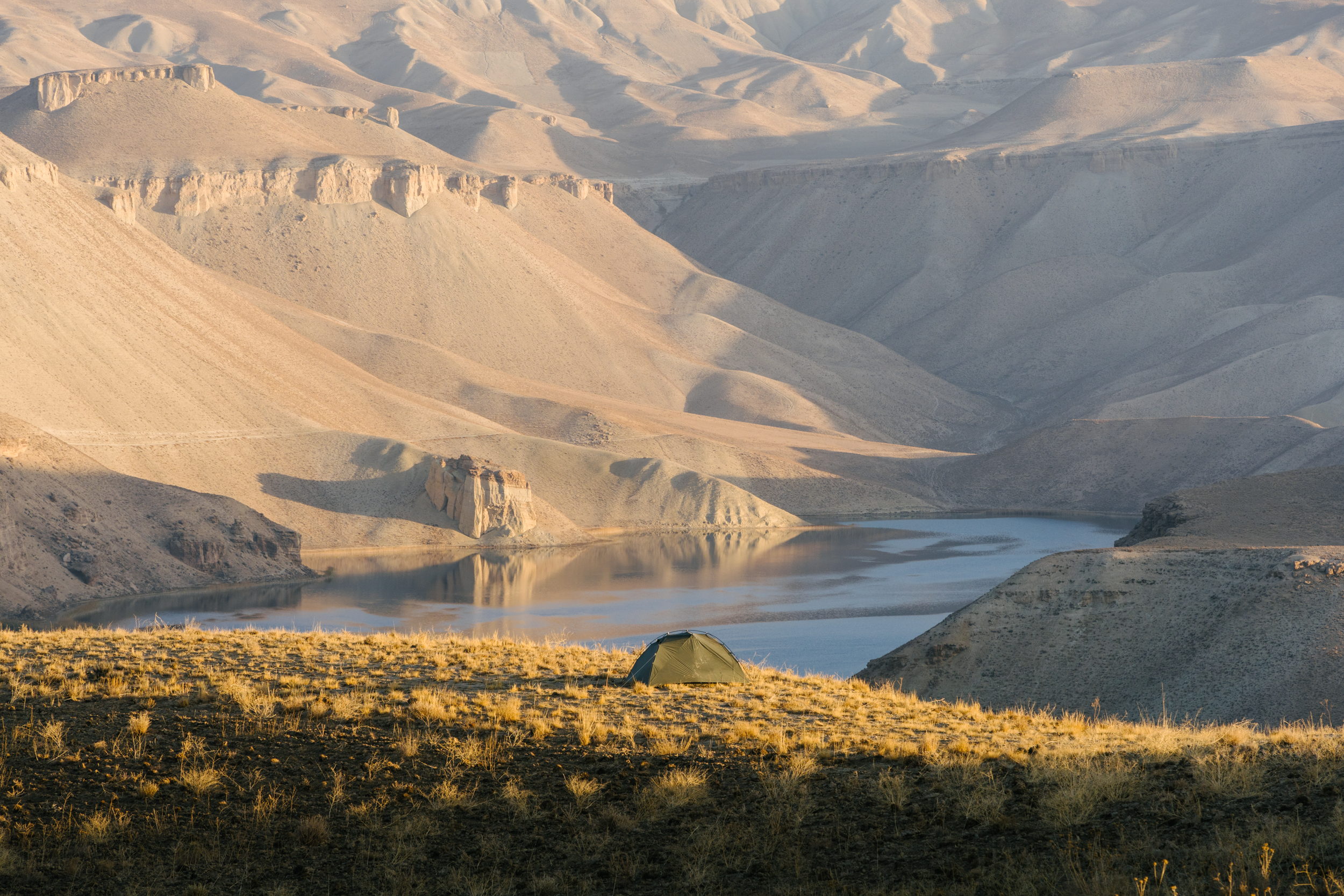
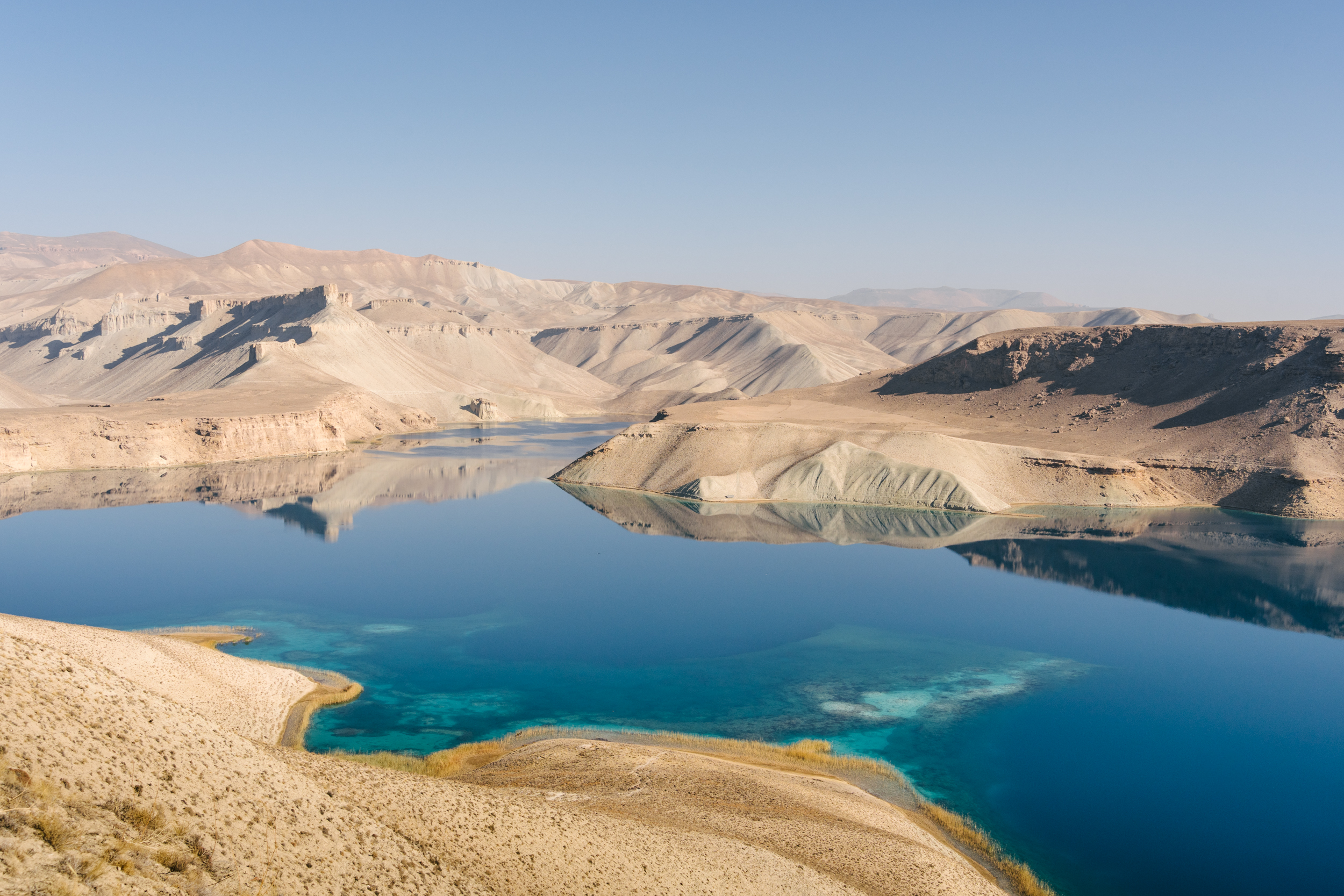
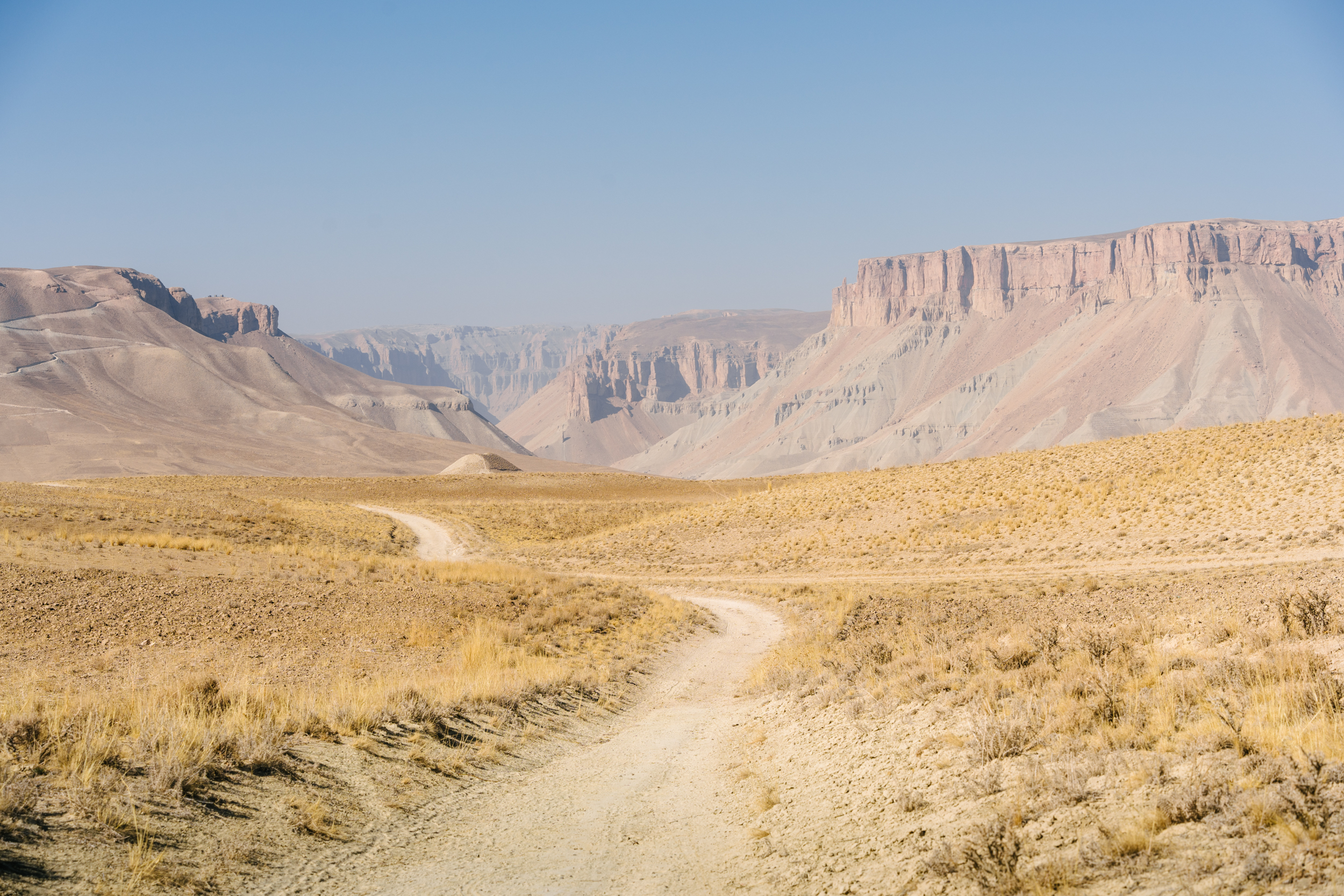
The nighttime temperatures dipped below freezing, but the morning sun thawed everything out before I hit the dusty road once again, this time toward the city of Bamyan. The dusty road didn’t last too long, however, as I hit the first stretch of pavement that I’d seen in weeks.
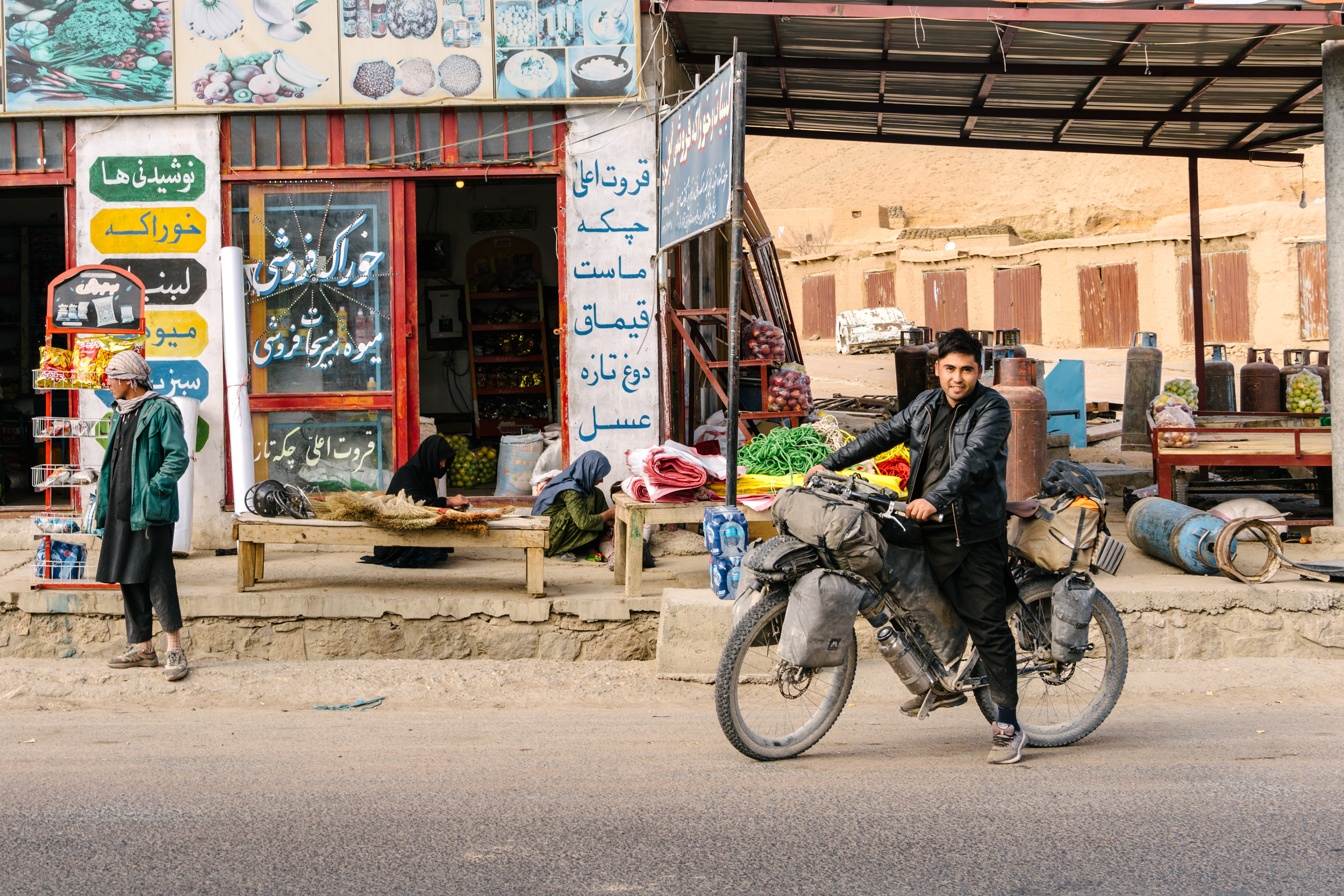
I also started to notice more English-speaking Afghans popping up here and there across this area, and it seemed like more kids were learning bits of English in school.
The (Former) Buddhas
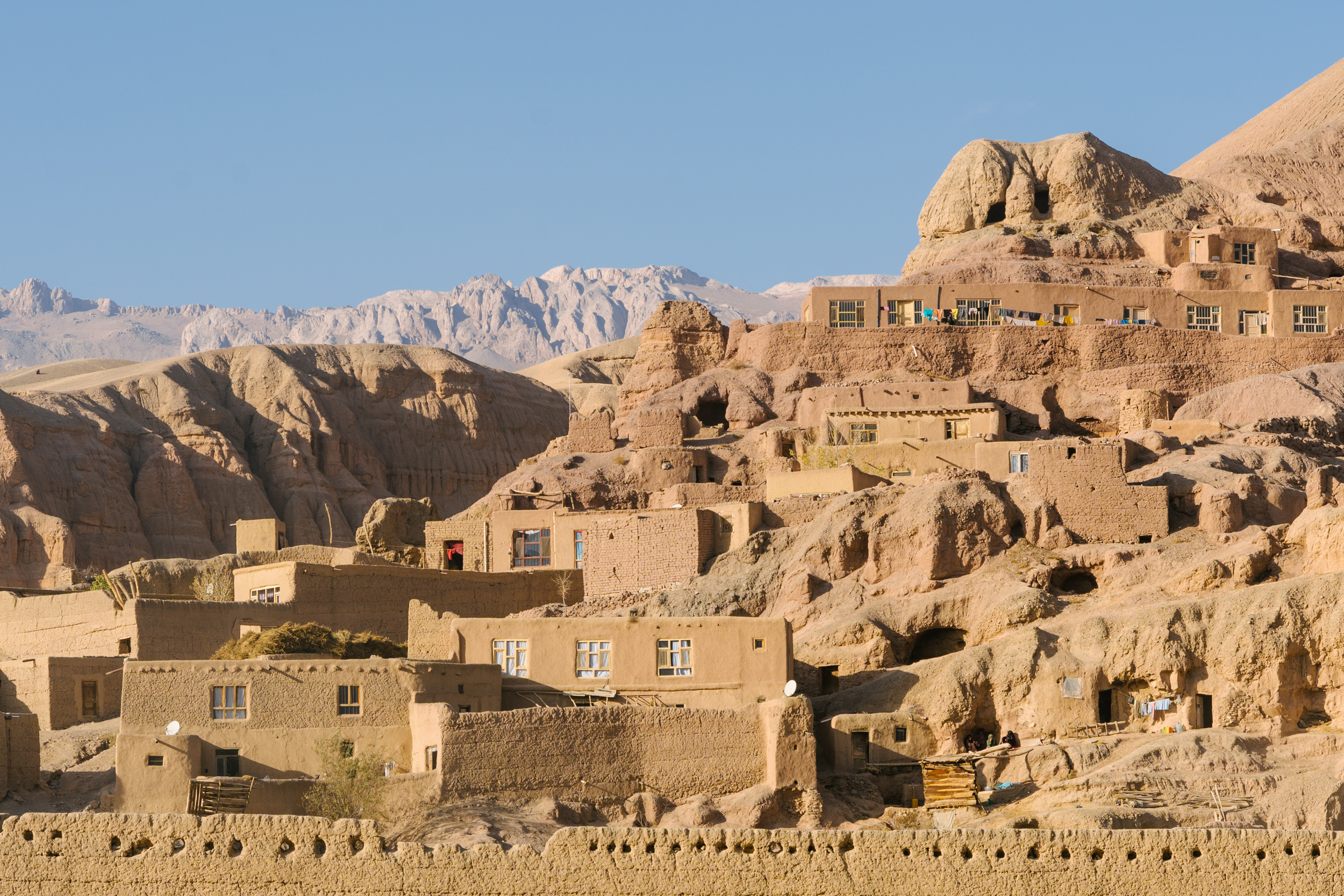
As I approached Bamyan, I found a sprawling town that extends from the valley up into the nearby hills, with even taller mountain peaks as the backdrop. Here, families often build their homes directly in caves in the sides of these hills.
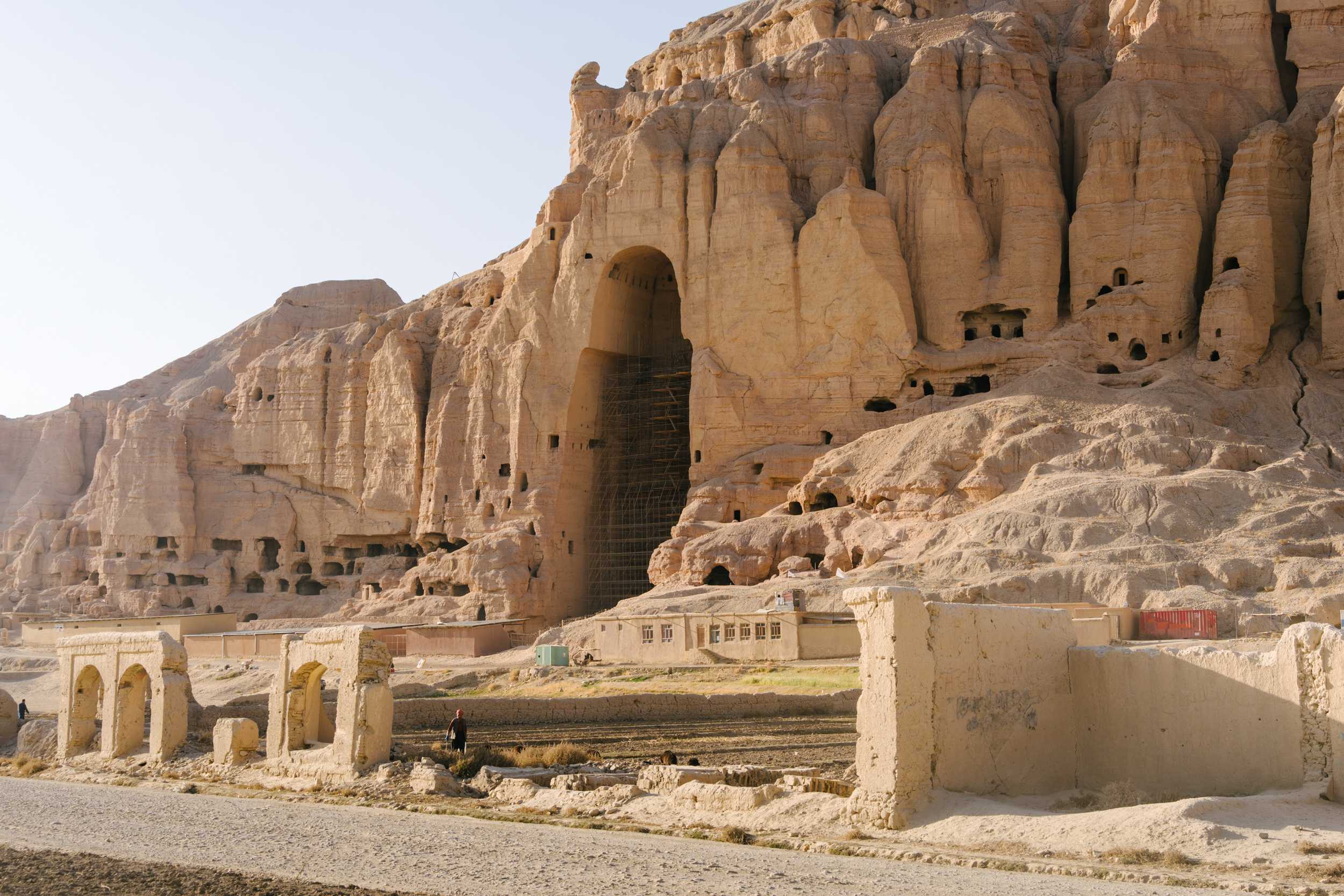
A huge hole remains on the side of one of the cliffs on the edge of the town. It was once the home of a 180-foot (55-meter) Buddha statue that dated back to the 6th or 7th century, until the Taliban destroyed it in 2001. It’s obviously a shame that it has been destroyed, but the site and the surrounding area are incredibly fascinating to see in person.
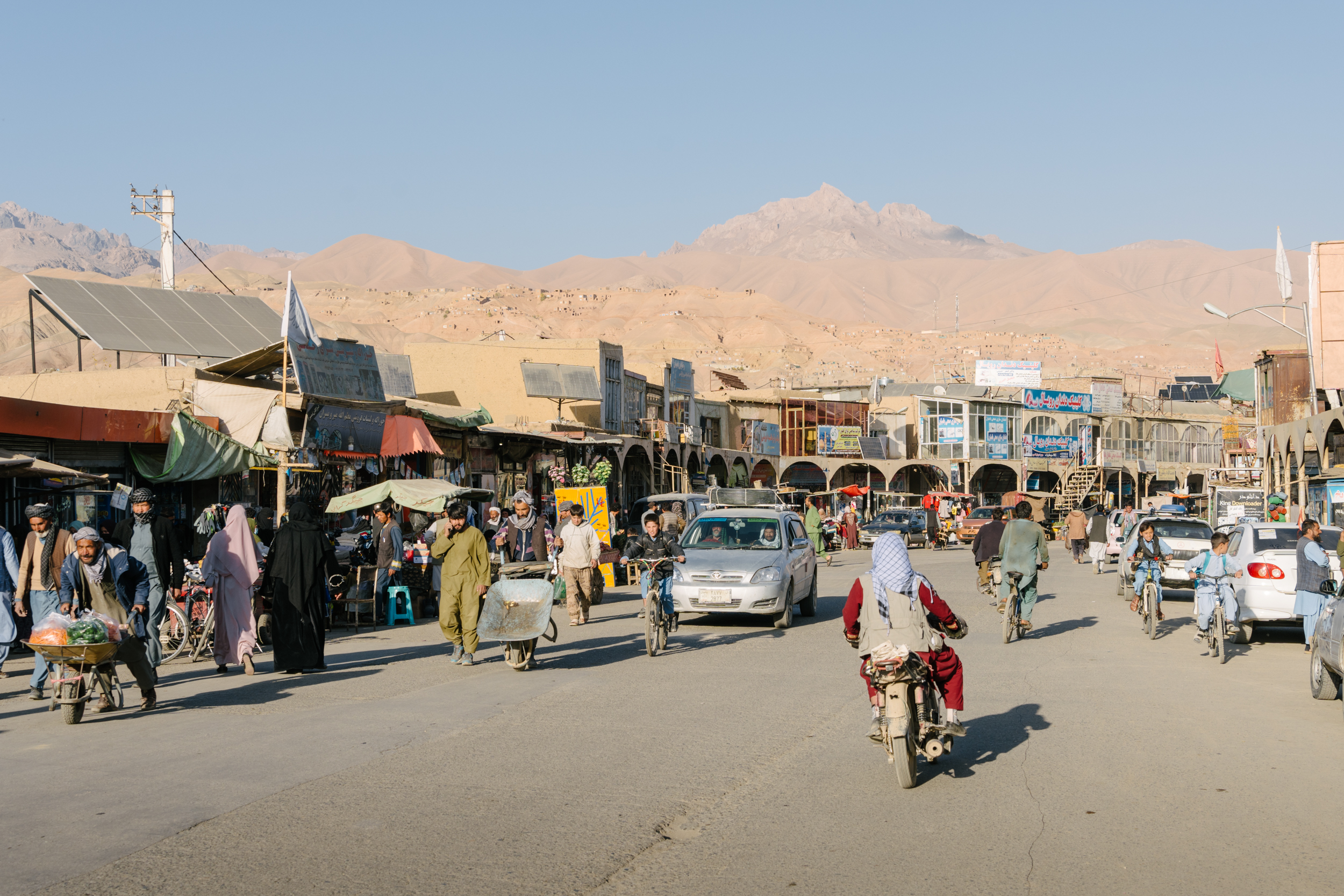
There was also a shift in anxiety level for me in Bamyan. After being detained, I’d had this constant worry in my head that I might get scooped up again at any moment. A couple of the less friendly Taliban guards where I was held had made “jokes” on the day that I was released that they were going to come find me on the road and take me to Bagram prison. They would laugh, but I never felt 100% confident that it wouldn’t happen. But Bamyan is a place that is used to having some level of tourism, and while I still got plenty of attention on the streets, I certainly was not the first tourist anyone had seen. I felt a little more anonymous in the larger town.
That didn’t mean that the anxiety was gone entirely. It was a constant buzz in my mind throughout my time in Afghanistan. I could tune it out sometimes, usually when I was at the homes of some of the incredibly friendly locals, but it was always there. The most recent attack on tourists in Afghanistan happened right here in the center of Bamyan a year prior, when ISIS militants killed 3 Spanish tourists and 3 Afghans. So, I still felt a constant push to keep moving, never wanting to linger in one place too long. I had a day off in Bamyan to finally wash myself and my clothes, but soon that buzz in my mind grew a bit louder, and I made a plan to hit the road.
A Fork in the Road
From Bamyan, I had a choice to make. While I had originally intended to ride to Kabul and then on to Pakistan, the conflict that was sparked shortly after I entered Afghanistan was ongoing, and the land border was still closed. With that, my only remaining realistic option was to make my way back toward either the Tajikistan or Uzbekistan borders, so I mapped out a route along a small, rough road through another long valley that would loop back in that direction.
Some locals told me that this road was known for bandits in the past, so I also stopped by the main Taliban HQ before leaving town to verify that it would be safe(ish) and that I would be allowed through with the travel permits that I had on hand. It’s always good to check in with them in cases like this. Usually, once I am given permission, one of the head guys would give me their WhatsApp number so I could name-drop them to any of the guards I met at smaller outposts in rural areas.
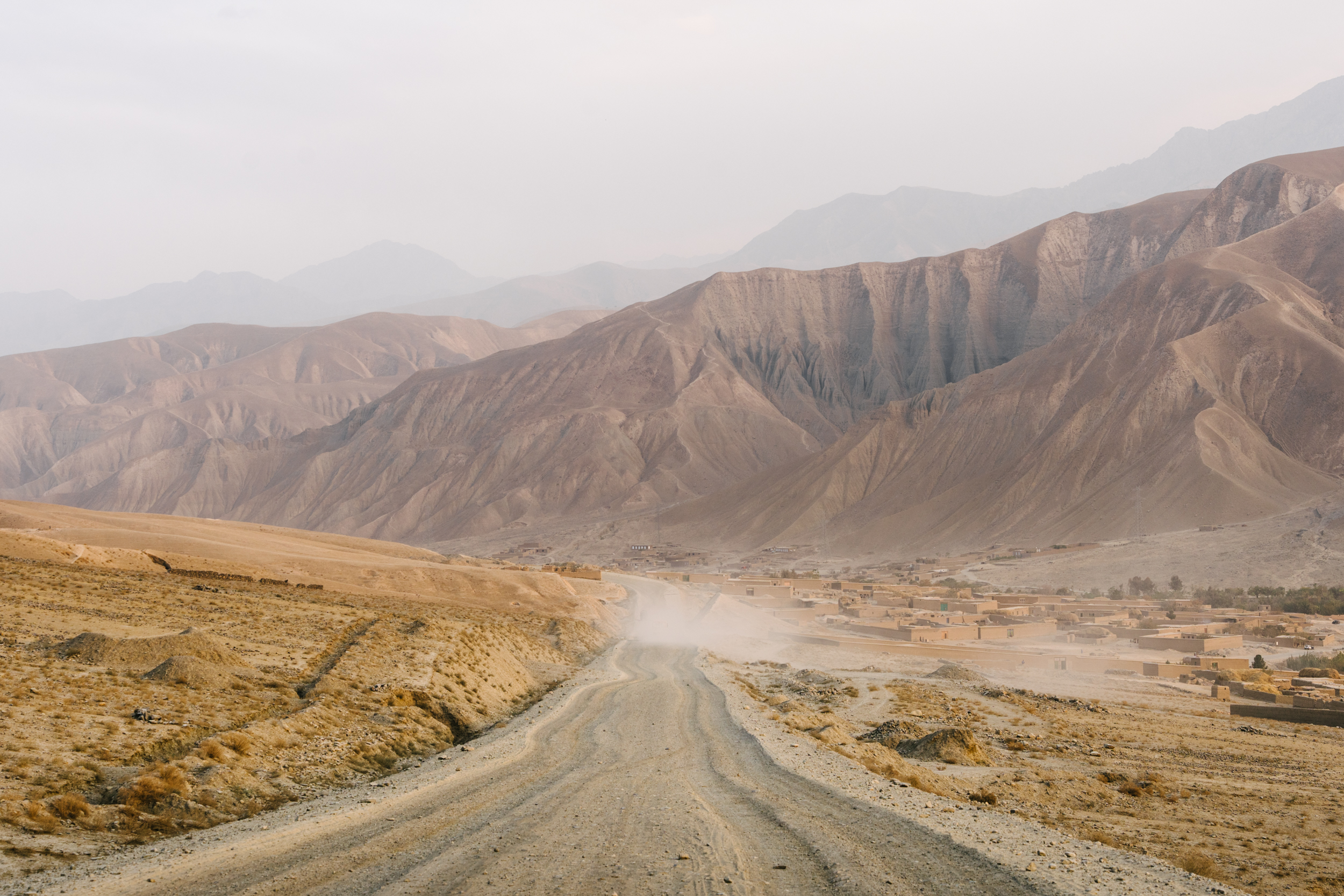
The road was brutal. Way worse than I could have ever imagined. On the map it almost looks like a main road. The moondust was up to my shins at times, and any time a truck went by, it would kick up a metric ton of dust into the air, which would constantly linger. It got so bad that I had to buy a surgical mask at a small shop, and I would wear that under a Buff.
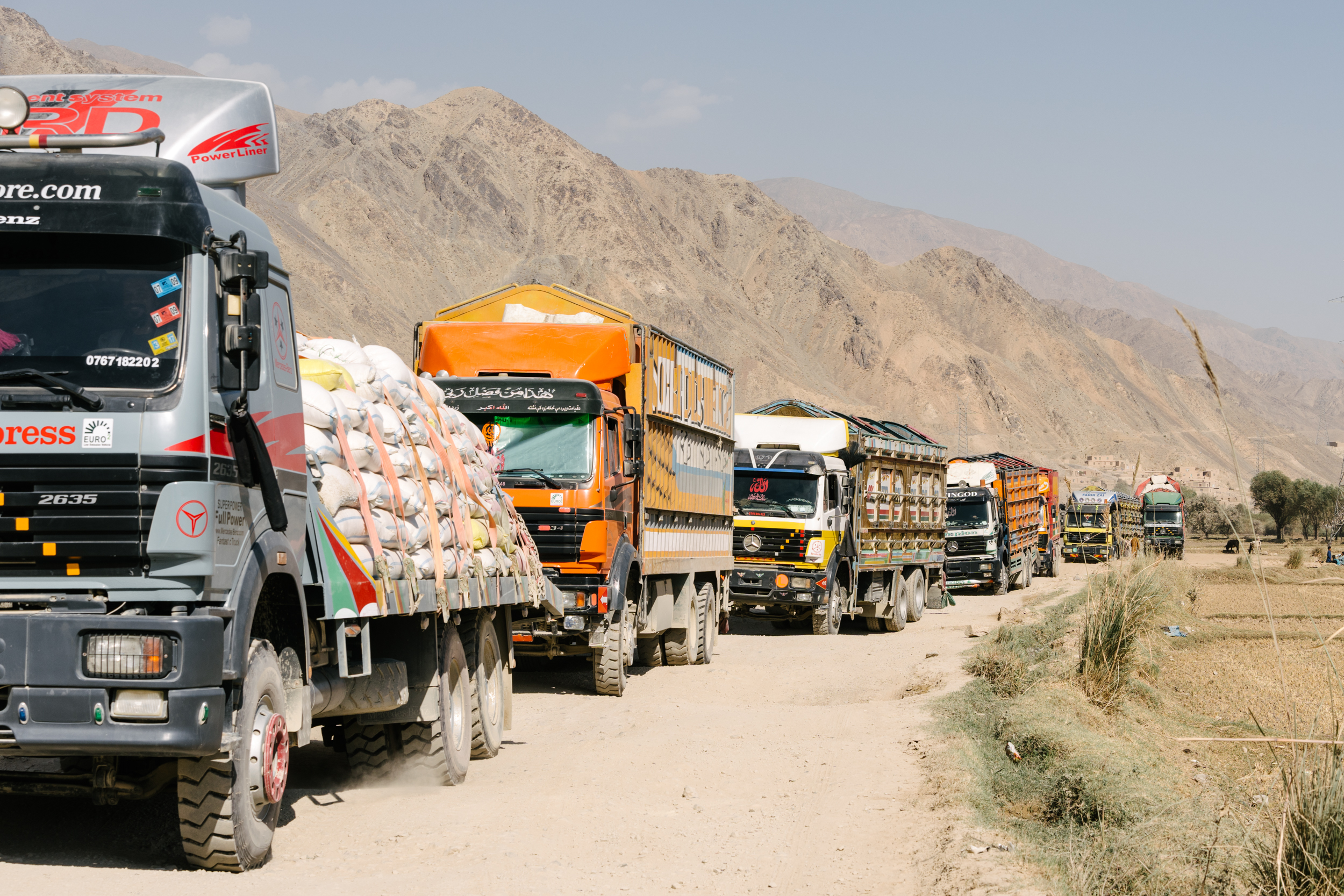
But the real fun came on my second day along the road after a quiet night of camping by the river, when a giant train of semi-trucks as far as the eye could see came rumbling up the road in the opposite direction. There were hundreds of trucks strung end-to-end, and often the road was barely wide enough just to squeeze one truck through.
I didn’t know it at the time, but apparently the main highway to Kabul had been temporarily closed to these shipping trucks, so they were sending all of them down this treacherous road as a detour. They would spend two days with all traffic driving in one direction, and then two days driving in the opposite direction. It made riding almost impossible, with constant bottleneck points where I couldn’t progress ahead for 10-15 minutes at a time, as I waited for a moment when there was enough of a gap to continue. It would often take one of the trucks overheating or breaking down to block the road for a little bit, and give me time to go more than 100 meters before having to stop again. The mornings and evenings weren’t that bad, but 5-6 hours during midday were basically impassable.
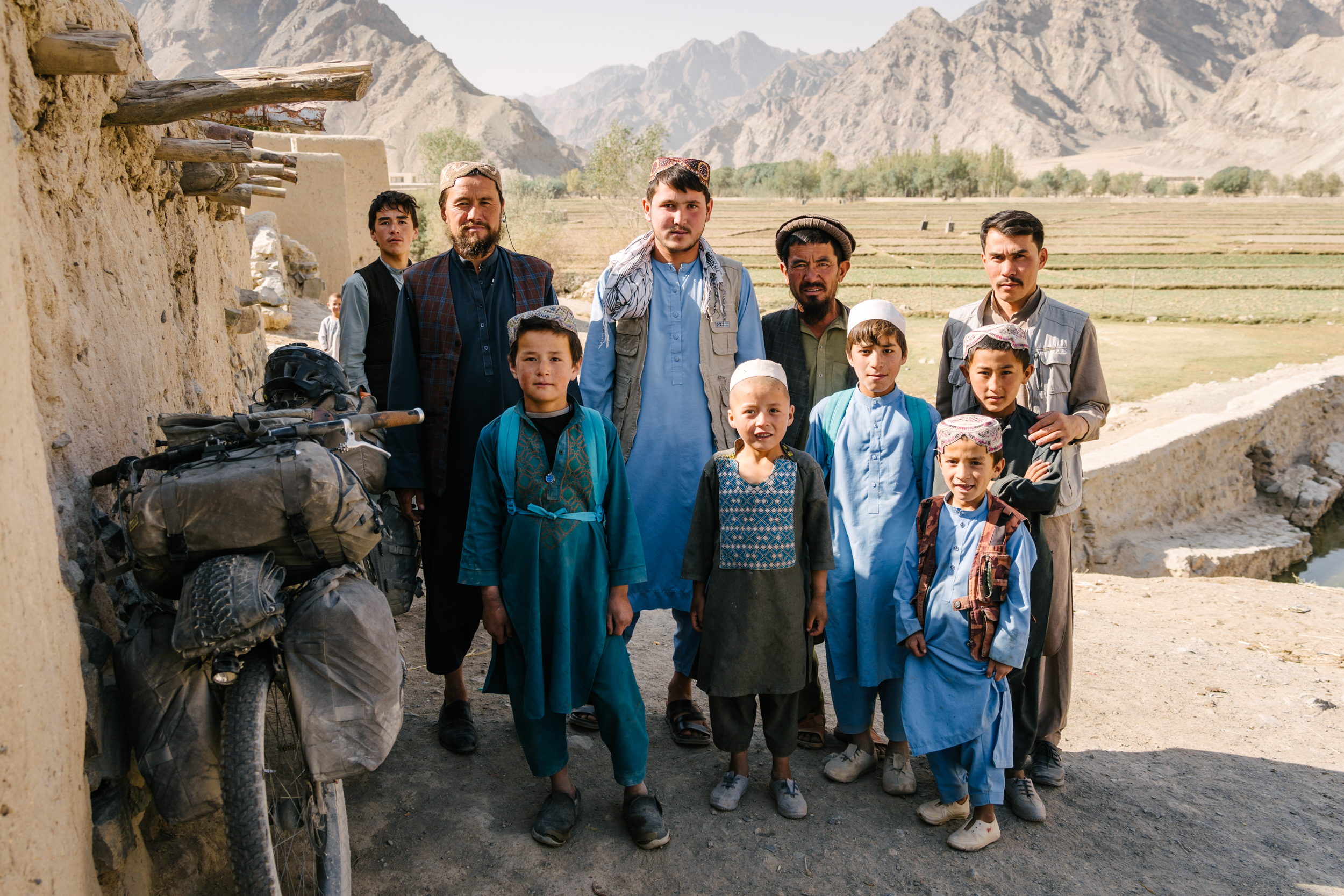
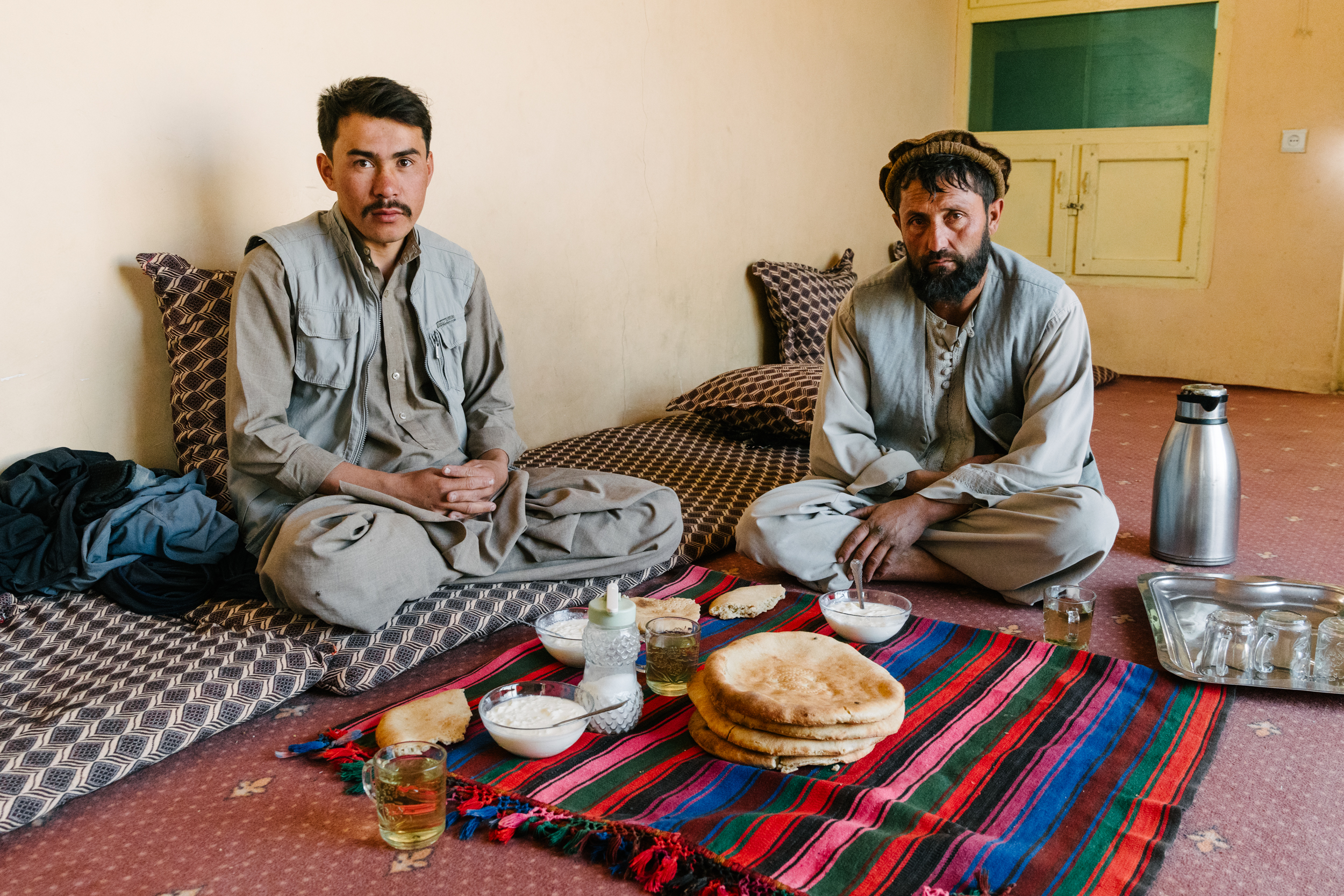
In the evening, I got invited into the home of a very kind family who made me dinner and gave me a place to stay for the night in a small village. Extended family members and friends would come by throughout the evening to get a glimpse of the rare foreigner visiting their town. Life here is tough. You have to walk to the next village just to get internet access, and job opportunities are few and far between, even for someone who has a good education. But that doesn’t stop people here from welcoming a total stranger in and sharing what they have.
The Breaking Point
The next day, I hit the road again, trying to dodge the caravan of trucks whenever I could. Soon, I met the main, paved road, which is a nightmare of traffic. I’ve been to some places with crazy drivers, but Afghanistan takes the cake, by far.
I was pretty cooked from the days of rough roads, the stress of detainment, inhaling dust and diesel exhaust, and now a long day on the edge of a busy highway. I was ready to be out of Afghanistan ASAP.
It all culminated while arriving at the chaotic center of Puli Khumri and being mobbed by people as I stopped to potentially look for a hotel. I found myself surrounded by dozens of people, some with their faces pressed right up on my shoulder, looking on as I scrolled through Google Maps on my phone, with kids pulling at the back of my bike. I was about two seconds from totally losing it when a tall man emerged from the crowd, speaking perfect English, and asked what I needed. In a split-second, I decided that I needed to get out of there and hitch a ride to a place that is closer to the border, so I could skip the extra day of riding on the edge of the highway.
In classic Afghan fashion, the man went way above and beyond, not only finding me a ride but also sorting out a place for me to sleep for the night, at the home of one of his relatives in the town that I was heading to.
The next day, it was a short ride to the border with Uzbekistan, the same border I crossed just shy of 30 days prior. It was the most eventful month of my life by far. Probably more eventful than the rest of it combined. When I got the exit stamp in my passport and hopped on my bike for the last few pedal strokes in Afghanistan, it was like a weight was lifted off my shoulders. I’ve never felt so relieved to be out of a country.
It is a place of extremes and of contradictions. I met some of the most genuinely amazing and hospitable people that I’ve ever come across there. Per capita, Afghanistan is off the charts in that regard. I saw some of the most mind-blowing landscapes that I’ve ever laid eyes on. I also witnessed the dire economic conditions that make it impossible for many Afghans to make a living. I was woken up from my tent by gunshots from a Kalashnikov. I saw 8-year-old boys working with shovels on the road to help put food on the table instead of going to school. I met women who were forced to stop their college education a year before they were set to graduate because education is now banned for girls above 6th grade. I met countless fathers and brothers who asked me if I would take their daughters and sisters with me to get them out of the country, to a place with more opportunities for them.
It was amazing and beautiful, depressing and unsettling all at once.
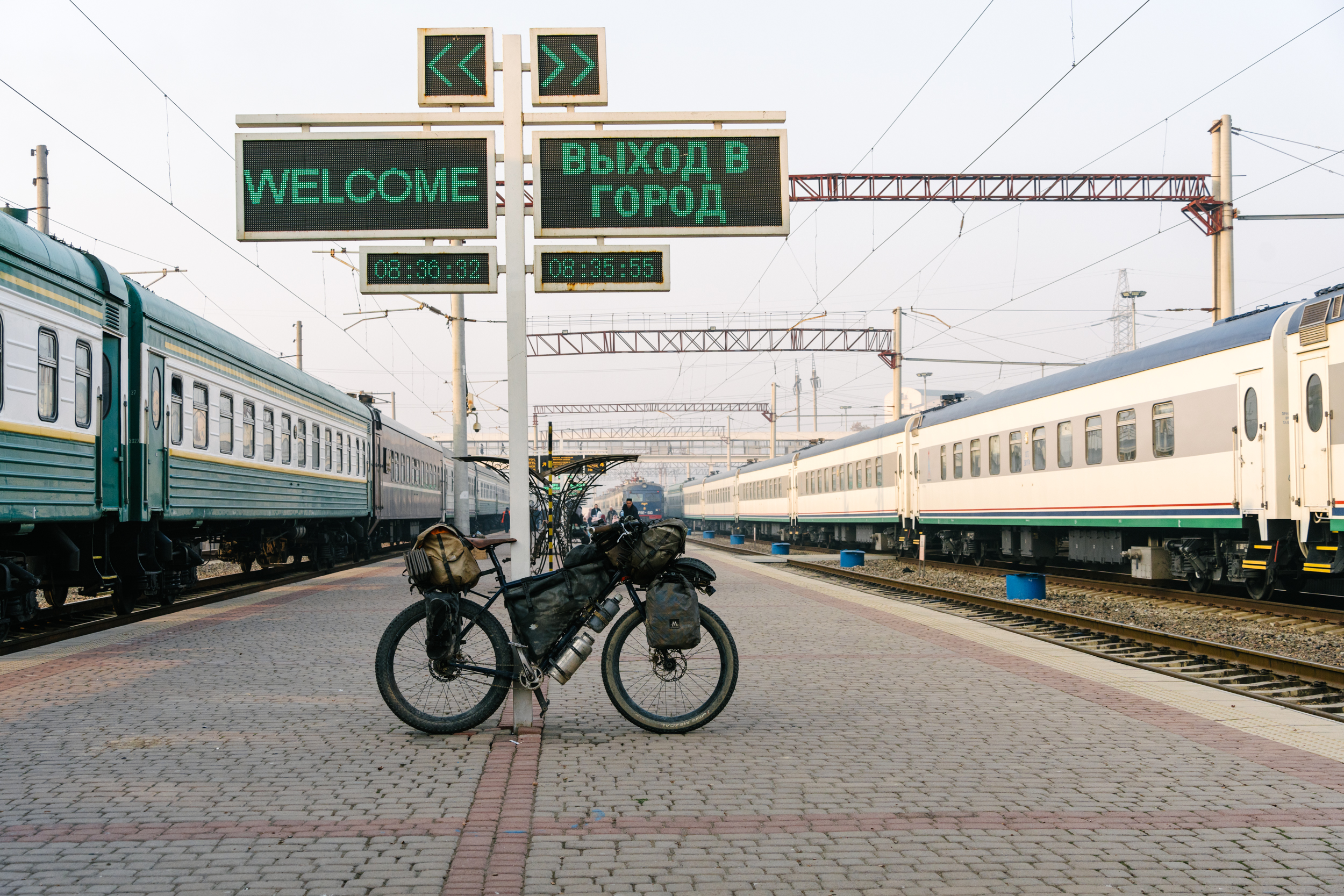
Tidy and quiet Uzbekistan
On the day that I left, I thought to myself that I would probably never set foot in Afghanistan again. That it was all too much. But a few days later, I found myself waking up in Uzbekistan, wishing I was riding through those rugged mountains and having those incredible interactions with ordinary Afghans once again. Hopefully, I can return one day and find that the situation for the people has improved. Inshallah.
Ryan is supported by:

See the Prospector frame he’s touring on at Tumbleweed Bikes and the bags he uses at Revelate Designs.