
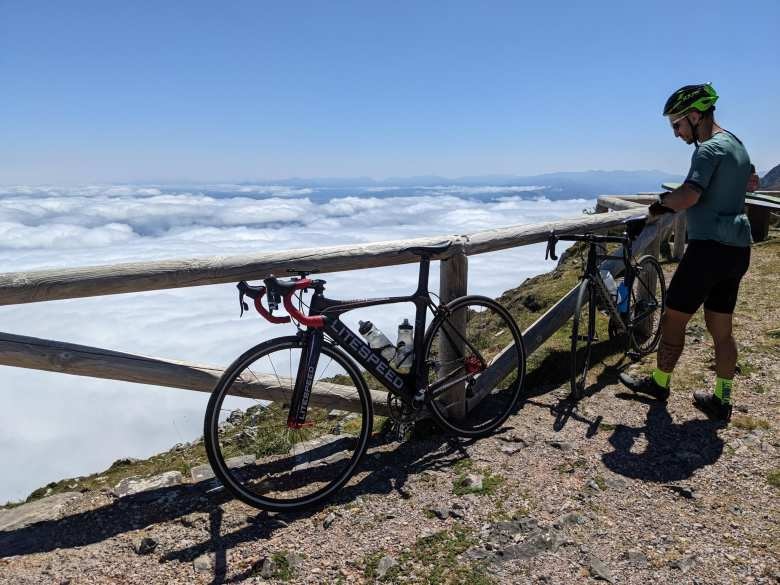
By Charles Pekow — Looking for one more reason to grind to the top of the climb? Your bike may be safer there.
Most research on bicycle theft has examined infrastructure — racks, lighting, transit proximity — but largely ignored topography and street location. Researchers at Florida International University decided to test whether elevation plays a role.
Analyzing a decade of theft data in Toronto, they found a clear pattern: bicycles parked at higher elevations were less likely to be stolen.
The study also confirmed some familiar risk factors. Thieves targeted bikes parked near public transit stations, bike lanes and bikeshare stations. Surprisingly, parks did not significantly influence theft rates. Nor did the presence of bike parking facilities, nearby universities, or a street’s centrality within the network.
The findings suggest that geography — not just infrastructure — shapes theft patterns. For planners and riders alike, elevation may be an overlooked layer in urban bike security.
Read the abstract to Exploring Bicycle Theft through Topography, Street Centrality, and the Built Environment: A Spatial Analysis of Toronto, Canada here:
The full article can be downloaded from
(Visited 13 times, 13 visits today)