
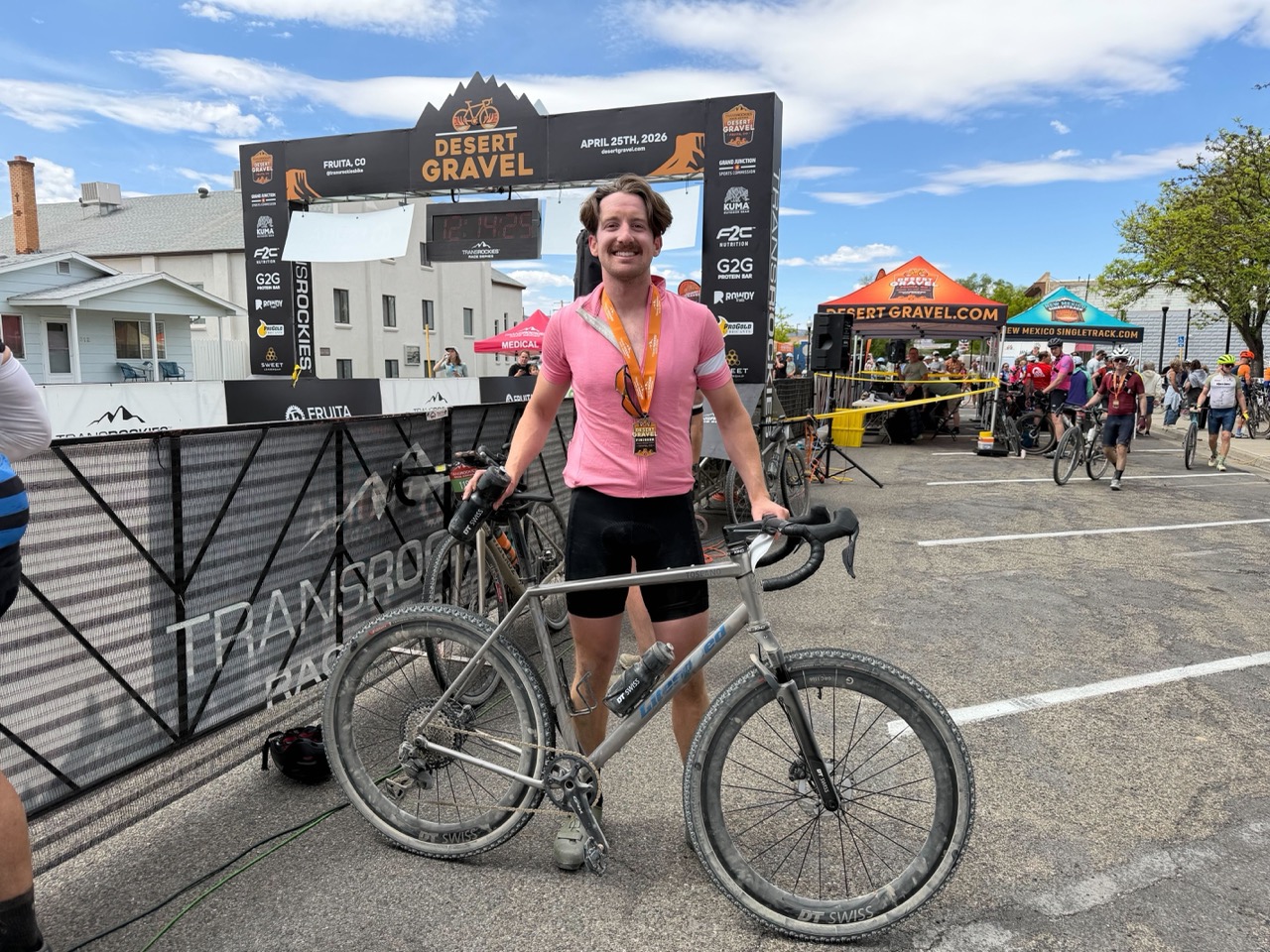
Two months out from the Desert Gravel in Fruita, Colorado, my cousins invited me to join. I’d never raced before. I said yes anyway.
That decision led to an introduction from BikeRumor’s editor-in-chief, Zach Overholt, to Joey Early and Brandon Wold at DT Swiss. The plan: pick up a custom build at DT Swiss’s US headquarters in Grand Junction on Friday afternoon, race 50 miles through the Colorado desert Saturday morning.
I’ve been riding for about a year now, with my usual setup being a BlackHeart AllRoad AL with a rigid fork — mostly road, with some gravel over the past few months. So when Joey walked me through the build, I was looking at something considerably more capable than what I ride at home.
The Build

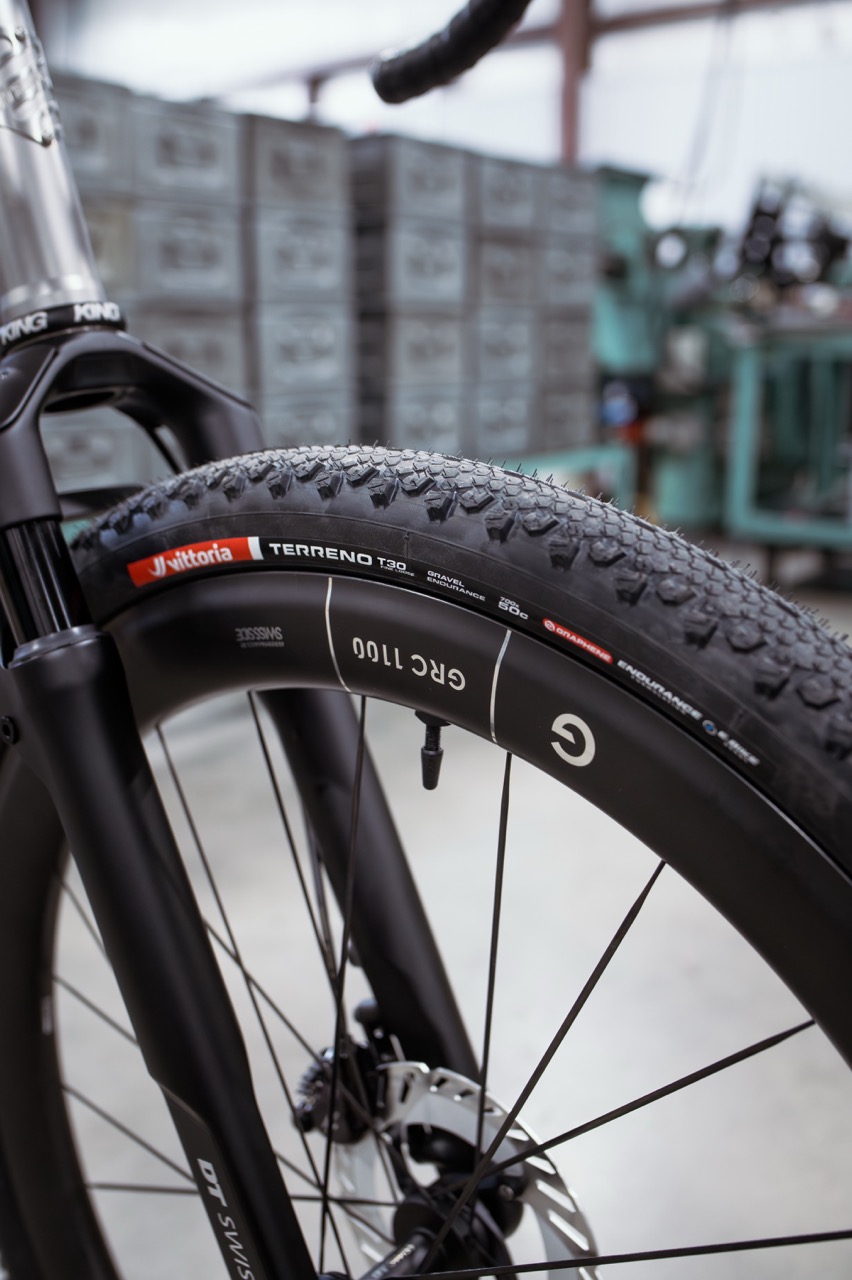


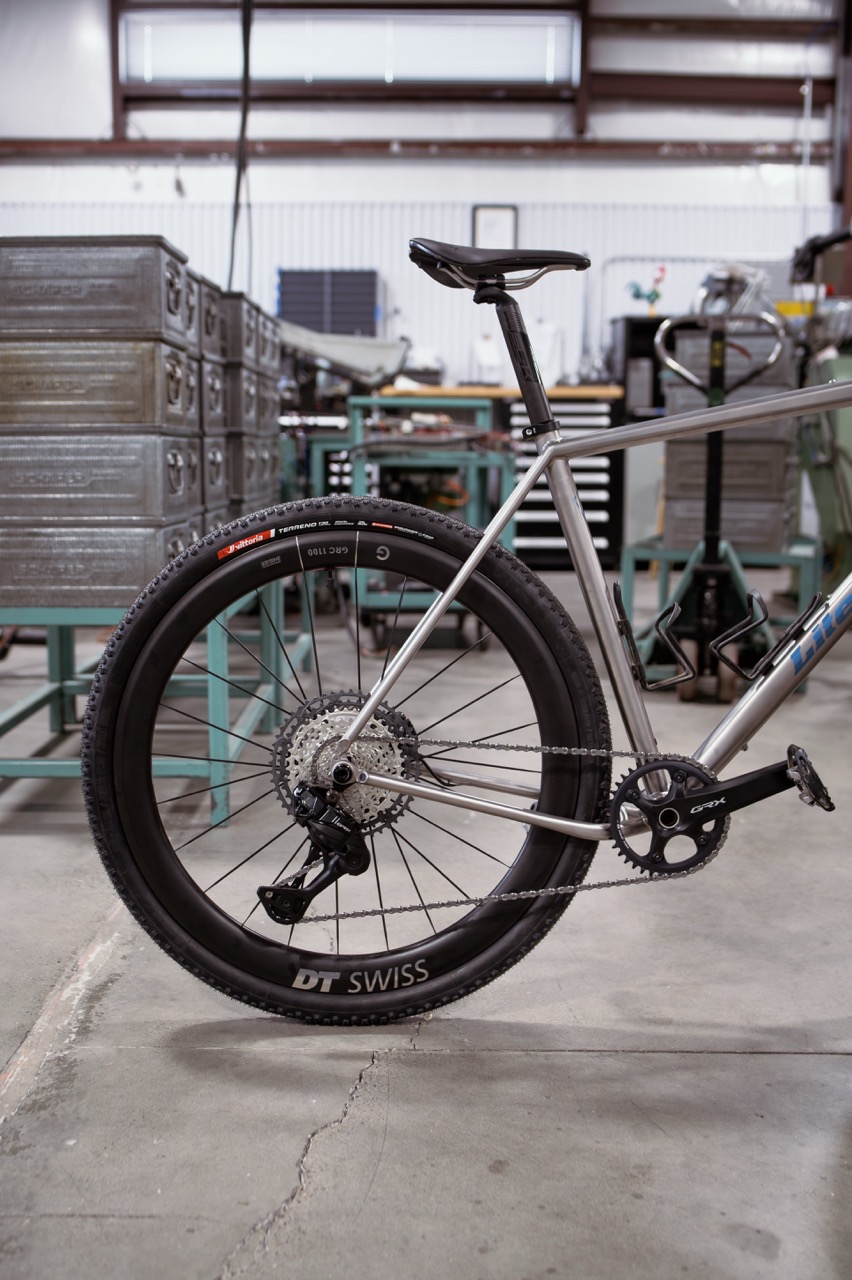
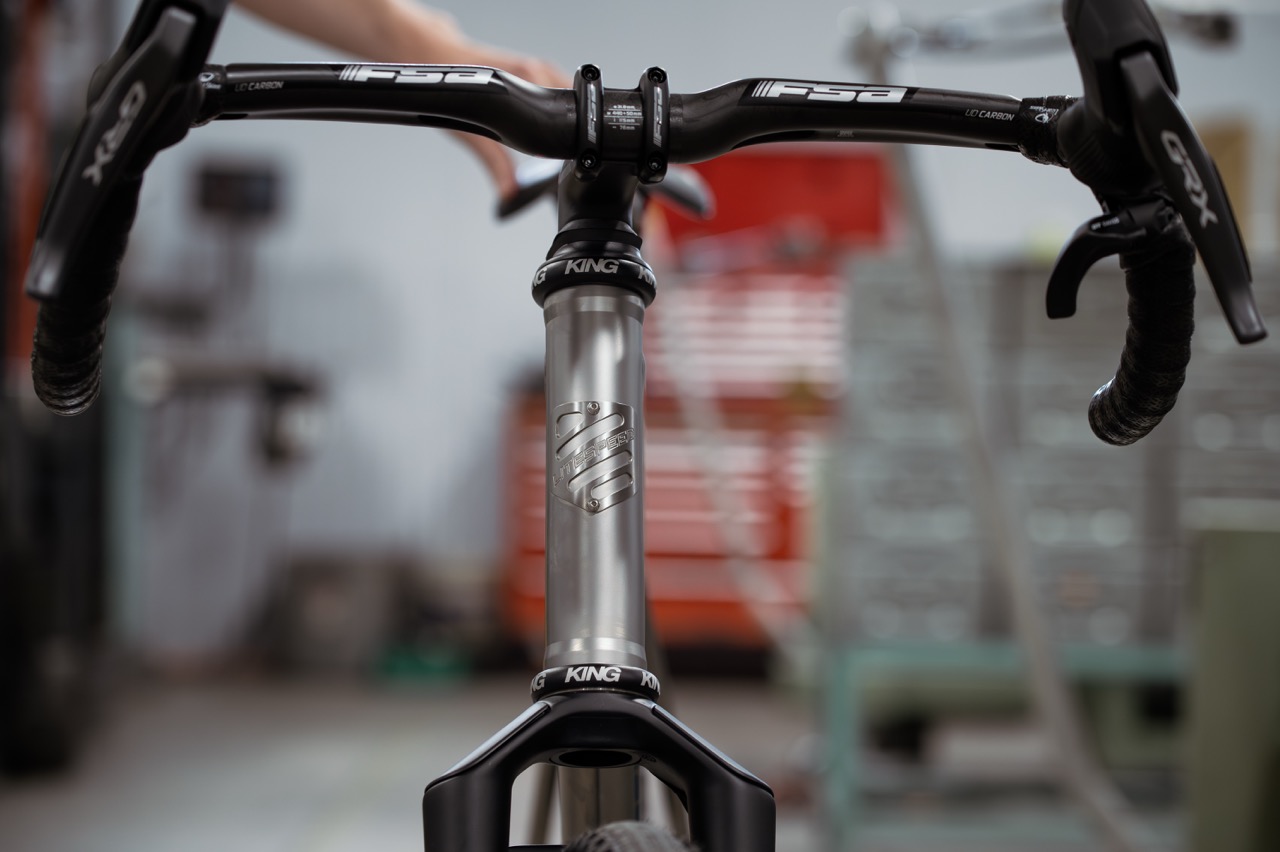
The test bike was a Litespeed Toscano FI in titanium — Litespeed’s dedicated gravel platform — sized at 60cm and built up with the DT Swiss F132ONE suspension fork, GRC 1100 DICUT 50 carbon wheels, Shimano GRX 827 Di2, Vittoria Terreno T30 tires, and an FSA ACR stem with K-Wing AGX carbon bars. Light, stiff, quiet — the kind of build that makes you wonder if your legs are worthy of pedaling something of this caliber.
Before we headed out to the race venue, Joey gave me a tour of DT Swiss’s facility. What stood out was the precision of it: tensioning machines, serialized component logs, meticulous records on every part. The whole team had a relaxed but clearly knowledgeable vibe.
The Fork

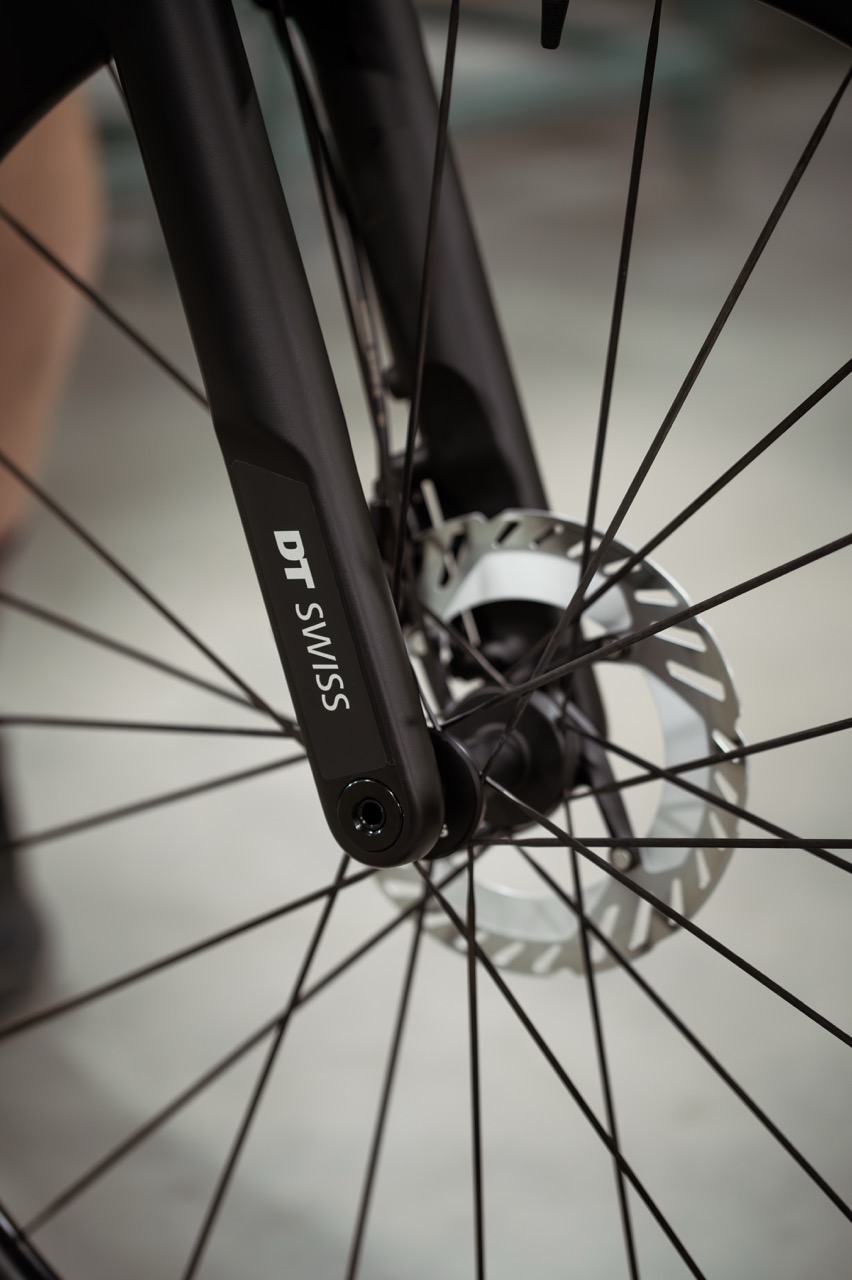
The F132ONE is DT Swiss’s gravel-specific suspension fork with 40mm travel, 32mm stanchions, and a PushControl lockout on the handlebar. Clean build, nothing fussy. For someone who’d never ridden a fork with a remote lockout before, it was immediately intuitive.
Currently, the DT Swiss F132ONE gravel fork is limited to OEM availability through Litespeed and Obed, which is why we tested on the Toscano FI here.
Race Day
Desert Gravel’s 50-mile course mixes pavement with roughly 40 miles of gravel: hardpack, loose wash, horse tracks, and washboard. It was windy. I pulled a group early, learned a hard lesson about drafting, and spent much of the second half riding solo into a headwind trying to claw back time.
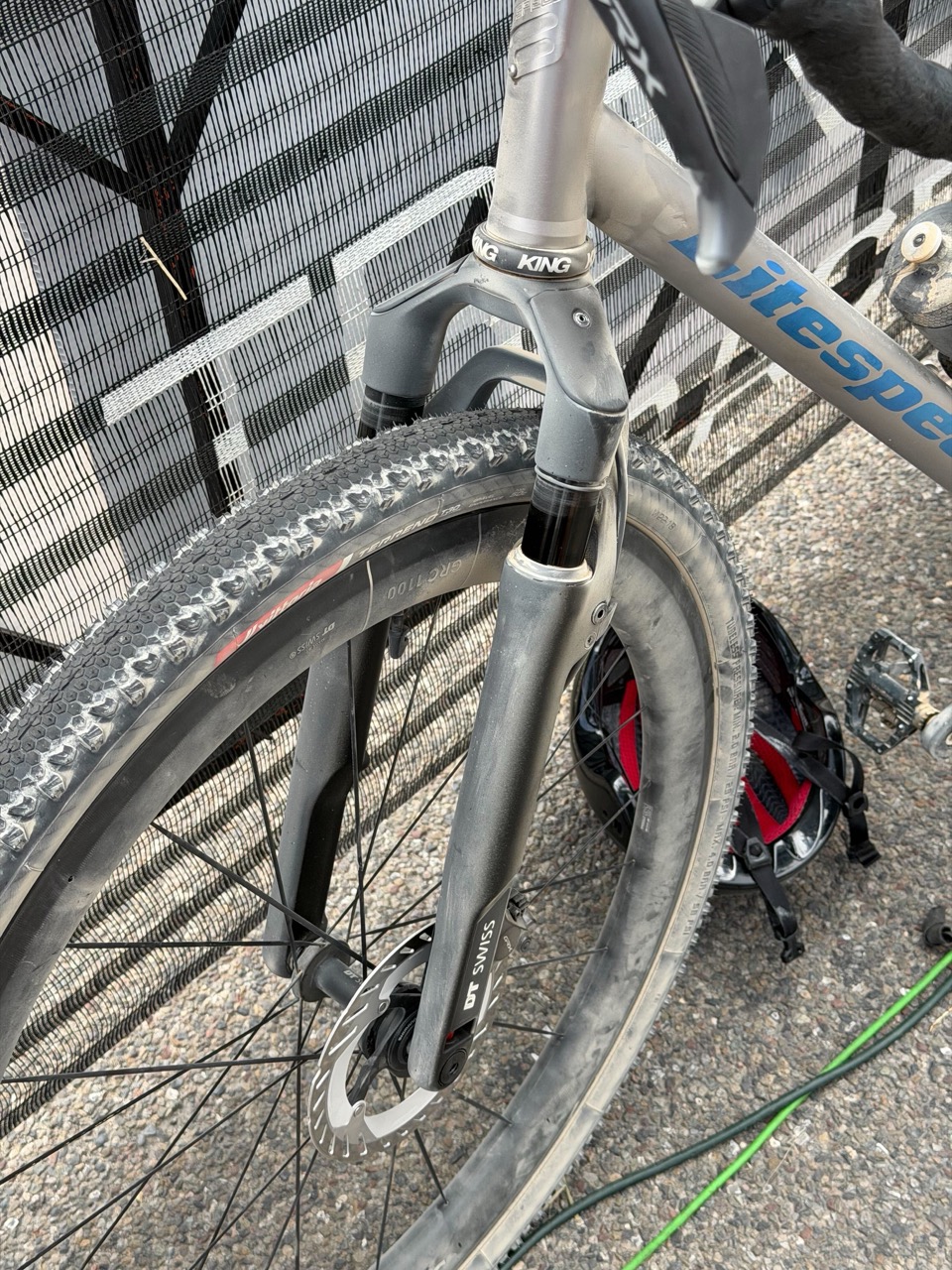
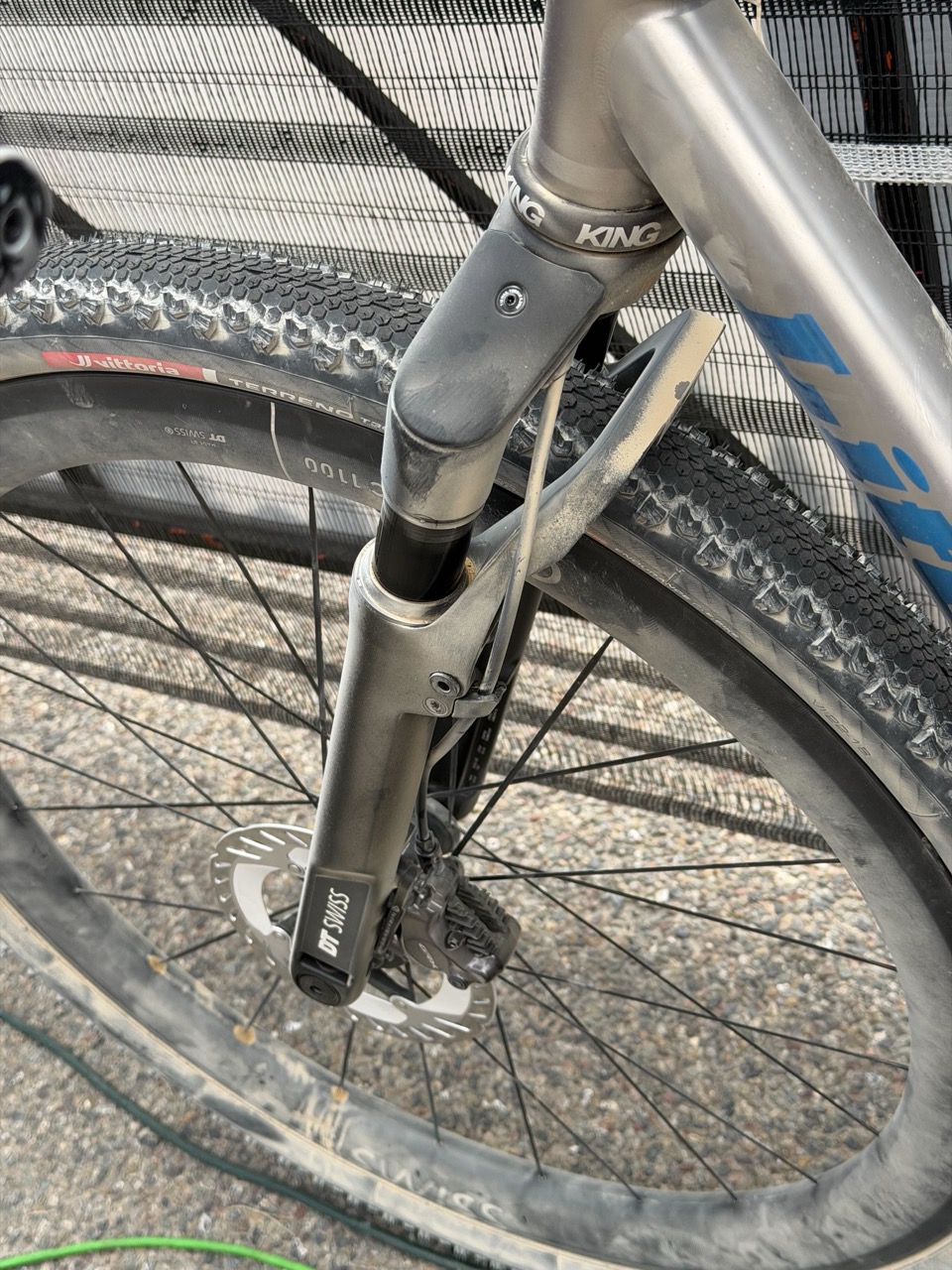
The fork earned its keep. On the washboard sections that were visibly shaking other riders, I tracked through with noticeably less input. I passed several people on a rough stretch and could watch them getting knocked around while I was able to stay composed.
The lockout (activated by a lever on the bar under the left brake lever) became my experiment mid-race. Curious how much difference it actually made, I flipped it closed on a rough section to test it. Almost immediately, I felt it: getting bounced around, hands taking more punishment, less control. I opened it back up within seconds. On the smoother flats and road connectors, locked out was the right call. It converted power cleanly and made a real difference on a windy day where every watt mattered. But on the rough stuff, locking it out was a quick reminder of what the suspension was doing for me.
My arms were sore after. That’s the honest version of “comfort”… suspension doesn’t make rough ground disappear, it just takes the edge off the sections that would otherwise leave you wrecked by mile 30.
I finished 15th overall, first in my age group. First race ever!
Bottom Line
I went into this without much gravel racing experience and zero experience with suspension forks. What the F132ONE gave me was control on rough terrain and efficiency on the flat sections, where I could lock it out. For someone still figuring out what gravel riding is, it made a complicated course feel manageable. The Litespeed Toscano FI is a beautiful platform for it, light, responsive, and well-suited to the kind of mixed terrain that defines Colorado gravel racing.
The Litespeed Toscano test bike was provided by DT Swiss and American Bicycle Group for this review. Bruce Lin from ABG also rode the Toscano at Desert Gravel. Check out his piece for a more experienced rider’s take on the same platform.