
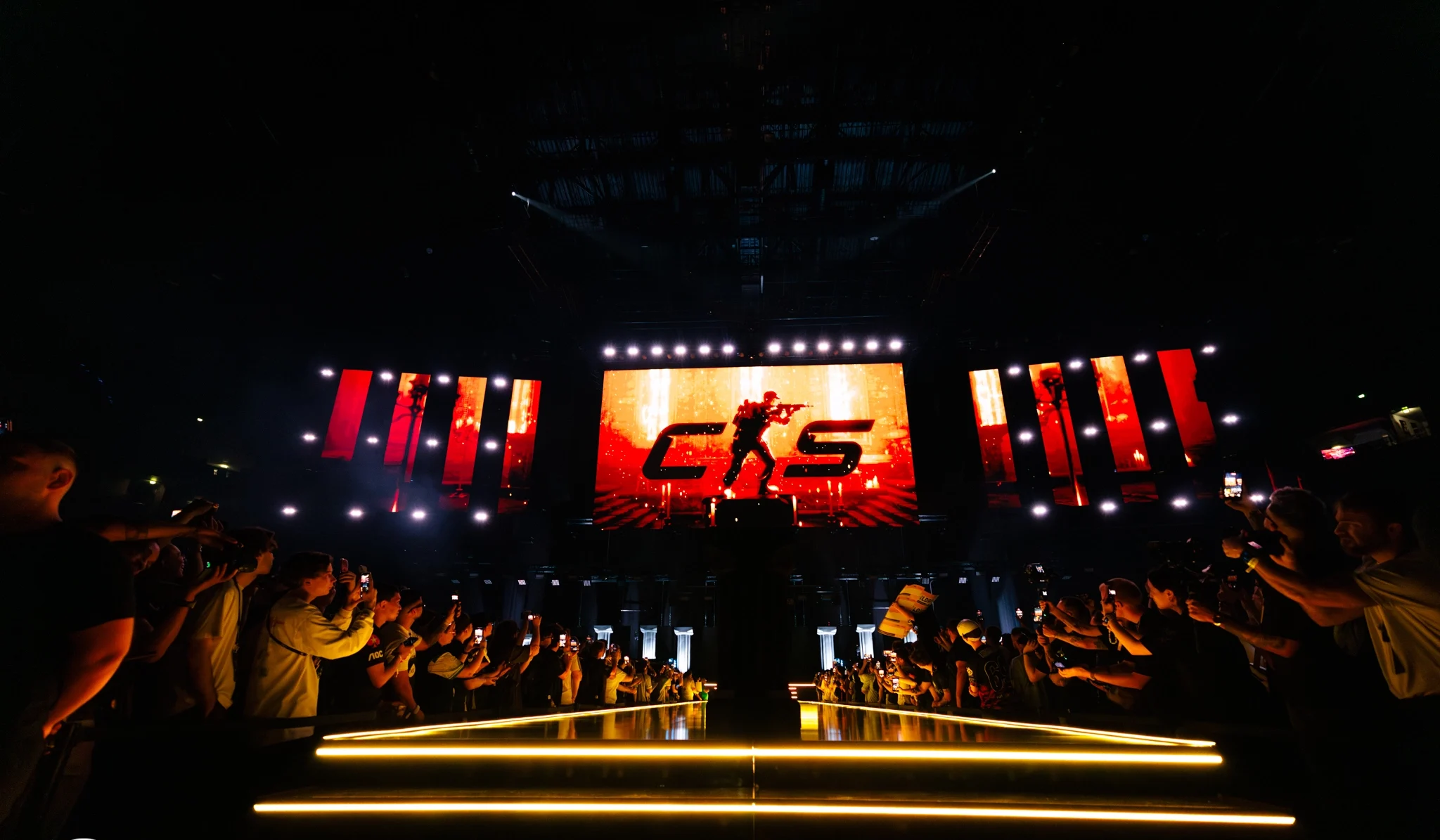
Counter-Strike is celebrating its 27th anniversary today. The game that started as a fan-made mod for Half-Life is now one of the longest-running esports titles in gaming history, and it’s still drawing crowds.
It started as a mod, not a launch
The first version of Counter-Strike showed up in 1999. It was a modification for Half-Life, built outside any big studio. Valve released the official, standalone version in November 2000, more than a year later.
So Counter-Strike didn’t launch with a marketing budget behind it. It came from community work first. The official release followed.
Five versions, several generations of players
Counter-Strike has had five official versions since that first release. Each one carries its own slice of the player base.
Some players still talk about the early computer-club era. Others say CS 1.6 was the version that turned Counter-Strike into the main competitive shooter of its time. A different group remembers CS:GO as the peak. Newer fans are building those same memories around CS2 right now.
The core of the game hasn’t moved much across any of this. Two teams, a bomb, rounds, an in-game economy, and gunplay where one mistake ends your round. Valve changed the wrapping five times. The formula underneath stayed put.
Almost 19,000 tournaments, over $251 million in prizes
The esports side of Counter-Strike has grown alongside the game. That’s not just a popular game with a fanbase. It’s a full ecosystem. Tournament organizers, professional clubs, rosters that became legendary, Majors, and a line of competitive generations that never really broke.
Why the game is still around
New shooters have tried to take Counter-Strike’s spot for years. So far, none have. Part of the reason is the balance the game strikes between two things that don’t usually mix well: easy to learn, hard to master.
Anyone can understand the rules in a few minutes. The real skill ceiling only shows up after thousands of hours. That’s why Counter-Strike still works as both a casual pick-up game and one of the toughest disciplines in professional esports.
Still active, not just historic
The most important part of this anniversary isn’t the number 27 itself. It’s that Counter-Strike is marking 27 years as an active game, not a retired one.
Arenas still fill up for it. Majors are still treated as the biggest events on the esports calendar. New storylines and new players keep showing up, 27 years in.