
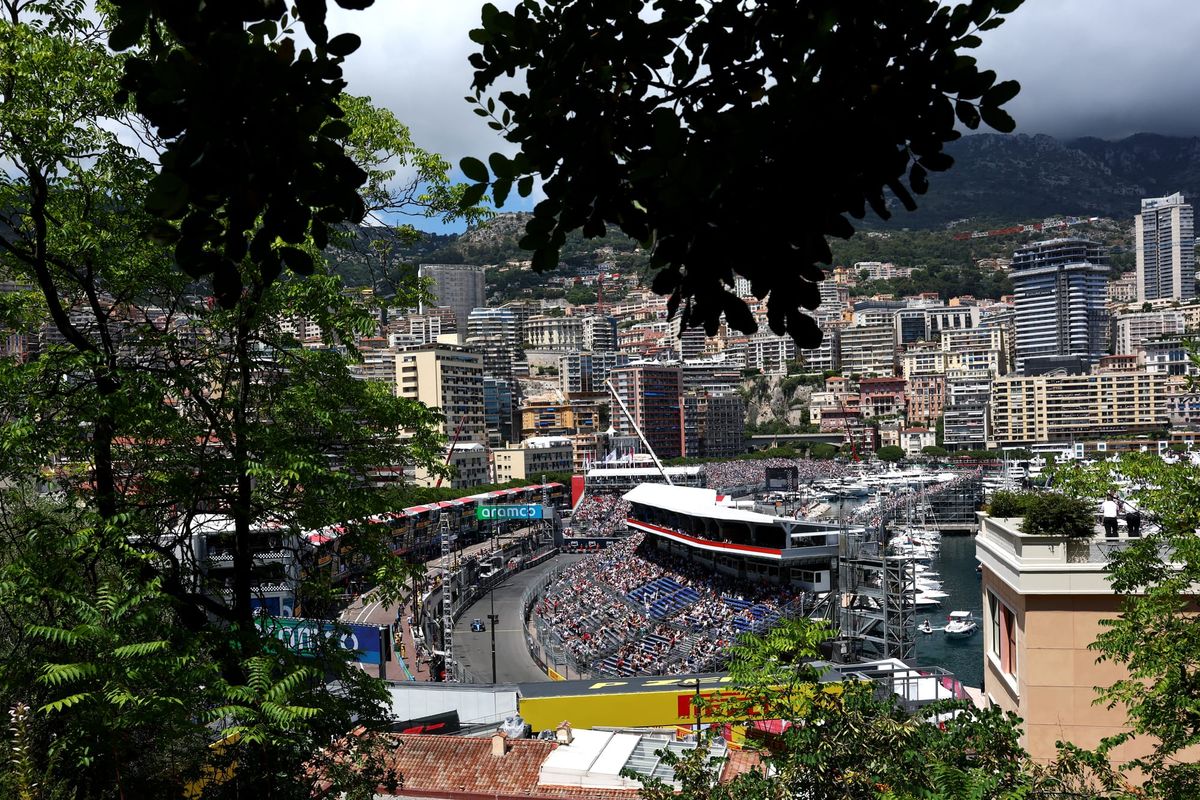
Data and hard facts tell us that the three American Formula 1 races are now the most important commercially on the calendar.
More corporate guests, more brands, more business focused events in and around the races, more activations. Just more money.
So has Monaco lost its commercial crown to the new world?
In a sport that is used to only measuring and improving through data, you’d have to say yes.
But data and its AI manipulators can’t measure vibes. Or personal connections. Or random introductions. Monaco has them all.
Early in the 20th century, Brooklands prided itself on having ‘the right crowd and no crowding’. Monaco delivers that mainly through its inherent inaccessibility. Financial and geographical.
To be in Monaco on a boat or in Paddock Club someone has spent a lot of money on getting you there. And you’ve made a big effort to be there. So with the cost and exclusivity the crowd in certain areas and at certain events is self-selecting and therefore it’s easy to be fast (business) friends. No need for the polite initial due diligence you may need in the 9000 plus capacity Miami paddock club from 2027 onwards.
At a 30-person boat event someone has convened the right crowd. Or the budget to be there has done it via natural financial selection.
The Race hosts these types of events with our partner Axios in the USA, in Davos and Cannes and most recently in Monaco. This gives us a unique insight into the dynamic playing out beyond the track action.
My summary beyond the ‘vibe’ that Monaco still ‘has it’ would be that the decision makers make sure they are in Monaco. Traditional activations are less prevalent and hosting is very intentional. But even those business owners or decision makers new to the sport just know they have to be there. Although they can’t quite give you a justifiable rationale as to why. Just those unmeasurable ‘vibes’. Their attendance is rewarded because they are amongst their own and therefore business can be discussed and done peer-to-peer.
With the sheer volume of brands now involved in F1 it is very difficult to ensure you do have those all critical B2B meetings with the right people. Paddock Club has become commoditised to the extent that F1 Experiences are adding more premium layers for the new UHNW (Ultra High Net Worth) and business owner demand. Ramsay’s Garage is reportedly priced at £40k+ for an individual to experience for the weekend. And it gets sold out.
I found that most of these types of attendees are very focused on F1 being genuinely useful for their business objectives and not just a ‘jolly’. So Bernie Ecclestone’s original vision of exclusivity needs to remain whilst the eyeballs are reached via democratising access to the sport at other touchpoints. Monaco and other new event formats are delivering on that old fashioned exclusivity need.
During our own exclusive Thursday evening event co-hosted with Axios and Aston Martin, Jenson Button restated the fact that as a kid Monaco and his home grand prix at Silverstone were the ones he wanted to win and how special Monaco specifically was to win due to the history but also the proximity of the fans: “You see the people on their balconies, you see the people on the boats cheering, it feels like you are actually celebrating with everyone in the grandstands”.
That’s a feeling the USA races just can’t replicate and neither can they replicate Monaco’s history. And Jefferson Slack, managing director of Aston Martin F1, highlighted the draw for his fellow Americans: “It’s on their bucket lists, it is iconic and therefore it remains a huge race for us as a team and for the sport.”
The following evening Laurent Mekies, David Coulthard and the CEO of Carlyle Harvey Schwartz all emphasised the importance of the race off track but it was Ford Racing’s Global Head, Mark Rushbrook, that nailed the draw of the race, again for the American audience via a simple story.
“33 of our USA dealers won a competition and had the choice of event to attend between The Kentucky Derby, The Masters or here,” he said. “There were no other choices. It was not even a decision for them – they all come here.”
Tom Potter, CEO of leading F1 Sponsorships agency, Rush, was one of many voices I heard from over the weekend talking about the growth of Monaco for their business after a few years of stagnation and even decline.
He said: “Monaco is back to being unmatched in the way it concentrates sponsors, investors and decision makers in one location. What’s changed is the profile of that audience, more American, more private wealth led and more willing to spend at the very top level to get the experience they expect in every other facet of their lives.”
The ‘Americanisation’ of the event is most simply illustrated by two very diverse attendees from the new world last weekend, Bill Gates and Kim Kardashian. Perhaps proving that the 250-year-old country might have just ‘got’ our 76-year-old sport.
What the data doesn’t tell is that the American races have actually aided, rather than impacted Monaco’s commercial leadership. It’s the Americans that are driving demand and deals at elevated levels and their own races have acted as a gateway drug to the most potent motorsport drug of all: The Monaco Grand Prix.