
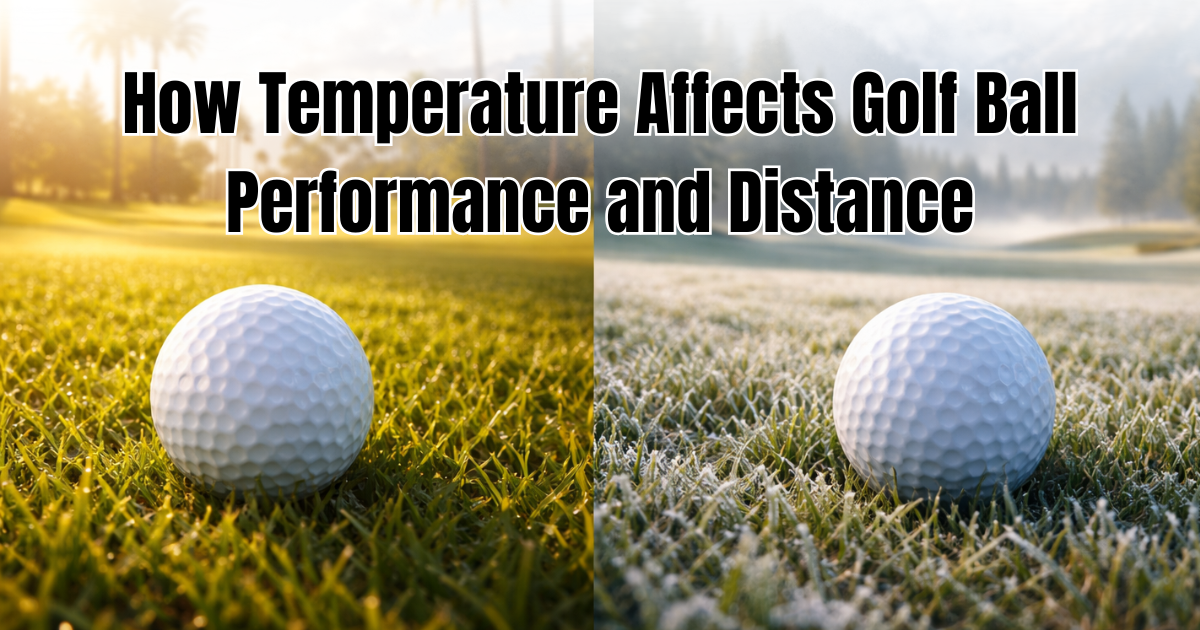
Learn how temperature affects golf ball distance, performance, and feel, and how a proper ball fitting at Haggin Oaks Golf Complex can help you stay consistent in any conditions.
If you’ve ever stepped onto the first tee on a cold Sacramento morning and wondered why your ball isn’t flying like it did last summer, you’re not alone.
Temperature has a direct, measurable effect on golf ball performance. And if you understand how it works, you can make smarter decisions, hit better shots, and avoid losing unnecessary distance.
Why Cold Weather Costs You Distance
There are two main factors at play when temperatures drop:
1. Cold Air Creates More Drag
Colder air is denser than warm air. That density increases resistance on the golf ball during flight, slowing it down and reducing carry distance.
That means even with a perfect strike, your ball simply won’t travel as far.
2. The Golf Ball Itself Gets Less Responsive
Golf balls are designed to compress and rebound off the clubface. But in colder temperatures, the materials inside the ball stiffen.
The result:
- Less compression at impact
- Lower ball speed
- Reduced distance
In simple terms, a cold golf ball doesn’t “spring” off the clubface the same way a warm one does.
How Much Distance Are You Actually Losing?
This isn’t just a small difference, it adds up quickly.
- You can lose about 2 yards for every 10°F drop in temperature
- In extreme cold, studies have shown 20+ yards of lost carry distance
That’s the difference between hitting the green… and coming up well short.
It’s Not Just the Ball
Temperature doesn’t just affect equipment, it affects you, too.
- Muscles are tighter in the cold
- Layers can restrict your swing
- Swing speed often decreases
All of that compounds the distance loss you’re already experiencing from the ball and the air.
What Happens in Warm Weather?
Warmer temperatures flip the equation.
- Air is less dense → less resistance
- Golf balls compress more efficiently
- Shots fly farther
That’s why summer rounds at Haggin Oaks often feel like you’ve “picked up distance” without changing anything in your swing.
How to Adjust Your Game at Haggin Oaks
If you’re playing in cooler conditions, here’s how to stay ahead:
Take More Club
Don’t fight the conditions, plan for them. If it’s cold, expect to club up.
Keep Your Golf Ball Warm
Store balls in your pocket instead of your bag. Even a small temperature difference can help performance.
Expect a Different Feel
Colder golf balls feel firmer, which can affect your touch around the greens.
The Smart Move Most Golfers Skip: Getting Fit for the Right Ball
Here’s something most players overlook:
Not all golf balls perform the same in different temperatures.
- Some compress better in cooler conditions
- Others feel too firm and lose efficiency
- The “best” ball isn’t universal, it’s specific to your swing
That’s why getting fit matters.
At Haggin Oaks, you can take advantage of a free golf ball fitting with PING Ballnamic, a data-driven system that helps match you with the ideal ball for your game.
Learn how to get fit here:
A proper ball fitting can help you:
- Maximize distance year-round
- Improve consistency
- Dial in feel and control
Final Takeaway
Temperature is one of the most overlooked performance factors in golf, and it’s largely driven by the air your ball travels through.
- Cold air is denser, creating more resistance and slowing the ball down
- Warm air is thinner, allowing the ball to fly farther with less drag
- That difference alone can lead to noticeable changes in distance, even with the same swing
Once you understand how air temperature affects ball flight, you can adjust your expectations and your club selection accordingly.
Next time you tee it up at Haggin Oaks, remember:
It might not be your swing… it might just be the air.
If you would like to stay up to date, subscribe to Golf In The City Of Sacramento.