
0

0
Read Time:2 Minute, 32 Second
When the Indian Cricket League (ICL) was launched, the Indian cricket board found itself under immense pressure to create a T20 competition of its own. Given the scale of the project, it was never going to happen overnight. After the BCCI Working Committee meeting in July 2006 empowered Lalit Modi to launch the Indian Premier League (IPL), he set about building what would eventually become one of India’s most successful global sporting brands.
The IPL did not become a phenomenon overnight. It was shaped through relentless discussions with players, corporates, broadcasters and other stakeholders. Once operational, the league evolved into a self-sustaining enterprise that has continued to thrive and expand its influence across the cricketing world.
Since stepping down as the league’s commissioner—a designation that effectively disappeared with his exit, with subsequent administrators being referred to as IPL chairmen—Modi has largely remained silent about the events that shaped the tournament’s formative years. More than a decade later, he has begun revisiting that journey through a series of podcasts.
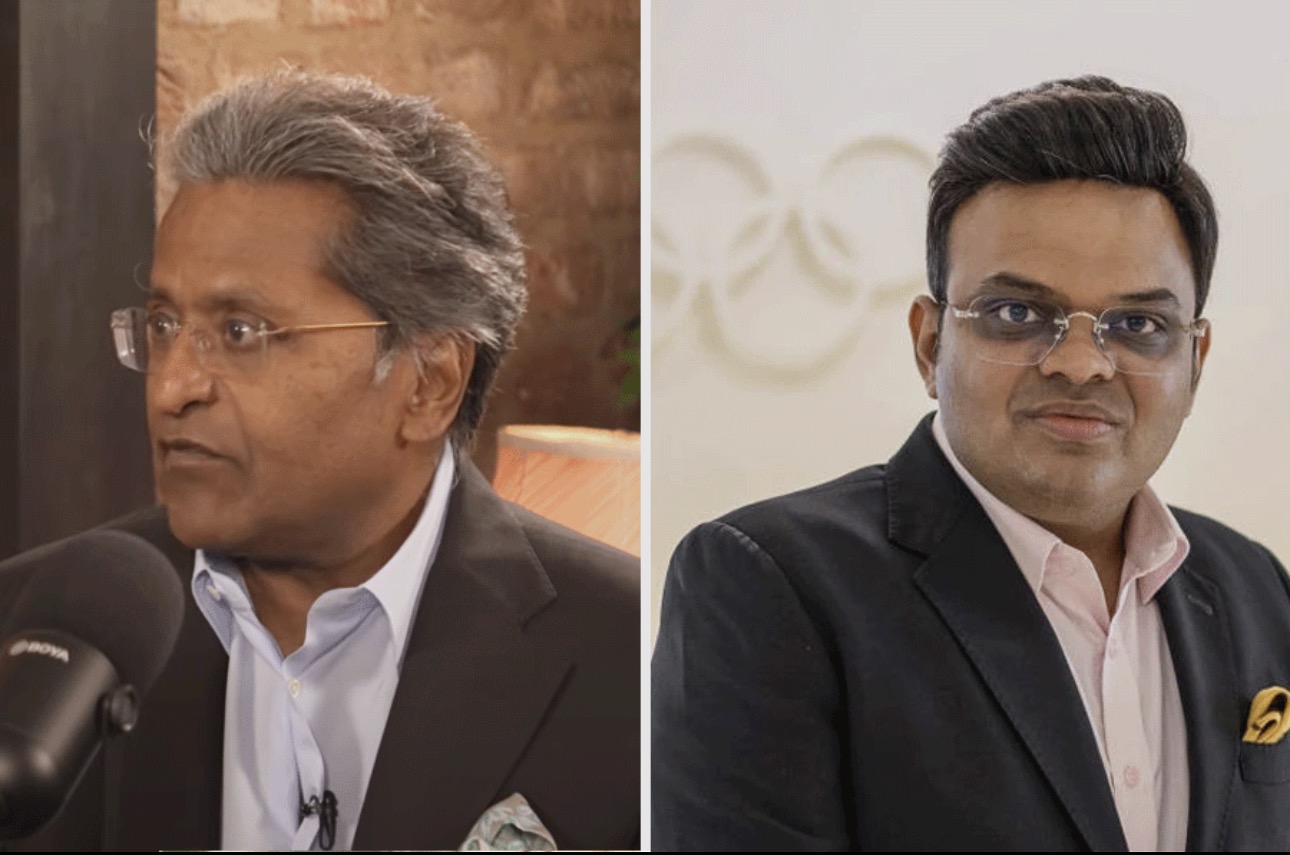
As Modi reflects on his time as IPL commissioner and the events that followed, he appears equally pleased that the game is now in what he believes are safe hands under ICC Chairman Jay Shah. Modi and his team had to navigate numerous challenges while building the IPL, during a period when global cricket administration was often criticised for unequal power structures and allegations of racial bias.
Today, however, Modi believes the sport is on a stronger footing. From his remarks, it is evident that he sees the IPL only growing bigger, stronger and more influential with every passing year.
“The challenges ahead are enormous — global scheduling, franchise cricket, international cricket, player workloads, commercial growth and the changing expectations of fans. One man can fix it, and that is Jay Shah,” Modi wrote on X.
For a man who once envisioned franchise owners having stadiums of their own, such comments reflect the mindset of an entrepreneur who has never been afraid to think beyond conventional boundaries. Even today, Modi continues to advocate a simple philosophy for cricket’s administrators: put the game first and everything else will follow.
“These are not simple issues. My view remains straightforward. Cricket must come first. The game must come first. The players must come first. And the fans must come first. Everything else is secondary,” Modi wrote on the social media platform.
He further made it clear that his concern has “never been about personalities” but about the future of the game itself.
“As someone who created the IPL, I can see what lies ahead. The growth of the IPL over the next decade will fundamentally reshape the economics of world cricket. Some nations will embrace it. Others will envy it. Many will struggle to adapt to it,” Modi said.
The statement underlines Modi’s belief that the IPL is no longer merely a cricket tournament. In his view, it has evolved into the economic engine of world cricket and the pulse of a cricket-obsessed nation.

Happy
0 %

Sad
0 %

Excited
0 %

Sleepy
0 %

Angry
0 %

Surprise
0 %