
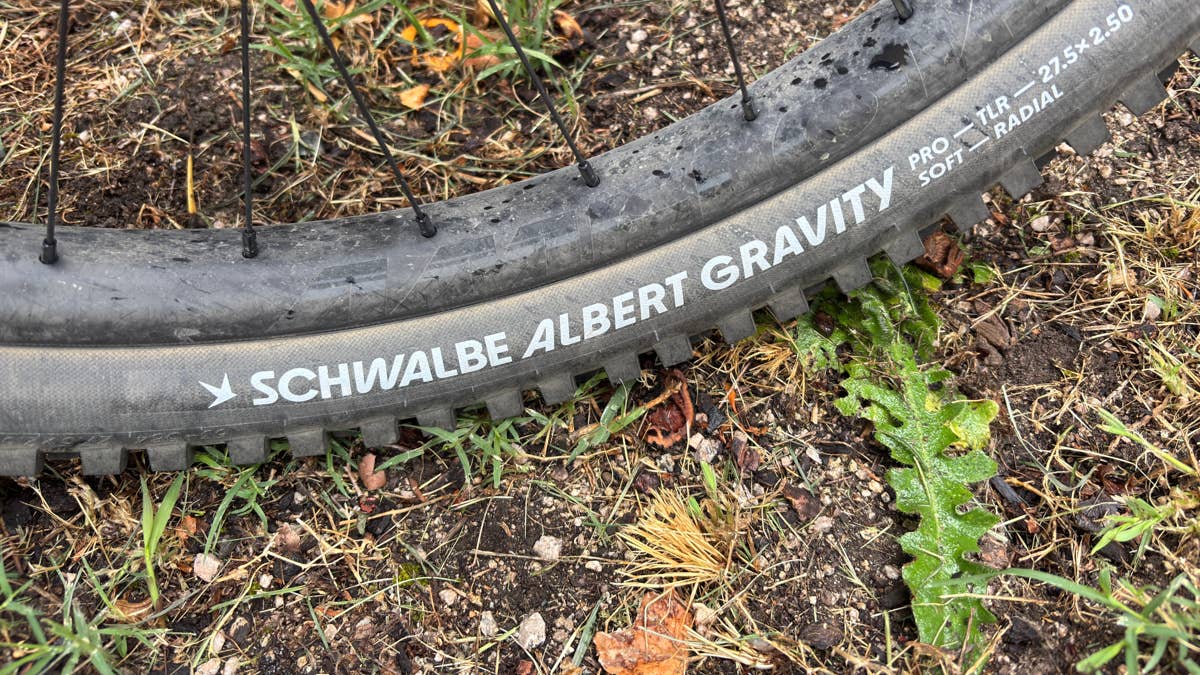
I’ve spent the last weekend riding both the Schwalbe Magic Mary and Albert Radial tires back to back with the Vee Tire Co. Attack FSX Radials to see how the two ends of the radial MTB tire spectrum compare. On one wheelset, we have the Schwalbe Magic Mary and Albert Radial tires, some of the more expensive offerings on the market, but they are also the first brand to bring the radial casing to the sport. On the other set, we have the Vee Tire Co. Attack FSX, which is one of the most affordable picks and also the latest offering in the radial tire world.
I’ve been going back and forth between the two options on the same trails to really find the differences between these two extremes, and they’re noticeable, making each one much better suited to a particular riding style.
Deven McCoy
View the 2 images of this gallery on the
original article
The Schwalbe radial tires have a recommended retail price of over $100 USD, but can be found on sale for less; even at that sale price, they are still more expensive than the Vee Tire Co. radials at full price ($84.99). But Schwalbe also has a much more recognizable name in the industry and likely a bit more tech that goes into their tires, not to mention more options in terms of compound, tread pattern, and, as far as I can tell, a more dramatic casing compared to the typical bias or diagonal casing tires, and even a more dramatic casing compared to other radial casing tires on the market. And this is honestly pretty noticeable on the trail, especially in the trail casing.
Schwalbe Radial Magic Mary and Albert
- Weight
MagicMary ~1,410g
Albert: ~1,310g - Compound: Ultra Soft / Soft
- 72 TPI
- MSRP: $108 / $103 USD
When comparing the two, it’s clear that the Schwalbe tires are a bit more progressive with their take on radial casing, whereas the Vee Tire Co. options aren’t quite as dramatic with their take on a new casing structure. The Vee Tires feel much closer to a bias-ply casing, but with a little more damping and flexibility thanks to the brand’s development of this new radial casing. As with all radial MTB tires, Vee Tire Co. says adding about 5 PSI to your normal pressure is the ticket to a smoother ride.
Deven McCoy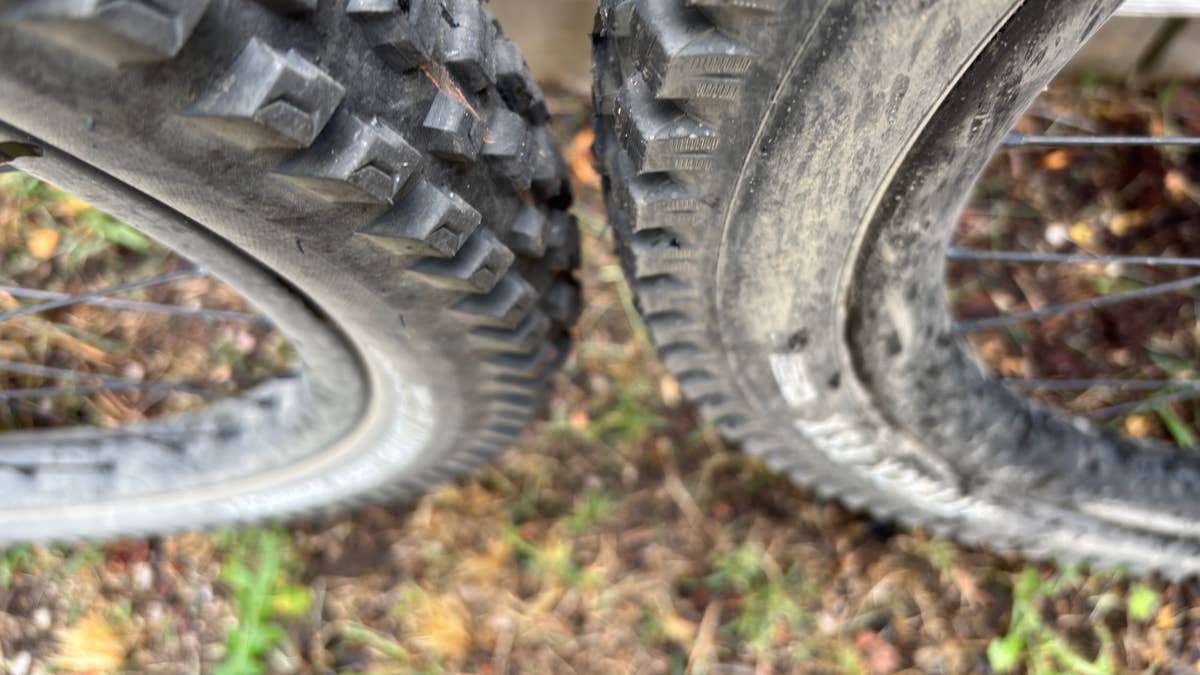
I have spent a lot of time on the Schwalbe Albert Trail radials, and recently more time on the Magic Mary and Albert Gravity, which has been an overall more enjoyable experience than with the trail-casing radials. I feel like the added support structure of the gravity casing mutes the vagueness of the radial casing, offering a bit more robustness to the contact patch and cornering capability. With the trail-casing radials, there is a bit too much lateral forgiveness, which can make cornering on hard-packed trails feel kind of squirmy and unpredictable if you’re not familiar with how they feel. I’ve found that with the more durable gravity casing this feeling is more subdued, but still present at times.
Where the Schwalbes really shine is in looser, loamier conditions and on more chunky rocks where the tire can really deform and hug the trail or adapt to the conditions, but although the radial tech is being marketed as a huge advancement in tire tech, I still find myself preferring a bias-ply tire for most situations thanks to the supportive feeling and predictable ride qualities.
Deven McCoy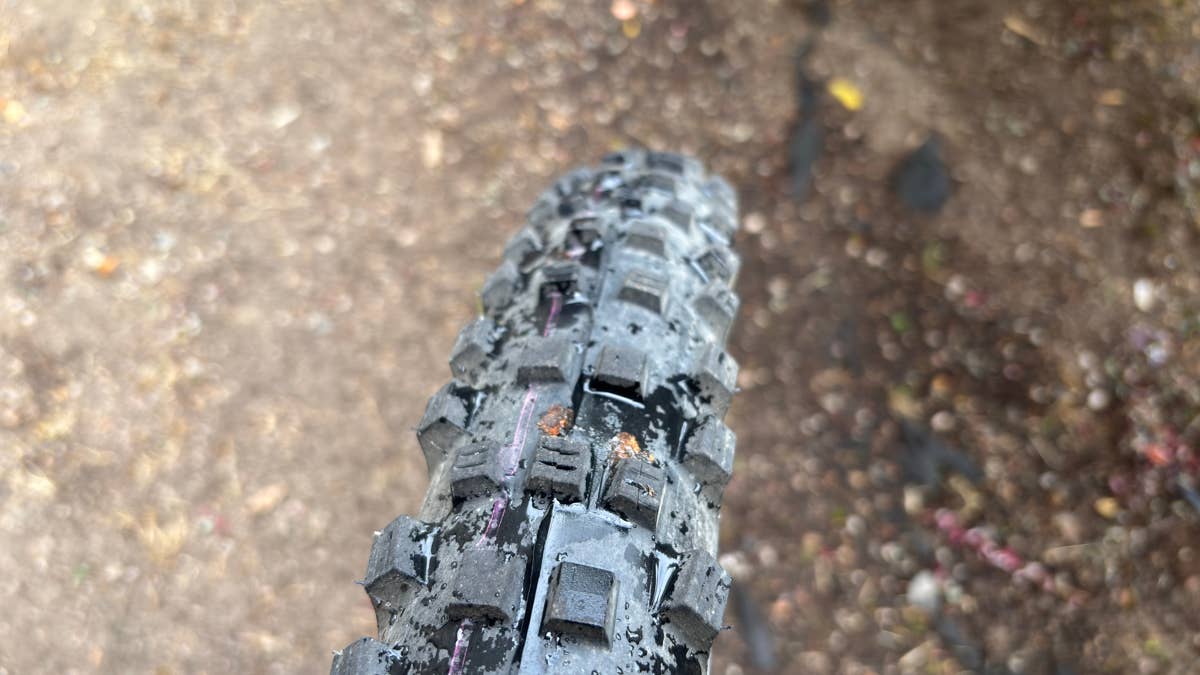
Vee Tire Co. RADcore Attack FSX
- Weight: ~1495g (29×2.5)
- Compound: Full40 (42a rubber)
- 72 TPI
- MSRP: $84.99 USD
Now let’s look at the Vee Tire Co. RADcore tires. Although the casing isn’t as extreme as the Schwalbe equivalents, they strike a nice middle ground between diagonal and radial casings, and they cost a few coins less. The direct comparison isn’t super easy because Vee Tire Co. doesn’t really have the same variation, but they’re close enough to draw some connections. The Vee Tire Co. Attack FSX is the faster rolling tread pattern, and in the Full40 compound, it’s a pretty soft rubber, albeit not as supple as the ultra-soft Schwalbe compounds, but that does mean it will last a little longer.
I’ve been running the Attack FSX front and rear, and although I did have some back and forth with the pressures to get them feeling ideal, they mostly felt really similar to a bias-ply tire; that was until I found a sweet spot in the pressure for what I have been riding. Originally, I had them far too high within the recommended 35-50 psi range and have since settled on a pressure that is just at the minimum, at 35 psi front and 37 psi in the rear, and I might even dare to go a little lower since I’m still not seeing the signs of folding or burping.
Deven McCoy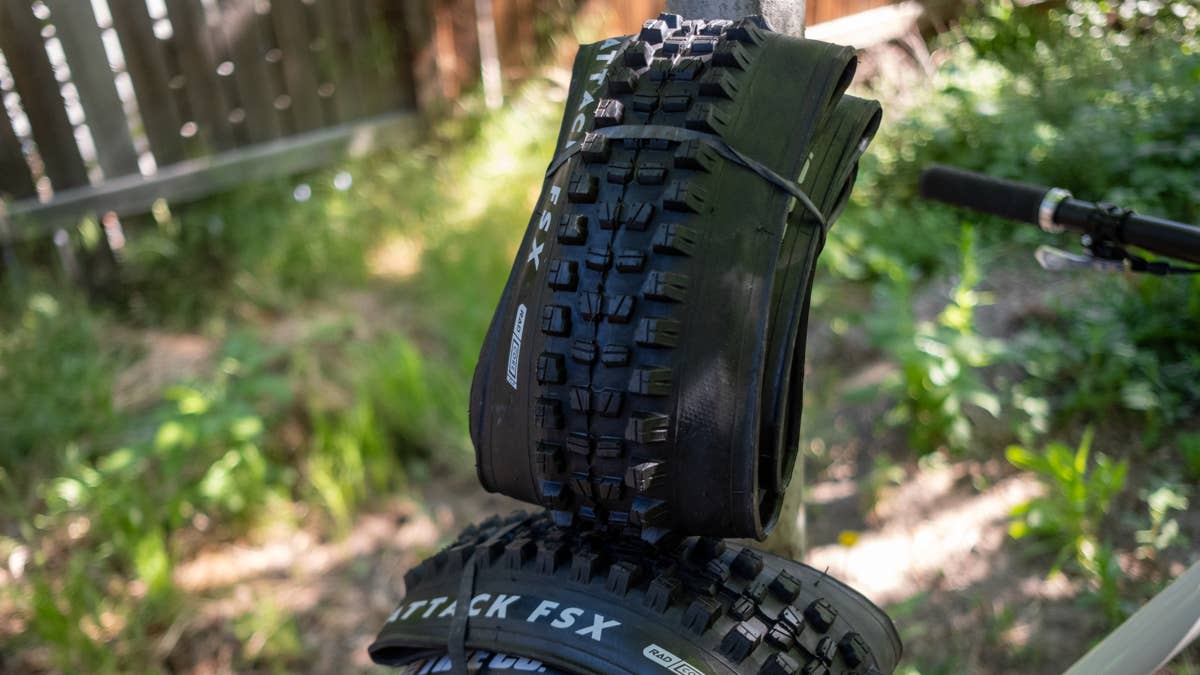
The Attack FSX is definitely a fast-rolling tire, but with the implementation of the RADcore and the softer Full40 Compound, they still feel abundantly grippy in corners, with a predictable and, most importantly, consistent breakaway point. The sidewall feels supportive, and the tread pattern is certainly familiar, which makes it easy to compare to other non-radial tires on the market, but I’ve also been spending a lot of time on the non-radial version of the Attack FSX in the same Full40 compound and I can confidently say that forking over the few extra dollars is well worth it for the benefits seen in the new RADcore options.
Deven McCoy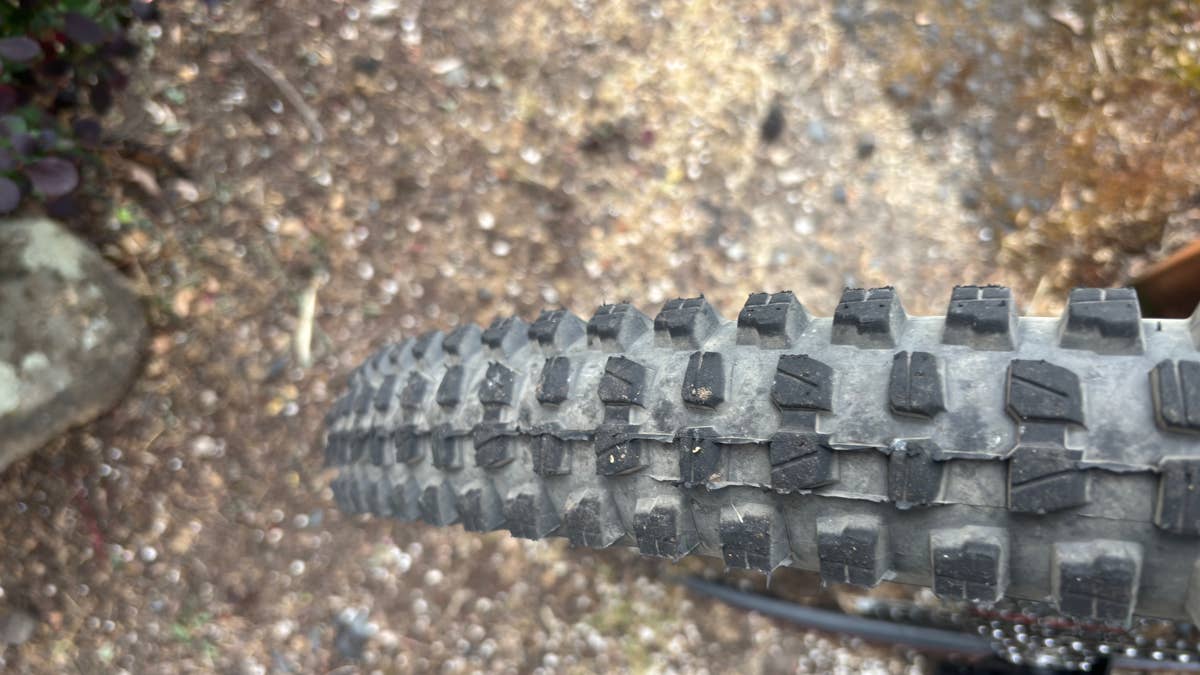
Deven McCoy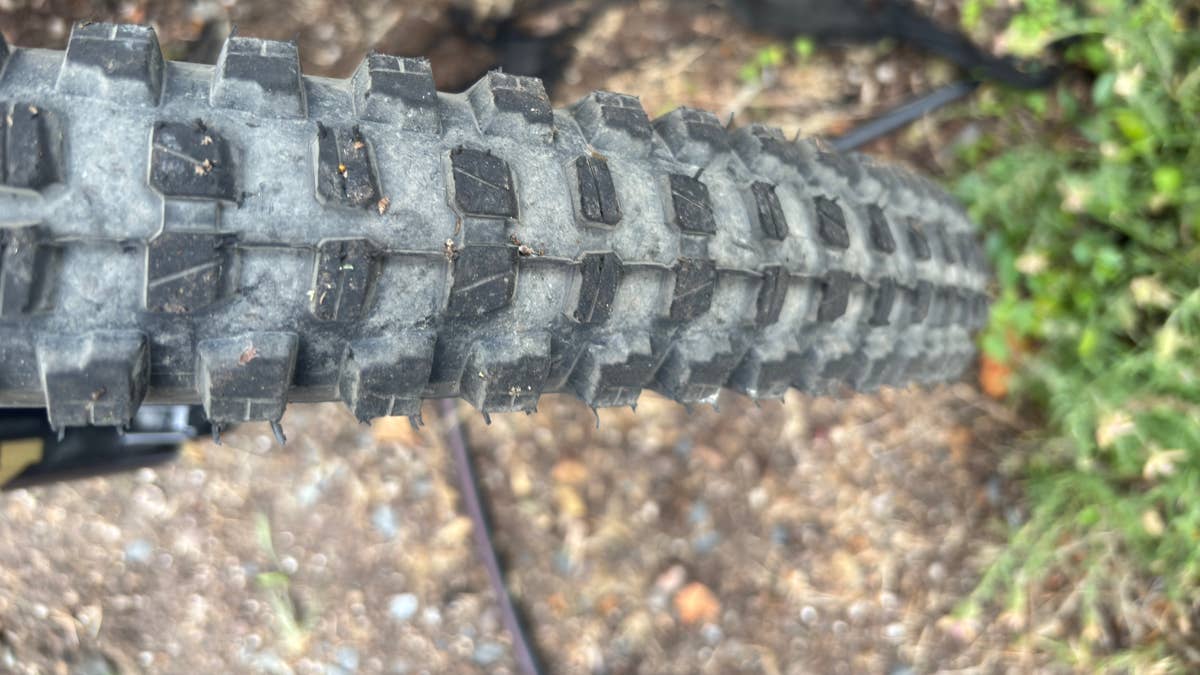
It does take some getting used to the feeling of a radial tire, and they aren’t perfect for every rider, but if you want a more damped and supple feeling tire and aren’t hitting high-speed, hard packed corners with the intention of ripping the tire from the rim, and instead want more grip and control on steep tech, the radial fad is well worth entertaining, and the Vee Tire Co. radials make that a much less expensive thing to explore.
There are other, more affordable options for radial-curious riders, and e*thirteen has its Grappler Radial tires, which retail for just under $80 USD, making them the most affordable choice, but I haven’t tested these just yet. I also don’t have the best experience with e*thirteen tires, but they do come in at a hard-to-argue-with price.
Overall, I think Schwalbe has the top step of the radial MTB tire podium, as they offer the most drastic change from a bias-ply tire, with increased grip and comfort in lower-speed situations or on more technical terrain. The Vee Tire Co. and Specialized options are a little more familiar-feeling and offer a less dramatic deviation from the more familiar diagonal casing most riders are used to, and I think they are an excellent option for those looking for a happy medium between bias-ply and radial.
Vee Tire Co. Radial Vs. Schwalbe Radial: Which Should You Choose?
Want a more supportive, fast-rolling radial tire, and a familiar-feeling tire that still offers the benefits of radial? Go with the Vee Tire Co. Attack RADcore options.
Deven McCoy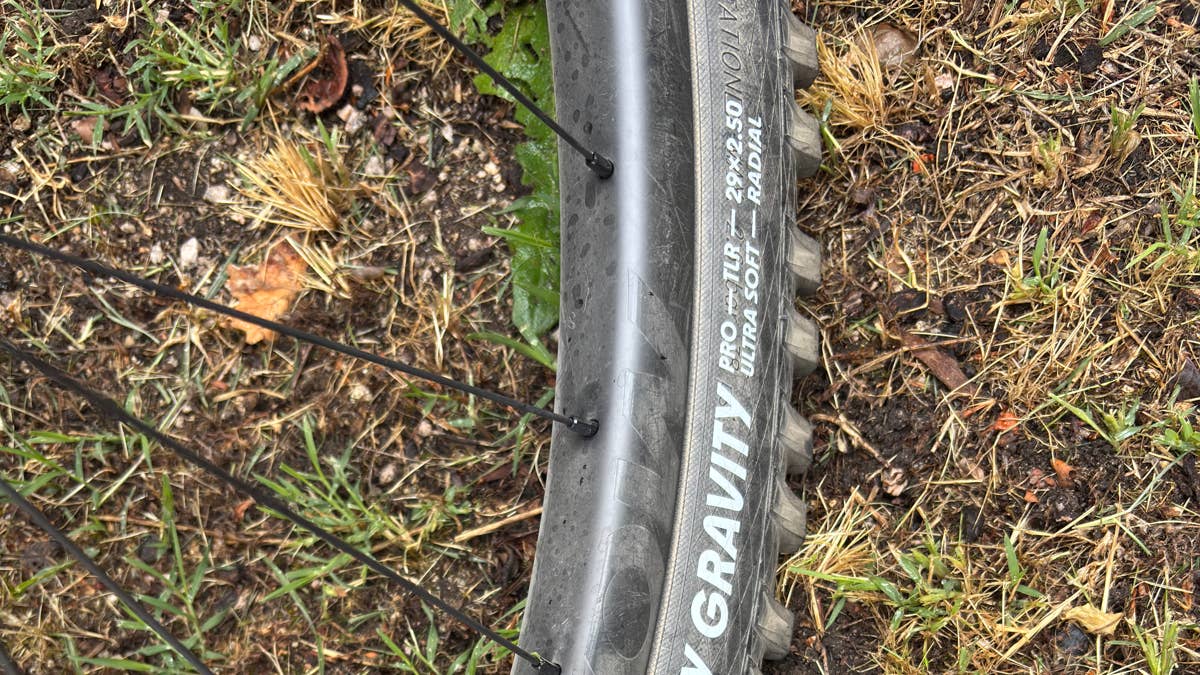
View the 2 images of this gallery on the
original article